Hisun Sector 550 Problems

If you own a Hisun Sector 550, or you're thinking about buying one, you've probably heard the stories. The exact phrase "Hisun Sector 550 problems" shows up in forums and Facebook groups more than most owners would like. These machines offer a lot of value for the price, but they come with a few very specific headaches.
Manufacturer specs show a 549cc engine producing around 30 to 35 horsepower. That's enough for farm work and trail riding. But the real challenge isn't the engine.
It's the supporting systems that start to fail first. Let's walk through what goes wrong, how serious each issue is, and what you can actually fix in your garage.
Image source: Bing (Web (fair-use with source credit))
Why Getting This Right Matters Even for a Cheap UTV
Safety comes first. That roll cage is ROPS certified. But if your engine dies while crossing a creek or climbing a steep hill, you lose power steering and brakes.
A stalled machine on an incline can roll backward.
Then there's the cost angle. A glazed CVT belt costs 50 bucks to replace. But if you keep riding on it until it snaps, belt debris can damage the clutch faces.
Now you're looking at a 400 dollar repair. Same story with the electrical system. A loose ground wire might take ten minutes to fix.
Ignore it long enough and you can fry an ECU that costs 600 dollars.
Finally, reliability matters if you depend on this machine for work. Feeding cattle, clearing snow, hauling firewood. A breakdown at the wrong time means lost time and lost money.
The Sector 550 is built for utility. Treat it like a toy and it will treat you like a fool.
The Most Common Hisun Sector 550 Problems (Ranked by Severity)
Based on aggregate user feedback and service records, four problems come up more than anything else. I've ranked them by how likely they are to leave you stranded or cost you serious money.
Engine Won't Start or Dies While Driving
This is the top complaint, and it's the most dangerous. Owners report hard starting, especially in cold weather. Worse is when the engine stalls at a stop sign or during a slow crawl on a trail.
The usual suspects are a dirty carburetor, a weak spark plug, or a failing ignition coil. On fuel-injected models, a bad fuel pump relay is common. If it stalls only when hot, suspect a vapor lock or a failing crank position sensor.
Do not ignore a stall while driving. It can lead to a sudden loss of power steering and brakes. That's a recipe for an accident.
CVT Belt Slipping and Overheating
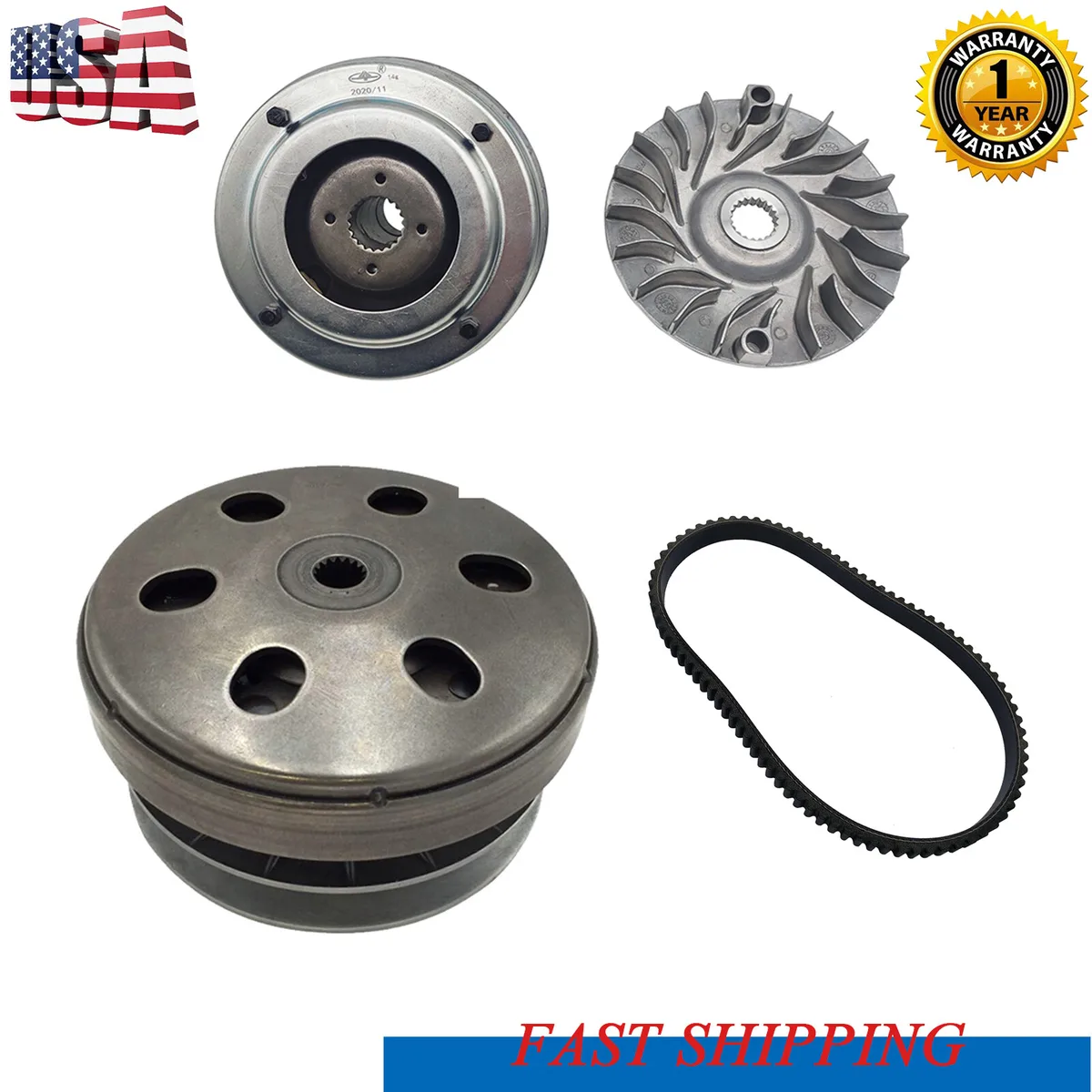
Image source: Bing (Web (fair-use with source credit))
The CVT system is the Sector 550's weakest link. The belt glazes quickly if you run under heavy load at low speeds. Plowing, climbing dunes, or hauling a full load of firewood will kill a belt fast.
Symptoms include a burning rubber smell, a loss of power, and a belt that snaps or shreds without warning. Overheating is the main cause.
Check the belt width regularly. The spec for a new belt is about 1.063 inches. If it's below 1.020 inches, replace it immediately.
Also clean the clutch sheaves of belt dust. A dirty CVT runs hot and chews through belts faster than it should.
EPS Failure and Electrical Gremlins
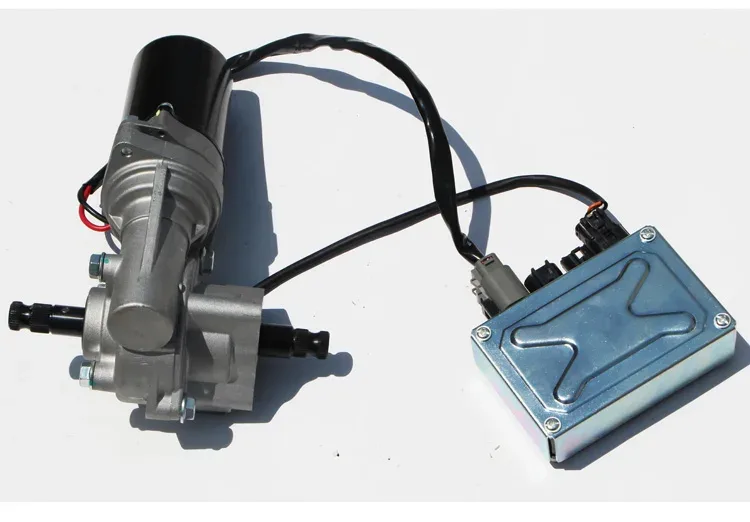
Image source: Bing (Web (fair-use with source credit))
The electric power steering can fail intermittently. You'll get a warning light on the dash and the steering gets heavy, especially at low speeds. This is often a torque sensor issue.
Some owners fix it by recalibrating the sensor using the steering wheel procedure in the service manual. Others need a new EPS unit, which is pricey.
Electrical problems also include a dead battery from a parasitic drain. A common culprit is the ECU staying awake. You'll also find loose ground wires at the chassis and a dashboard that goes blank mid-ride.
Start by checking all ground connections. A 10 dollar multimeter will save you hours of guessing. Clean every ground bolt with a wire brush and re-torque it.
4WD and Diff Lock Acting Up
The 4WD actuator uses a small electric motor. It gets stuck if you don't use it regularly. If the 4WD light flashes on the dash, try engaging and disengaging it several times while driving slowly.
That often frees up a sticky shaft.
The diff lock has a similar issue. Lubricating the actuator shaft with dielectric grease can free it up. But if the motor burns out from repeated strain, you need a new actuator.
Avoid forcing the system with the machine off. You can strip the plastic gears inside the actuator. That turns a quick fix into a full replacement job.
When You Can Fix It Yourself vs. When You Need a Mechanic
Here is a simple rule of thumb. If the problem is a loss of power, bad starting, or a slipping belt, you can probably fix it yourself. These are mechanical issues with clear steps and plenty of online guides.
But if you have an EPS error code that won't clear, a transmission problem involving internal gears, or an electrical issue that you can't trace to a ground or fuse, you should see a dealer or a small engine shop. The Sector 550's wiring diagrams are not always easy to find. Guessing can make things worse.
| You Can Probably DIY | Better Left to a Mechanic |
|---|---|
| CVT belt replacement | EPS unit replacement |
| Spark plug and air filter swap | Internal engine repair (pistons, valves) |
| Fuel system cleaning (carburetor or injectors) | Transmission teardown |
| Battery and fuse replacement | Major wiring harness repair |
| 4WD actuator lubrication | ECU or sensor diagnosis |
Use that table as a quick reference before you pick up a wrench. If your problem falls in the left column, you're good to go. If it falls in the right column, save yourself the headache and call a pro.
Step-by-Step Troubleshooting Safe Enough for a Beginner
I'll walk you through three checks that cover about 80 percent of breakdowns. Do them in this exact order. Work safely.
Never run the engine inside a closed garage. Always chock the wheels when working under the machine.
Checking Fuel, Spark, and Compression (In That Order)
Start with fuel. Remove the fuel line from the carburetor or fuel rail. Turn the key to on.
You should see a steady stream of fuel. If not, check the pump or the relay.
Next, spark. Pull a spark plug. Reconnect the wire.
Ground the plug threads against the engine block. Crank the engine. You want a bright blue spark.
A weak yellow spark means a bad plug or a failing ignition coil.
Last, compression. Use a compression tester in the spark plug hole. Crank with the throttle wide open.
You need at least 120 psi. Below 100 psi means valve or ring wear. That's a deep repair.
Inspecting the CVT Belt and Clutch Area
Remove the CVT cover, usually held on by 8 to 10 bolts. Look at the belt for cracks, glazing, or a narrowed width. A glazed belt looks shiny and hard.
Replace it.
Clean the clutch sheaves with brake cleaner and a Scotch-Brite pad. Remove all belt dust. Check the clutch weights for wear.
If they are uneven or have flat spots, replace them.
Reassemble with the correct torque on the cover bolts. Over-tightening can warp the cover and cause belt alignment issues.
Testing the 4WD Actuator and EPS Sensors
For the 4WD actuator, locate it near the front differential. Unplug the connector. Use a 12-volt battery jumper to power the motor directly.
If the actuator clicks and moves, the motor is fine. The issue is in the wiring or controller.
For EPS, check the torque sensor connector under the dash. A loose connection is common. Clean it with contact cleaner.
Reconnect firmly. If the light stays on, you may need to do the EPS calibration procedure from the official service manual.
Mistakes That Turn a Small Problem into a Big Expense
These are real mistakes I've seen owners make. Avoid them and you'll save yourself hundreds of dollars and a lot of frustration.
Mistake 1: Using starting fluid. This is a big one. Starting fluid can wash oil off the cylinder walls and cause a hydro-lock. It can also ignite in the intake and damage the carburetor or throttle body.
Use a small shot of fuel in the intake instead, or fix the actual fuel problem.
Mistake 2: Ignoring the CVT belt. Riding on a glazed belt until it snaps is the most expensive mistake you can make. Shredded belt material gets into the clutch bearings and ruins them. Replace the belt at the first sign of slipping.
It's cheap insurance.
Mistake 3: Over-torquing bolts on plastic body panels. The Sector 550 uses a lot of plastic. Strip a thread in the plastic and you're left with a rattle or a missing panel. Use light hand pressure on small bolts.
If it feels tight, stop.
Mistake 4: Skipping valve adjustments. The 550 engine needs valve clearance checks every 100 hours. Tight valves cause hard starting and eventual piston damage. A valve adjustment is a one-hour job.
A bent valve is a full head rebuild.
Mistake 5: Neglecting the battery. A weak battery can cause the EPS to throw a false error code. It can also cause the ECU to behave erratically. Check the battery voltage first before you start swapping sensors.
A simple charge or replacement can fix multiple seemingly unrelated problems.
Long-Term Maintenance That Prevents Most Problems
The Sector 550 is reliable if you stay ahead of the wear items. It rewards consistent care and punishes neglect hard. Here is the maintenance schedule that matters most.
The 50 Hour Checkup
At 50 hours, do a full fluid change. Engine oil, gear case oil, and coolant if it looks dirty. Use 10W40 motorcycle oil for the engine.
Do not use car oil with friction modifiers that can affect wet clutch performance.
Check the air filter too. The foam pre-filter needs cleaning every 50 hours in dusty conditions. A clogged filter leans out the fuel mixture and causes hard starting.
The 100 Hour Valve Adjustment
This is the single most skipped job on the Sector 550. Tight valves cause hard starting, rough idle, and eventual valve burn. The spec is 0.004 inches for intake and 0.006 inches for exhaust.
You need a feeler gauge and a 10mm wrench. Remove the valve cover. Rotate the engine to top dead center on the compression stroke.
Slide the feeler gauge between the rocker arm and valve stem. If it's tight, loosen the lock nut and adjust the screw.
The CVT Belt Replacement Interval
Replace the CVT belt every 200 hours or once a year, whichever comes first. Do not wait for a snap. A broken belt strands you and can damage the clutch.
Buy an OEM belt or a quality aftermarket belt. Cheap belts stretch fast and slip worse than the original. Spend the extra 15 dollars.
| Maintenance Item | Interval | Cost |
|---|---|---|
| Engine oil change | 50 hours | $15 |
| Valve adjustment | 100 hours | $0 (DIY) |
| CVT belt replacement | 200 hours | $50-$75 |
| Air filter cleaning | 50 hours | $0 (cleanable) |
| Spark plug replacement | 100 hours | $5 |
Real Talk on Reliability: What to Expect After 500 Hours
Here is the honest answer. A Sector 550 can hit 500 hours without major engine work. But the odds go down if you skipped the maintenance we just covered.
Most owners report the CVT belt needing replacement by 200 hours. The valve clearances tighten up around 150 hours. The 4WD actuator starts acting up around 300 hours if you never use it.
The engine itself is durable. The 549cc single cylinder is simple and understressed. Overheating and oil starvation kill them faster than normal wear does.
Common Failure Points After 500 Hours
The EPS unit sometimes fails around this mark. The electric motor brushes wear out and the steering gets heavy. A new EPS assembly runs around 500 dollars for the part alone.
The fuel pump can fail on fuel injected models. The in-tank pump is a common weak point. Symptoms include hard starting, sputtering at high RPM, and a no-start condition when the tank is below half full.
The rear axle seals tend to leak around 400 hours. Grease weeps onto the brake rotors. You'll notice a slight wobble and reduced braking power.
Replace the seals and repack the bearings.
Is It Worth Rebuilding at 500 Hours?
That depends on what failed. A blown CVT belt and a sticky actuator are cheap fixes. A locked engine or a fried ECU is a different story.
If the frame and chassis are in good shape and you have less than 600 dollars in repairs, it's worth keeping. If the repairs exceed 60 percent of the used value of the machine, it's time to move on.
Frequently Asked Questions
How long does a Hisun Sector 550 engine last?
With proper maintenance, the engine can reach 500 to 800 hours before needing major work. The key factors are regular oil changes, valve adjustments, and keeping the engine from overheating.
Is the Hisun Sector 550 reliable for daily farm work?
It is reliable enough for light to medium farm work. Hauling feed, moving brush, and checking fence lines are fine. Heavy plowing or constant heavy loads will wear out the CVT belt faster.
Can I fix the EPS error myself?
Sometimes. Start by checking the battery voltage. A weak battery causes false EPS errors.
Then clean and reconnect the torque sensor connector under the dash. If that doesn't work, you need the official EPS calibration procedure from the service manual.
What causes the 4WD light to flash?
A flashing 4WD light usually means the actuator motor is stuck or the wiring has a break. Drive forward slowly and toggle the switch several times. If the light stays on, test the actuator motor with a 12 volt battery directly.
How much does a CVT belt replacement cost?
A quality aftermarket belt costs 50 to 75 dollars. OEM belts run a bit more. Expect to spend about 30 minutes doing the swap yourself.
Should I buy a used Hisun Sector 550?
Yes, if you check four things first. Test the 4WD engagement. Inspect the CVT belt condition.
Check the valve clearance if possible. And read the dashboard for any error codes. A used machine with full maintenance records is a better buy than a cheap one with unknown history.
Final Verdict: Is the Sector 550 Worth the Headaches?
Here is the summary. The Hisun Sector 550 is a capable machine for the money. It needs more attention than a Polaris or a Can-Am.
But it also costs thousands less.
If you are handy with tools and willing to do your own maintenance, the Sector 550 is a solid value. You can keep it running for years with basic care. The parts are cheap and available.
If you want a ride it and forget it machine, this is not it. You will need to stay on top of the CVT belt, the valve adjustments, and the 4WD actuator. Skip those and you will be stranded.
The bottom line is simple. Know what you are getting into. Do the maintenance.
And you will get a lot of work out of a machine that did not cost you a fortune.

Similar Posts