How Often Should I Change Air Purifier Filters
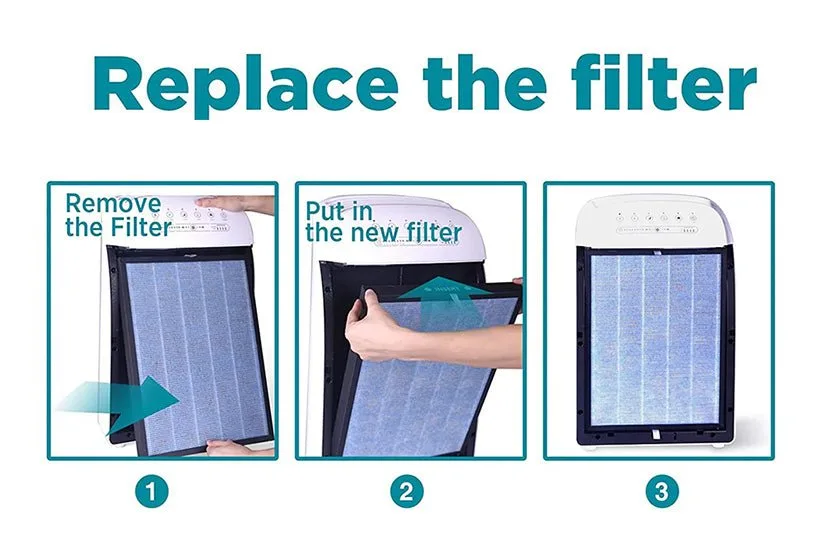
So you bought an air purifier to breathe easier. Maybe you got it for allergies, maybe for wildfire smoke, or maybe just to cut down on dust. But now there's a filter in there doing the work, and you're staring at the manual wondering how often should I change air purifier filters before the machine stops pulling its weight.
That number in the manual feels like a guess, and honestly, it often is.
Manufacturer specs indicate most residential HEPA filters last between 6 and 12 months under average use. But "average" doesn't describe your home. The EPA's indoor air quality research confirms that filter life depends heavily on usage hours, particle load, and your local environment.
Let's walk through how to find your real replacement interval, not the one-size-fits-all number.
Image source: Bing (Web (fair-use with source credit))
Why This Isn't a One-Size-Fits-All Answer
The problem is simple. Every air purifier manual prints a generic number like "replace every 6 months" because they have to put something in the box. That number assumes medium usage in a moderately clean room with average particle levels.
Your home is not average.
The biggest frustration with air purifiers is guessing when to change the filter. People either swap too early and waste money, or wait too long and breathe dirty air. Both scenarios defeat the purpose of owning the machine.
Real-world conditions change everything. A home with two dogs in Arizona generates far more dust and dander than a single person in a coastal apartment. A purifier running 24/7 in a bedroom loads up faster than one running 4 hours a day in a rarely used guest room.
The manual can't account for these variables.
Treat the manufacturer's recommendation as a starting point, not a deadline. From there, you adjust based on your specific situation. That's what this guide helps you do.
Quick Answer: The Ranges That Actually Apply
Most HEPA filters last 6 to 12 months. Most carbon prefilters last 3 to 6 months. Most washable prefilters need cleaning every 2 to 4 weeks.
These are general ranges.
Your actual interval depends on three things. How many hours you run the unit. How dirty your air is.
And what filter type you have. The table below shows typical patterns.
| Filter Type | Typical Replacement / Cleaning | Best Case | Worst Case |
|---|---|---|---|
| True HEPA (disposable) | 6–12 months | 12 months (low use, clean air) | 3–4 months (smoke, pets, 24/7) |
| Activated carbon (disposable) | 3–6 months | 6 months (light odors) | 2 months (heavy cooking or smoke) |
| Washable prefilter (permanent) | Clean every 2–4 weeks | Clean monthly | Clean biweekly |
| Combined HEPA + carbon | 6–9 months | 10 months | 4 months |
If you run your purifier 24 hours a day, expect the shorter end of the range. If you run it 8 hours a day in a clean room, expect the longer end.
The Decision Tree: What to Ask Yourself First
How Many Hours Does It Run Each Day?
This is the biggest variable. A purifier running 24/7 accumulates three times the particle load as one running 8 hours a day. Per AHAM testing standards, filter life scales roughly with operating hours.
Running on high moves more air per hour and loads the filter faster than running on low.
Calculate your average daily runtime over a week. Multiply your daily hours by 30 to get monthly hours. Most HEPA filters are rated for 3000 to 6000 hours of use.
Divide the rated hours by your monthly hours to estimate months of life.
What's In Your Air?
Different particles load filters at different rates. Fine smoke particles from wildfires or cooking can clog a HEPA filter faster than regular dust. Pet dander and hair coat the prefilter surface and reduce airflow even when the main filter is still clean.
High humidity also matters. In humid climates, filters can grow mold before they reach their particle capacity. If you live somewhere with over 60 percent average humidity, check filters monthly for musty smells or visible spotting.
What Filter Type Are You Using?
Washable prefilters are your first line of defense. Clean them every 2 to 4 weeks with a vacuum or rinse. A dirty prefilter makes the main HEPA filter work harder and die faster.
Disposable HEPA filters cannot be washed. Water destroys the fine fiber structure. Some manufacturers offer "washable HEPA" but these are usually electrostatic types, not true HEPA, and they degrade with washing.
Carbon filters for odor removal deplete over time even if they look clean. Unlike HEPA filters, carbon doesn't show physical signs of saturation. If you stop noticing odor removal, replace the carbon layer regardless of appearance.
The Physical Inspection: Your Best Reality Check
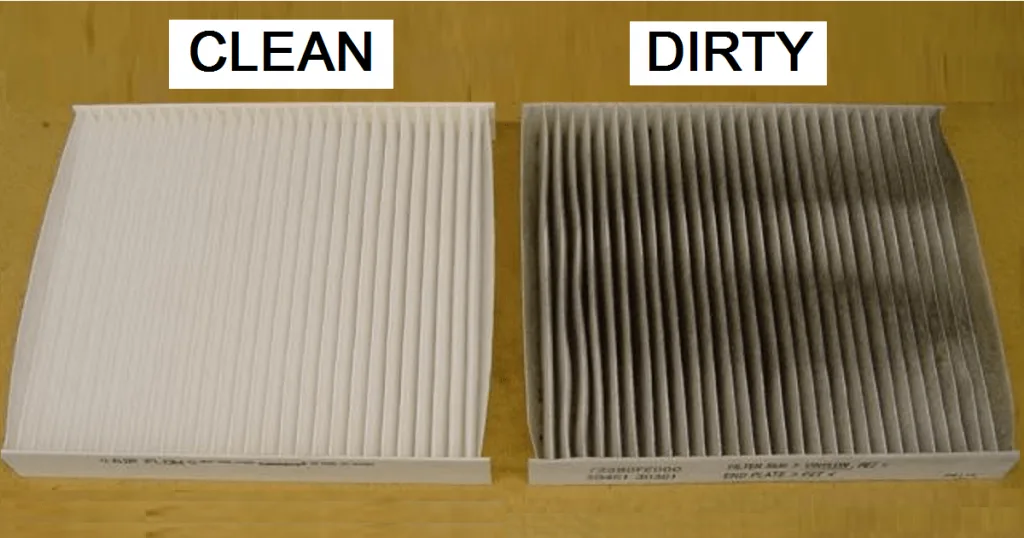
Image source: Bing (Web (fair-use with source credit))
You don't need a sensor or an app to know when a filter is done. Your eyes and nose can tell you. The first sign is reduced airflow.
Hold your hand an inch from the outlet vent when the purifier runs on high. If the airflow feels weaker than when the filter was new, it's time to check.
The second sign is visible dirt on the filter surface. Remove the filter and hold it up to a bright light. If you can barely see light through the pleats, the filter is loaded.
A light coating of gray is normal after a few months. Heavy black or brown discoloration means it's past due.
The third sign is smell. A clean purifier should not produce any odor. If you notice a musty, sour, or dusty smell from the unit, the filter is hosting bacteria or mold.
Change it immediately. Running a purifier with a moldy filter blows spores into your room, making indoor air worse than outdoor air.
Check your prefilter weekly if you have pets or live in a dusty area. The prefilter catches large particles before they reach the main HEPA. Keeping the prefilter clean can extend your main filter life significantly.
Common Mistakes That Shorten Filter Life (or Waste Money)
Buying generic or third-party filters to save money sounds smart, but many don't meet the original equipment specifications. Poor fit, lower CADR ratings, and shorter lifespan are common with non-OEM filters. You save upfront but replace more often.
Washing a non-washable HEPA filter is the most common error. People see a dirty filter and think they can rinse it off. That destroys the fiber structure and reduces efficiency from 99.97 percent down to roughly 50 percent.
If you've ever washed a HEPA filter, replace it now.
Running the purifier with a clogged prefilter is another mistake. Users blame the main filter for poor performance when the real problem is the prefilter. Clean the prefilter first.
In most cases, airflow returns and the main filter has months of life left.
Waiting for the filter change indicator light is risky. Many entry-level purifiers use a simple timer, not an actual particle sensor. The light comes on every 6 months regardless of real conditions.
Trust the light as a reminder, but confirm with physical inspection.
Changing too often is a real waste. If your filter still passes the light test and airflow is strong, don't toss it just because the calendar says so. Each filter costs money and creates landfill waste.
Run it until performance drops, as long as it stays within the safe range.
Real Scenarios: What Different Homes Actually Need
The Pet Owner Schedule
If you share your home with a cat or dog, your filter works overtime. Pet dander and fur load the prefilter fast. Pet-owning households typically see main HEPA filter life at 4 to 6 months, not the typical 12.
Clean your prefilter every 2 weeks. Vacuum it if it's washable, or rinse it and let it dry fully before reinstalling. If you skip this step, the main filter clogs in half the time.
Budget for filter replacements twice a year plus prefilter cleaning every two weeks.
The Wildfire Season Schedule
Wildfire smoke is dense with fine particles. A single heavy smoke event can load a HEPA filter to capacity in days. During active wildfire seasons in the western US, filter changes every 2 to 3 months are common.
Check your filter visually after any smoky week. If the surface looks dark gray or black, replace it. Do not wait for the indicator light.
Smoke particles also saturate carbon filters quickly. If you run a purifier for smoke protection, keep a spare filter on hand before fire season starts.
The Allergy Season Schedule
Spring and fall pollen spikes put extra strain on your purifier. If you run the unit 24/7 during allergy months, expect filter life to shorten by 30 to 40 percent compared to off-season use.
A practical approach is to replace the filter just before allergy season starts. That gives you peak performance during the months you need it most. Then check if it can last through the season.
Many people find they need one mid-season swap.
The Occasional Use Schedule
If you run your purifier only a few hours a day in a clean room, the manufacturer's 12-month estimate might actually hold. Some users report getting 18 months from a HEPA filter in low-use conditions.
The physical inspection matters most here. If airflow is strong and the filter passes the light test, keep running it. But never exceed 18 months even if it looks clean.
Combined carbon and HEPA filters can harbor bacteria over time regardless of visible dirt.
The Basement or High Humidity Situation
Humidity above 60 percent changes the equation. Filters in damp basements can grow mold before they reach their particle capacity. Check monthly for musty smells or dark spotting.
If you notice any odor from the unit, replace the filter immediately. Running a moldy filter spreads spores through the room. You might need seasonal filter changes every 3 months in humid climates.
Pro Tips for Getting the Longest Safe Life Out of Any Filter
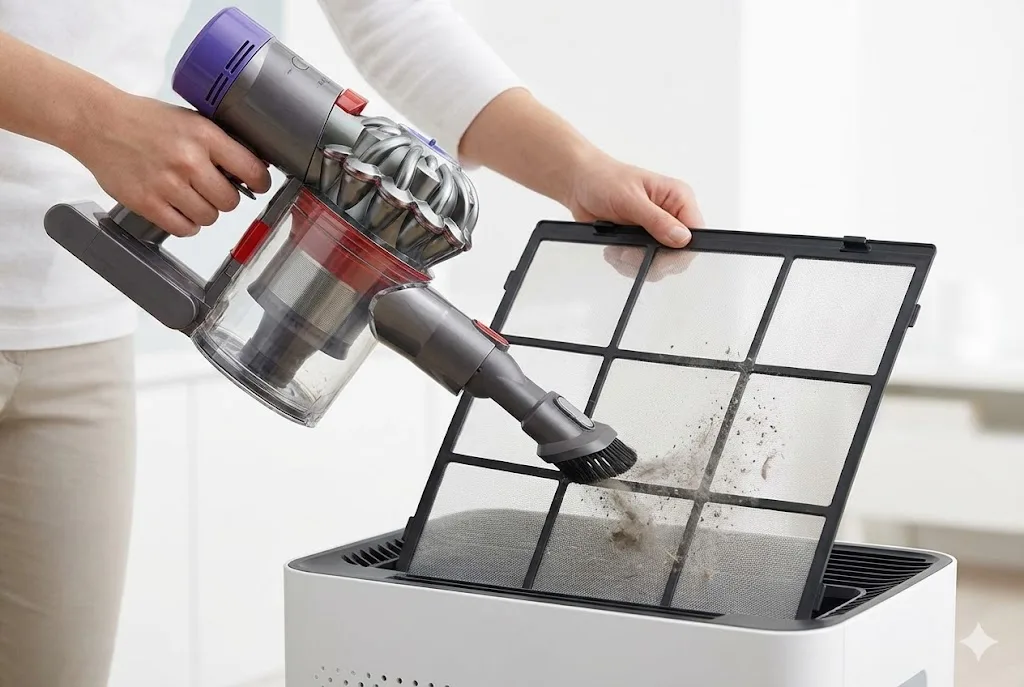
Image source: Bing (Web (fair-use with source credit))
Clean your prefilter every 2 to 4 weeks. This is the single most effective way to extend your main filter life. Keeping the prefilter clear can extend your HEPA filter's usable life by a significant margin.
Vacuuming the prefilter is better than rinsing for most units. Rinsing works but requires full drying. A damp prefilter can grow mold inside the machine.
If you rinse, let it dry 24 hours before reinstalling.
Run your purifier on medium speed instead of high when possible. High speed moves more air per hour and loads the filter faster. Medium still cleans the air effectively and extends filter life.
Use a smart plug or timer to run the purifier only when you're home and awake. This cuts runtime without sacrificing the benefit. A purifier running 12 hours a day uses half the filter life of one running 24 hours.
Store spare filters in their original sealed packaging in a dry, cool place. An opened filter sitting in a humid closet absorbs moisture and can start growing mold before you install it.
Set a recurring calendar reminder for filter inspection. Pick the first of every month. Look at the prefilter, check airflow, and do the light test.
Five minutes of inspection saves you from breathing dirty air or replacing filters too soon.
Frequently Asked Questions
Can I extend filter life by cleaning it?
You can clean a washable prefilter, but never clean a disposable HEPA filter. Vacuuming or rinsing a HEPA filter damages the fiber structure and reduces efficiency. Replace it when it's dirty.
Cleaning the prefilter regularly does extend the main filter's life significantly.
What happens if I don't change it on time?
Airflow drops, the fan works harder, and the room stays dirtier. Your purifier uses more electricity and makes more noise. In humid conditions, a dirty filter can grow mold and blow spores into your room.
That makes indoor air quality worse than outdoor air.
How do I know if cheap generic filters are okay?
Generic filters often have lower material density and looser pleats. They may not seal properly in the filter tray, letting air bypass the filter. Verified buyer feedback reports shorter lifespan and reduced CADR ratings.
Stick with OEM filters or verified third-party brands that meet your unit's specs.
Does running a purifier less often mean I can skip changes?
Not entirely. The filter still collects particles during operation and can accumulate bacteria or mold over time even with light use. A maximum safe filter age is about 18 months for most units.
Replace at least that often regardless of runtime.
My filter indicator light hasn't come on. Should I wait?
Many purifiers use a simple timer that counts days, not a sensor that measures particle load. The light is a reminder, not a diagnosis. Do the physical inspection regardless of the light.
If airflow is weak or the filter looks dark, replace it even if the light is still green.
Is there a difference between OEM and third-party filters for lifespan?
OEM filters are engineered to match the unit's airflow and particle capture specs. Third-party filters sometimes use thinner media or fewer pleats. That means they load up faster and need replacement sooner.
If you use third-party filters, expect to change them more frequently.

Similar Posts