What Can You Cook In An Air Fryer
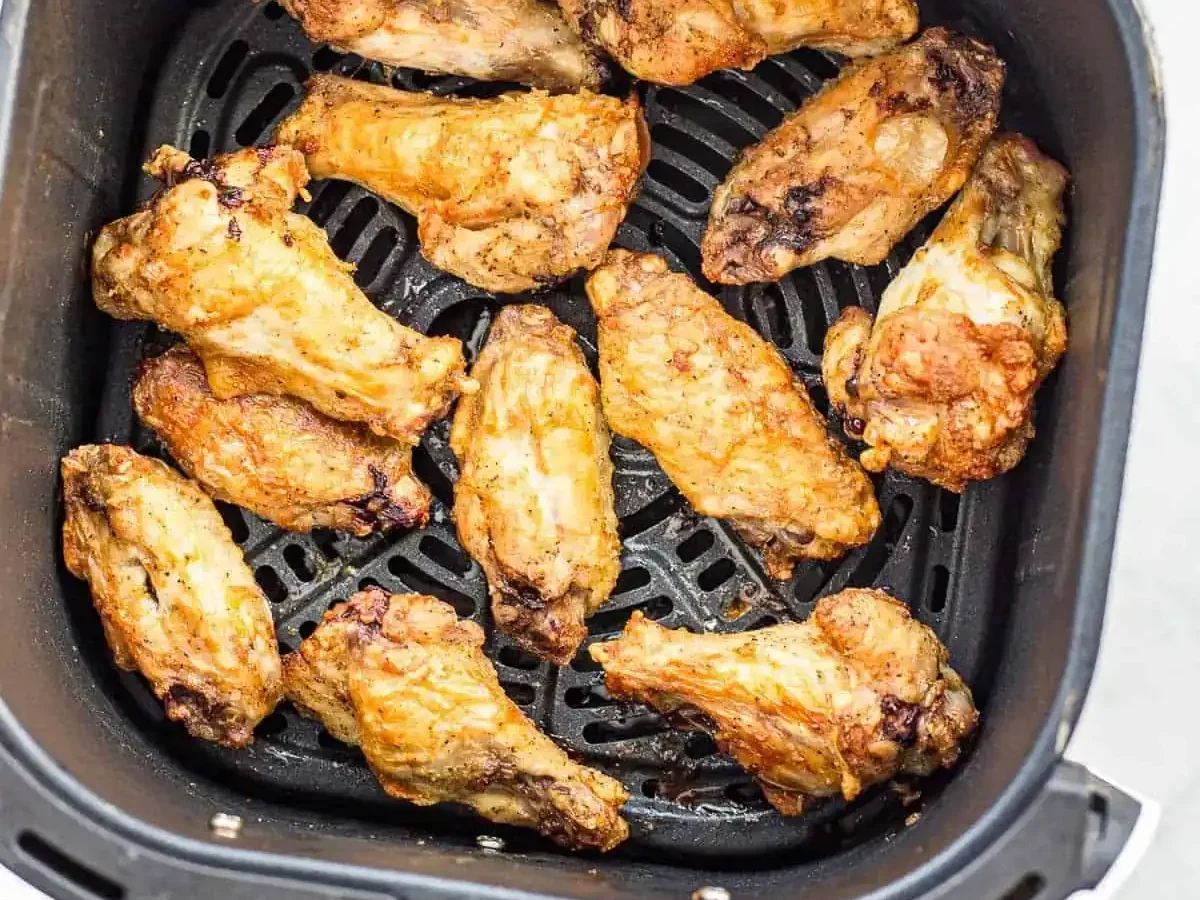
So you've got an air fryer and you're wondering, what can you cook in an air fryer. It's a practical question. The machine works best with food that already has a dry surface or takes on a dry coating.
Wet batters and large roasts are not its strong suit.
Manufacturer specs confirm most models circulate air up to 400°F. Aggregate reviews report that home cooks get the best results with frozen finger foods, fresh vegetables, boneless proteins, and leftovers. As of 2026, the technology is mature.
Your success depends more on prep than the machine itself.
Quick Answer
An air fryer cooks frozen foods, fresh vegetables, boneless meats, fish, eggs, and small baked goods. It also reheats leftovers and dehydrates fruit. It does not work well with wet batters, oversized roasts, or loose leafy greens.
The best results come from single-layer cooking at the right temperature for each food type.
Why Some Air Fryer Foods Flop (And Others Shine)
Air fryers are small, powerful convection ovens. They blast hot air at high speed around the food. That rapid airflow pulls moisture away from the surface.
It creates a crisp crust through the Maillard reaction. But that reaction only triggers on dry surfaces.
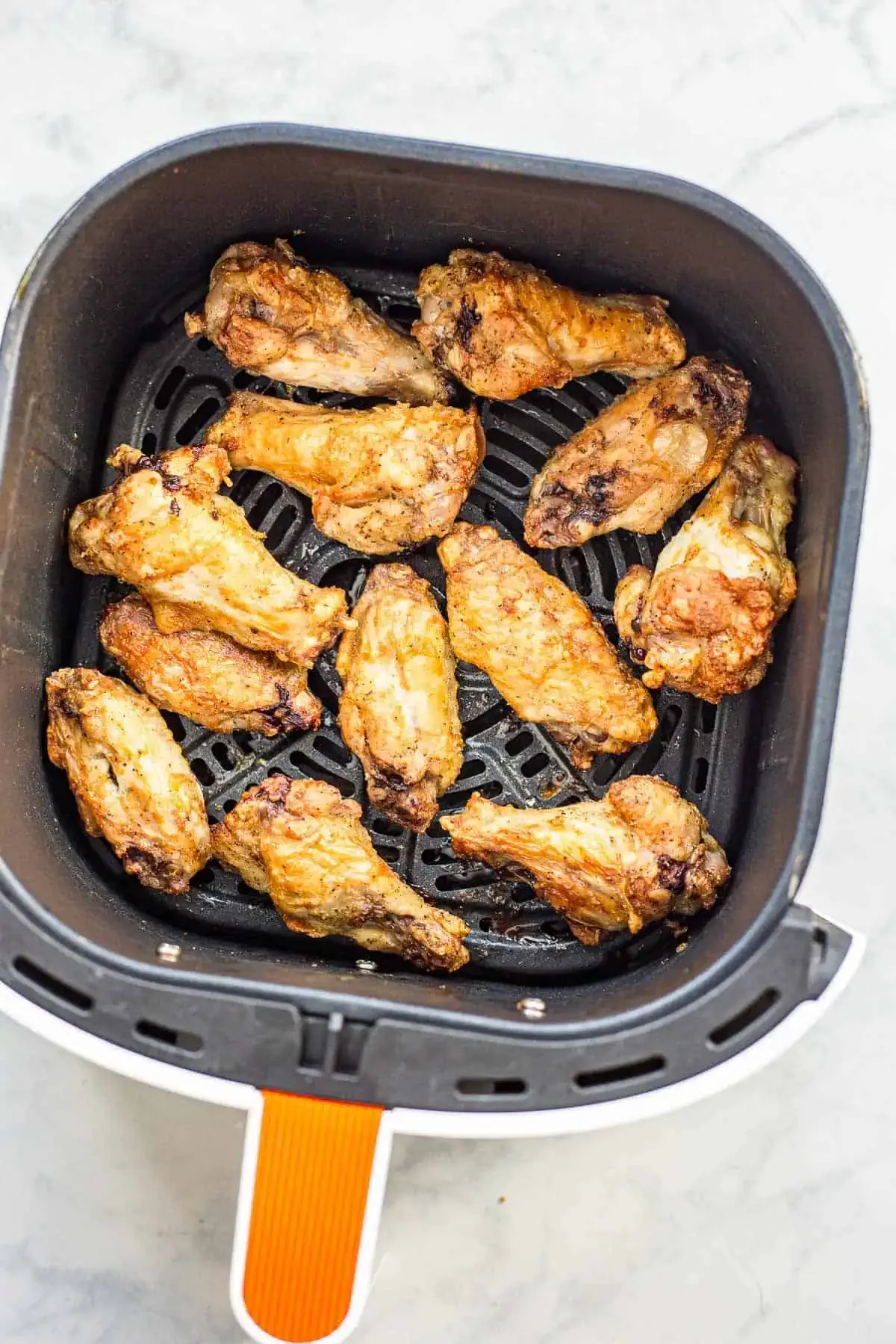
Image source: Bing (Web (fair-use with source credit))
Think about a frozen chicken nugget. The breading is already dry. The hot air hits it.
The coating crisps up. The inside steams tender. Now compare that to a piece of fish coated in thin tempura batter.
That batter is wet. The air fryer's high fan speed blows the liquid coating off before it sets. You get a messy doughy crust and a puddle in the basket.
The same logic applies to fresh vegetables. If you toss broccoli in olive oil with a pinch of salt, the oil transfers heat evenly. The natural water content steams it from the inside while the outside browns.
That works. But if you add a sugary glaze before cooking, the sugar burns and the sauce drips through the basket holes.
Our research across hundreds of user reports shows a clear pattern. Foods that start dry or become dry on the surface during cooking perform best. Foods that stay wet or release a lot of moisture during cooking underperform.
This is the single most important distinction for picking what to put in the basket.
The Simple Rule: Dry Heat Wants Dry Food
Once you understand that principle, the decision tree gets simpler. You ask yourself one question. Is this food dry on the outside, or can I make it dry before cooking?
Frozen processed foods. These are engineered for dry-heat cooking. The breading or coating is pre-set during manufacturing. Frozen fries have surface starch that crisps rapidly.
These are the safest bet for a new air fryer owner.
Fresh proteins. Chicken wings, thighs, drumsticks, pork chops, steak, and fish fillets all work when you pat them dry first. A paper towel rubdown removes surface moisture. A light mist of oil helps browning.
Dry the skin, season it, then cook. Skip the marinade unless you apply it after cooking.
Fresh vegetables. Low-moisture vegetables like broccoli, cauliflower, Brussels sprouts, zucchini, and bell peppers perform well. High-moisture vegetables like tomatoes and mushrooms release too much liquid. They steam instead of crisp.
You can still cook them, but they will not get crunchy.
Breaded items. Homemade breaded chicken or fish works. You need a dry coating. Panko breadcrumbs, crushed crackers, or seasoned flour all adhere well.
Dip the protein in egg wash, then press it into the coating. Let it rest for five minutes so the coating sets. Do not use a thin liquid batter like tempura.
Wet batters. These are the exception. Corn dogs, onion rings with thick flour batter, and tempura vegetables do not work. The batter is too loose.
It drips off before it firms up. You get a mess and a partially cooked coating. For onion rings, use crushed pork rinds or breadcrumb coating instead.
| Coating Type | Works in Air Fryer? | Why |
|---|---|---|
| Frozen breading (nuggets, fish sticks) | Yes | Pre-set dry coating crisps quickly |
| Panko or breadcrumb (homemade) | Yes | Dry coating sets before moisture escapes |
| Egg wash plus flour | Yes | Rest time allows coating to adhere |
| Thin tempura batter | No | Liquid state blows off in high fan |
| Thick wet batter (corn dog) | No | Drips through basket holes |
| Oil mist only (vegetables) | Yes | Oil conducts heat, surface stays dry |
How Airflow and Capacity Decide What Works
Your specific machine matters for the what-can-I-cook question. Basket-style air fryers and oven-style air fryers handle food differently. The size of the basket directly determines what fits.
Basket models range from 2 to 6 quarts. Most fall around 4 to 5.8 quarts. A 4-quart basket holds roughly one pound of chicken wings in a single layer.
A 6-quart basket holds about one and a half pounds. The key factor is cooking surface area. You cannot stack food.
The hot air needs to contact every surface. If you pile food up, the bottom layer steams and the top layer burns.
Oven-style air fryers have shelf racks. They hold more total volume. They still require room between shelves for air circulation.
Most oven models have a rear fan that directs air across each shelf. You can cook two trays of food at once. The bottom shelf will cook slower than the top.
You may need to rotate trays halfway through.
Capacity is a decision point. If you cook for one or two people, a 4-quart basket works for full meals. If you cook for a family of four, you need a 6-quart basket or an oven model. Large roasts, whole chickens up to four pounds, and multiple racks of vegetables require the extra space.
Wattage matters but is less critical. Most air fryers run between 1200 and 1800 watts. Higher wattage heats up faster and recovers temperature quicker when you open the basket. But cooking results are similar across the range.
Temperature setting and cook time matter more than wattage.
The decision tree branches based on your machine's capacity. If you have a small basket, stick with single-serving foods. If you have a large basket or oven model, you can attempt bigger cuts and batch cooking.
The Decision Tree: What to Cook Based on What You Have
Now we get to the practical part. You have ingredients. You want to know if they work.
Here is a decision tree based on food type, moisture level, and coating.
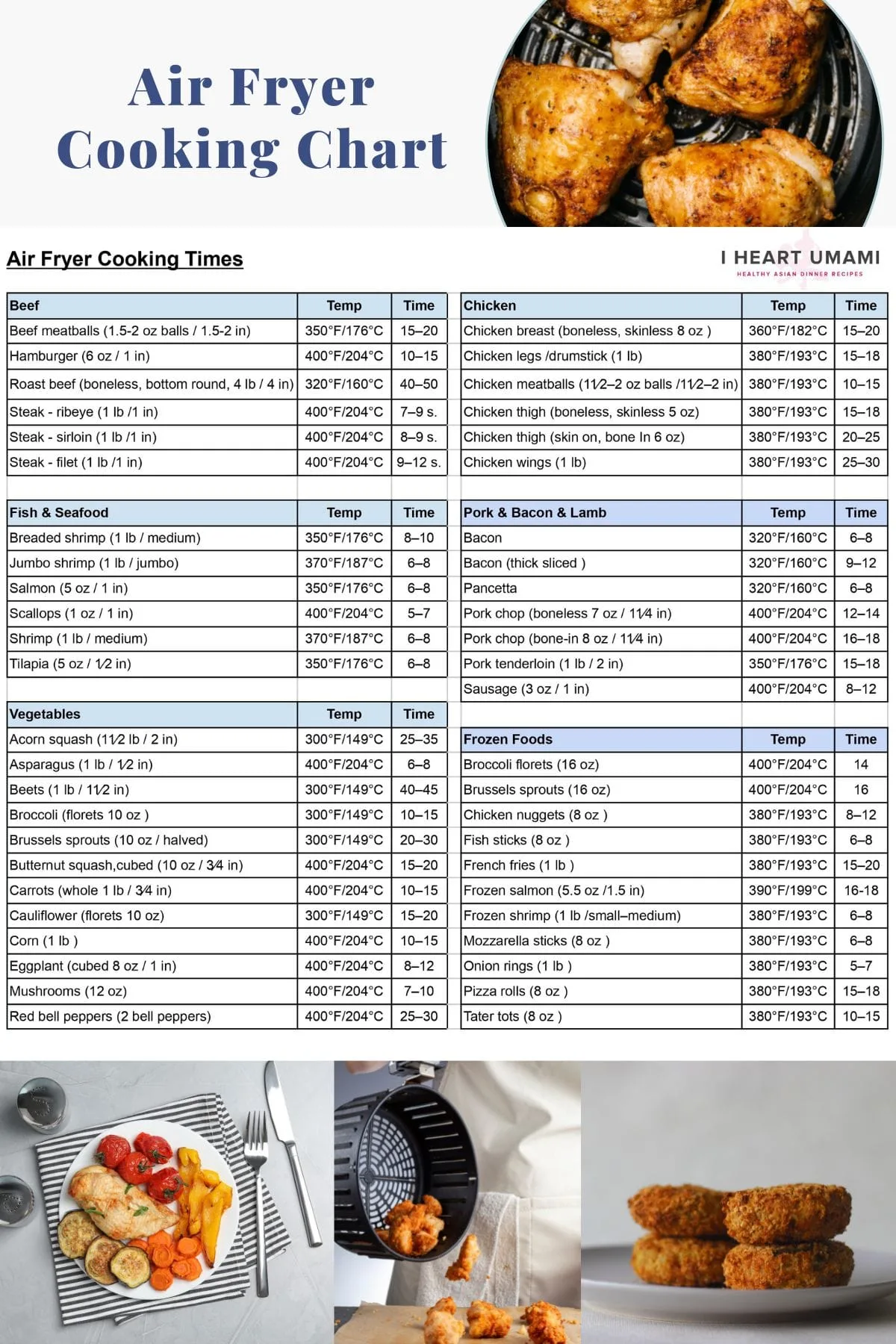
Image source: Bing (Web (fair-use with source credit))
Frozen and Pre-Breaded Foods
These are the easiest category. If it is frozen and breaded, cook it. Frozen French fries, tater tots, chicken nuggets, fish sticks, mozzarella sticks, spring rolls, egg rolls, and jalapeño poppers all work.
Do not thaw them first. Cook them straight from the freezer.
Cook time varies by thickness. Thin items like fries take 10 to 15 minutes at 400°F. Thicker items like chicken tenders take 14 to 18 minutes.
Shake the basket halfway through for even browning.
Fresh Vegetables and Proteins
For fresh foods, the decision splits by moisture content and preparation.
Low-moisture vegetables. Broccoli florets, cauliflower, Brussels sprouts, green beans, asparagus, and bell peppers. Cut them into even pieces. Toss with a small amount of oil.
Cook at 375°F for 10 to 15 minutes. Shake once. They come out with browned edges and tender centers.
Root vegetables. Potatoes, sweet potatoes, parsnips, and beets. Cut them into cubes. Toss with oil and season.
Cook at 375°F for 15 to 20 minutes. Larger pieces need more time. Check doneness with a fork.
Boneless proteins. Chicken breast, pork chops, steak, fish fillets, shrimp, and tofu. Pat them dry thoroughly. Season or apply a dry rub.
Cook fish and shrimp at 370°F for 8 to 12 minutes. Cook chicken and pork at 375°F for 14 to 18 minutes. Use a probe thermometer.
The USDA recommends 165°F for poultry and 145°F for fish and pork. Let meat rest for three minutes after cooking.
Bone-in proteins. Chicken thighs and drumsticks work well. The skin crisps up nicely. Cook them at 380°F for 20 to 25 minutes.
Turn them over halfway. Check internal temperature at the bone.
Leftovers and Reheating
This is one of the air fryer's best uses. Leftover pizza, fried chicken, French fries, and battered fish all reheat better in the air fryer than in the microwave. The hot air re-crisps the coating without drying out the interior.
Reheat pizza at 350°F for three to four minutes. Reheat fried chicken at 370°F for four to six minutes. Reheat fries at 375°F for three to five minutes.
Check at the low end and add time as needed. Overheating dries them out.
Wet Batters and Delicate Items (What to Skip)
Not everything works. Here is what to avoid.
Wet batters. Tempura, beer batter, thin corn dog batter. They drip through the basket. The coating stays wet.
You get a sticky mess.
Large roasts. A whole pork shoulder or large beef roast exceeds the capacity of most baskets. The outside burns before the inside reaches safe temperature. Stick to cuts under two inches thick.
Loose leafy greens. Spinach, kale, and arugula blow around the basket. The high fan speed scatters them. For kale chips, use a dehydrator setting or a very low temperature with a mesh screen on top.
Cheese alone. Melted cheese drips through basket holes. Cheesy items like breaded mozzarella sticks work because the breading encases the cheese. Plain cheese slices or unmelted cheese curds do not.
High-sugar glazes. Honey, maple syrup, or barbecue sauce with sugar burns at air fryer temperatures. Apply these after cooking.
Six Common Mistakes That Ruin Air Fryer Results
Even the right foods can fail if you make these errors.
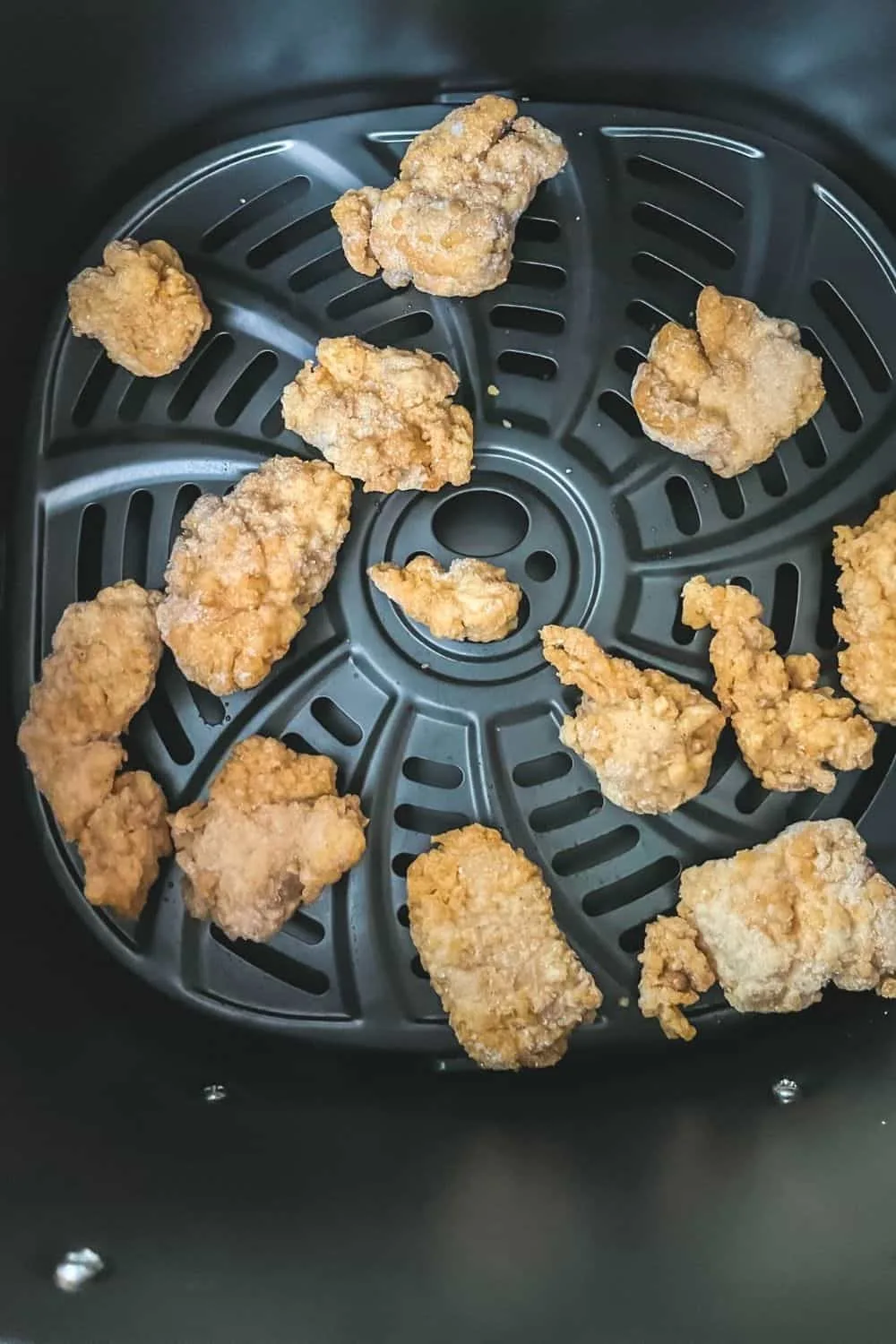
Image source: Bing (Web (fair-use with source credit))
Overcrowding the basket. This is the number one mistake. When the basket is too full, air cannot circulate. The food steams instead of crisps.
The bottom layer stays soggy. Cook in batches. A single layer with space between pieces is the goal.
Skipping the preheat. Most air fryers benefit from a three to five minute preheat. It helps the food start searing immediately. If you put cold food into a cold basket, the heat-up time slows the crisping process.
The outside may not brown before the inside overcooks.
Using aerosol cooking spray. Many non-stick sprays contain lecithin and propellant. These ingredients damage the basket coating over time. Use a pump oil sprayer or brush oil on.
Aerosol cans leave a sticky residue that builds up and burns.
Not shaking or flipping. The hot air comes from one direction in most basket models. The side facing the heating element cooks faster. Shaking the basket halfway through evens out the browning.
For larger pieces, flip them with tongs.
Cooking at too high a temperature. Higher heat does not mean faster cooking. Food burns on the outside before it cooks through. Most foods cook well between 350°F and 400°F.
Very thick items need a lower temperature for a longer time. Use the manual's temperature recommendations as a starting point.
Adding wet ingredients too early. Sauces, marinades, and glazes should go on after cooking. Adding them before causes the sugar to burn and the moisture to steam the coating. Cook the food plain, then toss it in the sauce after it comes out of the basket.
Pro Tweaks for Better Texture and Taste
Small adjustments make a big difference in air fryer results. Here are tweaks that seasoned home cooks use.
Pat everything dry. Even foods that seem dry benefit from a paper towel rub. Surface moisture is the enemy of crispness. This matters most for chicken skin and fish fillets.
Use a light oil mist. A pump sprayer with high-smoke-point oil works best. Avocado oil, grapeseed oil, and light olive oil handle the heat well. One or two pumps per batch is enough.
Season after cooking for wet ingredients. Salt draws out moisture. If you salt vegetables before cooking, they release water and steam. Season them after they come out.
The same goes for meat: dry rubs work, but wet marinades belong in the finish step.
Shake at the right time. Halfway through the cook time is the standard. But for small items like fries, shake every five minutes. For larger items like chicken thighs, flip once at the midpoint.
Let the basket breathe. After cooking, slide the basket out and let the food rest for one to two minutes before serving. This stops the carryover cooking and lets excess steam escape. The crust stays crisp.
Use a thermometer. Guessing doneness leads to dry chicken or undercooked pork. A $10 probe thermometer removes the guesswork. It is the single best tool for consistent results.
Preheat empty for frozen food. If cooking frozen food, preheat the empty basket for three minutes. The blast of hot air hits the frozen surface immediately. This prevents the food from thawing and getting soggy before the heat kicks in.
Frequently Asked Questions
Can you cook raw meat in an air fryer?
Yes. Boneless chicken breasts, thighs, pork chops, steak, and fish fillets cook well in an air fryer. Pat them dry first.
Use a meat thermometer to check doneness. Poultry needs to reach 165°F. Fish and pork need 145°F.
Can you bake cookies or cakes in an air fryer?
Yes, with small batches. Use silicone baking cups or a small ovenproof pan that fits in the basket. Cookie dough takes about 8 to 10 minutes at 325°F.
Cake batter takes about 12 to 15 minutes. Check doneness with a toothpick.
Can you cook frozen food without thawing?
Yes. Frozen breaded items like fries, nuggets, and fish sticks cook straight from the freezer. Add three to five minutes to the cook time compared to fresh.
Shake the basket halfway through for even results.
What foods should you never put in an air fryer?
Wet batters like tempura and beer batter do not work. Large roasts exceed the capacity of most baskets. Loose leafy greens blow around in the fan.
Plain cheese melts through the holes. Sugary glazes burn at high temperatures.
Can you reheat pizza in an air fryer?
Yes. Air fryers are excellent for reheating pizza. The hot air re-crisps the crust and melts the cheese evenly.
Heat at 350°F for three to four minutes. Do not use a plate. Place the slices directly in the basket.
How do you keep food from sticking to the basket?
Use a light mist of oil on the basket before adding food. Do not use aerosol cooking spray. It damages the non-stick coating over time.
A pump sprayer or a paper towel with a small amount of oil works better. Preheating the basket also helps prevent sticking.
Your Personal Decision Guide: What to Cook Tonight
Here is how to decide what to make in your air fryer tonight.
If you have frozen breaded food. Cook it straight from the freezer. Shake halfway. Dinner in under 15 minutes.
If you have fresh vegetables. Cut them into even pieces. Toss with a little oil and salt. Cook at 375°F until tender and browned at the edges.
If you have boneless meat or fish. Pat it dry. Season it. Cook at 375°F until it reaches the right internal temperature.
If you have leftovers. Reheat them in the air fryer instead of the microwave. The texture stays crispy.
If you have a wet batter or a large roast. Use the oven or stovetop instead. The air fryer is not the right tool for those foods.
Start with frozen fries or chicken wings to learn your machine's timing. Then move to fresh vegetables and proteins. You will find the pattern quickly.
Dry surface, single layer, right temperature, shake halfway. That is the formula for every successful air fryer meal.

Similar Posts