How Often Should You Change Your Kitchen Sponge
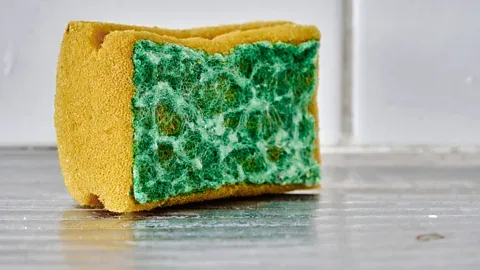
You've been told a dozen different things about how often you should change your kitchen sponge. The short answer is every two to four weeks for most households. But that timeline shifts depending on how you use it, how you store it, and whether you sanitize it regularly.
According to the USDA and CDC, kitchen sponges can harbor bacteria like Salmonella, E. coli, and Campylobacter within a week of use. Research from the University of Arizona found that used sponges can contain up to 10 million bacteria per square inch. That's more than the average toilet seat.
So understanding when to swap yours out isn't just about cleanliness. It's about avoiding cross-contamination in your kitchen.
Image source: Bing (Web (fair-use with source credit))
Quick Answer
Replace your kitchen sponge every two to four weeks. Change it sooner if it smells, looks slimy, or starts falling apart. Sanitize it weekly in the microwave or dishwasher.
For raw meat cleanup, toss it after one use.
Why This Really Matters
Kitchen sponges are the dirtiest item in the average home. Their porous structure traps food particles, moisture, and warmth. That's a perfect breeding ground for bacteria.
The CDC reports that improper kitchen hygiene is a leading cause of foodborne illness.
The problem gets worse with use. Each time you scrub a pot or wipe a counter, you're spreading bacteria across the surface. If you don't replace the sponge regularly, you're essentially wiping dirt around your kitchen.
The same sponge that cleans your dishes can become the source of contamination.
It's not just about the obvious signs. A sponge can look clean and still be loaded with bacteria. The smell is a late indicator, not an early warning.
By the time you notice an odor, the bacterial load is already high. That's why a schedule matters, not just the sniff test.
The numbers back this up. The CDC estimates that 48 million people get sick from foodborne illness each year in the United States. A contaminated sponge is an easy way for that to start in your own kitchen.
As of 2026, public health agencies still agree that regular replacement is the single best defense against cross-contamination.
When to Replace Your Sponge: The Decision Guide
The right replacement schedule depends on your specific situation. Here's a simple decision guide.
Heavy use households. If you cook daily, handle raw meat, or have a large family, replace your sponge every two weeks. That's the safest frequency for busy kitchens. The sponge gets more exposure to food residues and stays wet longer.
Light use households. If you cook a few times a week and mostly use a dishwasher, you can stretch to four weeks. But only if you sanitize the sponge regularly and let it dry completely between uses. Think about your own routine.
If you meal prep on Sundays and cook fresh meals most nights, you're in the heavy use category. If you mostly eat out and wash a few plates by hand, you're closer to light use.
Raw meat rule. Any sponge that touches raw poultry, meat, or fish should be replaced immediately after that use. The USDA recommends this to prevent cross-contamination. Do not rinse it and keep using it.
Keep a separate sponge or use paper towels for raw meat cleanup.
Visual and smell cues. Replace the sponge if it develops a sour smell that doesn't wash out. Replace it if it feels slimy to the touch. Replace it if it starts to crumble or tear.
These are signs that the sponge is degraded and bacteria have penetrated deep into the material.
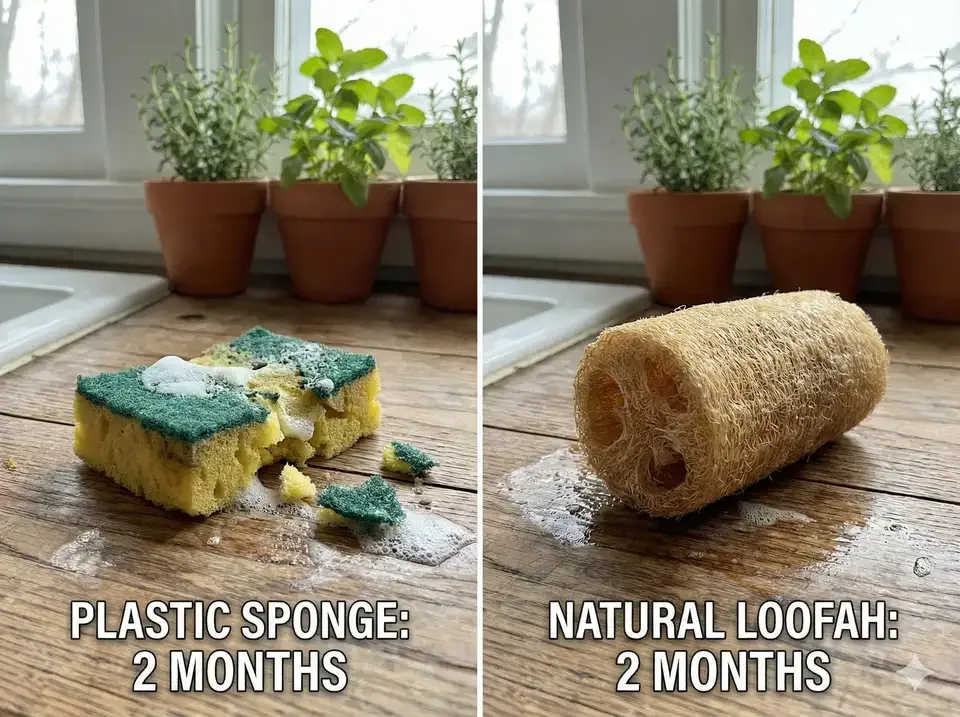
Image source: Bing (Web (fair-use with source credit))
The Real Risks You're Facing
The bacteria that grow in kitchen sponges aren't just harmless germs. They include pathogens that cause serious food poisoning. Salmonella, E. coli, and Campylobacter are the most common culprits.
Staphylococcus aureus can also thrive in the damp environment.
These bacteria can transfer from the sponge to your hands, dishes, cutting boards, and countertops. A study in the Journal of Food Protection found that sponges can transfer bacteria to surfaces even after rinsing. The simple act of wringing out a sponge aerosolizes bacteria into the air.
The risk is higher for certain groups. Young children, elderly adults, pregnant women, and immunocompromised individuals are more vulnerable to foodborne illness. For them, a contaminated sponge can lead to hospitalization.
That's why the replacement schedule should be stricter in households with these individuals.
Another risk is mold. Sponges that stay wet for long periods can develop mold colonies. Mold spores can trigger allergies and respiratory issues.
The black spots you sometimes see on old sponges are a sign of mold growth. Once you see mold, the sponge needs to go.
How to Sanitize Your Sponge (and Which Methods Actually Work)
Sanitizing can extend the life of your sponge between replacements. But not all methods are equally effective. Here's what works.
Microwave method. Wet the sponge thoroughly, then microwave it on high for two minutes. This kills most bacteria, including Salmonella and E. coli. Make sure the sponge is wet.
A dry sponge can catch fire. Do not microwave sponges with metal scrubbing pads.
Dishwasher method. Put the sponge on the top rack of the dishwasher and run a heated dry cycle. The high heat and detergent kill bacteria effectively. This is the easiest method for most people.
Boiling method. Submerge the sponge in boiling water for five minutes. Let it cool before handling. This works well but requires more effort.
Bleach soak. Mix one tablespoon of bleach per gallon of water. Soak the sponge for two minutes, then rinse thoroughly. Do not skip the rinse step.
Bleach residue can be harmful.
What doesn't work. Rinsing with hot water alone does not kill bacteria. Soap and water remove food residue but don't sanitize. Vinegar is not effective against all bacteria.
The methods above are the only ones backed by research.
One thing to keep in mind: sanitizing extends the life of a sponge, but it doesn't make it immortal. Even a well-sanitized sponge degrades over time. Plan to replace it on your regular schedule regardless.
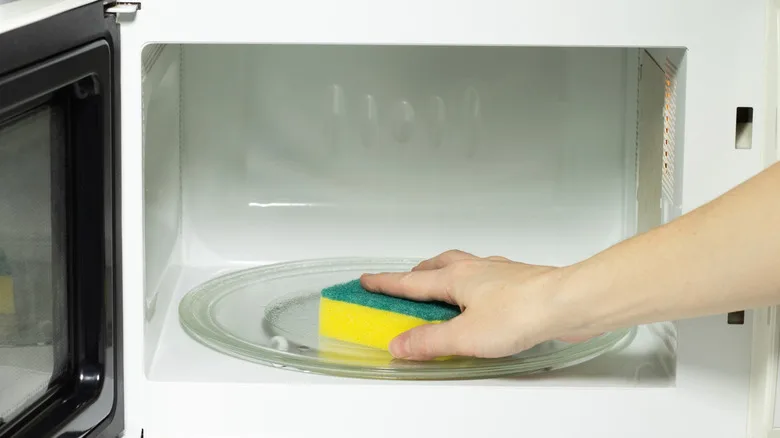
Image source: Bing (Web (fair-use with source credit))
Sponge Alternatives Worth Considering
If you want to reduce how often you replace sponges, consider alternatives that are less prone to bacterial growth.
Silicone scrubbers. These are non-porous, so bacteria can't penetrate the material. They dry quickly and don't hold odors. They last for months.
The downside is they don't absorb liquid, so they're not good for wiping up spills.
Dish brushes. Brushes have bristles that dry quickly, preventing bacterial growth. They also reach into corners and crevices better than sponges. Many people prefer them for washing dishes.
They're easy to clean and can go in the dishwasher.
Cotton dishcloths. These can be washed in the laundry and reused. They're absorbent and work well for wiping counters. The key is to use a fresh one daily and wash them in hot water.
They're more sustainable than sponges.
Bamboo brushes. These are eco-friendly and have replaceable heads. They dry quickly and don't harbor bacteria. They're a good option for those who want to reduce plastic waste.
Which one is best for you? If you want the lowest maintenance, go with a silicone scrubber. If you prefer traditional scrubbing power, use a dish brush. If you need to absorb spills, use cotton cloths.
The best strategy is to use a combination of tools for different tasks.
There's also an environmental angle. Most conventional sponges are made from plastic and end up in landfills. Switching to compostable cellulose sponges or reusable brushes cuts down on waste.
It's a small change, but it adds up over a year.
Common Mistakes That Make Your Sponge Worse
Even with the best intentions, people make mistakes that accelerate bacterial growth and shorten sponge life. Here are the most common ones.
Storing the sponge in the sink. Wet sponges sitting in a puddle of water never dry out. Bacteria thrive in that environment. Always squeeze out excess water and store the sponge in a holder with drainage holes.
Let it air dry completely between uses.
Using the same sponge for everything. That one sponge that wipes counters, scrubs dishes, and cleans up raw chicken juice is a cross-contamination disaster. Use separate sponges for different tasks. Color code them if you need to.
A red sponge for raw meat, a blue one for dishes, a green one for produce.
**Ignoring Ignoring the smell. A sour odor is a clear sign of bacterial overgrowth. Some people try to wash it out with soap. That doesn't work.
Once the smell sets in, it's time to replace the sponge. Sanitizing might help if you catch it early, but don't rely on it.
Not sanitizing regularly. Even if you replace the sponge every two weeks, sanitizing between uses helps keep bacterial levels low. A weekly microwave or dishwasher treatment makes a big difference. Research shows that households that sanitize weekly have fewer odor problems and longer sponge life.
Waiting for visible mold. Mold spots are a late stage of contamination. By the time you see them, the sponge is heavily colonized. Replace it immediately.
Don't try to cut off the moldy part. The spores have spread throughout the material.
Using sponges on non-stick pans. The abrasive side of many sponges can scratch non-stick coatings. This damages the pan and releases particles into your food. Use a soft sponge or a dedicated non-stick scrubber for these surfaces.
Frequently Asked Questions
How often should you change your kitchen sponge?
Replace it every two to four weeks. Heavy use households should change it every two weeks. Light use households can stretch to four weeks with proper drying and weekly sanitizing.
Always replace it immediately after cleaning raw meat.
Can you microwave a sponge to sanitize it?
Yes, but only if it's wet. Microwave a thoroughly wet sponge on high for two minutes. This kills most bacteria.
Never microwave a dry sponge. It can catch fire. Also avoid microwaving sponges with metal scrubbing pads.
What's the best way to dry a kitchen sponge?
Squeeze out all excess water after each use. Store it in a sponge holder with drainage holes. Keep it on the counter, not in the sink.
Good airflow is essential. A dry sponge has significantly less bacterial growth than a damp one.
How do you know when a sponge is too dirty to use?
Three signs: a sour smell that doesn't wash out, a slimy texture, or visible mold. Any of these means it's time to replace. Don't rely on appearance alone.
A sponge can look clean and still be loaded with bacteria.
Is it better to use a dish brush instead of a sponge?
Yes, for many tasks. Dish brushes dry faster and don't hold bacteria as easily. They're better for scrubbing dishes and pots.
Sponges are better for wiping spills and cleaning delicate surfaces. Many people use both for different jobs.
Can you wash a sponge in the dishwasher?
Yes. Place the sponge on the top rack and run a heated dry cycle. The high heat and detergent kill bacteria effectively.
This is one of the easiest sanitizing methods. Do this weekly to extend the sponge's life.

Similar Posts