Troubleshooting A Norcold 1210 Refrigerator Not Cooling
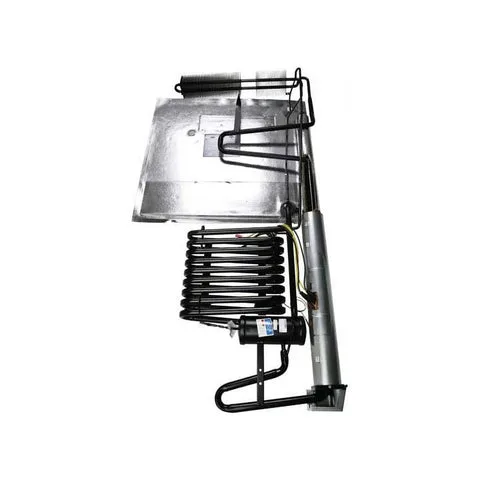
Your Norcold 1210 looks fine. The lights are on. Maybe you hear a click or a faint whoosh from the burner.
But the inside sits stubbornly at 50°F while your freezer barely frosts. That is exactly where Troubleshooting A Norcold 1210 Refrigerator Not Cooling needs a clear plan.
As of 2026, the Norcold 1210 remains one of the most common RV refrigerators on the road. Manufacturer specifications say it should hold the fresh food section at 35, 40°F and the freezer at 0, 10°F. When it stops hitting those numbers, the problem is rarely the whole fridge.
It is almost always one specific component.
Quick Answer
Troubleshooting A Norcold 1210 Refrigerator Not Cooling starts with one question. Does it work on gas, electric, or neither? That answer cuts your diagnostic time in half.
Check the mode switch, listen for the burner, and feel the boiler tube. If you smell ammonia, stop and evacuate.
Image source: Bing (Web (fair-use with source credit))
The Real Problem Nobody Talks About First
Most owners assume their Norcold 1210 has failed completely. In reality, it is often running but not keeping up. The freezer looks normal because the ice cream is hard.
Meanwhile, the fresh food section sits 10 degrees too warm.
Absorption fridges cool from the top down. The freezer gets cold first. The fresh food section gets whatever is left over.
If the freezer is at 15°F instead of 5°F, the fridge may never reach 40°F. That is a performance problem, not a total failure.
Aggregate owner reports and service bulletins point to simple causes. A displaced thermistor. A blocked vent.
A burner that needs cleaning. The control board is often blamed, but it is rarely at fault.
The Norcold 1210 uses an absorption cycle that depends on exact heat input and airflow. Small changes cause big temperature swings. A flue baffle shifted by half an inch can cut cooling capacity by 30 percent.
A thermistor hanging loose can make the fridge cycle off too early.
That is why this guide starts with symptoms, not parts. You need to read what the fridge is telling you before you spend money.
The Two-Minute Diagnosis That Saves You Hours
Run this test before you order anything. It costs nothing and takes about two minutes.
First, switch the fridge to gas mode. Wait for the igniter to click and the burner to light. You should hear a soft whoosh and see a blue flame through the inspection window.
If it lights, feel the boiler tube at the bottom of the cooling unit. That is the vertical metal tube behind the fridge. It should get hot within two minutes.
Second, switch to electric mode. Wait for the relay to click. Feel the same boiler tube after three minutes.
If it stays cold, the heating element or the AC circuit is the problem.
Third, check for an ammonia smell. Open the lower vent cover outside the RV. A sweet chemical odor or yellow sticky residue near the boiler tube means the cooling unit has a leak.
Stop troubleshooting and call a professional.
Fourth, check temperatures. Put one thermometer in the freezer and one in the fridge. Wait 30 minutes.
If the freezer is below 15°F but the fridge is above 45°F, you have an airflow or vent issue. If both are warm, the cooling system is struggling to make cold.
How Your Norcold 1210 Actually Makes Cold (And Where It Breaks)
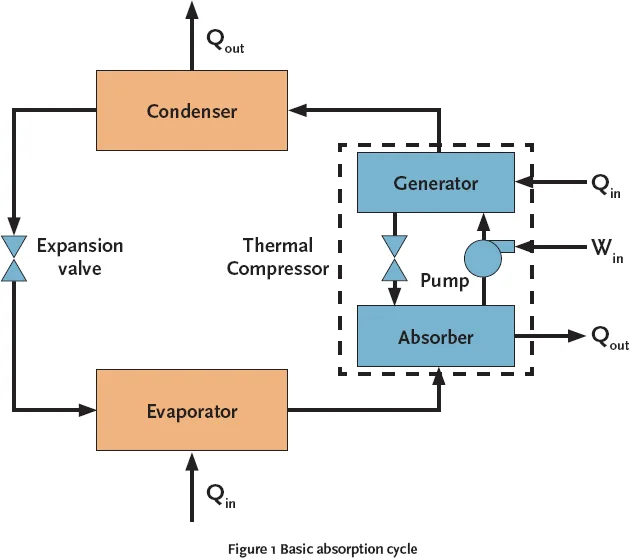
Image source: Bing (Web (fair-use with source credit))
The Norcold 1210 has no compressor. It uses heat to create cold. A gas flame or an electric heating element warms a mixture of ammonia and water inside the cooling unit.
That heat drives ammonia vapor upward into the condenser, where it cools and becomes liquid.
The liquid ammonia flows down into the evaporator inside your freezer. There it mixes with hydrogen gas. That causes the ammonia to evaporate rapidly, pulling heat out of the freezer compartment.
In plain terms, heat enters the ammonia, the ammonia evaporates, and the freezer gets cold.
This system has very few moving parts. That is its strength. It is also where its failure modes live.
The cooling unit can develop a leak or blockage. The burner can clog with soot. The electric heating element can burn out.
The thermistor can drift or fall off its clip.
The thermistor is a small temperature sensor clipped to a cooling fin. It tells the control board when to cycle the heat on and off. If it is loose or clipped to the wrong fin, the fridge thinks it is colder than it really is.
It shuts off before the box gets cold.
Poor burner combustion is the second most common issue. A burner running yellow instead of blue creates soot. That soot insulates the flue tube, so heat cannot transfer into the boiler.
The fridge runs longer but makes less cold. Cleaning the burner and flue is a 30-minute job.
The Decision Tree: Gas Mode vs Electric Mode vs Neither
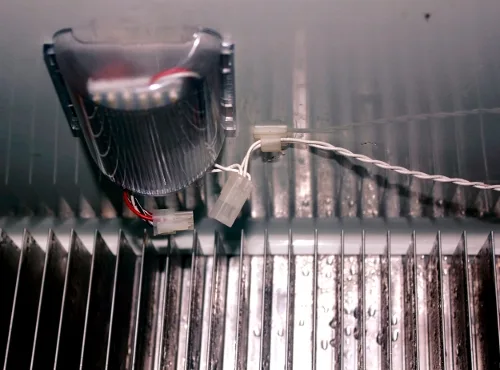
Image source: Bing (Web (fair-use with source credit))
Follow the branch that matches your symptom.
Branch 1: Works on Gas but Not on Electric
If the fridge runs fine on propane but does nothing on AC power, the problem is on the electric side. Start with the simple checks. Confirm the selector switch is set to electric.
Check the breaker and the GFCI outlet.
Next, open the lower access panel. Locate the heating element at the bottom of the boiler tube. Use a multimeter to check resistance across its terminals.
A good 120V element reads between 170 and 200 ohms. An open reading means the element is burned out.
If the element is fine, test the thermistor. At room temperature, it should read around 10 kΩ. At freezer temperature, it drops to about 4, 5 kΩ.
If it reads wildly, replace it. This is a $20 part and takes minutes to swap.
Branch 2: Works on Electric but Not on Gas
This is almost always a gas supply or burner issue. Check the propane tank level. Open the valve fully.
Light a stove burner first to purge air from the line.
If the igniter clicks but the burner does not light, inspect the spark electrode. You should see a blue spark. If there is no spark, check the igniter wiring.
If the spark is good but the flame does not catch, the burner nozzle is likely clogged. Remove the burner assembly and clean the orifice with compressed air.
A yellow flame means the burner is running rich. This usually points to soot buildup or incorrect gas pressure. Also check the flue baffle.
It should sit about 1.5 inches above the top of the burner. If it is too low, the flame suffocates.
Branch 3: Won't Cool on Either Mode
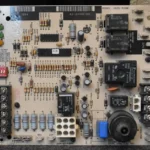
This is the serious branch. If the boiler tube stays cold in both modes, you may have a failed control board. But test the selector switch first.
These switches fail more often than the boards do.
If the boiler tube gets hot in both modes but the fridge does not cool, the cooling unit is likely bad. The ammonia charge has degraded, or the unit has a blockage. The smell test is definitive.
If you smell ammonia, the cooling unit is done.
Branch 4: Cools but Never Gets Cold Enough
Start with the thermistor. Check that it is clipped securely to the fin near the top of the fresh food section. If it is sitting in the drip tray or dangling loose, reattach it.
Next, check the vents. The Norcold 1210 needs good airflow across the condenser fins. Remove debris, bird nests, or insulation that has shifted against the condenser.
The gap between the back of the fridge and the wall should be at least one inch.
The Five Mistakes That Turn a $20 Fix Into a $700 Repair
These mistakes show up constantly in owner forums and service records. Each one costs real money.
Mistake 1: Replacing the Control Board First
The control board is expensive and rarely at fault. Service bulletins indicate that less than 10 percent of cooling issues trace back to the board. Check the thermistor and the selector switch before you touch it.
Mistake 2: Cleaning the Burner but Forgetting the Flue Baffle
A clean burner does nothing if the baffle is in the wrong position. The baffle controls the draw of the flue. Mark its position before you remove it.
Put it back at exactly the same height.
Mistake 3: Assuming a Bad Cooling Unit Because the Fridge Is Old
Age alone does not kill Norcold cooling units. If there is no ammonia smell and the boiler tube gets hot, the cooling unit is probably fine. Look for external causes first.
Mistake 4: Running the Fridge Unlevel
Absorption fridges must be level to circulate ammonia properly. Running one on a steep slope lets liquid ammonia pool in the wrong section. That can cause a vapor lock that takes days to clear.
Level the RV before troubleshooting anything else.
Mistake 5: Ignoring the Recall Database
Some Norcold 1200 series units had a defect that could cause a fire. Check the NHTSA recall database with your serial number. If your unit is under recall, the repair is free.
Do not skip this step.
Safety First: Ammonia, Propane, and Electrical Hazards
A Norcold 1210 is not dangerous when it works. It becomes dangerous when you work on it without basic precautions.
If you smell ammonia, stop. Open every window and vent. Turn off the gas at the tank.
Get everyone out of the RV. Then call a professional. Ammonia gas is toxic, and a leaking cooling unit is not repairable.
Before working on the burner, shut off the propane supply. Purge the line by lighting a stove burner first. This prevents a buildup of gas when you disassemble the burner assembly.
For electric mode, unplug the fridge or shut off the breaker. The 120V heating element can deliver a serious shock. Never test resistance on a live circuit.
Never bypass the thermal fuse or the safety thermostat. These devices exist to prevent fires. If one has tripped, find out why.
Do not jumper it out.
Maintenance That Keeps a 1210 Cooling for Years
A little annual maintenance prevents most Norcold 1210 failures.
Clean the burner assembly once a year. Remove it, brush off soot, and blow out the orifice with compressed air. Inspect the flame before you close the panel.
It should be blue with a sharp inner cone.
Check the flue baffle position every time you clean the burner. It is easy to knock out of place during cleaning. Set it back to the marked height.
Inspect the vents twice a year. Roof vents and side vents collect dust, leaves, and wasp nests. Clear any blockage that reduces airflow.
Test the thermistor annually. A quick resistance check at room temperature tells you if it has drifted. Replace it if the reading seems unstable.
It costs about $20 and prevents a long trip ruined by warm soda.
If you camp in hot climates, consider adding a small circulation fan near the condenser fins. Aggregated owner reviews show it can lower interior temperatures by 5, 10°F in extreme heat.
Frequently Asked Questions
How long should a Norcold 1210 take to cool down?
Plan for 4 to 8 hours after the first startup. A fridge that has been off for weeks can take up to 24 hours to stabilize. Check temperatures after 30 minutes only to spot major problems, not to judge final performance.
Can I run my Norcold 1210 on 12V while driving?
Most Norcold 1210 models are two-way units. They run on 120V AC shore power or LP gas. Check the model label for a 12V heating element.
If it has one, it draws 10, 14 amps and will drain a battery quickly.
Is it worth replacing the cooling unit or should I buy a new fridge?
If the cooling unit leaks, replacement costs $400, $700 in parts plus labor. A new fridge runs $1,200, $2,500. If the rest of the fridge is clean and less than 12 years old, a cooling unit rebuild is usually worth it.
Why does my fridge work at home but fail in hot weather?
Ambient temperatures above 90°F reduce absorption efficiency. The cooling unit cannot reject heat fast enough. Improve airflow with a fan, and confirm the vent baffle is in place.
This helps more than turning the thermostat colder.
What does a yellow burner flame mean?
A yellow flame means incomplete combustion. It creates soot that blocks heat transfer. Shut off the fridge and clean the burner and flue tube.
A healthy flame is blue with a sharp inner cone.
Your Next Step: Repair, Replace, or Call a Pro
Look at the branch from the decision tree. Then decide.
If the thermistor is bad, replace it yourself. The part is cheap and the job takes minutes. If the burner is clogged, clean it.
That is a safe weekend DIY project.
If the control board is dead and the fridge is older than 10 years, think carefully. A board replacement costs a few hundred dollars. A new fridge may offer better cooling and a warranty.
If the cooling unit leaks, do not attempt repairs. Ammonia is dangerous. Call a certified RV technician.
Have the serial number ready, and check the recall database first.
The Norcold 1210 is a solid unit when maintained. Most failures are simple, cheap, and easy to fix. The key is to diagnose the right branch before you buy any parts.
That habit saves time, money, and a whole lot of warm beer.

Similar Posts