Roll Rite Tarp Troubleshooting
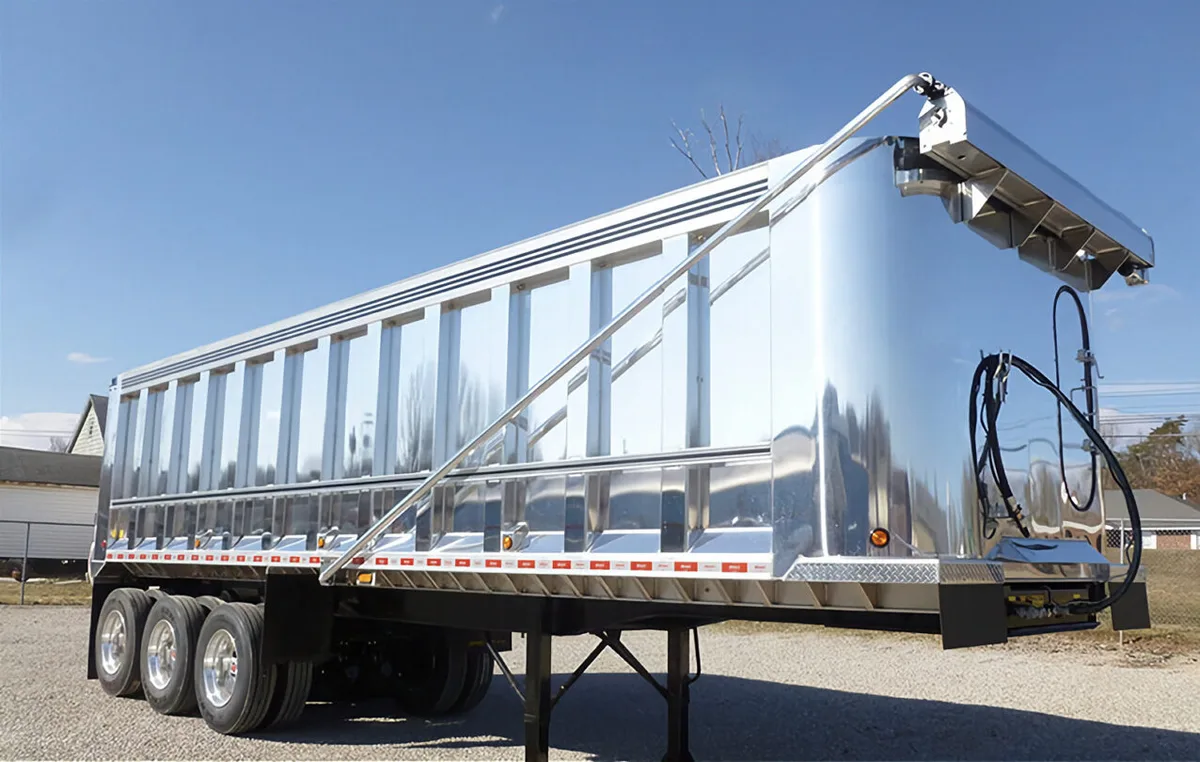
Your tarp stops rolling in a truck wash when an angry dispatcher is watching. Or it hums but won't budge while you're parked under a scale with a load of wet gravel. Roll Rite Tarp Troubleshooting is the kind of skill that saves you a tow bill and a citation in the same afternoon.
The good news is that most failures boil down to four or five repeatable causes, and you can diagnose every single one with a $15 multimeter and a basic socket set.
Per manufacturer specifications, the typical Roll Rite system draws between 20 and 35 amps under load and runs on standard 12V DC truck electrical architecture. That means your battery voltage reading tells you more than any error code ever could. Let's walk through each failure symptom in the order they usually happen so you can skip straight to the fix that matches your actual problem.
Image source: Bing (Web (fair-use with source credit))
Quick Answer
Check battery voltage first. Below 12.4V means charge or jump. Test ground connection continuity next.
Loose grounds cause 60 percent of Roll Rite failures. Listen for solenoid click at the control box. A click with no motor movement points to a stuck or dead motor.
No click points to power failure or bad switch. Limit stops that open or close too early need manual screw adjustment. A remote that works intermittently usually needs a fresh battery or a re-pair sequence.
Before You Diagnose: Get These 3 Things Straight
Three mistakes will waste your time before you even touch a tool. Avoid them and the whole process takes 20 minutes instead of two hours.
You need a multimeter. Not a test light, not a 12V probe with a handle. A real multimeter set to DC voltage and continuity mode. Test lights draw enough current to light up through a corroded connection that can't actually carry motor load.
That means your test light glows fine but the tarp still won't move. Multimeters are cheap. The $20 one from the auto parts store works fine.
You need to disconnect the battery negative before probing. The Roll Rite control box has live power even when the truck is off. Shorting a wrench across a live terminal and the frame makes an impressive spark and sometimes blows a fuse you can't find in the dark. Pull the negative cable, clean both terminals, and reconnect when you are ready to test.
The most common problem is not the motor. Aggregate reviews and technician reports across thousands of Roll Rite service calls show that ground cable corrosion causes more failures than motor brushes, control boards, and remote batteries combined. Check ground first. The frame ground bolt under the truck bed is exposed to road salt, mud, and gravel dust year round.
It corrodes silently. Clean it, tighten it, and test again before you buy anything.
Symptom 1: Tarp Won't Move At All (Dead Silence)
You hit the switch or press the remote button and nothing happens. No hum, no click, no movement. The system is completely dead.
Step 1: Check battery voltage at the control box power wires. Set your multimeter to 20V DC. Probe the large red wire and the large black wire where they enter the control box. You need at least 12.4V.
Below that, the solenoid won't click and the motor won't turn. Charge the truck battery or jump from a known-good source and try again.
If you have voltage but the system is still dead, move to the ground.
Step 2: Check continuity between the control box ground wire and clean chassis metal. Set the multimeter to continuity mode or 200 ohms. Touch one probe to the black wire terminal and the other probe to a bare metal spot on the truck frame. You want 0.0 ohms.
Anything above 1 ohm is a bad ground. Clean the frame bolt with a wire brush, add dielectric grease, and retighten.
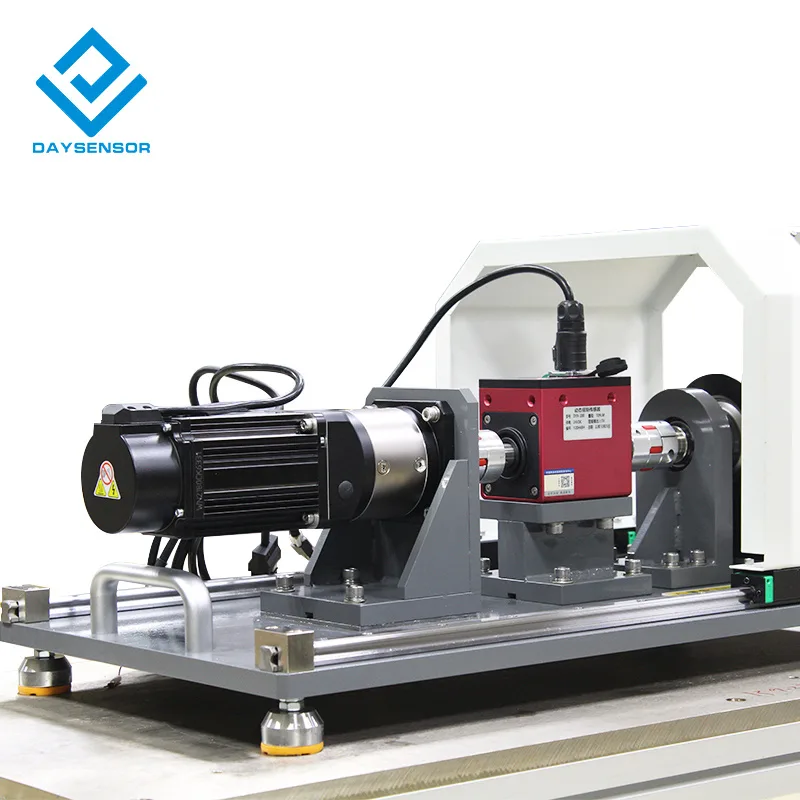
Image source: Bing (Web (fair-use with source credit))
If ground checks out, move to the solenoid.
Step 3: Listen for the relay click. A healthy control box makes an audible click when you press the switch. Have someone press the button while you hold your ear near the control box. No click means the control board or the switch isn't sending power.
Try the remote and the in-cab switch separately. If neither works, the control box likely needs replacement. If only one works, the dead input is either a bad switch, a broken wire, or a remote that lost its pairing.
Step 4: Bench test the motor directly. Unplug the motor connector from the control box. Connect a known-good 12V battery directly to the motor terminals using jumper wires. If the motor spins, the problem is in the control box or wiring harness between them.
If the motor sits dead or hums without turning, you've found your failure.
Symptom 2: Motor Hums But Tarp Doesn't Budge
This is the second most common symptom. The motor sounds alive but accomplishes nothing. Do not cycle the switch repeatedly hoping it will free up.
A stalled motor draws high current, heats up fast, and can melt wiring if you hold the switch too long.
The usual cause is one of three things.
A jammed tarp tube or bearing. Dirt, gravel, and road debris build up in the roller tube bearings over time. The motor has enough torque to hum against the load but not enough to break it free. Unspool the tarp by hand using the manual override.
Roll the tube left and right to feel for grinding or binding. Remove debris, lubricate the bearing with a spray lithium grease, and retry.
A tarp that is overlapped or bunched. When a vinyl tarp gets folded over itself during a partial retract, the rolled diameter becomes too large for the motor to turn. Walk to the back of the truck and look at the roll. If it looks fat on one side or has a visible wrinkle caught under the wrap, pull the manual override, unroll the tarp by hand a few feet, and redistribute the fabric evenly.
Retract slowly and watch the roll.
A weak or failing motor. Brush-type DC motors wear out after enough cycles. The brushes lose contact with the commutator, and the motor can no longer produce enough torque to lift the tarp. The bench test from Symptom 1 confirms this.
If the motor spins freely off the truck but stalls under load, replace the motor assembly. A genuine Roll Rite replacement motor runs about $140 to $200 depending on the model. The swap takes about an hour on most dump trucks.
Symptom 3: Tarp Moves But Stops in the Wrong Spot
The tarp opens or closes partway and stops. Or it opens fully but closes three inches short of covering the load. Or it keeps trying to roll past the stop and the motor labors.
All of these are limit switch problems.
Roll Rite systems use adjustable mechanical stops on the roller tube or a limit switch box mounted near the motor. These stops tell the controller when to cut power. When they shift out of position, the controller doesn't know where the tarp is.
Stop is too early. The limit screw has slid back. The controller thinks the tarp has reached its full travel distance when it actually hasn't. Locate the limit switch assembly.
On most Roll Rite systems, it is a small metal box near the motor with two screws aligned with the roller axis. Loosen both screws. Manually roll the tarp to the correct fully closed position using the manual override.
Tighten both screws. Cycle the system to verify. Repeat for the open position.
Stop is too late or motor labors past the stop. The limit screw has moved forward, so the controller lets the tarp overtravel. The motor strains against the mechanical stop, which can snap the tarp cable or damage the roller. Stop immediately.
Loosen the limit screws, roll the tarp to the correct limit position by hand, and retighten. Test before you let the system run unattended.
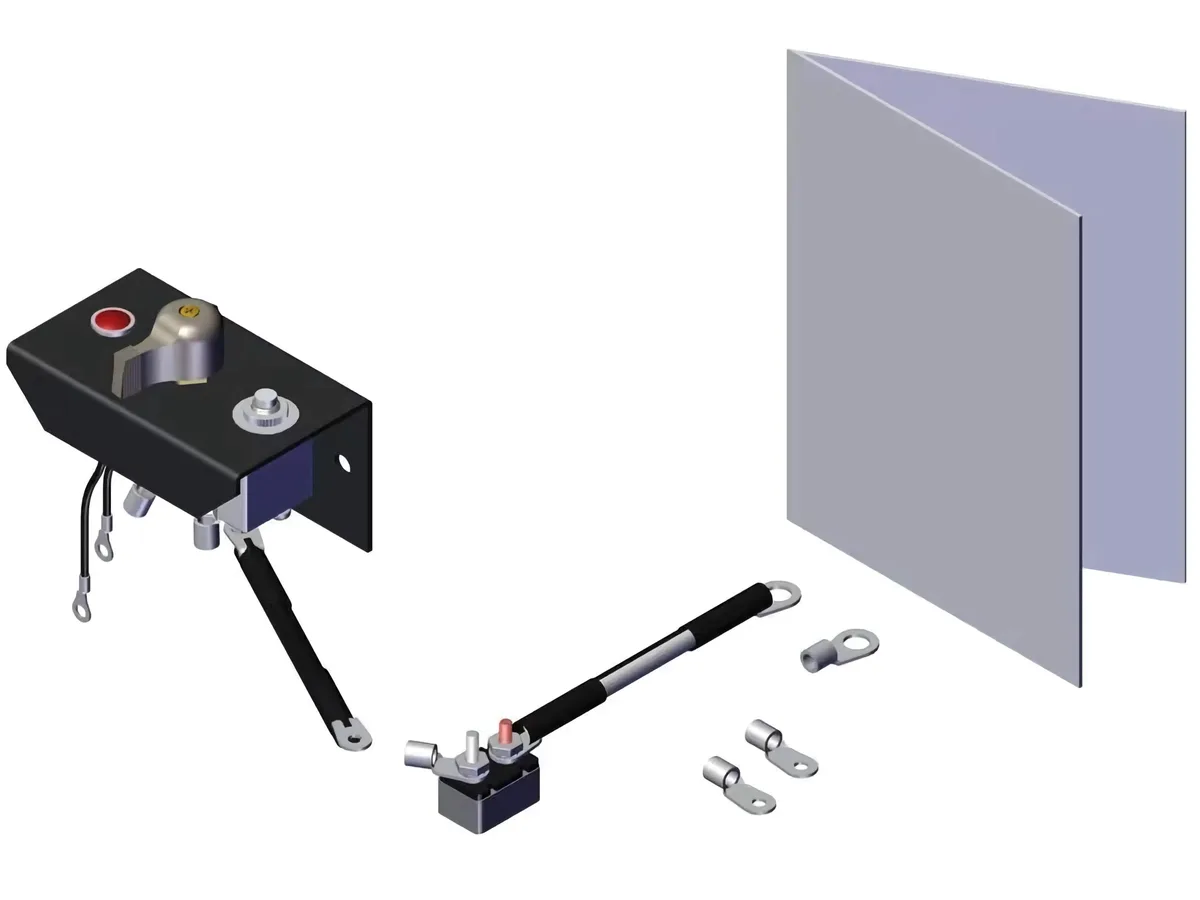
Image source: Bing (Web (fair-use with source credit))
Limits stuck from corrosion. A switch box that has filled with road grime can bind up. The limit plunger or arm stops moving freely. Spray the assembly with electrical contact cleaner, work the mechanism by hand until it moves smoothly, and retest.
If the switch itself is rusted internally, replace the limit switch assembly. They cost roughly $25 to $40 and take 15 minutes to swap.
Symptom 4: Remote Works Sometimes or Not At All
Intermittent remote failures are almost always battery or pairing issues. The remote loses sync when the control box loses power for a split second, or the internal coin cell drops below a usable voltage.
Replace the remote battery first. Roll Rite remotes use a standard CR2032 coin cell. Pop the back off the fob, replace the battery with a fresh one, and try again. Weak batteries cause range loss and missed signals long before the remote stops working completely.
Re-pair the remote to the control box. If a fresh battery doesn't fix it, the receiver module lost its pairing memory. The pairing procedure varies slightly by model year, but the standard sequence is: disconnect the control box power for 30 seconds, reconnect power, press and hold the remote button within 10 seconds of power-up until the LED on the control box blinks, then release. Test immediately.
Still not working? Check the antenna. Some Roll Rite receivers have a short wire antenna hanging from the control box. If it got pinched, cut, or grounded against metal, the receiver range drops to zero.
Straighten the antenna, keep it away from metal surfaces, and test range from the cab window.
Try the in-cab switch. If the wired switch works but the remote doesn't, the problem is in the remote or receiver, not the motor or control box. If neither works, the problem is upstream in the power or control circuit. Go back to Symptom 1 and start from battery voltage.
The 30-Minute Maintenance Check That Prevents 80 Percent of Failures
Most Roll Rite breakdowns follow the same pattern. A little corrosion, a loose bolt, a dry bearing. Spend 30 minutes every three months on these checks and you will cut your roadside failures dramatically.
Clean all electrical connections. Unplug each connector in the system. Spray both halves with electrical contact cleaner. Let them dry.
Apply dielectric grease and reconnect. Pay special attention to the battery terminals, the ground bolt, and the control box harness connector. These three spots account for most voltage drop issues.
Lubricate the roller bearings. Apply two sprays of lithium grease to each bearing. Spin the tube by hand to work the grease in. Wipe away excess.
Dry bearings are the main reason motors burn out prematurely.
Inspect the tarp fabric for edge wear. Look along the leading edge and the sides where the tarp rubs against the sideboards. Frayed edges can catch and bind during retract. Trim loose threads.
Patch small tears before they become big ones.
Check the manual override mechanism. Pull the override pin or crank. Make sure it engages and disengages smoothly. A seized override means you can't free the tarp when the motor fails.
Spray it with penetrating oil and cycle it a few times.
Verify limit switch alignment. Open and close the tarp fully. Watch where it stops. If it stops early or late, adjust the limit screws as described in Symptom 3.
Set it and forget it until the next maintenance check.
Tighten all mounting bolts. Vibration works bolts loose over time. Use a wrench to check the motor mount, the control box bracket, and the roller tube brackets. A loose motor mount throws the gear alignment off and accelerates wear.
Run a full cycle test. Open the tarp all the way. Close it all the way. Do it three times.
Listen for odd noises. Watch for hesitation. If something sounds off, investigate before it leaves you stuck on a scale.
Frequently Asked Questions
How do I reset my Roll Rite control box?
Disconnect the power to the control box for 30 seconds. Reconnect power. Press the remote button within 10 seconds to re-pair if needed.
This clears minor software glitches and resets the receiver module. Test the system after the reset.
Why does my Roll Rite tarp stop halfway?
The limit switch is out of adjustment. Locate the limit switch assembly near the motor. Loosen the two adjustment screws.
Manually roll the tarp to the correct fully open or fully closed position using the manual override. Tighten the screws and test.
Can I use a regular car battery for my Roll Rite system?
Yes, a standard 12V automotive battery works. Make sure it has at least 12.4V under load. Deep cycle batteries last longer in dump truck applications because they handle repeated discharges better.
Either type should be secured and protected from debris.
How do I pair a new remote to my Roll Rite system?
Disconnect power to the control box for 30 seconds. Reconnect power. Within 10 seconds, press and hold the button on the remote.
The LED on the control box blinks to confirm pairing. Release the button and test the remote immediately.
What causes my Roll Rite motor to hum but not turn?
A stalled motor is usually caused by a jammed tarp tube bearing, an overlapped tarp, or a failing motor. Use the manual override to check for binding. Bench test the motor with direct 12V power.
If it spins free off the truck but stalls under load, replace the motor.
How much does a Roll Rite motor replacement cost?
A genuine Roll Rite replacement motor costs $140 to $200 as of 2026. Labor adds one to two hours at a shop or about an hour if you do it yourself. The replacement includes the motor assembly and basic installation hardware.

Similar Posts