Dometic Refrigerator Troubleshooting Manual
Your Dometic RV fridge was working fine last trip, and now it's not. Maybe the "Check" light is blinking. Maybe it runs on propane but won't switch to shore power.
Maybe it's just warm inside and you're staring at a $2,000 replacement bill you didn't plan for.
This Dometic Refrigerator Troubleshooting Manual walks you through exactly what to check, in the right order, so you don't waste time swapping parts that aren't broken. Per Dometic's own technical service bulletins, roughly 70% of "dead fridge" calls come down to one of three things: a power supply problem, a dirty burner, or a simple sensor that slipped out of place. The good news is you can diagnose all three with a multimeter and a flashlight, no mechanic required.
Let's walk through each branch of the decision tree.
Quick Answer
Start by checking for power at the 12V DC terminal block. No voltage means a blown fuse or wiring fault. If power is present, turn the fridge to gas mode.
No flame means check propane supply and burner cleanliness. Flame present but no cooling means the cooling unit has failed. Error codes point to the control board or thermistor.
Always test the simple stuff first.
Why Your Dometic Fridge Stopped Working (And Where to Start)
Every Dometic absorption refrigerator runs on the same basic principle: heat drives a chemical reaction that produces cold. That heat can come from a propane flame, a 120V AC electric heating element, or a 12V DC heating element. When one heat source fails, the fridge should switch to another automatically.
Unless something else is wrong.
Most troubleshooting problems fall into four categories. Power supply issues where the fridge doesn't get enough voltage to operate the control board. Fuel or ignition problems where the propane flame won't light or stay lit.
Cooling unit failures where the sealed ammonia system has developed a leak. And sensor or control board glitches where the fridge has power and fuel but doesn't regulate temperature correctly.
Here's the critical thing. On a Dometic three-way fridge, the 12V DC power is required for all three modes. Even when running on propane or shore power, the control board needs 12V to operate.
If your battery is dead or a fuse is blown, the fridge won't work in any mode. That makes the 12V supply the single most common failure point.
Before you do anything else, check the 12V DC at the terminal block on the back of the fridge. You need at least 10.5 volts. Anything below that and the control board shuts down.
This is the first branch in our decision tree.
How These Fridges Actually Work: The Three-Way System in Plain English
Understanding the absorption cycle helps you troubleshoot faster. Inside the cooling unit, a mixture of ammonia, water, and hydrogen gas circulates through a sealed loop. A heat source (propane flame or electric element) heats the boiler section, which boils the ammonia out of the water.
The ammonia vapor rises, condenses in the cooling fins at the top, and then evaporates in the freezer section. That evaporation pulls heat out of the fridge compartment.
The whole process is gravity-driven. There are no pumps, no compressors, no moving parts inside the sealed system. That's why absorption fridges last for decades when they're level and well-ventilated.
It's also why they fail when overheated, tilted too far, or starved of airflow.
Image source: Bing (Web (fair-use with source credit))
Here's what matters for troubleshooting. Each heat source has its own dedicated component set. The propane mode uses a burner tube, gas valve, and spark electrode.
The AC mode uses a high-voltage heating element (around 300 watts). The DC mode uses a low-voltage heating element (around 150 watts). All three are controlled by the same logic board, which decides which heat source to use based on your settings and available power.
When one mode works and another doesn't, you know the cooling unit is fine. The problem is isolated to that specific heat source or its control circuit. That's a huge shortcut.
If your fridge cools on propane but not on shore power, you don't need a new fridge. You need to check the AC heating element and its relay on the control board.
Decision Tree: Diagnose Your Problem in 5 Minutes
This section is your map. Read through the four branches below and find your symptom. Each branch leads to a specific set of checks.
Don't skip branches. If your symptom overlaps two categories, start with the simpler one first.
| If your fridge does this | Start with Branch |
|---|---|
| Completely dead, no lights, no sounds | Branch 1 |
| "Check" light blinking, no flame | Branch 1 |
| Flame ignites but fridge stays warm | Branch 2 |
| Cools on propane but not AC power | Branch 3 |
| Cools on AC but not propane | Branch 1 (gas side) |
| Cools on AC or gas but not 12V DC | Branch 3 |
| Freezer is cold but fridge is warm | Branch 4 |
| Frost everywhere or everything freezing | Branch 4 |
| Intermittent error codes | Branch 4 |
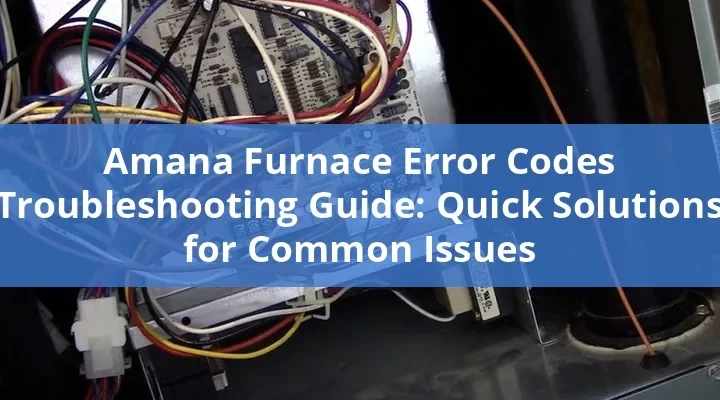
Keep a notepad. Write down every symptom you observe and every reading you take. Dometic error codes flash in specific patterns, and you will need those to look up the exact fault.
Most models show error codes through the interior LED panel. A single flash every few seconds means something different than three rapid flashes.
Branch 1: No Cooling, No Flame – Power and Ignition Problems
This is the most common branch. The fridge is either completely dead or the "Check" light is flashing with no flame in sight.
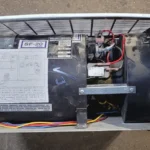
First, verify 12V DC power. Remove the lower exterior vent cover on the side of your RV. Locate the terminal block on the back of the fridge. It is usually a plastic strip with three or four screws holding wires.
Set your multimeter to DC volts, touch the red probe to the positive terminal and the black probe to the negative terminal. You need 10.5 to 14.5 volts. If you see 0 volts, check the inline fuse on the 12V power wire.
Dometic fridges typically use a 5-amp or 7.5-amp blade fuse near the battery or in a fuse panel. Replace any blown fuse and retest.
Second, check the control board fuse. Some Dometic models have a secondary fuse directly on the control board itself. It is a small glass or blade fuse. Pull it out and test continuity with your multimeter.
If it is blown, something caused a short. Don't just replace it. Inspect the wiring harness for chafed or melted insulation before powering back up.
Third, test the propane supply. Make sure the propane tank is open and the main valve turns freely. Bleed air from the gas line by lighting a stove burner for 30 seconds. If the stove lights but the fridge doesn't, the problem is between the propane line and the fridge, not the tank.
Fourth, inspect the burner assembly. Remove the burner tube cover. It is usually a metal plate held by one or two screws. Look for spider webs, soot, or debris blocking the burner venturi.
A blocked burner won't let enough air mix with the gas, so the flame either won't light or goes out immediately. Clean the burner tube with a pipe cleaner or compressed air.
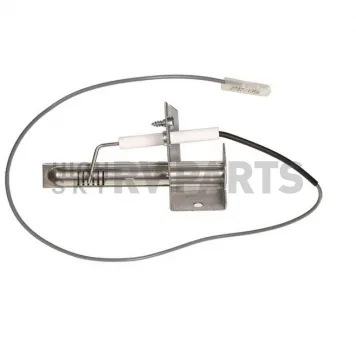
Image source: Bing (Web (fair-use with source credit))
Fifth, check the spark electrode. The spark gap should be about 1/8 inch between the electrode tip and the burner tube. If the gap is too wide or the electrode is corroded, the spark won't jump. Clean the electrode with fine sandpaper and adjust the gap.
If all five checks pass and the fridge still won't light, the gas valve or control board may have failed. Test the gas valve coil with your multimeter set to resistance. A good coil reads between 200 and 500 ohms.
An open circuit (infinite resistance) means the valve needs replacement. At this point, you are past simple DIY territory. Control board replacement runs about $150 to $300 for a new board.
Gas valve replacement is similar. Either is cheaper than a new fridge.
Branch 2: Flame Is On, But Fridge Isn't Cold – Burner and Cooling Unit Issues
You hear the flame. You see it through the inspection window. The fridge interior stays warm anyway.
This branch splits into two possibilities: the burner flame is wrong, or the cooling unit has failed.
Check the flame color and size. A healthy propane flame on a Dometic burner is blue with a sharp inner cone. It should be about 1 to 1.5 inches tall. If the flame is yellow, orange, or lazy, you have incomplete combustion.
That means soot buildup in the burner tube, restricted airflow at the vent, or low gas pressure. Turn off the fridge. Let it cool.
Clean the burner tube thoroughly with a brush and compressed air. Check the flue tube above the burner for carbon deposits. A sooted flue restricts heat transfer into the boiler.
Check the fridge ventilation. Absorption fridges reject a lot of heat through the back. If that heat can't escape, the cooling unit overheats and stops working. Per Dometic installation manuals, the top vent must be at least 12 inches above the top of the fridge, and the bottom vent must be unobstructed.
Make sure nothing is stored against the outside vents. No papers, no towels, no camping gear. If your RV has a roof vent cap, make sure it hasn't fallen shut.
Check the fridge is level. Absorption cooling depends on gravity to circulate the ammonia solution. If the RV is parked more than 3 degrees off level side to side, the cooling cycle slows down significantly. More than 6 degrees off level and it can stop entirely.
Use a bubble level on the freezer floor. If you are off, adjust the RV leveling jacks. Don't try to run the fridge tilted on a steep campsite.
It will not cool.
Check for ammonia leak. A failed cooling unit is the bad news diagnosis. Signs include a yellow powdery residue at the top of the cooling fins, a strong ammonia smell (like cat urine), or a complete lack of heat felt at the boiler even though the flame is on. If you see yellow powder or smell ammonia, the cooling unit is compromised.
It must be replaced. Dometic sells replacement cooling units, and independent shops like Amish-built cooler rebuilders offer them as well. Replacement cost runs $600 to $1,200 including labor.
That is still cheaper than a whole new refrigerator.
If none of these checks reveal the problem, measure the boiler temperature. A properly working absorption fridge has a boiler temperature of 325 to 375 degrees Fahrenheit. Use an infrared thermometer aimed at the boiler tube where the flame hits.
Below 300 degrees means the burner output is too low or the flue is blocked. Above 400 degrees means the flame is too large or the cooling unit is failing to absorb heat.
Branch 3: Fridge Works on Propane But Not on Electric – Voltage and Board Problems
This branch tells you something specific. The cooling unit works. The gas system works.
The electric side is where the problem lives.
AC mode failure. If the fridge runs fine on propane but does nothing on 120V shore power, start with the AC heating element. Unplug the fridge from shore power. Access the back of the unit and locate the AC heating element.
It looks like a ceramic block with two wires. Set your multimeter to resistance mode. A good AC heating element reads between 40 and 60 ohms.
An open circuit means the element is burned out. Replacement elements cost $40 to $80 and require basic screwdriver work.
Before replacing the element, check the AC voltage at the fridge terminal block. You need 108 to 132 volts AC. Low voltage from a campground pedestal can prevent the element from heating properly.
If voltage is good and the element tests fine, the control board relay that switches AC power may be stuck or burned. That requires board replacement.
DC mode failure. If the fridge runs on propane and AC but not on battery power (12V DC), the problem is usually voltage related. The DC heating element draws a lot of current, around 13 amps. If the battery voltage drops below 10.5 volts while the element tries to heat, the control board cuts power.
This is normal behavior, not a failure. Check your battery state of charge. A deeply discharged house battery will not run the DC element.
If the battery is fully charged (12.6 volts or higher) and the DC mode still won't engage, test the DC heating element. It should read between 0.8 and 1.2 ohms. An open circuit means the element is burned out.
Also check the DC fuse, which is often separate from the main 12V fuse. It may be located on the control board or in a separate holder near the battery.
Automatic Energy Selector (AES) problems. Newer Dometic models with AES automatically choose the best power source. If the AES logic fails, the fridge may get stuck trying to switch modes. You can test this by manually overriding to each mode.
If manual mode works on all three sources but AES doesn't, the control board logic is faulty. A board replacement is the fix.
Branch 4: Intermittent Cooling or Error Codes – Sensor and Control Board Diagnosis
This branch covers the frustrating problems. The fridge works sometimes. It throws error codes.
The freezer gets cold but the fridge stays warm. These are sensor issues, not cooling unit failures.
Thermistor problems. The thermistor is a small temperature sensor clipped into the refrigerator cooling fins. It tells the control board when to cycle the heat source on and off. If the thermistor slips out of the fins, the control board gets a bad reading.
It may think the fridge is already cold and never call for heat. Or it may think the fridge is too warm and run continuously, freezing everything.
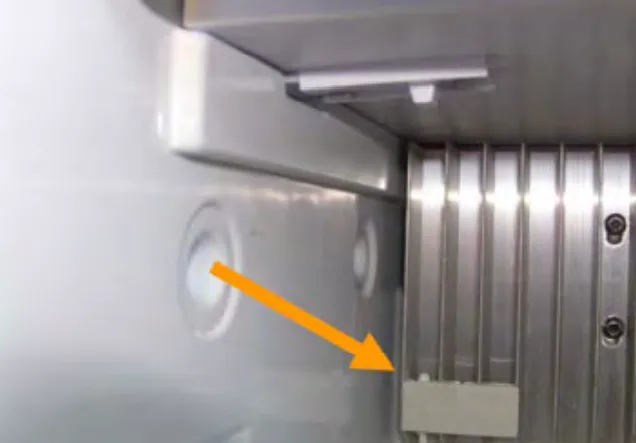
Image source: Bing (Web (fair-use with source credit))
Check the thermistor position first. Open the fridge door and look at the cooling fins on the back wall. The thermistor should be wedged firmly into the fins, usually about halfway up.
If it has fallen to the bottom of the compartment or is dangling loose, push it back into the fins firmly. Reset the fridge by unplugging 12V power for 30 seconds. The thermistor measures between 8,000 and 12,000 ohms at room temperature.
If your reading is way outside that range, replace the thermistor. They cost $15 to $30.
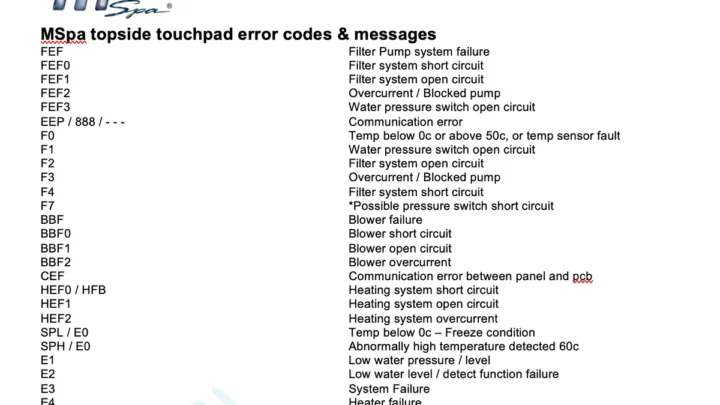
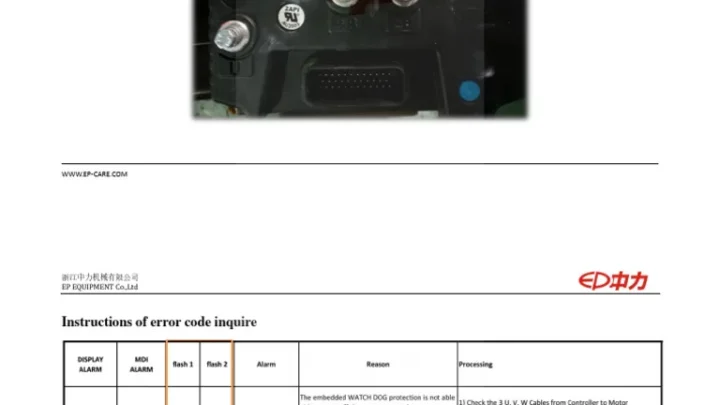
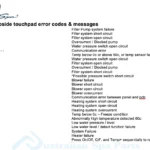
Error code decoding. Dometic error codes vary by model year, but some are standard. One flash every 10 seconds on an RM series fridge usually means a thermistor fault. Three rapid flashes every 10 seconds means gas ignition failure.
"FL" on digital display models means the flame has gone out. "LO" means low voltage. "HE" means high temperature in the boiler.
Check your specific model's manual for exact code meanings. The codes are listed on Dometic's official documentation site.
Control board failure. Control boards fail from heat exposure, voltage spikes, and corrosion. Look for physical signs. Burn marks on the circuit board.
Cracked solder joints. Corroded connector pins. If the board looks damaged, replace it.
Dometic control board part numbers are printed directly on the board. Order the exact match. Installing the wrong revision can cause mode switching problems.
Intermittent operation. If the fridge works for hours then stops, then works again, suspect a loose wire connection. Check every connector at the control board. Pull them apart and reseat them.
Corroded connectors cause voltage drops that confuse the control board. Clean any green corrosion with electrical contact cleaner.
Common Mistakes That Waste Your Time and Money
Replacing the control board without checking voltage first. This is the number one mistake. A bad board looks like a voltage problem and a voltage problem looks like a bad board. Always measure voltage at the terminal block before buying any parts.
Assuming the cooling unit is bad. A fridge that won't cool on propane but works on shore power does not have a bad cooling unit. The cooling unit is the same for both modes. If one mode works, the cooling unit is fine.
Blocking ventilation to "fix" cooling. Some RV owners stuff insulation around the back of the fridge to help it cool faster. This does the opposite. Absorption fridges need airflow to reject heat.
Blocking vents can destroy the cooling unit in one hot weekend.
When to Call a Professional vs. When to Keep DIYing
You can safely diagnose power, burner, thermistor, and fuse problems yourself. You can replace the thermistor, heating elements, and fuses with basic tools. You should call a certified RV technician for cooling unit replacement, gas valve replacement, or control board replacement if you are not comfortable soldering or working with propane.
Never attempt to open or repair the sealed cooling unit. The ammonia solution is toxic and corrosive. If you suspect a leak, evacuate the RV and ventilate it.
A qualified technician can confirm the leak and install a replacement cooling unit.
Safety: Propane Leaks, Ammonia Exposure, and Fire Risks
Propane is heavier than air. It pools in low areas. If you smell gas near the fridge, turn off the propane tank immediately.
Do not operate any electrical switches. Open all windows and doors. Ventilate for 10 minutes before investigating.
Ammonia leaks from a failed cooling unit smell sharp and chemical. Prolonged exposure causes eye and respiratory irritation. If you see yellow powder or smell ammonia, leave the RV and call a professional.
Do not try to patch the cooling unit. It cannot be repaired with glue or tape.
Carbon monoxide is a risk when operating the fridge on propane in an enclosed space. Make sure your RV has a working CO detector. Test it before every trip.
FAQs
What does a blinking check light on my Dometic fridge mean?
A blinking check light means the fridge has detected a fault. The number of flashes indicates the specific problem. One flash usually points to the thermistor.
Three flashes means the gas flame failed to light. Count the flashes and check your model's manual for the exact code.
Can I run my Dometic fridge while driving?
Yes, but only on 12V DC mode. Propane mode is not recommended while driving because the flame can blow out or cause a fire if fuel leaks. Many RVs also have regulations that prohibit propane operation while moving.
How long does it take for a Dometic fridge to get cold after troubleshooting?
Plan for 4 to 6 hours. The absorption cycle works slowly. After fixing the issue, turn the fridge to the coldest setting and wait.
Do not open the door frequently. Check temperature after 4 hours with a separate thermometer.
Why does my fridge work at home but not at the campground?
Low voltage at the campsite is a common cause. Campground pedestals can supply as low as 105 volts AC under load. The fridge's AC heating element needs at least 108 volts.
Check voltage at the pedestal before blaming the fridge.
Is it worth replacing the cooling unit on an old Dometic fridge?
Yes, if the fridge is less than 15 years old and in good cosmetic condition. A replacement cooling unit costs $400 to $700. A new fridge costs $1,500 to $3,000.
The savings are significant if you can do the labor yourself or find a shop that specializes in cooling unit swaps.
What tools do I need for basic Dometic fridge troubleshooting?
A digital multimeter, a flathead screwdriver, a Phillips screwdriver, fine sandpaper, electrical contact cleaner, and a pipe cleaner or compressed air. That is it. You do not need specialized tools for any of the branches covered in this manual.

Similar Posts