5 Best AI Tracking Drones: Top Picks For Smart Follow
The best AI tracking drones combine smart subject follow, stable video, safe flight, and simple controls.
A good tracking drone can change a hard filming day into an easy one. Instead of holding a camera while riding, hiking, skiing, or running, you can let the drone keep you in view. I know that sounds simple, but real use brings key questions: Does tracking stay locked? Is the video smooth? Can the drone return safely when the signal drops? In this guide, I compare the best AI tracking drones for adults, beginners, creators, and outdoor fans. I focus on flight time, camera quality, tracking tools, size, control, and value, so you can choose with confidence.

Potensic Atom 2 Fly More…
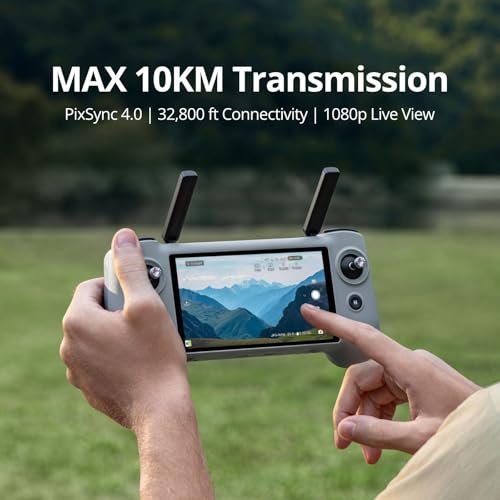
【𝐁𝐮𝐢𝐥𝐭-𝐢𝐧 𝟓.𝟓” 𝐅𝐇𝐃 𝐓𝐨𝐮𝐜𝐡𝐬𝐜𝐫𝐞𝐞𝐧】The PTD 1 RC’s integrated 𝟓.𝟓-𝐢𝐧𝐜𝐡 𝟏𝟗𝟐𝟎×𝟏𝟎𝟖𝟎 𝐅𝐇𝐃 touchscreen delivers 𝟕𝟎𝟎 𝐧𝐢𝐭𝐬 of brightness. Enjoy total awareness and control—just power on the PTD 1 and take off….

Potensic ATOM 2 Drone with…
【𝟖𝐊 𝐏𝐡𝐨𝐭𝐨, 𝟒𝐊 𝐇𝐃𝐑 𝐕𝐢𝐝𝐞𝐨】Equipped with a 1/2” Sony CMOS sensor, it captures 𝟒𝟖𝐌𝐏 𝐩𝐡𝐨𝐭𝐨𝐬 and records 𝟒𝐊/𝟑𝟎𝐟𝐩𝐬 𝐇𝐃𝐑 stable videos within a 𝟑-𝐚𝐱𝐢𝐬 𝐠𝐢𝐦𝐛𝐚𝐥. The F1.8 aperture and 4-in-1…

Potensic ATOM 2 Drone with…
【𝟖𝐊 𝐏𝐡𝐨𝐭𝐨, 𝟒𝐊 𝐇𝐃𝐑 𝐕𝐢𝐝𝐞𝐨】Equipped with a 1/2’’ Sony CMOS sensor, it captures 𝟒𝟖𝐌𝐏 𝐩𝐡𝐨𝐭𝐨𝐬 and records 𝟒𝐊/𝟑𝟎𝐟𝐩𝐬 𝐇𝐃𝐑 stable videos within a 3-axis Gimbal. The F1.8 aperture and 4-in-1…
Potensic Atom 2 Fly More Combo
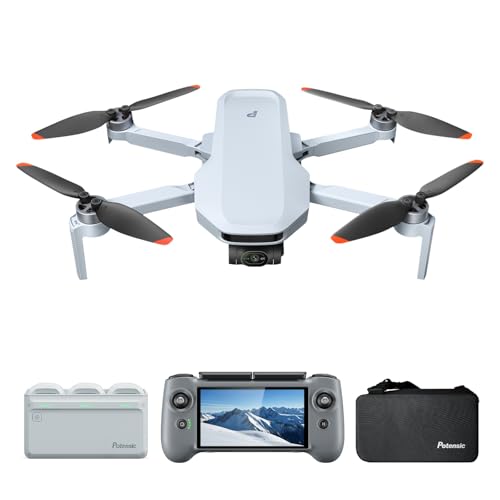
The Potensic Atom 2 Fly More Combo is a strong pick for people who want high image quality and smart subject tracking in one small drone. Its listed camera features include 4K video and 8K photo capture. A three-axis gimbal helps keep the view level when the drone moves, turns, or faces light wind. For outdoor creators, that mix gives the drone a polished feel without the weight of a large camera aircraft.
The AI Track mode is the main reason this model belongs among the best AI tracking drones. It can help keep a person or moving subject in the frame while you focus on your path and surroundings. The package also lists up to 96 minutes of total flight time, which comes from multiple batteries rather than one long flight. Its under-249-gram class may reduce some registration work in the United States, but pilots must still follow FAA rules and check current limits before flying.
Pros:
- 4K video and high-resolution 8K photo mode
- Three-axis gimbal for smoother, level footage
- AI Track helps follow a moving subject
- Up to 96 minutes of combined flight time in the combo
- Long listed transmission range for open areas
- Vertical shooting supports social media clips
- Compact under-249-gram design
Cons:
- The 96-minute claim covers the full battery bundle, not one flight
- Small drones still react to strong wind and fast weather changes
- Advanced tracking works best in open areas with clear subject contrast
My Recommendation
I recommend the Atom 2 Fly More Combo to active creators who want a serious camera but do not want a heavy travel kit. It suits hikers, cyclists, runners, and video makers who need smooth footage, portrait shots, and useful tracking tools. The extra batteries matter because a single battery rarely provides enough time for a full outdoor shoot. Among the best AI tracking drones, this one offers an attractive balance of camera quality, flight time, and pack size. Its value is strongest when you will use the drone often and can take advantage of the full combo.
Potensic ATOM 2 Fly More Combo

This Potensic ATOM 2 Fly More Combo targets users who want a complete kit for travel, family memories, and outdoor sports. It lists 4K video, 8K photos, a three-axis gimbal, AI Track, and a 10-kilometer transmission system. The under-249-gram body is easy to carry in a small bag. I also like the focus on vertical shooting, since many buyers now make short videos for phones rather than wide landscape films.
The combo includes enough battery capacity for a listed 96 minutes of total flight time. In practice, wind, speed, temperature, and return-to-home settings can reduce that number, so I would plan each flight around a shorter safe window. AI Night Shot may help in low light, but it cannot turn a dark scene into bright daylight. This is one of the best AI tracking drones for a buyer who wants smart shooting modes without jumping straight to a larger and more costly professional platform.
Pros:
- Complete Fly More package for longer shooting sessions
- 4K video supports clear everyday footage
- 8K photo mode gives room to crop still images
- Three-axis gimbal helps reduce visible camera shake
- AI Track supports hands-free subject filming
- Vertical shooting fits phone-first content
- Under-249-gram frame is easy to transport
Cons:
- Extra batteries add weight and cost to the travel bag
- Tracking may lose a subject behind trees, poles, or crowds
- Long-range claims depend on local interference and legal limits
My Recommendation
I would choose this version for travelers and families who want a ready-to-fly kit. The extra batteries make it more useful for a day at the beach, a road trip, or a long hike. It is also a good fit for creators who switch between normal video, portrait clips, and still photos. If your main goal is value per flight rather than the lowest purchase price, this Fly More package stands out in the best AI tracking drones category. Check the current bundle contents before ordering, since sellers can change package details.
Potensic ATOM 2 Standard Kit

The Potensic ATOM 2 Standard Kit keeps much of the useful camera and tracking technology while using a smaller battery package. It lists 4K HDR video, 8K photos, AI Track, AI Night Shot, QuickShots, and vertical shooting. A three-axis gimbal gives it an advantage over many low-cost drones that rely only on electronic stabilization. For a first camera drone, these features create a gentle path from simple flight to more creative filming.
This kit lists 32 minutes of flight time, so it makes more sense for short trips and casual sessions. I see that as a benefit for buyers who want a lower entry cost and do not plan to film for hours. HDR video can help balance bright skies and darker ground, although results still depend on light and exposure settings. It earns a place among the best AI tracking drones for beginners who want real camera tools but prefer to start with a basic kit.
Pros:
- Lower-cost way to access the ATOM 2 platform
- 4K HDR video can preserve detail in mixed light
- 8K photo mode supports crops and large still images
- Three-axis gimbal improves smoothness during motion
- AI Track adds hands-free filming options
- QuickShots help new pilots make short creative clips
- Foldable, under-249-gram design is travel friendly
Cons:
- 32 minutes of listed flight time is less than the Fly More kits
- You may need to buy extra batteries for longer sessions
- Smart modes still need clear space and careful pilot attention
My Recommendation
I recommend the Standard Kit to beginners, casual photographers, and shoppers who want to test drone filming before buying a larger bundle. It offers the core features that make the best AI tracking drones appealing, including gimbal video and subject tracking. The shorter flight time is easy to manage if you plan small flights near home or on short trips. It gives you a clean starting point without paying for batteries you may not use. As always, confirm the current listing and local flight rules before purchase.
GPS Drone With EIS 2K Camera

This GPS drone takes a more beginner-friendly approach to AI tracking. It includes a 2K camera with electronic image stabilization, a large 7.22-inch screen on the remote, GPS positioning, Follow Me, AI Track, and AI Night Shot. The built-in screen can be helpful for a parent or new pilot who does not want to mount a phone. Its foldable body and under-249-gram listing also make it simple to pack for a weekend trip.
The product lists up to 64 minutes of flight time, which appears to refer to the supplied battery set rather than one continuous flight. Three speed settings let a beginner start slowly and gain control over time. GPS features such as auto return can add peace of mind, but they do not replace a careful pilot or a clear understanding of the launch point. Of the best AI tracking drones reviewed here, this is a practical choice for basic follow shots, gifts, and easy family use.
Pros:
- Large built-in remote screen improves viewing convenience
- GPS supports positioning and automatic return features
- Follow Me and AI Track offer simple subject filming
- Electronic stabilization helps reduce small shakes
- Up to 64 minutes of combined listed flight time
- Three speed modes help new pilots learn at a safe pace
- Foldable and under 249 grams for easy storage
Cons:
- 2K video has less detail than the 4K models above
- Electronic stabilization is not as strong as a three-axis gimbal
- Tracking performance can drop in poor light or busy scenes
My Recommendation
This drone is best for beginners, parents, and gift buyers who want an easy control setup. The large remote display is a real comfort when a phone screen feels too small or fussy. It is also a good choice for simple yard videos, walking clips, and basic follow shots. I would not choose it over the Potensic models for serious 4K work, but it offers useful value for everyday flying. In the best AI tracking drones search, this model makes sense when ease and price matter more than top camera quality.
DJI Neo Self-Flying Mini Drone

The DJI Neo is built around quick, simple, self-flying video. It weighs a listed 135 grams and includes a 4K UHD camera, subject tracking, QuickShots, palm takeoff, and a built-in propeller guard. That design removes much of the normal setup stress. You can place it in your hand, choose a mode, and start capturing a short clip without carrying a full remote-control kit.
This drone is especially appealing to vloggers, walkers, solo travelers, and people who value speed over long range. The protected propellers add a layer of comfort during low-speed practice, though they do not make indoor or crowded flying risk-free. Its tracking system works best when the subject stays visible and the environment remains open. As one of the best AI tracking drones for quick personal footage, the Neo is small, friendly, and less intimidating than a traditional camera drone.
Pros:
- Very light 135-gram body is easy to carry
- Palm takeoff makes launch fast and simple
- Subject tracking supports solo filming
- 4K UHD camera captures clear short-form video
- Built-in propeller guards add useful protection
- QuickShots help create clips with little setup
- Controller-free operation suits casual users
Cons:
- Controller-free use may offer less control than a full remote
- Small, light drones are more affected by wind
- Battery life and range may not match larger camera drones
My Recommendation
I recommend the DJI Neo to solo creators who want to film themselves without asking another person to hold a camera. It is also a fine fit for beginners who feel nervous about standard drone controls. The palm launch and subject tracking make it quick to use for walking tours, fitness clips, and travel posts. I would pick a Potensic ATOM 2 for longer flights or more advanced camera work, but the Neo is hard to beat for ease. It brings a friendly entry point to the best AI tracking drones market.
How AI Tracking Works on a Drone
AI tracking sounds complex, but the basic idea is easy. The camera looks for a chosen subject, such as a person, bike, car, or animal. Software studies the subject’s shape, color, movement, and place in the frame. The drone then adjusts its path, height, yaw, or camera view to keep that subject visible.
Different drones use different levels of tracking. Some only move the camera or keep a target centered. Others can fly behind, beside, or in front of a person. GPS Follow Me may track a phone or remote position, while vision-based AI Track may follow what the camera sees. These modes are not the same, so I always read the exact feature list before treating a drone as fully autonomous.
No tracking system is perfect. A subject can vanish behind a tree, blend into a dark background, or move too fast for the drone to keep up. Bright glare, fog, rain, and crowded scenes can also confuse the camera. I treat AI tracking as a helpful co-pilot, not a replacement for safe flight skills.
What I Look For in the Best AI Tracking Drones
Tracking reliability
A useful tracking mode should hold a person in the frame without sudden jumps. It should also recover well when the subject changes speed. In my view, reliable tracking matters more than a long list of fancy flight modes. A drone that follows smoothly creates better clips and gives the pilot less stress.
Before a flight, I choose a clear area. I keep the subject away from trees, wires, poles, and other objects. I also test the tracking mode at low speed before trying a fast run. This small step can prevent a smart drone from making a very poor choice.
Camera and stabilization
A tracking drone is also a flying camera. Sharp video means little if the image shakes or tilts with every turn. A three-axis gimbal usually gives smoother results than electronic stabilization alone. Electronic image stabilization can still work well for casual clips, but it may crop the image or show more movement.
For most buyers, 4K video is a useful target. It gives room to crop and keeps detail on modern screens. High photo numbers, such as 8K, can help with still images, but they do not guarantee better results in low light. Lens quality, exposure, focus, and steady flight still matter.
Flight time
Manufacturers often list the best possible battery number. Real flight time is lower because a careful pilot lands before the battery becomes too low. Wind, cold air, fast speed, and repeated climbs can reduce endurance. I prefer a drone with spare batteries because extra power is more useful than a promise that only works in ideal conditions.
A Fly More bundle can save money for active users. It often includes batteries, a charging hub, spare propellers, and a carrying case. A Standard Kit may be better for a first-time buyer who wants to learn before adding accessories. Both choices can be smart when the package matches your flying habits.
Weight and travel
Many small drones weigh less than 249 grams. That can help with portability and may affect registration requirements in the United States. However, weight does not remove the need to follow aviation rules. Recreational pilots may still need the FAA TRUST test, and some drones may need Remote ID compliance depending on how and where they are used.
Light weight also brings a trade-off. A small drone is easy to carry, but it may feel less stable in strong wind. I check the weather before each flight and avoid pushing a tiny aircraft beyond its comfort zone. A calm morning can make a lightweight drone look far more capable than it feels on a windy afternoon.
Return-to-home and GPS
GPS can help a drone hold position and return to the launch point. This feature is valuable when the pilot loses sight of the aircraft or the battery reaches a set level. Still, return-to-home is not magic. The pilot must set a safe return height, keep the home point accurate, and watch for trees, buildings, and wires.
I also recommend checking whether the drone returns by GPS, vision, or both. A GPS return may not know about a new obstacle that appeared after launch. Good habits matter more than any single safety feature. Keep the aircraft in sight, watch the battery, and stay ready to take control.
Remote and app controls
A clear remote can make a large difference. Physical sticks feel more precise than touch controls, especially when the drone moves near a subject. A built-in screen, like the one listed with the GPS model in this guide, may simplify setup. Phone-based control can be lighter and cheaper, but it adds another battery and connection to manage.
I like controls that make the important actions easy to find. Return to home, pause, stop tracking, and land should not hide behind several menus. Before taking off, I open the app, check the signal, and confirm the flight mode. A few seconds of setup can prevent a long walk to recover a drone.
Best AI Tracking Drones for Different Users
A runner may want a drone that follows from behind and keeps pace. That user should focus on tracking speed, battery supply, obstacle-free routes, and a remote that allows a quick stop. The Potensic ATOM 2 Fly More Combo is a strong match because its camera and extra batteries support longer outdoor sessions.
A travel vlogger may care more about size and fast setup. The DJI Neo fits this role well. Its palm launch and self-flying design reduce the number of items in a travel bag. It works like a small camera assistant that can rise, frame the shot, and return without a long preflight routine.
A new pilot may value a large screen and simple speed controls. The GPS drone with EIS 2K camera offers those features in a beginner-focused package. It is less advanced than the 4K gimbal models, but its controls may feel less overwhelming for a first flight.
A family photographer may want sharp still photos, portrait shots, and easy creative modes. The Potensic ATOM 2 Standard Kit can make sense here. It gives access to AI Track, QuickShots, 4K HDR video, and 8K photos without requiring the full multi-battery bundle.
How to Get Better Tracking Footage
Start with a slow subject. A person walking in an open field is easier to track than a cyclist racing through a forest. Let the drone learn the subject before you add speed. This method feels less exciting at first, but it builds better results.
Use contrast when possible. A bright shirt against a dark background gives the camera more visual information than dark clothing in a shadowed area. Keep the sun behind the drone or to the side when you can. Direct glare can hurt both the pilot’s view and the camera’s view.
Plan the route before takeoff. Walk or ride through the area and look for branches, wires, signs, and other hazards. Decide where the drone should turn and where it should land. Tracking works best when the pilot gives the software a simple problem.
Keep the subject in view. Many AI modes need the camera to see the target. If the person goes behind a wall or large tree, tracking may stop. Do not assume the drone will avoid every object unless the model clearly includes obstacle sensing, and even then, keep a safe margin.
Use the pause or stop control early. If the drone moves toward a hazard, stop the mode instead of waiting to see what happens. The best AI tracking drones still need a human pilot. Smart software can frame the shot, but the person holding the controls remains responsible for the aircraft.
Safety and Legal Tips for U.S. Drone Pilots
I always suggest checking current FAA guidance before flying. Rules can depend on the drone’s weight, purpose, location, and registration status. Recreational pilots generally need to pass the FAA’s TRUST test and carry proof of completion. Commercial or business use may require a Part 107 certificate.
Stay within visual line of sight unless you have the required approval and equipment. Do not fly over people or moving vehicles in ways that break FAA rules. Avoid airports, emergency scenes, restricted areas, and private spaces where the flight could create a privacy problem. A tracking drone can follow a person, but that does not grant permission to record anyone.
Check local and state rules too. Parks, beaches, schools, and community areas may ban takeoff even when federal airspace allows a flight. Some locations also limit filming. I use official airspace tools and local notices before each trip, especially when I travel.
Weather matters. Small drones should not fly in rain unless the maker clearly rates them for it. Water can damage motors, batteries, and camera systems. Strong wind can push a light drone far from its launch point. If the forecast looks rough, I wait for a better day.
Battery care also affects safety. I inspect batteries for swelling or damage. I store them in a cool, dry place and avoid flying with a battery that looks abnormal. Before takeoff, I confirm the battery level, home point, GPS status, and return height.
Potensic ATOM 2 vs. DJI Neo
The Potensic ATOM 2 models suit buyers who want a gimbal camera, longer flight options, and more traditional remote control. They are better for planned shoots where you want control over distance, height, and camera angle. The Fly More versions also make sense for a full day outdoors.
The DJI Neo suits buyers who want speed and simplicity. It is lighter and designed around self-flying clips, palm takeoff, and subject tracking. It may be the better pick for a solo creator who wants to capture a short video and keep moving.
The camera style also differs. The Potensic models list 4K video, 8K photos, and three-axis gimbals. The Neo lists a 4K UHD camera and stabilized video. For the cleanest planned footage, I lean toward the Potensic ATOM 2. For the easiest quick clip, I lean toward the Neo.
Is a Fly More Combo Worth It?
A Fly More Combo is worth it when you expect to fly often. Extra batteries let you continue after the first battery reaches its safe landing level. A charging hub also makes the kit easier to manage at home or in a car. Spare propellers can save a trip after a small scrape.
The Standard Kit is better when you are unsure about the hobby. It lowers the first cost and gives you time to learn the controls. You can buy batteries later if the drone becomes part of your regular gear. I would not pay for a large bundle simply because the listed total flight time looks impressive.
Remember that total flight time is not one uninterrupted flight. You must land, change batteries, and allow motors and electronics to cool. A smart flight plan is more useful than chasing the highest number. For many users, two or three safe flights beat one risky attempt to use every last second.
Best Features at a Glance
| Best for | Why |
|---|---|
| Serious outdoor creators | Potensic ATOM 2 Fly More offers 4K video, a three-axis gimbal, AI Track, and extra batteries. |
| First-time and family users | The GPS 2K drone adds a large remote screen, speed settings, Follow Me, and GPS return tools. |
| Solo travel and quick clips | DJI Neo uses palm takeoff, subject tracking, QuickShots, and a light 135-gram body. |
What I Would Check Before Buying
First, I would check the exact battery contents. A product title may list a total flight time, but the box may include several batteries. That is still useful, but it changes how you plan the day. I would also check whether the listing includes a charger, charging hub, remote, and spare propellers.
Next, I would check the return policy and current price. Drone prices can change during sales, and bundles may change over time. An affordable Standard Kit may become the better value if you only fly once or twice each month. A Fly More bundle may win during a sale if the included accessories cost less than buying them later.
I would also check app support and phone compatibility. A smart drone depends on software for tracking, camera settings, maps, and firmware updates. A strong aircraft can feel frustrating if the app does not work well with your phone. Keep the app and firmware updated, but do not update right before an important trip unless you have time to test the drone.
Finally, I would think about where I will fly. If I live near trees, hills, tall buildings, or crowded parks, I may use tracking less often. If I have open fields or legal areas nearby, the feature becomes far more useful. The best AI tracking drones are only as helpful as the places and conditions where you use them.
FAQs Of Best AI Tracking Drones
What is an AI tracking drone?
An AI tracking drone uses camera or GPS data to follow a chosen person or moving subject. It can adjust its flight or camera view to keep that subject in frame. Tracking quality depends on light, speed, distance, and nearby objects.
Can AI tracking drones fly without a remote?
Some models support controller-free flight, while others need a remote or phone app. The DJI Neo is designed for simple self-flying use and palm takeoff. A remote still gives more control and may be safer for complex flights.
Are under-249-gram drones free from FAA rules?
No. A drone under 249 grams may have different registration rules for some recreational flights, but FAA safety rules still apply. Pilots may need the TRUST test and must follow airspace, privacy, and operating limits.
Is 4K better than 2K for a tracking drone?
Usually, yes. 4K gives more detail and more room to crop the video. A 2K camera can still make good clips for phones and social media. Stabilization and good light often matter as much as resolution.
Can tracking drones avoid trees and wires?
Do not assume they can. Tracking systems may lose a subject or move toward an obstacle. Unless the drone has tested obstacle sensing, keep a clear route and stay ready to stop the tracking mode.
Final Verdict: Which Should You Buy?
The Potensic ATOM 2 Fly More Combo is my top pick for the best AI tracking drones because it blends 4K video, a three-axis gimbal, AI Track, and useful battery capacity. Choose the DJI Neo for the easiest solo clips or the GPS 2K model for simple beginner control.
Before you fly, check FAA rules, local airspace, weather, and the exact Amazon bundle. The right AI tracking drone can turn outdoor moments into smooth, hands-free video without making flight feel hard.

Similar Posts