Can I Put Electric Toothbrush In Hold Luggage
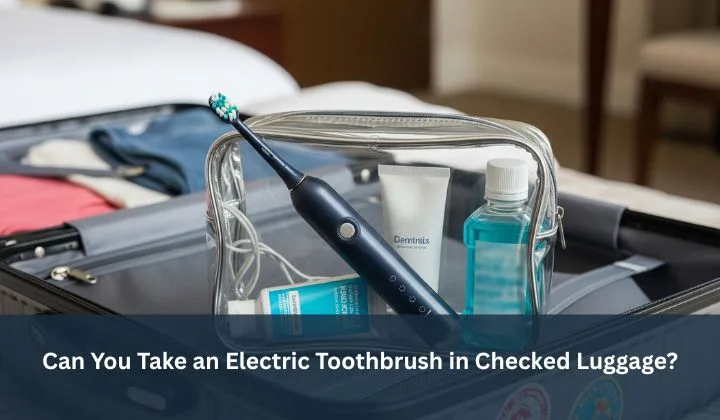
Can I put an electric toothbrush in hold luggage? The short answer is no. The FAA and TSA have clear rules about lithium-ion batteries in checked baggage.
Your electric toothbrush contains one. Trying to pack it in your hold luggage could mean losing it at the security checkpoint.
As of 2026, the FAA strictly prohibits loose lithium-ion batteries in checked baggage. Devices with installed lithium batteries, including electric toothbrushes, must go in your carry-on bag. This rule is not a suggestion.
It is a safety regulation based on the fire risk of lithium batteries in the cargo hold. Here is what you need to know before you pack.
Image source: Bing (Web (fair-use with source credit))
The Quick Answer
No, you cannot put an electric toothbrush in hold luggage. The FAA requires all devices with lithium-ion batteries in carry-on bags. This rule applies to every rechargeable electric toothbrush.
Pack it in your hand luggage instead.
The rule comes from the FAA's regulations on lithium batteries in air travel. As of 2026, any device with an installed lithium-ion battery must travel in the cabin. This includes your electric toothbrush, your laptop, your tablet, and your phone.
The cargo hold has no fire suppression system capable of handling a lithium battery fire. That is the core reason for the rule.
Your toothbrush battery is small. Most electric toothbrushes use a battery rated between 600 and 1000 mAh. That works out to roughly 2.2 to 3.7 watt-hours.
The FAA cap for carry-on devices is 100 watt-hours. So your toothbrush is well within the limit. That does not matter for the rule.
The rule cares about where the battery goes, not how big it is.
The TSA website confirms this directly. The electric toothbrush is allowed in carry-on bags. It is not allowed in checked bags.
The same restriction applies to spare batteries, power banks, and any loose lithium cells. If the battery is inside the device and the device can fit in your carry-on, that is where it goes.
Do not assume the agent will miss it. Baggage screening uses X-ray machines that clearly show the battery inside your toothbrush. If the agent spots it in your checked bag, you will be asked to open your bag.
They will remove the toothbrush. You might be able to move it to your carry-on before the flight. If the bag has already been loaded, you lose the toothbrush.
Why the FAA and TSA Ban Lithium Toothbrushes in Checked Bags
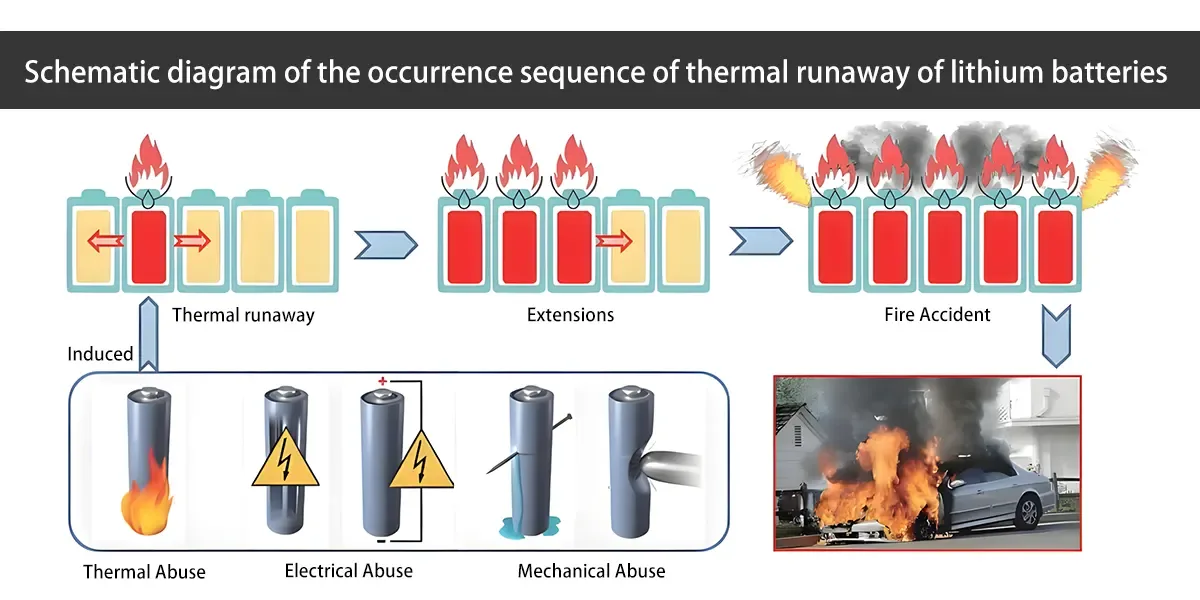
Image source: Bing (Web (fair-use with source credit))
Lithium-ion batteries can catch fire. This is not a theoretical risk. It is a documented problem that has caused multiple cargo hold fires on aircraft.
The issue is called thermal runaway. A lithium-ion battery gets hot for some reason. Maybe it is damaged.
Maybe it short circuits. Maybe it is packed tight against something metal. The heat causes the battery to release more energy.
That makes it hotter. The cycle continues until the battery catches fire or explodes.
In the cargo hold, no one can see the fire. No one can reach it. The fire suppression system in the cargo hold dumps a chemical agent that displaces oxygen.
This works for normal fires. It does not work well for lithium battery fires. Those fires generate their own oxygen through the chemical reaction inside the battery.
The fire keeps burning even without external oxygen.
The FAA has tracked hundreds of incidents involving lithium batteries in air transport. The vast majority involve cargo shipments, not passenger devices. But the risk is real enough that the FAA decided to ban all loose lithium batteries from checked baggage back in 2015.
The rule was updated in 2016 and again in 2019. There is no sign of it changing.
Your electric toothbrush contains a lithium-ion battery. The battery is small, but the chemistry is the same. The TSA considers it a device with an installed battery.
That means it belongs in the cabin. The same restriction applies to electric shavers, rechargeable flossers, and any other small personal care device with a lithium battery.
The only exception is devices with non-rechargeable alkaline batteries. If your toothbrush uses a standard AA or AAA battery, it can go in checked luggage. But most modern electric toothbrushes use rechargeable lithium cells.
Yours almost certainly does.
How to Pack Your Electric Toothbrush for a Flight (Carry-On Only)

Image source: Bing (Web (fair-use with source credit))
Packing your toothbrush for a flight is simple. You just need to follow a few steps.
Step 1. Remove it from your checked bag.
This is the most important step. If you already packed your checked bag, unzip it. Take the toothbrush out.
Put it in your carry-on. Do not leave it in there hoping no one will notice. The X-ray machine will catch it.
Step 2. Turn it off and lock the power button.
Most electric toothbrushes have a power button that can be pressed accidentally. If the button gets pressed in your bag, the toothbrush will run. The battery will drain.
More importantly, the vibration could make the device seem suspicious on the X-ray. Some models have a travel lock feature. Hold the power button for three to five seconds.
The light will flash. The device is now locked.
Step 3. Put it in a clear plastic bag.
This is not required by the TSA. It is a good practice. The clear bag keeps the toothbrush clean.
It also makes it easy for the security agent to see what it is. If you have a travel case, use that instead. Just make sure the case opens easily.
The agent might ask to see the device.
Step 4. Place it in the security tray with your other electronics.
Large electronics like laptops must go in a separate tray. Small devices like toothbrushes do not. You can leave it in your bag.
But if you want to be extra careful, put it in the tray with your phone and your watch. That way the agent sees it clearly. They will wave it through.
Step 5. Charge it at your destination.
Your toothbrush might have a partial charge when you arrive. That is fine. It will probably last a few days.
If you need a full charge, plug it into the USB port in your hotel room or use a travel adapter. Most modern electric toothbrushes use USB charging. Some use a proprietary base.
Pack the charger in your carry-on too.
That is the whole process. It takes about 30 seconds. It saves you a lot of trouble at the airport.
The One Exception You Need to Know About
There is exactly one situation where you can put an electric toothbrush in hold luggage. It applies only if your toothbrush uses a non-rechargeable alkaline battery.
Alkaline batteries are not subject to the same restrictions. The FAA allows devices with alkaline batteries in checked baggage. The TSA treats them as ordinary household items.
No special rules apply.
So if your toothbrush runs on AA or AAA batteries, you can put it in your checked bag. No problem. No risk of confiscation.
But here is the catch. Most modern electric toothbrushes use rechargeable lithium-ion batteries. The brand name models from Oral-B and Philips Sonicare all use lithium cells.
The travel models from smaller brands also use lithium. If you bought your toothbrush in the last five to ten years, it almost certainly has a lithium battery.
How do you know? Check the bottom of the toothbrush. Look for a printed label.
It will say something like "Lithium-ion" or "Li-ion" or "3.7V 800mAh." If you see any of those terms, it is a lithium battery. The rule applies.
If you see "Alkaline" or "AA" or "AAA," it is a different story. You can pack it in checked luggage.
The other exception is if your toothbrush is completely dead. Some people think a dead battery is safe to check. It is not.
The FAA rule applies to the device regardless of its charge level. A dead lithium battery can still catch fire. The risk is lower, but it is not zero.
The rule says no lithium batteries in checked bags. Period.
There is no exception for small batteries. Some people think the rule only applies to laptop-sized batteries. That is wrong.
The rule applies to any lithium-ion battery, no matter how small. Your toothbrush battery is around 2.7 watt-hours. The rule still applies.
There is no exception for a single device. Some people think one small device is fine. It is not.
The FAA does not give you a quota. The rule says no devices with lithium batteries in checked bags.
5 Common Mistakes That Get Toothbrushes Confiscated
These are the real mistakes people make. They happen every day at airports around the world.
Mistake 1. Packing the toothbrush in the checked bag automatically.
Most people pack their toiletries in the checked bag. Toothbrush, toothpaste, deodorant, shampoo. It all goes in the big suitcase.
That works for manual toothbrushes. It does not work for electric ones. The lithium battery changes the equation.
You have to break the habit. Your electric toothbrush goes in the carry-on, not the checked bag.
Mistake 2. Forgetting the toothbrush is in the bag.
You pack your checked bag the night before. You put the toothbrush in the bathroom. In the morning, you brush your teeth.
You put the toothbrush back in the bathroom. Then you grab it and toss it in the checked bag without thinking. The X-ray machine catches it.
You are now at the security checkpoint with your bag open and a line of people behind you.
The fix is simple. Put the toothbrush in your carry-on the night before. Do not leave it in the bathroom.
If you use it in the morning, take it out of the carry-on, brush, dry it, and put it back in the carry-on. Do not let it near the checked bag.
Mistake 3. Trying to hide the toothbrush.
Some people wrap the toothbrush deep inside their clothes. They think the agents will not see it. They are wrong.
The X-ray machine shows the internal structure of every item in your bag. The battery shows up as a distinct shape. The agent sees it immediately.
Trying to hide it just makes you look suspicious. The agent will search your bag. You will lose the toothbrush anyway.
Mistake 4. Putting the toothbrush in the checked bag but keeping the charger in the carry-on.
People think the battery is the issue. They put the toothbrush in the checked bag because it is heavy. They keep the charger in the carry-on because it is small.
They are wrong. The battery is still in the toothbrush. The charger does not matter.
The device is in the wrong place. The agent will catch it.
Mistake 5. Assuming the gate agent will override the rule.
Some people think they can talk their way out of it. They get to the gate. They explain that the toothbrush is small.
They say the battery is tiny. They ask for an exception. The gate agent cannot override the FAA regulation.
The rule is not optional. The airline cannot change it. The agent will tell you to put the toothbrush in your carry-on or leave it behind.
If you do not have a carry-on, you lose the toothbrush.
The best approach is to avoid the situation entirely. Pack your electric toothbrush in your carry-on bag. Do it every time.
Do not make exceptions. It takes 10 seconds and saves you a headache.
Frequently Asked Questions
Can I put my electric toothbrush in checked luggage if I remove the battery?
No. Most electric toothbrushes have a built-in battery that cannot be removed. If you could remove it, the battery would still be prohibited in checked baggage.
The FAA bans all loose lithium-ion batteries from checked bags. The toothbrush without the battery is just a plastic handle. You are better off keeping the whole device in your carry-on.
What happens if the TSA finds my electric toothbrush in my checked bag?
The agent will stop your bag at the screening checkpoint. You will be called to open your bag. The agent will remove the toothbrush.
You may be able to move it to your carry-on before the flight. If the bag has already been loaded onto the plane, the toothbrush will be confiscated. You will not get it back.
Do I need to take my electric toothbrush out of my bag at security?
No. The TSA does not require you to remove small personal care devices from your bag. Laptops and large electronics must come out.
Your toothbrush can stay inside your carry-on. If you want to be extra cautious, you can place it in the tray with your phone. It is not required.
Can I bring a spare toothbrush head in my checked luggage?
Yes. Spare brush heads contain no batteries. They are just plastic and nylon bristles.
You can pack as many as you want in your checked bag. The same rule applies to manual toothbrushes. They have no electronics at all.
Pack them anywhere.
Does the rule apply to all airlines or just US carriers?
The rule applies to all airlines operating flights to, from, or within the United States. International carriers follow IATA guidelines that match the FAA rules. If you are flying within Europe, the EASA rules are the same.
Lithium batteries go in the cabin. Always check your specific airline policy before you fly.
What about electric toothbrushes with alkaline batteries?
Alkaline batteries are not subject to the lithium battery restrictions. If your toothbrush uses standard AA or AAA batteries, you can put it in your checked luggage. The FAA and TSA treat alkaline batteries as ordinary household items.
No special rules apply. Check the label on your toothbrush to confirm the battery type.
Your Final Verdict
Here is the bottom line. Do not put your electric toothbrush in hold luggage. It contains a lithium-ion battery.
The FAA bans those batteries from the cargo hold. The rule is simple and consistent across all airlines.
The safe and legal place for your electric toothbrush is your carry-on bag. Put it there before you leave home. Turn off the power.
Lock the button if your model has a travel lock. Pack the charger. That is all you need to do.
If you absolutely must check your toothbrush, buy a manual one for the trip. They cost a few dollars. They have no batteries.
They have no restrictions. You can pack them anywhere.
For your rechargeable toothbrush, keep it in the cabin. Follow the rules. Avoid the hassle.
It takes 30 seconds to pack it correctly. It saves you a lot of trouble at the airport.

Similar Posts