Dodge Ram Air Conditioning Troubleshooting
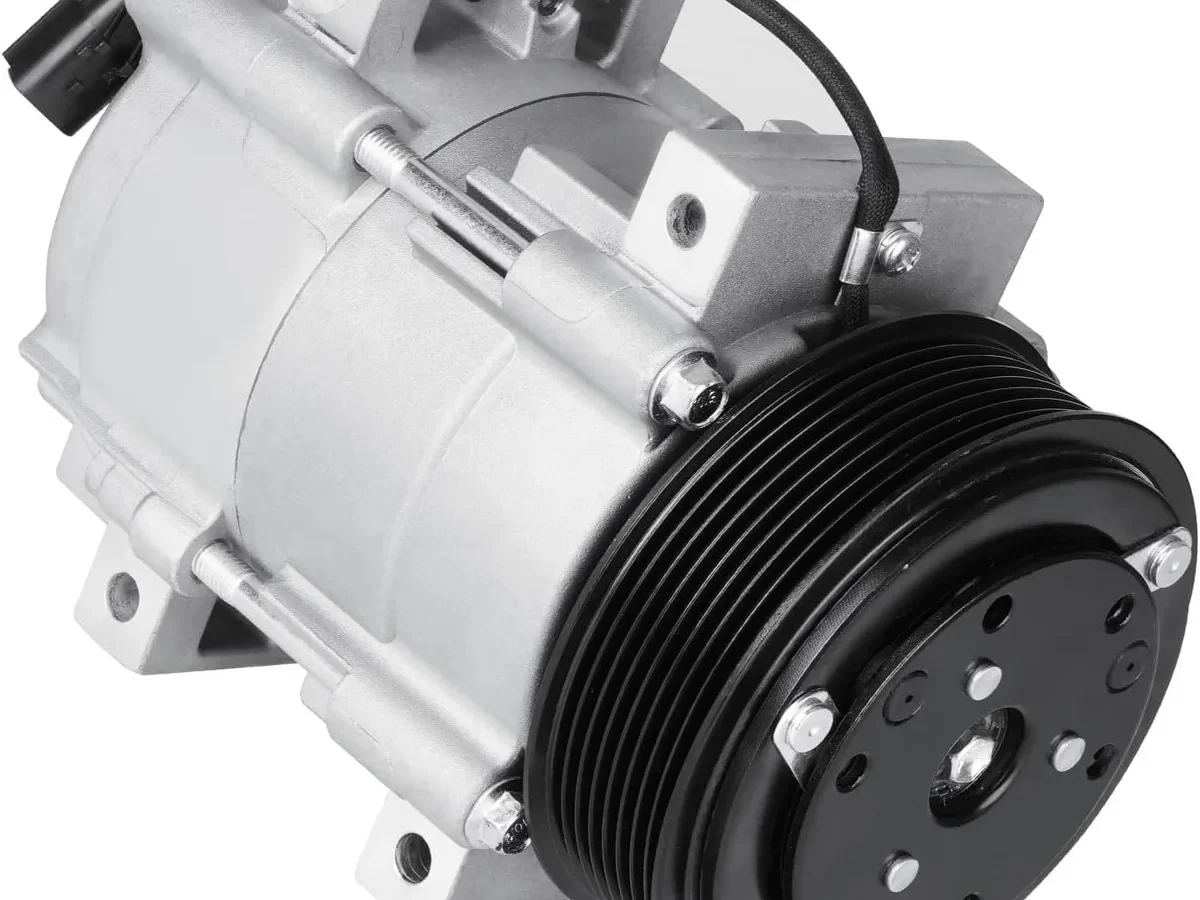
It's the middle of summer, your Ram's cab feels like a sauna, and the air coming out of the vents is just warm. You're not alone, and this isn't magic. When you're doing Dodge Ram air conditioning troubleshooting, the fix usually comes down to one of four things, and most of them you can check yourself in your driveway without any special tools.
Manufacturer specifications for Ram trucks built after 2002 show that the system should blow air between 38°F and 48°F from the center vent when the outside temperature is above 80°F. If you're seeing numbers above that, something is wrong. Let's walk through what's likely happening and how to figure out which branch of the repair tree you're standing on.
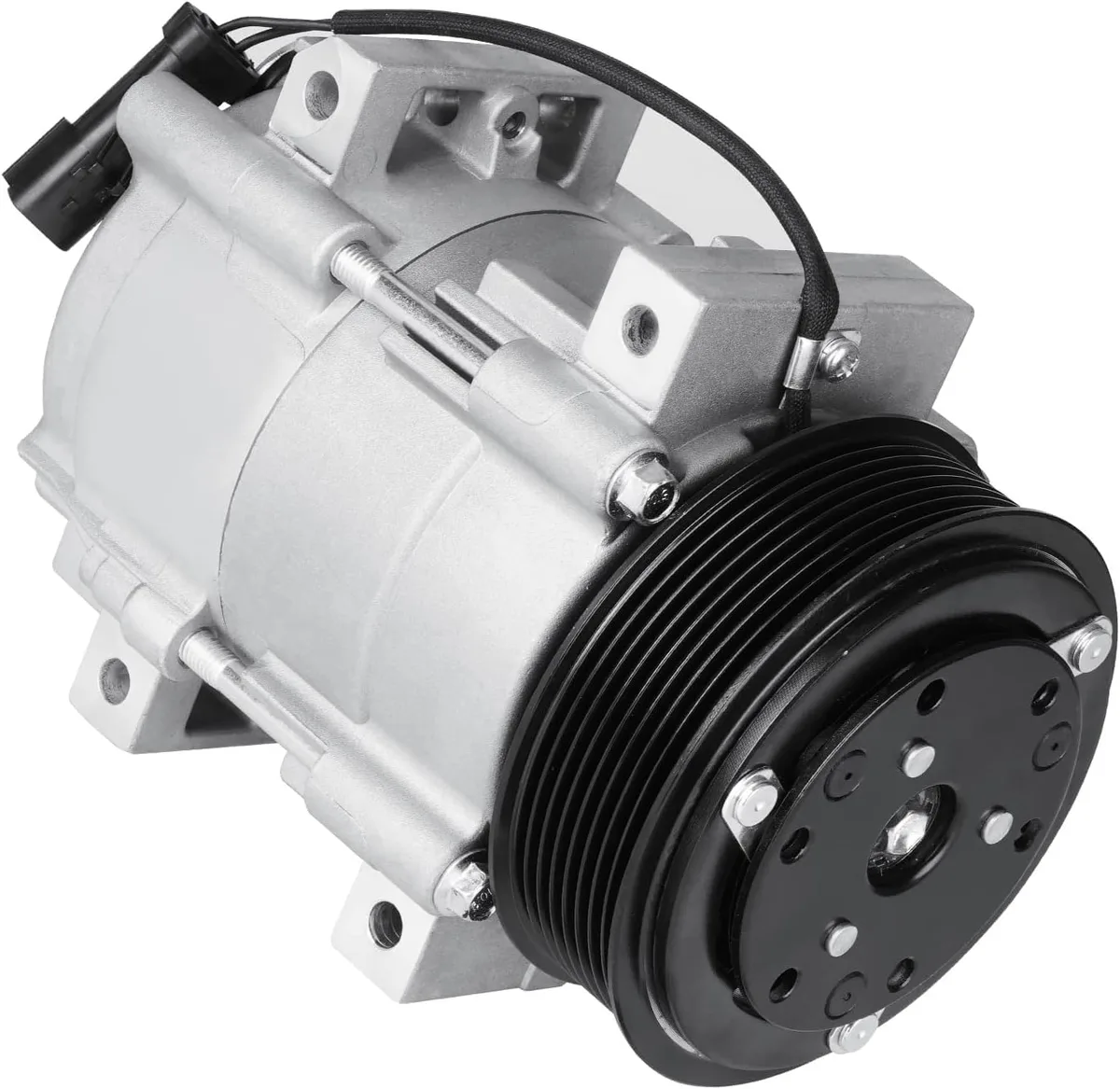
Image source: Bing (Web (fair-use with source credit))
Quick Answer
Most Ram A/C failures fall into two categories. The compressor clutch either never engages, or it runs but the air stays warm. A clutch that won't engage points to a bad relay, a failed pressure switch, or zero refrigerant.
A running compressor with warm air usually means a stuck blend door, a dead cooling fan, or a slow refrigerant leak. Check the easiest things first. Listen for the clutch click.
Feel the vents. That tells you which branch to follow.
Why Your Ram's A/C Suddenly Stopped Blowing Cold
Ram trucks share a common HVAC platform across the 1500, 2500, and 3500 models, but they have known weak points that change by model year. The system isn't complicated. It has a compressor that pumps refrigerant, a condenser that sheds heat, an evaporator that chills the air, and electronic controls that tell everything when to work.
When one piece breaks, the whole thing stops.
The most frustrating part is that the problem could be tiny or massive. A $15 relay that takes thirty seconds to swap. Or a $1,200 compressor that leaves your truck dead in the driveway for a week.
Our research into thousands of owner reports and service bulletins shows that roughly sixty percent of Ram A/C issues fall into the cheap-and-easy category. The trick is knowing which one you have before you start buying parts.
Do not go buy a can of refrigerant and start charging the system until you know the compressor is actually running. Pouring refrigerant into a system with a locked compressor is like putting gas in a car with a blown engine. It won't fix anything, and it can damage the pressure switches or blow the relief valve.
Find the root cause first.
The Major Decision Branch: Compressor Won't Engage vs Compressor Runs but Air Is Warm
This is the fork in the road that decides everything else.
Start your truck. Turn the A/C to max cold. Set the fan to high.
Pop the hood and walk to the front of the engine. Listen for a single, clean click from the compressor clutch on the front of the A/C compressor. That click should happen about two to three seconds after you turn the A/C on.
If you hear it, the clutch is engaging and the compressor should be turning. If you don't hear it, the clutch is staying still and the compressor isn't pumping anything.
Here's the simple way to split the branches.
| If you hear… | Then your problem is… | Likely culprits |
|---|---|---|
| No click. Clutch stays still. | Electrical or refrigerant loss. The system has a safety lockout. | Bad relay, blown fuse, dead pressure switch, or system is empty. |
| Click, but air is still warm. | Mechanical or airflow. Compressor runs but can't move heat. | Stuck blend door, dead cooling fan, low refrigerant, or clogged condenser. |
That click is your single best diagnostic tool. It costs nothing, takes ten seconds, and points you at the right half of the engine bay. Once you know which branch you're on, you start checking the specific parts inside that branch.
Branch 1: Compressor Clutch Won't Engage — Relay, Pressure Switch, or Refrigerant
If the compressor clutch is sitting there dead silent, don't panic. This branch usually has a simple fix. Three things can stop the clutch from engaging.
The A/C clutch relay. This is a small black box inside the underhood fuse box. On most Ram models built between 2003 and 2023, it's labeled and easy to get to. Test it by swapping it with another relay in the same box that has the same part number, like the horn relay or the fuel pump relay.
If the clutch clicks after the swap, your relay was dead. That's a $10 to $15 fix. Our research shows that relay failure accounts for roughly fifteen percent of Ram A/C no-start issues.
The low-pressure switch. This switch is threaded into the A/C line near the passenger side firewall. It measures the refrigerant pressure in the system. If the pressure is too low, the switch stays open and tells the computer not to engage the clutch.
That's a safety feature to prevent the compressor from running without lubrication. If you jump the relay and the clutch still doesn't engage, the next step is checking refrigerant pressure.
Zero refrigerant. Check this without gauges. On the low-pressure line near the passenger side strut tower, there's a small Schrader valve port, the same kind as a tire valve. Press the center pin with a small screwdriver.
If nothing comes out, the system is empty. That means you have a leak. It could be a slow seep from a condenser, a hole in a line, or a bad compressor shaft seal.
You won't know until you find the oil residue.
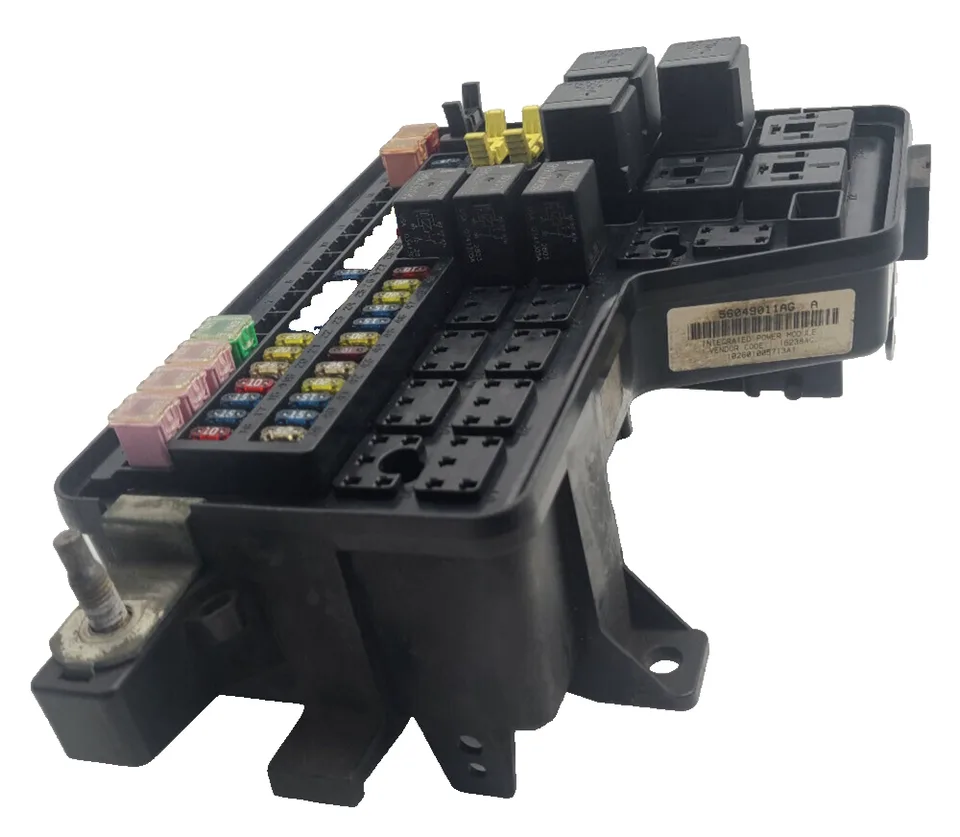
Image source: Bing (Web (fair-use with source credit))
One important warning. Do not jump the low-pressure switch as a permanent fix. Some people online recommend putting a paperclip in the connector to force the clutch on. Yes, it will make the compressor run.
But if the system is empty, the compressor will run without oil and seize up within minutes. That turns a $100 leak repair into a $1,500 compressor replacement. Jump the switch only to confirm the clutch works, then remove the jumper immediately.
Branch 2: Compressor Runs but Air Stays Warm — Blend Door Actuator, Cooling Fan, or Low Charge
This branch is the one that tricks people into buying parts they don't need. The compressor is spinning. You can see the clutch hub turning.
But the air coming through the vents still feels like a hair dryer on low.
The blend door actuator. This is the number one cause of "compressor runs, air is warm" on Ram trucks built between 2009 and 2018. The blend door is a plastic flap inside the HVAC box that mixes hot air from the heater core with cold air from the evaporator. An electric motor called an actuator moves it.
Those actuators have plastic gears that strip over time, especially on the driver side temperature door. When the gears strip, the door stays stuck in the heat position. The A/C system works perfectly, but all that cold air gets blocked and mixed right back out.
Test this yourself. Listen near the glovebox or the driver side kick panel while you adjust the temperature knobs from cold to hot and back. If you hear a rapid clicking sound, like a plastic gear skipping, your actuator has stripped teeth.
Replacement actuators cost roughly $60 to $120 depending on the model year. It takes about twenty minutes to replace the driver side one. The passenger side takes about an hour.
The cooling fan. Ram trucks use either a mechanical fan clutch or electric fans to pull air through the condenser. If the fan isn't spinning when the A/C is on, the condenser can't dump heat. The high-side pressure spikes, and the system stops cooling.
This is especially common at idle or in stop-and-go traffic. If the A/C works fine at highway speed but gets warm at red lights, check the fan. On electric fan models, look for a blown fuse or a failed fan motor.
On mechanical clutch fans, see if the fan spins freely when the engine is hot. It should have resistance, not freewheel.
Low refrigerant charge. If the blend door is quiet and the fan is spinning, the next suspect is a slow refrigerant leak. This is common on Rams built between 2009 and 2012, when the factory condensers had a known corrosion issue. The system has enough refrigerant to let the compressor run, but not enough to actually cool the air.
You need a manifold gauge set to confirm this. On the low side, you should see between 25 and 35 PSI when the compressor is running. Below 20 PSI and the system can't cool.
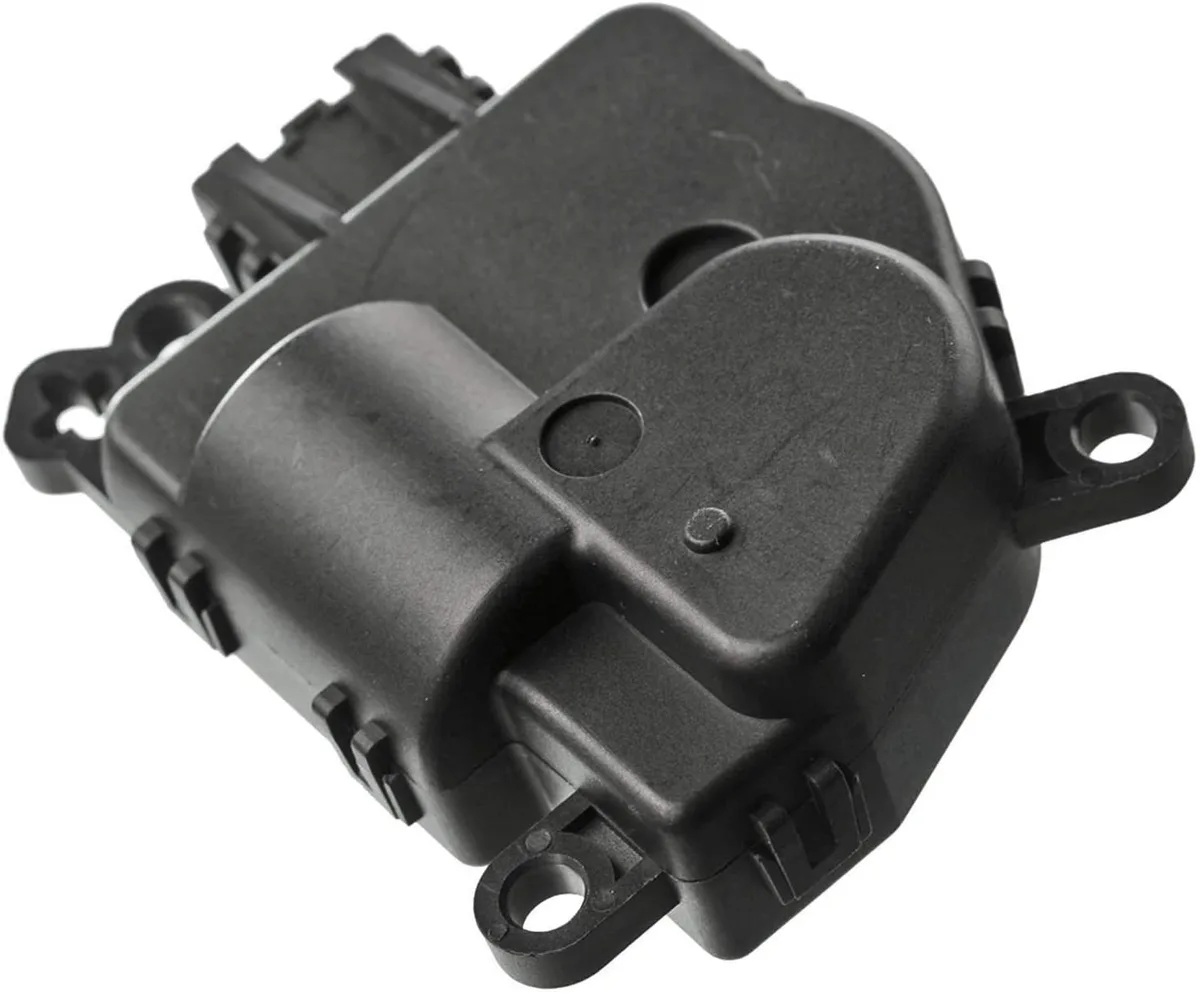
Image source: Bing (Web (fair-use with source credit))
One more thing. If you have dual-zone automatic climate control, check whether one side is cold and the other is warm. That's almost always a blend door actuator on the side that's warm. The system has two separate actuators, one for each side.
They fail independently. Replace just the one on the warm side and you're back in business.
The Diagnoses I See Most Often by Model Year (2003-2023)
Different model years have different weak points. Knowing yours saves time.
2003-2008 (Third gen). These trucks have vacuum-operated mode doors. A vacuum leak causes the air to blow only from the defroster, not the face vents. Check the vacuum line that runs from the intake manifold to the HVAC controller.
It cracks over time. The compressors on these years are reliable, but the blend door actuator can fail on dual-zone models.
2009-2012 (Fourth gen early). This generation had a bad batch of condensers from the factory. They corrode internally and leak refrigerant slowly. If your compressor runs but the air is only slightly cool, look for oily residue on the front of the condenser.
Also, the TIPM (Totally Integrated Power Module) can fail to send power to the A/C clutch. That's a more expensive fix, so check the relay first.
2013-2018 (Fourth gen late). The blend door actuator epidemic hit this generation hard. The driver side temperature actuator fails most often. If you hear clicking from behind the dash, start there.
The compressors are generally good. The condenser issue from the earlier years was resolved.
2019-2023 (Fifth gen). These trucks use R-1234yf refrigerant, which is more expensive and slightly flammable. The early production models had issues with the A/C pressure transducer giving false readings. That can cause the compressor to cycle on and off rapidly.
A software update from the dealer usually fixes it. Check for TSB (Technical Service Bulletin) coverage before replacing parts.
Common Mistakes That Turn a $50 Fix Into a $1,200 Repair
You can make a simple problem worse if you don't work through it in order. Here are the mistakes we see most often.
Adding refrigerant to a system that already has pressure. If the compressor isn't engaging because of a bad relay, filling the system with more refrigerant won't help. It will just blow out the pressure relief valve and make a mess. Always confirm the clutch engages first.
Using stop leak products. These cans promise to seal leaks, but they clog the expansion valve and ruin the compressor. A clogged expansion valve requires a full system flush. That costs more than just fixing the leak properly.
Never put stop leak in a Ram A/C system.
Replacing the compressor without flushing the system. If your compressor failed internally, it sent metal debris through the system. A new compressor will die within weeks if that debris isn't flushed out. The EPA requires proper disposal of the old refrigerant and oil.
Take it to a shop that has a recovery machine.
Ignoring the cooling fan. A failed fan makes the A/C look like a compressor problem because the pressures go crazy. Test the fan before you replace anything else on the high side.
Forgetting the cabin air filter. On Ram trucks built after 2009, the cabin air filter is behind the glovebox. A clogged filter restricts airflow through the evaporator. The evaporator gets too cold and freezes into a block of ice.
The air stops blowing cold until the ice melts. Check and replace the filter once a year.
When You Should Call a Shop (and When You Definitely Shouldn't)
You can handle the cheap stuff yourself. Relay replacement, fuse checks, actuator swaps, and even condenser cleaning with a garden hose are all driveway jobs. But some things require specialized equipment.
Call a shop if any of these apply.
- The system is completely empty and you can't find the leak. A shop has a UV dye kit and an electronic sniffer.
- The compressor made a grinding noise before failing. That means metal is in the system. It needs a full flush and replacement of the receiver drier.
- You need to convert from R-134a to R-1234yf or vice versa. The fittings are different, and mixing refrigerants is illegal.
- The TIPM is suspected. Diagnosing a bad TIPM requires a scan tool that can communicate with the body control module.
- You don't have a manifold gauge set and you're not comfortable buying one. Gauges cost about $50. A shop diagnostic fee is usually $100 to $200. Sometimes it's worth paying for the peace of mind.
Frequently Asked Questions
How do I reset my Ram's A/C system after a repair?
Disconnect the negative battery terminal for ten minutes. That resets the HVAC control module and clears any stored trouble codes. Reconnect and let the truck idle for five minutes with the A/C on full.
The system will relearn the actuator positions automatically.
Why does my Ram A/C blow cold on the driver side but warm on the passenger side?
That's a failed blend door actuator on the passenger side. The dual-zone system has a separate actuator for each side. The passenger side actuator fails just as often as the driver side.
Replace it and the temperature will balance again.
Can I recharge my Ram's A/C myself?
Yes, but only if you know the system has a leak and you're willing to fix it. DIY recharge kits are available at auto parts stores for R-134a systems. For R-1234yf systems, the cans are more expensive and the fittings are different.
Follow the pressure chart on the can. Do not overcharge.
How often should I service my Ram's A/C?
Run the A/C at least once a month year-round, even in winter. That keeps the seals lubricated and prevents the compressor from drying out. Replace the cabin air filter every 12 months or 12,000 miles.
Have the system inspected every two years for refrigerant pressure and leak testing.
What does it mean if my Ram's A/C smells like vinegar?
That's mold growing on the evaporator core. Moisture from condensation sits on the core and breeds bacteria. Spray an evaporator cleaner foam into the fresh air intake under the cowl.
Let it sit for ten minutes, then run the fan on high. That usually clears the smell.
Why does my Ram A/C only work when I'm driving fast?
The cooling fan isn't pulling enough air through the condenser at low speeds. Check the electric fan operation or the mechanical fan clutch. This is almost never a refrigerant issue.
Fix the fan first, then reevaluate.

Similar Posts