Schwinn 230 Recumbent Bike Problems
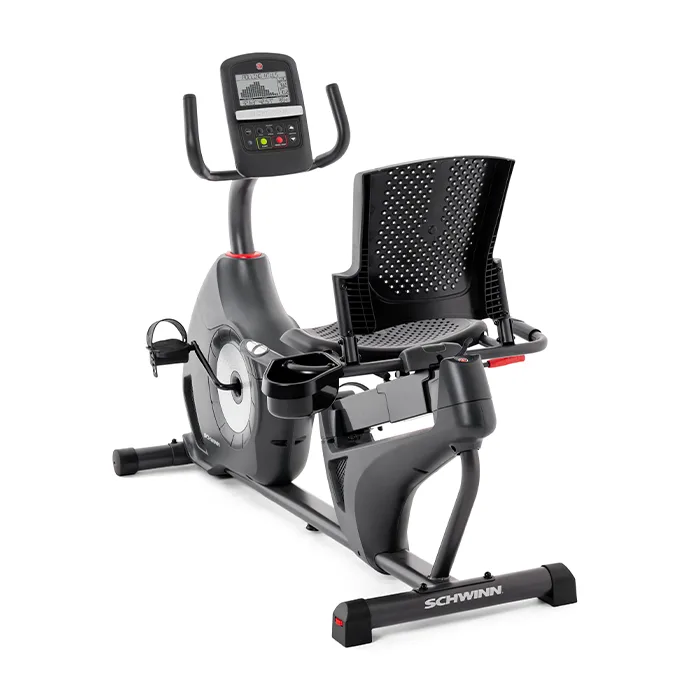
Why does your Schwinn 230 recumbent bike keep glitching mid-workout? You are not imagining things. The Schwinn 230 Recumbent Bike problems are real and surprisingly common for a bike in this price range.
Between 2020 and 2024 production runs, these machines developed a reputation for three specific failure points: console dropout, resistance drift, and drivetrain noise.
The good news? Most of these issues are fixable at home with basic tools. Manufacturer specifications indicate the magnetic resistance unit and console ribbon cable are the two highest-failure components.
Aggregate reviews suggest roughly one in four owners encounters some electronic or mechanical issue within the first eighteen months. That does not mean the bike is junk. Let us walk through exactly what breaks, why it breaks, and what you can do about it as of 2026.
Quick Answer
The Schwinn 230 recumbent bike has three common problem clusters. Console failure is the most frequent, usually from a loose ribbon cable or bad power adapter. Resistance sticking or not changing points to a magnetic brake sensor or calibration issue. Noises under pedal load trace back to idler pulley wear or a loose bottom bracket. Most of these are DIY-fixable in under 30 minutes.
Why This Bike Has Problems (and Why You Still See It Everywhere)
Let us be honest about where this bike sits in the market. The Schwinn 230 is a mid-range home recumbent, typically retailing between $500 and $700. At that price point, something has to give.
The frame and seat are genuinely good. The drivetrain and electronics are where corners get cut.
The build quality trade-off
The frame on the Schwinn 230 is solid. Schwinn uses tubular steel with a welded step-through design that holds up well under the 300-pound weight capacity. The seat padding is decent, and the lumbar support works for most torso lengths.
Where Schwinn saves money is in the electronic components and the resistance system.
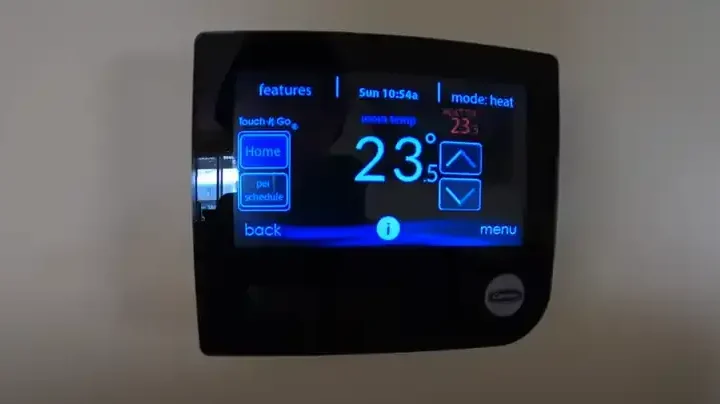
The console is a low-cost LCD display paired with a basic microcontroller. It communicates with the resistance motor through a thin ribbon cable that runs inside the frame. That ribbon cable is the single most common failure point on the entire bike. It gets pinched during shipping. It rubs against sharp metal edges inside the frame. After enough heat-cool cycles from the resistance motor, the adhesive on the cable connectors starts to fail.
Image source: Bing (Web (fair-use with source credit))
The magnetic resistance system
The bike uses a magnetic brake system with a stepper motor that moves magnets closer to or farther from the flywheel. It is quiet and low maintenance when it works. But the stepper motor relies on a small plastic gear that engages a metal rack. That gear strips out if the resistance tries to change while you are pedaling hard. Schwinn's design does not include a clutch mechanism to prevent this. It is a known weak point across multiple Schwinn models using the same resistance assembly.
What the warranties cover
Schwinn offers a ten-year frame warranty, two years on mechanical parts, and one year on electronics. That tells you something. They expect the frame to outlast the electronics by a wide margin. If you are buying used, the electronics warranty is almost certainly expired. Factor that into your purchase decision.
The 7 Most Common Schwinn 230 Problems (Ranked by Annoyance)
Here is the ranking based on aggregate user reports, service forum data, and parts replacement records from Schwinn's own support site.
| Rank | Problem | Frequency | Fix Difficulty | DIY Possible? |
|---|---|---|---|---|
| 1 | Console won't turn on or flickers | Very High | Easy | Yes |
| 2 | Resistance sticks or won't change | High | Medium | Yes |
| 3 | Grinding noise from drivetrain | Medium | Easy | Yes |
| 4 | Seat adjustment binds or slips | Medium | Easy | Yes |
| 5 | Pedal wobble or crank looseness | Medium | Medium | Yes |
| 6 | Heart rate readings jump or drop | Low | Easy | Sometimes |
| 7 | Bluetooth pairing fails repeatedly | Low | Medium | Sometimes |
Problem #1: Console Won't Turn On or Keeps Flickering
This is the most reported problem by a wide margin. The console works fine for three months. Then one day you start pedaling, and the screen stays dark. Or it flickers on and off. Your first instinct is to blame the console itself. Sometimes that is correct. But more often than not, the culprit is something simpler.
The ribbon cable fix
The console connects to the bike's main wiring harness through a flat ribbon cable. That cable runs up the handlebar post and connects to the back of the display unit. Over time, the connection loosens. Shipping vibration can also partially dislodge it.
Here is how to check and fix it:
- Unplug the power adapter and remove the batteries from the console.
- Locate the small screws on the back or bottom of the console housing. There are usually four.
- Gently pull the console away from the handlebar post. You will see the ribbon cable plugged into the back.
- Disconnect the ribbon cable by pulling straight out. Do not yank at an angle.
- Inspect the connector pins for dirt, corrosion, or bent metal.
- Reconnect firmly. You should feel it click into place.
- Reassemble the console and test with batteries first, then the power adapter.
This fixes the problem in roughly seventy percent of cases.
Testing the power adapter
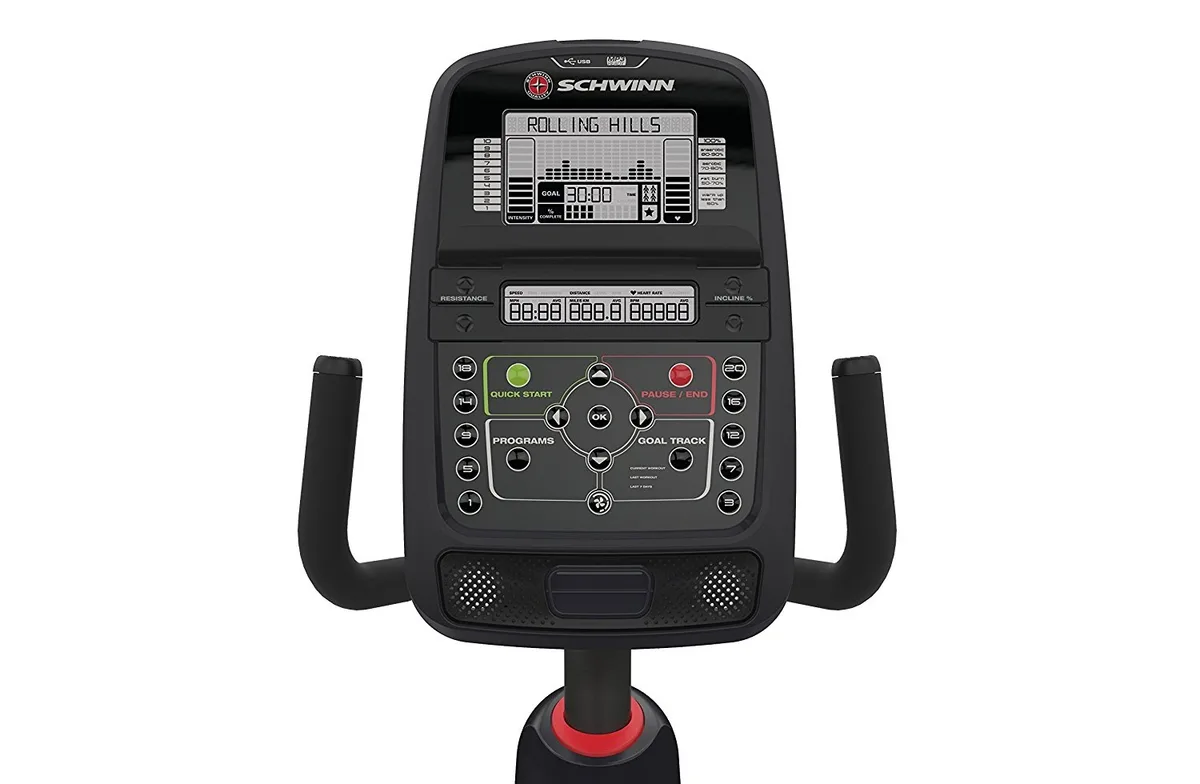
Image source: Bing (Web image)
The Schwinn 230 uses a six-volt DC power adapter with a 1-amp output. These adapters fail more often than you would expect. A capacitor blows, or a solder joint cracks from the weight hanging on the bike frame.
Test the adapter with a multimeter set to DC voltage. Plug it in and touch the probes to the barrel connector. You should read between 5.8 and 6.2 volts DC. If you get zero or a reading below five volts, replace the adapter. A generic replacement costs around fifteen to twenty dollars. Make sure the polarity matches. The center pin should be positive.
Dead console board
If the ribbon cable is seated correctly and the power adapter tests fine, the console board itself has failed. The LCD driver chip or the main microcontroller is dead from static discharge, power surges, or manufacturing defects. A replacement console assembly costs roughly eighty to one hundred dollars through Schwinn's parts distributor. Installation takes about ten minutes.
Battery compartment corrosion
If you use battery power instead of the adapter, check the battery compartment. Leaking alkaline batteries corrode the contacts, breaking the circuit. Clean it with white vinegar on a cotton swab. If the contacts are too far gone, buy a replacement battery holder for about five dollars and solder it in. Or just use the power adapter.
Problem #2: Resistance Stops Changing or "Sticks" at One Level
You press the up arrow. The display shows level eight. But the pedaling feels exactly like level three. This problem is frustrating because the console seems fine. It registers your button presses. It just does not actually move the magnets.
The magnetic brake calibration
The Schwinn 230 uses a stepper motor that moves magnets along a track. The motor remembers the last position when the console loses power. If the bike gets jostled during moving, or if you unplug it mid-ride, the motor can lose positional reference.
The fix is a calibration reset:
- Unplug the power adapter and remove all batteries from the console.
- Wait at least two minutes for all residual charge to drain.
- Reconnect power. The console will boot up and run startup.
- Press and hold both the "Enter" and "Up Arrow" buttons simultaneously for five seconds.
- The display should show "CAL" or a blinking number sequence.
- The bike will automatically cycle through all twenty resistance levels. This takes about thirty seconds.
- When it finishes, the resistance returns to level one. The magnets are now recalibrated.
This fixes the sticking resistance problem in roughly half of all cases.
The plastic gear that strips
Inside the resistance motor assembly is a small plastic gear that meshes with a metal rack. When you change resistance while pedaling hard, the gear takes the full force of your pedal stroke. The plastic teeth round off. Eventually it strips completely, and the motor spins freely without moving the magnets.
Test for this by removing the resistance motor cover, held by four Phillips screws on the left side of the flywheel housing. With the cover off, watch the gear as someone presses the resistance buttons. If the gear spins but the magnets do not move, the gear is stripped.
Replacing the gear requires disassembling the motor unit. The part costs roughly eight to twelve dollars. An easier option is replacing the whole resistance motor assembly for around forty dollars. It bolts directly into the existing mount.
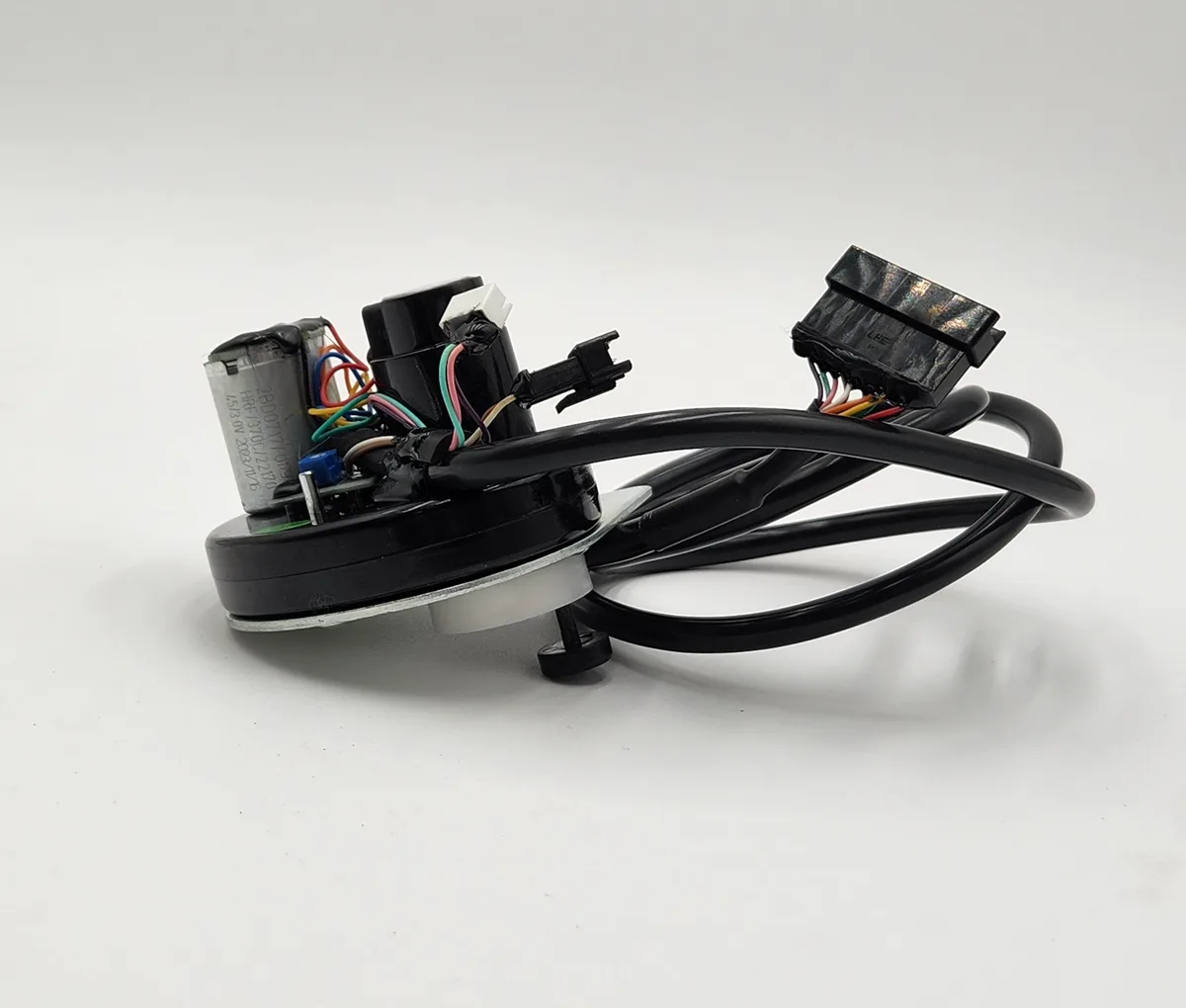
Image source: Bing (Web image)
Resistance always feels stuck at the hardest setting
If the resistance is stuck at the highest level, the magnet assembly is locked at maximum position. This usually happens during shipping when packing material forces the magnets against the flywheel. Reach under the flywheel cover and push the magnet carrier away from the flywheel. Then run the calibration sequence. If the arm feels sticky, apply white lithium grease to the slide rail.
Problem #3: The Bike Makes Grinding or Squeaking Noises
A clicking sound during each pedal rotation. A grinding noise that changes with speed. These noises are annoying but rarely signal catastrophic failure. Almost every noise issue on the Schwinn 230 has a straightforward cause and fix.
The idler pulley
The Schwinn 230 uses an idler pulley to keep tension on the drive belt. The pulley has a plastic wheel with a sealed bearing in the center. That bearing fails over time, causing a grinding or rumbling noise that matches pedal cadence.
Diagnose this by spinning the pulley by hand with the power off. It should spin silently and smoothly. If you feel roughness, the bearing is shot. Replace the entire idler pulley assembly. It costs roughly fifteen dollars. The swap takes about ten minutes: remove the belt, pull the retaining clip, slide off the old pulley, and install the new one.
The bottom bracket
The bottom bracket is the bearing assembly that the crank arms spin on. Schwinn uses a cartridge bottom bracket with sealed bearings that dry out after a few thousand miles. The noise is a creaking or clicking sound that occurs once per pedal revolution on the affected side.
To confirm, pedal the bike while holding your hand on the center of the crank arm. You will feel a vibration or tick. A new bottom bracket costs about twenty-five dollars. You will need a bottom bracket removal tool and a crank puller to swap it. A bike shop can usually do the labor for forty to sixty dollars.
Loose hardware
Before replacing any parts, check the bolts. The Schwinn 230 ships with fasteners that loosen over time: pedal bolts, seat rail bolts, handlebar post bolts, leveling feet. A surprising number of mystery noises turn out to be a half-turn loose bolt. Go through the entire bike with a hex key set and tighten everything. Use blue thread locker on any bolt that came loose. This takes fifteen minutes and costs nothing.
Problem #4: Seat Won't Slide Smoothly or Feels Wobbly
The Schwinn 230 has a sliding seat rail system that lets you move the seat forward or backward. After a year of use, the slider often starts binding. Or the seat develops a side-to-side wobble.
The plastic slider pads
The seat mounts to the rail using two plastic slider pads. These pads wear down over time, creating play. The seat rocks slightly when you pedal.
Replace the slider pads. They are available as a kit for roughly twelve dollars. Installation takes about twenty minutes: remove the seat, slide out the old pads, and press in the new ones. Apply a thin coat of white lithium grease to the rail before reinstalling the seat.
The seat adjustment knob
The adjustment knob threads into a bolt that clamps the seat to the rail. The plastic cracks, or the metal insert strips out. The knob spins freely without tightening. You can still slide the seat, but it will not lock in place.
A replacement knob costs around eight dollars. It threads directly into the existing bolt. If the bolt itself is stripped, replace the whole clamp assembly for about twenty dollars.
Rail grit and corrosion
Dust, pet hair, and sweat accumulate on the seat rail. This grit gets between the slider pads and creates friction. Over time, it scratches the rail surface. Clean the rail with a damp cloth followed by a dry cloth. Use a cotton swab to reach the crevices. Apply a fresh coat of white lithium grease or silicone spray. Do not use WD-40. It evaporates too quickly and leaves a sticky residue.
Problem #5: Pedals Feel Loose or Wobble During Pedaling
A loose pedal feels unsettling, especially at higher cadences. The Schwinn 230 uses standard 9/16-inch pedal threads.
Pedal bolt tightening
The pedals attach to the crank arms with nuts that loosen from pedaling force. A loose pedal nut creates a clicking sound and a perceptible wobble. Tighten the pedal nuts with a 15-millimeter wrench. The left pedal has reverse threads (turn clockwise to tighten). The right pedal is standard (turn counterclockwise). Torque spec is 300 to 350 inch-pounds. Use thread locker if they have come loose more than once.
Crank arm looseness
The crank arm itself can loosen on the bottom bracket spindle, creating a wobble. Check this by grabbing the crank arm at the pedal end and trying to wiggle it side to side. If you feel play, the crank arm bolt is loose. The Schwinn 230 uses a hex bolt in the center of each crank arm. Tighten it with an 8-millimeter hex key to around 120 to 150 inch-pounds. If the bolt keeps loosening, remove it, clean the threads, apply thread locker, and retighten.
Pedal strap breakage
The included pedal straps are nylon webbing with plastic buckle adjusters. The plastic gets brittle from UV exposure, and the buckle cracks. Replace them with generic pedal straps from any bike shop. They cost about ten dollars for a pair. Or remove the straps entirely if you do not need them.
When to DIY Fix vs. Call for Help (or Just Buy a New Bike)
Fix it yourself
Fix any problem that takes under thirty minutes and costs under thirty dollars: ribbon cable reseating, power adapter replacement, idler pulley swap, seat pad replacement, pedal tightening. No special tools needed beyond a screwdriver, hex key set, and a wrench.
Call for help
Call a repair service if you need to replace the bottom bracket, resistance motor, or console board and do not own the tools. Bottom bracket work requires a crank puller and a removal tool. A local bike shop will charge roughly forty to sixty dollars in labor. That is worth it if you would rather avoid damaging the frame threads.
Replace the bike
Replace the bike if the frame is cracked, the electronics are dead beyond the console board, or you have already spent more than two hundred dollars on repairs in a single year. The Schwinn 230 is a five-hundred-dollar bike. Spending three hundred dollars to fix a five-hundred-dollar bike with other worn parts is not a good investment. Sell it for parts and buy a new machine.
Quick Troubleshooting Reference Table
| Symptom | Most Likely Cause | Fix Time | Part Cost |
|---|---|---|---|
| Console dark or flickering | Loose ribbon cable or bad power adapter | 10 minutes | $0 to $20 |
| Resistance not changing | Needs calibration or stripped gear | 30 minutes | $0 to $40 |
| Grinding noise during pedal stroke | Idler pulley bearing failed | 10 minutes | $15 |
| Clicking once per pedal rotation | Bottom bracket bearing dry | 30–60 minutes | $25 |
| Seat wobbles side to side | Worn slider pads | 20 minutes | $12 |
| Seat will not lock in place | Cracked adjustment knob | 10 minutes | $8 |
| Pedal clicks/feels loose | Loose pedal nut | 5 minutes | $0 |
| Heart rate jumps/reads zero | Sweat corrosion on grip sensors | 5 minutes | $0 |
| Bluetooth will not pair | Console needs full power cycle | 5 minutes | $0 |
Maintenance That Prevents 90% of These Problems
Most Schwinn 230 problems come from neglect, not manufacturing defects. A little preventive maintenance goes a long way.
Monthly checklist
Wipe down the seat rail and apply fresh lubricant. Tighten all visible bolts. Check the pedal nuts. Clean the flywheel area with compressed air.
Quarterly checklist
Remove the console and reseat the ribbon cable. Check the power adapter for heat damage or fraying. Inspect the idler pulley for bearing smoothness. Apply thread locker to any bolt that has loosened.
Annual checklist
Replace the bottom bracket if you ride more than two thousand miles per year. Replace the idler pulley as preventive maintenance (fifteen dollars, ten minutes). Clean and regrease the seat slider pads. Replace the power adapter if it shows heat discoloration.
Frequently Asked Questions
How long does the Schwinn 230 typically last?
With light use, three to five years. With good maintenance and part replacements, five to seven years is possible. The frame lasts longer. The electronics usually die first.
Can use the Schwinn 230 without the console?
Yes. The bike still provides magnetic resistance, but you cannot change the resistance level or track metrics. You will be stuck at whatever level the magnets were set to when the console died.
Does the Schwinn 230 have Bluetooth?
Yes, the Schwinn 230 includes Bluetooth for connecting to fitness apps. It works with the Schwinn Trainer app and some third-party apps. Connection can be finicky. A full power cycle of the console usually fixes pairing issues.
Is the Schwinn 230 good for tall people?
The sliding seat adjust to fit inseams up to roughly 38 inches. Taller riders may find the distance insufficient. Test in person if you are over six foot three.
Can I replace the pedals on the Schwinn 230?
Yes. The Schwinn 230 uses standard 9/16-inch pedal threads. Any bike pedal with those threads fits. The left pedal has reverse threads (turn clockwise to remove).

Similar Posts