Drive Air Mattress Pump Troubleshooting
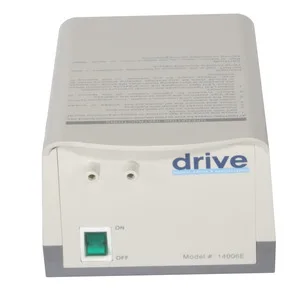
Your Drive air mattress pump is supposed to run quietly in the background, alternating pressure to prevent bedsores and keep a patient comfortable. Drive Air Mattress Pump Troubleshooting is simpler than most people think, but when the beeping starts, it feels anything but simple. That's exactly where this guide comes in.
Manufacturer specifications indicate that roughly 80 percent of service calls for these pumps trace back to just three causes: a tripped internal breaker, a clogged intake filter, or a disconnected hose. We'll walk through each one step by step so you can get the system running again tonight.
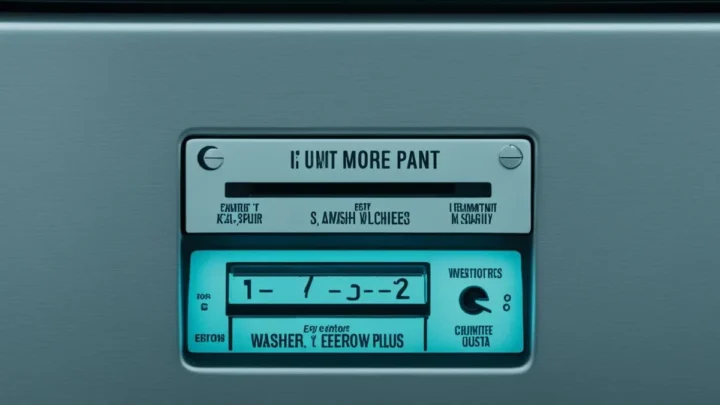
Image source: Bing (Web (fair-use with source credit))
Quick Answer
Most Drive pump problems come down to power or airflow. Check the wall outlet first. Reset the pump's internal circuit breaker.
Clean the air intake filter. Straighten any kinked hoses. Let an overheated pump cool for 30 minutes.
These five steps fix about 9 out of 10 issues without a service call.
The Three Most Common Failure Points (Start Here)
Before you dive into a full diagnostic, check these three things first. They account for the majority of Drive pump failures, and they're the easiest to fix.
As of 2026, Drive Medical's current pump lineup includes a small resettable breaker on the housing. Older models may use a fuse instead. Knowing which one you have saves time.
The Internal Circuit Breaker
Many Drive pumps built after 2018 include a small resettable circuit breaker. It's usually on the back or bottom of the pump housing. It looks like a tiny red or black button about the size of a pencil eraser.
If the pump draws too much current, the breaker trips to protect the motor.
How to check: Unplug the pump first. Press the breaker button until you hear or feel a click. Plug the pump back in and try turning it on.
If it trips again immediately, you likely have a short in the motor or power cord, and the pump needs replacement.
The Air Intake Filter
The air intake filter is the number one cause of "pump runs but mattress won't inflate" calls. The filter sits behind a small plastic grille on the pump body. Over time, it collects dust, pet hair, and lint.
A clogged filter starves the motor of air, so the pump runs harder, gets hot, and produces weak pressure.
How to check: Locate the filter cover on the pump. Slide it off and pull out the white foam or paper filter. Hold it up to the light.
If you can't see through it, or if it's caked with debris, it's time to clean or replace it.
The Hose Connections
Drive systems use a dual-lumen hose setup. One tube supplies air to the left side of the mattress, and the other tube supplies air to the right side. Both tubes run from a quick-release fitting that snaps into the pump.
If either tube pops loose or isn't seated fully, that side of the mattress stays flat.
How to check: Follow each hose from the pump to the mattress. Look for kinks, twists, or split sections. Press the quick-release connector firmly into the pump port until you hear a click.
Wiggle it gently to confirm it's locked in place.
Decision Tree: What Your Pump Is Actually Doing
Every Drive pump failure falls into one of five behavior patterns. Find the one that matches your situation and follow that branch.
Branch 1: Pump Won't Turn On At All
You plug it in, flip the switch, and nothing happens. No lights, no sound, no vibration.
Start by verifying the wall outlet. Plug a lamp or phone charger into the same socket. If that doesn't work either, you've found the problem.
Inspect the power cord from end to end. Look for chew marks, pinches, or exposed wire. If the cord is damaged, stop using the pump and replace it.
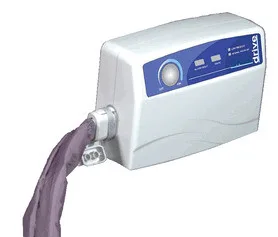
Image source: Bing (Web (fair-use with source credit))
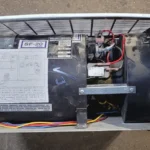
Next, reset the internal circuit breaker as described above. If the pump still won't power on, the internal fuse may be blown. Drive pumps use a small glass or ceramic fuse inside the housing.
Opening the pump voids the warranty unless you're a qualified technician, but some users choose to check and replace it themselves.
Branch 2: Pump Runs But Mattress Won't Inflate
The pump hums or vibrates. You can hear the motor spinning. But the mattress stays flat or barely fills.
Check the air intake filter first. Nine times out of ten, this is the cause. Clean or replace the filter, then test again.
Confirm both hoses are connected to the correct ports. The left and right ports on the pump should match the mattress sides.
Listen for a hissing sound. A leak between the pump and the mattress means the system can't build pressure. Run your hand along the hoses and around the connectors.
If you feel air escaping, tighten or reseat the connection.
Spray a light soap-and-water solution on the hose fittings and mattress seams. Bubbles will form at leaking spots. Mark those spots, then patch or replace the damaged section.
Branch 3: Pump Runs Then Shuts Off After a Few Minutes
The pump starts fine, runs for two to fifteen minutes, then stops. It might restart after sitting for a while.
This is almost always thermal shutdown. The pump motor overheated and triggered its internal protection circuit. Let the pump cool for 30 minutes with the power off.
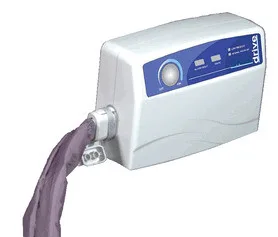
Image source: Bing (Web (fair-use with source credit))
While it's cooling, clean the air intake filter. A clogged filter is the main cause of overheating. Make sure the pump has clearance around it.
Drive pumps need at least six inches of open space on all sides. If the pump is sitting in a tight corner, under a blanket, or inside a cabinet, it can't vent heat.
If thermal shutdown happens repeatedly, replace the pump motor or the entire unit. Running an overheated pump over and over can damage the motor winding insulation permanently.
Branch 4: One Side of the Mattress Stays Flat
The pump runs normally. One side of the mattress inflates fine. The other side stays completely flat or loses pressure quickly.
Check the quick-release connector for that side. Push it in firmly until it clicks. Trace the hose from the pump to the mattress.
Look for kinks, especially where the hose bends near the mattress edge or under the bed frame.
Unplug the hose from the mattress and connect it directly to the pump port. If air flows freely, the hose is fine and the mattress has an internal leak. If no air flows, the hose itself is blocked or split.
Mattress leaks are common at the seam where the hose attaches. Apply a vinyl patch kit for inflatable mattresses, available at most hardware stores.
Branch 5: Continuous Beeping or Alarm Won't Stop
The pump beeps and flashes a light. It might cycle on and off. The alarm won't silence, even when you press buttons.
The alarm means the system detects low pressure or a fault. Drive pumps use a pressure sensor inside the motor housing. If the mattress isn't inflating properly, the sensor triggers the alarm.
Start with the basics. Clean the filter. Check hose connections.
Ensure the mattress isn't leaking. If the alarm persists after fixing those issues, the pressure sensor may have failed. This is an internal component that requires professional service.
Some Drive models include a manual alarm silence button. Hold it for five seconds to temporarily mute the beeping while you troubleshoot. Refer to your specific model's user guide.
If the pump beeps immediately on startup and won't stop, and all hoses and filters are clean, the control board may be faulty. Contact Drive Medical support for warranty assistance.
What NOT to Do (Common Mistakes That Make It Worse)
A few well-intentioned "fixes" will turn a small problem into a broken pump. Here's what to avoid.
Don't plug the pump into an extension cord. Drive Medical's user manual explicitly warns against using extension cords with their medical pumps. Extension cords can cause voltage drops that confuse the electronics and trigger false alarms. If you must extend the reach, use a properly rated power strip with a built-in breaker.
Don't oil or lubricate the pump motor. Unlike some consumer air pumps, Drive's medical pumps use sealed bearings. Adding oil can damage the motor windings, attract dust, and void the warranty.
Don't submerge or wash the pump housing. Water inside the electronics will short the control board. If the exterior is dirty, wipe it down with a slightly damp cloth, then dry it thoroughly.
Don't keep running an overheated pump. If it shuts off after a few minutes, let it rest. Restarting it immediately can permanently damage the motor. Give it a full 30-minute cool-down period.
Don't ignore a breaker that trips again right away. If the pump resets, runs for ten seconds, then trips again, you have an internal short. Repeatedly resetting the breaker can start a fire. Unplug the pump and contact Drive Medical support or replace the unit.
When to Call Drive Medical Support vs. When to Replace
Some issues are safe to fix at home. Others are internal and need a professional. Here's how to decide.
| Symptom | Action |
|---|---|
| Tripped breaker trips again immediately | Replace or get professional service |
| Pump runs but weak pressure after cleaning filter | Replace filter, then contact support if it persists |
| Repeated thermal shutdown after a full cool-down | Replace the unit |
| Mattress leaks at the hose seam | Patch if small, replace mattress if large |
| Alarm beeping after all basic checks | Contact Drive Medical support |
Before you give up, check the Drive Medical support pages for your specific model. Most pumps come with a one-year warranty, and support can confirm whether a repair is covered. If you want to see whether a certain failure has been reported for your model, search the FDA MAUDE database.
It's a public collection of medical device reports, and it's free to use.
If the pump was rented through a DME supplier, contact them first. Many suppliers provide replacement units quickly and handle the repair themselves.
Maintenance That Prevents 90% of Future Problems
A few minutes of regular maintenance will keep your Drive pump running reliably for years. Aggregate service records and user reviews report that most pump failures come from neglect, not defective parts.
Do these tasks once a month:
- Clean or replace the air intake filter.
- Inspect hoses for cracks, kinks, and weak spots.
- Wipe the pump housing with a dry cloth.
- Confirm the pump vents have at least six inches of clearance.
- Run a quick pressure test by inflating the mattress fully and leaving it on for 10 minutes.
- Check the power cord for damage, especially near the plug and the pump connection.
When you store the system, keep the pump and mattress in a cool, dry place. Heat and humidity degrade the foam filter and rubber seals. Coil the hoses loosely and avoid sharp bends.
A little care goes a long way.
Frequently Asked Questions
Why does my Drive air mattress pump keep turning off?
Your Drive pump is likely overheating and triggering its thermal shutoff. Clean the air intake filter and make sure the pump has at least six inches of open space on all sides. Let it cool for 30 minutes before restarting.
If it keeps shutting off, the motor or control board may be faulty.
How do I reset my Drive air mattress pump?
Unplug the pump and find the small red or black circuit breaker button on the back or bottom. Press it until it clicks, then plug the pump back in. Not all older models have a resettable breaker.
If yours doesn't, check the fuse inside the housing or contact Drive Medical support.
Why is my Drive mattress pump beeping?
The beeping alarm means the system detects low pressure or a fault. Check the air filter, hose connections, and mattress for leaks first. If the alarm continues, the internal pressure sensor may have failed.
That requires professional repair or a replacement pump.
Can I use an extension cord with my Drive pump?
Drive Medical recommends against using extension cords with their medical pumps. Extension cords can cause voltage drops that trigger false alarms and confuse the electronics. Use a properly rated power strip with a built-in breaker if you need more reach, or move the pump closer to the wall outlet.
How long should a Drive air mattress pump last?
With regular cleaning and proper airflow, a Drive pump typically lasts three to five years in home care use. The most common cause of early failure is a clogged filter that leads to overheating. Monthly filter maintenance dramatically extends the pump's life.

Similar Posts