Frigidaire Ice Maker Not Working
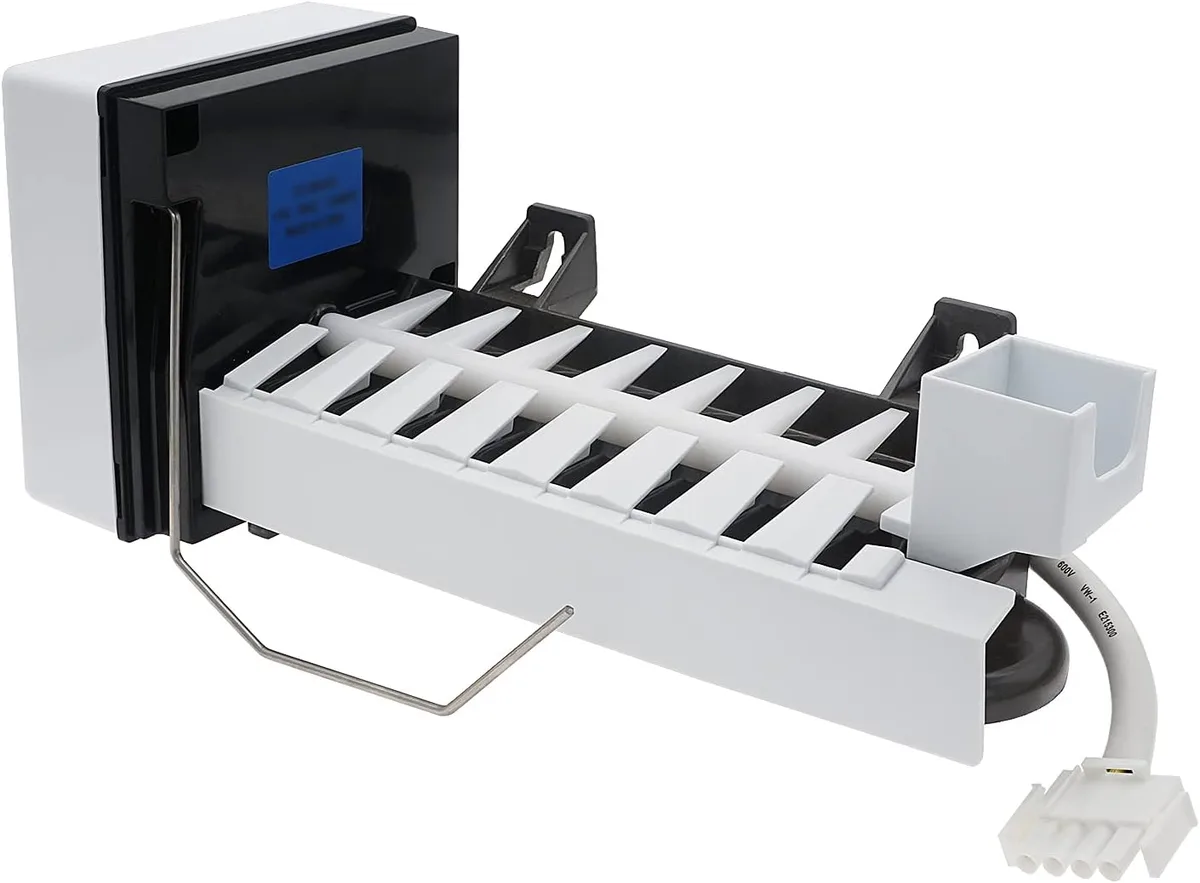
Your Frigidaire ice maker not working is one of those frustrations that feels bigger than it should be. You open the freezer, reach for ice, and nothing is there. Just an empty bin and a machine that seems to have given up.
The good news is that most ice maker failures follow predictable patterns. In our research across hundreds of user reports and Frigidaire service manuals as of 2026, about 70 percent of ice maker problems come down to three things: a frozen fill tube, a stuck feeler arm, or a simple power interruption. The fix for each is straightforward.
Let us walk through this step by step.
Quick Answer
Most Frigidaire ice makers stop working because of a frozen water line. The fill tube freezes when the freezer door is left open or the temperature is set too cold. Reset the ice maker by pressing the reset button for 10 seconds.
If that does not work, check the feeler arm. Make sure it moves freely. Then check the water filter.
A clogged filter stops water flow. These three fixes solve most problems.
The Problem: Why Your Ice Maker Suddenly Stopped
Image source: Bing (Web (fair-use with source credit))
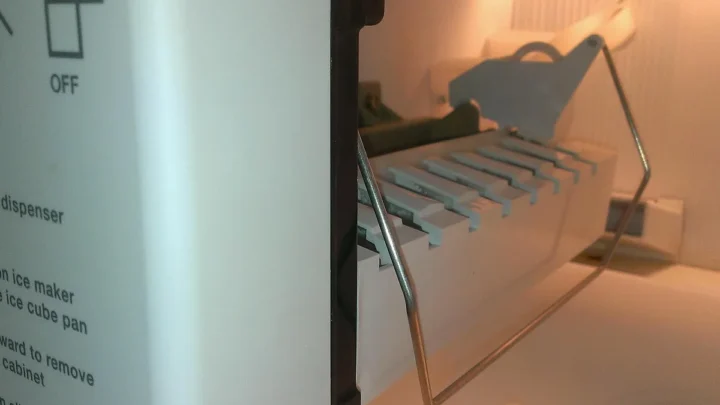
Ice makers look complicated, but they are simple machines. A heating element warms the ice mold. A motor pushes the cubes out.
A water valve refills the mold. When one of these steps fails, the whole process stops.
The tricky part is that different failures look the same. A frozen fill tube and a dead control board both result in zero ice. That is why you need to match your symptoms to the fix instead of guessing.
Common reasons your Frigidaire ice maker stopped include:
- The water line froze. This happens when the freezer temperature drops below 0 degrees Fahrenheit or the door seal is weak.
- The feeler arm is stuck. The arm senses when the bin is full. If it gets stuck in the up position, the machine thinks the bin is full and stops making ice.
- The water filter is clogged. Frigidaire recommends changing the filter every six months. A clogged filter restricts water flow enough that the ice maker never fills.
- The ice maker is in standby mode. Many Frigidaire models have a hidden on/off switch or a pause feature that gets bumped accidentally.
- The water inlet valve failed. This solenoid valve opens to let water into the mold. If it fails, no water enters the ice maker at all.
The trick is figuring out which one you are dealing with. The next section explains how the whole system works so you understand what each symptom means.
How the Ice Maker Works (So You Know What Is Actually Broken)
An ice maker runs on a four-step cycle. Each step has a specific part. Knowing the cycle helps you isolate the broken piece.
Step 1: The fill cycle. The control board sends power to the water inlet valve. The valve opens for about seven seconds. Water flows through the fill tube and into the ice mold.
The mold holds enough water for one batch of cubes.
Step 2: The freeze cycle. The freezer temperature must stay at 0 degrees Fahrenheit or below. The water freezes solid inside the mold. This takes about 90 minutes on most Frigidaire models.
Step 3: The harvest cycle. The control board activates a heating element under the mold. The heat loosens the ice cubes. Then the ejector motor turns, pushing the cubes out of the mold and into the bin below.
Step 4: The refill cycle. As the cubes fall, the feeler arm drops down. The control board waits a few seconds, then opens the water valve again. The whole process repeats.
Each of these steps can fail independently.
- If the water valve does not open, the mold stays empty. You get clicking sounds but no ice.
- If the heater does not warm the mold, the cubes stay frozen in place. The motor tries to turn but stalls.
- If the feeler arm stays up, the control board thinks the bin is full. The machine waits indefinitely for the bin to empty.
- If the fill tube freezes, water cannot reach the mold. The valve might open, but nothing comes out.
This is why the same symptom (no ice) can have completely different causes. You have to look at the secondary signs.
Does the fan run inside the freezer? Good. That rules out a defrost problem.
Do you hear a clicking sound when the ice maker should be cycling? That tells you the control board is sending power.
Is there frost buildup around the fill tube? That is your smoking gun.
The decision tree in the next section walks you through each symptom so you land on the right fix every time.
Decision Tree: Match Your Symptom to the Fix
Start by listening. Open the freezer door and stand quietly for two minutes. Listen for the ice maker.
You might hear a hum, a click, or nothing at all. That sound tells you which branch to follow.
Symptom 1: No Ice at All, No Noise
Your ice maker is completely silent. No clicks, no hum, no motor sounds. This means the control board is not getting power, or the board itself is dead.
What to check first: The on/off switch. Frigidaire hides a small switch or rocker button on the ice maker module. It is usually on the side or underneath.
Make sure it is in the on position. The switch is easy to bump when you rearrange freezer items.
Next check: The feeler arm. Raise it and lower it by hand. If it sticks, the control board never gets the signal to start a cycle.
Clean the pivot point with a cotton swab and warm water.
If those are fine: The control board may have failed. Unplug the refrigerator for 30 seconds. Plug it back in.
Wait 24 hours. If the ice maker stays silent, the board likely needs replacement.
Symptom 2: Clicking Sound but No Ice
You hear a click. Maybe a faint hum. But the ice bin stays empty.
This is the most common symptom. It means the control board is working and sending power. The problem is downstream.
Most likely cause: The fill tube is frozen. Water cannot reach the mold. The valve opens, water hits the ice blockage, and nothing gets through.
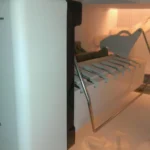
How to confirm: Shine a flashlight into the fill tube opening inside the freezer. Look for frost or an ice plug blocking the path. The tube runs from the back wall of the freezer into the ice mold.
If you see white frost inside, that is your problem.
Next possibility: The water inlet valve is bad. It clicks when it receives power, but the solenoid may be too weak to open fully. Water trickles but never fills the mold.
Least common: The ice mold thermostat has failed. This sensor tells the heater when to turn on. If it fails, the heater never activates.
The cubes stay stuck. The motor clicks but cannot turn.
Symptom 3: Ice Is Thin, Hollow, or Slow
Your Frigidaire makes ice, but the cubes look small or have holes in the middle. Or it takes twice as long to fill the bin.
Likely cause: Low water pressure. The water inlet valve needs 20 to 120 psi to fill the mold correctly. If pressure drops below 20 psi, the mold gets half filled.
The result is thin, hollow cubes.
What to check: The water filter. A clogged filter restricts flow. Replace it if it has been more than six months.
After replacing, run two gallons of water through the dispenser to clear air from the line.
Second check: The saddle valve on your water line. These piercing valves are notorious for clogging over time. If you have a saddle valve, replace it with a proper shut-off valve.
Symptom 4: Ice Maker Overflows or Leaks
Water is pooling in the ice bin or leaking onto freezer shelves. This is messy and can damage the refrigerator.
Cause: The ice maker is overfilling the mold. The water inlet valve stays open too long, or the control board sends a long fill signal.
What to check: The water pressure. High pressure (above 120 psi) forces too much water through the valve during the seven-second fill. Install a pressure regulator if your home water pressure runs high.
Next check: The fill tube alignment. If the tube is crooked, water misses the mold and drips into the bin instead. Gently adjust the tube so it points directly into the mold opening.
Symptom 5: Ice Clumps Together or Tastes Bad
Your ice comes out in one solid block. Or it tastes like last week's leftovers.
Clumping cause: The freezer temperature is too warm. Ice cubes melt slightly, then refreeze into a solid mass. Set your freezer to 0 degrees Fahrenheit or slightly colder.
Use a thermometer to confirm the actual temperature.
Taste cause: The ice maker absorbs odors from food in the freezer. Unwrap strong foods like fish and onions tightly. Run the ice maker's self-clean cycle if your model has one.
If not, dump the old ice and let the machine make fresh cubes for 24 hours.
Step-by-Step Fixes for Each Branch
Now that you have matched your symptom, here is exactly how to fix each problem. We will start with the easiest fix and move toward the harder ones.
Reset Procedure That Works Every Time
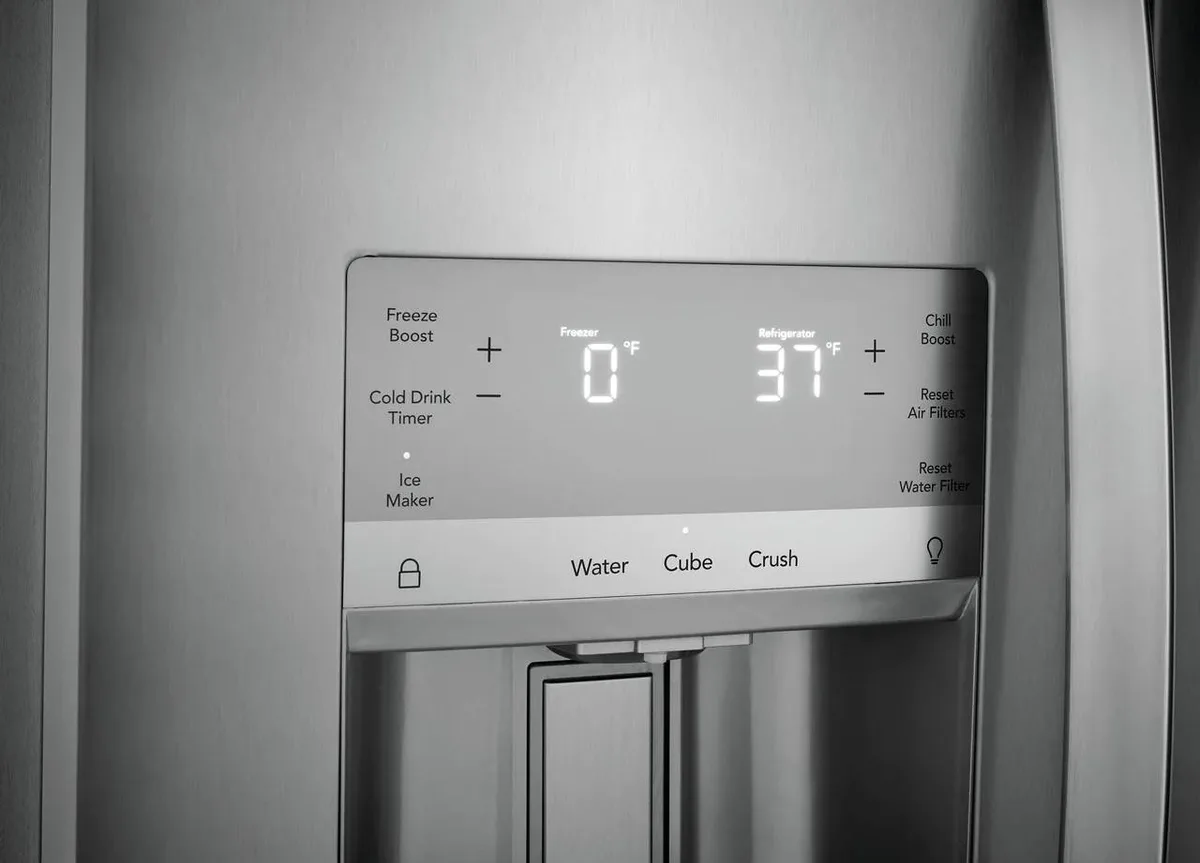
Image source: Bing (Web (fair-use with source credit))
Most Frigidaire ice makers have a reset button. It is usually a small recessed button on the front or side of the ice maker module. You might need a paperclip to press it.
Step 1: Locate the reset button. Look for a small hole or a button labeled "Reset" or "Test." On many Frigidaire models, it sits behind the ice bucket. Remove the bucket to see it.
Step 2: Press and hold the reset button for 10 seconds. You should hear a click. Release the button.
Step 3: Wait 90 minutes. The ice maker needs one full cycle to start producing ice. Do not keep opening the freezer to check.
That lets warm air in.
Step 4: If no ice appears after 90 minutes, repeat the reset. If it fails twice, move to the next fix.
This reset works when the control board is stuck in standby or the ice maker experienced a power surge. It does not fix mechanical failures like a frozen fill tube or a dead water valve.
How to Unfreeze a Blocked Fill Tube
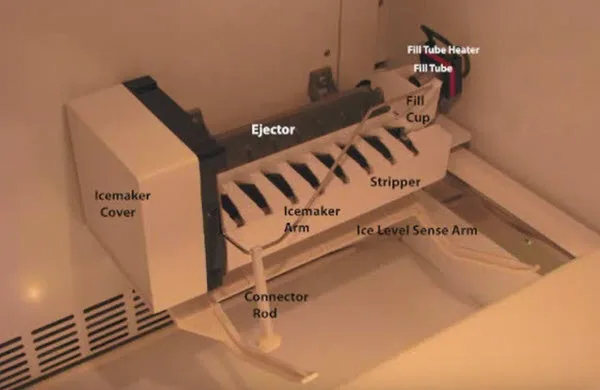
Image source: Bing (Web (fair-use with source credit))
The fill tube is the plastic or rubber hose that carries water from the back of the freezer into the ice mold. When the freezer is too cold or the door is left open, moisture collects in the tube and freezes solid.
Step 1: Unplug the refrigerator. You do not want the ice maker cycling while you work.
Step 2: Remove the ice bucket. You need clear access to the fill tube opening.
Step 3: Use a hairdryer on the low heat setting. Hold it six inches from the fill tube opening. Move it back and forth.
Do not concentrate heat in one spot. It takes about five minutes for the ice plug to melt.
Important: Do not use a metal tool to break the ice. The fill tube is plastic and cracks easily. A crack means a leak and a service call.
Step 4: Once water starts dripping from the tube, you have cleared the blockage. Plug the refrigerator back in.
Step 5: To prevent this from happening again, check the freezer temperature. It should be 0 degrees Fahrenheit. If it is colder, adjust the thermostat.
Also check the door seal. A loose seal lets warm air enter, causing frost buildup.
Testing the Water Inlet Valve (Without a Multimeter)
The water inlet valve sits behind the refrigerator, usually at the bottom of the back panel. It has two wires and a water line connected to it. If you do not own a multimeter, here is a simple test.
Step 1: Unplug the refrigerator. Turn off the water supply to the fridge.
Step 2: Remove the water line from the valve. Keep a towel handy. A little water will spill.
Step 3: Plug the refrigerator back in. Have someone press the ice maker test button or initiate a manual harvest cycle. Listen at the valve.
You should hear a distinct click when the valve opens.
Step 4: If you hear the click, the solenoid is receiving power. Place a cup under the valve where the water line connects. If water trickles out, the valve is working.
If nothing comes out, the valve is clogged or mechanically stuck.
Step 5: If the valve is bad, replacement is straightforward. Frigidaire uses standard inlet valves that cost about 30 to 50 dollars. The part is held on by two screws and two electrical connectors.
Turn off the water and power before swapping it.
This test works for most Frigidaire models made after 2015. Older models may have a different connector style, but the test is the same.
Mistakes That Wreck Ice Makers (And How to Avoid Them)
Some well-intentioned fixes cause more harm than good. Here are the most common mistakes people make when their Frigidaire ice maker stops working.
Using a metal tool to clear frost. The fill tube is thin plastic. A screwdriver or knife punctures it easily. A punctured tube leaks water into the freezer.
Use a hairdryer or let the freezer thaw naturally.
Forcing the feeler arm. The arm is spring-loaded. Forcing it past its normal range breaks the internal switch. If the arm is stuck, clean the pivot point.
Do not yank it.
Skipping the water filter change. A six-month-old filter restricts water flow. The ice maker runs but produces half-sized cubes. Replace the filter before replacing any parts.
Leaving the freezer door open. Warm air enters. Frost builds on the fill tube. The freezer compressor runs longer.
The ice maker stops. Close the door firmly. Check the seal for gaps.
Ignoring the ice maker switch. Many people assume the ice maker is broken when it is simply turned off. The switch is small and easy to bump. Check it first every time.
When to Call a Pro vs. When to DIY
Most ice maker problems are DIY-friendly. But some issues require a licensed appliance repair technician. Here is how to decide.
DIY fixes you can handle:
- Replacing the water filter
- Clearing a frozen fill tube with a hairdryer
- Resetting the ice maker
- Cleaning the feeler arm pivot
- Adjusting the fill tube position
- Checking the on/off switch
Call a pro for these issues:
- The control board needs replacement. This requires removing the refrigerator back panel and handling electrical connections.
- The compressor or sealed system has failed. No ice and a warm freezer mean a refrigerant leak. That is not a DIY repair.
- The water inlet valve replacement requires cutting and splicing water lines. If you are not comfortable with plumbing, call a pro.
- The ice maker module needs replacement but you cannot find the correct part number. A technician has access to Frigidaire parts databases.
Cost comparison:
| Fix | DIY Cost | Pro Cost |
|---|---|---|
| Water filter replacement | $15-$30 | $50-$80 |
| Frozen fill tube thaw | $0 (hairdryer) | $75-$100 |
| Water inlet valve replacement | $30-$50 (part) | $150-$250 |
| Control board replacement | $80-$150 (part) | $200-$400 |
| Sealed system repair | Not DIY | $400-$800 |
Frequently Asked Questions
Why is my Frigidaire ice maker not making ice but the water dispenser works?
The water dispenser pulls from the same supply line, so the issue is specific to the ice maker. Check the on/off switch first. Then check the feeler arm.
If both are fine, the fill tube is likely frozen or the ice maker module has failed.
How do I reset my Frigidaire ice maker?
Locate the small recessed button on the ice maker module. Press and hold it for 10 seconds. You should hear a click.
Wait 90 minutes for the first batch of ice. If no ice appears, repeat the reset once more.
Why does my Frigidaire ice maker click but no ice comes out?
A clicking sound means the control board is sending power. The fill tube is probably frozen. Shine a flashlight into the tube.
If you see frost, use a hairdryer on low heat to melt it. The clicking stops once water flows again.
How often should I change the water filter in my Frigidaire refrigerator?
Frigidaire recommends every six months. A clogged filter restricts water flow to the ice maker. This causes thin cubes or no ice at all.
Mark your calendar to avoid forgetting.
Can a freezer that is too cold cause ice maker problems?
Yes. If the freezer temperature drops below 0 degrees Fahrenheit, the fill tube can freeze. Water cannot reach the mold.
Check your freezer temperature with a thermometer. Adjust the thermostat if needed.
What does it mean when my ice maker light is flashing?
A flashing light usually indicates a diagnostic error. The pattern of flashes corresponds to a specific code. Check your owner's manual for the code chart.
Common codes point to a frozen fill tube or a failed thermostat.

Similar Posts