Gmc Terrain 2017 Problems
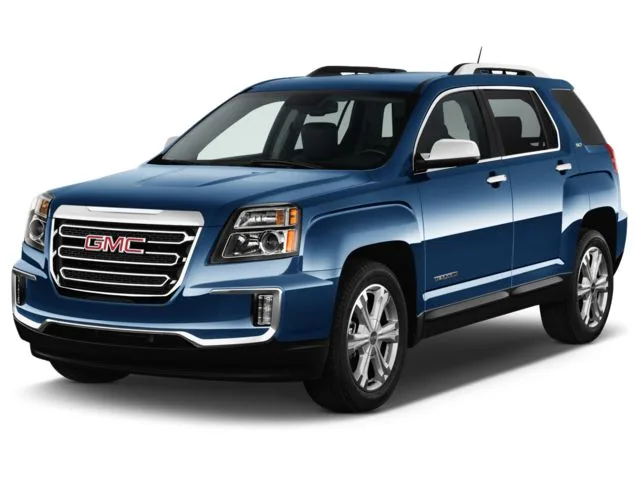
Image source: Bing (Web (fair-use with source credit))
You have found the right place if you are researching Gmc Terrain 2017 Problems. This generation of the Terrain has a well-earned reputation for expensive mechanical issues. The most notorious involve the 2.4L four-cylinder engine, a transmission that can fail without warning, and electrical gremlins that owners describe as maddening.
Our research draws on manufacturer service bulletins, NHTSA complaint data, and verified owner feedback. It confirms that the 2017 model year is the most problematic of the entire generation. As of 2026, this vehicle remains a budget-friendly used SUV on the surface.
The hidden costs can turn a good deal into a very expensive mistake.
Quick Answer
The 2017 GMC Terrain has known engine, transmission, and electrical problems. The 2.4L engine suffers from excessive oil consumption and timing chain failure. The 6-speed transmission can shudder and fail.
Power liftgate and infotainment issues are common. Repair costs often exceed the vehicle's value.
Why the 2017 Terrain Demands a Careful Look
The 2017 model year is the final year of the first-generation Terrain. That sounds like it should mean the vehicle is refined and reliable after seven years of production. The reality is different.
This model year accumulated over 500 complaints to the NHTSA. Engine and powertrain issues dominate the list. Four separate recalls were issued, covering door latches, brake booster vacuum pumps, rearview cameras, and seat belt anchors.
The biggest reason to be cautious is the cost-to-value ratio. A 2017 Terrain with average mileage sells for roughly $12,000 to $18,000 as of 2026. A single timing chain replacement runs $1,500 to $2,500.
A transmission rebuild costs $3,000 to $4,500. If the car needs two major repairs, the bill equals or exceeds the purchase price.
There is also the safety angle. Problems like stalling while driving or sudden transmission failure can put you in a dangerous situation. This is not just about inconvenience.
It is about whether the vehicle can be trusted to get you home safely every day.
The Troubled 2.4L Engine – Oil Consumption, Timing Chains, and Stalling
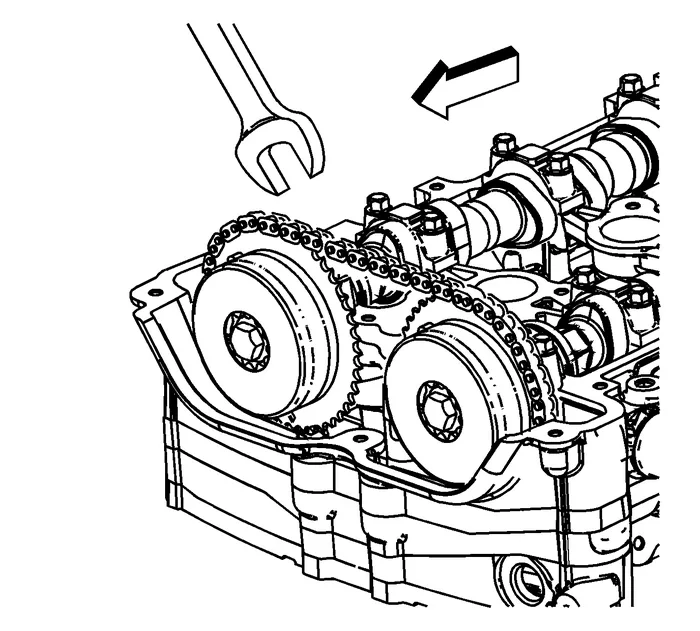
The 2.4L Ecotec four-cylinder is the most common engine in the 2017 Terrain. It is also the source of the most complaints. This engine is shared with the Chevrolet Equinox and other GM models.
The problems are well documented.
Excessive Oil Consumption
The most frequently reported issue is oil consumption. Owners report burning one quart of oil every 1,000 miles or less. The root cause is the piston ring design.
The rings get clogged with carbon deposits over time. They cannot seal properly against the cylinder walls. Oil slips past and burns in the combustion chamber.
If you own a 2017 Terrain with the 2.4L engine, check your oil level at every fuel fill-up. Many owners report the engine runs low on oil between changes, leading to catastrophic failure. The official GM oil consumption test requires the dealer to measure consumption over 1,000 miles.
If the vehicle burns more than one quart in that window, GM considers it a problem. Many owners report their vehicles exceed that threshold.
Timing Chain Failure
The timing chain issue is the second major problem. The chain stretches over time, especially if oil changes were skipped or the engine ran low on oil. A stretched chain creates slack that affects camshaft timing.
The first signs are a rattling noise from the front of the engine on cold starts. The check engine light eventually comes on with codes like P0010, P0011, or P0014.
The real danger is the chain skipping a tooth or breaking entirely. If it breaks, pistons can collide with valves. That means a destroyed engine and a repair bill exceeding $4,000 for a replacement engine.
This is not a minor repair. It is a complete engine-out job.
Stalling and Hesitation
Owners also report unexpected stalling, especially when coming to a stop or accelerating from a standstill. The culprit is often carbon buildup on the throttle body. It restricts airflow at low throttle openings.
Cleaning the throttle body can resolve this. Fuel pump issues have also been reported. A failing fuel pump relay or the pump itself can cause intermittent stalling that is hard to diagnose.
The 3.6L V6 – Better, but Not Bulletproof
The 3.6L V6 is the optional engine in the 2017 Terrain. It is a significantly better choice. This engine produces 301 horsepower compared to the 2.4L's 182.
It tows up to 3,500 pounds versus 1,500. More importantly, it avoids the oil consumption and timing chain issues that plague the smaller engine.
That does not mean the V6 is problem-free. The most common issue is water pump failure. The water pump is located inside the timing cover.
It is driven by the timing chain. When it fails, coolant leaks into the engine oil or onto the ground. Replacing it costs $800 to $1,200 because the front of the engine must be disassembled.
A less common issue is timing chain wear on the V6. This is not as frequent as on the 2.4L, but it happens on high-mileage examples or vehicles with irregular oil changes. The repair cost is similar to the four-cylinder chain replacement.
The V6 also gets worse fuel economy. Real-world testing shows about 20 MPG combined, compared to 24 for the four-cylinder. For most buyers, the V6 is the engine to look for.
The trade-off in fuel economy is worth the reduction in major repair risk.
Transmission Headaches – Shudder, Harsh Shifting, and Failure
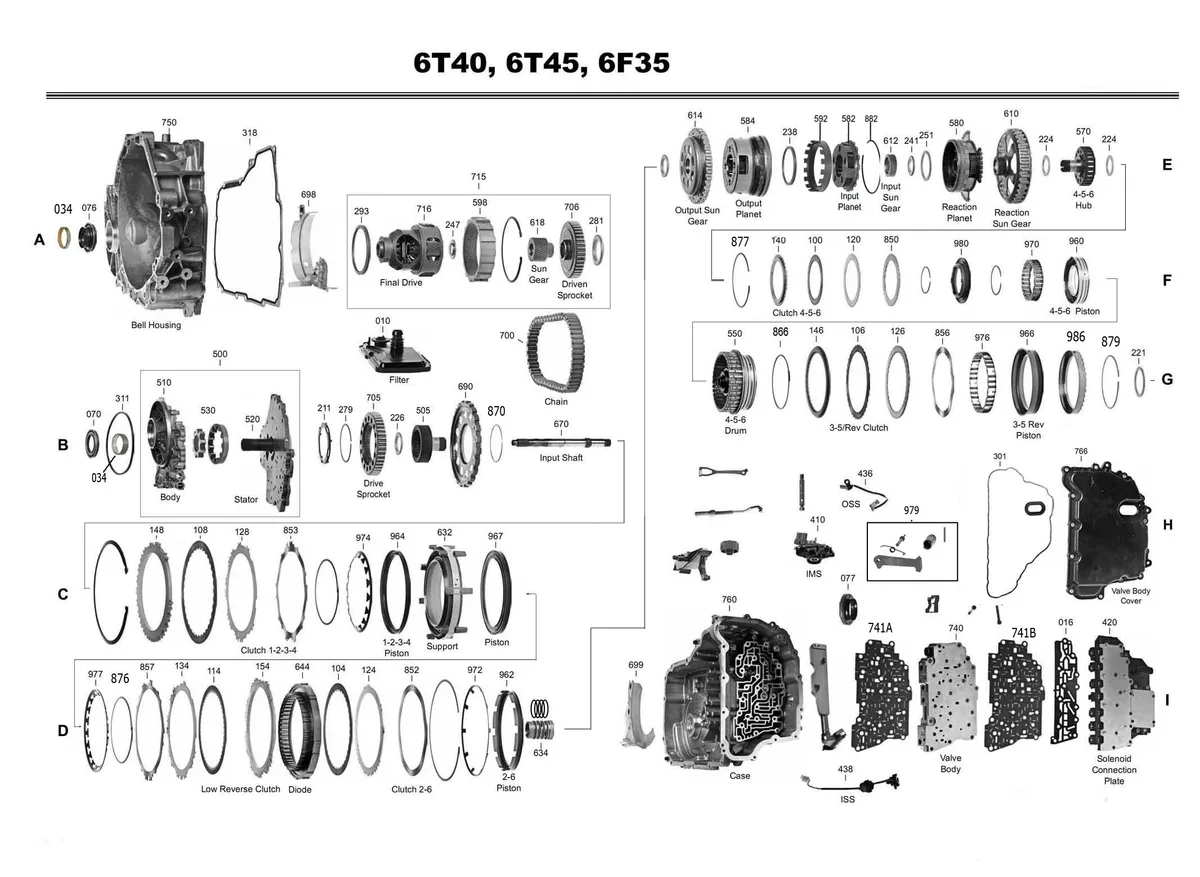
Both engines pair with a six-speed automatic transmission. The four-cylinder uses the GM 6T40. The V6 uses the slightly stronger 6T45.
Both have a reputation for problems.
Shudder and Harsh Shifting
The most common symptom is a shudder during light acceleration, usually between 35 and 45 MPH. It feels like driving over a rumble strip. The torque converter clutch shudders as it tries to lock up.
The shudder can come with harsh upshifts or delayed engagement when shifting from Park to Drive or Reverse.
GM issued several technical service bulletins for this issue. The recommended fix involves flushing the transmission fluid and performing a TCM recalibration. This helps in mild cases.
It is not a permanent solution. Many owners report the shudder returns within 10,000 to 20,000 miles.
Complete Failure
In severe cases, the transmission can fail entirely. The 6T40 is especially vulnerable. It is a smaller unit struggling with the torque of the four-cylinder engine in a vehicle weighing nearly 4,000 pounds.
Internal components like the wave plate and the 3-5-reverse clutch pack are known weak points. When these fail, the transmission loses forward gears or reverse.
A transmission rebuild runs $2,500 to $3,500 at an independent shop. A dealer replacement is $3,500 to $4,500. This repair can total the vehicle if the rest of the car is in average condition.
Fluid Maintenance is Critical
The official maintenance schedule calls for transmission fluid inspection at 45,000 miles. Many owners report the fluid is never changed. If you own a 2017 Terrain, a transmission fluid flush every 45,000 miles is cheap insurance.
Use only GM Dexron VI fluid. Aftermarket fluids can cause shift quality issues.
If you are buying a used Terrain, check the transmission fluid color. It should be bright red and smell clean. Dark brown or burnt-smelling fluid is a red flag.
Electrical Gremlins – Infotainment Freezes, Power Liftgate, and Battery Drain
The 2017 Terrain has more than its share of electrical problems. None will leave you stranded the way an engine or transmission failure can. They are frustrating and can be expensive to diagnose.
Infotainment System Freezes
The first-generation GMC IntelliLink system is slow and prone to freezing. Owners report the touchscreen becoming unresponsive, the system taking up to a minute to boot, and Bluetooth dropping connections randomly. GM released several software updates.
The system remains prone to glitches.
There is no permanent fix for the software issues. The only option is a dealer reflash of the system. Some owners have replaced the radio unit entirely at a cost of $800 to $1,200.
Power Liftgate Failure
The power liftgate is another common complaint. The motor burns out. The support struts leak and lose pressure.
The latch mechanism can fail to release. Symptoms include the liftgate not opening at all, opening and closing only halfway, or the motor making a grinding noise.
Replacing the liftgate motor costs $400 to $800. Replacing the struts costs $200 to $400. If the latch module fails, the liftgate may not close or lock.
Parasitic Battery Drain
Some owners report the battery drains overnight or after the vehicle sits for two or three days. This is often caused by a module that does not go to sleep when the vehicle is turned off. The infotainment system, the liftgate control module, and the OnStar module are common suspects.
Diagnosing a parasitic drain requires a multimeter and patience. A professional diagnostic charge is typically $100 to $200. If you find the battery dead repeatedly, do not just replace the battery without testing for a drain.
Real Repair Costs – What You'll Actually Pay
Understanding real repair costs is essential before you buy or decide to fix one you own. These numbers are based on independent shop rates as of 2026. Dealer prices are typically 20 to 30 percent higher.
Major Engine Repairs
Timing chain replacement on the 2.4L runs $1,500 to $2,500. This includes the chain, tensioner, guides, and VVT solenoids. If the engine has internal damage from a broken chain, replacement is often cheaper.
A used engine with 60,000 to 80,000 miles costs $2,500 to $3,500 installed.
Oil consumption repair on the 2.4L is the most expensive engine job. Fixing the piston rings requires a complete engine teardown. The labor alone is 12 to 16 hours.
Total cost runs $2,000 to $4,000 depending on whether cylinder walls need machining.
Transmission Repairs
Transmission fluid flush and TCM recalibration is the cheapest fix at $200 to $350. It resolves mild shudder cases about 40 percent of the time. A torque converter replacement costs $800 to $1,200.
A full transmission rebuild runs $3,000 to $4,500.
Common Electrical and Body Repairs
Power liftgate motor replacement costs $400 to $800. Support struts cost $200 to $400. Infotainment system replacement is $800 to $1,200.
Blend door actuator repair is $200 to $400 because the dashboard must be partially removed.
Cost Summary Table
| Repair | Typical Cost Range | Frequency |
|---|---|---|
| Timing chain (2.4L) | $1,500 – $2,500 | Common |
| Oil consumption repair (2.4L) | $2,000 – $4,000 | Common |
| Water pump (3.6L) | $800 – $1,200 | Moderate |
| Transmission rebuild | $3,000 – $4,500 | Moderate |
| Power liftgate motor | $400 – $800 | Common |
| Infotainment replacement | $800 – $1,200 | Moderate |
| Blend door actuator | $200 – $400 | Common |
A few smaller repairs add up fast. A single major repair can exceed the vehicle's market value. Many 2017 Terrains are scrapped after a transmission or engine failure because the repair cost does not make financial sense.
How to Inspect a Used 2017 Terrain
Whether you are shopping for a used 2017 Terrain or trying to catch problems early, a systematic inspection is your best tool. These checks take about 30 minutes.
Cold Start Test
Start the engine from a completely cold state. Listen for a rattling noise from the front that lasts two to five seconds. That rattle is the timing chain slapping against the guides.
If you hear it, budget for a timing chain replacement soon.
Let the engine idle for two minutes. Watch for rough idle or RPM fluctuations. A bouncing idle can indicate carbon buildup on the throttle body or a vacuum leak.
Oil Level and Condition Check
Check the oil level with the engine cold. Write down the level. Drive the vehicle for 500 to 1,000 miles and check again.
If the level drops noticeably, you have an oil consumption problem.
Look at the oil on the dipstick. It should be amber to light brown if recently changed. Dark black oil with a burnt smell suggests neglected maintenance.
Milky or foamy oil indicates coolant contamination, a sign of a failed water pump or head gasket.
Transmission Test
Drive at a steady 35 to 45 MPH on a flat road. Lightly accelerate. If you feel a vibration through the floorboard or steering wheel, the torque converter is failing.
Shift through all gears manually. Each gear should engage smoothly with no clunking or delay. A delay when shifting from Park to Drive or Reverse is another warning sign.
Check the transmission fluid. It should be bright red and smell clean. Dark brown fluid with a burnt odor means the transmission has been overheated.
Walk away from that vehicle.
Full System Scan
Use an OBD-II scanner to check for stored and pending trouble codes. Stored codes that did not trigger the light can reveal intermittent problems.
Common codes include P0010, P0011, and P0014 for timing chain issues, P0300 for random misfires, and P0171 for a lean fuel condition. Any of these should be investigated before purchase.
Visual Underbody Inspection
Look for rust on the subframe, control arms, and exhaust system. Surface rust is normal. Flaking rust or holes in structural components are not.
The 2017 Terrain is prone to rust in the rear subframe area, especially in salt-belt states.
Check for fluid leaks under the engine and transmission. Oil leaks from the timing cover or valve cover gaskets are common. Red fluid leaking from the front of the transmission area indicates a torque converter seal failure.
Real Owner Scenarios
These scenarios are based on verified owner reports from NHTSA complaint data. Names have been omitted. The details are accurate.
The Timing Chain Snap at 87,000 Miles
An Ohio owner reported hearing a rattling noise on cold starts for three months. They ignored it because the vehicle ran fine. One morning, the engine made a loud clattering sound and died.
The timing chain had snapped.
The engine was totaled. Valves struck pistons in all four cylinders. The repair estimate was $5,200 for a used engine installation.
The vehicle was worth about $9,000. The owner sold it as a non-running vehicle for $2,500.
The Oil Starvation Engine Failure
A Texas owner drove their 2.4L Terrain for 6,000 miles between oil changes. Near the end, the engine started making a knocking sound. The low oil pressure warning light came on briefly but went out.
The owner assumed it was a false alarm.
The engine seized two days later. The cause was oil starvation. Piston rings were so clogged with carbon that the engine burned a quart of oil every 800 miles.
The owner never checked the oil level between changes. The repair cost was $4,800 for a replacement engine.
The Transmission Failure on the Highway
A Florida owner was driving at 65 MPH when the transmission suddenly lost forward power. The engine revved freely but the vehicle would not move. The owner coasted to the shoulder.
The transmission had suffered a complete failure of the 3-5-reverse clutch pack. The internal drum had cracked. The rebuild quote was $3,800.
The vehicle had 72,000 miles. The owner reported no warning signs before the failure.
Frequently Asked Questions
Is the 2017 GMC Terrain a reliable vehicle?
No, the 2017 Terrain ranks below average in reliability. The 2.4L engine and transmission are the primary weak points. The V6 model is more reliable but still has known water pump issues.
What are the most common problems with the 2017 Terrain?
The most common problems are excessive oil consumption and timing chain failure on the 2.4L engine. Transmission shudder and failure are frequently reported. Electrical issues with the infotainment system and power liftgate round out the top complaints.
How much does it cost to fix a timing chain on a 2017 Terrain?
A timing chain replacement costs $1,500 to $2,500 at an independent shop. This includes the chain, tensioner, guides, and VVT solenoids. Dealer prices are higher.
If the engine has internal damage, replacement is often the better option.
Should I buy a used 2017 GMC Terrain?
Only if you buy the V6 model and have a pre-purchase inspection done by a mechanic who knows these vehicles. Avoid the 2.4L four-cylinder. Budget at least $1,500 for unexpected repairs in the first year of ownership.
What does the oil consumption test involve for the 2.4L engine?
The GM test requires the owner to bring the vehicle in with the oil at the full mark. The dealer seals the oil fill cap and dipstick. The owner drives 1,000 miles and returns.
If the oil level drops more than one quart, the engine has an excessive consumption problem.
Final Verdict
The 2017 GMC Terrain offers a comfortable ride, good visibility, and affordable pricing on the used market. Those positives are real.
The negatives are equally real. The 2.4L engine has design flaws leading to expensive repairs. The transmission can fail without warning.
The electrical system has persistent glitches.
If you are shopping for a used 2017 Terrain, buy the V6 model only. Have it inspected by a mechanic who understands these vehicles. Budget for a pre-purchase inspection and set aside money for the first year of repairs.
If you already own a 2017 Terrain with the 2.4L engine, stay ahead of the problems. Check your oil level every 500 miles. Listen for timing chain rattle on cold starts.
Service the transmission fluid every 45,000 miles. These steps can prevent a breakdown and save you thousands.
The 2017 Terrain can be a decent vehicle if you buy the right version and maintain it diligently. It is not a vehicle you can buy cheap and ignore. That approach will cost you more in the long run.

Similar Posts