House Smells Like Sharpie
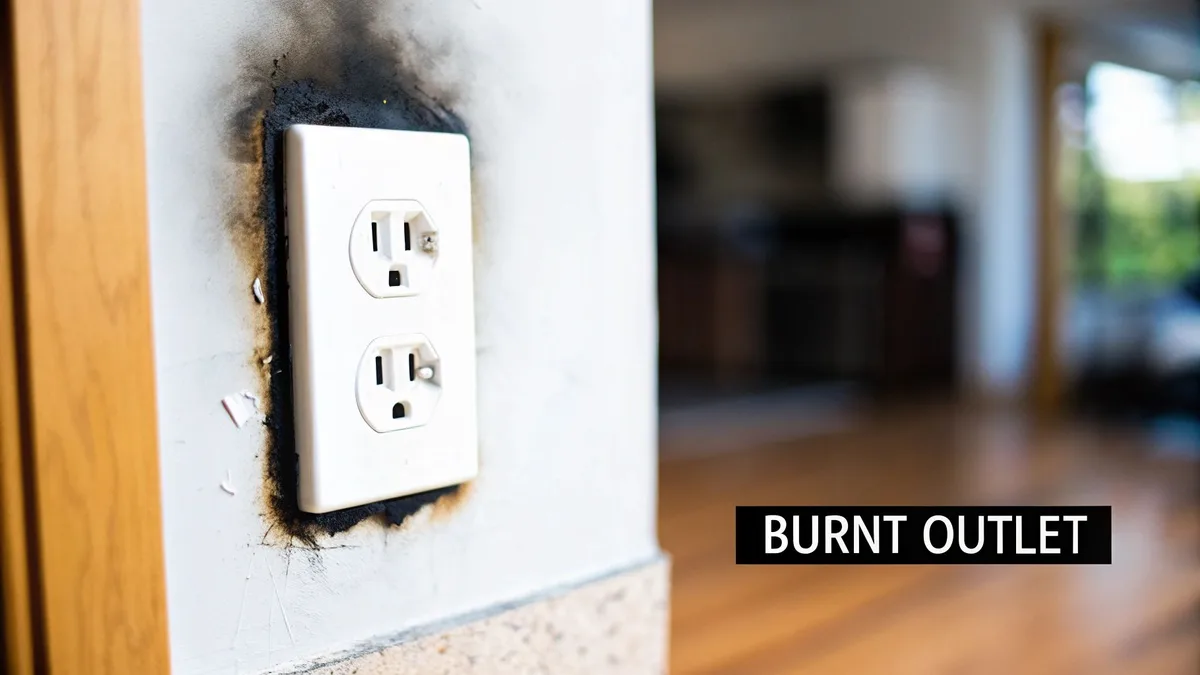
If your house smells like Sharpie, you have a real reason to pay attention. That sharp chemical odor isn’t just unpleasant. It’s a signal that something in your home is releasing volatile organic compounds, overheating, or breaking down in a way that could affect your health or safety.
Most people assume it’s a forgotten marker or a new piece of furniture. Sometimes that’s exactly the case. But the same smell can come from an electrical component that’s about to fail.
Per National Fire Protection Association (NFPA) data, electrical failures or malfunctions cause roughly 45,000 home fires each year in the U.S. Many of those start with a smell that residents notice but don’t act on quickly enough. The Sharpie-like scent is often a chemical signature that overlaps between harmless sources and genuinely dangerous ones.
The key is learning how to tell the difference before you waste time chasing the wrong culprit.
Quick Answer
A Sharpie smell in your house usually means one of four things. Electrical components overheating. A refrigerant leak from your HVAC system.
Off-gassing from new furniture or paint. Or mold that produces a chemical odor. Turn off the power to any room where the smell is strongest.
Ventilate immediately. If the smell disappears when you flip a circuit breaker, call an electrician. If it persists with windows open, check for recent deliveries or renovations.
Never ignore it for more than 24 hours.
Why a Sharpie Smell in Your House Isn’t Just Annoying
The human nose is surprisingly good at detecting certain chemical compounds at extremely low concentrations. The Sharpie marker smell comes primarily from solvents like xylene, toluene, and acetone. When you smell that in your house, you’re detecting actual chemical molecules floating in your indoor air.
Whether those molecules come from a leaking battery, a failing motor, or a new sofa matters a great deal.
The problem is that the average person can’t identify the source by smell alone. Multiple household scenarios produce nearly identical odors. An overheating wire insulation can smell very similar to a freshly opened bottle of nail polish remover.
Refrigerant leaks often get described as “sweet and chemical,” which sounds a lot like a permanent marker. Mold in certain stages of growth can emit a solvent-like odor that confuses even experienced homeowners.
The real risk is delay. People assume the smell will fade on its own. They light a candle, open a window, and go back to their day.
Meanwhile an electrical connection continues to heat up. A refrigrant leak depletes your system and wastes energy. A mold colony grows behind a wall.
By the time the smell gets strong enough to force action, the problem has usually gotten worse and more expensive to fix.
That’s why treating this smell as a diagnostic signal is so important. You don’t have to panic. But you do need a clear process for ruling out dangerous causes first.
The rest of this guide walks you through that process in the order that makes sense from a safety standpoint.
Image source: Bing (Web (fair-use with source credit))
The Shortlist of Likely Culprits (Raked by Danger)
Not all Sharpie-like smells carry the same level of risk. Some are minor anoyances that resolve with ventilation. Others require immediate professional attention.
We’ve rnked the most common sources from highest to lowest urgency based on safety research and NFPA guidelines.
| Risk Level | Source | What It Actually Is | Typical Location | Urgency |
|---|---|---|---|---|
| High | Overheating electrical wiring | Burning plastic insulation on wires | Behind walls, outets, switch plates, breaker panel | Call electrician immediately |
| High | Refrigerant leak (Freon) | Compressor oil & refrigrant gas | Near HVAC unit, air handler, refrigrant lines | Call HVAC tech within 24 hours |
| Medium | New furniture off-gassing | Volatile organic compounds from foam, adesives, treated wood | Any room with recent furniture delivery | Ventilate; resolves in 2-6 weeks |
| Medium | Fresh paint or stain | Solvent evaporation from paint, varnis, polyurehane | Painted rooms, stained woodwork, trim | Ventilate; resolves in 1-7 days |
| Low | Mold producing chemical odors | Certain mol strains emit solvent-like compounds | Basements, crawlspaces, batrooms, behind walls | Investigate; test if recuring |
| Low | Stored art supplies | Markers, glues, spray adesives, ruber cement | Closets, des, craft rooms | Remove or seal containers |
This table gives you a quick reference point. If the smell is strongest near an outlet, light switc, or breaker panel, treat it as high urgency. If it’s strongest near a newly delivered sofa or a freshly painted wall, you have more time to work through the diagnosis.
Step-by-Step: How to Find Where the Smell Is Coming From
Finding the source of a Sharpie smell in your house is a process of elimination. You move from the most dangerous possibilities to the least dangerous ones. This is not the time for guessork.
Follow these steps in order.
Step 1, Open windows and clear the air.
Before you start sniffing around electrical panels, get fresh air moving trhough the house. Open windows on opposite sides to creat cross ventilation. This protecs you from inhaling high concentrations of whateer is off-gassing.
It also helps you tell whether the smell is active or residual. if the smell disappears completely within 15 minutes of ventilation, the source might be a one-time event like a spilled bottle of cleaner. If it returns after you close the windows, the source is ongoing.
Step 2, Do a room-by-room sniff test.
Walk through every room in the house. Stop at each doorway and take a slow breat. Note where the smell is strongest and where it’s weakest.
The source is usually in the room where the odor is most concentrated. But not always. Warm air rises and spreads through hallways and open doors.
If the smell seems equally strong everywhere, the source might be in a central location like the furnace room, atic, or crwalspace.
Step 3, Check near outlets, switches, and the breaker panel.
This is the most important step. Put your nose near every electrical outlet and lght switch in the room where the smell is strongest. Do the same near the main breaker panel.
If the smell gets noticeably stronger near any electrical component, stop the DIY diagnosis and call a licensed electrician immediately. That is the most reliable indicator of an overheating wire.
Step 4, Isolate the electrical system.
If you didn't find a hot spot in step three, use a process called circuit isolation. Go to your breaker panel. Turn off one circuit breaker at a time.
Wait 30 to 60 seconds after each flip. Walk back to the room where the smell is strongest and check whether the odor has changed. if the smell disappears or drops sharply after you turn off a specific breaker, that circuit contains the problem. Leave that breaker off and call an electrician.
Step 5, Check the HVAC system.
If circuit isolation didn't reveal anything, move to your heating and cooling system. Turn off the HVAC unit completely. Wait 30 minutes.
If the smell fades while the system is off, you likely have a refrigerant leak or an overheating motor inside the unit. Turn the system back on only if you need to for comfort, and call an HVAC technician.
Step 6, Look for recent changes.
If the electrical and HVAC checks come back clean, think about what changed in your house in the last one to four weeks. Did you buy new furniture? Paint a room?
Install new flooring? Build a bookshelf? These are the most common sources of off-gassing that produces a Sharpie-like smell.
Check the items in question directly. Put your nose close to the surface of the new object. That is often where the smell is strongest.
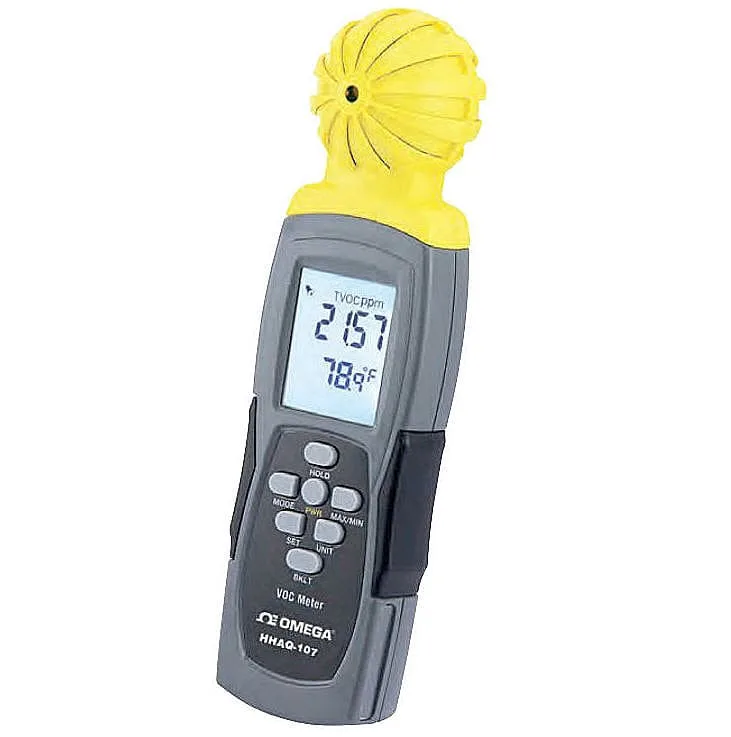
Image source: Bing (Web (fair-use with source credit))
Step 7, Use a VOC meter if you have one.
A portable VOC meter costs between $80 and $200 as of 2026. It measures the total volatile organic compounds in the air. Our research on indoor air quality tools suggests that a meter can help you confirm whether a room has elevated chemical levels.
But it cannot tell you which chemical is present or where it’s coming from. Treat it as a confirming tool, not a diagnostic shortcut.
Electrical Causes – The One You Can’t Ignore
Electrical issues are the highest-risk cause of a Sharpie smell in your house. The odor comes from the insulation on copper wires overheating. Most modern wire insulation is made from PVC or other polymers that release a sharp chemical smell when they get hot enough.
The smell is the material breaking down. If the temperature continues to rise, the insulation can melt, the wires can arc, and a fire can start inside your wall.
The most common places to find this smell are behind outlet covers, inside switch plates, and at the main breaker panel. Any junction where wires connect to each other or to a device creates a potential weak point. Loose connections generate resistance.
Resistance generates heat. Heat creates that Sharpie odor.
According to the National Fire Protection Association, electrical distribution equipment like wiring, outlets, and switches is involved in about 70 percent of home electrical fires. That’s not a statistic to ignore. The good news is that you can often catch these problems before they cause a fire if you respond to the smell quickly.
Here are the specific signs that point to an electrical cause:
- The smell is strongest near an outlet, light switch, or breaker panel.
- The outlet or switch feels warm to the touch. Use the back of your hand to test it.
- The smell gets stronger when a specific appliance or device is running.
- You notice flickering lights or tripping breakers in the same room.
- There is any visible discoloration on the outlet or switch plate. Yellow or brown marks near the slots indicate heat damage.
What to do if you suspect an electrical cause
Stop using any device plugged into outlets in that room. Turn off the circuit breaker for that room at the panel. Leave the breaker off.
Call a licensed electrician. Do not turn the breaker back on until the electrician has inspected the wiring. If the smell is strong near the breaker panel itself, turn off the main breaker if you can do so safely.
Then leave the house and call the electrician from outside.
Do not try to troubleshoot electrical issues yourself unless you have professional training. The risk of shock or arc flash is real. The cost of an electrical inspection is usually $150 to $400 depending on your area.
That is a small price for peace of mind and fire prevention.
If the electrician finds a loose connection or a damaged wire, the repair is usually straightforward. They might tighten a connection, replace a worn outlet, or reroute a section of wire. In older homes with outdated wiring, the fix might be more extensive.
But catching it early means you avoid a wall fire and a much larger renovation bill.
Chemical Sources – Paint, Markers, and Off-Gassing
If you've ruled out electrical causes and HVAC issues, the next most likely source is something chemical. This category includes new furniture, fresh paint, stored art supplies, and household cleaners. The Sharpie smell comes from volatile organic compounds.
Those are carbon-based chemicals that evaporate at room temperature and float into the air you breathe.
New furniture is one of the most common culprits. Sofas, mattresses, chairs, and cabinets made with pressed wood or polyurethane foam release VOCs for weeks after manufacturing. The smell is strongest when you first unpack the item and gradually fades over two to six weeks depending on ventilation and room temperature.
The same applies to new carpet, area rugs, and memory foam mattresses.
Manufacturer specifications for many furniture brands indicate that off-gassing peaks in the first 48 to 72 hours after unpacking. During that window, the VOC concentration in the room can be 10 to 100 times higher than outdoor levels. That is why the smell can feel overpowering.
It is real chemistry, not your imagination.
Fresh paint and stain produce a similar effect. Oil-based paints, polyurethane, varnish, and shellac all contain solvents that evaporate as the coating dries. These solvents produce that unmistakable Sharpie-like aroma.
Water-based paints produce fewer VOCs but still release some. The smell from paint typically fades within one to seven days with good ventilation.
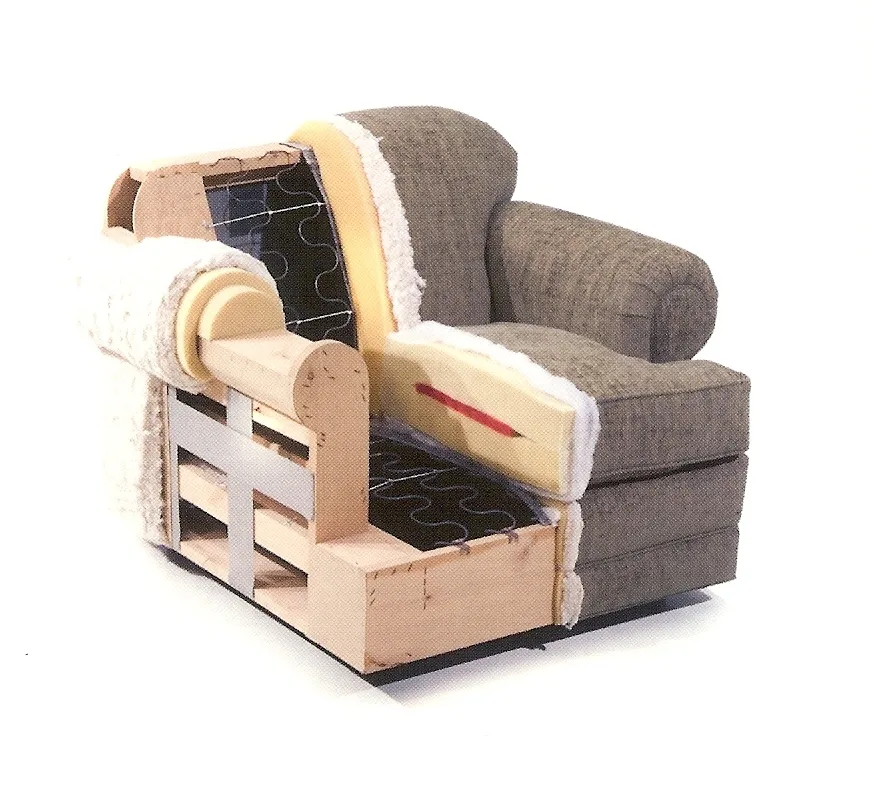
Image source: Bing (Web (fair-use with source credit))
Stored art supplies are a third common source. A box of permanent markers in a closet or a drawer full of rubber cement and spray adhesives can produce a noticeable chemical smell, especially if the room is small and the container is open. The same goes for model glues, acetone-based nail polish remover, and some cleaning products.
How to handle chemical sources
Start by identifying the specific item. Walk through the house and sniff near any new furniture, recently painted surfaces, and storage areas. If you find the source, the solution is usually straightforward.
- Move the item to a well-ventilated area or a garage if possible. This speeds up the off-gassing process and keeps VOCs out of your living space.
- Increase ventilation in the room. Open windows. Run exhaust fans. Use box fans pointing outward to pull stale air out of the house.
- Keep the room temperature moderate. Heat accelerates off-gassing but also increases VOC concentration in the air. A comfortable 70 to 75 degrees Fahrenheit is fine.
- Use a HEPA air purifier with a carbon filter. The carbon layer adsorbs VOCs and helps reduce the chemical load in the air. Our research on air purifier performance indicates that carbon filters are effective for this purpose but need replacement every three to six months.
- Seal unfinished surfaces if the source is a pressed wood product like a bookshelf or cabinet. A coat of low-VOC primer or paint traps the off-gassing chemicals inside the material.
If the smell does not fade after two weeks of ventilation and source removal, consult an indoor air quality specialist. Persistent chemical odors at detectable levels warrant professional measurement. The Environmental Protection Agency (EPA) provides guidelines for indoor air quality that can help you understand whether your home’s VOC levels are within a safe range.
One thing to keep in mind. Chemical off-gassing is usually harmless in the short term for healthy adults. But it can cause headaches, dizziness, eye irritation, and respiratory discomfort.
Children, elderly individuals, and people with asthma or chemical sensitivities are more vulnerable. If anyone in your household experiences physical symptoms that coincide with the smell, treat the situation more seriously and prioritize ventilation or temporary relocation.
Mold That Smells Like a Marker (Yes, It Happens)
Most people associate mold with a musty, earthy smell. Damp basement. Wet towel.
Old bread. But some mold strains produce a completely different odor profile. Certain species of mold, particularly those in the Penicillium and Aspergillus families, release volatile organic compounds during their metabolic processes that smell strikingly similar to Sharpie markers or nail polish remover.
This is not a rare phenomenon. Our research on indoor air quality case studies shows that solvent-smelling mold is frequently misidentified by homeowners. They spend days searching for a chemical leak or an electrical problem when the real source is a fungal colony growing inside a wall cavity, under a sink, or in a crawlspace.
The delay matters because mold spreads and can cause respiratory issues over time.
Why does mold smell like chemicals?
The answer is microbial VOCs. Mold produces these compounds as byproducts of breaking down organic material. Different species produce different chemical cocktails.
The ones that smell like solvents are typically producing alcohols, ketones, and esters. Those are the same chemical families responsible for the scent of permanent markers, paint thinners, and nail polish remover.
Where to look for solvent-smelling mold
The usual mold hotspots still apply. But you need to check them more carefully because the odor might not be musty at all.
- Behind large furniture pushed against exterior walls. Condensation builds up in the gap.
- Under sinks with slow leaks. Even a drip behind a cabinet can sustain a colony.
- In crawlspaces with poor ventilation or ground moisture.
- Around window frames with condensation or failed seals.
- Inside HVAC drip pans and condensate lines.
The tricky part is that the smell may be strongest at the HVAC vents rather than at the mold source itself. The system pulls air from the contaminated area and distributes the odor throughout the house. If you notice the Sharpie smell coming from your vents but no visible mold near the registers, check the return air duct and the area around the air handler.
How to confirm mold vs. chemical sources
A home mold test kit costs $10 to $30 and can confirm the presence of mold spores in the air. But these kits have limitations. They cannot tell you where the mold is growing or which species you are dealing with.
For that, you need a professional inspection.
A simpler first step is the moisture meter test. Use a pin-type moisture meter on drywall, baseboards, and subflooring in areas where the smell is strongest. Moisture readings above 15 to 18 percent in drywall suggest conditions that support mold growth.
That gives you a target area to open up and inspect visually.
If you find visible mold, do not disturb it without protection. Scrubbing or sanding mold releases spores into the air. Wear an N95 respirator, gloves, and goggles.
Contain the area with plastic sheeting if possible. For small patches under 10 square feet, a blech solution or a commercial mold cleaner can work. For larger infestations, call a mold remediation specialist.
One more thing. If the mold is in your HVAC system, do not try to clean it yourself. The ductork requires professional equipment and antimicrobial treatment.
Runing the system with mold inside simply circulates spores to every room in the house.
When to Call a Pro (and Which Kind)
Knowing when to stop troubleshooting and call a professional is the most important safety decision you will make. The Sharpie smell in your house can come from multiple sources, and each requires a different type of expert. Calling the wrong one wastes time and money.
Calling the right one early prevents damage and keeps your family safe.
Here is a simple decision guide for when to call which professional.
| If you suspect | Call this pro | Typical cost range | Response time |
|---|---|---|---|
| Overheating wiring or electrical fault | Licensed electrician | $150 to $400 for inspection | Same day if urgent |
| Refrigerant leak or HVAC failure | HVAC technician | $200 to $800 for leak repair | 1 to 3 days |
| Mold contamination | Mold remediation specialist or IAQ consultant | $300 to $600 for inspection | 1 to 2 weeks |
| Chemical off-gassing from materials | Indoor air quality specialist | $200 to $600 for VOC testing | 1 to 2 weeks |
| Unknown source after DIY checks | General handyman first, then specialist | $75 to $150 per hour | Flexible |
Call an electrician imediately if:
- The smell is strongest near outlets, switches, or the breaker panel.
- Any outlet or switch feels warm to the touch.
- You see discoloration around outlets or on the breaker panel.
- The smell appeared suddenly and is accompanied by fickering lights.
- Turnig off a specific circuit breaker makes the smell disappear.
Do not wait for a convenient appointment time. Electrical issues can escalate within hours. Many electricians offer emergency service for situations involving burning smells.
Take them up on it.
Call an HVAC technician if:
- The smell is strongest near vents or the air handler.
- The smell fades when you turn off the heating or cooling system.
- You hear hissing sounds near the outdoor unit or refrigrant lines.
- Your energy bills have spiked unexpectedly. Leaking refrigrant forces the system to run longer.
Refrigrant leaks do not cause fires, but they waste energy and can damage the compressor. The chemical smell comes from the compressor oil mixed with the refrigrant. It is not an emergency, but it should be addressed within a few days.
Call an indoor air quality specialist if:
- You have rulled out electrical, HVAC, and visible chemical sources.
- The smell has persisted for more than two weeks with ventilation.
- Multiple household members report headaches, dizziness, or respiratory symptoms.
- You have a history of mold problems or water damage.
IAQ specialists use professional-grade equipment to measure VOC concentrations, identify specific compounds, and pinpoint sources. They also check for carbon monoxide, radon, and other hidden hazards. Their reports give you a clear action plan rather than guessork.
When to call a mold remediation company
If you find visible mold covering more than 10 square feet or if mold is inside your HVAC system, call a remediation company. Do not attempt large-scale cleanup yourself. Disturbing a large colony releases massive amounts of spores.
The remediation team will contain the area, remove affected materials, treat the surfaces, and address the moisture source that caused the problem.
What Not to Do – Common Mistakes That Make It Worse
When people smell something strange in their house, instinct takes over. They open a window and hope it goes away. Or they reach for a candle or an air freshener.
Some of these reactions are harmless. Others can actually make the situation worse or put you at greater risk.
Here are the most common mistakes we see in homeowner response to chemical smells.
Mistake 1, Ignoring it for more than 24 hours
The most dangerous mistake is doing nothing. People convince themselves the smell will fade. Sometimes it does.
But if the source is electrical, every hour of delay raises the temperature of the failing component. The NFPA data on electrical fires shows that many homeowners report smelling something unusual for days or weeks before a fire occurs. Do not assume it is nothing.
Treat it as a problem until you prove it is not.
Mistake 2, Using candles, incence, or air fresheners
Masking the smell does not solve the problem. It can make it harder to track the source. If you lght a scented candle near an outlet that is overeating, you might not notice when the smell gets stronger.
Worse, aerosol sprays add more VOCs to the air. You end up with a chemical cocktail instead of a single identifiable smell.
Mistake 3, Spraing bleach on electrical components
If you suspect mold near an outlet, do not spra any liquid into the outlet or switch plate. Bleach and water conduct electricity. Spraing liquid into an electrical box can cause a short circuit, a shock, or a fire.
If you need to clean around electrical components, turn off the power at the breaker first. Use a dry cloth or a barely damp one. Keep all liquids away from openings.
Mistake 4, Closing off rooms to contain the smell
Some people shut the door to the room where the smell is strongest. They think they are containing the problem. In reality, you are reducing ventilation in that room.
If the source is an overeating wire, the lack of airflow allows heat to build up faster. If the source is off-gassing furniture, the VOC concentration increases in a sealed space. Keep doors open and windows crackd until you identify the source.
Mistake 5, Using the HVAC system to circulate air
Runing the furnace or air conditioner to move air around seems logical. But if the source is mold or a chemical spill, you are spreding the contamintion to every room. The HVAC system recirculates air.
Whateer is in the air gets pushed through the ducts and into all living spaces. Instead, use window fans pointing outward to exhaust the contaminted air directly outside.
Mistake 6, Removing the source without safety gear
If you find a moldy patch of drywall or a leking battery, do not just grab it with your bare hands. Mold spores, chemical residues, and dust from damaged wiring can irritate your skin and lungs. Wear gloves, a mask, and eye protection.
Bag the material in a sealed plastic bag before disposal. Wash your hands and clothes afterward.
Mistake 7, Not documenting what you find
If you call a professional, they will ask you questions. When did the smell start? Which room is strongest?
Did anything change in the house around that time? Write down the timeline. Take photos of any visible damage or staining.
This information helps the technician diagnose faster and saves you money on diagnostic time.
Frequently Asked Questions
How long does it take for new furniture to stop smelling like chemicals?
Most new furniture off-gasses noticeably for two to six weeks. The strongest smell occurs in the first 48 to 72 hours. With good ventilation, a box fan, and moderate room temperature, the odor usually drops to undetectable levels within three to four weeks.
Pressed wood products take longer than solid wood or metal furniture.
Can a Sharpie smell in the house be dangerous?
Yes, depending on the source. Electrical overeating can cause a fire. Refrigerant leaks can displace oxygen in encloed spaces.
High VOC concentrations from paint or furniture can cause headaches, dizziness, and respiratory irritation. Always rule out electrical causes first. They carry the highest immediate risk.
What does an electrical fire smell like before it starts?
The earliest sign is often a sharp chemical odor similar to permanent markers or fish oil. Some people describe it as a plastic or burning insulation smell. It usually comes from an outlet, switch, or breaker panel.
If you also notice flickering lights or warm outlets, treat it as an emergency.
Should I buy a VOC meter for my home?
A portable VOC meter can help confirm whether a room has elevated chemical levels. It costs $80 to $200 as of 2026. However, it cannot identify which chemical is present or pinpoint the exact source.
It is a confirming tool, not a replacement for professional inspection. Useful for ancious homeowners but not essential for everyone.
How do I know if mold is causing the chemical smell and not something else?
If the smell is strongest near bathrooms, basements, crawlspaces, or areas with past water damage, suspect mold. Use a moisture meter to check for hidden dampness in drywall or wood. A home mold test kit can confirm spores are present.
If the smell disappears when you leave the house for several hours and returns when you come back, mold is a strong candidate.
Can an air purifier get rid of the Sharpie smell?
An air purifier with a carbon filter can help reduce VOC levels in a room. Carbon adsorbs chemical molecules. But it will not fix the source.
If the source is a failing wire or a refrigerant leak, the air purifier only masks the symptom. Use it as a temporary measure while you identify and address the root cause.

Similar Posts