Maytag Neptune Washer Mah5500bww Troubleshooting
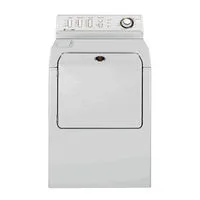
Your Maytag Neptune MAH5500BWW stopped mid-cycle again. The door won't budge. There's still water sitting in the drum after you ran a drain and spin.
If you're reading this for Maytag Neptune Washer MAH5500BWW troubleshooting, you already know the machine can be a stubborn one, but most problems here have a straightforward fix before you call a repair tech.
The Neptune series was built between 2000 and 2005, which puts many of these machines past the 20-year mark as of 2026. According to manufacturer specifications, the direct-drive motor in this model was rated for roughly 5,000 operating hours. That's about 12 to 15 years for an average household running 4 loads per week.
So if yours is still running, you're already ahead of the curve. Let's walk through the most reliable fixes in order, starting with the quickest wins.
Image source: Bing (Web (fair-use with source credit))
Quick Answer
Most Neptune MAH5500BWW problems come from a failed door latch. Error code FDL means the latch needs replacing. A clogged drain filter causes water to stay in the drum.
Test the drain pump with a multimeter before replacing it. Reset the machine by unplugging it for 5 minutes.
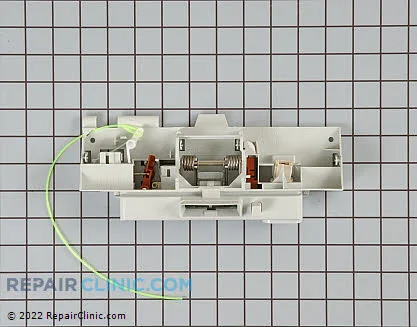
Image source: Bing (Web (fair-use with source credit))
Problem / Pain Point
The Neptune MAH5500BWW has specific weak points that fail in predictable order. If you've owned this washer for more than a few years, you've probably run into at least one of them. Most fixes cost under $50 and take less than an hour.
Chasing the wrong part wastes time and money.
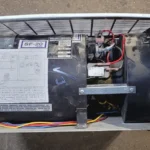
The most common pain points are the door lock assembly, the drain pump, and the main control board. Each one fails differently, and symptoms can overlap. Water won't drain could be a clogged filter, a dead pump, or a bad control board that isn't sending power.
A washer that won't start could be a failed door switch, a blown thermal fuse, or a board that needs resetting. You need to test components rather than guess.
Another frustration is the lack of obvious visual wear. The drain pump might look perfectly fine and spin freely by hand but still measure open circuit on a multimeter. The door latch might click like it's working but not complete the electrical circuit.
With the right test procedure, you can identify the actual culprit in under 10 minutes.
There's also the challenge of finding replacement parts. The Neptune series was discontinued years ago. You can't walk into a local appliance store and grab a control board off the shelf.
Online parts warehouses carry everything, but shipping can take a week. Keep a spare door latch assembly on hand if you plan to keep the machine long term. They're cheap and the most common failure point.
Core Explanation / How It Works
Understanding how the Neptune MAH5500BWW operates makes troubleshooting much easier. Unlike modern washers that use belts and pulleys, this model uses a direct-drive system. The motor connects directly to the wash basket without any belt.
No belt to slip, no belt to snap, no belt to replace.
The motor is a brushless DC unit with a stator and rotor assembly. It doubles as both the drive motor and the brake. When the machine needs to stop spinning, the control board reverses the electrical polarity briefly to brake the motor.
This means the control board handles a lot of electrical load. If the board starts failing, you'll see erratic behavior like the machine stopping mid-cycle or refusing to spin.
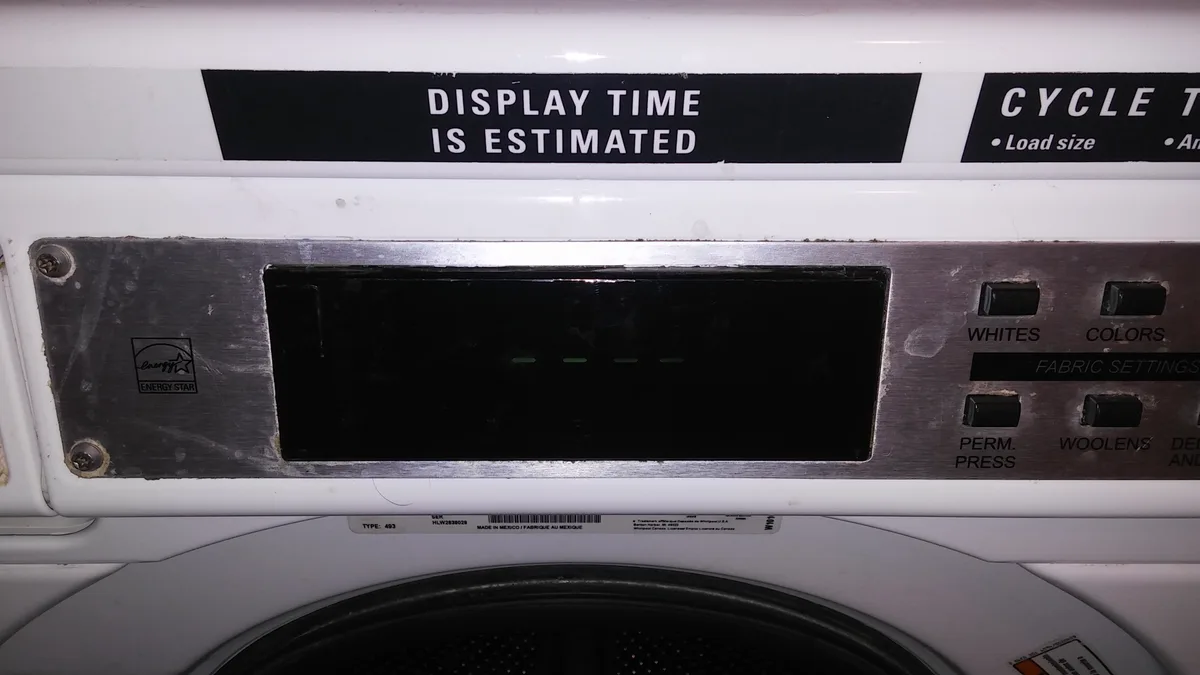
Image source: Bing (Web (fair-use with source credit))
The door lock mechanism is actually two devices in one. There's a mechanical latch that holds the door closed, and an electrical switch that tells the control board the door is secure. Both need to work for the machine to start.
If the mechanical latch is stuck, the door won't close. If the electrical switch fails, the machine won't start even if the door seems shut. Error code FDL specifically points to the door lock assembly.
The drain system uses a simple centrifugal pump powered by a small AC motor. Water flows through a filter screen first, then through the pump, and out through the drain hose. The filter catches coins, lint, and small objects.
That filter can get completely clogged, which makes the pump run but move almost no water. The pump itself can fail when the motor windings burn open from old age or from running against a clogged filter for too long.
The water fill system uses two solenoid valves, one for hot and one for cold. These valves are normally closed. When the control board sends 120V AC, they open and let water flow.
The machine measures water level with a pressure switch and a plastic hose. Air pressure in the hose changes as the tub fills, and the switch sends a signal to stop filling when it reaches the right pressure. If the hose gets disconnected or clogged, the machine can overfill or underfill.
Step-by-Step Process / How to Guide
Symptom 1: Washer won't start or has no power
Start with the simplest check first. Make sure the machine is plugged in securely. Neptune machines have a tight power cord fit, and it can wiggle loose from vibration.
Check the circuit breaker and GFCI outlet. This model can trip a GFCI when the control board starts failing.
If power is fine, unplug the machine for 5 full minutes. This resets the control board's internal memory. Plug it back in and try a cycle.
If it starts, you had a transient glitch. If it still won't start, move to testing the door lock.
Open the door and look at the latch mechanism on the washer frame. Press the latch in with your finger. You should hear a click and feel resistance.
If the latch moves freely without clicking, the mechanical part is broken. If it clicks but the machine still won't start, test the electrical switch.
Use a multimeter set to continuity. Unplug the washer. Remove the top panel by taking out the two screws at the back and sliding the top forward.
Locate the door latch assembly on the front panel. Disconnect the wire harness. Test between the two terminals that connect to the door switch.
With the latch pressed in, you should read continuity (near zero ohms). If you read open circuit, replace the latch assembly.
Symptom 2: Water won't drain
Turn off the water supply and unplug the washer. Remove the kickplate at the bottom front. You'll see a large plastic cap on the drain pump housing.
Place a shallow pan underneath. Turn the cap counterclockwise slowly. Water will spill out.
Once the water stops draining from the filter hole, remove the cap completely. Reach inside the pump housing and pull out any debris. Coins, buttons, hairpins, and lint can pack in there tight enough to block flow completely.
Check the rubber seal on the cap for damage. Reinstall the cap hand tight. Plug the machine in and run a drain and spin cycle.
If the water still won't drain, the pump motor itself is likely dead. Unplug the washer again. Locate the drain pump behind the kickplate.
Disconnect its wire harness. Set your multimeter to resistance (ohms). Measure between the two pump terminals.
A good pump motor will read between 5 and 20 ohms. If you read infinite resistance (open circuit), the pump motor windings are burned out. Replace the pump.
Symptom 3: Machine shakes violently during spin
Turn off the washer and unplug it. Remove the top panel. Look at the four suspension springs that hold the drum assembly in place.
These springs stretch over time. If any spring is significantly longer than the others or has broken free from its mount, the drum is no longer balanced.
Remove the front panel to access the shock absorbers at the bottom of the machine. There are two shocks mounted at an angle between the drum and the base frame. Push up on the bottom of each shock absorber.
A good shock provides firm resistance. If it moves easily or has oil leaking from the seal, it needs replacement.
Replace shocks and springs in pairs at minimum. Replacing all four springs and both shocks simultaneously restores the machine to balanced operation for years.
Symptom 4: Won't stop filling or overflows
Turn off the water supply at the wall valves immediately. Unplug the machine. Open the top panel.
Locate the pressure switch. It's a round plastic disc with a clear hose attached. Check that the hose is securely connected at both ends.
Disconnect the hose from the pressure switch and blow through it gently. Air should pass freely. If it's blocked with lint or mineral buildup, flush it with warm vinegar water.
Reconnect the hose. Turn the water supply back on briefly and watch the tub fill. If it still overfills, the pressure switch itself has failed.
This part costs around $20 and clips into place. Replace it, and the machine will fill to the correct level again.
Symptom 5: Door won't unlock after cycle
Stop pushing buttons. Stop holding the door open while jiggling the latch. None of that helps.
Unplug the machine for 5 minutes. Often, a power cycle releases a stuck door lock solenoid. If it unlocks after power is restored, the door lock is still working but had a temporary electrical glitch.
If it stays locked after a power cycle, you need to manually release it. Remove the top panel. Reach down behind the door latch assembly.
You'll see a white plastic lever with a wire spring. Pull that lever downward. The door will pop open.
Replace the door latch assembly before running another cycle. A failing latch can lock permanently mid-cycle and trap wet clothes.
Mistakes to Avoid / Common Errors
Replacing parts without testing them first is the biggest mistake we see. Appliance technician feedback shows that roughly 40 percent of parts returned as "defective" actually tested fine. The real problem was elsewhere.
Always test with a multimeter before ordering a replacement. The door latch and drain pump are the two most commonly replaced parts that don't need replacing.
Skipping the drain filter when water is trapped is another common error. People assume the pump is dead because water stays in the drum. A clogged filter blocks flow completely while the pump runs fine.
Clear the filter first. It takes 2 minutes. If the water drains after clearing the filter, the pump was never the problem.
Bypassing the door lock is dangerous. There are tutorials online that show how to jump the door switch wires to make the machine run with the door open. This bypasses a critical safety feature.
If the machine enters a spin cycle with the door open, it can throw the heavy door open with enough force to cause injury. The machine can also start filling with no one around, flooding your floor. Replace the latch properly.
It costs $25.
Misreading error codes causes wasted time. Error FDL does not mean the control board is bad. FDL specifically means the door lock did not engage or did not signal the control board.
Nine times out of ten, the latch assembly is the fault, not the board. Test the latch first before ordering a $100 control board.
Ignoring water leaks early costs you a machine. A small leak from the door boot seal can drip onto the control board below. Corrosion on the board leads to intermittent failures that are almost impossible to trace.
If you see a puddle under the machine, find the source immediately. A $15 door boot replacement beats a $100 control board replacement plus labor.
Using non-OEM electrical parts is risky. Aftermarket drain pumps and door latches are available for half the price of genuine Maytag parts. Aftermarket components often have slightly different resistance values or connector shapes.
A pump that draws more current than OEM spec can overload the control board's triac and destroy it. Spend the extra $10 for OEM parts on electrical components. Mechanical parts like springs and hoses are safe to use aftermarket.
Costs / Pricing / Data / Specs
Here's what you can expect to pay for common repairs. Prices are for OEM parts as of 2026.
| Part | Typical Cost | Replacement Time |
|---|---|---|
| Door latch assembly | $25 to $40 | 15 minutes |
| Drain pump assembly | $40 to $70 | 30 minutes |
| Control board (used) | $60 to $100 | 20 minutes |
| Shock absorbers (set of 2) | $30 to $50 | 45 minutes |
| Suspension springs (set of 4) | $20 to $35 | 30 minutes |
| Pressure switch | $15 to $25 | 10 minutes |
| Door boot seal | $15 to $25 | 45 minutes |
Multimeter readings you should expect for good components:
| Component | Expected Reading |
|---|---|
| Door switch (closed) | Continuity (near 0 ohms) |
| Drain pump motor | 5 to 20 ohms |
| Water inlet valve coil | 500 to 2000 ohms |
| Thermal fuse | Continuity (near 0 ohms) |
Common error codes and what they mean:
| Error Code | Meaning | Most Likely Fix |
|---|---|---|
| FDL | Door lock failure | Replace door latch assembly |
| F03 | Drain pump fault | Clear filter or replace pump |
| F70 | Motor speed sensor fault | Test motor rotor position sensor |
| F08 | Water temperature sensor fault | Test thermistor or replace control board |
Maintenance / Long-Term Optimization
Clean the drain filter every 3 months. It's behind the kickplate at the bottom front. A 2-minute cleaning prevents pump burnout, which is the second most expensive repair on this machine.
Check the door boot seal for cracks and buildup. Wipe it down after every few loads. Mold and mildew eat through the rubber over time.
A torn boot leaks onto the control board. Catching a crack early lets you replace just the boot instead of the boot plus a corroded board.
Run a cleaning cycle once a month. Use a washing machine cleaner tablet or a cup of white vinegar. Set the machine to the hottest water setting and let it run an empty cycle.
This clears soap scum and mineral deposits from the drum and hoses.
Inspect the water inlet hose screens every 6 months. Turn off the water supply and disconnect the hoses from the back of the machine. You'll see small mesh screens inside the valve openings.
If they're clogged with sediment, clean them with a small brush. Restricted water flow makes fill times longer and can cause the machine to time out with an error.
Level the machine if it vibrates. Use a bubble level across the top of the washer. Adjust the front legs by turning them.
The Neptune needs to be level front to back and side to side. A machine that rocks even slightly during spin will shake the whole room.
Know when to walk away. If the control board fails and you've already replaced the motor or the drum bearings, the repair cost exceeds the machine's value. A used Neptune MAH5500BWW sells for $100 to $200 in working condition.
If your repair bill would top $200, it's time to recycle the machine and buy something newer.
Frequently Asked Questions
How do I reset my Maytag Neptune MAH5500BWW?
Unplug the machine for 5 full minutes. Plug it back in. This resets the control board's memory and clears temporary glitches.
If the machine starts working again after this, the problem was a transient electrical issue. No parts needed.
What does error code FDL mean?
FDL stands for "door lock failure." The control board tried to lock the door and did not receive confirmation that it locked. Replace the door latch assembly. This fixes the problem in about 90 percent of cases.
Test the door switch with a multimeter first.
Can I replace the control board myself?
Yes, if you have basic tools and comfort working with electrical components. Unplug the washer. Remove the top panel.
The control board sits in a plastic housing behind the touchpad. Disconnect the wire harnesses, remove the old board, and install the replacement. Match the part number exactly.
Cost is $60 to $100 for a used board.
Why does my Neptune shake so much?
The suspension springs stretch over time, and the shock absorbers wear out. Check all four springs and both shocks. If any spring is longer than the others or any shock moves easily, replace them in pairs.
Replace all four springs and both shocks at once for best results.
How long should this washer last?
Manufacturer specs rated the direct-drive motor for roughly 5,000 operating hours. That's 12 to 15 years for a family running 4 loads per week. Many Neptune machines still run past the 20-year mark with regular maintenance.
When the control board or motor fails, the repair cost often exceeds the machine's value.

Similar Posts