How Tall Is An Rv
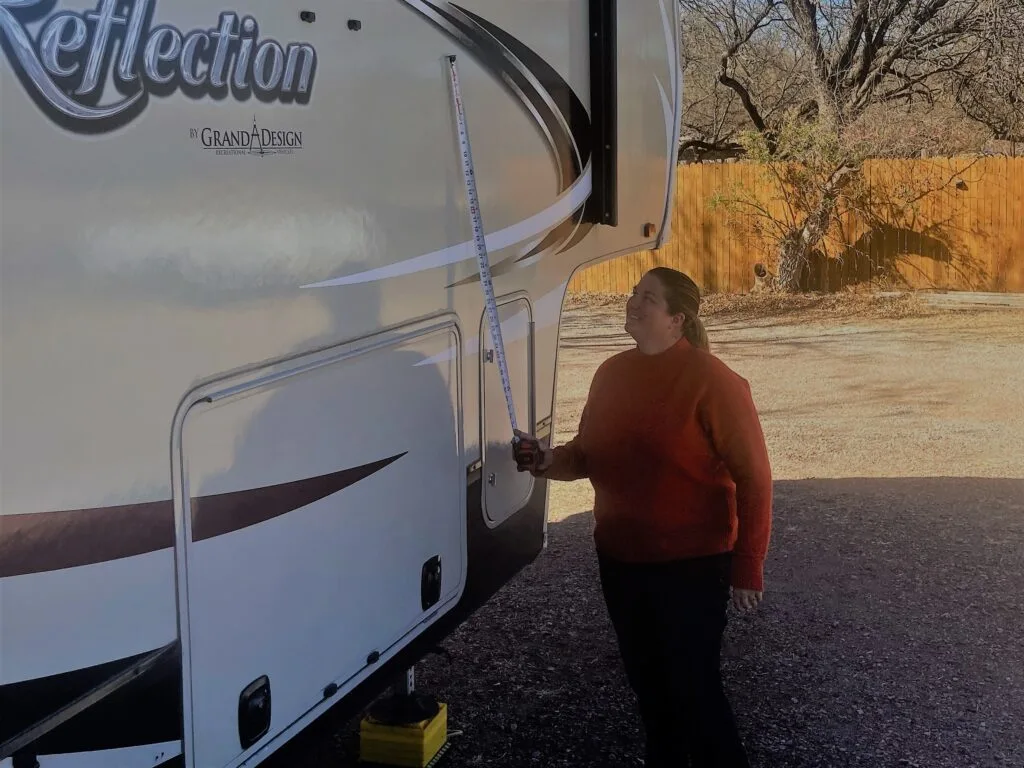
You're parked at a gas station, and you've got a knot in your stomach. You're staring at the low clearance sign over the exit, trying to remember if your RV's roof AC unit is taller than the 13'6" warning. Almost every RV owner has that moment of panic, and it's exactly why "How Tall Is An Rv" isn't a trivia question.
It's a safety measurement that can save you thousands in repairs.
Here's what most people get wrong: the number on the manufacturer's sticker is almost never your actual driving height. Standard Class A motorhomes range from 12'6" to 13'6", but add a roof AC unit, satellite dish, or a full water tank, and you're suddenly a different vehicle. Interstate bridge clearance is set at 13'6" by federal standard, but real-world clearances shrink because of road resurfacing and aging infrastructure.
Let's walk through what you actually need to know.
Image source: Bing (Web (fair-use with source credit))
Quick Answer
A standard RV is between 10 feet and 13 feet 6 inches tall. Class A motorhomes run 12'6" to 13'6". Class B camper vans are 8' to 9'6".
Travel trailers are 10' to 12'. Fifth wheels are 12' to 13'6". Always measure from the ground to the highest fixed point, including your roof AC, satellite dish, and any aftermarket additions.
Why Accuracy Matters More Than You Think
A four-inch miscalculation can turn a routine fuel stop into a totaled roof. In our research, the most common RV height accidents happen at gas station canopies, fast-food drive-throughs, and low-hanging tree branches at campground entrances. These are places people let their guard down.
The financial risk is significant. Replacing a roof-mounted air conditioner runs $800 to $1,500 just for the unit, plus labor. A full roof replacement after structural damage can hit $5,000 to $10,000.
If you collide with a fixed structure, some insurance policies exclude overhead collisions, leaving you paying out of pocket.
There's also a safety angle that doesn't get enough attention. A roof impact can shift your RV's structural frame, damage roof seals, and create water leaks that lead to mold and rot inside the walls. You might not notice until months later when you smell something musty or see a brown stain spreading across the ceiling.
Legally, if you strike a low bridge or a sign, you're liable for the damage to that infrastructure. DOT regulations consider the driver responsible for knowing their vehicle's height. Ignorance isn't a defense.
How Tall Is Your RV? (The Real Answer, Not Just the Brochure)
Manufacturer specifications list "dry height", the measurement when the RV is empty, no passengers, no cargo, no full tanks, and tires at factory pressure. That number is a starting point, not your real-world figure.
Here's what changes your actual height:
- Roof AC units add 8 to 14 inches above the roofline. Standard units are usually 12 to 14 inches. Low-profile models sit at 8 to 10 inches.
- Satellite dishes and antennas add 6 to 12 inches when deployed. Some fold down, but not all.
- Solar panels mounted flush add 1 to 2 inches. Panels on raised brackets add 4 to 6 inches.
- Full water tanks add significant weight that compresses your suspension. A full 50-gallon fresh tank adds over 400 pounds, dropping your ride height by 1 to 2 inches.
- Cargo weight in bays and storage compartments lowers the suspension further.
Here's a breakdown by RV type with typical ranges:
| RV Type | Typical Dry Height | Typical Loaded Height | Highest Common Point |
|---|---|---|---|
| Class A Motorhome | 12'6" — 13'0" | 13'0" — 13'6" | Roof AC unit |
| Class B Camper Van | 8'0" — 9'0" | 8'6" — 9'6" | Roof fan or AC |
| Class C Motorhome | 11'0" — 12'0" | 11'6" — 12'6" | Cab-over roof AC |
| Travel Trailer | 10'0" — 11'0" | 10'6" — 12'0" | Roof AC or vent |
| Fifth Wheel | 12'0" — 13'0" | 12'6" — 13'6" | Roof AC or satellite |
| Pop-up Camper | 4'0" — 6'0" (collapsed) | Same when towing | Roof when deployed |
The key takeaway: your loaded height is almost always taller than the brochure. If you've never measured your RV with a full fresh water tank, full fuel, and all your gear inside, you don't actually know your height.
The Exact Step-by-Step Process to Measure Your RV's True Height
This takes about 20 minutes and requires a helper and a telescoping measuring pole. A tape measure and ladder work, but a telescoping pole is safer and more accurate.
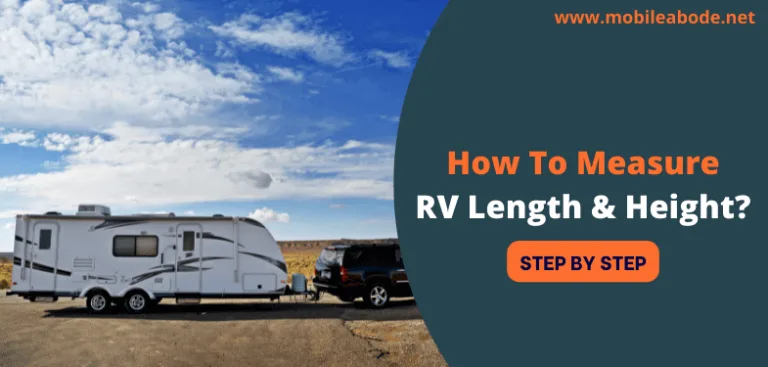
Image source: Bing (Web (fair-use with source credit))
First, park on level concrete. Asphalt can be uneven, and dirt or gravel will throw off your measurement. Level the RV side to side and front to back.
Second, fill your tanks. Fill fresh water to normal capacity. Add your typical cargo load.
If you usually travel with a full gray tank or black tank, simulate that weight. This gives you your real-world loaded height.
Third, locate your highest fixed point. Walk around the RV and look at the roof. The tallest item is almost always the air conditioner shroud.
But check for satellite dishes, solar panels, roof racks, TV antennas, and the refrigerator roof vent.
Fourth, measure. Take your telescoping pole and extend it straight up next to the highest point. Your helper should stand back 20 to 30 feet to confirm the pole tip is exactly aligned with the top of the highest component.
Mark the pole at ground level, then measure the pole length with a tape measure.
Fifth, write it down. Record the number on a sticky note and put it on your dashboard where you can see it while driving. Write it on the inside of your sun visor.
Program it into your GPS if your navigation system supports vehicle height profiles.
Sixth, repeat the measurement under different conditions. Measure with full tanks and empty tanks. Measure after you add any roof-mounted accessories.
Owners who measure seasonal changes avoid the most surprises.
The Most Common (and Expensive) Height Mistakes
The number one mistake is trusting the manufacturer sticker. That sticker is printed at the factory with the base model, no options, no AC, no full tanks. It's not a lie.
But it's not your reality.
The second mistake is forgetting about aftermarket additions. A roof-mounted satellite dish you installed last summer just added six inches. Measure every time you add something to the roof.
The third mistake is seasonal suspension sag. Over time, leaf springs and air bags lose their stiffness. An RV that measured 12'8" new might sit at 13'2" after five years of heavy loads.
Tires also matter. Underinflated tires lower your ride height.
The fourth mistake is ignoring the "bounce factor." When you hit a bump at highway speed, your RV's suspension compresses and then rebounds. On the rebound, your roof can momentarily rise an additional 2 to 4 inches above static height. A bridge that clears you at a standstill might kiss your AC if you hit the dip before it at 65 mph.
The fifth mistake is forgetting about road resurfacing. A bridge that had 13'6" of clearance when it was built might now have 13'2" after multiple layers of asphalt have been added. The sign still says 13'6", but the actual clearance is less.
When in doubt, add a foot of safety margin to whatever the sign says.
Real-World Scenarios: Garage Doors, Overpasses, and Gas Station Awnings
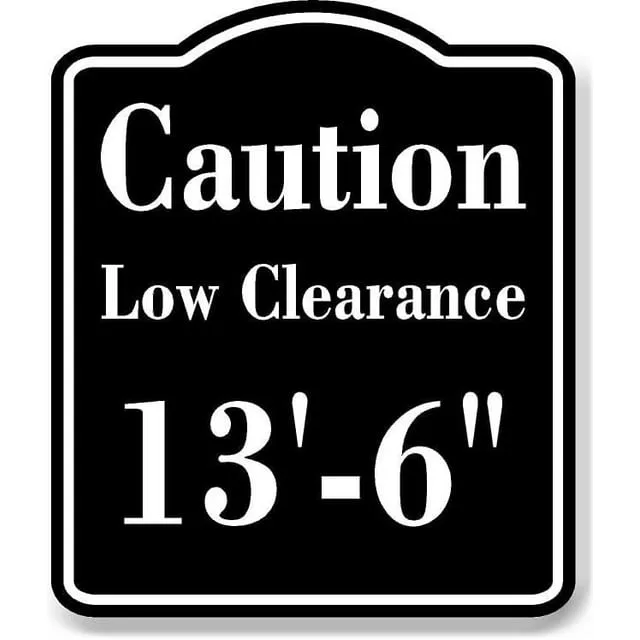
Image source: Bing (Web (fair-use with source credit))
Let's look at three common situations where height matters most.
Gas station awnings cause the most RV roof damage. Most gas station canopies have clearance between 13'6" and 14'0". That's tight for a fully loaded Class A or fifth wheel.
Pull in slowly. Watch the clearance sign at the entrance, not the one at the pump. If you're unsure, park at the outer pumps where the canopy overhang is shorter.
Residential garage doors typically measure 7'0" to 8'0" high. That rules out almost every hard-sided RV except pop-up campers and some Class B vans. If you're storing an RV at home, measure your garage door opening before you buy.
Many owners store their RV in a driveway or rent storage space rather than trying to fit it in a garage.
Interstate overpasses are marked at 13'6" minimum, but that number isn't guaranteed. Rural roads, older highways, and railroad bridges can have clearances as low as 11'0". Always check your route ahead of time.
RV-specific GPS apps let you enter your vehicle height and avoid low bridges automatically.
What to Do When Your RV Is Too Tall for Where You Need to Go
You have a few options, and none of them involve "just squeeze through."
First, change your route. Use an RV-specific GPS or mapping app that lets you enter your vehicle height. These apps route you around low bridges and narrow roads.
Google Maps doesn't account for RV height by default, so don't rely on it alone.
Second, call ahead. If you're heading to a campground, park, or storage facility, ask about entrance clearance. Many older campgrounds have low tree branches or gates that are under 12 feet.
Third, consider low-profile roof components. You can replace a standard roof AC unit (12 to 14 inches tall) with a low-profile unit (8 to 10 inches tall). That two to four inches can make the difference between fitting under a 13'6" bridge and scraping the top.
Fourth, adjust your load. If you're running full water tanks and heavy cargo, you might gain an inch or two by emptying tanks before you travel through a known low-clearance area. This isn't practical for everyday driving, but it can help in a pinch.
Fifth, get an air suspension system. Air bags let you raise or lower your RV by several inches at the push of a button. Lowering the suspension for low clearance and raising it back for normal driving is a common workaround among experienced RVers.
How to Keep Your Height Accurate Over Time
Your RV's height changes over the years. Here's what to monitor.
Tire pressure and size. Properly inflated tires give you the correct ride height. Underinflated tires drop you lower. New tires with a different diameter can also change your height by half an inch or more.
Suspension wear. Leaf springs sag over time. Air bags lose pressure. Have your suspension inspected annually, especially if you carry heavy loads.
New roof accessories. Every time you add something to the roof, measure again. Solar panels, antennas, and storage pods all add height. Don't assume your old measurement still applies.
Seasonal changes. Cold weather lowers tire pressure. Hot weather increases it. Measure your height at the start of each season to account for temperature effects on your suspension and tires.
Weight distribution. How you load your RV matters. Heavy items stored in the rear can lift the front and tilt the roof angle. A tilted roof changes your effective height at the front or back.
Distribute weight evenly side to side and front to back.
Frequently Asked Questions
What is the average height of a Class A motorhome?
Most Class A motorhomes are 12'6" to 13'6" tall when unloaded. With a roof AC unit and full tanks, expect the higher end of that range. Always measure your specific unit.
Can I fit an RV in a standard garage?
Standard residential garage doors are 7' to 8' tall. That fits pop-up campers and some Class B vans. Most travel trailers and motorhomes require outdoor storage or a dedicated RV storage facility.
How do I find my RV's height on the manufacturer sticker?
Check the driver-side wall near the entry door or inside a cabinet near the door. The sticker lists dry height, GVWR, and tire pressure. Remember that dry height doesn't include cargo, full tanks, or roof accessories.
What happens if I hit a low bridge with my RV?
You're liable for damage to the bridge and your RV. Insurance may cover the repair but some policies exclude overhead collisions. You could face fines and legal liability for infrastructure damage.
Do I need a special GPS for RV height clearance?
An RV-specific GPS or app that lets you enter your vehicle height is strongly recommended. Standard GPS apps like Google Maps don't account for height restrictions. Apps designed for trucks or RVs do.
How much does a roof AC unit add to RV height?
Standard roof AC units add 12 to 14 inches above the roofline. Low-profile units add 8 to 10 inches. Check your specific model.
Replacing a standard unit with a low-profile unit can save you 2 to 4 inches.
The Final Checksheet: What to Write Down and Where to Keep It
Write your measured height in three places. First, on a sticky note on your dashboard. Second, inside your sun visor.
Third, in your phone notes with a label that's easy to find while driving.
Include the measurement with full tanks and empty tanks. Write the date you measured it. Update it anytime you add a roof accessory or change your suspension.
Set a reminder to measure it again at the start of each camping season.
Your height number is the single most important spec you'll reference while driving. Treat it like your fuel range. Check it before every long trip.
Trust the measurement, not the brochure.

Similar Posts