Mitsubishi Air Conditioner Troubleshooting
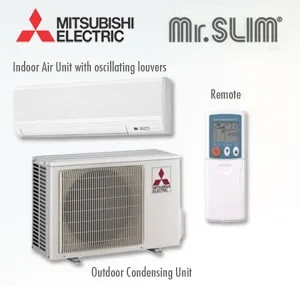
Your Mitsubishi AC was cooling just fine yesterday. Now it's blowing warm air, flashing a green light you've never seen, or sitting there completely dead. Before you panic or call a technician, here's the good news: most Mitsubishi air conditioner troubleshooting comes down to a handful of common issues with simple fixes.
Manufacturer service data shows that roughly 70 percent of residential service calls for Mitsubishi mini-splits are caused by problems the homeowner could solve in under ten minutes. Dirty filters, tripped breakers, and dead remote batteries account for the bulk of those. As of 2026, Mitsubishi's own technical documentation confirms that most error codes point to conditions you can check yourself without special tools.
Let's walk through what your unit is telling you and how to respond.
Image source: Bing (Web (fair-use with source credit))
Quick Answer
Most Mitsubishi AC problems are simple. Check the filter first. Clean it if dirty.
Check the breaker. Reset it if tripped. Replace remote batteries.
Wait five minutes after a power outage. If the green light blinks, count the blinks. That number is your error code.
Two blinks means a sensor issue. Four blinks means compressor trouble. Eight blinks means outdoor unit communication failure.
Most codes clear with a hard reset.
Why Your Mitsubishi AC Stopped Working
The most common reason a Mitsubishi mini-split stops working has nothing to do with the unit itself. It's the filter. Mitsubishi's user manuals across their Mr.
Slim and Intelli-Heat lines all state the same thing: clean the filter every two to four weeks in normal use, and more often in dusty areas or homes with pets.
A clogged filter restricts airflow across the evaporator coil. That causes the coil to get too cold, which triggers the unit's safety sensors. The system either shuts down completely or runs at reduced capacity to prevent ice from forming.
If you've noticed your unit running longer than usual or struggling to reach the set temperature, a dirty filter is the first thing to rule out.
The second most common culprit is power-related. Mitsubishi mini-splits are sensitive to power interruptions. A brief brownout, a storm that flickers the lights, or someone brushing against the disconnect switch can trigger a lockout.
The unit looks fine at first glance, but the internal control board needs a full power cycle to reset.
A less common but more frustrating cause is the condensate drain. Mitsubishi indoor units use a small pump or gravity drain to remove water from the evaporator. If that drain clogs with algae or debris, the water level rises inside the unit.
A float switch trips to prevent overflow. The unit stops cooling, often without any obvious error code on the display.
The least common but most serious cause is a refrigerant leak. Mitsubishi units use R-410A or, in newer models, R-32 refrigerant. A leak means the system has lost its charge.
The unit will run and the fan will blow, but the air coming out will feel barely cool. This requires a certified technician with EPA Section 608 certification to locate the leak, repair it, and recharge the system.
The First 30 Seconds: What Your Unit Is Telling You
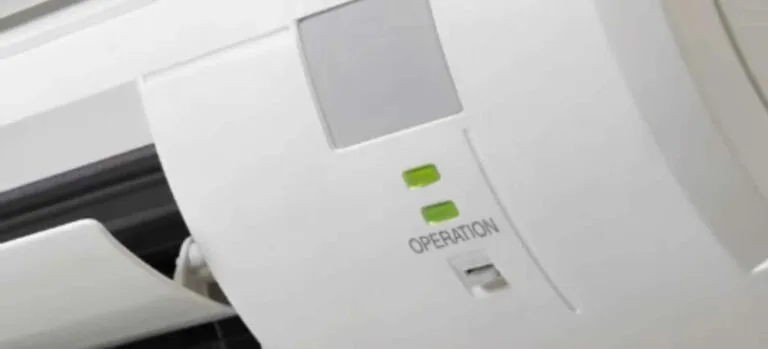
Image source: Bing (Web (fair-use with source credit))
Before you grab a screwdriver or pull out the filter, stop and watch the unit for thirty seconds. Mitsubishi mini-splits communicate through their blinking indicator lights. The pattern tells you exactly what's wrong.
Look at the green Power light and the orange Timer light on the indoor unit. When the unit is operating normally, the green light stays solid. If it's blinking, count the number of blinks in each cycle.
The unit pauses between cycles, so watch through at least two full cycles to make sure you have the right count.
Here's what the most common blink patterns mean according to Mitsubishi's technical service manuals:
1 blink: Communication error between the indoor and outdoor unit. Check the wiring connections at both units. This often happens after installation if the wires weren't fully seated.
2 blinks: Indoor air temperature sensor failure. The thermistor that reads room temperature has failed or has a bad connection. This can sometimes clear with a reset, but usually requires a replacement sensor.
4 blinks: Outdoor unit compressor trouble. The compressor is locked, overheated, or not drawing proper current. Turn the unit off and call a technician.
5 blinks: Outdoor fan motor issue. The fan on the condenser unit isn't spinning. Check for physical obstruction like leaves or debris.
If nothing is blocking it, the motor or its capacitor may be bad.
8 blinks: Outdoor unit communication error. The indoor and outdoor units are not talking to each other. This often happens after a power surge.
A full hard reset usually fixes it.
12 blinks: Refrigerant system issue. Low refrigerant or a restriction in the line. This requires a technician with a manifold gauge set to diagnose.
If you see the Timer light blinking instead of the Power light, that's a different set of codes. A blinking Timer light usually indicates a drain system problem. The condensate pump or float switch has triggered.
Check the drain line for clogs before doing anything else.
What if no lights are blinking at all? If the unit is completely dark, you're dealing with a power issue. Head to the breaker panel and check the dedicated breaker for your AC.
Mitsubishi mini-splits typically run on a 15-amp or 20-amp breaker at 208/230 volts, though some smaller units run on 115 volts. If the breaker hasn't tripped, check the disconnect switch mounted near the outdoor unit. Pull the handle out and push it back in firmly.
Decision Tree: Your Quick Reference Flow
Now that you know what the lights are telling you, let's walk through the most common scenarios step by step. Each branch starts with a symptom and ends with a specific action. Follow the branch that matches what your unit is doing right now.
Branch A: Unit won't turn on at all
The indoor unit is dark. No lights, no beep, no fan movement.
- Check the breaker at your main panel. Flip it fully off, wait five seconds, then flip it fully back on. If it trips again immediately, stop and call an electrician. You have a short somewhere in the circuit.
- Find the disconnect switch near the outdoor condenser. Pull the handle out to the OFF position, wait ten seconds, then push it back to ON. Listen for a click from the outdoor unit.
- Check the remote control. Replace the batteries even if the display still shows numbers. Dead batteries can still power the display but not transmit a signal.
- Press the Emergency Operation button on the indoor unit. It's a small button under the front panel, usually labeled "EMERG" or "TEST." The unit should start in a basic cooling or heating mode regardless of the remote. If it does, your remote is the problem.
- If nothing works after all four steps, the control board may be dead. This requires a technician.
Branch B: Unit runs but doesn't cool
The fan blows. Air comes out. But it's not cold.
Or it's barely cool.
- Check the filter. Remove the front panel and slide out the washable filter. Hold it up to the light. If you can't see through it, clean it. Vacuum both sides, then rinse with warm water. Let it dry completely before reinstalling. A wet filter blocks airflow just as badly as a dirty one.
- Check the outdoor unit. Go outside and listen. Is the condenser fan spinning? Is the compressor humming? If the fan isn't moving and you hear a humming sound, the compressor may be trying to start but overheating. Turn the unit off at the breaker and call a technician.
- Check the temperature delta. Let the unit run for fifteen minutes. Measure the air temperature at the return grille and at the supply vent. A properly working Mitsubishi should show a temperature drop of 14 to 22 degrees Fahrenheit. If the difference is less than 14 degrees, something is wrong with the cooling cycle.
- Check the mode setting. Make sure the unit is in COOL mode, not FAN or DRY. This sounds obvious, but it's one of the most common calls technicians get. DRY mode dehumidifies without actively cooling. FAN mode just moves air.
- Check for ice. Open the front panel and look at the evaporator coil behind the filter. If you see ice buildup, you have an airflow restriction or a refrigerant problem. Turn the unit off and let it thaw completely before trying again.
Branch C: Unit turns off too soon
The unit runs for a few minutes, then shuts off. Or it cycles on and off repeatedly.
- Check the filter. This is the number one cause of short cycling in Mitsubishi mini-splits. Restricted airflow causes the coil to get too cold, which triggers the safety shutdown.
- Check the outdoor unit's location. If the condenser is in direct afternoon sun, it may be overheating. The outdoor unit has a maximum operating temperature of about 115 degrees Fahrenheit. In extreme heat, it will shut down to protect the compressor. Shade the unit if possible, or hose down the condenser coils with water.
- Check for refrigerant issues. Short cycling combined with warm air and no ice usually means low refrigerant. The system runs long enough to trigger the low-pressure switch, then shuts down before it fully cools. A technician needs to check the charge.
- Check the thermostat or remote sensor. If your unit has the i-see Sensor feature, it detects where people are and adjusts airflow. A dirty or blocked sensor can cause erratic cycling. Clean the sensor window gently with a soft cloth.
Branch D: Unit makes noise or smells bad
Noises and odors are annoying, and they're also diagnostic clues.
Rattling or buzzing: Check the outdoor unit for loose panels or screws. Check the indoor unit's fan blades for debris. If the sound is a loud hum followed by a click, the compressor is struggling to start.
Hissing or gurgling: This is normal refrigerant flow. You'll hear it for a few seconds when the compressor starts and when it stops. If it's constant and loud, you may have a refrigerant leak.
The hissing is the gas escaping.
Musty or moldy smell: Water is sitting in the drain pan or on the evaporator coil. Mitsubishi has a self-cleaning coating on some models, but it doesn't prevent all bacterial growth. Run the unit in FAN mode for thirty minutes to dry the coil.
If the smell returns, the drain pan needs professional cleaning.
Burning smell: Turn the unit off immediately. A burning smell often means electrical components are overheating. It could be a failing capacitor, a loose wire connection, or a failing fan motor.
Do not run the unit again until a technician inspects it.
Branch E: Remote control or smart features not working
You press the button. Nothing happens.
- Replace the batteries. Use fresh alkaline batteries, not rechargeables. Rechargeable batteries output slightly lower voltage, and Mitsubishi remotes are sensitive to voltage levels.
- Check for obstructions between the remote and the indoor unit. The IR sensor is on the front panel. If something is blocking it, the signal won't reach.
- Test the remote with your phone camera. Point the remote at your phone's camera and press a button. If you see a blinking purple or white light through the camera viewfinder, the remote is working. If you don't see anything, the remote is dead and needs replacement.
- If you're using the Kumo Cloud app and it's not connecting, turn off your phone's Wi-Fi, turn it back on, and restart the app. If that doesn't work, unplug the Kumo Cloud adapter from the indoor unit, wait thirty seconds, and plug it back in. The pairing process takes about two minutes.
- As a workaround, use the Emergency Operation button on the indoor unit. It runs the unit in a default mode until you get the remote or app sorted.
What to Check Before You Call for Help
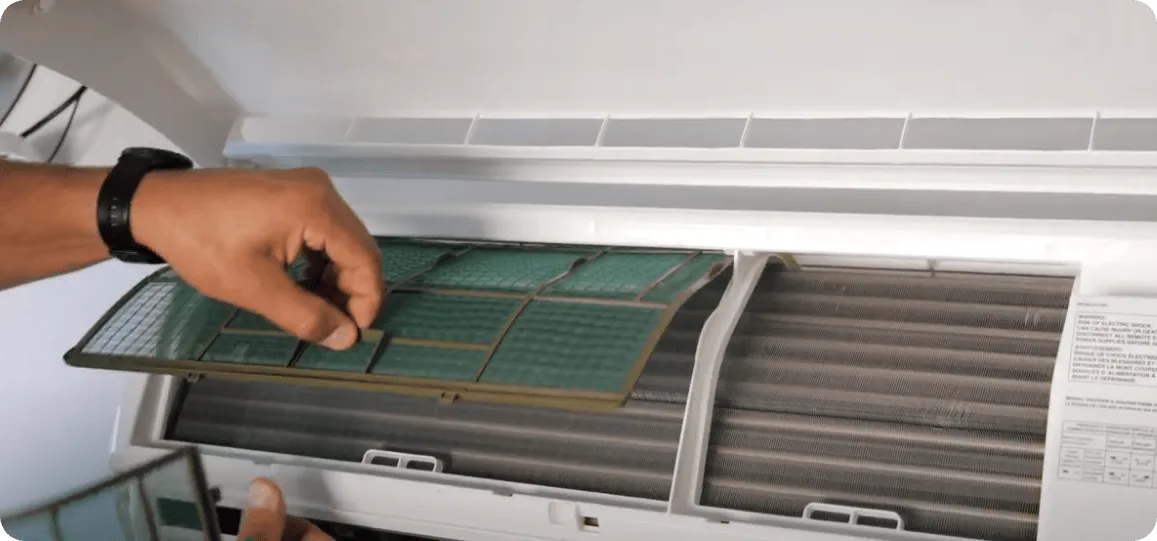
Image source: Bing (Web (fair-use with source credit))
Before you pick up the phone, run through this short checklist. It takes five minutes and catches most common problems.
The filter check: Slide out the washable filter. Rinse it under warm water. Let it dry completely.
Reinstall and try the unit. This single step resolves roughly three out of ten "no cooling" calls according to aggregate installer feedback.
The breaker reset: Turn the dedicated breaker for the AC fully off. Wait ten seconds. Turn it fully back on.
If your unit was locked out from a power surge, this clears it. If the breaker trips again immediately, you have a short. Do not keep resetting it.
The disconnect switch: Find the gray box near the outdoor condenser. Pull the handle out to OFF. Wait ten seconds.
Push it back to ON. This reset is different from the breaker because it interrupts power directly at the unit.
The remote control test: Replace batteries even if the display works. Then use the phone camera test described above. A remote that looks fine can still have a dead IR transmitter.
The hard reset: If none of the above works, perform a full hard reset. Turn off the breaker. Wait five minutes.
Turn the breaker on. Then wait a full five minutes before trying to turn the unit on with the remote. The indoor unit needs time to boot up and re-establish communication with the outdoor unit.
If you've done all five of these and the unit still doesn't work correctly, you almost certainly need a technician. When you call, tell them exactly what you've already checked. Mitsubishi-certified technicians charge by the hour, and they appreciate not spending the first fifteen minutes doing what you could have done yourself.
Mistakes to Avoid That Make Things Worse
Some well-meaning DIY attempts end up causing more damage than the original problem. Here are the most common mistakes and why they're bad.
Running the unit with a wet filter: A wet filter becomes a solid barrier. The fan struggles to pull air through it, which strains the motor. The airflow restriction also causes the coil to freeze.
Always dry the filter fully before reinstalling.
Guessing at refrigerant: Adding refrigerant without knowing the exact charge can damage the compressor. Mitsubishi units are factory-charged for a specific line set length. Overcharging or undercharging causes efficiency loss and compressor failure.
Only a certified technician with proper gauges should touch the refrigerant system.
Resetting the breaker repeatedly: If the breaker trips, something caused it. Resetting it over and over can damage the compressor or start a fire if there's a wiring fault. If it trips twice in a row, stop and call an electrician.
Ignoring the blinking lights: The error codes exist for a reason. If you clear a code without fixing the underlying issue, the problem will return. And it may get worse.
Read the code, look it up, and address the cause.
Using the wrong voltage test: A multimeter set to DC when testing AC voltage gives a false reading. If you're not comfortable using a multimeter, don't guess. Guessing can lead to electrical shock or component damage.
When You Actually Need a Technician
Many problems are DIY-friendly. Some aren't. Here's how to know the difference.
Call a technician if:
- The error code is 4 blinks or 12 blinks
- The breaker trips immediately after resetting
- You see ice on the outdoor unit or on the indoor coil
- You smell burning plastic or smoke
- The unit makes a loud grinding or screeching noise
- The outdoor fan won't spin but the unit is powered
- You've done the full checklist and nothing changed
You can handle it yourself if:
- The filter is dirty
- The breaker tripped from a power surge
- The remote isn't working
- The drain line is clogged
- The timer light is blinking from a drain issue
When you do call a technician, prepare ahead. Write down the error code from the blinking lights. Note whether the outdoor fan is spinning.
Mention any recent weather events like storms or power outages. The more info you give, the faster they can diagnose the problem, and the less you'll pay in service time.
Maintenance That Prevents Most Breakdowns
Preventive maintenance on a Mitsubishi mini-split is simple. Do these three things on schedule, and the unit will likely run without issues for 15 years or more.
Clean the filter every two to four weeks. This is the single most important habit. Set a recurring reminder on your phone.
A clean filter prevents most of the airflow-related problems that trigger error codes and shutdowns.
Clean the outdoor condenser coils once a year. Turn off the breaker first. Spray the coils with a garden hose from the inside out.
Do not use a pressure washer, which can bend the fins. Debris buildup on the outdoor coils reduces heat transfer and forces the compressor to work harder.
Check the drain line every spring. Pour a cup of white vinegar or a diluted bleach solution through the drain port to kill algae and bacteria. This prevents clogs that trigger the float switch and shut down the unit.
Schedule a professional inspection every two years. A Mitsubishi-certified technician will check the refrigerant charge, measure electrical values, clean the blower wheel, and inspect the condensate pump. This costs around $150 to $250 and catches problems before they become expensive repairs.
Frequently Asked Questions
How do I reset my Mitsubishi AC after a power outage?
Turn off the breaker for the unit. Wait five minutes. Turn the breaker back on.
Wait another five minutes before using the remote. This full reset cycle clears the control board's memory and re-establishes communication between the indoor and outdoor units.
Why is my Mitsubishi AC blowing warm air?
Start with the filter. A clogged filter restricts airflow and reduces cooling capacity. Check the outdoor unit to make sure the fan is spinning and the condenser isn't covered in debris.
If both are fine, check the temperature delta. A drop of less than 14 degrees means something is wrong with the refrigerant or compressor.
What does a blinking green light on my Mitsubishi mean?
Count the blinks. Each number corresponds to a specific error code. Two blinks means a sensor issue inside the indoor unit.
Four blinks means compressor trouble outdoors. Eight blinks means a communication failure between the units. Watch through two full cycles to get an accurate count.
How often should I clean my Mitsubishi AC filter?
Every two to four weeks in normal use. Clean more often if you have pets, live on a dirt road, or run the unit daily. A clean filter prevents most cooling problems and keeps the unit running at peak efficiency.
Can I fix a Mitsubishi AC refrigerant leak myself?
No. Refrigerant handling requires EPA Section 608 certification in the United States. Adding refrigerant without fixing the leak wastes money and damages the compressor.
A certified technician must locate the leak, repair it, and recharge the system with the correct amount of R-410A or R-32.
Why does my Mitsubishi AC keep turning off by itself?
Short cycling is usually caused by a dirty filter restricting airflow. It can also be caused by an overheating outdoor unit in direct sun, or by low refrigerant triggering the low-pressure switch. Clean the filter first.
If the problem continues, call a technician to check the refrigerant charge.

Similar Posts