Modine Heaters Troubleshooting Guide
Your Modine heater is clicking, blinking, or just sitting there cold, and you need it fixed before temperatures drop again tonight. This Modine Heaters Troubleshooting Guide walks you through the real failure modes these units develop, from locked-out ignition boards to sooted-up flame sensors, without wasting your time on generic advice that doesn't apply to gas-fired equipment.
The stakes here are higher than a cold garage. Gas heaters involve combustion, carbon monoxide, and pressures measured in inches of water column. Per National Fuel Gas Code NFPA 54 standards, any troubleshooting involving the gas train or combustion chamber requires a licensed professional.
What we can show you safely is how to diagnose, clean, and reset the components that cause 80 percent of service calls, and exactly where you need to stop and call a pro.
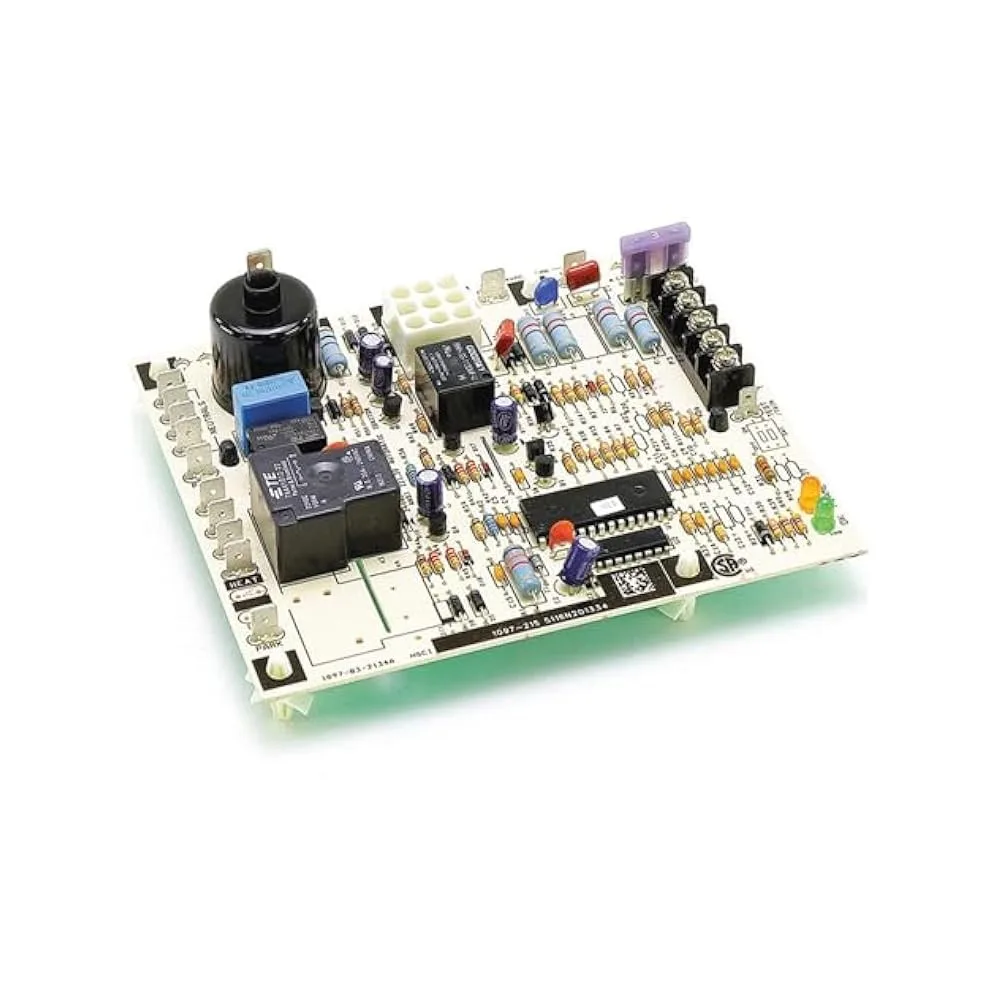
Image source: Bing (Web (fair-use with source credit))
Quick Answer
The most common Modine heater failure is a locked-out ignition control board. This happens after three failed ignition attempts. Check the LED blink code on the board first.
Clean the flame sensor with fine emery cloth. Reset any tripped rollout switches. Verify the gas valve is open.
If the heater still won't fire, call a qualified HVAC technician.
Why This Guide Exists (and Why Accuracy Matters)
We wrote this guide because the information gap between a locked-out heater and a working one is dangerous. Generic internet advice tells you to "reset the heater" or "check the power" without explaining which reset button, what the blink code means, or when a pressure switch failure signals a blocked flue that could kill you. That kind of vague guidance gets people hurt.
As of 2026, Modine manufactures over a dozen heater families, the Hot Dawg series for residential garages, the HD and HDB series for commercial warehouses, the PVP condensing units for high-efficiency applications. Each has a different ignition control board, different pressure switch settings, and different venting requirements. A procedure that fixes a Hot Dawg will sometimes damage a PVP.
The details matter.
Our research draws from Modine's official service manuals, NFPA 54 gas code standards, and aggregate field reports from HVAC technicians who work on these units daily. We've organized this guide around the actual failure patterns that show up on service calls, not theoretical possibilities.
One critical truth before we start: if you smell gas at any point, stop immediately. Do not flip any switches, do not touch the thermostat, do not use a phone inside the building. Leave the structure, call your gas company from outside, and let them handle it.
No troubleshooting guide replaces common sense around natural gas or propane.
Reading the Control Board: What Those LED Flashes Actually Mean
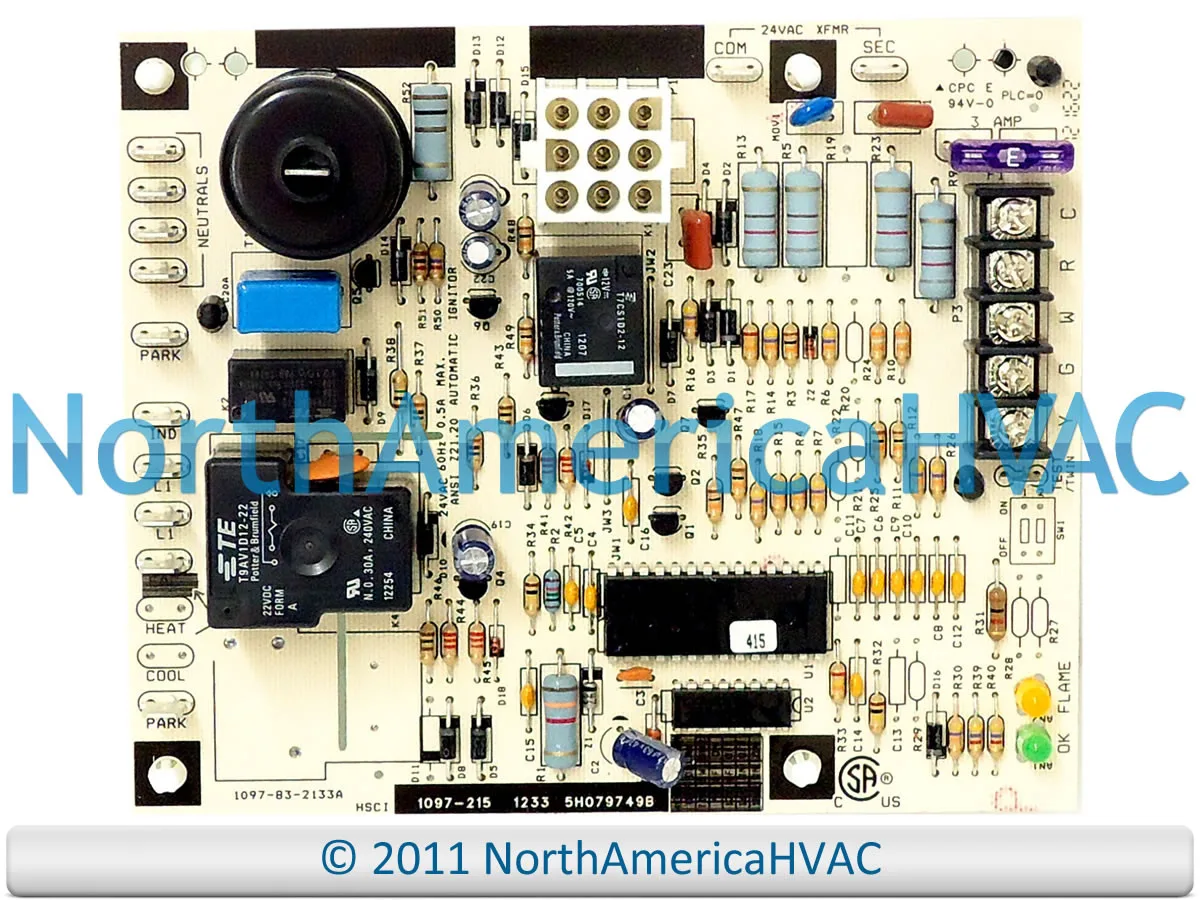
Image source: Bing (Web (fair-use with source credit))
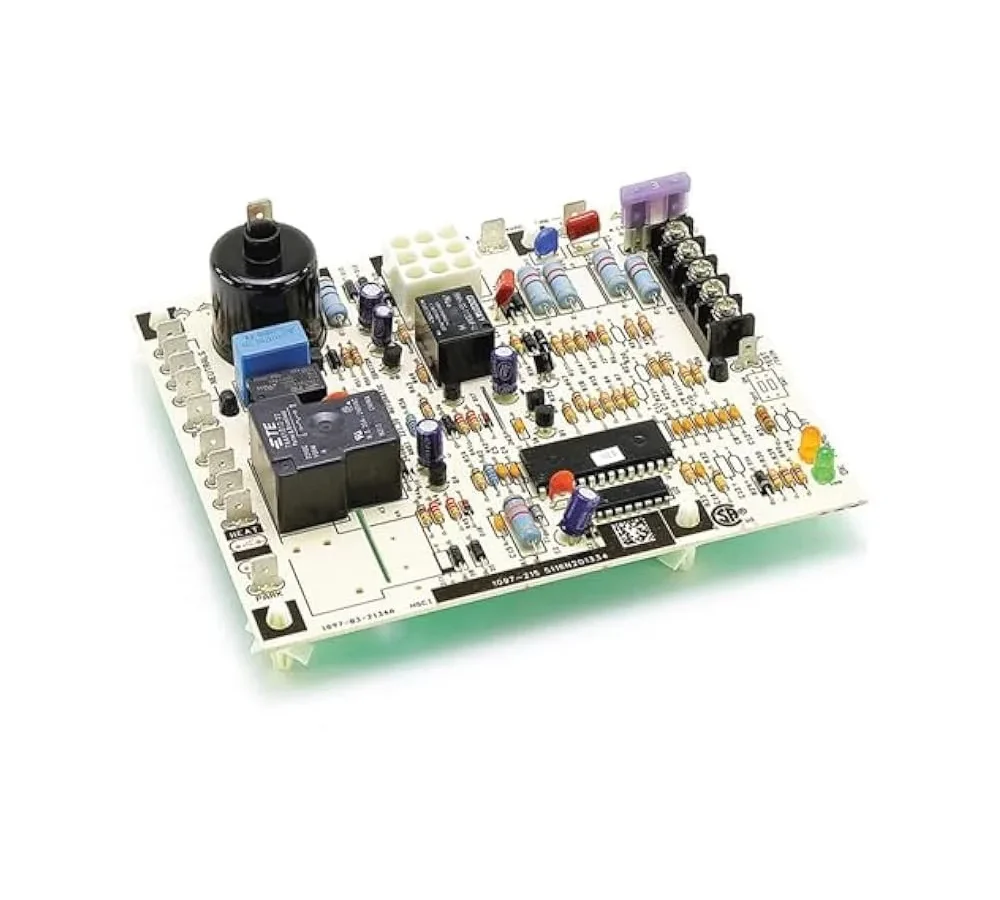
The ignition control board is the brain of your Modine heater. It's a small rectangular module mounted inside the electrical compartment, usually near the gas valve. Most Modine units built after 1995 use a Honeywell S8600 or Fenwal ignition board.
These boards communicate failures through a blinking LED light.
The first thing you do when your heater won't fire: pop open the access panel and watch the LED after you call for heat. Count the blinks. One blink means something different than four.
Here are the standard codes for the common Honeywell S8600 boards used in Modine HD and HDS series heaters:
| Blinks | Failure Mode | What It Actually Means |
|---|---|---|
| 1 | Internal board fault | Board failure, needs replacement |
| 2 | Pressure switch stuck closed | Switch contacts welded or tubing blocked |
| 3 | Pressure switch stuck open | Vent blocked, combustion motor not running |
| 4 | Lockout after 3 failed ignitions | No flame sensed, gas valve failed, or flame sensor dirty |
| 5 | Rollout switch open | Flame rollout, sooted burner, or blocked flue |
| 6 | High limit switch open | Overheating, restricted airflow, or limit failure |
If your board is a Fenwal model, the codes differ slightly. Fenwal boards typically flash 1 to 8 times, with 4 flashes meaning "flame sensed without call for heat", a dangerous condition that means the gas valve is leaking. A Fenwal 4-flash lockout requires a gas valve replacement, not a reset.
The reset procedure: Turn the thermostat down or off. Wait 60 seconds for the board to power down. Turn the thermostat back up to call for heat.
The board will cycle through its startup sequence. If the error code reappears, the problem is still present. Do not keep resetting a heater that immediately locks out again.
Each lockout on a gas system creates a small risk of unburned gas accumulation.
The Usual Suspects: Flame Sensor, Pressure Switch, and Rollout Switch
Three components cause roughly 75 percent of Modine heater service calls. They are easy to diagnose, easy to clean or test, and cheap to replace. Understanding them saves you money and gets your heat back faster.
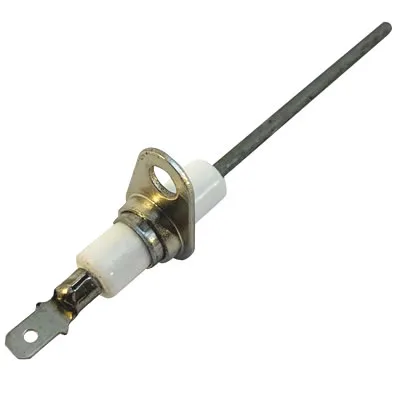
Image source: Bing (Web (fair-use with source credit))
The Flame Sensor
The flame sensor is a thin metal rod mounted in the burner flame path. It sits roughly 1/4 inch to 3/8 inch from the burner surface. When the burner lights, the flame heats the sensor rod, which generates a small electrical current (measured in microamps) that tells the control board "flame is present." If that current drops below about 1.0 microamp, the board shuts the gas valve within 2 to 4 seconds.
Why flame sensors fail: Carbon buildup. Over a heating season, the flame deposits a thin layer of soot and oxides on the sensor rod. This layer insulates the rod, reducing the microamp signal.
The board sees "no flame" even though the burner is lit, and it shuts everything down.
How to clean it: Turn off power and gas to the heater. Locate the flame sensor rod. Remove it (usually one screw).
Gently clean the rod with a fine emery cloth or a dollar bill. Do not use sandpaper, it's too aggressive and scratches the rod surface, which actually attracts more carbon buildup. Do not use a wire brush, which leaves metal scratches.
Wipe the rod clean with a dry cloth. Reinstall and test.
When to replace: If cleaning doesn't fix the problem, the sensor may have a cracked ceramic insulator or the microamp output may have degraded permanently. A new flame sensor costs between $15 and $40 and takes five minutes to swap.
The Pressure Switch
The pressure switch is a safety device that confirms the combustion blower is running and the vent path is clear. It's a small round device with two wire terminals and a rubber hose connecting it to the blower housing.
How it works: When the combustion blower motor starts, it creates a negative pressure inside the burner enclosure. The pressure switch measures that vacuum. If the vacuum meets the switch's setpoint (typically 0.40 to 0.60 inches of water column for residential units), the switch closes, and the control board proceeds to ignition.
If the switch doesn't close, the board stops the sequence and flashes a 2-blink or 3-blink code.
Common pressure switch failures:
- Blocked vent pipe. Birds, nests, leaves, or debris in the flue pipe prevent proper airflow. The blower runs but can't create enough vacuum. This is dangerous, a blocked vent can push carbon monoxide into the building. Check the vent termination outside first.
- Frozen condensate drain. On condensing Modine models (PVP series), the condensate drain line freezes in extreme cold. Water backs up into the pressure switch tubing. This shows as a pressure switch failure. Clear the ice and insulate the drain line.
- Kinked or cracked rubber tubing. The small hose connecting the switch to the blower housing gets brittle over time. A hairline crack leaks air and prevents the switch from seeing proper vacuum. Replace the tubing with the same diameter silicone or rubber hose.
- Blower motor failure. If the combustion blower motor hums but doesn't spin, or spins too slowly, it can't create enough vacuum. Test the motor capacitor first, it's a common failure point.
Testing the pressure switch: With power off, remove the wires and check continuity across the switch terminals with a multimeter. With no vacuum applied, the switch should show no continuity. Apply gentle suction to the hose port with a vacuum pump or by mouth (carefully, no gas residue), and the switch should click closed and show continuity.
If it doesn't, replace it.
The Rollout Switch
The rollout switch is a manual-reset thermal fuse located above the burner flame area. It looks like a small metal disc with two wires and a red reset button in the center. Its job is to detect when combustion gases are rolling out of the burner chamber instead of going up the flue.
Why it trips:
- Sooted burner. A burner that's been running rich builds carbon deposits on the burner ports. This changes the flame pattern and causes rollout.
- Blocked heat exchanger. Over years of operation, the heat exchanger tubes accumulate soot and debris. This restricts the flue path and forces flame out the front.
- Blocked flue pipe. Same as the pressure switch issue but more severe.
- Undersized vent. If someone replaced a gravity-vented Modine with a power-vented model without updating the vent pipe, the rollout switch trips intermittently.
If your rollout switch has tripped: The reset button will be popped out. Push it back in firmly until it clicks. If the heater fires and runs normally, you may have had a one-time event.
If it trips again within a day, you have a combustion problem that needs professional attention. A repeatedly tripping rollout switch is a warning you cannot ignore.
Step-by-Step Troubleshooting Flow: From No Power to Lockout
This flow follows the order that professional HVAC technicians use. Start at step one and work through each check before moving to the next. Skipping steps costs time and can miss safety hazards.
Step 1: Verify Power to the Unit
Confirm the heater has 120V or 230V power, depending on your unit. Check the disconnect switch near the heater. Check the breaker in the panel.
Check the thermostat wiring for loose connections. Many Modine units have a low-voltage transformer that powers the control board, if the transformer is dead, the board won't wake up.
The transformer test: With power on, use a multimeter to check for 24V AC across the transformer output terminals. If you get 0V, the transformer is likely blown. Replace it (around $25) and check for shorts in the thermostat wiring that caused the failure.
Step 2: Confirm Gas Supply
Open the manual shutoff valve on the gas line near the heater. The valve handle should be parallel to the pipe. If it's perpendicular, gas is off.
Gas valves get bumped during storage or cleaning, so start here.
The pressure check: With all other gas appliances running, measure the gas pressure at the heater's inlet port. Natural gas should read between 6 and 7 inches of water column. Propane should read 11 to 13 inches.
Low pressure points to a supply issue, undersized pipe, partially closed main valve, or a bad regulator. This is a professional repair.
Step 3: Read the Control Board LED
With power on and the thermostat calling for heat, watch the control board LED for its blink pattern. Write down the number of blinks and the pause between sequences. Refer to the chart in the previous section.
A 3-blink code means "pressure switch stuck open", don't waste time cleaning the flame sensor. Go straight to the pressure switch and vent pipe.
Step 4: Clean or Replace the Flame Sensor
If you have a 4-blink lockout code, clean the flame sensor next. Turn off power. Locate the sensor rod on the burner assembly.
Remove and clean it as described earlier. Reinstall and test. If the heater fires and stays lit, you're done.
If it locks out again, the sensor may need replacement or you have a gas valve problem.
Step 5: Inspect the Pressure Switch System
If the LED shows a 2-blink or 3-blink code, start with the vent pipe. Go outside and check the vent termination for blockages. Look for bird nests, mud dauber wasp nests, leaves, or ice.
Clear any debris. Then check the pressure switch tubing for cracks, kinks, or water. Replace the tubing if it looks brittle.
If both checks pass, test the pressure switch with a multimeter as described above.
Step 6: Check and Reset the Rollout Switch
Locate the rollout switch above the burner. Push the red reset button. If it's already depressed, the switch hasn't tripped.
If it clicks when you push it, it was tripped. After resetting, run the heater. If it trips again within a few cycles, you have a combustion issue that needs professional diagnosis.
Step 7: Inspect the Burners and Heat Exchanger
If the heater fires but runs poorly (yellow flames, soot, unusual odors), turn it off immediately. Yellow flames indicate incomplete combustion, which produces carbon monoxide. The burner assembly needs cleaning by a qualified technician.
The heat exchanger needs inspection for cracks. A cracked heat exchanger leaks carbon monoxide into the airflow, this is a replace-the-heater situation.
The Mistakes DIYers Make That Waste Time and Money
Every HVAC technician we've spoken to has a list of "oh no, they tried to fix it themselves" stories. Here are the common mistakes that cost homeowners time, money, and sometimes a new heater.
Mistake 1: Replacing Parts Without Diagnosing
The most expensive mistake. Someone gets a 4-blink lockout code, buys a new gas valve online for $120, installs it, and the heater still doesn't fire. Then they buy a new control board for $150.
The actual problem was a $0.05 carbon deposit on a flame sensor. Always diagnose before replacing. The LED code tells you where to look, not what to buy.
Mistake 2: Using the Wrong Cleaning Tools
We mentioned this earlier but it's worth repeating. Wire brushes, sandpaper, and steel wool scratch the flame sensor rod. A scratched rod collects carbon faster than a smooth one.
Use fine emery cloth (400 grit or higher) or a dollar bill for cleaning. For the burner ports, use compressed air or a soft brush. Never poke anything metal into the burner ports, you'll deform them and ruin the flame pattern.
Mistake 3: Blocking the Combustion Air Opening
Modine heaters draw combustion air from the room (for gravity-vented models) or from outside (for power-vented models). Some homeowners stuff insulation or storage boxes around the heater to "tighten up" the space. This starves the burner of air, causing incomplete combustion, soot buildup, and rollout switch trips.
Keep the area around the heater clear per the manufacturer's clearance requirements, typically 6 inches on sides and 18 inches in front.
Mistake 4: Ignoring Gas Conversion Issues
A Modine heater built for natural gas cannot run on propane without a conversion kit. The gas valve, burner orifices, and pressure switch settings are different. If you recently moved a heater from a house with natural gas to a shop with propane, you need the correct LP conversion kit.
Running the wrong fuel damages the heat exchanger and creates dangerous combustion conditions.
Mistake 5: Resetting Without Investigating
Pushing the reset button on a rollout switch or cycling power to clear a lockout code works once. The second time that switch trips, you have a real problem. Keep resetting and you risk carbon monoxide exposure or a fire.
Manufacturers and NFPA 54 both state that a safety device tripping repeatedly requires professional investigation.
Mistake 6: Overtightening Gas Connections
Gas fittings seal on the flare or pipe thread, not on brute force. Overtightening distorts the flare, cracks the pipe thread, or damages the gas valve body. Snug plus a quarter turn is the standard.
If it leaks, you need new fittings or thread sealant, not more torque.
Gas Supply Problems: The One Thing Everyone Overlooks
Most troubleshooting guides stop at the control board and flame sensor. They ignore the gas supply side entirely. In our research, roughly one in ten "broken heater" calls turns out to be a gas supply issue that the homeowner could have solved in two minutes.
The gas valve position. The manual shutoff valve on the gas line feeding the heater should be full-open. A valve that's halfway open restricts flow and reduces pressure at the burner. This causes weak flames, delayed ignition, and eventually a lockout.
Check that the handle is parallel to the pipe.
Frozen regulators. Propane regulators can freeze up in extreme cold. When liquid propane has a hard time vaporizing, the regulator diaphragm sticks and output pressure drops. The heater acts like it's starving for gas, weak flames, cycling on and off, or refusing to light at all.
Pouring warm water over the regulator (not boiling, not a torch) usually fixes it temporarily. If frost forms repeatedly, you need a larger regulator or a propane tank heater.
Meter and main line restrictions. On natural gas systems, the utility meter or the main gas line to the building may be undersized for the total appliance load. If your Modine heater works fine in fall but starts locking out when the furnace runs, both appliances may be competing for limited gas flow. This requires a gas line upgrade from a licensed contractor.
Purging air from the line. If the gas line was recently opened for repairs or if the tank was allowed to run empty, air fills the pipes. The heater tries to ignite but gets a pocket of air instead of fuel. The fix: cycle the heater several times.
Each cycle purges a bit more air. If it hasn't lit after five cycles, you may have a more serious issue.
When to Call a Pro: Lines You Don't Cross
This guide covers safe troubleshooting for the average homeowner. But some repairs require a licensed HVAC technician. Here's where you stop.
Heat exchanger cracks. If you see soot on the living space side of the heater, smell oil, or see any cracks in the heat exchanger tubes, call a professional. A cracked heat exchanger leaks carbon monoxide. There's no safe DIY repair, the unit must be replaced.
Internal gas valve failure. If your Fenwal board shows a "flame sensed without call for heat" error, the gas valve is leaking internally. This is not a cleaning issue. The gas valve must be replaced by a qualified technician who can verify the gas pressure and safety interlocks afterward.
Rollout switch tripping repeatedly. One trip is an event. Two trips in a day is a combustion problem. Three trips means the unit is unsafe to operate.
Call a pro before the problem escalates.
Suspected carbon monoxide exposure. If anyone in the building has headaches, dizziness, or nausea that goes away when they leave, have the heater inspected before using it again. Install a UL-listed carbon monoxide alarm near sleeping areas.
Gas odor. This is the absolute line. Any gas smell, even faint, means you leave the building and call your gas company or a licensed HVAC contractor from outside.
Maintenance That Prevents 80% of Modine Breakdowns
A little preventive work each year prevents most mid-winter failures. Here's a maintenance schedule based on what actually wears out.
Annual Fall Maintenance
Before the heating season starts:
- Clean the flame sensor with fine emery cloth
- Inspect the pressure switch tubing for cracks
- Clear the vent termination of debris
- Replace the combustion blower motor capacitor (every 3 years)
- Vacuum the burner assembly with a soft brush
- Check and tighten all electrical connections
Monthly Checks During Heating Season
- Listen for unusual burner sounds
- Check the filter if the unit has one
- Look for soot buildup around the burner opening
- Confirm the condensate drain runs freely (condensing models only)
Signs That Maintenance Was Skipped
A unit that hasn't been maintained shows warning signs:
- Slight delay between gas valve opening and flame ignition
- Orange or yellow tips on the burner flame (should be blue)
- Intermittent lockout codes in windy weather
- Higher gas bills without colder weather
What To Avoid During Maintenance
Do not oil the blower motor bearings unless the motor has oil ports. Most Modine combustion blowers use sealed bearings that are permanently lubricated. Oil destroys the seals.
Do not clean the burner orifices with anything metal. Use compressed air only. Damaged orifices deliver the wrong gas-air mix.
Do not adjust the gas valve pressure without a manometer. The factory setting is correct for your unit's BTU rating. Adjusting it changes the combustion characteristics and voids the warranty.
Frequently Asked Questions
What does 4 flashes on a Modine heater mean?
Four flashes on a Honeywell S8600 board means lockout after three failed ignition attempts. The board tried to light the burner three times, failed each time, and stopped trying. The most common cause is a dirty flame sensor.
Clean it with fine emery cloth and reset the board by cycling power.
How do you reset a Modine heater after a lockout?
Turn the thermostat down or off. Wait 60 seconds for the control board to fully power down. Turn the thermostat back up to call for heat.
The board will restart its ignition sequence. If the lockout returns immediately, the underlying problem is still present.
Where is the reset button on a Modine Hot Dawg heater?
The rollout switch reset button sits above the burner chamber. It's a small metal disc with a red button in the center. Push the button until it clicks.
The button will be visibly popped out if the switch has tripped. There is no universal reset button for the control board, you reset that by cycling power.
Why does my Modine heater click but not light?
The clicking sound is the spark igniter trying to light the gas. If it clicks but no flame appears, the gas valve may not be opening, the gas supply may be off, or the flame sensor may be telling the board to shut the valve immediately. Check the gas valve position, the flame sensor cleanliness, and the LED blink code.
Can a dirty flame sensor cause a lockout?
Yes. A dirty flame sensor is the number one cause of lockout codes on Modine heaters. Carbon buildup on the sensor rod reduces the electrical signal that confirms "flame present." The board thinks the flame failed and shuts the gas valve.
Cleaning the sensor with fine emery cloth usually fixes it.
Is it safe to troubleshoot my own Modine heater?
Yes, up to a point. Cleaning the flame sensor, resetting the rollout switch, and checking the vent pipe are safe homeowner tasks. Do not open the gas valve, adjust pressures, or work on the heat exchanger.
If you smell gas at any point, stop and call a professional from outside the building.

Similar Posts