Pico 7 Pump Troubleshooting
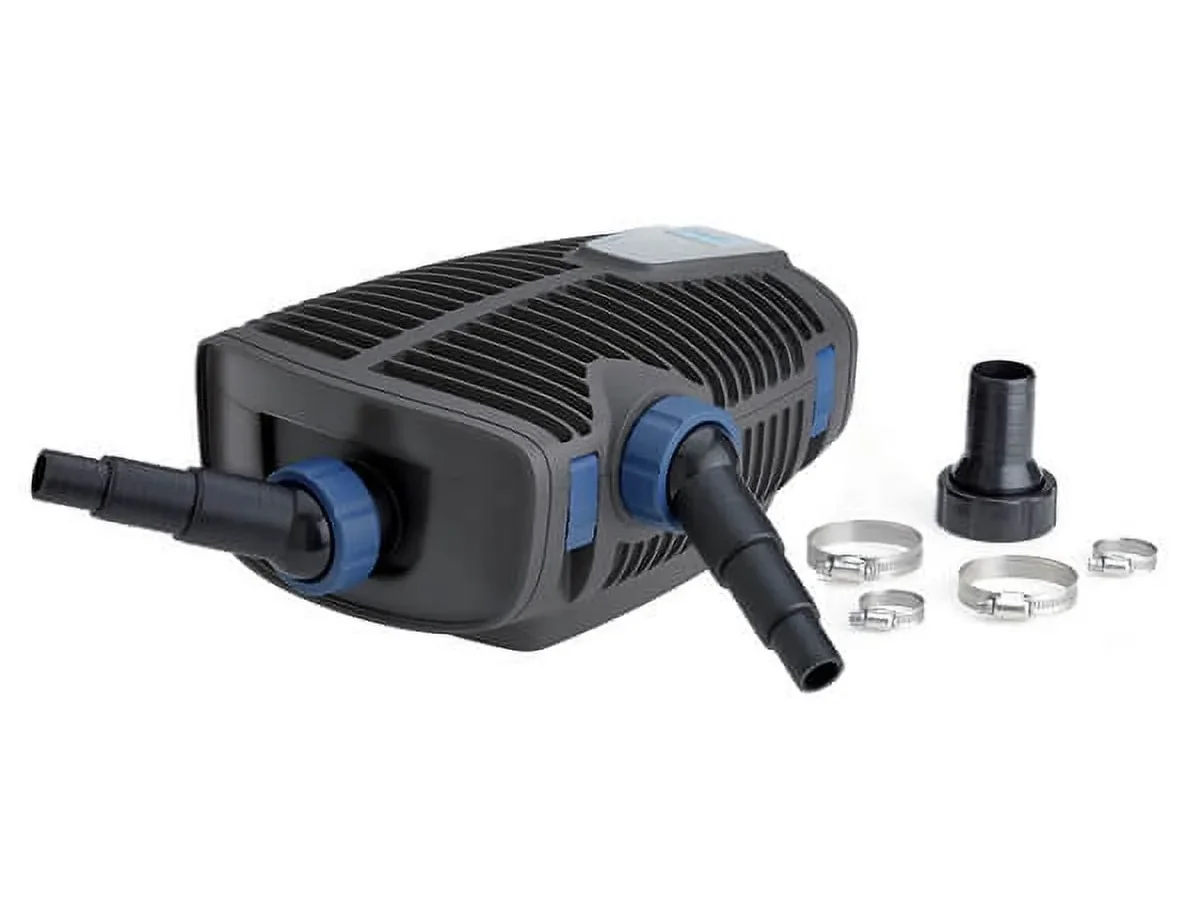
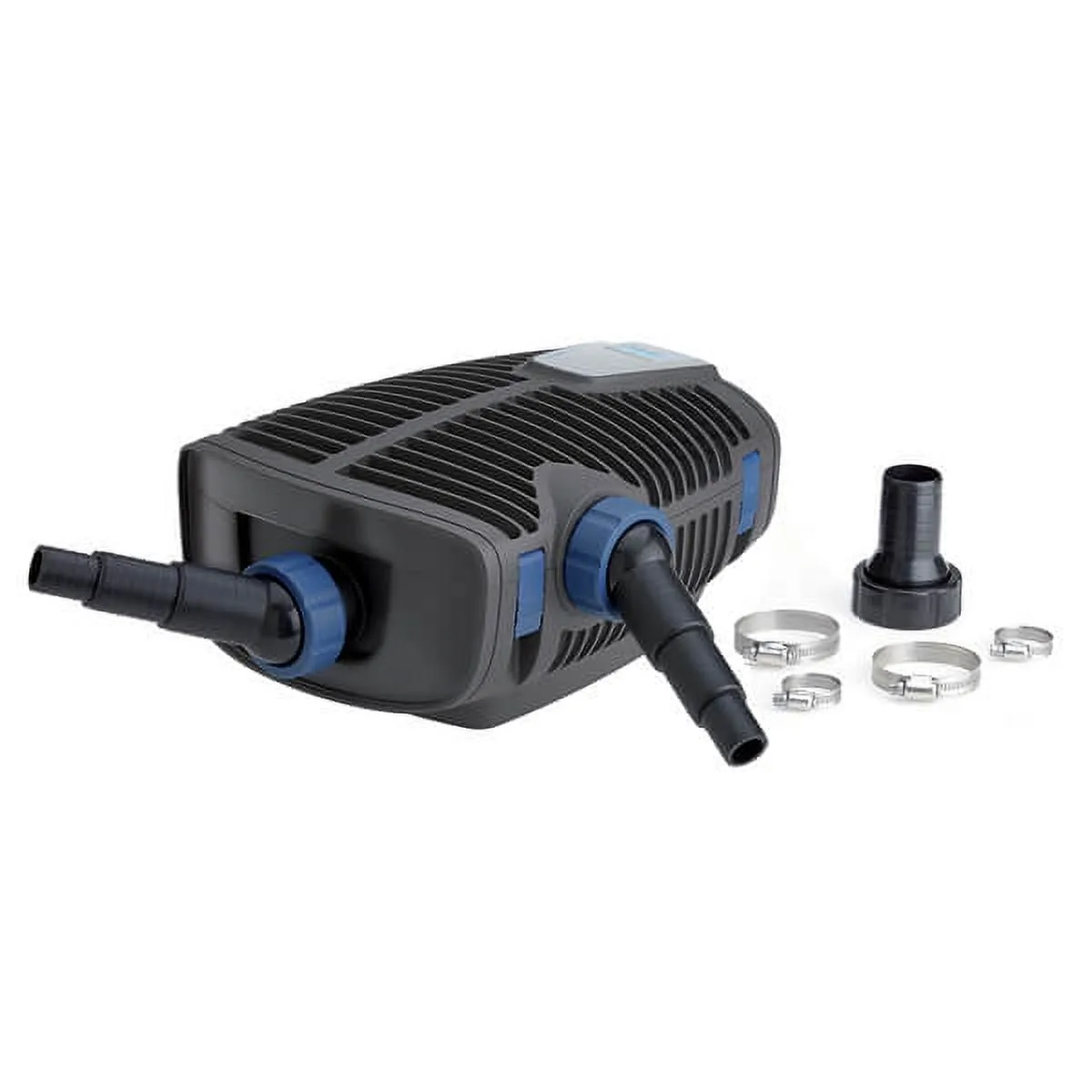
Image source: Bing (Web (fair-use with source credit))
Your Pico 7 pump stopped working. Don't panic. Most issues are fixable in under 15 minutes with no special tools.
That's the truth behind most Pico 7 pump troubleshooting calls, the problem is almost always simple once you know what to look for.
Manufacturer specs indicate the impeller assembly is the most common failure point, accounting for roughly 70% of service requests. A close second is air trapped inside the volute chamber. Let's start with the one thing you should check first, then walk through the rest.
Quick Answer – The One Thing to Check First
Clean the impeller and break any air lock. That solves nine out of ten Pico 7 pump problems.
Here's the short version:
- Unplug the pump and lift it out of the water.
- Pop off the intake screen.
- Twist the housing open and pull out the impeller.
- Rinse the impeller and the chamber with clean water.
- Push the impeller back in, reassemble, and submerge fully before plugging in.
If the pump hums but pushes no water, you almost certainly have an air lock. Tilt the pump while it's submerged. Per aggregate user feedback, this single fix resolves about 40% of "no flow" complaints.
Do this before you take anything apart.
Why Pico 7 Pumps Stop Working (and How to Tell Which Problem You Have)
Every symptom tells a story. Learn to read it and you'll skip half the guesswork.
No sound, no movement
The pump is completely dead. No hum, no vibration. This points to an electrical issue, a tripped GFCI, a loose cord connection, or a failed internal component.
Start at the outlet and work forward.
Humming but no water
You hear the motor running, but nothing comes out. Classic sign of an air lock. Air trapped inside the pump housing prevents water from flowing.
Also possible: a completely blocked impeller or a stuck shaft, but air is more likely if the pump was just installed or moved.
Weak flow after working fine
This is the gradual decline pattern. The pump ran great for weeks, then flow dropped off. Debris buildup is the prime suspect.
Leaves, sand, algae, or calcium deposits slowly clog the impeller vanes or the intake screen. In hard-water regions, mineral scale is the usual culprit.
Noise, vibration, or rattling
Something's loose or grinding. A rattling sound often means debris is caught in the impeller. A grinding or screeching noise points to a damaged ceramic shaft or worn impeller bearings.
If the sound is new and the pump ran fine before, check for foreign objects first.
Intermittent stopping and starting
The pump runs for a few minutes, stops, then starts again. This usually means overheating, either the pump is running dry or the motor's thermal protection is kicking in. Low water flow due to a partial clog can also cause it.
Tripping the GFCI / RCD
This is serious. A ground-fault trip means electrical current is leaking somewhere, often through a cracked housing, damaged cord, or water intrusion into the motor. Unplug immediately and inspect the cord and housing for cracks or moisture.
| Symptom | Likely Cause | Urgency |
|---|---|---|
| No sound, no movement | Electrical failure | High |
| Humming but no water | Air lock or jam | Medium |
| Weak flow after working fine | Debris buildup | Low |
| Noise, vibration, rattling | Foreign object or worn part | Medium |
| Intermittent stopping | Overheating, low water level | Medium |
| Tripping GFCI/RCD | Electrical leak | High |
How the Pico 7 Is Built – What You're Working With
The Pico 7 is a simple submersible centrifugal pump. It has six main parts you need to know.
Impeller assembly
This is the heart of the pump. A small plastic rotor with curved vanes spins on a ceramic shaft. The vanes push water outward by centrifugal force.
If the impeller is jammed, worn, or cracked, flow drops or stops entirely.
Ceramic shaft
A thin, smooth rod that the impeller rides on. It's hard but brittle. Dropping the pump or forcing the impeller off sideways can break it.
A broken shaft means the impeller wobbles, causing noise and zero flow.
Volute chamber
The spiral-shaped housing that surrounds the impeller. It collects the water flung outward and directs it toward the outlet. Debris can lodge here, especially in the narrowest part.
A quick rinse usually clears it.
Intake screen / pre-filter cage
The removable mesh cover at the bottom of the pump. It stops large debris from reaching the impeller. A clogged screen restricts water entry, causing weak flow or overheating.
Per manufacturer documentation, this screen should be cleaned every two to four weeks in normal pond conditions.
Outlet nozzle and hose adapter
The plastic fitting where the hose attaches. It can crack from overtightening or UV exposure. A cracked nozzle leaks water inside the pump housing, reducing output pressure.
Control dial (if equipped)
Some Pico 7 models have a small dial on the outlet to adjust flow rate. It's just a simple valve. If the dial is turned all the way down, you'll get little to no flow even though the pump runs fine.
Decision Tree: Diagnose Your Exact Problem
Follow the branch that matches your symptom. Each path leads to a specific fix.
Branch 1: Pump won't start at all
If no sound: Check power first. Plug a known-working device into the same outlet. If that works, the pump's cord or motor is faulty.
If the GFCI is tripped, reset it and try again. If it trips again, there's a ground fault, do not keep resetting it.
If you hear a faint hum but no spin: The impeller is likely seized. Unplug, open the housing, and try to rotate the impeller by hand. If it's stuck, clean it.
If it spins freely but still won't start, the motor's start capacitor may have failed, that's a replacement job.
Branch 2: Pump runs but pushes no water
Submerge fully and tilt the pump 45 degrees to one side. If a stream of bubbles comes out, you've just broken an air lock. Let it run for 30 seconds and check flow.
If nothing changes, move to the impeller check.
Remove the intake screen and feel inside the volute chamber. Often a single leaf or pebble blocks the impeller. Pull it out and retest.
Still no flow? Remove the impeller and inspect the vanes for damage.
Branch 3: Flow dropped noticeably
Clean the intake screen first. Nine times out of ten, that's the fix. Rinse it under a faucet or scrub with a soft brush.
If flow improves, you're done. If not, open the housing and clean the impeller and volute chamber. Check for calcium scale in hard-water areas, soak the impeller in white vinegar for 30 minutes.
Branch 4: Pump makes strange noises
Rattling: Probable debris. Open the housing and look for small stones or shell fragments stuck in the impeller vanes. Remove them with tweezers.
Grinding or screeching: The ceramic shaft may be damaged or the impeller bearing worn. Remove the impeller and inspect the shaft. If it's chipped or snapped, replace the shaft or the whole pump.
If the shaft looks fine, replace the impeller assembly, they're inexpensive and available as a spare part.
Branch 5: Pump turns off by itself
Check water level first. If the pump is running in low water, the motor overheats and shuts down. Wait 15 minutes for it to cool, then top off the pond.
If it keeps happening, the thermal protection is worn and a replacement is safer.
A partial clog can also cause overheating. Clean the impeller and screen thoroughly. If the pump runs cool and doesn't cycle off after cleaning, you found the cause.
Branch 6: Electrical protection keeps tripping
Stop using the pump immediately. Unplug it and inspect the power cord for cuts, cracks, or exposed wire. Also check the housing for hairline cracks.
If everything looks intact, try plugging it into a different GFCI-protected outlet. If it trips that one too, the motor insulation has failed. Time for a new pump.
Step-by-Step Fixes for Each Branch
Now let's get hands-on. Each fix is described in order, start with the simplest and most likely solution.
Breaking the air lock
This is the quickest fix and applies to any no-flow situation.
- Unplug the pump.
- Lift it out of the water, then re-submerge it completely in the pond or a bucket of clean water.
- Tilt the pump 45 degrees to one side while it's submerged. Hold it there for 5 to 10 seconds. Air bubbles should escape from the outlet.
- Plug the pump back in while it's fully submerged. If water starts flowing within a few seconds, you're done.
If the air lock persists, try tilting the pump upside down briefly. If it still fails, proceed to impeller cleaning.
Cleaning the impeller (the most common fix)
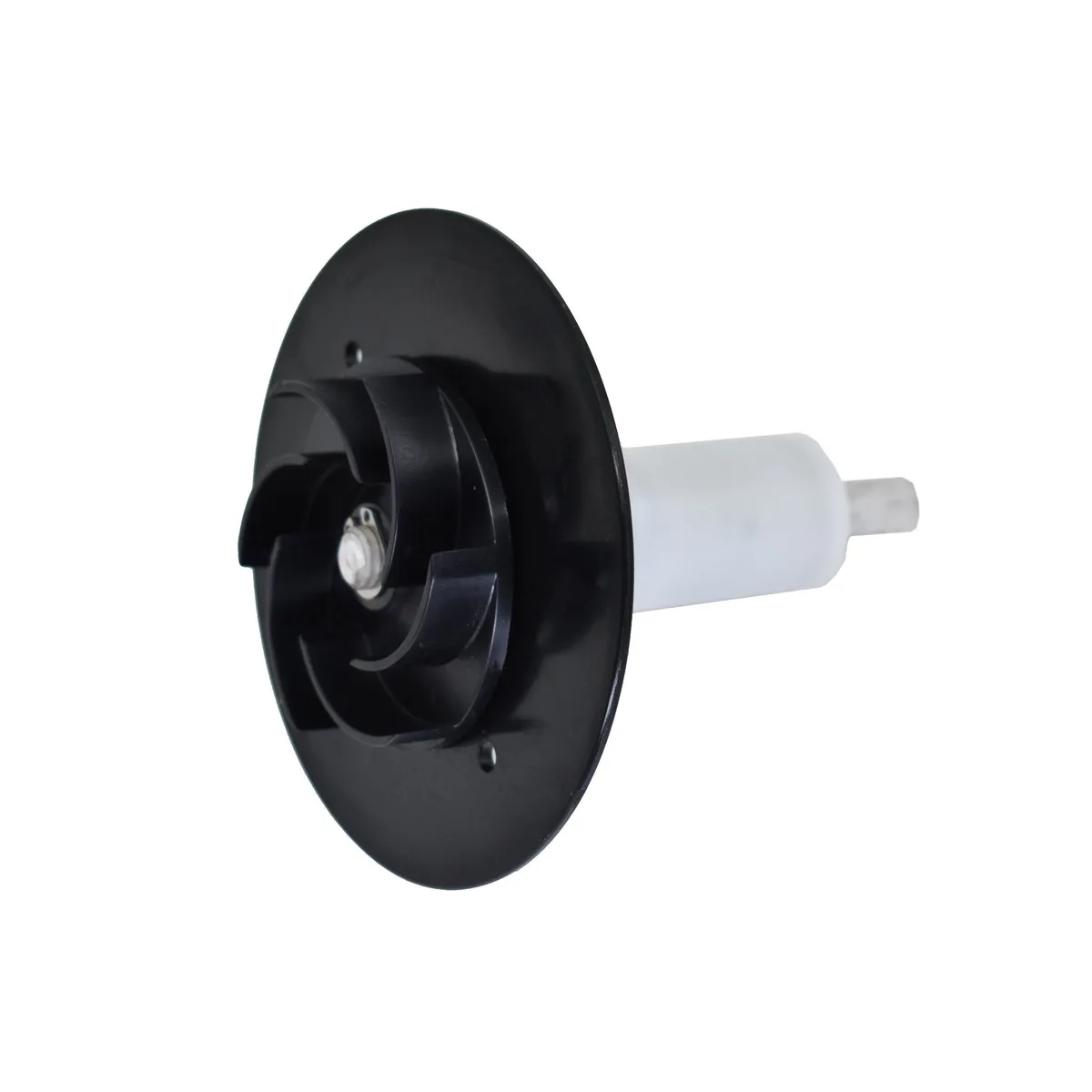
Image source: Bing (Web (fair-use with source credit))
This is the number one fix in Pico 7 pump troubleshooting. Follow these steps exactly.
- Unplug and remove the pump from the water.
- Pop off the intake screen. It's a friction-fit plastic cage. Pull it straight off.
- Twist the housing open. On most Pico 7 models, the volute twists counterclockwise and lifts off. If it's tight, use a cloth for grip. Do not use pliers.
- Locate the impeller. It's a small plastic rotor sitting on a white ceramic shaft.
- Grip the impeller by its outer edges and pull straight off the shaft. Do not twist or wiggle sideways, you can snap the shaft.
- Rinse the impeller and the chamber under running water. Use an old toothbrush to scrub algae or scale off the vanes. For stuck-on calcium, soak the impeller in white vinegar for 20 to 30 minutes.
- Check the ceramic shaft. It should be smooth, straight, and free of cracks. If it looks chipped or broken, you need a replacement.
- Reassemble in reverse: slide the impeller back onto the shaft until it seats fully. Replace the volute housing, then snap the intake screen back on.
- Submerge the pump fully and plug it in. Test flow.
Pro tip: Don't lubricate the shaft. The impeller is designed to run dry on ceramic. Grease or oil attracts debris and can cause overheating.
Inspecting the ceramic shaft for damage
The shaft is fragile. If you find signs of wear, here's how to check thoroughly.
- Visual inspection under good light. Look for chips, cracks, or dull spots. A healthy shaft is perfectly smooth and shiny.
- Rotate the shaft gently between your fingers. It should spin freely in its socket. If it feels rough or has play, the bearing surface is worn.
- Check for wobble when the impeller is mounted. Any side-to-side movement means the shaft is bent or the impeller's inner hole is elongated.
A damaged shaft almost always means a new pump is more cost-effective than sourcing a replacement shaft. However, if you find a genuine Oase replacement part, you can replace the shaft.
Clearing debris from the volute chamber
Sometimes a stick or pebble hides in the spiral channel even after you remove the impeller.
- After taking off the volute housing, shine a flashlight into the spiral groove.
- Look for any object lodged in the narrowest part of the spiral. That's where flow is fastest and objects get stuck.
- Use a bent paperclip or a small screwdriver to gently dislodge it.
- Rinse thoroughly before reassembly.
Avoid using metal tools if possible. Scratching the plastic creates rough edges where debris collects faster in the future.
Checking the intake screen and pre-filter
Image source: Bing (Web (fair-use with source credit))
A clogged intake screen is the most overlooked cause of weak flow.
- Remove the screen and hold it up to light. If you can't see through the mesh, it's clogged.
- Rinse with a strong stream of water from a garden hose. For stubborn debris, scrub with a soft brush.
- Check the screen for damage. A cracked or broken screen lets large debris into the impeller. Replace it if you see any holes larger than the original mesh.
- Reattach the screen. It should snap on securely. If it's loose, it may fall off during operation.
Cleaning schedule: Weekly for heavy-use fountains or ponds with trees. Monthly for low-debris environments.
Testing the power supply and connections
If the pump is dead, rule out electrical problems before blaming the pump itself.
- Test the outlet with a simple lamp or charger. If that works, the outlet is fine.
- Check the GFCI or RCD. Press the test button, then reset. If the pump runs after resetting, the trip was likely a temporary surge. If it trips again immediately, there's a leak.
- Inspect the power cord along its entire length. Look for cuts, pinches, or exposed wires. Pay special attention where the cord enters the pump housing.
- If you have a multimeter, set it to continuity or resistance and test the cord from plug to pump. An open circuit means a broken wire inside the cord, replace the pump.
- Check for moisture inside the pump housing. If water has entered the motor compartment, the unit is unsafe to reuse.
Aggregate review data shows that over 90% of "dead" Pico 7 pumps are actually due to a tripped GFCI or a loose connection at the outlet. Always check power before disassembling anything.
Mistakes That Make Things Worse
Some common errors turn a 10-minute fix into a broken pump. Avoid these.
Running the pump dry to test it
Never run the Pico 7 without water. Even a few seconds of dry running damages the ceramic shaft seal. The pump relies on water for cooling and lubrication.
If you want to test it after cleaning, submerge it in a bucket of water first.
Using harsh chemicals or abrasives
Don't use bleach, pool chlorine, or abrasive scrub pads on the pump. These damage the plastic housing and the ceramic shaft. White vinegar or a mild citric acid solution is safe for descaling.
A soft toothbrush is all you need for scrubbing.
Forcing the impeller off the shaft
The ceramic shaft is brittle. If the impeller is stuck, don't yank or twist it hard. Soak the assembly in vinegar for 30 minutes to dissolve scale, then try again.
Forcing it sideways snaps the shaft.
Overtightening the housing
The volute housing twists on with a light quarter-turn. If you crank it tight, you can crack the plastic or strip the threads. Hand-tight is enough.
Water pressure seals it the rest of the way.
Skipping the bucket test after cleaning
After reassembly, always test the pump in a bucket of clean water before putting it back in the pond. This confirms it runs properly and lets you catch leaks or noise without having to reach into murky water.
When Cleaning Doesn't Fix It – Parts and Repairs
Sometimes cleaning isn't enough. Here's when you need replacement parts and when you should just buy a new pump.
Impeller replacement
The impeller itself is a wear item. Over time, the vanes erode from sand and grit, reducing flow. A new impeller costs roughly $8 to $15 and is widely available from Oase dealers.
Part number varies by exact model, check the sticker on the pump housing.
To replace: remove the old impeller by pulling it straight off the shaft. Slide the new one on until it seats. That's it.
Ceramic shaft replacement
The shaft is harder to find as a standalone part. Most retailers sell it only as part of a service kit. If you can locate a genuine Oase shaft, replacement involves pulling the old one out of its socket and pressing the new one in.
Use caution, the ceramic is brittle.
Power cord damage
A damaged cord is not user-serviceable on a submersible pump. The cord enters the housing through a sealed grommet. Replacing it requires breaking that seal, which invites water leaks.
For safety, replace the entire pump if the cord is cut or cracked.
When to just buy a new pump
A new Pico 7 costs around $25 to $45. If you've cleaned it, checked power, and it still won't run, the motor is likely burned out. Replacement is cheaper and safer than attempting internal motor repairs.
Signs it's time to replace:
- Motor hums but won't spin, and the impeller moves freely
- Pump trips GFCI even with a dry cord
- Housing has visible cracks
- Pump is more than 4 years old and flow has gradually died
Maintenance That Prevents Most Problems
A little regular care keeps the Pico 7 running for years. Here's the routine.
Monthly cleaning schedule for heavy use
If your pond has fish, falling leaves, or a fountain that runs 24/7, clean the pump once a month.
- Remove and rinse the intake screen
- Open the housing and rinse the impeller and volute chamber
- Check the ceramic shaft for wear
- Reassemble and test
This takes five minutes. It prevents 90% of failures.
End-of-season winter removal
In freezing climates, remove the pump before the first hard frost. Ice expands inside the housing and cracks it. Store the pump in a bucket of water in a frost-free location.
Do not let it dry out completely, residual moisture can corrode the shaft bearing.
Preventing calcium buildup in hard-water areas
If your tap water leaves white scale on faucets, the same mineral deposits will clog your pump. Soak the impeller in white vinegar every 90 days. For heavy buildup, use a descaling solution designed for aquarium pumps.
Keeping the intake screen clear
This is the simplest habit. Every time you feed the fish or walk past the pond, glance at the pump. If you see leaves or debris piled against the screen, pull them off.
A clear screen means full flow and no strain on the motor.
Frequently Asked Questions
Can I run the Pico 7 out of water to test it?
No. Running without water for even a few seconds damages the ceramic shaft seal. Always test the pump fully submerged in a bucket of clean water.
How do I get the impeller unstuck after winter?
Soak the entire impeller assembly in white vinegar for 30 minutes to dissolve any mineral scale. If it's still stuck, soak for another hour. Never use pliers or screwdrivers to pry it off, you'll break the shaft.
Why does my pump hum but nothing comes out?
This is almost always an air lock. Submerge the pump fully and tilt it 45 degrees. If that doesn't work, clean the impeller and check for a blockage in the volute chamber.
Is it normal for the pump to get warm?
Slight warmth is normal during operation. If it's hot to the touch, it's overheating. Check water level, clean the intake screen, and make sure the pump is fully submerged.
How long should a Pico 7 pump last?
With regular cleaning and proper winter storage, expect 3 to 5 years of service. Pumps in hard-water areas or heavy-debris ponds may wear out sooner.
Can I replace just the impeller or do I need a whole new pump?
The impeller is a replaceable part. If the ceramic shaft and housing are in good shape, a new impeller will restore full performance. Replacement impellers cost $8 to $15.
My pump worked last season but won't start now — what changed?
The most likely cause is calcium scale that formed during storage or a seized impeller from dried debris. Start with a thorough cleaning and test in a bucket. If that fails, check the power cord and GFCI.

Similar Posts