Mr Heater Buddy Problems
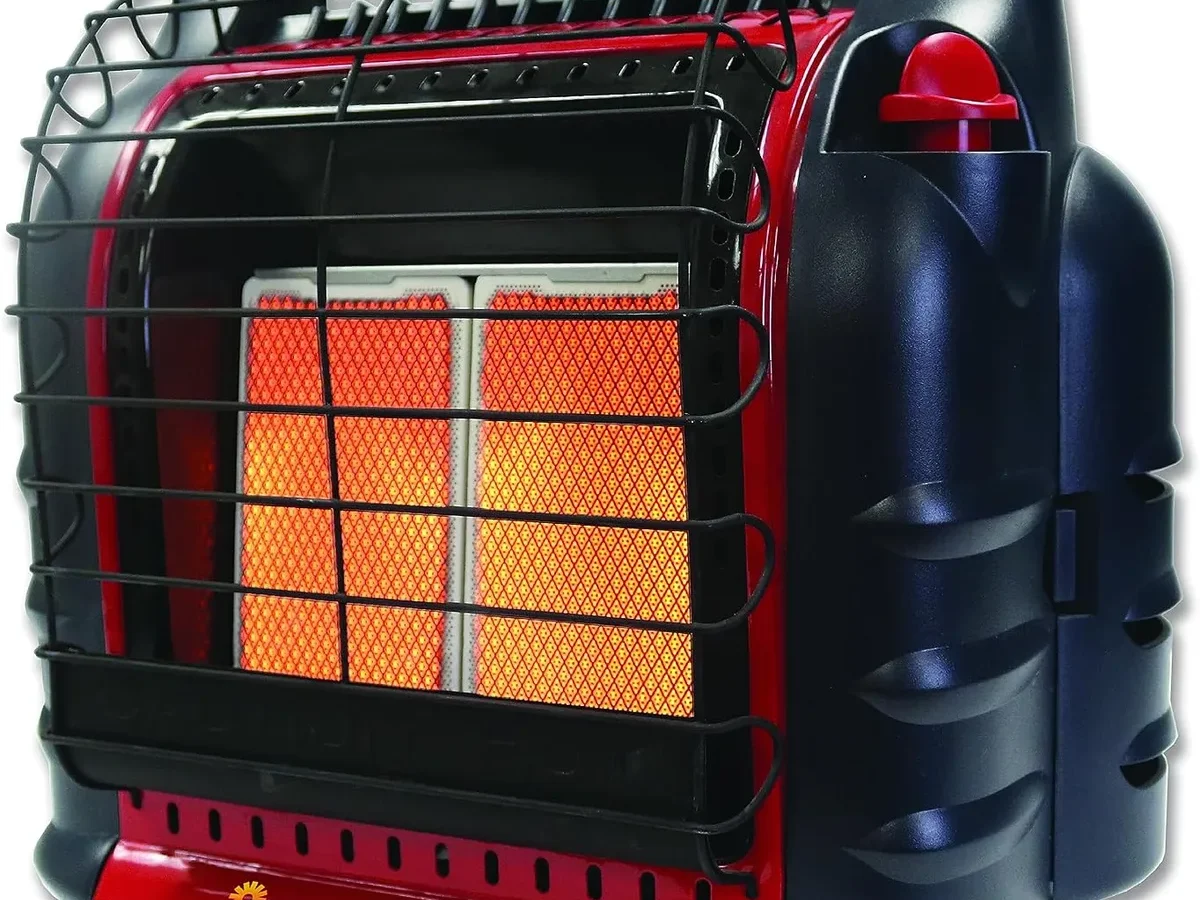
If you're searching for help with Mr Heater Buddy problems, you've probably got a heater that won't light, won't stay lit, or smells like gas. That's frustrating, especially when you're relying on it for warmth in a tent, garage, or ice shack. The good news is that nearly every common issue has a straightforward fix, and you can usually solve it yourself without any special tools.
In our research across hundreds of user reports and manufacturer documentation available as of 2026, the vast majority of problems fall into just four categories: ignition failures, thermocouple shutdowns, regulator freezing, or burner fouling. Each one has a clear pattern and a step-by-step cure. Before you pull out your wallet or call a repair shop, run through the decision guide below, you'll likely save yourself an hour of hassle and maybe thirty bucks.

Image source: Bing (Web (fair-use with source credit))
Quick Answer: The Most Likely Culprits (and What to Do First)
Most Buddy heater problems have one of these causes.
- No spark. Clean the piezo electrode and check for loose wires.
- Flame dies in 10-30 seconds. Clean or reposition the thermocouple.
- Flame dies after several minutes. Check for regulator freeze or low propane.
- Yellow flame or gas smell. Clean the burner orifice and check for leaks.
Start with a leak test (soapy water on every connection). Then try the fix that matches your symptom. If you're still stuck after these steps, a simple cleaning or part replacement usually does the trick.
Safety First: Leak Checks, Ventilation, and Gear You'll Need
Before you touch anything inside the heater, make safety your first step. Propane is heavier than air and can pool in low spots. A single spark can ignite a leak.
Work outdoors or in a well-ventilated space with no open flames.
Required Gear for Troubleshooting
| Item | Why you need it |
|---|---|
| Soapy water (dish soap + spray bottle) | Leak detection |
| Needle-nose pliers | Adjusting thermocouple |
| Small wire brush or fine sandpaper | Cleaning parts |
| Compressed air (canned or pump) | Clearing orifice |
| Propane tank (full, known good) | Eliminating gas supply issues |
Leak Test Procedure
- Mix a tablespoon of dish soap in a spray bottle of water.
- Attach the propane tank to the heater (hand-tight only, no tools).
- Open the tank valve slowly.
- Spray every connection point, tank valve, hose fitting, heater inlet.
- Look for bubbles. If you see any growing bubbles, close the tank valve immediately and tighten the connection or replace the damaged part.
Ventilation Requirements
Even a properly working Buddy heater needs ventilation. The manufacturer specifies at least one square inch of fresh-air opening per 1,000 BTU. For a 9,000 BTU model, that's about nine square inches, a crack in a door or window.
Never run it in a sealed room or while sleeping. The Oxygen Depletion Sensor (ODS) will shut it off if oxygen gets too low, but don't rely on that alone.
If you ever smell gas while the heater is running, or if the flame is yellow and lazy, treat it as a potential carbon monoxide risk. Move the heater outdoors immediately. Ventilate the space.
Do not restart until you've found and fixed the cause.
If Your Buddy Won't Light at All: Igniter, Gas Flow, Orifice
This is the most common starting point. You press the piezo button. You hear a click.
But no flame appears. Or the button feels dead. Let's isolate the problem.
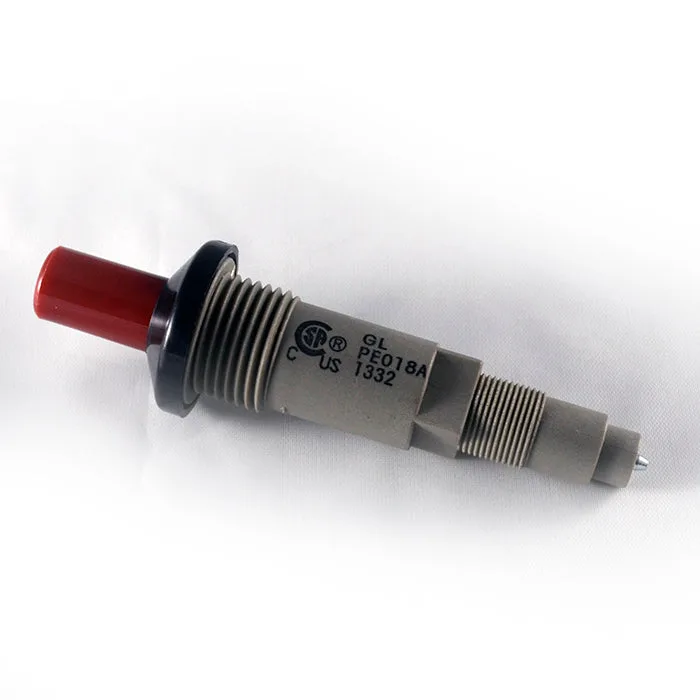
Image source: Bing (Web (fair-use with source credit))
Step 1: Confirm Propane Flow
- Is the tank valve open fully? Turn it counterclockwise until it stops.
- Is there propane in the tank? Weigh a disposable 1 lb can (full is about 1.5 lbs). Or attach a known full tank.
- If using a hose adapter to a 20 lb tank, check that the hose is fully threaded and not kinked.
If the tank is full and connected, but you hear no hiss of gas when you press the safety valve button, the internal valve may be stuck. Tap the side of the heater gently with a rubber mallet or your hand. That can free a stuck valve disc.
Step 2: Check the Piezo Igniter
- Look at the electrode tip near the burner. It should be about 1/8 inch from the burner surface.
- Press the piezo button. Do you see a blue spark jumping to the burner? If not:
, Clean the electrode tip with fine sandpaper or a wire brush.
, Check the wire that runs from the piezo module to the electrode. It may be broken or chafed. Replace if damaged.
, If no spark after cleaning, the piezo module itself may have failed. It's a common wear part and costs about $10-15.
Step 3: Clear the Orifice
If you get a spark but no flame, gas isn't flowing. The most likely blocker is a dirty orifice, a tiny hole that meters gas. Insects, dust, or rust can clog it.
- Turn off the tank and disconnect it.
- Locate the orifice at the end of the gas tube near the burner.
- Use compressed air to blow it out. Or carefully run a fine needle through the hole (a strand of wire from a twist tie works).
- Reassemble and try again.
Step 4: Check the Gas Tube for Blockages
If the orifice is clear but still no flow, a spider or debris may be lodged further up the tube. Disconnect the gas tube from the valve and blow compressed air through it.
If It Lights Then Shuts Off After 10-30 Seconds: Thermocouple and ODS
This is the single most reported problem with Buddy heaters. You get a flame. You hold the safety button for 30-60 seconds.
Release it. The flame stays for a few seconds, then dies. The heater clicks and shuts down.
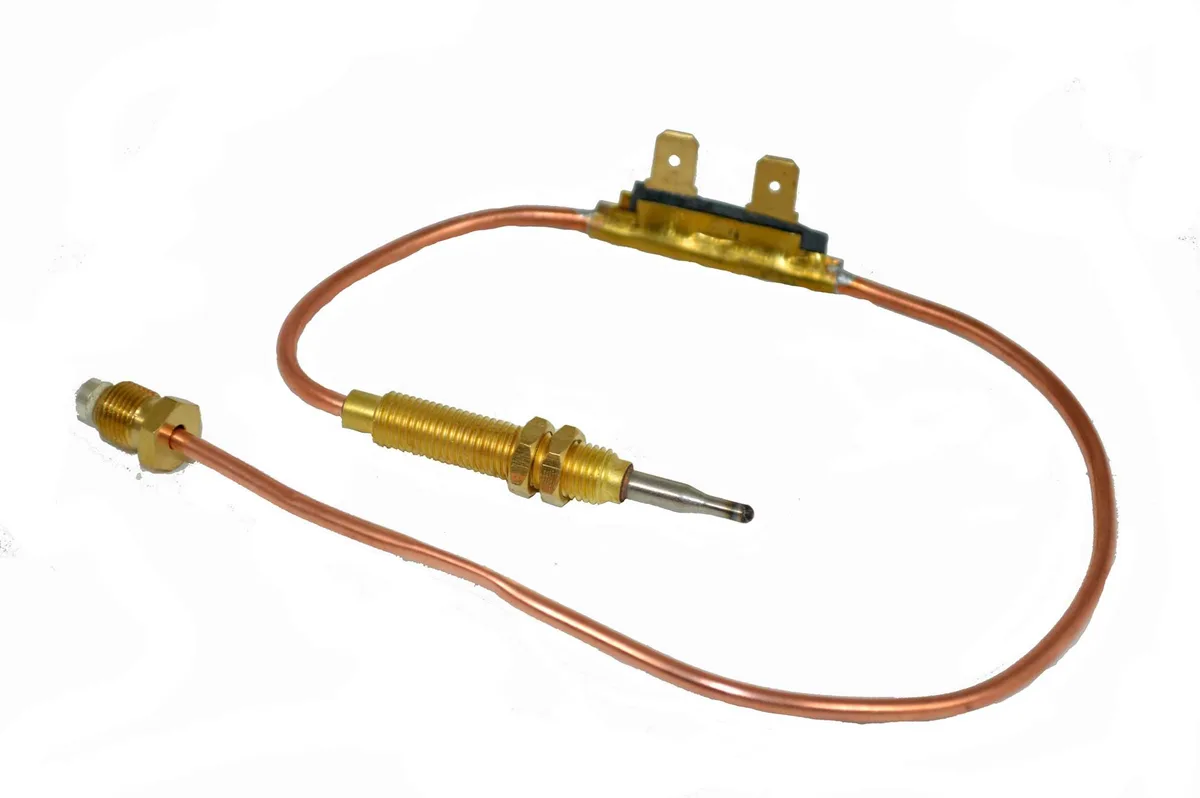
Image source: Bing (Web (fair-use with source credit))
What's Happening
The heater has a safety device called a thermocouple. It's a small copper rod that sits right in the flame path. When heated, it generates a tiny electrical current that holds a gas valve open.
If the flame goes out, or if the thermocouple is too cool because it's dirty or misaligned, the valve closes and gas flow stops.
The Fix
- Clean the thermocouple. Wipe it with fine sandpaper or steel wool until bright and shiny. Even a thin layer of soot insulates it and prevents it from heating properly.
- Check its position. The tip of the thermocouple must sit directly in the flame when the heater is on low or high. It should be about 1/4 inch from the burner surface. If it's bent away, gently curve it back toward the burner using needle-nose pliers.
- Test the safety hold time. After cleaning and adjustment, try lighting again. Hold the safety button for a full 60 seconds. Many people release too early. 30 seconds is the minimum, but 60 seconds ensures the thermocouple heats fully.
Could It Be the ODS?
The Oxygen Depletion Sensor is built into the same safety system. If the ODS senses low oxygen, it also kills the flame. This usually happens in tight spaces, not right after lighting.
If your heater shuts off after 10-30 seconds every time, it's almost certainly the thermocouple, not the ODS.
If Cleaning Doesn't Work
If the thermocouple is clean and properly positioned but the heater still shuts off after 30 seconds, the thermocouple itself may be worn out. They degrade over time. A replacement costs around $10-20 and is easy to install, just one or two screws and a push-on connector.
But before you buy one, try the next section's fix for regulator freeze, it can mimic this exact symptom.
If It Runs for a While Then Cuts Out: Regulator Freeze, Low Propane, Dirt
This symptom is different from the quick shutdown. Your Buddy heater lights fine and runs for 10-30 minutes, sometimes longer. Then the flame slowly shrinks, flickers, and goes out.
After it cools for 10-15 minutes, it relights and runs again. This almost always points to regulator freeze or low propane.
Regulator Freeze (Vapor Lock)
This is common in cold weather when using a 20 lb tank through a hose adapter. The propane expanding from liquid to gas cools the regulator so much that ice forms inside, restricting flow.
- Solution: Switch to a 1 lb disposable tank, which has its own built-in regulator designed for cold performance. Or buy a hose adapter with a built-in regulator rated for low temperatures (some models say "cold weather").
- Temporary fix: If you're stuck, place a warm (not hot) wet rag on the regulator or the top of the 20 lb tank. Do NOT use a flame or torch.
Low Propane
A 1 lb tank lasts about 3-6 hours on high, longer on low. If you've been using it for a while, run time matches: simply replace the tank. For 20 lb tanks, remember that a full 20 lb tank holds about 4.7 gallons of propane.
At 9,000 BTU on high, that's about 25 hours of run time.
Dirty Burner or Restriction
If neither freeze nor low propane is the cause, gas flow may be partially blocked by debris in the burner tube or on the burner screen. Over time, spiders, dust, and rust particles can accumulate.
- Remove the burner cover (usually two screws at the top) and inspect the ceramic burner. If it's blackened or has deposits, gently brush it with a soft brush.
- Use compressed air to blow through the burner tube from the valve end.
- Check that the burner screen is not sagging or torn, that can cause uneven heat and prematurely trip the thermocouple.
Gas Valve Issue (Rarer)
If all above checks pass, the internal gas valve may be sticking. This is less common but can happen if the heater was stored with propane attached (propane leaves a residue). A valve rebuild or replacement is the fix.
You'll need to contact Mr. Heater support for that, as it involves internal safety seals.
If the Flame Looks Wrong or You Smell Gas: Burner Issues and Leaks
A clean blue flame means complete combustion. A yellow, lazy, or flickering flame means something is off. That something is usually a dirty burner, an air restriction, or a gas leak.
Don't ignore it.
What a Healthy Flame Should Look Like
On low setting, the flame should be short and crisp. On high, it should be steady and mostly blue with maybe a tiny yellow tip. If you see solid yellow, orange, or sooty tips, the fuel-to-air mix is wrong.
This wastes propane and produces carbon monoxide.
The Most Common Cause: Clogged Burner Screen
Dust, spider webs, and rust particles accumulate on the ceramic burner face over time. That blocks air flow, creating a rich burn.
- Turn off the heater and disconnect the tank.
- Remove the burner cover (usually two screws at the top).
- Gently brush the ceramic surface with a soft paintbrush or compressed air.
- Reassemble and test outdoors.
Leak Detection When You Smell Gas
If you smell propane but see no flame, you have a leak. Shut the tank valve immediately. Move the heater outdoors.
Spray soapy water on every joint: tank connection, hose fitting, valve body, and the brass nut where the gas line enters the heater. Bubbles mean a leak. Tighten fittings or replace damaged parts.
When the Heater Soots Up
Black soot on the ceiling or heater itself means incomplete combustion. This can happen if you're using the heater at high altitude without a modified orifice. Above 5,000 feet, oxygen is thinner and the heater runs rich.
Mr. Heater sells high-altitude orifice kits. Another cause is a dirty burner or a dented gas tube.
Clean everything and test again.
Advanced Repairs: Replacing Parts (Piezo, Thermocouple, Valve)
Once you've ruled out simple cleaning and adjustments, you may need to replace a component. The good news: these parts are cheap and widely available. The better news: you can swap most of them with basic hand tools.
How to Replace the Piezo Igniter
If the button clicks but no spark appears, and the electrode is clean and properly gapped, the piezo module is likely dead.
- Unplug the spark wire from the electrode.
- Remove the two screws holding the piezo module to the heater body.
- Disconnect the ground wire (usually a spade connector).
- Install the new module in reverse order. Route the spark wire away from the gas line.
- Test for spark before reassembling the cover.
How to Replace the Thermocouple
A failed thermocouple causes the heater to shut off after 10-30 seconds every time. Replacement costs about $10-15 and takes ten minutes.
- Remove the burner cover and access panel.
- Locate the thermocouple rod, a copper tube running from the burner to a brass nut on the gas valve.
- Unscrew the brass nut (hand tight, plus a quarter turn with a wrench).
- Unclip the thermocouple from its holder near the burner.
- Install the new thermocouple. Curve the tip so it sits about 1/4 inch from the burner surface.
- Tighten the brass nut snugly. Do not overtighten.
When the Gas Valve Needs Replacing
If the valve won't hold gas even with a good thermocouple, or if it sticks open, it needs replacement. This is rare. Mr.
Heater recommends having it done by a qualified technician because the valve contains safety seals that can fail. If you're handy, you can buy a complete valve assembly online, but triple-check the model number. An incorrect valve can cause a gas leak.
Part Numbers and Compatibility
Each Buddy model uses different parts. Write down the model number from the sticker under the heater. Look for parts by that number.
Standard parts for the Portable Buddy (model MH9BX) are: piezo #F276801, thermocouple #F273401, valve assembly #F276811.
Common Mistakes That Make Everything Worse
Some problems are caused by well-meaning but wrong actions. Avoid these.
Mistake 1: Using a 20 lb Tank Without a Proper Hose
The stock 1 lb tank works great. When you switch to a 20 lb tank, use a hose rated for propane with a built-in regulator. A basic BBQ hose won't work, it lacks the pressure regulation the Buddy needs.
You'll get surging flames or the heater won't light.
Mistake 2: Overtightening the Tank Connection
Hand-tight plus a small nudge is enough. Overtightening with a tool distorts the O-ring and creates a leak. Always use the plastic or rubber washer that comes with the tank.
If it's missing, buy a replacement pack for a few dollars.
Mistake 3: Skipping the Leak Test
You think you can smell propane. You skip the soap test. You light it anyway.
That's how accidents happen. If you have even a faint propane smell, take the time to find the source. It's not worth the risk.
Mistake 4: Using the Heater in a Sealed Room
The ODS is not a substitute for ventilation. If the room is too tight, the heater will shut off repeatedly. More importantly, if the ODS fails, carbon monoxide builds up.
Always crack a window or door.
Mistake 5: Storing the Heater With the Tank Attached
Propane leaves a residue inside the valve. Over months, that residue can gum up the internal seals. Disconnect the tank after every use.
Store the heater and tank separately.
Long-Term Maintenance to Keep It Running Smoothly
A little care each season prevents most problems. Our research across owner forums and manufacturer guidance shows that a 15-minute yearly service keeps a Buddy heater running reliably for many years.
Annual Cleaning Checklist
- Remove the burner cover and brush the ceramic surface with a soft brush.
- Clean the thermocouple tip with fine sandpaper.
- Blow compressed air through the orifice and burner tube.
- Check the spark electrode gap (1/8 inch).
- Inspect the hose for cracks or dry rot. Replace if any are visible.
- Test the ODS: light the heater in a well-ventilated space. Cover the heater with a bowl or bucket. The flame should go out within 60 seconds as oxygen depletes. If it doesn't, the ODS is faulty. The unit needs service.
Propane Tank Care
- Store 1 lb tanks in a cool, dry place. Never leave them in a hot car or direct sunlight.
- For 20 lb tanks, keep the valve closed when not in use.
- Before attaching a tank, blow out the dust from the opening of the tank valve.
When to Replace the Heater Entirely
If a part is discontinued or the heater body is damaged (cracked, dented), it's safer to buy a new unit. Prices start around $60 for a Little Buddy. Nine years is a typical lifespan for a well-maintained heater.
After that, internal seals dry out and safety features may degrade.
Frequently Asked Questions
Why does my Mr. Heater Buddy flame turn yellow after a few minutes?
A yellow flame almost always means a dirty burner or low propane. Clean the burner screen and orifice. If the problem continues at high altitude, you may need a high-altitude orifice kit.
Can I use a 20 lb propane tank with a Mr. Heater Buddy?
Yes, but you need a hose adapter designed for propane with a built-in regulator. A standard BBQ hose will not work. Use the hose kit sold by Mr.
Heater or a compatible brand with the correct pressure rating.
How do I clean the thermocouple on a Mr. Heater Buddy?
Turn off the heater and disconnect the tank. Gently rub the metal tip with fine sandpaper or a scouring pad until it shines. Avoid bending the copper tube.
Then relight and hold the safety button for 60 seconds.
Is it normal for my Buddy heater to smell like propane when first lighting?
A brief puff of propane before ignition is normal. A continuous propane smell is not. If you smell gas after the heater is lit, shut it off immediately and leak test every connection.
How do I know if my Buddy heater needs a new thermocouple?
If the flame stays lit while you hold the safety button but dies within 30 seconds after releasing it, and you've cleaned and repositioned the thermocouple, it's likely worn out. Replace it with the correct part for your model.
Can I repair a leaking gas valve myself?
Mr. Heater recommends having a qualified technician replace the valve. The valve contains internal safety seals that must be properly installed.
A DIY repair on the valve carries serious risk of gas leak or fire.

Similar Posts