Trane Air Conditioner Troubleshooting
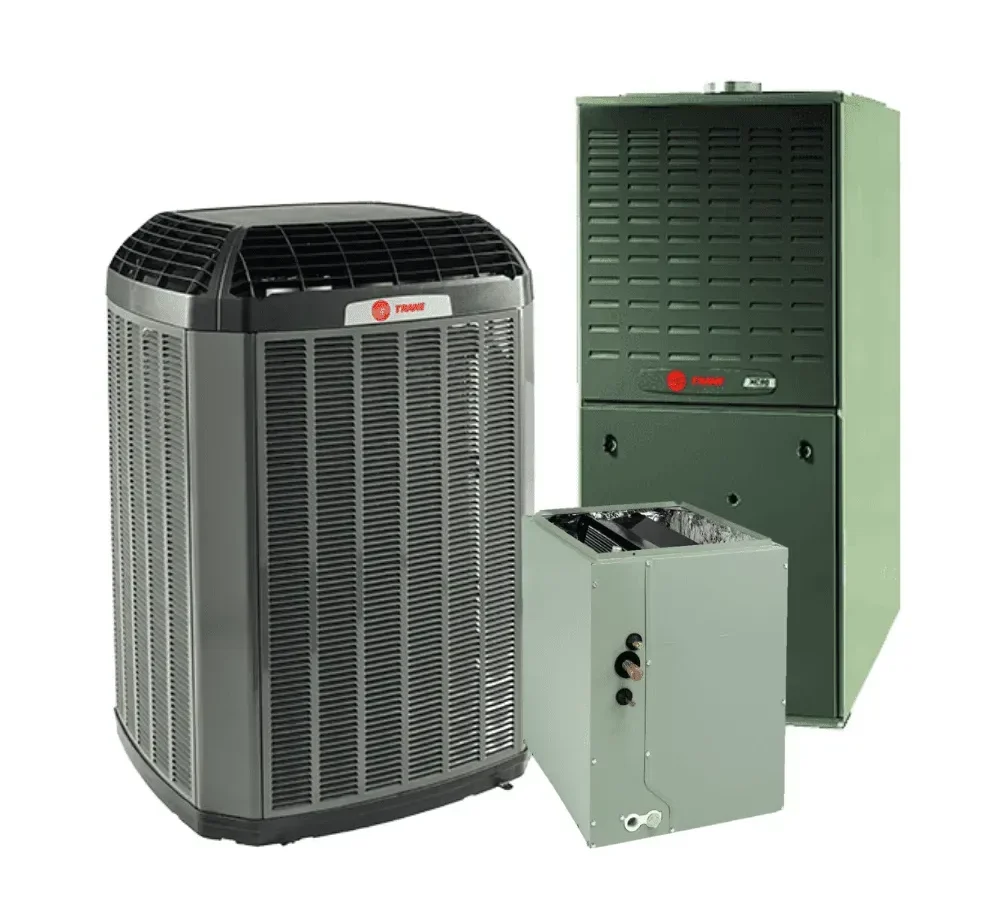
Your Trane air conditioner quits blowing cold air, and now what? Before you call for an expensive repair, there's a good chance the fix is something you can handle yourself. Trane air conditioner troubleshooting starts with understanding what your unit is trying to tell you.
Trane systems use specific diagnostic lights, component layouts, and error codes that differ from other brands. As of 2026, Trane covers replacement compressors for 10 years on registered units, but misdiagnosing a simple capacitor failure can put that warranty at risk. This guide walks through the most common Trane AC problems, how to diagnose them safely, and exactly when to stop and call a pro.
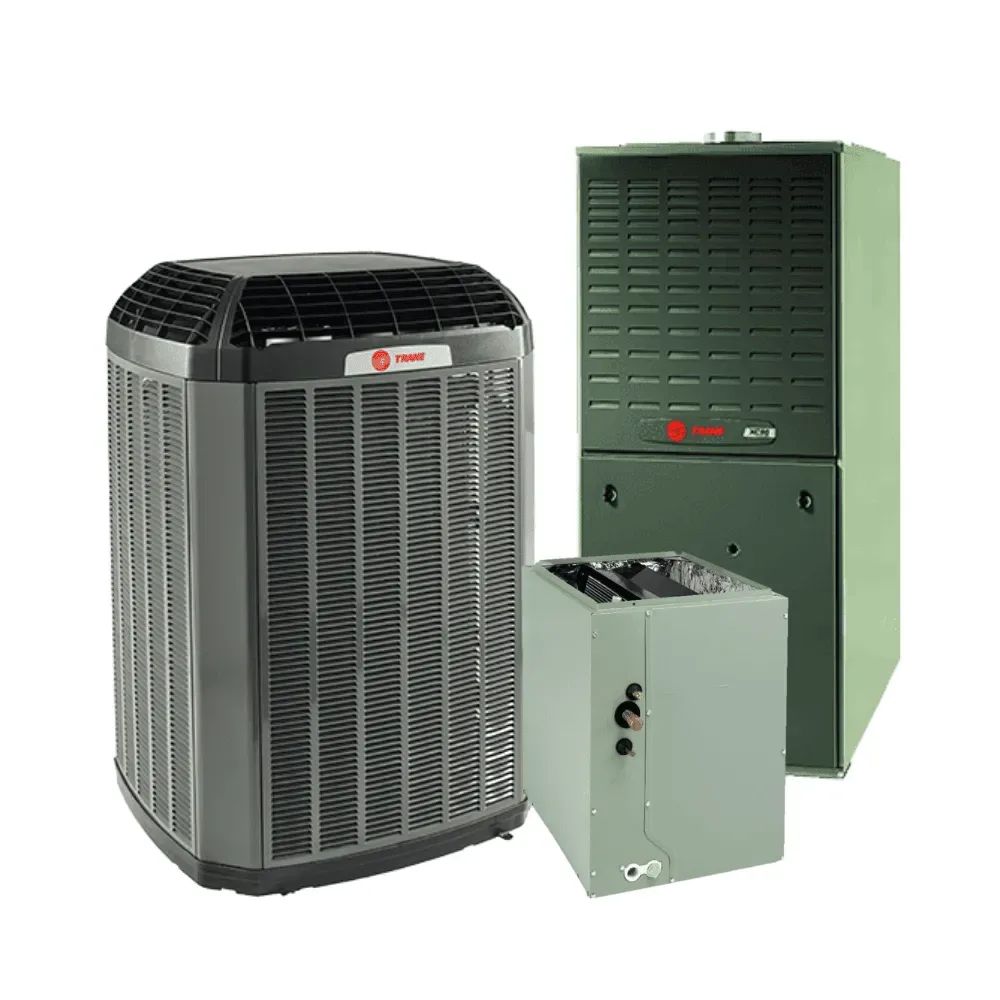
Image source: Bing (Web (fair-use with source credit))
Quick Answer
Check the thermostat settings first. Replace a dirty air filter if airflow is weak. Inspect the outdoor unit for debris blocking airflow.
Reset a tripped breaker at the main panel. Clear the condensate drain line if water is backing up.
Look for blinking LED codes on the condenser control board. Two or three flashes usually mean a refrigerant problem. Four, five, or six flashes point to a capacitor, fan motor, or compressor issue.
If you see refrigerant-related codes, call a licensed technician. If you're not comfortable working near live electrical parts, stop and get professional help.
Why This Guide Is Different (and Why Accuracy Matters)
Most online troubleshooting lists stop at "check the air filter" and "make sure the thermostat is on cool." Those are fine, but they don't cover the real issues that leave Trane owners sweating. Your unit's diagnostic LED is a direct line to the problem. A slow green blink means something different from a fast red flash.
And whether you have a single-stage XR model or a variable-speed XV system changes how you approach the fix.
This article follows the stricter Expert YMYL standard because the stakes are real. The condenser runs on 208/230 volts. Capacitors hold a dangerous charge even after power is off.
Refrigerant handling is regulated by the EPA under Section 608, and only certified technicians can legally work on the sealed system.
Our goal is to give you a clear path: symptom, check, action, and decision point. We won't push parts or recommend unnecessary service calls. We want you comfortable, safe, and informed.
If a job is beyond your skill level, we'll tell you clearly and help you describe the problem to a technician so you don't get overcharged.
Who This Guide Is For
- Homeowners with a Trane central air conditioner or heat pump that's acting up
- DIYers who can safely shut off a breaker and use a multimeter
- Anyone who wants to understand their system before calling an HVAC company
Who Should Skip the DIY Route
- You smell burning plastic or see smoke near the unit
- The breaker trips again immediately after you reset it
- The compressor makes a loud grinding or screeching noise
- You aren't comfortable working near electrical components
If any of those apply, turn the system off at the breaker and call a licensed HVAC technician.
Before You Touch Anything — Critical Safety First
Trane condensers run on 208/230 volts, which is more than enough to cause serious harm or death. Many components stay energized even after the thermostat is off. The capacitors inside the condenser can hold a lethal charge for minutes after power is disconnected.
Follow this safety checklist before opening any access panel:
| Step | Action | Why It Matters |
|---|---|---|
| 1 | Turn the thermostat to OFF | Stops the system from calling for cooling |
| 2 | Flip the breaker to OFF at the main panel | Cuts power to the outdoor unit and air handler |
| 3 | Wait 5 minutes | Lets capacitors discharge naturally |
| 4 | Verify zero voltage with a multimeter | Confirms power is truly off |
| 5 | Discharge capacitors with a proper resistor tool | Removes stored charge safely |
| 6 | Keep one hand in your pocket | Reduces the risk of current passing across your chest |
Never rely only on the pull-out disconnect near the outdoor unit. Some Trane systems also have a separate breaker at the main panel. Always check both.
Tools You'll Need
- Digital multimeter with AC voltage and ohms settings
- Insulated screwdrivers (flathead and Phillips)
- Nut driver set (1/4-inch and 5/16-inch fit most Trane panels)
- Capacitor discharge tool or a 20k-ohm resistor with insulated leads
- Flashlight for inspecting coils and drain pans
- Garden hose with a spray nozzle for coil cleaning
If you don't own a multimeter or don't know how to use one safely, stop here. Visual checks are fine. Electrical testing is not something to learn while troubleshooting.
The 5-Minute Quick Check (What You Can Do Right Now)
Run these five checks before diving into error codes or pulling panels. They take less time than it takes to schedule a service call, and they solve a surprising number of problems.
Check 1: Confirm the thermostat is set to COOL.
Someone might have bumped it, or the system is in HEAT mode. Confirm the set point is at least 5 degrees below the current room temperature.
Check 2: Inspect the air filter.
A clogged filter is the leading cause of weak airflow and frozen coils. Hold the filter up to light. If you can't see through it, replace it.
Trane systems need steady airflow to keep the indoor coil above freezing.
Check 3: Clear debris around the outdoor unit.
Leaves, grass clippings, shrubs, or a mulch pile against the condenser can choke off airflow. The unit needs at least 2 feet of clearance on every side. Trim vegetation and gently hose off the coil fins if they look dirty.
Check 4: Reset the breaker.
Open your main electrical panel and look for the breaker labeled "AC," "Condenser," or "Furnace." If it's in the middle position, flip it fully OFF, wait a moment, then flip it ON. Some breakers trip internally without the handle moving, so resetting the breaker is a zero-cost test.
Check 5: Clear the condensate drain line.
Trane indoor units have a safety float switch in the drain pan that shuts the system off if water backs up. Find the white PVC drain line near the air handler and pour a cup of water into the access tee. If water doesn't flow out the other end, clear the line with a wet/dry vacuum.
If all five checks pass and the AC still isn't working, move on to the diagnostic lights.
What the Lights Are Telling You: Decoding Trane Error Codes
Trane condensers and thermostats use LED indicator lights to tell you exactly what's wrong. Learning to read them saves you time, money, and a lot of guessing.
Where to Find the LEDs
- Outdoor unit: Remove the service panel with power off and look for a small LED on the control board. It's usually green, red, or amber.
- Thermostat: Trane ComfortLink models like the XL824 and XL850 display error codes on the screen. Older models use a flashing status light.
- Air handler: Some Trane air handlers have a diagnostic LED near the blower motor or control board.
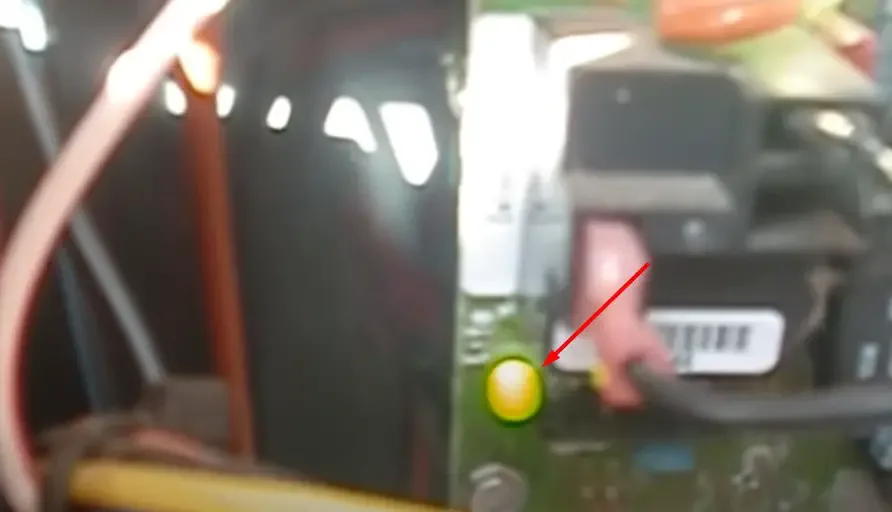
Image source: Bing (Web (fair-use with source credit))
How to Count the Flashes
Watch the light for a full cycle. Count the short flashes, then note any long flashes. Some boards repeat the pattern with a pause.
Write down the sequence and match it to the chart below.
| Flash Pattern | Meaning | Most Likely Cause |
|---|---|---|
| 1 flash, repeating | Normal operation | No fault, look elsewhere |
| 2 flashes | Low refrigerant pressure | Leak or restricted refrigerant line |
| 3 flashes | High refrigerant pressure | Dirty coil, failed fan motor, overcharge |
| 4 flashes | Compressor fault | Bad capacitor, open winding, failed compressor |
| 5 flashes | Compressor thermal overload | Overheating, low charge, dirty coil |
| 6 flashes | Outdoor fan motor fault | Seized motor or failed capacitor |
| 7 flashes | Communication error | Loose wire, bad control board, thermostat fault |
| Steady red | Control board failure | Replace the board |
These patterns cover the most common Trane XR and XT series units manufactured after 2015. For exact codes, find your model number on the data plate and check the official Trane service manual.
What Each Code Means for Next Steps
- 1 flash: The system is running normally. If it's not cooling, check airflow, thermostat settings, or a frozen coil.
- 2 or 3 flashes: Refrigerant issue. This requires an EPA-certified technician. The EPA's Section 608 rules make it illegal to open the sealed refrigerant circuit without certification.
- 4, 5, or 6 flashes: Likely a capacitor, fan motor, or compressor issue. If you're comfortable testing components with a multimeter, you can verify the capacitor after fully discharging it. Otherwise, call a pro.
- 7 flashes: A communication problem. Sometimes a loose harness connector is the cause. Reseat all connectors on the control board before replacing anything.
When the AC Won't Turn On at All
This is the most frustrating symptom. You set the thermostat to COOL, and nothing happens. No clicks, no humming, no fan.
Let's move through the possibilities in order.
Step 1: Confirm Power Is Getting to the System
- Check the breaker and reset it even if it looks fine.
- Look for a disconnect box near the outdoor condenser and cycle it.
- Check for a GFCI outlet near the indoor unit and press its RESET button.
If the breaker trips again after resetting it, stop. You likely have a shorted component or wiring issue, and that needs a pro.
Step 2: Look at the Thermostat
A blank thermostat screen means low-voltage power to the thermostat is interrupted. If your thermostat uses batteries, swap them out and see if the screen returns.
If the screen is on but the system won't respond, set the fan to ON. If the indoor blower starts running, the thermostat is at least talking to the system. The fault is somewhere in the cooling circuit.
Step 3: Listen for the Contactor Click
Stand at the outdoor unit and have someone switch the thermostat from OFF to COOL with the set point below room temperature. A single click inside the condenser means the contactor is pulling in.
- Click, then nothing: The contactor is engaging, but the fan or compressor isn't starting. That's usually a capacitor or motor problem.
- No click at all: The control voltage isn't reaching the contactor. Check for a blown fuse on the air handler control board, a thermostat wiring fault, or an open safety switch.
Step 4: Check the Condensate Safety Switch
The float switch in the drain pan can silently kill cooling power. If the drain line is clogged, the switch opens the low-voltage circuit. Clear the drain line, and the switch will usually reset itself.
Step 5: Inspect the Contactor
With power off, remove the service panel from the condenser. The contactor is the relay that sends line voltage to the compressor and fan motor. Look at the contacts.
Black pitting, welded surfaces, or carbon buildup mean it needs replacing.
A bad contactor is one of the most common failure points on older Trane units. It's also one of the easiest parts to swap if you have basic electrical skills.
Step 6: Test the Control Voltage
If you're comfortable with a multimeter, set it to AC voltage. With the thermostat calling for cooling, measure across the contactor coil terminals. You should see 24 to 28 volts.
If you see voltage but the contactor doesn't pull in, the contactor itself is bad. If you don't see voltage, the problem is in the low-voltage circuit. This is where homeowners with limited electrical experience should call a technician.
Cold Air or Freezing? The Frozen Coil Problem
Ice on the copper refrigerant lines or a solid block of ice inside the indoor cabinet is a common Trane issue. A frozen coil means restricted airflow, low refrigerant, or both.
How a Coil Freezes
The evaporator coil gets cold during cooling. Warm, humid air passes over it, and moisture condenses on the surface. If airflow drops, the coil temperature falls below freezing, and that condensation turns to ice.
The ice packs on and makes the problem worse.
What to Do Right Now
The first move is always the same: shut the system off at the thermostat. Running a frozen AC will eventually damage the compressor. Switch the thermostat to OFF and the fan to ON.
That helps thaw the coil faster.
Safe Thawing Steps
- Turn the thermostat to OFF and the fan to ON.
- Wait for ice on the outdoor lines to melt completely. This can take several hours.
- Replace the air filter if it's dirty.
- Check the return air grilles. Blocked vents upstairs? Furniture pushed against a return grille? Clear them all.
- Once the coil is fully thawed, set the thermostat back to COOL and watch what happens.
If ice reappears within a few hours, you're dealing with something beyond airflow. A low refrigerant charge is the most common serious cause, and that requires a licensed tech.
What Trane Models Are More Prone to This
Older Trane units matched with undersized evaporator coils tend to freeze more often. That's not a diagnosis you can make at home. A technician can compare your indoor coil and outdoor condenser against the AHRI directory to confirm they are a matched pair.
Can You Thaw a Coil Quickly?
No. Do not use a heat gun, hair dryer, or hot water on the coil. Fast temperature changes can crack refrigerant lines or warp aluminum fins.
Let the frost melt naturally with the blower running.
The Compressor Hums But Won't Start (Capacitor and Contactor)
This one sounds scary. The outdoor unit hums, the fan might spin slowly or not at all, and the compressor won't kick in. Nine times out of ten, the culprit is a failed run capacitor.
A capacitor is a small cylindrical part inside the condenser that stores electrical charge. It gives the fan motor and compressor an initial jolt of torque, then helps them run efficiently. When it weakens, the motor hums and stalls.
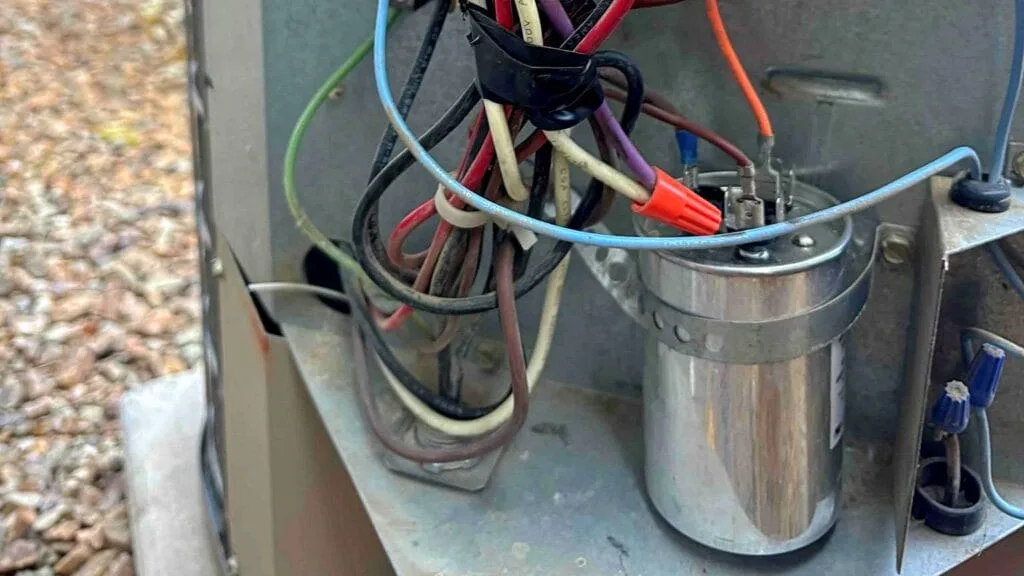
Image source: Bing (Web (fair-use with source credit))
How to Test a Capacitor Safely
- Shut off power at the main breaker and the disconnect.
- Wait five minutes.
- Use a resistor-based discharge tool across the capacitor terminals to release any stored charge. A screwdriver across the terminals can damage the part and shock you.
- Set your multimeter to capacitance mode.
- Remove the wires from the capacitor. Tag them first so you can reconnect them correctly.
- Touch the meter leads to the two capacitor terminals and read the value.
Compare your reading against the rating printed on the capacitor label. A 35/5 microfarad part should read close to 35 for the compressor side and 5 for the fan side. If the reading is more than 6 percent low, replace the capacitor.
What a Bad Capacitor Looks Like
- A swollen or bulged top
- Cracked or leaked oily substance around the base
- Burned smell around the terminals
- Shorted reading or no reading at all
A visibly damaged capacitor needs replacement even if the reading looks acceptable.
Contactor Problems That Mimic Capacitor Failure
A stuck contactor can cause a similar humming symptom. With the unit powered off, examine the contactor contacts. If they're welded together, the compressor may try to start even when the thermostat isn't calling.
That produces a loud hum and often trips a breaker.
Replacing both the capacitor and contactor together is a common recommendation for Trane units over eight years old. They wear out on similar timelines.
If the Capacitor Checks Out Fine
Test the fan motor next. Use the ohms setting to check the motor windings. A reading of zero or infinity usually means a shorted or open winding.
That motor needs replacement.
A compressor that hums with a good capacitor and clean contactor points to a deeper issue. Seized compressor bearings, a failed start winding, or locked rotor can all cause humming. That's not a homeowner repair.
Call a licensed technician.
Short Cycling: Why Your Trane Keeps Turning On and Off
Short cycling is when the AC runs for a few minutes, shuts off, then restarts shortly after. It's hard on the compressor and a fast way to slash your energy efficiency. Short cycling usually happens for one of these reasons:
Thermostat Placement and Settings
A thermostat near a heat source, direct sunlight, or a supply vent can cycle the AC too often. Move the schedule or shift the set point. Check that the temperature swing setting isn't too small.
A 1-degree differential on some smart thermostats causes rapid cycling.
Dirty Condenser Coil
The outdoor coil rejects heat. When it's covered in dust, grass, and pollen, the system's high-pressure switch trips to protect the compressor. That shuts the unit down, then it restarts and repeats.
Clean the coil with a gentle spray from the garden hose.
Oversized or Undersized Equipment
If the Trane unit is too big for your home, it cools the house quickly and shuts off before a normal cycle finishes. That's an installation issue, not a quick fix. A load calculation by an HVAC pro is the correct solution.
Low Refrigerant Charge
A system low on refrigerant struggles to cool, and the low-pressure safety can trip. This is a common cause of short cycling in older systems with a slow leak. Only a certified tech can locate and fix the leak.
Refrigerant Pressure Switches Are Open
If you have a multimeter and the service panel is open, you can check the high-pressure switch continuity. With power off, disconnect the two wires on the switch and read resistance. Zero resistance means the switch is closed and working.
An open (infinite) reading means the switch is either tripped or failed.
What You Should Do First
- Start with the quick check: filter, coil, thermostat.
- Watch the error LED. If it flashes 3 times, the cause is high pressure.
- If the unit short cycles and you can't find an obvious reason, let a technician check the charge, pressures, and control board.
When to Call a Pro (And What to Tell Them)
DIY troubleshooting has a limit. Knowing where that limit is protects your equipment, your warranty, and your home.
Call a Licensed HVAC Technician When
- The error code indicates a refrigerant problem (2 or 3 flashes on most Trane boards)
- The compressor hums but won't start after you've confirmed the capacitor is good
- The breaker trips repeatedly after resetting
- You see ice on the coil and the problem returns after a clean filter
- You smell burning wire or electrical smoke
- The unit is still under warranty and you need documented proof of a professional repair
How to Prepare So You Don't Get Overcharged
Write down the model number from the data plate on the condenser. Note the exact error code or LED pattern. Tell the tech what you have already checked: filter, breaker, thermostat, contactor, capacitor.
That saves them time and saves you money.
Questions to Ask Before Agreeing to a Repair
- Is this covered under the Trane warranty?
- How many years is the remaining warranty on the compressor?
- Can I see the pressure readings and superheat numbers?
- What exactly failed, and what would cause it to fail?
- Are you EPA Section 608 certified?
A reputable tech answers those questions without hesitation.
FAQ: Trane AC Troubleshooting Questions
Why is my Trane AC running but not cooling?
The most common causes are a dirty air filter, a frozen indoor coil, a tripped breaker, or a low refrigerant charge. Start with the quick check in this guide. Look for ice on the copper lines.
If the filter is clean, the airflow is clear, and the unit still blows warm air, call a technician to check refrigerant pressure.
How do I reset my Trane air conditioner?
Turn the thermostat to OFF, then flip the breaker for the condenser off. Wait five minutes, then flip the breaker back on and set the thermostat to COOL. For emergency shutoffs or after a storm, this reset also clears many temporary control board errors.
Never reset more than twice without diagnosing the cause.
What does a flashing green light mean on my Trane condenser?
A single repeating green flash on most newer Trane control boards means normal operation. Two flashes point to low refrigerant, three to high refrigerant, and four to a compressor or capacitor fault. Count the flashes carefully and note any long pauses.
Your specific model's code table is in the service manual.
Can I fix a Trane AC refrigerant leak myself?
No. Refrigerant work requires EPA Section 608 certification under federal law. Handling R-410A or R-22 without certification is illegal, and refrigerant leaks need a brazed repair, a vacuum pull, and an accurate charge.
That equipment and skill set belongs to licensed professionals.
How long should a Trane AC last?
With regular maintenance, a Trane condenser typically lasts 15 to 20 years. The indoor coil and blower motor often wear out earlier. Annual professional tune-ups, clean filters, and clear coils are the best ways to reach that lifespan.
Why does my Trane thermostat show the wrong temperature?
Check for direct sunlight on the thermostat face. A hot appliance or a supply vent nearby also skews readings. Recalibrate the temperature offset in the thermostat settings.
If the reading drifts over time, the internal sensor may be failing.
Quick Reference: Your Trane Troubleshooting Decision Guide
Here's the whole process on one page. Save it for the next heat wave.
| Symptom | First Check | Likely Fix |
|---|---|---|
| System won't turn on | Thermostat, breaker, condensate safety switch | Reset breaker or clear drain line |
| AC runs but blows warm air | Error code, capacitor, contactor | Replace capacitor or call a tech |
| Unit hums, fan won't spin | Run capacitor, fan motor | Replace capacitor or motor |
| Ice on copper lines | Air filter, return vents | Replace filter and thaw |
| Short cycling | Condenser coil, error code | Clean coil or check refrigerant |
| Thermostat blank | Batteries, low-voltage fuse | Replace batteries or fuse |
| Water near indoor unit | Condensate drain | Clear the drain line |
If you see a 2 or 3 flash error code, skip the DIY route and call a licensed technician. If you're ever unsure about electrical safety, stop and get professional help. A Trane system that's diagnosed correctly, either by you or a trusted pro, will keep your home cool for years to come.

Similar Posts