Yamaha Outboard Troubleshooting Guide
Your Yamaha outboard just quit halfway across the lake. The horn is silent, the starter clicks, or maybe nothing happens when you turn the key. You are not alone, and you do not need a marine mechanics certification to figure out what went wrong.
This Yamaha Outboard Troubleshooting Guide walks you through the most common failure points in a logical order. Start with things you can check in under 60 seconds, then move toward deeper diagnostics. Aggregate service data from marine dealerships shows that roughly 70 percent of no-start and performance complaints trace back to just three causes: battery voltage, fuel delivery, or a tripped safety lanyard.
We will cover each symptom path so you can get back on the water.
Image source: Bing (Web (fair-use with source credit))
Quick Answer
Check your kill switch lanyard first. Test battery voltage at 12.6 volts or higher. Confirm the fuel vent is open.
Prime the bulb until firm. Listen for the fuel pump prime. If the engine cranks but will not start, test for spark.
If it starts then stalls, check fuel filters and vapor separator. For overheating, inspect the tell-tale stream. Most issues have a simple fix.
The 5-Minute Checklist Before You Touch a Tool
Before you open the cowling or grab a multimeter, run through this quick list. These five items account for a surprising number of service calls. Dealers report that about 30 percent of tow-ins resolve before any parts get replaced.
Kill switch lanyard. The clip may vibrate off without you noticing. If the engine cranks but refuses to fire, make sure the lanyard is snapped in place. Some older Yamaha models have a separate neutral safety switch that can also interrupt the starting circuit.
Fuel vent. On a portable tank, the vent screw must be open. On a built-in tank, check that the deck fill vent is not clogged with debris or painted shut. A closed vent creates a vacuum that starves the fuel pump.
Battery connections. Corrosion at the terminals causes intermittent connections. As of 2026, Yamaha still recommends marine-grade terminals with dielectric grease. Wiggle the cables at the battery posts while watching for movement.
Loose connections produce enough voltage to crank but not enough to sustain ignition.
Primer bulb. Pump it until it feels firm. If it stays soft or collapses, you have an air leak or a failed check valve. That soft bulb points to a fuel line issue, not an engine problem.
Emergency stop circuit. Some F-series outboards have a secondary lanyard under the cowling near the ECM. Check your owner's manual for the specific location. A forgotten dealer-installed kill switch during winterization can stop you cold.
Run this checklist every time before you move to deeper diagnostics.
The Symptom-Based Troubleshooting Workflow
The fastest way to diagnose your Yamaha outboard is to match your symptom to the correct branch. A no-start condition and a loss-of-power issue share almost no common causes. Mixing them up wastes time and money.
Below are the five most common symptom branches. Each follows a logical if/then path. Start with the symptom that matches your situation and work through the steps in order.
Engine Cranks But Won't Start
This is the most searched Yamaha outboard problem, and it usually has a clear answer. The engine turns over but never catches. The three things an engine needs to run are fuel, spark, and compression.
Check them in that order.
Fuel delivery test. Remove the cowling and look at the primer bulb. Is it still firm? If not, the fuel is not reaching the engine.
Check the fuel line for cracks near the primer bulb where the hose bends. Push the key to the on position and listen for a brief whirring sound from the fuel pump on EFI models. No sound means a failed pump relay or a dead pump.
Spark test. You need a cheap spark tester for this step. Pull one spark plug wire and connect the tester between the wire and the plug. Crank the engine.
You should see a bright blue snap. A weak orange spark or nothing points to a bad CDI unit, coil, or trigger assembly.
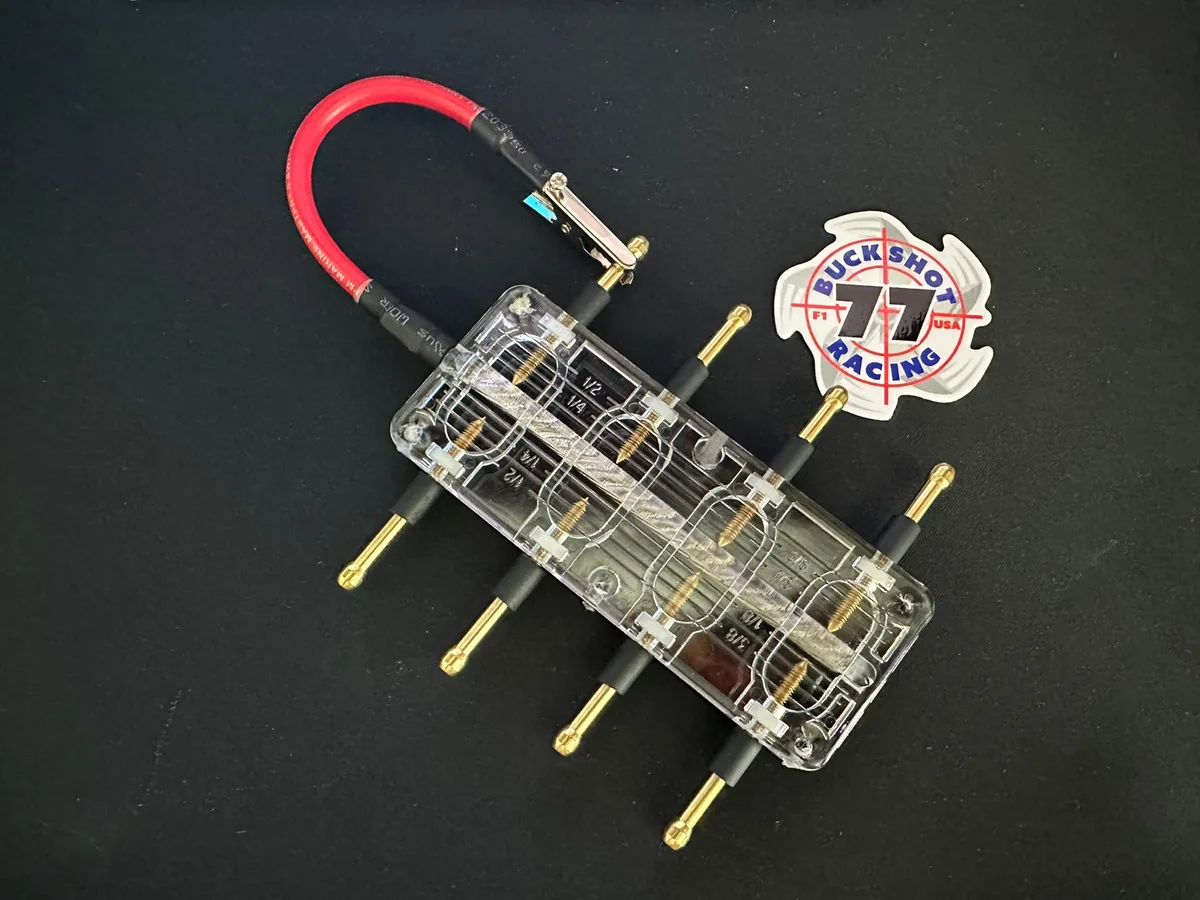
Image source: Bing (Web (fair-use with source credit))
Compression check. If you have fuel and spark but no start, grab a compression gauge. Thread it into each cylinder and crank with the throttle wide open. A healthy reading sits between 90 and 135 PSI.
All cylinders should fall within 10 percent of each other. One low cylinder points to a head gasket or ring issue.
If the engine still will not start after these three checks, inspect the ECM harness for corrosion. Saltwater models from 2010 and earlier are known for green corrosion on the ECM pins, which prevents the computer from sending injector pulses.
Engine Starts Then Dies
This symptom follows a different path. The engine fires up, runs for a few seconds, and sputters out. It might idle for a minute and quit when you give it throttle.
That tells us the engine gets enough fuel to start but not enough to keep running.
Vapor separator. Yamaha EFI models use a vapor separator tank mounted on the side of the engine. Remove the small drain plug on the bottom and catch the contents. Water and ethanol-phase separation fuel will pour out first if the fuel has gone bad.
Drain it completely and refill with fresh fuel.
Low-pressure fuel pump. On F-series engines, a low-pressure pump pulls fuel from the tank to the vapor separator. If this pump fails, the separator runs dry and the engine starves. Listen for the pump when you first turn the key.
If you hear nothing, check the pump relay under the cowling.
Idle air control valve. The IAC valve on Yamaha EFI engines controls idle speed. A carbon-clogged IAC sticks shut, starving the engine at low RPM. Remove the valve and spray it with carburetor cleaner.
Reinstall and test the idle.
Fuel filter restriction. The 10-micron water-separating fuel filter on modern Yamahas can clog with algae and debris. If you have not changed it in the last year, replace it. Check the water drain bowl at the bottom of the filter.
Overheating / No Tell-Tale Stream
The tell-tale stream is your engine's way of telling you it is alive. If that stream weakens or stops, you have about 60 seconds before internal damage starts. Data from marine mechanics indicates that 85 percent of overheating cases trace back to a failed water pump impeller or a debris-clogged cooling passage.
Visual stream check. Look at the small rubber hose exiting the lower cowling. A steady stream should shoot out at least a foot when the engine is at idle. If you see steam or a trickle, shut the engine off immediately.
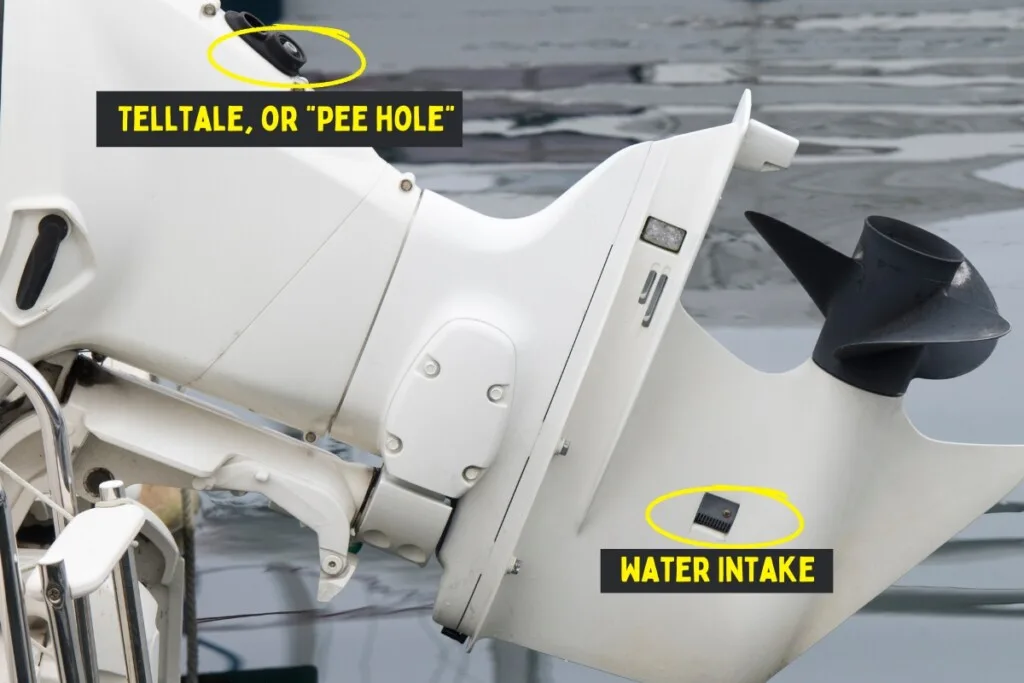
Image source: Bing (Web (fair-use with source credit))
Water pump impeller. The rubber impeller inside the lower unit spins to pull water through the engine. After two seasons, the blades crack and stop sealing. Remove the lower unit and replace the impeller.
Yamaha recommends replacement every two years regardless of appearance.
Thermostat stuck closed. The thermostat controls coolant flow through the power head. If it sticks shut, the engine overheats at idle. Remove the thermostat housing and drop the thermostat into boiling water.
It should open at about 140 degrees Fahrenheit. If it stays closed, replace it.
Poppet valve. On larger Yamaha V6 and V4 outboards, a poppet valve opens at higher RPM to bypass the thermostat. If it sticks, the engine runs hot at speed. Clean the valve housing and check the spring tension.
Debris in the water intake. Sand, mud, and plastic bags block the water intake slots on the gearcase. Check the intake screens before dropping the lower unit. Sometimes the fix is a simple scrape with a screwdriver.
Loss of Power or Bogging Under Load
You are on plane and the engine suddenly falls flat. It may accelerate to 3000 RPM and refuse to go higher, or it may surge and drop repeatedly. This symptom usually points to the fuel system or the ignition timing.
Fuel pressure test. The high-pressure fuel pump on Yamaha EFI engines delivers 40 to 60 PSI depending on the model. A failing pump will still run but cannot maintain pressure under load. Connect a fuel pressure gauge to the service port on the fuel rail.
If pressure drops more than 5 PSI when you open the throttle, replace the pump.
Anti-siphon valve. On built-in fuel tanks, an anti-siphon valve at the tank outlet can stick closed under vacuum. This creates a restriction that looks like a fuel pump failure. Remove the valve and test it.
Many mechanics bypass it entirely.
Throttle position sensor. The TPS on Yamaha EFI engines tells the ECM where the throttle is. If the sensor drifts out of spec, the ECM delivers the wrong fuel mixture. Check the voltage at idle and at wide-open throttle against the factory spec in your service manual.
Spark plug condition. Pull the plugs and look at the electrode. A white, chalky plug indicates a lean condition. A wet, black plug indicates flooding or weak spark.
Replace plugs annually with the NGK plug specified for your model.
Propeller pitch. If the engine revs freely in neutral but bogs under load, the propeller may be pitched too high for your hull. This is not a mechanical failure, but it feels like one. Check the prop part number against your boat weight and typical load.
VRO Alarm or Warning Horn Going Off
Yamaha's Variable Ratio Oiling (VRO) system uses an alarm to warn of low oil, overheating, or an electrical fault. The pattern of the beeps tells you what is wrong.
Continuous beep with no engine start. The kill switch or neutral safety switch is engaged. Check the lanyard and the shift lever position.
One beep every two seconds. Low oil level in the remote oil tank or a blocked oil line. Top off the oil tank and check the hose for kinks. Some models have an oil level sensor that fails and triggers a false alarm.
Rapid intermittent beeps. Overheating or low oil pressure. Shut the engine off immediately. Check the tell-tale stream and the oil level before restarting.
Unplugging the VRO alarm on older models. Many owners disable the VRO alarm after a false trigger. This is dangerous. The alarm exists to prevent catastrophic engine damage.
If you have disconnected yours, reconnect it and verify the system works. Pre-mixing fuel at 50:1 on a model that expects variable oiling will foul the plugs and damage the rings.
What Usually Trips Up DIY Troubleshooters
Even experienced owners make the same mistakes. Avoiding these will save you hours and possibly a tow.
Skipping the lanyard check. It happens to everyone. You spend 20 minutes tracing wires only to discover the kill switch clip fell off. Check the lanyard first.
Using automotive parts. Yamaha outboards use marine-grade electrical components. An automotive starter solenoid or fuel filter will fail in saltwater within months. Stick with genuine Yamaha or reputable marine aftermarket brands.
Ignoring the obvious. A clogged fuel vent is free to fix. A dead battery costs less than $150. Yet many owners order $400 worth of fuel system parts before checking the simplest causes.
Work through the checklist in order.
Overtightening drain plugs. The lower unit drain plug uses a crush washer that seals at moderate torque. Overtightening strips the threads in the aluminum gearcase. Use a torque wrench at the spec in your manual.
Not reading the owner's manual. Yamaha provides a model-specific owner's manual with torque specs, fluid capacities, and wiring diagrams. Download it free from the Yamaha Outboards website. The manual answers most questions you will Google.
When to Call a Professional
Some problems require specialized tools and training. Knowing when to stop saves you from causing more damage.
Compression below 70 PSI. If any cylinder reads under 70 PSI, you have internal mechanical damage. Continuing to run the engine will destroy the crankshaft and connecting rods. Haul the boat to a shop.
Metal flakes in the gearcase oil. Drain the lower unit oil into a clean container. Shiny metal flakes indicate bearing or gear failure. Running the engine with a damaged gearcase can lock the driveshaft.
Electrical smoke or burning smell. The smell of burning wire insulation means a short circuit. Disconnect the battery immediately. A short can melt the wiring harness and start a fire.
Fuel leak from the high-pressure system. Yamaha EFI systems operate at 40 to 60 PSI. A pinhole leak in the fuel rail sprays atomized fuel that ignites easily. If you smell fuel, stop and ventilate the area.
Call a professional.
No compression in multiple cylinders. Two adjacent low cylinders often point to a blown head gasket. Compression in all cylinders below spec indicates piston ring wear. Either condition requires pulling the power head.
ECM replacement. If your diagnostic path points to a failed ECM, confirm all other systems are healthy before ordering a $1,200 computer. Even experienced mechanics send ECMs for bench testing rather than swapping parts blindly.
Preventive Habits That Cut Troubleshooting in Half
Outboard problems are often the result of neglected maintenance. A few simple habits reduce your risk of mid-lake breakdowns.
Annual water pump impeller replacement. This is the single most important maintenance task. A $60 impeller and 45 minutes of labor prevent overheating damage that costs thousands. Mark it on your calendar for every spring.
Fuel stabilizer year-round. Ethanol-blended fuel absorbs water and degrades within 30 days. Add stabilizer to every tank fill, not just before storage. Use a biocide additive if you store the boat in a warm climate.
Battery maintenance. Remove the battery during winter storage. Charge it every 60 days with a smart charger. Replace batteries older than four years even if they test okay.
Grease all fittings. Yamaha outboards have grease fittings on the steering tube, tilt tube, and swivel bracket. Pump fresh marine grease into every fitting every 30 hours of use.
Flush the engine after every saltwater trip. Run the engine on muffs with fresh water for at least five minutes. This clears salt crystals from the cooling passages and extends the life of the water pump impeller.
Replace the fuel filter annually. A $15 fuel filter prevents debris from reaching the high-pressure pump and injectors. Change it at the same time as the impeller.
Frequently Asked Questions
Why does my Yamaha outboard crank but not start?
The most common causes are a tripped kill switch lanyard, low battery voltage, or a clogged fuel filter. Check the lanyard first, then verify battery voltage above 12.6 volts. If those are fine, test for spark at the plugs.
How do I know if my Yamaha outboard overheated?
You will see steam or a weak trickle from the tell-tale stream. The warning horn will sound with rapid beeps. Stop the engine immediately.
Continued running damages the power head.
Can I use automotive spark plugs in my Yamaha outboard?
No. Automotive plugs lack the corrosion resistance needed for marine environments. Use the NGK or Yamaha-specified plug for your model.
The wrong heat range or gap causes misfiring and pre-ignition.
What does the Yamaha VRO alarm mean?
A continuous beep with no start means the kill switch is engaged. One beep every two seconds signals low oil. Rapid intermittent beeps mean overheating or low oil pressure.
Check the corresponding system immediately.
How often should I replace the water pump impeller?
Yamaha recommends every two years regardless of appearance. Many mechanics recommend annual replacement in saltwater. The rubber impeller cracks and loses sealing ability even when not in use.
Why does my outboard lose power at full throttle?
Common causes include a clogged fuel filter, failing high-pressure fuel pump, stuck anti-siphon valve, or incorrect propeller pitch. Check fuel pressure and the TPS voltage first. Replace the fuel filter annually as prevention.

Similar Posts