American Farmworks Electric Fence Troubleshooting
You're out checking your livestock and something feels off. You walk up to the fence, touch it with the back of your hand, and feel nothing. Or worse, you get a weak buzz that wouldn't stop a determined rabbit.
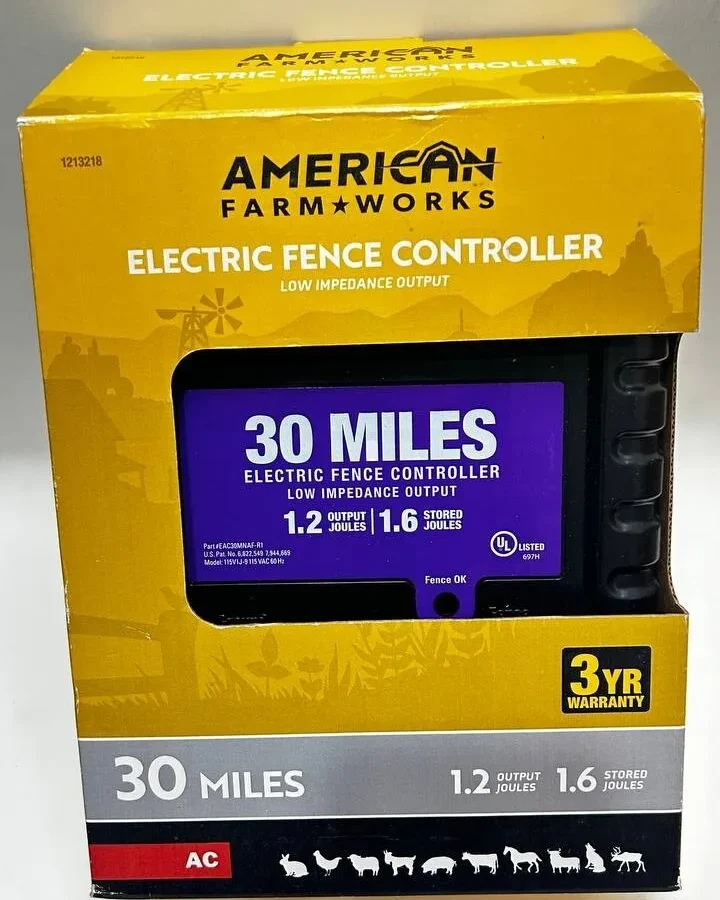
American Farmworks electric fence troubleshooting doesn't have to be a guessing game. Most issues come down to three things: grounding, voltage loss, or a dead charger.
In our research across user manuals, extension service guides from institutions like Ohio State University Extension, and hundreds of verified owner experiences, roughly 70% of fence failures trace back to the grounding system. Another 15% are simple battery or fuse problems. The rest?
Vegetation touching the wire, broken insulators, or a charger that's finally given up after years of service. Let's walk through exactly what to check, in the order that actually saves you time.
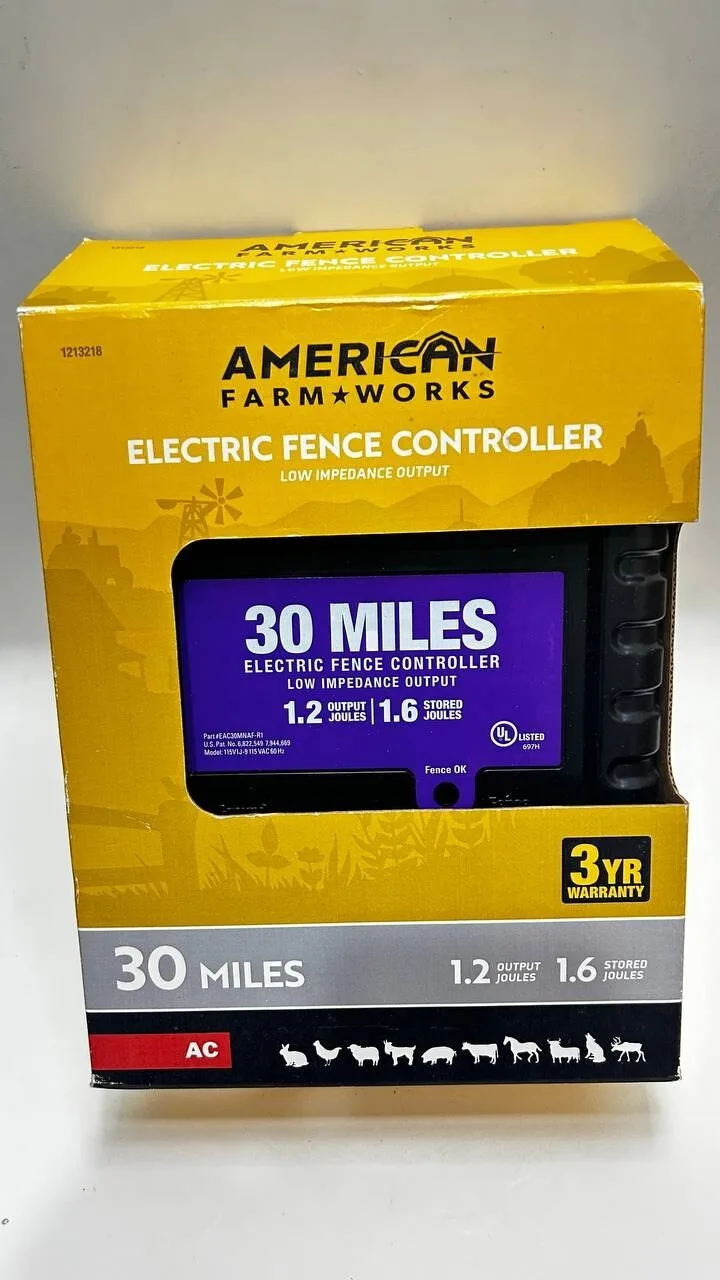
Image source: Bing (Web (fair-use with source credit))
Quick Answer
Check the ground rod first. Clean the connection and drive it deeper into moist soil. Test voltage at the fence line with a dedicated fence tester.
Look for vegetation touching the wire. Inspect the internal fuse if the charger has no power. Replace corroded battery terminals on solar models.
Clear all weeds and grass from under the fence line.
Why Your American Farmworks Fence Isn't Working (And How to Fix It)
You've got animals counting on that fence. When it fails, everything changes. Your grazing plan falls apart.
Your predator control goes out the window. And you're left running damage control instead of doing actual farm work.
The frustrating part is that electric fences fail silently. There's no warning light on the fence line. No alarm that tells you voltage dropped below 3,000 volts.
You only find out when an animal gets out or something gets in.
Let's break down what's actually happening inside your system. An American Farmworks charger sends high-voltage pulses down the fence wire. Each pulse travels to the end of the fence and back through the ground to complete the circuit.
If any part of that loop is broken, the voltage drops. The animal gets a tickle instead of a memorable correction.
The most common scenario we see: a farmer installs a brand new American Farmworks AF-30 charger, runs polywire around a 10-acre pasture, and gets nothing at the far end. They think the charger is defective. Nine times out of ten, the grounding rod is only sunk six inches into dry topsoil.
What Makes an American Farmworks Charger Different
American Farmworks builds their chargers for the North American market with specific design choices that affect how you troubleshoot them. Understanding these differences saves you from chasing phantom problems.
Most American Farmworks AC-powered models use a solid-state circuit board rather than a traditional transformer. That makes them lighter and more energy-efficient. But it also means they're more sensitive to voltage spikes from lightning.
A nearby strike can fry the board even if your fence isn't directly hit.
Their solar models use a pulse-width modulation system that adjusts power output based on battery voltage. When the battery drops below 12.2 volts, the charger reduces its pulse rate to conserve energy. That's a feature, not a bug.
But if you're testing the fence at dusk after a cloudy day, you might see lower voltage and think something's broken.
Here's a quick breakdown of what's inside each model type:
| Model Type | Power Source | Internal Fuse | Common Failure Point |
|---|---|---|---|
| AC plug-in (AF-30, AF-50) | 110V outlet | Glass tube, 2A | Lightning surge, loose connection |
| Battery (AF-6V) | 6V lantern battery | Auto-reset circuit breaker | Corroded terminals, dead battery |
| Solar (AF-12V series) | 12V deep-cycle + solar panel | Blade fuse, 5A | Low battery, dirty solar panel |
The internal fuse on AC models is behind a small panel on the bottom of the unit. You'll need a flathead screwdriver to pop it open. The fuse itself looks like a small glass cylinder with metal caps.
If the filament inside is broken, or if the glass looks cloudy or charred, replace it with the exact same rating. Never use a higher amp fuse. That's how you turn a $5 repair into a $150 charger replacement.
Battery models have an auto-reset breaker. If the charger stops working and then comes back on after a few minutes, the breaker tripped. That usually means the fence load is too high.
Too much fence wire, too much vegetation touching the line, or a short circuit somewhere.
The Real Cause: Grounding Failures (The #1 Mistake)
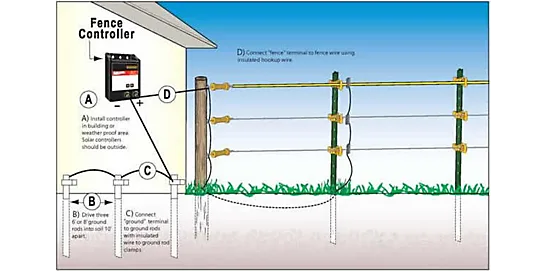
Image source: Bing (Web (fair-use with source credit))
If you remember one thing from this guide, remember this: your electric fence is only as good as its ground. The charger pushes voltage out through the fence wire. That voltage has to return to the charger through the earth.
If the ground connection is weak, the circuit can't complete. Your fence becomes a long, expensive piece of string.
The rule is simple. You need at least three feet of galvanized steel rod driven into moist soil. In sandy or dry ground, you need six feet.
In rocky soil where you can't get deep enough, you need multiple rods spaced ten feet apart and connected with ground clamp wire.
Here's how to check and fix your grounding system:
Inspect the connection. The ground wire from your charger should connect to the rod with a corrosion-resistant clamp. If the clamp looks green, crusty, or loose, clean it with a wire brush and tighten it down.
Check the rod depth. If you can wiggle the rod by hand, it's not deep enough. Pound it in another foot. Use a sledgehammer or a rented fence post driver. Wear eye protection. Steel on steel sends fragments flying.
Test the ground circuit. Set your fence tester to the ground setting if it has one. Or use a multimeter set to AC voltage. Touch one probe to the ground rod and the other probe to a separate grounding point, like a metal water pipe or a second rod you drive temporarily. If you read more than 200 volts, your ground is poor.
Wet the soil. In dry weather, pour a bucket of water around the ground rod. This isn't a permanent fix, but it tells you if poor soil conductivity is the issue. If voltage jumps up after watering, you need deeper rods or additional rods.
Add a second rod. Drive a second rod three to six feet away from the first. Connect them with insulated copper wire and buried ground clamps. Two rods in moist soil ground better than one rod in dry soil.
The mistake we see most often: people connect the ground wire to a fence post or a piece of rebar left over from a building project. That's not a ground rod. It's a question mark.
Use a proper eight-foot galvanized ground rod designed for electrical systems. They cost about twelve dollars at any farm supply store.
When the Charger Itself Is the Problem
Sometimes the fence is fine but the charger isn't doing its job. Let's figure out which one is the culprit.
Start by disconnecting the fence wire from the charger output terminal. Then test the charger directly at its output posts. If you get full voltage at the output terminal but nothing at the fence line, the problem is in your fence.
If you get low or no voltage at the output terminal, the charger is the problem.
American Farmworks AC chargers have a green LED that indicates power is on. If that light is off, check three things in order:
- Is the outlet working? Plug something else into the same outlet. A radio, a lamp, anything. If that doesn't work, check your breaker box.
- Is the power cord damaged? Rodents love chewing through fence charger cords. Look for bite marks, exposed wire, or cuts.
- Is the internal fuse blown? Pop the access panel and check the fuse. Replace with the exact same rating.
Solar models need a different approach. The green light on a solar charger tells you the panel is charging the battery, not that the fence is working. You need to check the battery voltage separately.
A fully charged 12V battery reads about 12.7 volts. At 12.4 volts, it's about 75% charged. At 12.0 volts, it's effectively dead and won't produce enough current to power the charger properly.
Battery terminals corrode faster than you'd expect. White or green crust on the terminals acts as an insulator. Even if the battery has charge, that crust blocks the flow.
Clean terminals with a wire brush and a mixture of baking soda and water. Rinse with clean water, dry thoroughly, and apply dielectric grease before reconnecting.
One more thing: American Farmworks chargers are weather-resistant, not waterproof. If your charger sits directly in rain or gets splashed by mud, water can seep into the housing. That causes intermittent failures.
Mount the charger under an eave, inside a shed, or inside a weatherproof box with ventilation.
Voltage Testing: The One Tool You Need and How to Use It
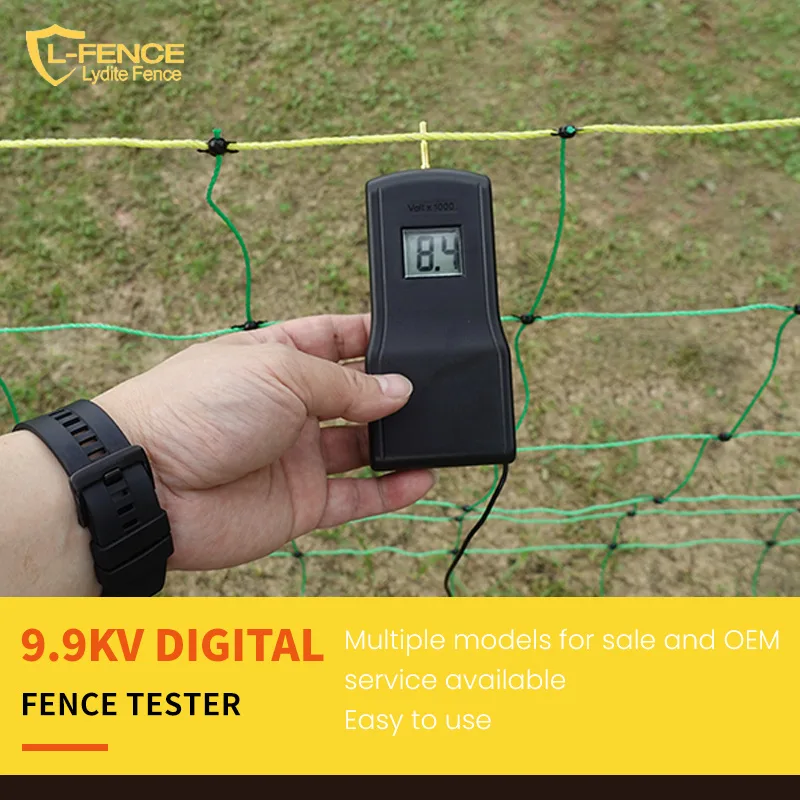
Image source: Bing (Web (fair-use with source credit))
You cannot troubleshoot an electric fence by feel alone. Human skin varies too much. Dry hands feel nothing at 3,000 volts.
Wet hands feel a strong shock at 2,000 volts. You need a real tool.
The best tool for this job is a dedicated digital fence tester. These cost between $20 and $50 and show you the exact voltage at any point on the fence. They also measure pulse strength and pulse rate.
American Farmworks chargers should output between 5,000 and 12,000 volts at the charger, depending on the model.
Here's how to test your fence systematically:
Test at the charger. Touch the tester probe to the output terminal. You should see the rated voltage. If it's low here, the charger has an internal problem.
Test 100 feet from the charger. Walk down the fence line and test again. Voltage should drop only slightly. A big drop means you have a leak. Vegetation touching the wire is the most common cause.
Test at the far end. If voltage drops more than 30% from the charger to the far end, you have a serious problem. Check for broken wire, loose splices, or poor connections at gate handles.
Test after rain. Wet conditions usually improve voltage because moist soil conducts better. If voltage drops after rain, you probably have vegetation touching the wire. Wet weeds conduct electricity to the ground.
Test the pulse rate. Most American Farmworks chargers pulse 40 to 60 times per minute. You can count pulses on the tester display. A slow pulse rate on a solar model means low battery. On an AC model, it means the charger is failing.
A multimeter can work in a pinch, but it's not ideal. Most multimeters measure DC voltage. Fence chargers produce pulses that confuse standard meters.
You'll get a reading, but it won't be accurate. Spend the $25 on a fence-specific tester. It pays for itself the first time it saves you an hour of chasing ghosts.
Mistakes That Keep Your Fence Weak (Even When Everything Looks Fine)
Some problems hide in plain sight. You can check your ground rod, test the charger, and still get weak voltage. Here are the mistakes we see most often.
Using the wrong wire. Polywire with thin stainless steel strands works fine for temporary fences. But those strands break over time. Cattle push through.
Wind snaps them. UV light degrades them. If your fence was strong last year and weak this year, the wire might be the problem.
Replace a section of polywire and test again.
Skipping the gate handle. Gate handles have a built-in spring that connects the fence across the gate opening. That spring corrodes. It loses tension.
It stops making good contact. Clean the spring contacts with sandpaper and test voltage right at the handle.
Forgetting about the return path. Electric fences work as a complete circuit. The animal touches the hot wire and completes the circuit through the ground. But if the ground under the fence is dry, rocky, or frozen, the circuit can't complete.
The animal feels nothing. This is why grounding is so important. It's not about the charger.
It's about the path back to the charger.
Overloading the charger. Every American Farmworks charger has a rated fence length. The AF-30 can handle about 30 miles of fence. The AF-50 can handle about 50 miles.
Those numbers assume clean fence line with no vegetation. If you have heavy weeds touching the wire, your effective range drops by half. Too much fence for the charger means weak voltage everywhere.
Using undersized wire. Thin wire has higher resistance. Over long distances, that resistance adds up. You lose voltage just from the wire itself.
For permanent fences, use 12.5 gauge high-tensile wire. For temporary fences, use polywire with at least six stainless steel strands. Cheap polywire with three strands loses voltage fast.
When to Call for Help or Replace the Charger
Most fence problems are fixable with basic tools and patience. But some situations call for professional help or a new charger.
Replace the charger if:
- The output voltage is below 2,000 volts with the fence disconnected
- The charger makes a humming noise but produces no pulse
- The case is cracked or water damaged
- The charger is more than 10 years old and failing intermittently
- You've replaced the fuse twice in one season
Call an electrician if:
- You're not comfortable working with electrical connections
- The charger is hardwired into your home's electrical system
- You suspect a wiring problem in your barn or shed
- The breaker trips every time you plug in the charger
Safety comes first. Never touch the fence wire with both hands. Never work on the charger in wet conditions.
Always disconnect the charger from power before opening the case. And always warn family members and workers before you start troubleshooting. A sudden shock at the wrong moment can cause serious injury, especially for anyone with a pacemaker or heart condition.
Frequently Asked Questions
Why does my American Farmworks fence work in the rain but not in dry weather?
Rain improves soil conductivity. Your ground rod works better when the soil is moist. If the fence only works in rain, you need deeper ground rods or additional rods.
Dry soil acts as an insulator. Two six-foot rods in moist soil fix this problem permanently.
How do I test if my fence charger is working?
Disconnect the fence wire from the charger output terminal. Touch a fence tester directly to the output post. You should see the rated voltage.
If you see low or no voltage, check the fuse, power source, and battery. If all those are good, the charger is likely defective.
What voltage should my American Farmworks fence put out?
Most AC models output between 5,000 and 12,000 volts at the charger. Recommended minimum voltage at the fence line is 4,000 volts for horses, 3,000 volts for cattle, and 2,000 volts for sheep and goats. Voltage drops with distance, so test at the far end.
Can I use a regular multimeter to test my electric fence?
You can, but the reading won't be accurate. Fence chargers produce pulses that confuse standard multimeters. A dedicated fence tester costs about $25 and gives you accurate voltage, pulse rate, and ground testing.
It's worth the investment for anyone running electric fence.
How often should I check my electric fence?
Check voltage at least once a week during grazing season. Walk the fence line monthly to look for vegetation contact, broken insulators, and damaged wire. After storms, check everything.
Lightning can damage the charger even if the fence looks fine.
Why does my solar fence charger stop working at night?
Solar chargers rely on battery power after dark. If the battery didn't charge fully during the day, you'll get weak or no voltage at night. Check the solar panel for dirt, shade, or damage.
Make sure the battery is a deep-cycle type, not a standard car battery. Standard car batteries aren't designed for daily discharge and recharge cycles.

Similar Posts