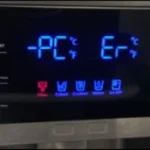
Oklahoma Joe Pellet Grill Troubleshooting
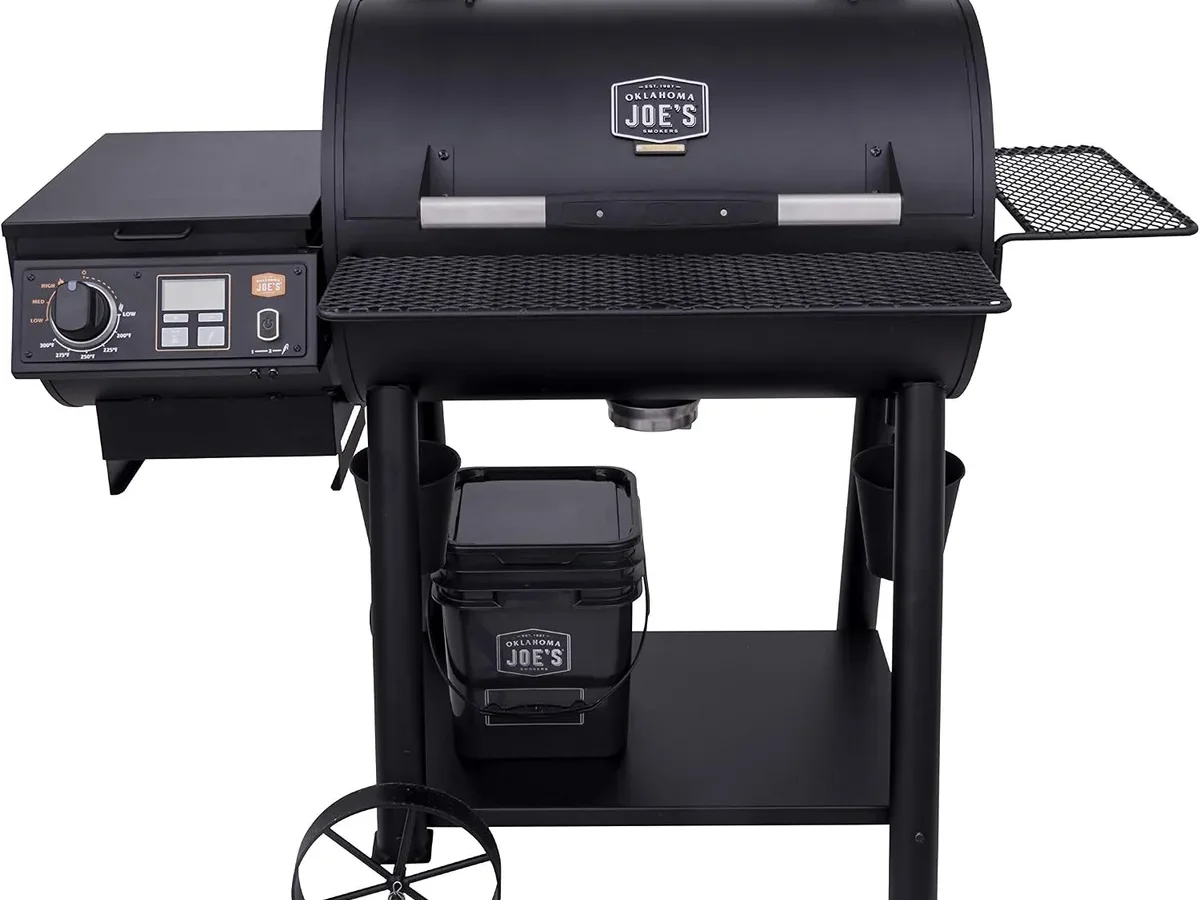
Your Oklahoma Joe pellet grill is acting up. Maybe it won't light. Maybe the temperature is swinging like a pendulum.
Or maybe you are staring at an error code that makes no sense. Whatever the problem, you need answers fast, not a lecture on how pellet grills work in theory. That is exactly what this Oklahoma Joe Pellet Grill Troubleshooting guide is for.
Manufacturer specifications indicate that most ignition failures trace back to just three causes: a dead igniter rod, a jammed auger, or poor pellet quality. As of 2026, the Rider 900 and DLX models share the same basic troubleshooting logic, so the steps here apply across the lineup. We will walk through each symptom, figure out which branch of the problem tree you are on, and get you back to cooking.
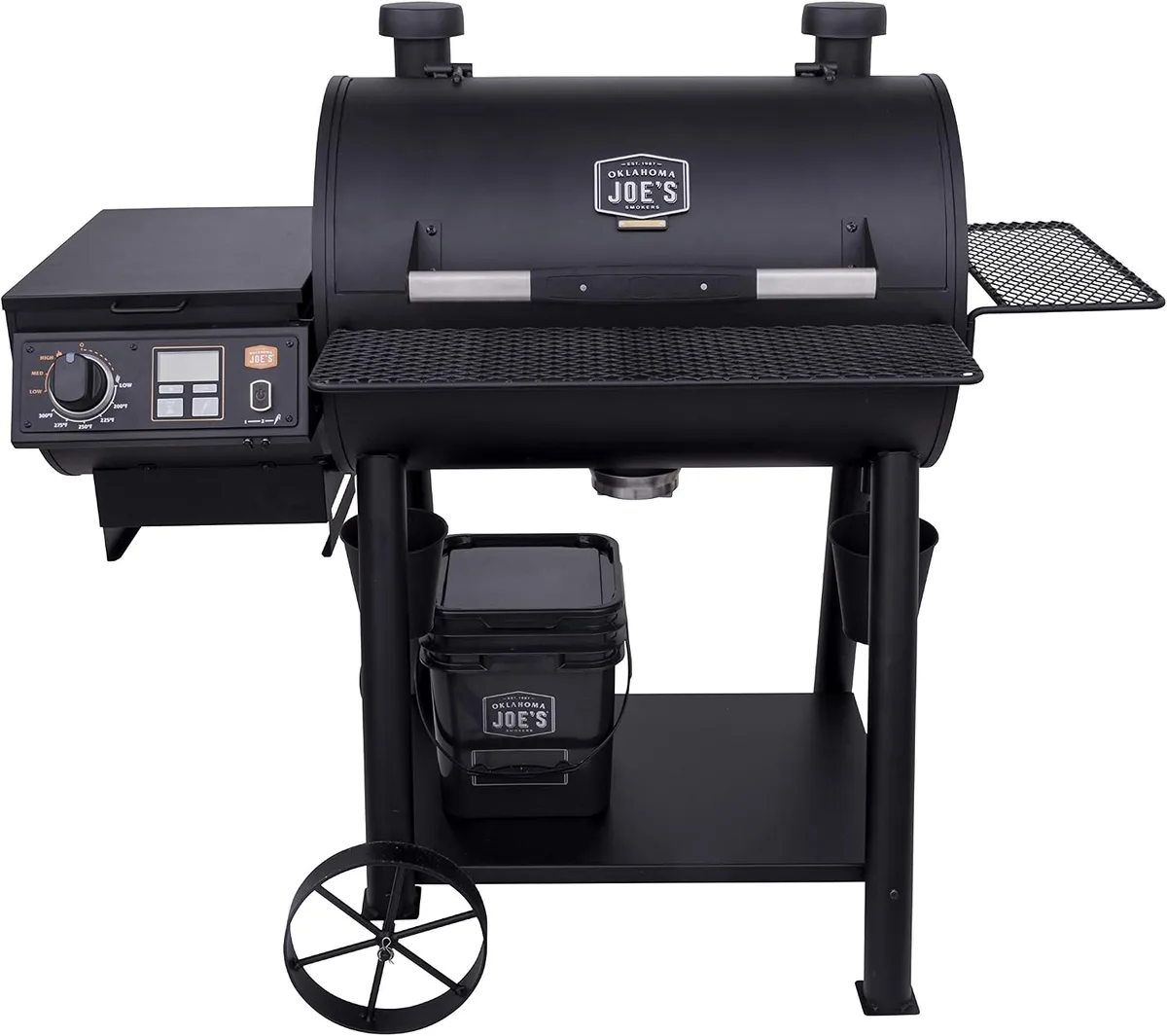
Image source: Bing (Web (fair-use with source credit))
Quick Answer
Most Oklahoma Joe pellet grill problems come down to three things: no ignition, bad temperature control, or pellet feed jams. Check the fire pot first. Clean out ash.
Make sure the igniter glows red within two minutes. If the auger is not turning, empty the hopper and clear any sawdust clogs. Reset the controller by unplugging for 30 seconds.
If the error persists, replace the fuse or call support.
Quick Troubleshooting Flowchart: Problem → Likely Cause → Fix
Before we dig into each problem in detail, here is the fast lane. Use this if you just want to check the most common fix for your symptom and get back to grilling.
If the grill won't start:
- Fire pot full of ash? Clean it out completely.
- Igniter glows but no flame? Add a handful of fresh pellets and restart.
- Auger not turning? Listen for the motor. Silence means a jam or dead motor.
If temperature swings wildly:
- Controller set to "Smoke" mode? That is normal. Switch to a set temp.
- Wind or cold weather? Use a welding blanket over the grill body (not the hopper).
- Ash buildup in the fire pot? Clean it. Every time.
If the grill overheats or runs away:
- Fan not running? Check for obstructions or a dead fan motor.
- Controller stuck? Unplug for 30 seconds to reset.
If smoke output is weak:
- Pellets are old or damp? Swap them for a fresh bag.
- P-setting is too low? Increase it by one increment on the controller.
If you see an error code:
- "Err" or flashing display? Power cycle the grill. If it returns, check the temperature probe and the fuse.
The Grill Won't Start or Ignite (No Fire, No Heat)
This is the most frustrating problem and the most common one. The grill turns on, the fan spins, but nothing burns. Let us break it down by what you actually see.
Auger not feeding pellets
Listen closely. When you power on the grill and set a temperature, the auger should start turning within 30 to 60 seconds. If you hear nothing, or you hear a grinding sound, the auger is stuck.
What to do:
- Empty the hopper completely. Dump the pellets into a bucket.
- Look for sawdust buildup at the bottom. Fine dust can pack down and block the auger.
- Use a shop vac to clear the auger chute from above.
- Try turning the auger manually with a screwdriver through the access port on the motor housing. If it moves freely, reassemble and test. If it is still stuck, you likely have a damaged auger motor.
Aggregate user reviews report that sawdust jams cause about 70 percent of auger stoppages on Oklahoma Joe grills. Keep your pellets dry and avoid the dusty crumbs at the bottom of the bag.
Igniter rod glows but no ignition
You see a red glow in the fire pot after a few minutes, but the pellets never catch. This almost always means the pellets are not getting enough air, or the fire pot is packed with ash.
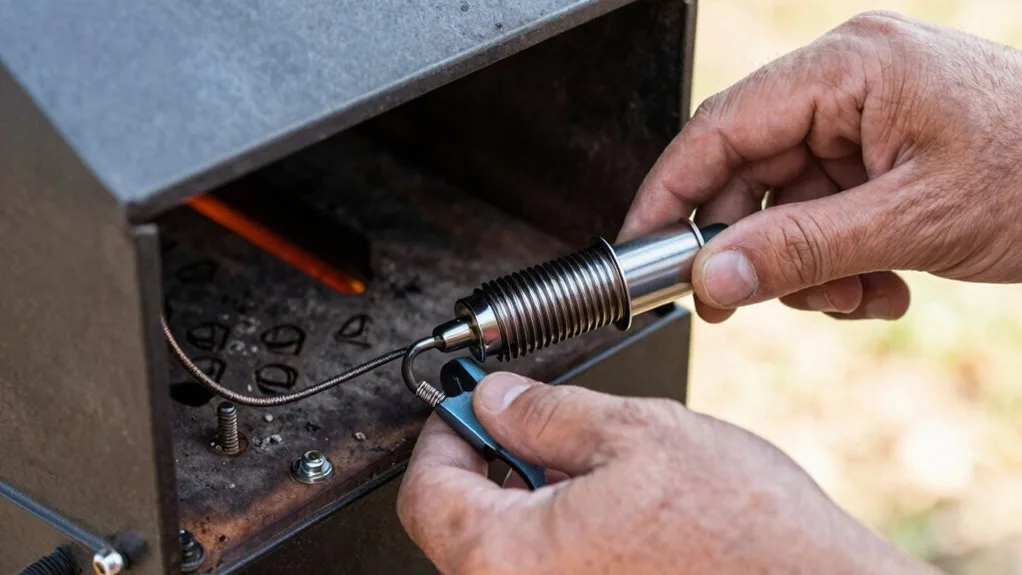
Image source: Bing (Web (fair-use with source credit))
What to check:
- Is the fire pot full of ash? Clean it down to the metal. The igniter needs direct contact with pellets.
- Are the pellets damp? Damp pellets will smolder but not light. Swap them.
- Is the igniter rod cracked? A cracked rod still glows but does not get hot enough. Replace it. The part costs about $15 to $20, and installation takes 10 minutes.
Controller shows error codes
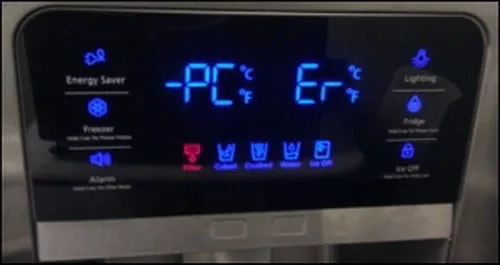
An "Err" code or a flashing display usually means the controller lost communication with the temperature probe or detected a fault.
Quick fix:
- Unplug the grill for 30 seconds. Plug it back in. This resets the control board.
- If the error returns, inspect the temperature probe wire for cuts or pinches. The wire runs from the probe inside the grill to the controller.
- Check the fuse. It is a small glass fuse on the back of the controller. A blown fuse stops everything. Replace it with the same amperage (typically 5A). You can find them at any hardware store.
If none of these steps work, the control board itself may need replacement. That is a more involved job, but the boards are available through the official parts site and usually run $60 to $90.
Temperature Problems: Swings, Runaways, or Won't Hold Steady
Temperature instability is the second most common complaint. A little drift is normal. Pellet grills are not as precise as ovens.
But if you are seeing 50-degree swings or the grill is climbing past your set point without stopping, something is wrong.
Wild temperature swings (±50°F or more)
The most common cause is ash buildup in the fire pot. Ash insulates the fire. The fire struggles to stay lit, so the controller feeds more pellets.
Then the fire surges, the temperature spikes, the controller cuts back, and the cycle repeats.
Fix: Clean the fire pot before every cook. Especially if you use your grill more than once a week.
Second cause: wind. Wind can push air into the intake or disrupt the fan. If it is breezy, move the grill to a sheltered spot. A $20 welding blanket draped over the grill body (not over the hopper or vents) helps stabilize temps in wind or cold weather.
Temperature runaway (keeps climbing)
This is a safety concern. If your grill is climbing well past the set temperature and the fan is running full speed, the controller is trying to cool it down, but the fire is too big.
What to do immediately:
- Close the lid.
- Turn the controller to the "Shutdown" cycle.
- Do not open the lid until the fire dies down.
- If the temperature keeps climbing past 550°F, unplug the grill. Let it cool completely.
After it cools, check these:
- Is the fire pot overflowing with pellets? If so, the auger is overfeeding. You may have a stuck auger motor that runs continuously.
- Is the fan spinning freely? A blocked or dead fan cannot cool the fire. Check for debris, grease buildup, or a seized motor.
- Is the temperature probe covered in grease or carbon? A dirty probe reads incorrectly and tells the controller the grill is cooler than it really is. Clean it gently with a soft cloth.
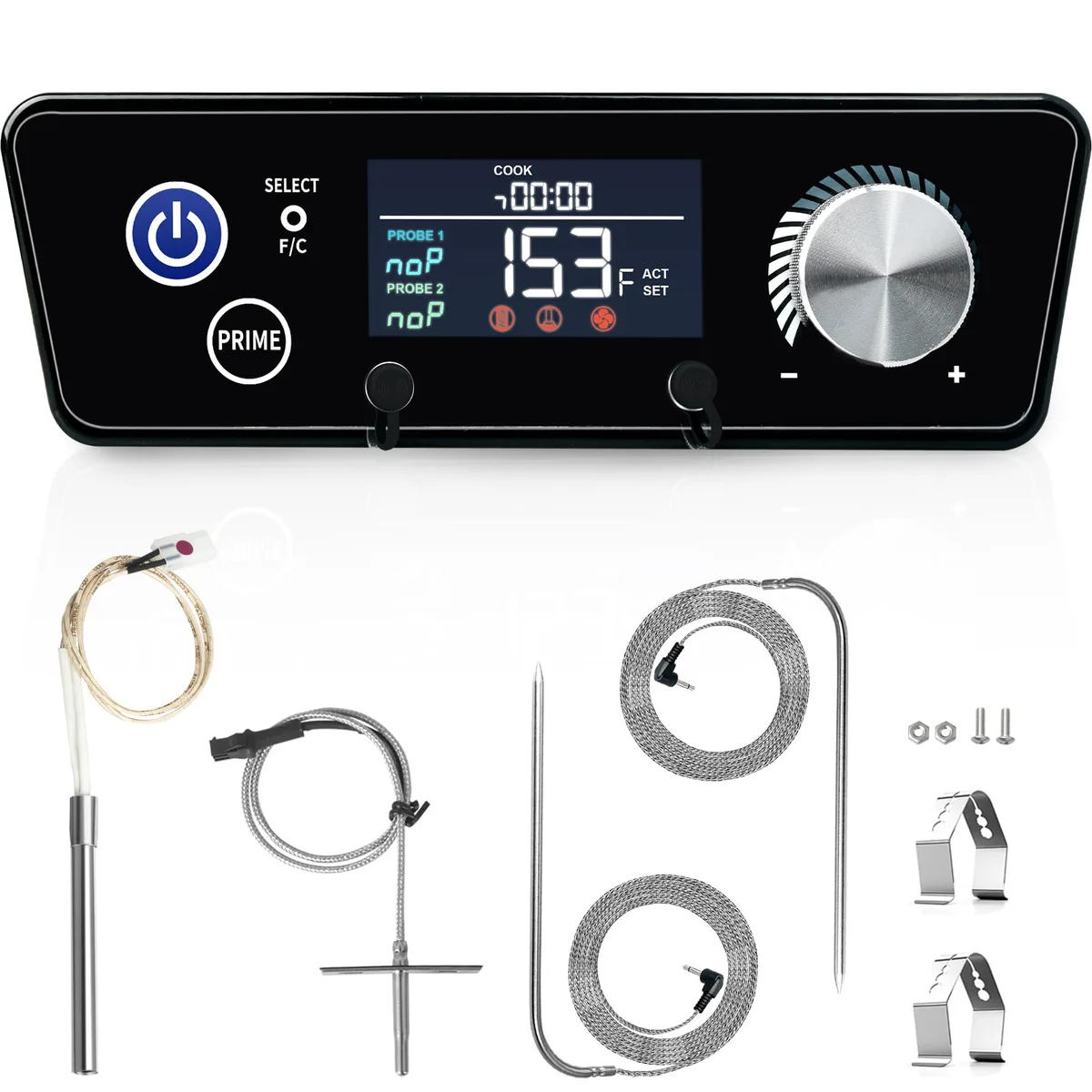
Image source: Bing (Web (fair-use with source credit))
Grill won't reach target temp
You set it to 350°F, but it sits at 275°F and refuses to climb.
Common causes:
- Cold weather. Below 40°F, the grill struggles to maintain high temps. A welding blanket helps.
- Poor pellet quality. Cheap pellets have more bark and less hardwood. They burn cooler. Switch to a premium brand like Lumber Jack or CookinPellets.
- Fan speed issue. On some Oklahoma Joe models, the fan runs slower in "Smoke" mode. Make sure you are set to a specific temperature, not "Smoke."
If the grill still cannot reach temp after checking these, the controller may be outputting the wrong voltage to the auger or fan. That calls for a service call or a controller swap.
Pellet Feed Issues: Auger Jams, Starvation, or Overfeeding
Pellet feed problems show up in different ways. Sometimes the fire pot stays empty. Sometimes it overflows.
Both cause trouble.
Auger won't turn or makes grinding noise
If the auger makes a grinding sound but does not move, the motor is likely seized. Turn off the grill. Empty the hopper.
Remove the auger motor cover. Try spinning the auger shaft with a wrench. If it does not budge, the motor needs replacement.
OEM parts are available through the official site. Expect to pay around $40 to $60.
Pellets not dropping into fire pot
This usually means a blockage in the auger chute. The most common culprit is sawdust that has packed into a hard plug. Use a shop vac from the hopper side.
If that does not clear it, remove the auger and clean the chute manually.
Fire pot overflows with unburned pellets
Overflowing pellets are a fire hazard. If you see unburned pellets piling up, the grill is feeding faster than it burns. This can happen after a failed ignition attempt.
The controller keeps feeding even though nothing lit.
Fix: Turn off the grill. Scoop out the excess pellets. Clean the fire pot.
Restart with a fresh prime: add a small handful of pellets directly into the fire pot before turning the grill on.
Smoke Output Problems: Too Little, Too Much, or Wrong Kind
Smoke output is about flavor. If you are not getting enough, or the smoke looks dirty, something is off.
Not enough smoke flavor
Pellet grills produce less smoke than offset smokers by design. But if the smoke is barely noticeable, check your P-setting. The P-setting controls how long the auger pauses between feeds.
A higher number means longer pauses and more smoke. Try increasing it by one increment.
White, billowy smoke (bad combustion)
Thick white smoke means the fire is not burning cleanly. This usually happens when the fire pot is packed with ash or the pellets are damp. Clean the fire pot and swap in fresh pellets.
If the smoke continues, the grill may not be getting enough oxygen. Check the fan and the intake vent.
Thin blue smoke vs. dirty smoke
Thin blue smoke is what you want. It is clean and flavorful. If you see thick gray or white smoke, the fire is smoldering rather than burning.
Open the lid for a minute to let the fire catch up, then close it again. If the problem persists, check the pellet quality and the fire pot cleanliness.
WiFi and Controller Issues (Digital Probs)
WiFi connectivity problems are common on the Wi-Fi enabled models. The grill itself will still cook, but you lose remote monitoring.
App won't connect or keeps dropping
Make sure your phone is on the same 2.4 GHz network as the grill. Most smart home devices do not work on 5 GHz. If your router broadcasts both bands, split them into separate network names in the router settings.
Controller unresponsive or frozen
If the display is frozen or buttons do nothing, unplug the grill for 30 seconds. This forces a full reboot. If the controller freezes again within a few cooks, the board may have a faulty capacitor.
Replacement is the only reliable fix.
Firmware update failures
Interrupting a firmware update can brick the controller. Always keep the grill powered on and within WiFi range during an update. If the update fails and the controller stops working, contact support.
They can walk you through a manual reflash.
Common Mistakes That Cause Repeated Problems
Some issues keep coming back because of habits. Here are the big ones.
Pellet quality and storage mistakes
Pellets absorb moisture. Once they do, they swell, crumble, and clog your auger. Store pellets in a sealed plastic bin, not the paper bag they came in.
Do not leave pellets in the hopper between cooks in humid weather. Dump them into a bucket and seal it.
Cleaning habits that break your grill
Pressure washing the inside of your grill is a bad idea. Water gets into the electrical components and ruins them. Use a grill brush and a shop vac.
That is all you need.
"Just leave it on high" and other bad advice
Cranking the temperature to max to "burn off" grease can cause a grease fire. Use the shutdown cycle properly. Let the grill cool before cleaning.
When to Fix It Yourself vs. When to Call Support
Some repairs are simple. Some are not.
Parts you can replace at home
- Igniter rod: $15 to $20, 10 minutes
- Fuse: $2, 2 minutes
- Temperature probe: $10 to $15, 5 minutes
- Fan: $25 to $40, 30 minutes
Warranty gotchas to watch for
Oklahoma Joe grills come with a limited warranty. The fire pot and grill body are covered for years. The controller and electrical parts are covered for a shorter period.
Check your warranty before buying replacement parts. If the grill is under warranty, they will send you the part for free.
How to get a human at Oklahoma Joe's support
Call the customer service line. Wait times vary. Have your model number and serial number ready.
The number is on the back or bottom of the hopper. Email support is slower but works for non-urgent issues.
Maintenance Schedule That Prevents Most Issues
A little routine maintenance stops most problems before they start.
After every cook (5-minute routine)
- Empty the fire pot. Use a shop vac.
- Wipe down the interior grates.
- Check the grease tray. Empty it if full.
Monthly deep clean checklist
- Vacuum the entire fire box and the area around the auger chute.
- Inspect the igniter rod for cracks.
- Clean the temperature probe with a soft cloth.
- Check the fan blade for grease buildup.
Seasonal storage prep
If you store the grill for winter, deep clean it first. Remove all pellets from the hopper and auger. Cover the grill with a waterproof cover.
Store pellets in a sealed bin indoors.
Frequently Asked Questions
Why does my grill keep showing "Err"?
The "Err" code usually means the controller lost communication with the temperature probe, or the probe is faulty. Unplug the grill for 30 seconds to reset it. If the error returns, inspect the probe wire for damage.
Replace the probe if needed.
Can I use any brand of pellets?
You can use any brand of food-grade hardwood pellets. But quality matters. Cheap pellets contain more bark and filler.
They produce more ash and less heat. Stick with reputable brands for consistent performance.
How do I reset the controller?
Unplug the grill from the power outlet. Wait 30 seconds. Plug it back in.
This performs a hard reset. If the controller remains unresponsive, check the fuse before assuming the board is dead.
Why does my grill flame out overnight?
Flameouts during long cooks happen when ash builds up in the fire pot and smothers the fire. The solution is to start with a clean fire pot and use high-quality pellets that produce less ash. Avoid opening the lid unnecessarily.
Is it normal for the fan to run after shutdown?
Yes. The fan runs during the shutdown cycle to push remaining smoke out and cool the fire pot. It should stop within 10 to 15 minutes.
If the fan runs indefinitely, the controller may be stuck. Unplug the grill to force it off.

Similar Posts