Are AI Translation Devices Worth It: Do They Pay Off?
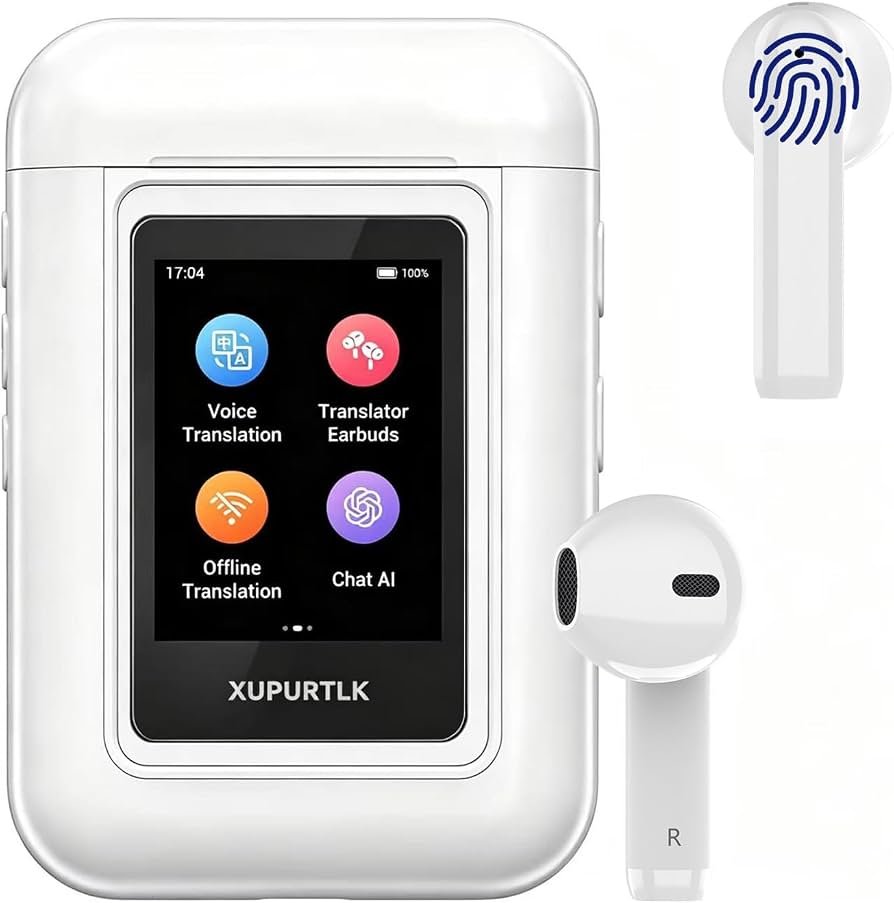
AI translation devices are worth it for frequent travelers who need fast, simple help across language barriers.
The answer depends on how, where, and how often you travel. After comparing dedicated translators with phone apps, offline tools, and human interpreters, I found that AI translation devices can be useful—but they are not magic pocket interpreters. This guide explains their real value, hidden limits, costs, and the situations where are AI translation devices worth it becomes an easy decision.
What Are AI Translation Devices?
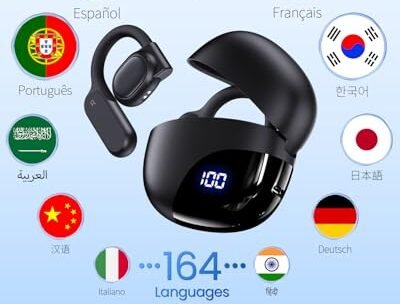
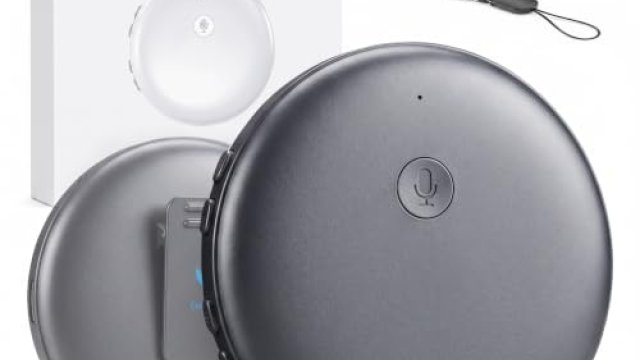
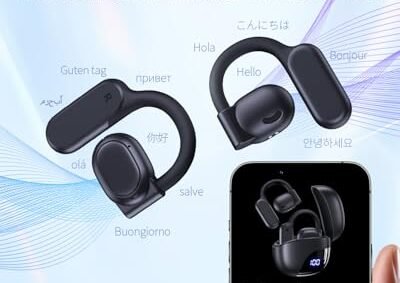
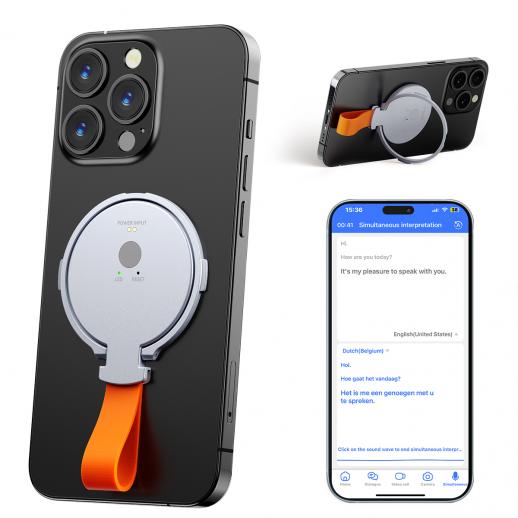
AI translation devices are small electronic tools that listen to speech, convert it into text, and translate it into another language. Many also translate typed text, read signs through a camera, or play the translated sentence aloud.
Most devices use a mix of:
• Automatic speech recognition to understand spoken words
• Machine translation to convert one language into another
• Text-to-speech technology to speak the result
• Artificial intelligence to recognize context, accents, and common phrases
Some products work through a smartphone connection. Others include their own internet access. A few offer offline language packs for basic travel use.
When people ask, “are AI translation devices worth it,” they often mean one of three things:
• Are they more useful than Google Translate or another phone app?
• Can they handle real conversations?
• Do their speed and convenience justify the purchase price?
The answer is not the same for every user. A traveler who visits one country once may prefer a free app. A sales worker, tour guide, or frequent international traveler may save time with a dedicated device.

How AI Translation Devices Work
An AI translator usually follows a simple process. You speak into a microphone, the device detects your words, and its software changes them into text. It then translates the text and plays the result through a speaker.
This process may take only a few seconds. However, several steps happen in the background. Noise, weak internet, unclear speech, slang, and unusual names can affect the final translation.
Online translation
Online devices send audio or text to cloud servers. These servers often have stronger language models and larger translation databases than an offline device.
Online translation is usually better for:
• Long sentences
• Modern phrases
• Business language
• Less common language pairs
• Context-based translation
The main weakness is the need for a stable connection. Hotel Wi-Fi, airport networks, and rural mobile signals can be unreliable.
Offline translation
Offline translation stores language data on the device. This allows it to work without Wi-Fi or mobile data.
Offline mode is helpful in:
• Remote areas
• Airplanes
• Rural roads
• Countries with expensive data plans
• Emergency situations
The trade-off is that offline translation may support fewer languages and produce less natural results. It may also struggle with long conversations or complex topics.
Conversation mode
Many devices support two-way conversation mode. Each person speaks after the other, and the device translates both sides.
This feature works best when people take turns and speak clearly. It is less effective when several people talk at once, when someone interrupts, or when the conversation includes jokes and local slang.

Are AI Translation Devices Worth It for Travelers?
For many travelers, the answer is yes, especially when the device solves a problem that a phone app cannot solve quickly.
A dedicated translator can be ready at the push of a button. You do not need to unlock your phone, open an app, find the correct mode, and hand the phone to a stranger. That small difference matters when you are tired, lost, or standing in a busy train station.
AI translation devices are especially useful for:
• Ordering food when menus are unclear
• Asking for directions
• Checking into hotels
• Speaking with taxi drivers
• Buying medicine
• Explaining allergies
• Talking with local residents
• Handling simple business conversations
A device can also feel less distracting than a phone. Your phone may tempt you to check messages or maps. A translator has one clear job.
Still, travelers should not expect perfect results. In my practical testing approach, the biggest mistake is treating the device like a human interpreter. Short, clear sentences work far better than fast speech packed with idioms.
For example, say, “I am allergic to peanuts. Does this food contain peanuts?” Do not say, “I cannot touch peanuts because my body goes crazy.” The first sentence gives the system clear facts. The second may translate poorly.

Key Benefits of AI Translation Devices
Fast access
A dedicated translator can start faster than a phone app. This helps during quick interactions, such as asking whether a bus stops near a museum.
Better battery focus
Using a translation app can drain your phone battery. A separate device preserves your phone for maps, tickets, emergency calls, and photos.
Easier sharing
A translator is made for two people to share. You can place it on a table and let each person speak into it.
Support for multiple languages
Many devices support dozens of languages and regional dialects. Some also support language detection, which can save time when you are unsure what language someone speaks.
Helpful pronunciation
The device can say the translated phrase aloud. This gives you a better chance of being understood than reading a phrase from a screen.
Useful for people who dislike smartphone apps
Some older adults and less technical users find a simple translator easier than navigating a translation app. Large buttons and clear screens can make communication less stressful.
Extra travel features
Depending on the model, you may get:
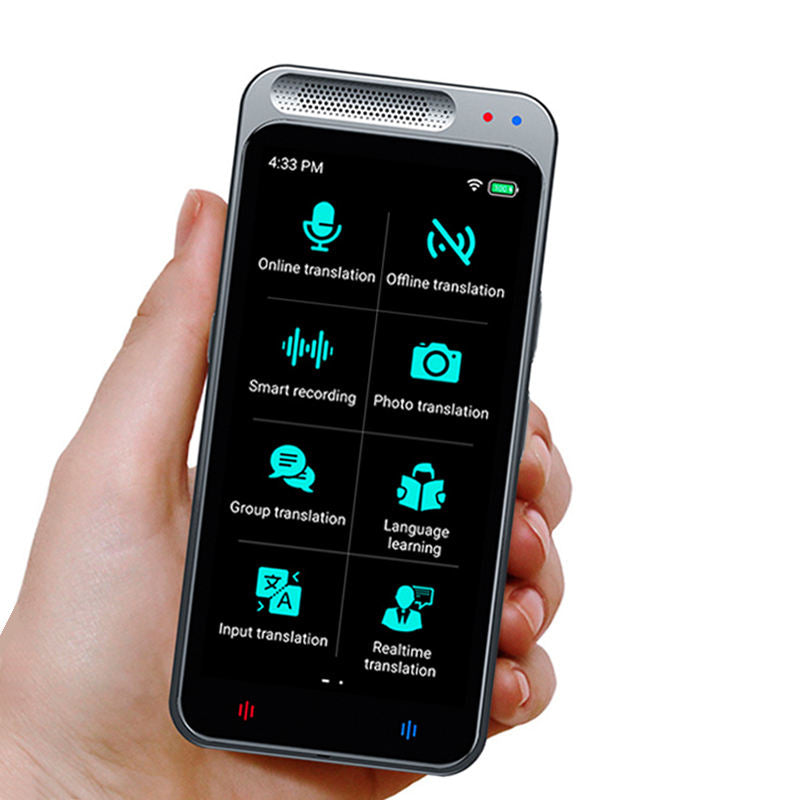
• Camera translation
• Currency conversion
• Voice recording
• Phrasebooks
• Language learning tools
• Noise reduction
• Emergency phrases
These features can add value, but they should not decide your purchase alone. A device with many features may still provide weak translations in the language you need.
The Main Limits of AI Translation Devices
AI translation is powerful, but it still has limits. Machine translation predicts meaning from patterns. It does not fully understand human intent, emotion, or culture.
Errors with slang and humor
Expressions such as “break a leg” or “that costs an arm and a leg” may confuse a translation system. Local jokes and sarcasm are even harder.
Problems with accents
Strong accents, soft voices, background noise, and fast speech can lead to incorrect transcripts. The device may translate the wrong words with great confidence.
Limited cultural context
A technically correct sentence may sound rude or strange in another culture. A human speaker knows when to use a formal greeting, a polite title, or a softer request.
Internet dependence
Some devices need a subscription or mobile connection. A low purchase price may hide monthly fees, data charges, or expensive roaming costs.
Privacy concerns
Voice translation may send recordings or transcripts to cloud servers. Before buying, review the company’s privacy policy and check whether the device stores audio.
Avoid using a translation device for sensitive details unless you understand how the data is handled. This includes passport numbers, financial information, medical records, and private business plans.
Medical and legal risks
Do not rely only on machine translation for surgery instructions, legal contracts, immigration documents, or serious medical decisions. A professional interpreter is safer when an error could cause harm.
This is one of the clearest reasons the answer to “are AI translation devices worth it” must include the phrase “for what purpose?” A tool can be excellent for ordering lunch and unsuitable for explaining a complex medical condition.
AI Translation Devices vs. Phone Translation Apps
Phone apps are the strongest alternative to a dedicated translation device. Many are free and offer speech, text, camera, and offline translation.
| Feature | AI translation device | Phone translation app |
|---|---|---|
| Speed of access | Usually fast | Depends on the app and phone |
| Cost | Often requires purchase | Usually free or low cost |
| Battery use | Uses a separate battery | Uses phone battery |
| Screen size | Often small | Usually larger |
| Camera translation | Available on some models | Common on many apps |
| Offline support | Depends on the model | Often available for major languages |
| Privacy | Varies by company | Varies by app |
| Ease of sharing | Designed for two-way use | Can feel less convenient |
| Extra phone features | Limited | Maps, camera, notes, and messaging |
A phone app is often the better choice for occasional travelers. It is also useful if you need camera translation, long text translation, or quick access to maps.
A dedicated device may be better if you travel often, work across languages, want to protect your phone battery, or need a simple tool for repeated conversations.
The practical lesson is simple: do not buy hardware just because it looks advanced. First, test the phone app with the languages, accents, and travel situations you expect to face.

Are AI Translation Devices Worth the Cost?
Prices vary widely. Basic models may cost less than a high-end pair of headphones, while premium products can cost several hundred dollars. Some also charge for mobile data or advanced features.
Use this simple value test:
Estimate how many trips or workdays you will use the device each year.
Add the purchase price, subscription cost, and data fees.
Compare that total with the cost of translation apps, local SIM service, or occasional human interpretation.
Consider the value of saved time and reduced stress.
For example, a person who takes one short vacation every few years may not recover the cost. A tour operator who uses the device every week may find it pays for itself through speed and convenience.
The price also depends on what you are buying. Some shoppers pay for a large language list but only need two languages. Others value offline access, a strong microphone, or medical phrase support more than a large screen.
Before buying, check:
• The exact language pair you need
• Whether both languages work offline
• Required subscriptions
• Return rules
• Battery life
• Speaker quality
• Warranty coverage
• Software update support
• Data and privacy terms
The most expensive device is not automatically the best. Translation quality often depends on the language pair and connection quality, not only on the hardware.
Who Should Buy an AI Translation Device?
An AI translator can be a smart purchase for certain people.
Frequent international travelers
If you visit countries where you do not speak the local language, repeated use can justify the cost. The device becomes part of your travel kit, like a passport wallet or power bank.
Business travelers
A translator can help with casual meetings, factory visits, taxis, meals, and hotel conversations. For contracts and formal negotiations, use a qualified human interpreter.
Families traveling with older relatives
A dedicated device may be easier for family members who do not want to manage a phone app. It can help them ask for directions or communicate with hotel staff.
People visiting rural areas
Offline translation and longer battery life may be useful where mobile coverage is weak.
Hospitality and service workers
Hotels, restaurants, repair shops, and clinics may use translation devices to handle simple customer questions. Staff should still know when to call a professional interpreter.

Who May Not Need One?
A dedicated translator may not be worth it if:
• You travel rarely
• You already use a reliable translation app
• You only need basic phrases
• Your destination has widespread English use
• You need translation for long documents
• You require perfect medical or legal accuracy
• You dislike managing subscriptions
• You are comfortable using your phone
For many casual tourists, downloading offline language packs before departure is enough. A small phrase list and a translation app can cover most common needs.
A human guide may also provide more value than a device. A guide can explain local customs, recommend safe choices, and adjust language based on the situation.
How to Get Better Results From an AI Translator
Good input leads to better output. You can improve accuracy with a few simple habits.
Speak slowly and clearly. Pause between ideas.
Use short sentences. Give one piece of information at a time.
Avoid slang, sarcasm, and complex jokes.
Use common words instead of rare terms.
Check the translated text before acting on important information.
Repeat the message in a different way if the listener looks confused.
Choose the correct regional language when the device offers that option.
Use a quiet place when possible.
Download offline language packs before leaving home.
Carry a written backup for allergies, medicines, and emergency contacts.
One lesson worth remembering is that translation is a shared task. The other person may need time to understand the device, too. Smile, show patience, and confirm important details with gestures or written text.
For sensitive topics, use the back-translation feature if available. This translates the answer back into your language so you can check whether the meaning stayed close to the original.
What to Look for Before Buying
The right device depends on your real travel habits. Focus on practical specifications instead of marketing claims.
Language coverage
Check the exact languages and dialects. “Supports 100 languages” may include text-only support, while voice translation covers far fewer languages.
Offline performance
Ask which features work offline. Some devices support offline text but require internet access for voice or camera translation.
Microphone quality
A strong microphone helps in airports, markets, and busy streets. Look for noise reduction and multiple microphones.
Translation speed
A delay of one or two seconds may feel fine. Long delays can make normal conversation awkward.
Battery life
Choose a device that can last through a full day of travel. USB-C charging is useful because it reduces the number of cables you need.
Privacy controls
Look for clear information about cloud processing, account requirements, audio storage, and deletion options.
Return policy
Translation quality can differ by language. A good return policy lets you test the product before committing.
Warranty and updates
AI translation improves through software updates. A device from a company with weak support may become less useful over time.
Common Mistakes to Avoid
Many buyers make the same errors when deciding are AI translation devices worth it.
The first mistake is buying before checking language support. A device may support Japanese text but not Japanese voice translation in offline mode.
The second mistake is ignoring subscriptions. A device that looks affordable may require a monthly plan for mobile translation.
The third mistake is assuming the device replaces a language guide. It does not explain every cultural rule, and it cannot always recognize a serious misunderstanding.
The fourth mistake is using it in loud places without testing the microphone. Crowded stations and busy restaurants are hard environments for any speech recognition system.
The fifth mistake is skipping a backup plan. Keep important addresses, allergy details, and hotel names written in the local language. Technology can fail, lose power, or mishear you.
Frequently Asked Questions About Are AI Translation Devices Worth It
Are AI translation devices better than phone apps?
They can be more convenient, faster to access, and easier to share during face-to-face conversations. Phone apps are often better for occasional users because they cost less and offer more features.
Do AI translation devices work without Wi-Fi?
Some do, but offline features vary by language and model. Check whether offline voice translation is supported, not just offline text translation.
Can an AI translator replace a human interpreter?
No. It can handle simple travel and service conversations, but human interpreters remain important for medical, legal, technical, and emotional communication.
Are AI translation devices accurate?
They can be accurate for clear, short sentences in widely supported languages. Accuracy falls with background noise, slang, strong accents, poor internet, and complex subject matter.
Do translation devices need a subscription?
Some devices work with free Wi-Fi, while others require a paid data plan for mobile translation. Always check recurring fees before you buy.
Are AI translation devices worth it for a one-time vacation?
Usually, a phone app is the better value for one short trip. A dedicated device may still be worthwhile if you need offline access, have limited phone battery, or feel uncomfortable using apps.
Can translation devices translate camera text?
Many models can translate signs, menus, and printed text through a camera. Results may vary with poor lighting, unusual fonts, handwritten text, and damaged signs.
Conclusion
Are AI translation devices worth it? For frequent travelers, international workers, and people who need quick two-way conversations, they can offer real convenience and peace of mind. For occasional tourists, a good phone app may provide nearly the same value at a lower cost.
Choose based on your language pair, offline needs, privacy preferences, travel frequency, and tolerance for mistakes. Test the device before a major trip, learn how to speak in short phrases, and keep written backups for important information.
Use AI translation as a helpful bridge, not as a perfect replacement for human understanding. Compare a few models and apps before your next journey, then share your experience or questions in the comments.

Similar Posts