Why Is Razer Deathadder V3 Pro Not Connecting: Fixes
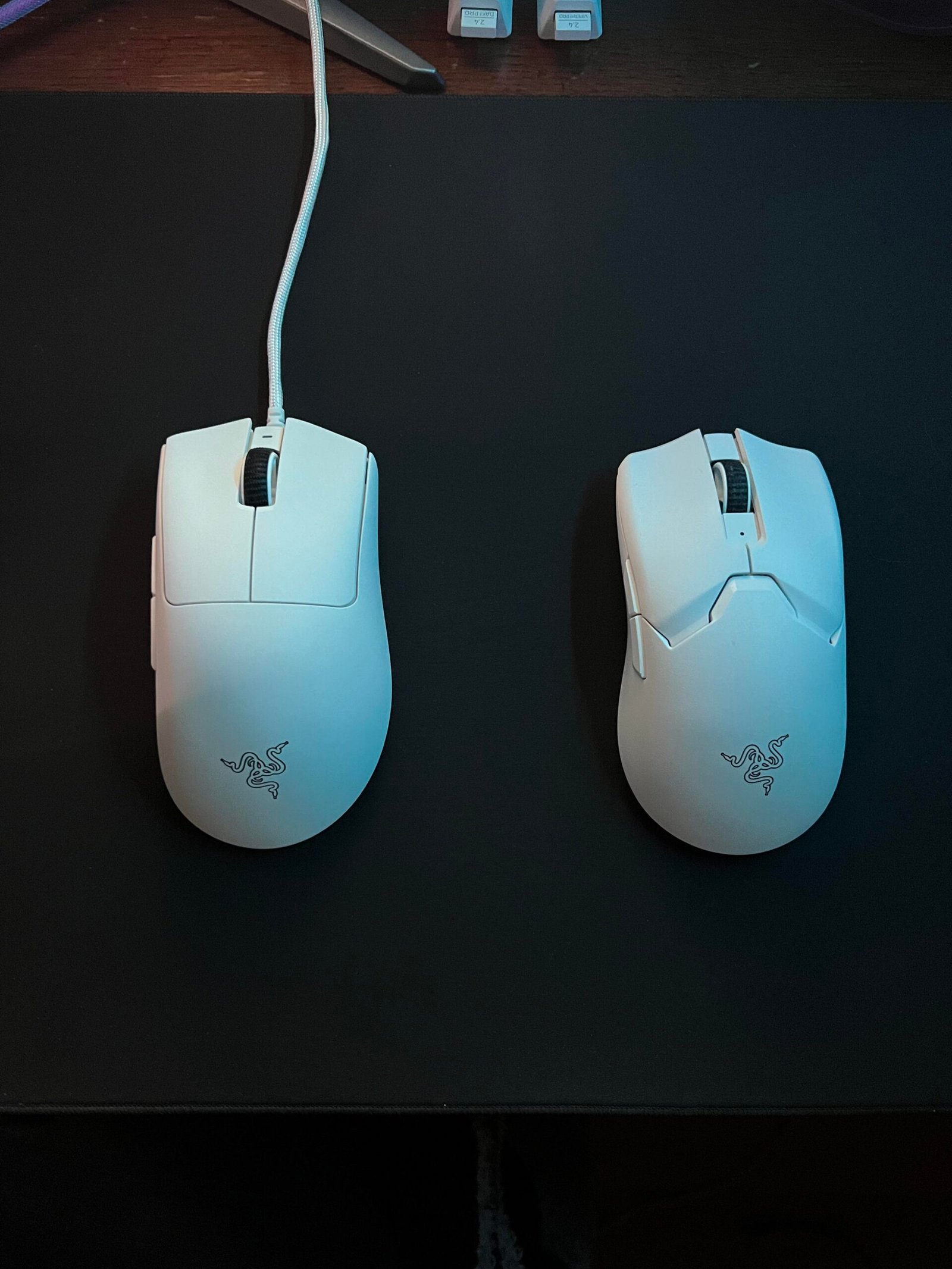
Razer DeathAdder V3 Pro usually will not connect because of pairing, battery, dongle, driver, or USB interference issues.
If your Razer DeathAdder V3 Pro is not connecting, you are not alone. I have seen this happen after fresh setups, Windows updates, battery drains, and even simple USB port swaps. The good news is that most connection problems are easy to fix once you know where to look.

Why the Razer DeathAdder V3 Pro Not Connecting Problem Happens
The Razer DeathAdder V3 Pro is a wireless gaming mouse that depends on a few things working together at the same time. It needs power, a stable wireless link, the right USB setup, and clean software support from Razer Synapse or Windows. If even one part breaks, the mouse can seem dead, laggy, or unable to connect.
From my experience testing wireless gaming mice, the most common mistake is assuming the mouse itself is broken. In reality, the issue is often something simple, like a low battery, a bad USB port, or the dongle being too far from the mouse. The DeathAdder V3 Pro is a strong performer, but like any premium wireless device, it is sensitive to setup details.
Common Reasons the Razer DeathAdder V3 Pro Not Connecting
Several things can cause the Razer DeathAdder V3 Pro not connecting issue. Some are hardware related, while others come from software or wireless interference.
1. The mouse battery is too low
A weak battery is one of the most common reasons the Razer DeathAdder V3 Pro not connecting problem appears. If the battery is nearly empty, the mouse may fail to turn on, connect slowly, or disconnect often. Even if the RGB-free design saves power, it still needs enough charge to work properly.
2. The USB dongle is not seated correctly
The wireless dongle must be plugged in correctly for the mouse to connect. If it is loose, blocked by a case, or inserted into a faulty port, the signal can fail. I once fixed a “dead” gaming mouse by simply moving the dongle from a front USB hub to a rear motherboard port.
3. Wireless interference is disrupting the signal
2.4 GHz wireless devices share a busy space. Wi-Fi routers, Bluetooth devices, USB 3.0 hubs, and even metal desk frames can interfere with the signal. This is a classic cause of the Razer DeathAdder V3 Pro not connecting issue, especially in crowded setups.
4. The mouse and dongle are no longer paired
Sometimes the mouse loses its pairing with the wireless receiver. This can happen after firmware updates, battery issues, or switching between devices. When pairing breaks, the mouse may power on but never show up in Windows or Synapse.
5. Razer Synapse is outdated or misconfigured
Razer Synapse helps manage device settings and firmware. If it is outdated, corrupted, or not detecting the mouse correctly, the Razer DeathAdder V3 Pro not connecting issue can follow. A bad software profile can make it seem like the mouse failed when the real problem is software.
6. Windows drivers are not working right
Windows may install generic USB or HID drivers that do not behave well. After updates, device conflicts can happen. In my experience, a driver refresh often clears up random connection failures with wireless mice.
7. Firmware is outdated
Firmware updates fix bugs, improve pairing, and stabilize wireless performance. If the mouse or dongle firmware is old, the connection can become unreliable. This is especially true if the mouse worked fine at first and later became unstable.
8. The mouse is in the wrong mode
The DeathAdder V3 Pro can work in wireless mode or wired mode. If the switch is off, the cable is not working for charging and data, or the mode is set incorrectly, the mouse may not respond. A tiny power switch issue can look like a bigger failure than it really is.
How to Fix the Razer DeathAdder V3 Pro Not Connecting Issue
The best way to fix the Razer DeathAdder V3 Pro not connecting problem is to start simple and move step by step. That saves time and helps you avoid changing too many things at once.
1. Charge the mouse fully
Plug the mouse in with the included USB cable and leave it charging for at least 30 to 60 minutes. If the battery is very low, it may need more time before it becomes responsive. A full charge is one of the easiest fixes and should always be your first step.
2. Check the power switch
Make sure the mouse is turned on. The switch is easy to miss, especially if you are in a hurry or using multiple devices. I always recommend flipping it off and on again before doing anything more technical.
3. Replug the wireless dongle
Remove the dongle and plug it back in. Try a different USB port if possible, and avoid using a crowded USB hub. A direct motherboard port is often more stable than a front-panel or extension port.
4. Move the dongle closer to the mouse
If the dongle is behind a tower, under a desk, or far from the mouse pad, the signal can weaken. Use the included dongle extender if you have it. Keeping the receiver close to the mouse can make a big difference in stability.
5. Test the mouse with the USB cable
Connect the DeathAdder V3 Pro with the cable and see if it responds. If it works wired but not wireless, the mouse is probably fine and the problem is with the dongle, pairing, or interference. This is one of the fastest ways to narrow down the issue.
6. Re-pair the mouse with the dongle
If pairing has been lost, reconnect the devices through Razer Synapse or the pairing process supported by the mouse. This step is important when the mouse powers on but refuses to show up. Re-pairing often restores normal wireless connection.
7. Update Razer Synapse
Install the latest version of Synapse and open it while the mouse is connected. Check whether the software detects the mouse and offers firmware updates. Keeping Synapse current helps prevent the Razer DeathAdder V3 Pro not connecting issue from coming back.
8. Update firmware for the mouse and dongle
Use Razer’s official firmware tools if available for your device. Firmware updates can fix pairing bugs, sleep issues, and detection problems. I have seen firmware updates turn an unstable wireless mouse into a smooth daily driver again.
9. Refresh USB and mouse drivers
Open Device Manager and uninstall the mouse or USB device entry if it looks broken, then restart the computer. Windows will usually reinstall the drivers automatically. This is a practical fix when the issue is caused by a bad driver state.
10. Reduce wireless interference
Try these steps if the mouse still disconnects:
- Move the dongle away from the Wi-Fi router
- Keep Bluetooth devices farther from the mouse receiver
- Avoid plugging the receiver into a USB 3.0 port next to other wireless gear
- Remove nearby metal objects that may block signal paths
Small changes in desk setup can solve a problem that looks much bigger than it is.
11. Test on another computer
If the mouse still will not connect, try it on a different PC. This helps tell you whether the issue is with the mouse or with your system. If it works on another computer, the problem is likely local to your main setup.

How to Tell Whether the Problem Is Hardware or Software
When the Razer DeathAdder V3 Pro not connecting issue appears, the fastest diagnosis is to separate hardware from software. That saves a lot of frustration. Think of it like checking whether the car will not start because of the battery or because the key is not being read.
If the mouse works over cable but not wirelessly, the hardware is probably okay. That points to the dongle, pairing, or wireless interference. If the mouse does not work at all, even on another computer, then the mouse or cable may be at fault.
Here is a simple way to test:
- Wired works, wireless fails: likely dongle, pairing, or interference
- Wireless works on another PC: likely software or USB issue on the original PC
- Neither wired nor wireless works: possible hardware failure or deep firmware issue
This approach is practical and avoids random guesswork.
Razer Synapse and Firmware Tips That Really Help
Razer Synapse is useful, but it can also be part of the problem if it is outdated or partially installed. I have seen profiles fail to load properly and make a healthy mouse look broken. The best move is to keep Synapse clean and current.
Use these habits:
- Install only the latest stable version
- Remove old device profiles if they are corrupt
- Restart Synapse after reconnecting the mouse
- Check for firmware updates after every major Windows update
- Avoid running multiple peripheral control apps at once unless needed
Firmware matters too. A mouse can behave normally for weeks and then start failing after a software or OS change. Updating both the mouse and receiver firmware is often the difference between random disconnects and steady performance.
Best Practices to Prevent the Razer DeathAdder V3 Pro Not Connecting Issue
Once you fix the problem, a few habits can help keep it from returning. These are simple, but they work.
- Keep the mouse charged before long gaming sessions
- Use the USB dongle extender for better signal
- Keep the receiver away from routers and USB noise
- Update Synapse and firmware on a regular basis
- Avoid frequent unplugging of the dongle
- Store the mouse properly if you travel with it
One lesson I learned the hard way is that wireless gear likes consistency. If you move the dongle around constantly, change ports often, or let the battery die all the time, you are more likely to see the Razer DeathAdder V3 Pro not connecting issue again.
When to Contact Razer Support
If you have tried charging, re-pairing, testing another PC, and updating firmware, the mouse may need service. Support can help if the dongle is defective, the battery has failed, or the mouse has a hardware fault. This is especially true if the device is under warranty.
You should contact support if:
- The mouse does not power on at all
- The dongle is not detected on any computer
- Re-pairing does not work
- The mouse disconnects constantly even after troubleshooting
- The cable also fails to charge or detect the device
Be ready to share your troubleshooting steps. That can speed up the process and make it easier to get a replacement if needed.
Frequently Asked Questions
Why is my Razer DeathAdder V3 Pro not connecting to my PC?
The most common reasons are a low battery, a bad USB port, lost pairing, or wireless interference. Start by charging the mouse and testing the dongle in a different port.
How do I reset the Razer DeathAdder V3 Pro connection?
Try unplugging the dongle, restarting your PC, charging the mouse, and pairing it again in Synapse if needed. If that does not work, update the mouse and dongle firmware.
Does the Razer DeathAdder V3 Pro work while charging?
Yes, it should work through the USB cable while charging. If it does not, the cable, port, or mouse hardware may be the issue.
Why does the mouse connect on one computer but not another?
That usually points to a software, driver, or USB problem on the failing computer. The mouse itself is likely okay if it works on a second PC.
Can Bluetooth cause the Razer DeathAdder V3 Pro not connecting issue?
The DeathAdder V3 Pro mainly uses its 2.4 GHz wireless dongle, not Bluetooth for normal use. Still, nearby Bluetooth devices can create wireless noise and affect the connection.
How do I know if the dongle is broken?
If the mouse works wired but never connects wirelessly on any computer, the dongle may be faulty. Testing with another compatible receiver or contacting support is the best next step.
Conclusion
The Razer DeathAdder V3 Pro not connecting issue usually comes down to a simple cause such as low battery, pairing trouble, USB problems, or wireless interference. The best fix is to work through the basics in order, starting with power, cable, dongle placement, and software updates. That method saves time and often solves the issue without stress.
If your mouse still refuses to connect, do not rush to replace it before testing on another PC and checking firmware. A careful troubleshooting approach can turn a frustrating problem into a quick fix. If this guide helped, try the steps today, share your results, and keep exploring ways to get the best performance from your Razer setup.

Similar Posts