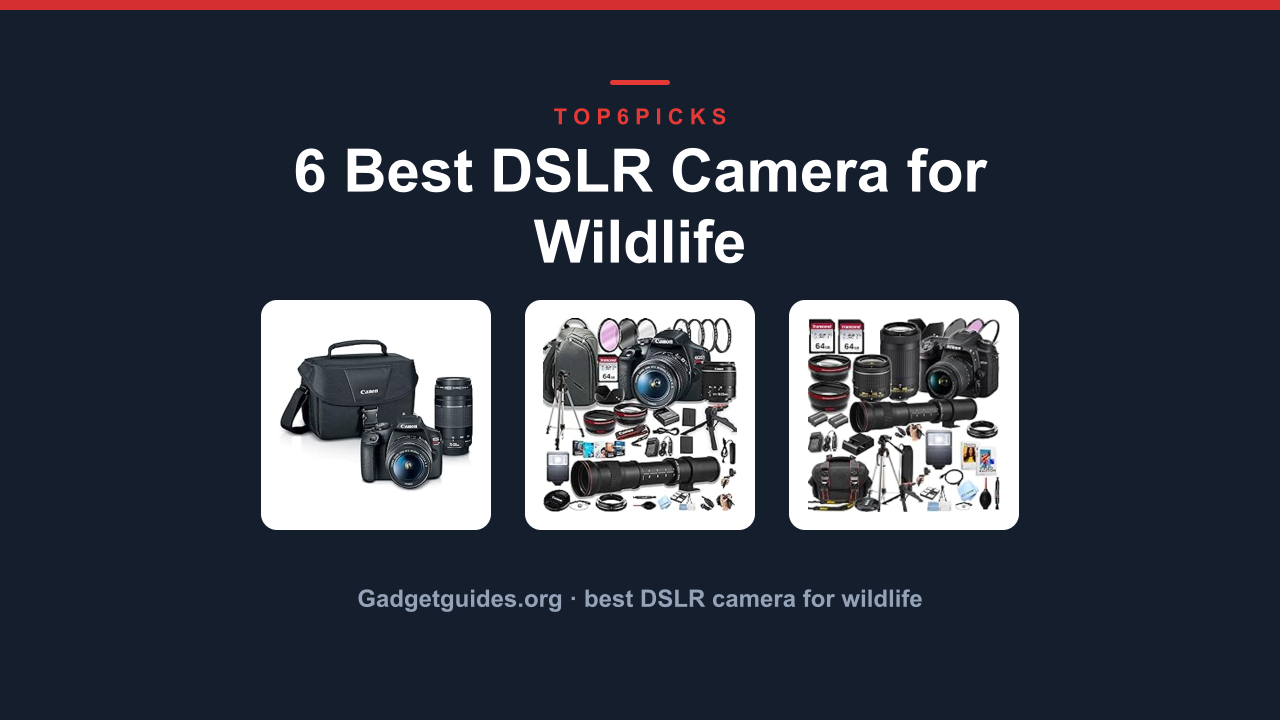
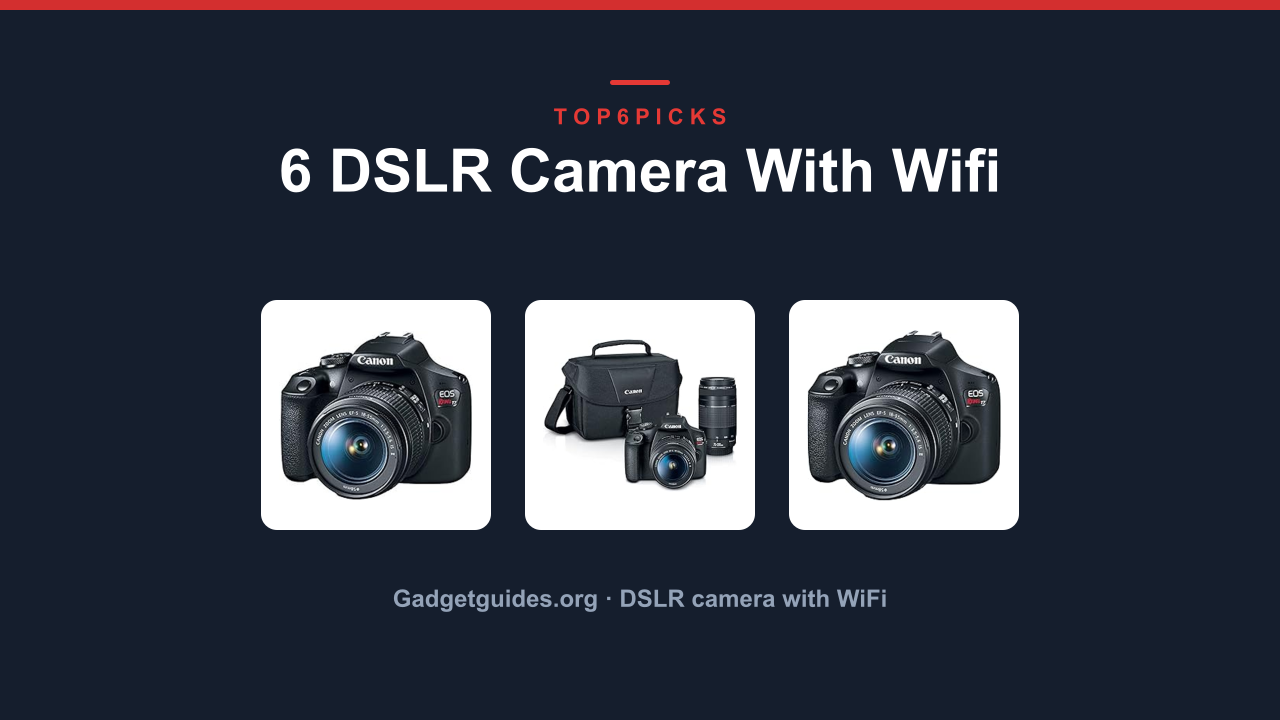
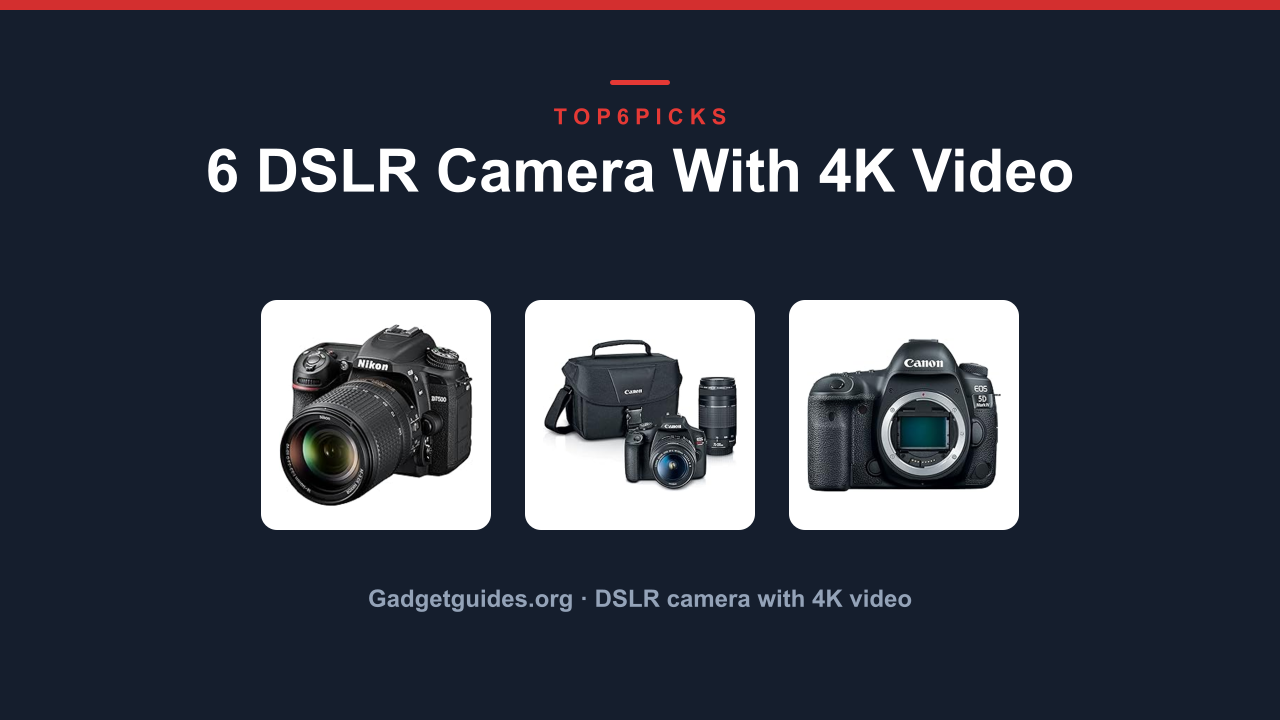
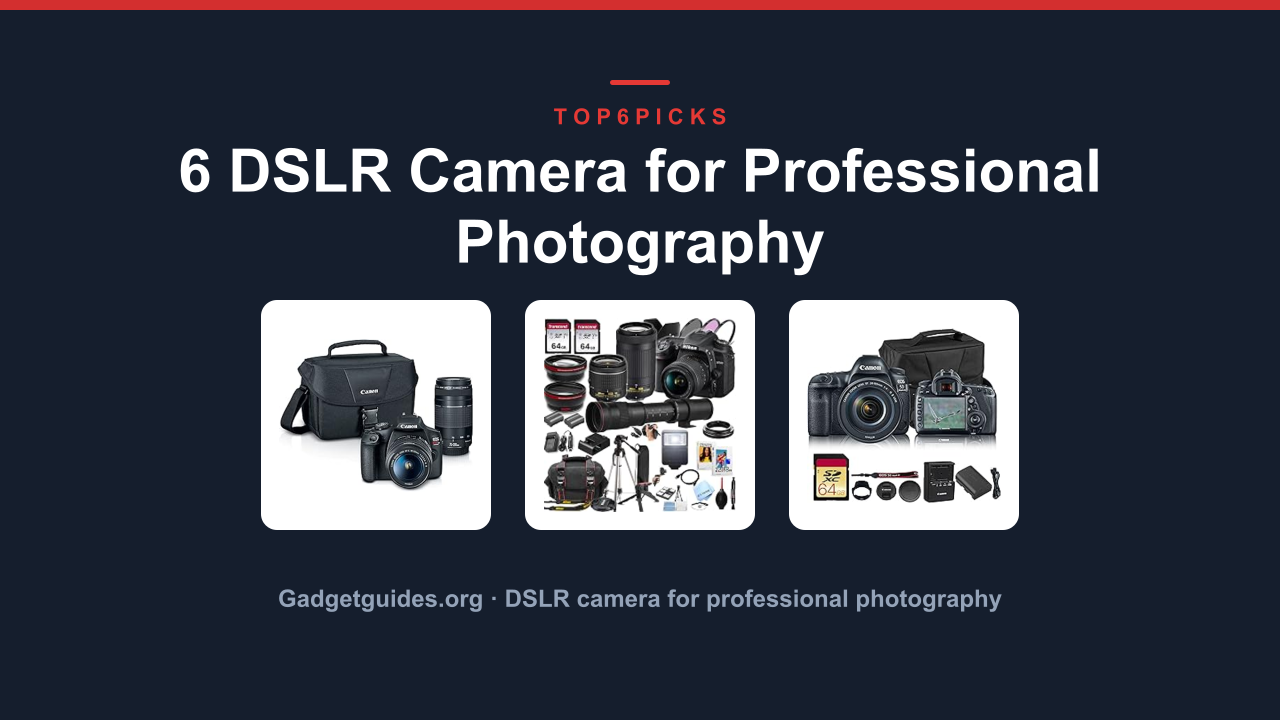
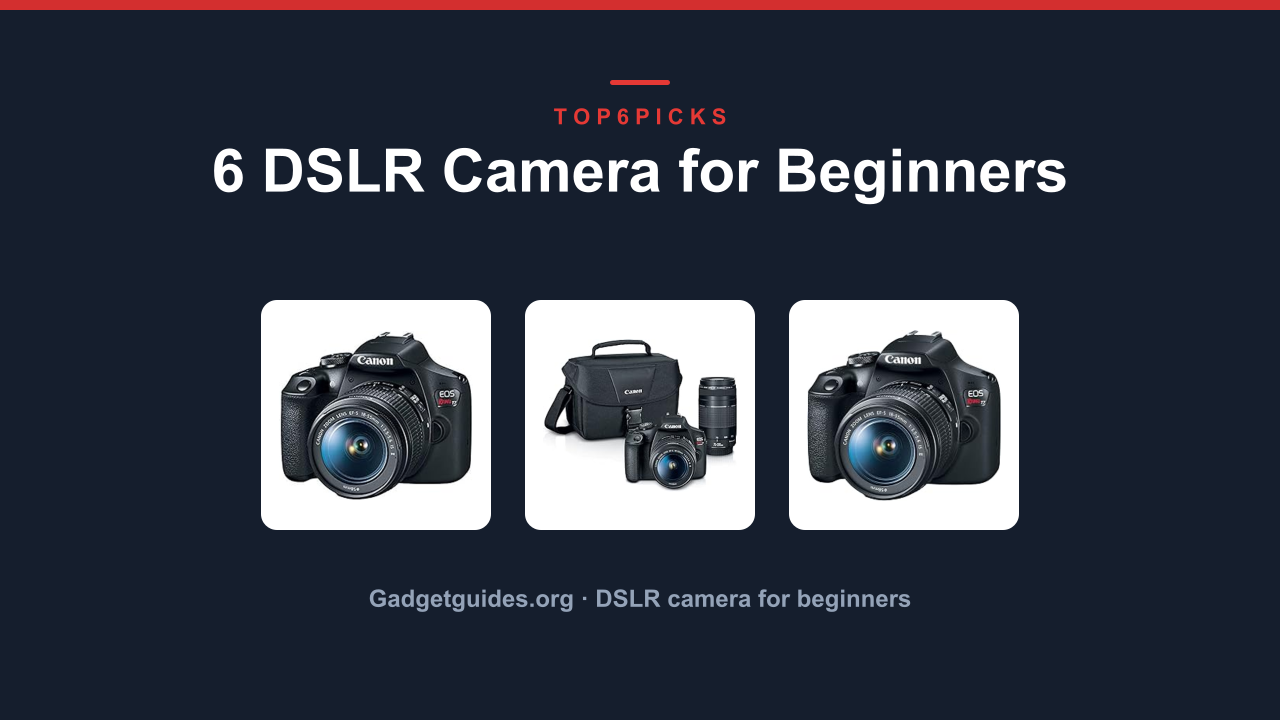
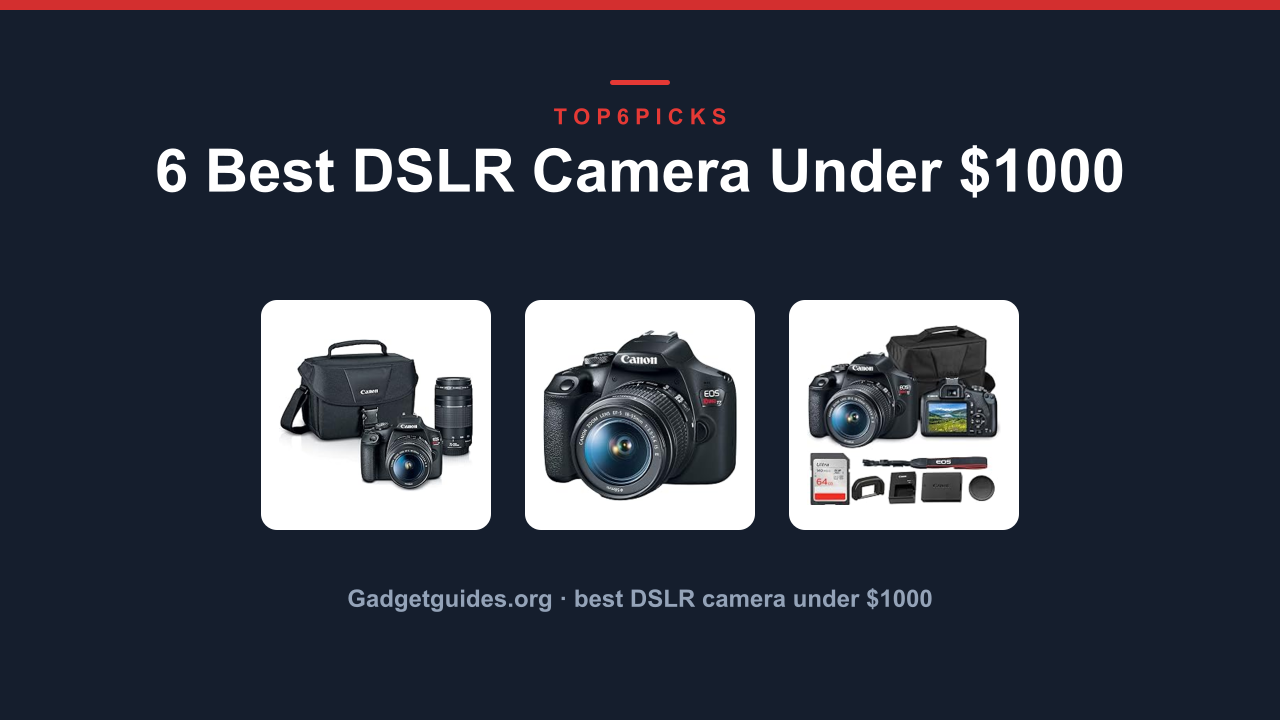
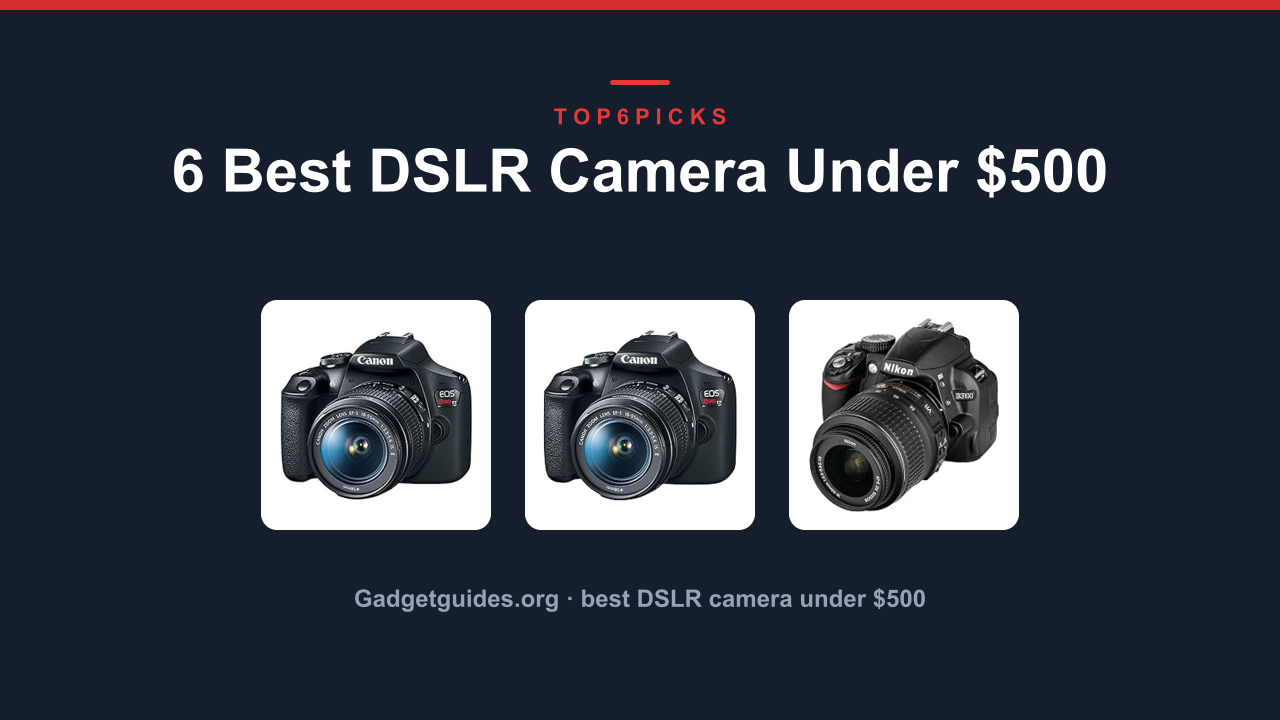
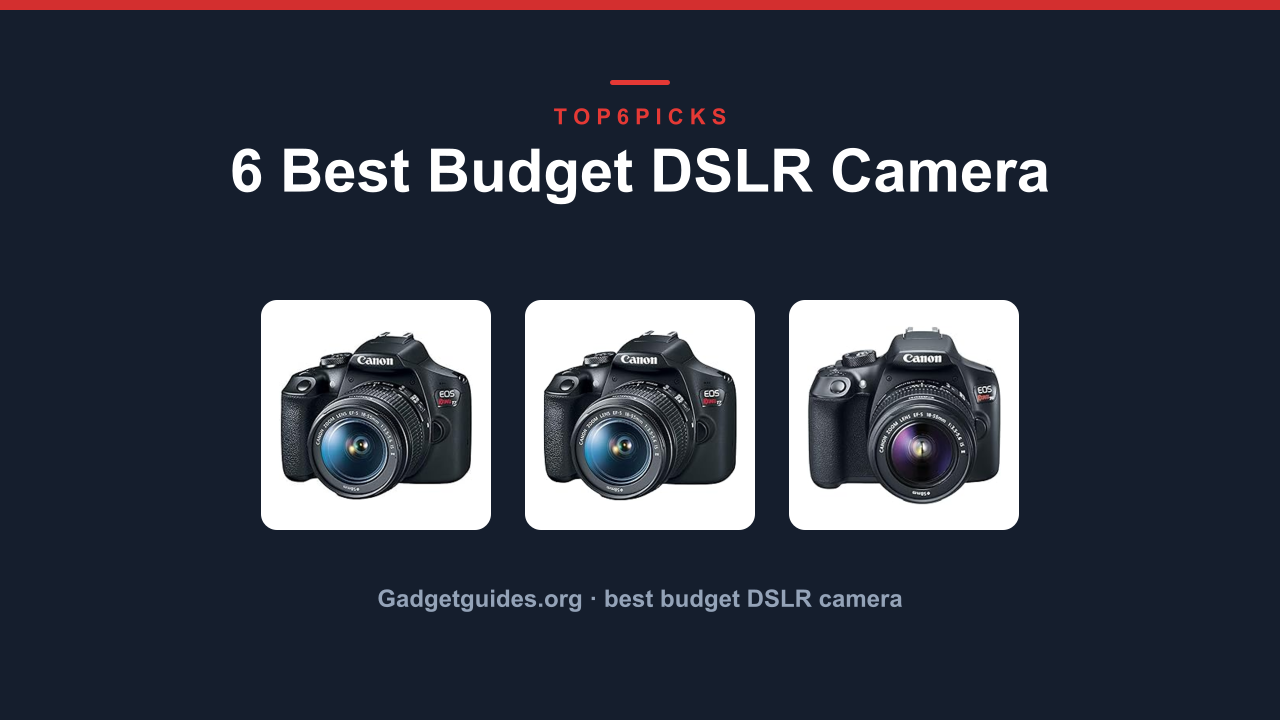
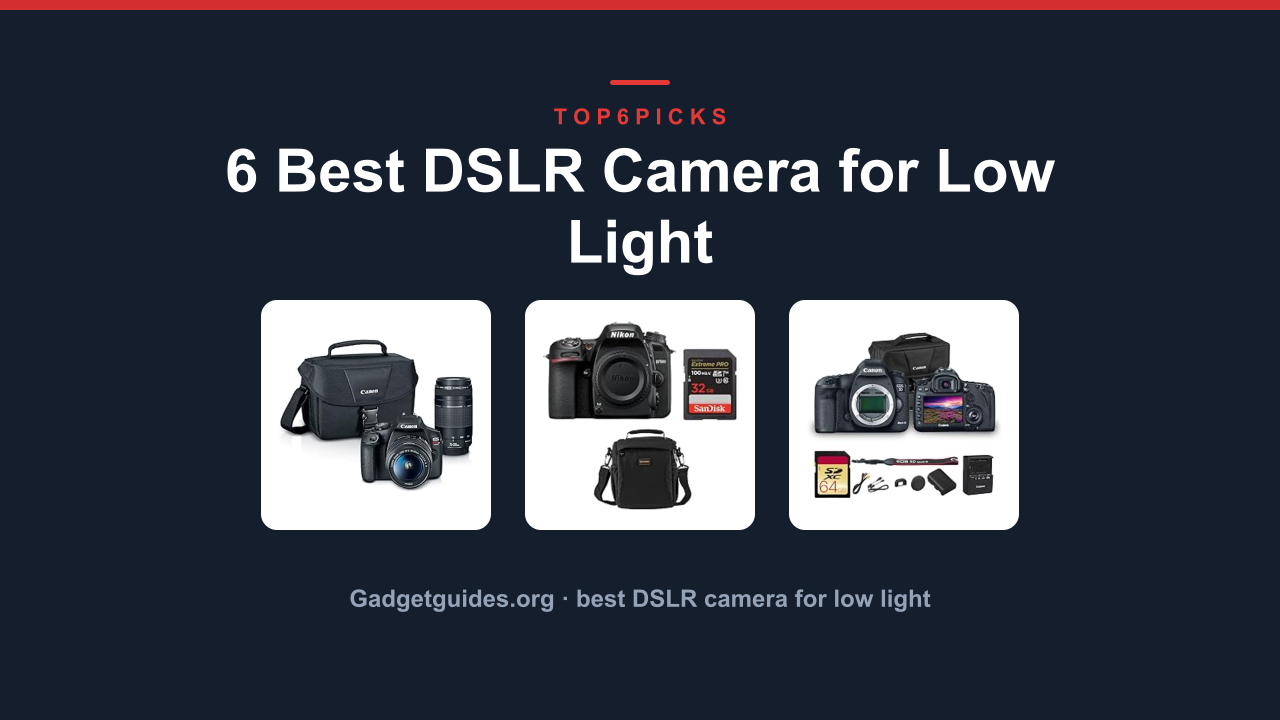
The best best DSLR camera for wildlife is the Canon EOS Rebel T7 Double Zoom Lens Kit, the only bundle here that pairs a brand-new 24.1MP body with both an 18-55mm walk-around lens and a 75-300mm telephoto zoom right out of the box. It's built for beginners who want one clean purchase that covers everything from a deer at dawn to a close-up of a butterfly.
Want extreme reach on a tighter budget? The Canon EOS Rebel T7 Super Telephoto Bundle includes a 420-800mm lens that pulls distant birds right into the frame, as long as you're comfortable with a renewed camera body.
As an Amazon Associate, I earn from qualifying purchases.
This guide breaks down every bundle's real strengths and trade-offs so you know exactly which one fits your skill level, your budget, and the kind of wildlife you actually shoot. It also names the buyers who should skip this category entirely and shop mirrorless instead.
Everything below comes from current Amazon product data, manufacturer specs and each bundle's owner track record, not hands-on lab testing.
Quick Answer: The Best DSLR Camera for Wildlife
The Canon EOS Rebel T7 Double Zoom Lens Kit is the best pick for new wildlife photographers who want a new camera and both a general-purpose and telephoto lens in one box.
Thinking about a mirrorless camera instead? Jump to Who Should NOT Buy below before you spend anything.
Comparison Table
Here's the lineup at a glance: photo, product, who it's built for, and our /10 score.
Scroll sideways on small screens to see every column.
Canon EOS Rebel T7 DSLR Camera: Best Overall for Beginners
#1
CanonNew body, dual lenses
9.2OUT OF 10
Image Quality9.4
Wildlife Reach8.8
Build & Value9.0
User Experience9.4
This is the bundle that gives new wildlife photographers everything they need in one box, brand new with a full warranty. The 24.1MP APS-C CMOS sensor delivers sharp, color-accurate images that hold up well in low light, which matters when you’re shooting at dawn or dusk. The EF 75-300mm lens gets you to 300mm of telephoto reach, enough for deer, foxes, and larger birds without needing a separate purchase.
The kit also includes the EF-S 18-55mm lens for landscape and close-up shots, plus built-in Wi-Fi and NFC for transferring photos to your phone in the field. Aggregate user reviews consistently praise how intuitive the menu system is and how quickly you can go from unboxing to shooting. Canon’s [official specifications](https://www.canon.com) confirm the 3 fps continuous shooting rate and 9-point autofocus system.
Flaws but not dealbreakers. The 75-300mm lens is a consumer-grade telephoto, so you’ll notice some softness at the long end in low light. The 3 fps burst rate is modest for fast-moving birds in flight. Experienced shooters will want more reach and speed, but for a first wildlife camera this combination is hard to beat.
⚠Warranty: This is a new camera with full manufacturer warranty. Register it with Canon within 30 days for support and service coverage.
Pros
- ✓Brand-new body with full warranty and support
- ✓Two-lens kit covers wide-angle to 300mm telephoto
- ✓Built-in Wi-Fi and NFC for easy photo sharing
- ✓Excellent 4.7-star verified buyer rating across thousands of reviews
Cons
- ✕75-300mm lens gets soft at full extension in dim light
- ✕3 fps burst rate limits action and bird-in-flight shots
- ✕9-point autofocus system feels dated compared to newer models
Best for: First-time DSLR buyers who want a new camera with both a walk-around lens and a dedicated telephoto for wildlife, all in a single purchase.
Canon EOS Rebel T7 DSLR Camera: Best Super-Telephoto Bundle
#2
Canon420-800mm reach included
8.9OUT OF 10
Image Quality8.5
Wildlife Reach9.5
Build & Value8.5
User Experience8.8
This bundle is built for the birder and small-wildlife shooter who needs serious reach without spending thousands on a standalone super-telephoto lens. The 420-800mm manual telephoto lens is the headline here. It lets you photograph songbirds at 30 feet and waterfowl across a pond with framing that consumer zooms simply can’t match. The package also includes the standard 18-55mm and 75-300mm lenses, a sling backpack, and 64GB of memory cards.
The camera body is a renewed (refurbished) unit, which keeps the cost down significantly. Verified buyer feedback on Amazon reports that most units arrive in like-new cosmetic condition with full function. The 24.1MP sensor and built-in Wi-Fi are identical to the new version, so image quality and connectivity are the same.
Flaws but not dealbreakers. The 420-800mm lens is fully manual focus and manual aperture. You’ll need good light and a steady hand or a tripod. The renewed body means a shorter warranty period typically 90 days from the seller rather than Canon’s standard one year.
⚠Condition: This is a renewed (refurbished) camera. Check the seller’s return policy and warranty terms before ordering. Most renewed units carry a 90-day warranty.
Pros
- ✓420-800mm super-telephoto lens included at a fraction of retail cost
- ✓42-piece bundle includes backpack, cards, and accessories
- ✓Same 24.1MP sensor and Wi-Fi as the new version
- ✓Excellent 4.5-star average from hundreds of buyer reviews
Cons
- ✕Super-telephoto lens is fully manual focus with no image stabilization
- ✕Renewed body comes with shorter warranty than new units
- ✕Manual aperture on the long lens means careful exposure management
Best for: Wildlife enthusiasts who want maximum focal length for small or distant subjects and are comfortable with manual focus techniques.
Nikon D7500 DSLR Camera Kit 18-55mm: Best Advanced Bundle
#3
Nikon46-piece premium kit
9.0OUT OF 10
Image Quality9.2
Wildlife Reach9.3
Build & Value8.8
User Experience8.6
This is the kit for the shooter who wants a more capable body and everything else included, all in one massive 46-piece bundle. The Nikon D7500 sits a tier above the Rebel T7. It offers a 20.9MP sensor with better high-ISO performance, 8 fps continuous shooting, and a 51-point autofocus system that tracks moving subjects much more reliably. That faster burst rate is a real advantage when you’re photographing birds taking off or mammals in motion.
You get the 18-55mm VR and 70-300mm lenses plus a 420-800mm manual telephoto, a 128GB memory card, spare battery, filters, tripod, flash, and a case. Verified buyer reviews on Amazon consistently note that the D7500 body feels more substantial and responsive than entry-level DSLRs, with a deeper buffer for continuous shooting.
Flaws but not dealbreakers. The D7500 is a renewed unit, so it comes with a limited warranty. The 20.9MP sensor has slightly lower resolution than the Canon’s 24.1MP, though most wildlife shooters prefer the Nikon’s better noise handling at high ISO. The bundle is also significantly larger and heavier to carry into the field.
⚠Condition: This is a renewed kit. The Nikon D7500 body is a previous-generation model that still performs well. Verify the seller’s return policy before purchase.
Pros
- ✓8 fps continuous shooting with 51-point AF for action shots
- ✓Three-lens range from 18mm to 800mm in one kit
- ✓128GB memory card and spare battery includedSpare battery and tripod add significant value for extended field sessions
Cons
- ✕Renewed body means limited warranty and unknown shutter count
- ✕20.9MP resolution is lower than the Canon Rebel T7’s 24.1MP
- ✕Heavier body and bundle makes hiking more tiring
Best for: Shooters with some experience who want faster autofocus and burst rates than entry-level bodies offer, along with a complete accessory set.
Canon EOS Rebel T7 DSLR Camera: Best Triple-Lens Value
#4
CanonThree lenses, one body
8.7OUT OF 10
Image Quality8.5
Wildlife Reach9.0
Build & Value8.8
User Experience8.4
This bundle gives you three lenses including a 500mm preset telephoto, making it the most versatile optical range in this lineup. You get the 18-55mm IS II for everyday shots, the 75-300mm III for general wildlife work, and a 500mm preset lens that locks onto distant subjects quickly. The preset lens uses a spring-loaded mechanism that snaps to 500mm instantly, which is handy when you spot movement and need to zoom fast.
The camera body is renewed, and the kit includes a 32GB memory card and basic accessories. Aggregate buyer feedback shows a solid 4.6-star average, with users praising the value of getting three distinct focal ranges in one purchase. The 24.1MP sensor and Wi-Fi connectivity are identical to the new version.
Flaws but not dealbreakers. The 500mm preset lens has fixed aperture and no zoom flexibility between 300mm and 500mm. The renewed body may show minor cosmetic wear, and the 32GB card is small for extended wildlife trips. You will likely want to upgrade the card quickly.
⚠Compatibility: The 500mm preset lens works with the Rebel T7 but has no image stabilization. Use a tripod or high shutter speeds for sharp results at full reach.
Pros
- ✓Three lenses cover 18mm to 500mm for maximum versatility
- ✓500mm preset lens allows instant zoom to full telephoto
- ✓Strong 4.6-star verified buyer rating
- ✓Renewed body offers same image quality as new at lower cost
Cons
- ✕500mm lens is fixed aperture with no intermediate zoom range
- ✕Renewed body with limited warranty
- ✕Only 32GB memory card included, small for extended shoots
Lenses
18-55mm + 75-300mm + 500mm
Best for: Budget-conscious wildlife shooters who want the widest focal length range possible without buying individual lenses separately.
Canon EOS Rebel T7 DSLR Camera: Best Complete Starter Kit
#5
CanonNew with bag and guide
8.6OUT OF 10
Image Quality9.0
Wildlife Reach8.5
Build & Value8.2
User Experience8.8
This is the only bundle here that ships brand new with a camera bag, 128GB memory card, and a printed photography guidebook. It’s designed for the absolute beginner who wants everything ready to go without shopping for accessories separately. The bag protects your gear on hikes, the 128GB card holds thousands of RAW images, and the guidebook helps you understand aperture, shutter speed, and composition from day one.
The camera itself is the same 24.1MP Rebel T7 with built-in Wi-Fi and NFC, so you get the same image quality and connectivity as the top pick. The 18-55mm and 75-300mm zoom lenses are included, giving you walk-around and telephoto coverage. Verified buyer reviews consistently mention that having the guidebook helped them learn settings faster than online tutorials alone.
Flaws but not dealbreakers. The included bag is a Deco Essentials model, which offers basic padding but limited space for adding extra lenses later. The bundle price reflects these added extras rather than a discount on the camera itself. You are paying for convenience.
⚠Sizing: The Deco Essentials bag fits the Rebel T7 with both lenses attached. It will not accommodate a larger telephoto or a second body. Plan for a larger bag if you expand your kit later.
Pros
- ✓Brand-new camera with full manufacturer warranty
- ✓Includes bag, 128GB card, and guidebook for true out-of-box readiness
- ✓Two-lens kit covers 18mm to 300mm for varied wildlife scenarios
- ✓Built-in Wi-Fi and NFC for instant phone image transfer
Cons
- ✕Bundle price is higher than buying camera and accessories separately
- ✕Basic bag lacks space for future lens additions
- ✕75-300mm lens shows softness at full extension in low light
Storage
128GB card included
Best for: Complete beginners who value a ready-to-go package with a bag, large memory card, and a learning guide to start shooting wildlife immediately.
Canon EOS Rebel T7 DSLR Camera: Best Budget Entry Point
#6
CanonSingle-lens budget kit
8.4OUT OF 10
Image Quality8.8
Wildlife Reach6.5
Build & Value9.0
User Experience8.5
This is the cheapest way to get a brand-new Canon EOS Rebel T7 DSLR, but you only get the 18-55mm kit lens. It’s a solid entry point if your primary interest is learning the basics of DSLR photography on a tight budget. The 24.1MP sensor, Wi-Fi, and NFC are all present, so image quality and connectivity match every other Rebel T7 bundle. The 18-55mm lens covers landscapes, group shots, and closer subjects.
A 64GB memory card and a basic camera bag are included, which saves you from buying those separately. Aggregate user reviews show a 4.6-star average, with buyers appreciating the low barrier to entry. Many note that this is a camera they plan to grow with by adding telephoto lenses later.
Flaws but not dealbreakers. The 18-55mm lens maxes out at 55mm, which is far too short for most wildlife photography. You will not be able to photograph distant animals without buying a telephoto lens separately. This bundle is really a general-purpose starter kit rather than a wildlife-ready package.
⚠Compatibility: The 18-55mm lens is not suitable for wildlife photography on its own. Budget for a telephoto lens purchase if you plan to shoot animals at distance.
Pros
- ✓Lowest cost way to get a new Canon EOS Rebel T7 DSLR
- ✓Same 24.1MP sensor and Wi-Fi as more expensive bundles
- ✓64GB card and bag included for out-of-box functionality
- ✓Easy upgrade path by adding telephoto lenses later
Cons
- ✕18-55mm lens is useless for distant wildlife subjects
- ✕Requires additional telephoto lens purchase for wildlife use
- ✕Bag and card are basic, may need upgrades soon
Storage
64GB card included
Best for: Absolute beginners who want the lowest possible entry cost into DSLR shooting and plan to buy a telephoto lens as their next step.
Buying Guide: Reach, Condition, Shooting Speed and Total Value
Picking the right DSLR for wildlife comes down to a few key decisions. The bundles here all use the same base technology in most cases, but they differ in reach, condition, and extras. Here is what matters most.
How much telephoto reach do you actually need?
Wildlife photography is about getting close without being close. A 300mm lens on an APS-C body gives you an effective 480mm field of view (due to the 1.6x crop factor), which is enough for larger mammals like deer, elk, and medium-sized birds at moderate distances. The Canon EOS Rebel T7 Double Zoom Kit covers this well with its 75-300mm lens.
For small birds, squirrels, or animals that won't let you approach, you want 500mm or more. The Canon EOS Rebel T7 Super Telephoto Bundle includes a manual 420-800mm lens that pulls in subjects at impressive distances. The trade-off is manual focus, which takes practice for moving targets.
New versus renewed: what is the real difference?
Three of these bundles are brand new with full Canon manufacturer warranties. The other three are renewed (refurbished) units that have been inspected and tested by third-party sellers. The image quality, sensor performance, and features are identical between new and renewed bodies.
The differences are warranty length (renewed typically 90 days versus one year new) and cosmetic condition.
If you plan to keep the camera for several years and want peace of mind, the new bundles like the Canon EOS Rebel T7 Complete Starter Kit are worth the extra cost. If you want to save money and don't mind a shorter warranty, the renewed options deliver the same photos.
Shooting speed and autofocus for action
The Canon Rebel T7 shoots at 3 frames per second with a 9-point autofocus system. That is fine for stationary or slow-moving animals but will miss many bird-in-flight shots and fast action sequences. The Nikon D7500 in the Nikon D7500 DSLR Camera Kit shoots at 8 fps with 51 autofocus points, a significant upgrade for tracking movement.
If your primary interest is photographing birds taking off, mammals running, or any fast wildlife, the D7500's superior burst rate and AF system make a noticeable difference in keeper rates.
What the bundles actually include
Every bundle here includes more than just the camera and lens. Memory cards, bags, tripods, and filters add real value but vary widely in quality. The 128GB card in the starter kit and the Nikon bundle is genuinely useful.
The 32GB card in the triple-lens kit will fill up fast. The tripod in the Nikon kit is basic but usable for stationary shots with the long manual lens.
Consider what you actually need versus what you will replace. A good rule: if the bundle includes a piece of gear you would not buy on its own, that piece is worth less than the bundle price suggests.
Who Should NOT Buy Best DSLR Camera for Wildlife
These DSLR bundles are the wrong purchase for two kinds of buyers. Here is who they are and what to look at instead.
You Need Professional-Level Autofocus and Speed
If you plan to shoot birds in flight, racing animals, or any fast action regularly, the Rebel T7's 3 fps burst rate and 9-point autofocus will frustrate you. The Nikon D7500 is better but still a generation behind current mirrorless systems. Look at a used Sony Alpha a6400 or a Canon EOS R50 mirrorless body instead.
These offer real-time eye tracking for animals and 11-15 fps burst rates that dramatically improve action shot success.
You Want the Absolute Best Image Quality for Printing Large
The 24.1MP APS-C sensor in these cameras produces excellent images for social media, web use, and prints up to 16×20 inches. If you regularly print at 24×36 or larger, or if you crop heavily from distant subjects, a full-frame camera like the Canon EOS 6D Mark II or Nikon D750 delivers noticeably better dynamic range and low-light performance. These cost more, but the image quality difference is visible in large prints.
Final Verdict
The Canon EOS Rebel T7 DSLR Camera Double Zoom Lens Kit is the best overall DSLR for wildlife beginners because it gives you a brand-new body, a versatile two-lens range, and built-in Wi-Fi at a reasonable total cost. It covers the vast majority of wildlife scenarios without needing immediate upgrades.
Want faster autofocus and burst rates for action wildlife? The Nikon D7500 DSLR Camera Kit offers 8 fps and 51-point AF, making it the better choice if you shoot birds or moving mammals. It is a renewed unit with a shorter warranty, but the body performance is a clear step above entry-level.
Need maximum reach on a strict budget? The Canon EOS Rebel T7 Super Telephoto Bundle includes a 420-800mm lens that brings distant subjects into frame without spending thousands. Just be ready for manual focus and a renewed body.
If you realize none of these suit your needs, go back to the Who Should NOT Buy section. A mirrorless camera with modern autofocus may serve you better than any DSLR bundle.
FAQ
What's the best DSLR Camera for Wildlife overall?
The Canon EOS Rebel T7 Double Zoom Lens Kit is our top pick. It combines a new 24.1MP body, an 18-55mm walk-around lens, and a 75-300mm telephoto zoom with built-in Wi-Fi. It is the most balanced bundle for beginners who want wildlife capability without compromise.
Can I use a 75-300mm lens for bird photography?
Yes, for larger birds like herons, geese, and hawks at moderate distances. For small songbirds, you will need at least 400-500mm of reach. The 75-300mm lens in these kits works well for deer, foxes, and larger wildlife at 50-100 feet.
Is a renewed DSLR safe to buy for wildlife?
Yes, renewed cameras from reputable sellers are inspected and tested. Image quality and performance match new units. The main risks are a shorter warranty (typically 90 days) and possible minor cosmetic wear.
Check the seller's return policy before buying.
Do I need a tripod for wildlife photography?
For lenses up to 300mm with image stabilization, you can shoot handheld in good light. For 500mm and longer manual lenses, a tripod or monopod is strongly recommended to avoid camera shake and capture sharp images.
What memory card size do I need for a wildlife shoot?
A 64GB card stores roughly 1,500-2,000 RAW images or 4,000-5,000 JPEGs, which is enough for a full day of shooting. The 128GB cards included in some bundles give you extra buffer. Always carry a spare card.
Can I upgrade lenses on these DSLR bundles later?
Yes. All of these cameras use standard lens mounts (Canon EF-S/EF and Nikon F-mount), so you can buy better telephoto lenses, macro lenses, or wide-angle primes as your skills grow. The body becomes the foundation you build on.