6 Best Label Maker (2027): Top Picks For Every Need
The best label maker makes home, office, school, and storage tasks faster, clearer, and far less stressful.
Picture opening a drawer and finding loose cords, old batteries, mystery keys, and half-used craft tools. Or imagine sending a package with a handwritten label that smears in the rain. A good label maker turns that small daily mess into a simple system. I tested these models by looking at print quality, tape cost, ease of use, portability, power needs, and real home and office tasks. The right choice depends on whether you want a basic handheld tool, a bundle with extra tape, or a modern Bluetooth label maker.

Brother P-Touch PTD220 Home/Office Everyday…
Ideal For Small Office, Home Office, and Home Organization: a mobile label maker to keep homes, small offices, and workspaces tidy and organized. Powered by 6 AAA batteries or optional…

Brother P-Touch, PTD210, Easy-to-Use Label…
So many uses. There’s no end to the ways you can use your P-touch PT-D210. This label maker has you covered, from file folders or organizing your supplies to clothes…

Brother P-Touch PT-N10 Personal Handheld…
CUSTOMIZE, ORGANIZE and OPTIMIZE YOUR LABELING GAME: Portable, battery operated, user-friendly handheld label maker ideal for dorm rooms, student life and traveling; a compact solution to identify belongings, create reminders,…
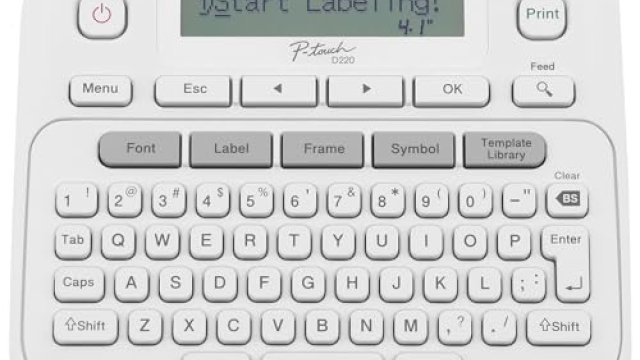
Brother PTD220 Everyday Label Maker

The Brother PTD220 is a simple home and office label maker for people who want clear labels without a steep learning curve. Its built-in keyboard lets you type directly on the machine. The display helps you preview your wording before you print, which reduces wasted tape. It uses Brother TZe laminated tape, with support for tape sizes up to about one-half inch.
I like this model for common jobs such as pantry bins, file folders, school supplies, charging cables, and storage boxes. The compact shape fits well in a desk drawer, yet the keys are easier to use than the tiny buttons found on many ultra-small labelers. It does not try to replace a full desktop printer. Instead, it acts like a reliable pocket-sized office helper that handles daily labels with little fuss.
Pros:
- Simple built-in keyboard for fast typing
- Clear display for checking text before printing
- Works with durable Brother TZe tape
- Good fit for home, school, and office labels
- Compact size saves desk and drawer space
- Useful for both short and medium-length labels
Cons:
- Prints only fairly narrow labels
- Does not offer the design range of a phone app
- Ongoing tape costs can add up with heavy use
Brother PTD210 Label Maker Bundle
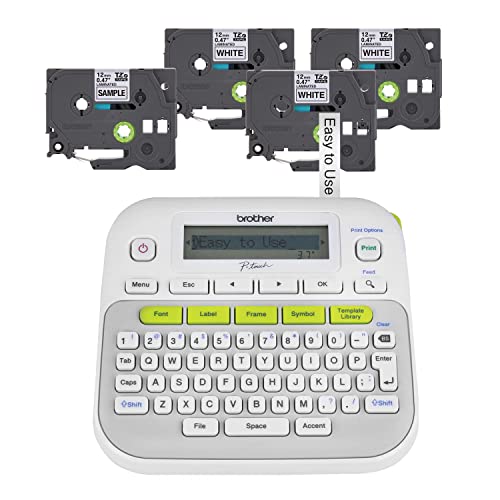
The Brother PTD210 bundle is aimed at shoppers who want a ready-to-use label maker with extra tape in the box. Its handheld keyboard design keeps the process direct. You enter a label, choose a simple style, and print without connecting to a computer. The included four label tapes give new users a useful head start for organizing several rooms or work areas.
This model makes sense for a first-time buyer, a busy parent, or anyone setting up a home office. I found the bundle format helpful because label tape is the one item that can stop a new label maker from being useful on day one. The machine remains small and light, so it is easy to carry from a desk to a closet or craft table. It offers more practical value than a bare printer when you expect to create many labels soon after purchase.
Pros:
- Includes four tapes for immediate use
- Easy handheld design for beginners
- Built-in keyboard needs no phone or computer
- Useful for home office and family organization
- Lightweight body is easy to move around
- Good starter value for frequent small labeling jobs
Cons:
- Included tape colors and widths may limit some projects
- Small display is less convenient for long text
- Not the best pick for high-volume professional printing
Brother PT-N10 Portable Label Maker

The Brother PT-N10 is a personal handheld label maker for quick, portable jobs. It supports Brother P-touch Btag label tapes around one-half inch wide and is designed for simple customized labels. Its small body is easy to hold while you work beside a shelf, toolbox, drawer, or craft bin. This is the kind of label maker that stays useful because it does not demand a permanent place on your desk.
I would choose the PT-N10 for light organizing, school projects, gifts, and personal storage. It is especially handy when you need a few labels in different colors rather than a large batch of identical office labels. The narrow tape format keeps labels neat on small containers and cords. Buyers should remember that a compact personal unit usually gives up some advanced formatting and screen space to stay portable.
Pros:
- Very portable handheld form
- Works well for small personal labels
- Supports colorful P-touch Btag tape options
- Good for craft rooms, bedrooms, and school supplies
- Quick to carry from one project to another
- Simple design helps reduce setup time
Cons:
- Less suitable for long or wide labels
- Limited choice for advanced layouts
- May feel too basic for a large office
DYMO LetraTag 100H Plus
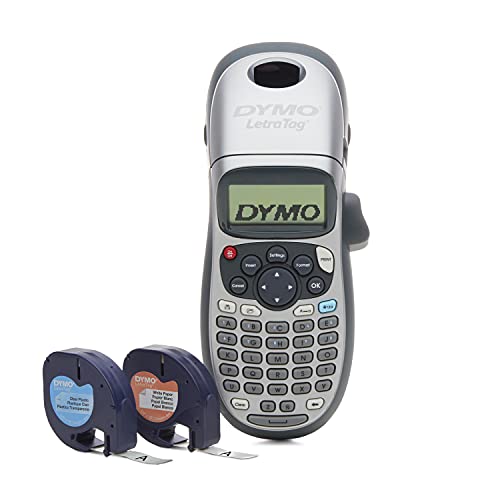
The DYMO LetraTag 100H Plus is a classic handheld label maker for basic organization around the home or office. It has a built-in keyboard and a small preview screen, so you can create labels without a laptop or mobile app. The unit is designed for LetraTag label materials, which can suit drawers, shelves, folders, bins, and personal items. Its familiar layout makes it approachable for users who want a straightforward tool.
This DYMO is a good match for occasional labeling rather than nonstop production. I see it working well in a kitchen junk drawer, a shared family closet, or a small office where labels need to be made as tasks appear. It has the charm of a simple tool: pick it up, type the word, and press print. If you need laminated labels for outdoor use or a wider design range, check tape compatibility before buying.
Pros:
- Easy handheld operation
- Built-in keyboard works without a computer
- Useful for drawers, bins, files, and shelves
- Small footprint suits crowded work areas
- Good option for occasional home labeling
- Established LetraTag tape system offers several material choices
Cons:
- Not designed for large batches of labels
- Limited screen size can slow long text entry
- LetraTag tape is not interchangeable with Brother TZe tape
DYMO LetraTag 100H Three-Tape Kit

This DYMO LetraTag kit combines a compact 100H handheld printer with three LT label tapes. That extra tape changes the buying experience because you can begin sorting and marking items right away. The keyboard-based design is suitable for names, room labels, storage notes, and basic office filing. It is a practical choice for users who want the familiar LetraTag format but do not want to purchase supplies at once.
I would consider this package for a move, dorm setup, classroom, or home reset. The three tapes can help you separate tasks by color or material, though the exact contents should be checked on the current product page before ordering. Like other handheld label makers, it works best when you keep wording short and clear. The kit offers convenience, but buyers with a strong need for waterproof or highly durable labels should select the correct LetraTag tape type.
Pros:
- Includes three tapes for a faster start
- Useful for moving and home organization projects
- Simple keyboard-based operation
- Portable enough for room-to-room use
- Good choice for shared family labeling tasks
- Can provide better opening value than the machine alone
Cons:
- Kit contents can vary, so confirm tape details
- Still limited for large commercial labeling jobs
- Labels may not suit every outdoor or high-moisture use
SUPVAN E11 Keyboard and Bluetooth Label Maker

The SUPVAN E11 takes a more modern approach by combining a physical keyboard with Bluetooth features. It includes four tapes and can appeal to users who want quick typing on the device plus added design control from a mobile connection. The black body looks at home in a workroom, office, or shipping station. This model is more flexible than a basic handheld label maker when you want to create labels with a phone.
I see the E11 as a strong fit for people who organize often and want more room for creativity. Bluetooth can make it easier to prepare repeated labels, add symbols, and adjust layouts, although app features may change with updates. The included tapes add value for a new setup. Before buying, check phone compatibility, app requirements, and the tape sizes supplied, since those details matter more with a connected model.
Pros:
- Offers both a physical keyboard and Bluetooth use
- Includes four tapes for immediate projects
- More design flexibility than basic handheld models
- Useful for repeated labels and larger organizing tasks
- Good fit for home offices and craft spaces
- Phone control can make longer text easier to format
Cons:
- Bluetooth and app setup add extra steps
- Phone compatibility should be checked before purchase
- Connected features depend on the companion app
How I Chose the Best Label Maker
A label maker should solve a problem, not create a new one. I looked first at how fast a person can go from opening the box to printing a useful label. A built-in keyboard helps when you need one quick word. A phone app helps when you want symbols, repeated text, or more careful layout control. Both approaches can work, but they suit different habits.
I also considered tape support. The tape is the part that touches the real world, so it matters as much as the printer. Look for labels that match the job: paper can suit dry indoor bins, while laminated or more durable materials can perform better around moisture and handling. Always confirm compatibility because Brother TZe, Brother Btag, and DYMO LetraTag systems are different.
Power is another detail that buyers often overlook. Many portable models use batteries, which keeps them cordless but can leave you searching for replacements during a project. A model with a compact body is easy to store, yet a tiny keyboard may slow down long entries. I prefer a balanced design that feels easy to hold and gives enough room to type without turning a short task into a chore.
Finally, I weighed total value rather than just the purchase price. A bundle with extra tape may be a better deal for a new user. A low-cost printer may become expensive if its tape is hard to find or if it wastes labels during setup. The Best Label Maker for you should fit your tape budget, label volume, design needs, and comfort level.
What to Look for Before Buying
Keyboard or Bluetooth control
A keyboard label maker is often the fastest choice for a short word or name. You do not need to unlock a phone, open an app, or pair a device. This simple flow works well in a kitchen, classroom, garage, or shared office.
Bluetooth models can offer richer layouts. They may support icons, different fonts, templates, and saved designs through an app. That added control helps when you create many labels or want a polished look. The tradeoff is setup time, battery use, and dependence on a compatible phone app.
Tape type and width
Do not buy a label maker based only on the machine. Check the tape family and available widths first. Narrow tape works well on pens, cables, small bins, and folders. Wider tape gives larger letters and better visibility on boxes or shelves.
For damp areas, look for a tape designed for moisture or stronger adhesion. For a clean office look, white tape with black text remains easy to read. Clear tape can blend with smooth surfaces. A color tape can help separate categories, such as school items, holiday storage, or electrical cords.
Print clarity and label size
Clear text matters more than fancy effects. A good label should remain readable from a normal standing distance. Short words usually print with better balance on small machines. If you need long instructions, measure the available surface and consider a model that supports wider tape or phone-based formatting.
Also think about the cut. Some printers leave a small extra margin, while others let you control the spacing. That small strip can affect the cost of every label over time. For light home use, it may not matter. For a classroom, small business, or busy stockroom, it can become a real supply expense.
Portability and comfort
Handheld label makers make sense when labels happen in many places. You can carry one from the pantry to the garage without moving a cable. A lightweight body also helps children and older adults use the device with less strain.
Comfort depends on more than weight. The keys should feel distinct, the display should be easy to read, and the tape compartment should open without a struggle. If you plan to print for an hour, a very small unit may feel cramped. If you print one label at a time, its small size may be exactly the benefit you need.
Included tape and long-term cost
Included tape is useful, but it should not be the only value measure. Check how many labels each cartridge can produce and whether replacement cartridges are easy to find. Some low-cost machines look appealing until replacement tape costs more than expected.
A bundle can be a smart first purchase because it lets you test tape colors and sizes. Still, confirm that the included cartridges match your main use. A decorative tape is nice, but a basic black-on-white cartridge may be more useful for files and storage bins.
Best Label Maker for Common Uses
Best for home organization
The Brother PTD220 and DYMO LetraTag 100H are both strong home choices. They are simple enough for quick jobs and compact enough to store near a junk drawer or supply shelf. Use them for pantry containers, toy bins, medicine storage, and seasonal decorations.
I would lean toward the Brother PTD220 if you want access to Brother TZe laminated tape. I would consider the DYMO kit if you prefer the LetraTag system and want three tapes included. For either model, keep labels short. “Baking,” “Batteries,” and “Winter Gear” are easier to read than full sentences.
Best for a first-time buyer
The Brother PTD210 bundle is a friendly starting point. Extra tapes remove one common barrier, and the built-in keyboard keeps the process simple. It gives a new user a chance to learn label width, spacing, and tape choices without investing in a complex system.
This is also a good gift for someone moving into a new home. A fresh set of labels can make a new space feel calm. It is a small tool, but it can bring order to the places where clutter tends to collect.
Best for portable personal labels
The Brother PT-N10 is the most natural fit for small, personal tasks. It can travel in a drawer, backpack, or craft box. Its compact tape size suits names, short notes, and small items where a large label would look awkward.
Students, renters, crafters, and parents may enjoy this style. It does not take over a desk, and it does not ask you to build a full labeling system. It simply gives you a fast way to mark the things you own.
Best for more design control
The SUPVAN E11 stands out for users who want Bluetooth access as well as a physical keyboard. A phone app can make repeated labels and decorative designs easier. This is useful for craft sellers, home offices, teachers, and people who want a consistent look across many shelves.
It is not automatically the right choice for everyone. If you only print a few labels each month, the added connection step may feel unnecessary. But if you like templates and want more control, it offers a modern path without giving up direct keyboard entry.
Practical Tips for Better Labels
Start with the surface. Wipe dust and grease away before applying a label. A clean, dry surface gives the adhesive a better chance to hold. Press the label firmly, especially around corners and edges.
Use simple words and strong contrast. Black text on white tape is often the easiest to scan. For shared spaces, pick one naming style and keep it steady. For example, use “Cables,” “Chargers,” and “Adapters” instead of mixing labels such as “Phone Stuff” and “USB Things.”
Leave a small gap around the text when possible. Crowded words look messy and can be harder to read. Preview the label before printing if your machine offers that feature. This one step can save tape and prevent a label from cutting off its final letter.
Think about future changes. If a bin may change purpose, use a removable tape or a label sleeve. If the contents are permanent, a stronger laminated label may save time later. The best label maker becomes much more useful when you match the tape to the surface and task.
Store spare tape away from heat and direct sunlight. Keep the machine closed when not in use. If the cutter becomes sticky or the print looks faint, follow the care steps in the manual. Avoid forcing tape through the mechanism, since a small jam can become a larger repair.
Brother Versus DYMO: Which System Is Better?
Brother P-touch models are popular because the TZe system offers many tape choices, including options designed for stronger everyday use. The PTD220, PTD210, and PT-N10 serve different levels of need. The PTD220 is a balanced home and office pick. The PTD210 bundle focuses on starter value. The PT-N10 focuses on personal portability.
DYMO LetraTag models appeal to people who want a familiar, basic handheld tool. The 100H is easy to understand and works well for light home or office labeling. The three-tape kit improves the starting value. However, you must buy LetraTag tape rather than Brother tape, so compare replacement prices before you commit.
Neither brand wins every category. The better system is the one with the tape you can find, afford, and use for your surfaces. If family members already own one brand, staying with that system may also make spare tape easier to share.
Are Bluetooth Label Makers Worth It?
Bluetooth is worth the extra setup when you want design options or many repeated labels. A phone screen gives you more space than a small handheld display. It can also make long names and lists easier to edit before printing.
For one-word labels, Bluetooth may be more than you need. A keyboard model can be faster because it starts at once. I recommend connected models to users who enjoy templates, symbols, and saved designs. I recommend basic handheld units to users who value speed and simplicity above all else.
Battery and Power Advice
Most handheld label makers are built for cordless use. That makes them flexible, but battery life depends on how often you print and which battery type the model uses. Keep a spare set nearby if you plan a large organizing session.
Do not leave batteries inside a device that will sit unused for many months. Remove them when the manual recommends it, especially before long-term storage. For a Bluetooth model, remember that the phone and the printer both need enough power to finish the job.
A battery-powered model is not a weakness. It is often the reason a label maker works well in a garage, pantry, or classroom. Just include replacement batteries in your ownership cost.
Label Maker Mistakes to Avoid
The first mistake is choosing a printer before checking tape. A low price does not help if the tape is too narrow, too costly, or wrong for your surface. Always confirm the tape family and width.
The second mistake is expecting a small handheld printer to work like a shipping printer. These models are made for personal and organizational labels. They may not print the large barcodes, wide formats, or fast batches needed by a busy warehouse.
The third mistake is ignoring the display. A tiny preview can make long labels frustrating. If you often print names, lists, or notes, consider a device with a larger screen or Bluetooth app.
The last mistake is using too many words. A label is a signpost, not a paragraph. Short text looks cleaner, uses less tape, and helps you find items faster.
My Recommendation
For most homes and small offices, I recommend the Brother PTD220 as the best all-around label maker in this group. It balances easy keyboard control, a compact body, and access to a broad TZe tape family. It suits drawers, files, bins, cables, school items, and daily office work without adding app setup.
Choose the Brother PTD210 if you want the best starter bundle and plan to print many labels right away. Choose the PT-N10 when portability and small personal labels matter most. The DYMO 100H models remain useful for simple LetraTag projects, while the SUPVAN E11 is the better fit for Bluetooth design control and repeated layouts.
| Best for | Why |
|---|---|
| Everyday home and office use | The Brother PTD220 offers simple typing, clear labels, and flexible TZe tape support. |
| New users and large home projects | The Brother PTD210 includes four tapes, so you can start organizing at once. |
| Bluetooth designs and repeat labels | The SUPVAN E11 combines phone control with a physical keyboard and four included tapes. |
Overall value depends on how often you print and what your labels must endure. A basic model can be the smartest buy if you need quick indoor labels. A bundle can save time at the start. A Bluetooth model can earn its cost when design control becomes part of your regular work.
FAQs Of Best Label Maker
What is the best label maker for home use?
The Brother PTD220 is the best home choice for many users. It is easy to operate, compact, and suitable for common jobs such as bins, folders, cables, and pantry storage. The Brother PTD210 is also a strong choice if you want extra tapes included.
Are Brother and DYMO label tapes interchangeable?
No. Brother TZe and Btag tapes belong to Brother systems, while LetraTag tapes fit DYMO LetraTag machines. Check the cartridge name before buying replacement tape. Using the wrong cartridge can lead to poor fit or damage.
Is a Bluetooth label maker better than a handheld model?
Not always. Bluetooth models offer more design control and can make long or repeated labels easier. Handheld models are often faster for one short label because they need no phone or app connection.
What label tape is best for storage bins?
For dry indoor bins, standard paper or plastic tape may work well. For bins handled often or placed near moisture, choose a tape designed for stronger adhesion or protection. Match the tape to the surface and read the product details before buying.
Can a small label maker print shipping labels?
These handheld models are best for small identification labels, not full-size shipping labels. Use a dedicated thermal shipping printer for carrier labels, barcodes, and larger package formats.
Final Verdict: Which Should You Buy?
The Brother PTD220 is my top pick for the Best Label Maker because it offers the strongest balance of ease, size, and everyday use. Pick the PTD210 for included tape, the PT-N10 for portability, or the SUPVAN E11 for Bluetooth design control.
A good label maker turns clutter into a clear system. Check tape costs, label width, and power needs before ordering, then choose the model that fits your daily tasks.

Similar Posts