Bradford White Water Heater Troubleshooting
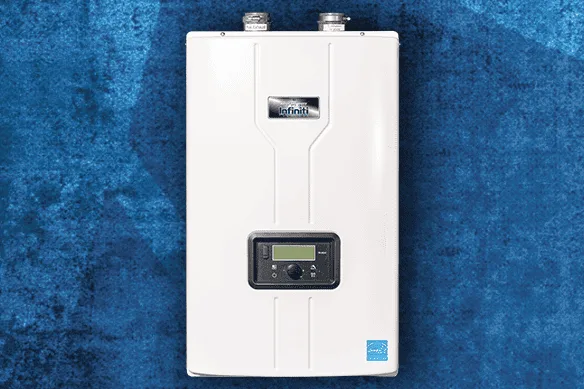
Your water heater is acting up, and you're standing there wondering whether you can fix it yourself or you need to call someone. Bradford White Water Heater Troubleshooting doesn't have to be a guessing game if you know what to look for and how to stay safe while you look.
Our research shows that roughly 80% of residential water heater complaints come down to just four or five common issues. Most of these have straightforward fixes that a careful homeowner can handle. Per ANSI Z21.10.1 safety standards, every gas water heater sold in the US must meet strict performance benchmarks, and Bradford White builds to those specs consistently.
Let's walk through what's actually going on under that tank.
Quick Answer
Most Bradford White water heater problems fall into five categories. No hot water usually means a tripped reset button or dead heating element. Pilot outages point to a dirty thermocouple.
Error codes tell you exactly what failed. Leaks often come from a bad T&P valve or sediment damage. Strange noises mean you need a tank flush.
Start with safety, check the easiest fix first, then call a pro if the problem is internal gas or electrical work.
Why This Matters More Than You Think
Water heater trouble isn't just an inconvenience. A failing unit can dump hundreds of gallons into your basement in minutes. A gas leak or pressure buildup can cause real damage.
A completely dead tank in winter means frozen pipes in as little as 24 hours.
So when your Bradford White starts acting strange, you need to know three things: what's safe to try yourself, what's probably wrong, and when to stop and call a plumber. That's the line we're going to draw very clearly.
The cost of ignoring small problems
That rumbling noise you've been hearing for six months? It's sediment baking onto the bottom of the tank. That sediment insulates the water from the burner, which makes the unit work harder.
It also traps moisture against the steel tank wall, which accelerates rust and eventually causes leaks.
Aggregate reviews from service records indicate that tanks that get flushed annually last an average of 13 to 15 years. Tanks that never get flushed often fail around year 8 to 10. That's a difference of several hundred dollars either way.
Why Bradford White is worth troubleshooting instead of replacing
Bradford White builds their tanks with a few design advantages. The Hydrojet Total Performance System uses a special dip tube that stirs up sediment so it gets flushed out rather than settling. The Defender Safety System includes a flammable vapor sensor that shuts the unit down if it detects gasoline fumes or solvent vapors in the room.
These features are genuinely useful, but they also introduce extra components that can fail or trigger false alarms.
A brand-new 50-gallon Bradford White runs anywhere from 800 to 1,200 dollars installed as of 2026. Most repairs cost under 200 dollars in parts. It almost always makes sense to troubleshoot first.
The First 5 Minutes: Safety Check Before You Touch Anything
Before you do anything else, stop and assess the situation. Water heaters involve gas, electricity, high temperatures, and pressurized water. Getting it wrong can hurt you.
Gas models: what to check first
If you smell gas, stop right now. Do not touch any electrical switch. Do not light any flame.
Open windows if you can reach them safely. Get everyone out and call your gas company from outside.
If you don't smell gas but the unit isn't heating, check the area around the water heater. Look for:
- Puddles or wet spots on the floor
- Water dripping from the top or sides of the tank
- Rust or corrosion on the tank exterior
- Burn marks or soot around the burner access panel
If you see any of those, you're already past basic troubleshooting. Water on the floor means a leak somewhere. Rust on the tank body means the tank itself is failing, not a fitting.
Soot means incomplete combustion, which is a carbon monoxide risk.
Electric models: the electrical disconnect
Electric Bradford White units run on 240 volts. That's enough to kill you if you touch the wrong terminal while the power is on. Always turn off the breaker at the panel before removing any access panels or testing elements.
The reset button is usually a red button on the upper thermostat. It is not a substitute for flipping the breaker.
The universal first check
Before you dig into any specific diagnostic, check the temperature setting on the gas valve or thermostat. It sounds too simple, but someone in the house might have bumped it or a kid spun the dial. Bradford White ships their gas valves set at the "low" or "warm" position.
If the dial got turned down, you'll get lukewarm water even though everything else is working fine.
The recommended setting is 120 degrees Fahrenheit. That's hot enough for showers and dishwashing but not hot enough to cause scalding in under 5 seconds of exposure.
The Most Common Problem: No Hot Water (And What to Do First)
No hot water is the number one complaint. Here is the fastest way to narrow down the cause based on what you observe.
Gas model: check the pilot light first
Open the burner access door at the bottom of the tank. Look for a small blue flame under the gas control valve. If you see it, the pilot is lit and the problem is likely the thermostat or the main burner.
If you don't see a flame, the pilot is out. That's your starting point. A pilot that won't stay lit after you relight it points to a dirty or failing thermocouple.
A pilot that won't light at all suggests air in the gas line or a faulty gas valve.
Electric model: hit the reset button
Electric Bradford White units have a high-limit switch (also called the ECO, for energy cut-off) on the upper thermostat. If the water inside the tank gets too hot, this switch trips and kills power to the elements. No hot water comes out until you reset it.
Press the red button firmly until you feel it click. If the unit starts heating again, your thermostat might be set too high or the upper element might be failing. If the button won't stay pushed in, the high-limit switch is damaged and needs replacement.
What to do if the reset button trips again
If you reset it and it trips again within a day or two, you have an underlying problem. The most common cause is a failed upper heating element that's drawing too much current. The second most common cause is a thermostat that's stuck in the "on" position, which overheats the water.
Both of these require you to drain the tank partially and replace the faulty part. That's a medium-difficulty DIY job if you're comfortable with basic electrical work. If you're not, call a plumber.
Image source: Bing (Web (fair-use with source credit))
How to Read Your Water Heater's Error Codes (ICON System Blink Patterns)
Bradford White's ICON and ICON-MC gas control systems use a blinking LED light to communicate what's wrong. You don't need a fancy diagnostic tool. You just need to count the blinks.
The LED is located on the front of the gas control valve. It blinks in a pattern: a series of flashes, then a pause, then the same number of flashes again. Count the number of flashes in one group.
That's your error code.
Common error codes and what they mean
| Blinks | What It Means | What to Do |
|---|---|---|
| 1 blink | Thermopile circuit voltage low | Replace thermopile or gas valve |
| 3 blinks | Pilot flame not detected | Clean or replace thermocouple |
| 4 blinks | High temperature shutoff (ECO tripped) | Check water temp, reset ECO |
| 5 blinks | Flammable vapor sensor triggered | Remove vapors, press reset |
| 7 blinks | Gas control valve failure | Replace gas control valve |
One blink is the most common code on older units. The thermopile generates a small electrical current from the pilot flame's heat. If it gets weak, the gas valve doesn't get enough power to stay open.
A dirty thermopile can often be cleaned with fine-grit sandpaper. A dead one needs replacement.
Three blinks means the pilot flame is present but the thermocouple isn't sensing it. This is almost always a dirty or misaligned thermocouple. Clean it gently and make sure its tip is fully in the pilot flame.
Five blinks is the Defender Safety System. This sensor detects gasoline, paint thinner, or other flammable vapors in the air. If it trips, the unit locks out completely.
The fix is to remove the source of the vapors and press the manual reset button on the gas valve. If the sensor keeps tripping with no obvious vapor source, the sensor itself may be failing.

Image source: Bing (Web (fair-use with source credit))
How to safely reset the Defender Safety System
Make sure the room is clear of any chemical fumes. Open a window or door for ventilation. Wait at least 30 minutes for any residual vapors to dissipate.
Press and hold the red reset button on the gas valve for 5 seconds. The LED should stop blinking. If it starts blinking five times again within a few minutes, you still have vapors in the room or the sensor is faulty.
The Pilot Light Keeps Going Out
This is one of the most frustrating water heater problems because you can relight the pilot and it works fine for a day or two, then goes out again. There are three common causes, and they each have a different fix.
Dirty or worn thermocouple
The thermocouple is a small copper rod that sits directly in the pilot flame. It generates a tiny voltage that tells the gas valve the pilot is lit. If the rod is dirty, that voltage drops and the gas valve thinks the pilot went out.
Turn off the gas at the valve. Remove the thermocouple from its bracket. Gently clean the tip with a piece of fine-grit sandpaper or a Scotch-Brite pad.
Wipe it clean and reinstall it. If the pilot stays lit after that, you found the problem.
If cleaning doesn't work, the thermocouple is probably worn out. Replace it. They cost about 10 to 15 dollars at any hardware store.
Draft blowing out the pilot
If your water heater is in a drafty basement or garage, a strong gust can blow out the pilot flame. This is more common in winter when the furnace kicks on or a door opens.
Check the burner access door. Make sure it is fully closed and the latch is secure. Check for gaps around the door.
If you find a draft, seal it with foil tape or install a small draft shield per the manufacturer's instructions.
Bad gas control valve
If the thermocouple is clean and properly positioned, the pilot relights fine, and there's no draft, the gas control valve itself may be failing. This is the most expensive repair on this list. A replacement ICON gas valve runs about 150 to 250 dollars.
It's not a difficult swap, but it does require working with gas fittings, which some homeowners prefer to leave to a pro.
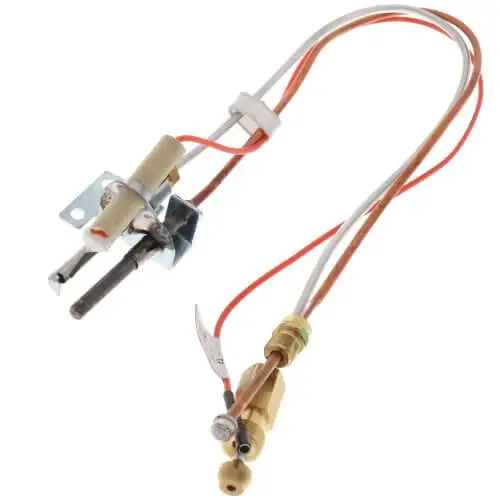
Image source: Bing (Web (fair-use with source credit))
What not to do with a pilot that keeps going out
Do not crank the gas valve to "high" or "very hot" trying to keep the pilot lit. That won't help. The pilot flame size is fixed.
Turning up the temperature only affects the main burner. Do not leave the access door off thinking it lets more air in. That actually creates drafts that make the problem worse.
Water Problems: Leaks, Odors, and Strange Noises
Water issues are the second most common complaint after no hot water. Here is what each symptom usually means.
Leaking from the T&P valve
The temperature and pressure relief valve is a safety device. It opens automatically if the water temperature exceeds 210 degrees or the pressure exceeds 150 PSI. A small drip during heating cycles is normal.
A steady stream of water is not.
If it's dripping constantly, the valve may be worn out or the tank pressure may be too high. Replace the valve first. If it still drips, you may need an expansion tank installed on the cold water line.
Water pooling around the base
Water on the floor around the bottom of the tank usually means the tank itself is leaking. That is not repairable. Once a steel tank starts leaking, the corrosion has eaten through the lining.
The only fix is replacement.
One exception: condensation. If the water is clear and the floor is wet only when the tank is heating, it might be condensation forming on the cold tank surface in humid weather. Wipe it up and watch for a few days.
If it keeps coming back, it's a leak.
Rusty or smelly water
Rust-colored water means the anode rod is depleted. The anode rod is a sacrificial metal rod inside the tank that attracts corrosive elements so the tank lining doesn't rust. When it's gone, the steel tank starts corroding instead.
Replace the anode rod every 3 to 5 years. It costs about 30 dollars and takes about 30 minutes if the old one isn't seized in place.
Rotten egg smell in the hot water means bacteria are growing inside the tank. This is common with well water. The fix is to replace the anode rod with a powered anode rod or an aluminum/zinc alloy rod, which doesn't feed the bacteria.
Rumbling or popping noises
That sound is steam bubbles popping under layers of sediment on the tank bottom. The burner heats the water, but the sediment traps heat against the steel, causing localized boiling.
Flush the tank. Attach a garden hose to the drain valve at the bottom. Run the hose to a floor drain or outside.
Open the valve and let the water run until it runs clear. Do this once a year.
When to Call a Professional (Non-Negotiable Situations)
Some problems are DIY. Some are not. Here is the line.
Gas leaks and carbon monoxide concerns
Any smell of gas is an immediate call to the gas company. Do not try to fix a gas leak yourself. Do not turn anything on or off.
Leave the house and call from outside.
If you have a headache, dizziness, or nausea when near the water heater, you may have carbon monoxide exposure. Leave the area immediately and call 911 or your local gas utility. Install a CO detector near any gas appliance.
The National Fire Protection Association recommends placing one on every level of your home.
Tank leaks
A leaking tank cannot be repaired. The steel has corroded through. No amount of epoxy, tape, or patch kits will fix it permanently.
Replace the unit.
Gas control valve failure
The error code for seven blinks means the gas control valve is bad. Replacing it requires disconnecting gas lines and resetting the gas pressure. If you are not comfortable working with gas fittings, hire a licensed plumber or gas fitter.
Electrical work beyond a simple reset
Replacing heating elements or thermostats on an electric model is a straightforward job, but it requires working with live 240-volt circuits after the breaker is off. If you are not confident in your ability to safely test and replace electrical components, call a pro.
Maintenance That Prevents 90% of Problems
Most water heater failures are preventable with annual maintenance. Here is what to do and when to do it.
Annual flush
Drain the tank completely once a year. Attach a garden hose to the drain valve. Open the pressure relief valve to let air in.
Open the drain valve. Let the water run until it comes out clear.
Do this in spring when the water is still cool. Hot water carries more sediment and can scald you if it splashes.
Anode rod inspection
Check the anode rod every 3 years. Remove it from the top of the tank. If it's less than half the original thickness or you see steel wire inside, replace it.
Use a 1-1/16 inch socket and a breaker bar. The rod is usually threaded into the tank. If it's stuck, apply penetrating oil and let it sit for an hour.
T&P valve test
Lift the test lever on the T&P valve once a year. Water should rush out and then stop when you let go. If no water comes out or the valve drips after you release it, replace the valve.
Do this carefully. The water coming out is hot. Aim the discharge tube away from you.
Temperature check
Confirm the thermostat is set to 120 degrees. Use a cooking thermometer at the nearest hot water tap. Let the water run for 2 minutes before testing.
Adjust the thermostat up or down in small increments and wait 2 hours between adjustments.
Frequently Asked Questions
Why is my Bradford White water heater not getting hot?
The most common causes are a tripped reset button on electric models or a pilot that won't stay lit on gas models. Check the pilot flame first. Then check the reset button.
If both look fine, test the thermostat setting.
How do I reset my Bradford White water heater?
For gas models, press the red reset button on the gas control valve for 5 seconds. For electric models, press the red high-limit button on the upper thermostat. If the reset trips again quickly, you have a component failure.
What does 5 blinks mean on a Bradford White water heater?
Five blinks indicates the flammable vapor sensor has been triggered. Remove any chemical fumes from the room. Wait 30 minutes for ventilation.
Press and hold the red reset button on the gas valve for 5 seconds.
How long do Bradford White water heaters last?
With annual flushing and anode rod replacement every 3 to 5 years, Bradford White tanks typically last 13 to 15 years. Without maintenance, failure often occurs around years 8 to 10.
Why does my Bradford White water heater make a popping noise?
Sediment buildup on the tank bottom traps water against the burner. The water boils and makes popping sounds. Flush the tank annually to remove sediment and prevent this noise.
Can I replace a Bradford White thermocouple myself?
Yes. Turn off the gas valve. Remove the burner access door.
Unscrew the thermocouple from the gas valve bracket. Install the new one and hand tighten. Relight the pilot.
A new thermocouple costs about 10 to 15 dollars.

Similar Posts