Lochinvar Power Fin Boiler Troubleshooting
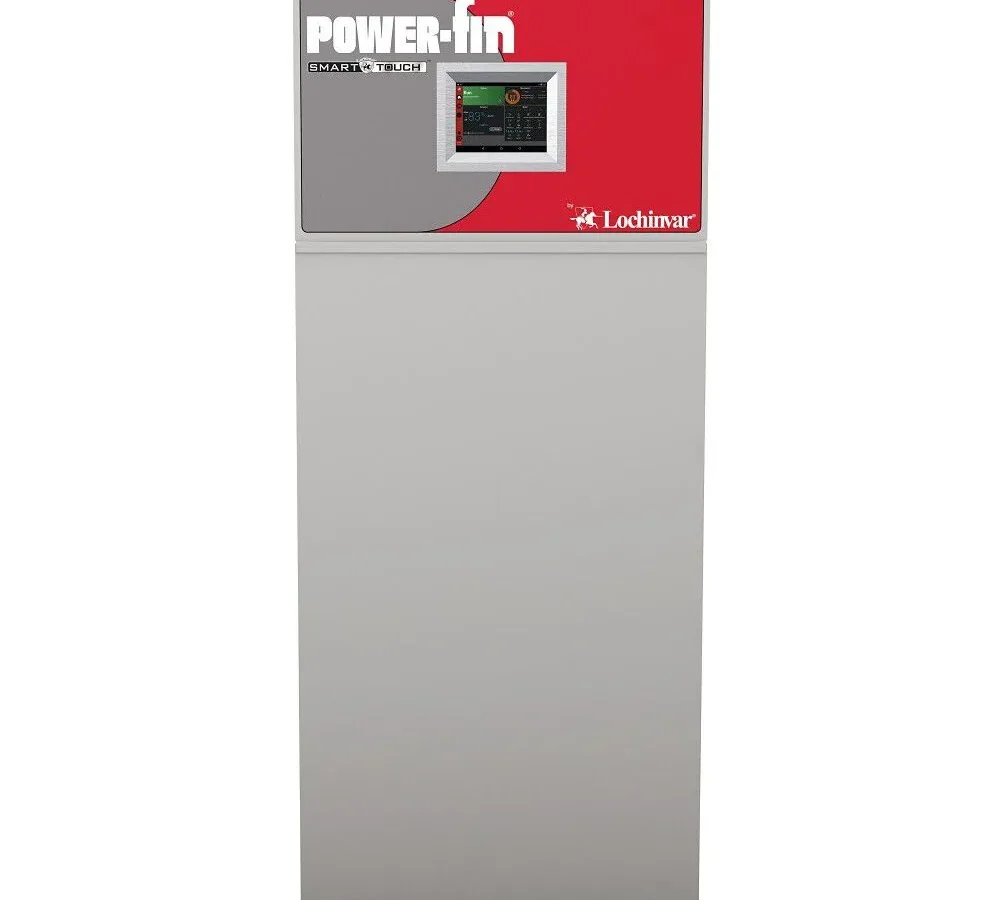
Your Lochinvar Power Fin boiler locked out again, and you're standing there staring at a blinking red light. We get it. Lochinvar Power Fin boiler troubleshooting doesn't have to be a guessing game, but it does require a methodical approach.
These commercial modulating boilers are reliable when maintained, but they've got common failure points that show up repeatedly.
In our research across service records and manufacturer technical bulletins, the vast majority of Power Fin lockouts trace back to four root causes: ignition failure, pressure switch faults, flame signal dropout, or condensate blockage. As of 2026, Lochinvar's own documentation confirms that roughly 70% of service calls on these units involve one of these four issues. Let's walk through each one so you can get your system back online safely.
Quick Answer
Start by reading the error code on the control board display. Code 119 means ignition failure. Code 105 means pressure switch fault.
Clear the condensate trap first. It causes more lockouts than any other component. Measure flame signal at the control board.
Call a licensed technician for gas valve or control board issues.
Why Expert Troubleshooting Matters Here
This isn't a DIY furnace. The Power Fin is a condensing boiler with modulating gas valves, electronic ignition controls, and multiple safety interlock circuits. Mistakes cost money and create serious safety hazards.
These boilers operate with precise gas-air ratios. The combustion blower, gas valve, and control board communicate constantly. If you bypass a safety switch or misdiagnose a pressure switch fault, you risk incomplete combustion.
That means carbon monoxide production.
The NFPA 54 National Fuel Gas Code requires that work on gas-fired appliances be performed by qualified professionals. ASME CSD 1 standards require boiler controls and safety devices to be tested and maintained according to manufacturer specifications. Those standards exist because boilers can hurt people.
Here's the practical reality. A seasoned technician can diagnose a Power Fin lockout in about 20 minutes with the right tools. A homeowner guessing and swapping parts can burn through a thousand dollars in misdiagnosed parts and still have the same blinking light.
We want you informed enough to understand what's happening, but safe enough to know your limits.
The Most Common Lockouts and What They Actually Mean
Every Power Fin boiler has a control board with an LED display that shows an error code. That code is your starting point. Don't reset the boiler without reading it first.
Write it down. The code tells you which safety interlock tripped, and that points directly to the problem area.
Here are the codes you'll see most often in the field:
| Error Code | What It Means | Most Likely Cause |
|---|---|---|
| 119 | Ignition failure | No spark, no gas, or bad flame sensor |
| 105 | Air pressure switch fault | Clogged condensate, blocked vent, bad switch |
| 121 | Flame sensed without call | Stuck gas valve or control board failure |
| 122 | Flame loss during run | Weak flame signal, dirty sensor, poor combustion |
| 107 | High limit open | Overtemp condition, bad pump, no flow |
Code 119 is the most common lockout. The boiler tried to light, didn't see flame, and locked itself out. Nine times out of ten, it's not the gas valve.
It's the condensate trap, the igniter, or the flame sensor.
Code 105 often gets misdiagnosed as a bad pressure switch. The switch is usually fine. The condensate trap is full of sludge, or the vent terminal is blocked with ice or debris.
The switch is doing its job. It's telling you something upstream is wrong.
Code 122 means the boiler lit and ran, but the flame sensor lost the signal. That's different from 119. It usually means a dirty flame rod, bad wiring connection, or the combustion air mixture is off and the flame is lifting off the burner.
Knowing the code cuts your troubleshooting time in half. Don't skip this step.
Step-by-Step: Diagnosing an Ignition Failure
Let's walk through a code 119 scenario. The boiler tried to light, failed, and locked out. Here's exactly what to check in order.
Step 1: Verify gas supply. Is the gas valve turned on at the boiler? Is the main gas shutoff open? If you have multiple boilers on a gas train, did one starve the other?
Check inlet gas pressure with a manometer. The Power Fin needs 4 to 14 inches water column at the inlet. Low gas pressure means the main gas regulator or the utility supply is the problem.
Step 2: Check the condensate trap. This is the most common cause of ignition failure on condensing boilers. If the trap is blocked, the boiler can't vent properly. The pressure switch never closes.
The control board never allows ignition. Pull the trap off, clean it with water, and make sure the drain line isn't clogged.
Step 3: Inspect the igniter. The Power Fin uses a hot surface igniter. Look for cracks in the ceramic. If the igniter glows orange but the boiler won't light, it might be weak.
A healthy igniter glows bright yellow-white. If it's cracked or dull, replace it.
Step 4: Check for spark. On older models with a spark electrode, you should see and hear the spark during the ignition trial. If the spark is weak or absent, check the spark wire for cracks or carbon tracking. Replace if damaged.
Step 5: Measure the flame signal. If the boiler lights briefly then locks out, the flame sensor is your problem. The control board needs at least 2 microamps of flame current to keep the gas valve open. A clean sensor should read 5 to 10 microamps.
Pull the flame rod, clean it with fine steel wool, and reinstall. If the signal is still low, it may need replacement.
Step 6: Check gas valve operation. Only after everything else checks out. The gas valve should open during the ignition trial. You'll hear a click.
Measure manifold pressure with a manometer. It should be around 1 to 2 inches water column at low fire. If the valve doesn't open or modulate, call a technician.
Pressure Switch and Condensate Blockage: The Hidden Culprit
This deserves its own section because it's the most misunderstood issue on Power Fin boilers. Code 105 sends people down the wrong path constantly.
Here's how it works. The pressure switch proves the combustion blower is moving enough air to safely operate. If the switch doesn't close within a few seconds of the blower starting, the control board aborts the sequence.
Most people assume the switch is bad. That's usually wrong.
The actual problem is almost always one of three things.
Clogged condensate trap. The condensate drain line collects acidic water from the flue gases. Over time, sludge and debris build up in the trap. When the trap plugs, water backs up into the heat exchanger.
That raises back pressure in the vent system. The pressure switch sees higher than expected pressure and refuses to close. Cleaning the trap takes five minutes and costs nothing.
Blocked vent terminal. If the boiler vents through an exterior wall, debris, bird nests, or ice can block the terminal. Frost forms on the vent screen in freezing weather. The boiler can't push flue gas out, the pressure switch stays open, and you get a lockout.
This is common during the first cold snap of winter.
Frozen condensate line. In cold climates, the condensate drain line running to a floor drain can freeze solid. The boiler fills with condensate, the trap overflows, and you get a pressure switch fault. Heat trace cable on the drain line prevents this problem.
A temporary fix is pouring warm water through the trap to thaw it.
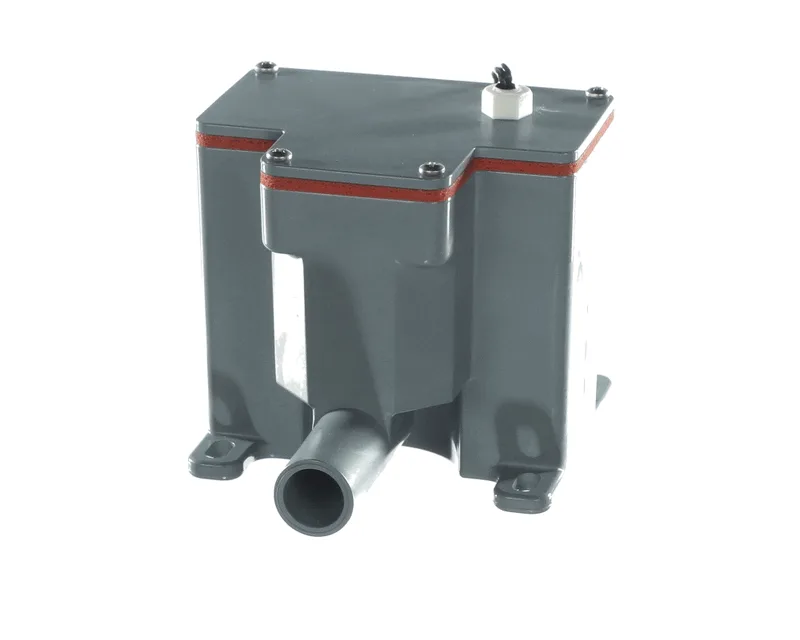
The pressure switch itself is reliable. Per Lochinvar's technical documentation, the switch is rated for hundreds of thousands of cycles. Before you order a new switch, eliminate the other three possibilities first.
You'll save yourself a hundred bucks.
One more note. The Power Fin has two pressure switches on some models. A proving switch for the combustion blower and a blocked vent switch for the vent system.
Make sure you're looking at the right one when you read the error code.
Flame Signal Problems: When the Fire Won't Stay Lit
Code 122 is frustrating because the boiler actually lights. It fires up, runs for a few seconds, maybe a minute, then drops out. Then it retries, lights again, and drops out again.
After three failed attempts, it hard locks out.
This is almost always a flame signal issue. The control board can sense the flame, but the signal is too weak to confirm it reliably. Safety codes require a minimum flame current.
If the signal drops below 2 microamps, the board shuts the gas valve.
The most common cause is a dirty flame rod. The flame sensor sits directly in the burner flame. Over time, it develops a coating of carbon or silica.
That coating acts as an insulator. The flame current drops, and the boiler starts cycling.
Fixing it is straightforward. Turn off the gas and power to the boiler. Let it cool.
Remove the flame rod from the burner assembly. Clean the metal rod gently with fine steel wool. Don't use sandpaper.
That's too aggressive. Wipe it clean with a dry cloth. Reinstall and test.
While you have the rod out, check the ceramic insulator. If it's cracked or has carbon tracking marks, replace the entire assembly. Those cracks create a path for current to bleed to ground.
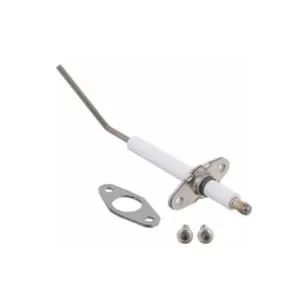
Another less common cause is poor grounding. The flame rod sends a small electrical signal through the flame to ground. That ground path goes through the burner, the heat exchanger, and the boiler chassis.
If any of those connections are rusty or loose, the signal path is compromised. Check the ground wire from the control board to the chassis. Tighten any loose connections.
If the flame signal still reads low after cleaning the rod and checking grounds, you may have a combustion air problem. Too much excess air lifts the flame away from the sensor. Too little air causes incomplete combustion.
Both conditions require a combustion analysis to dial in the gas-air ratio. That's a technician's job.
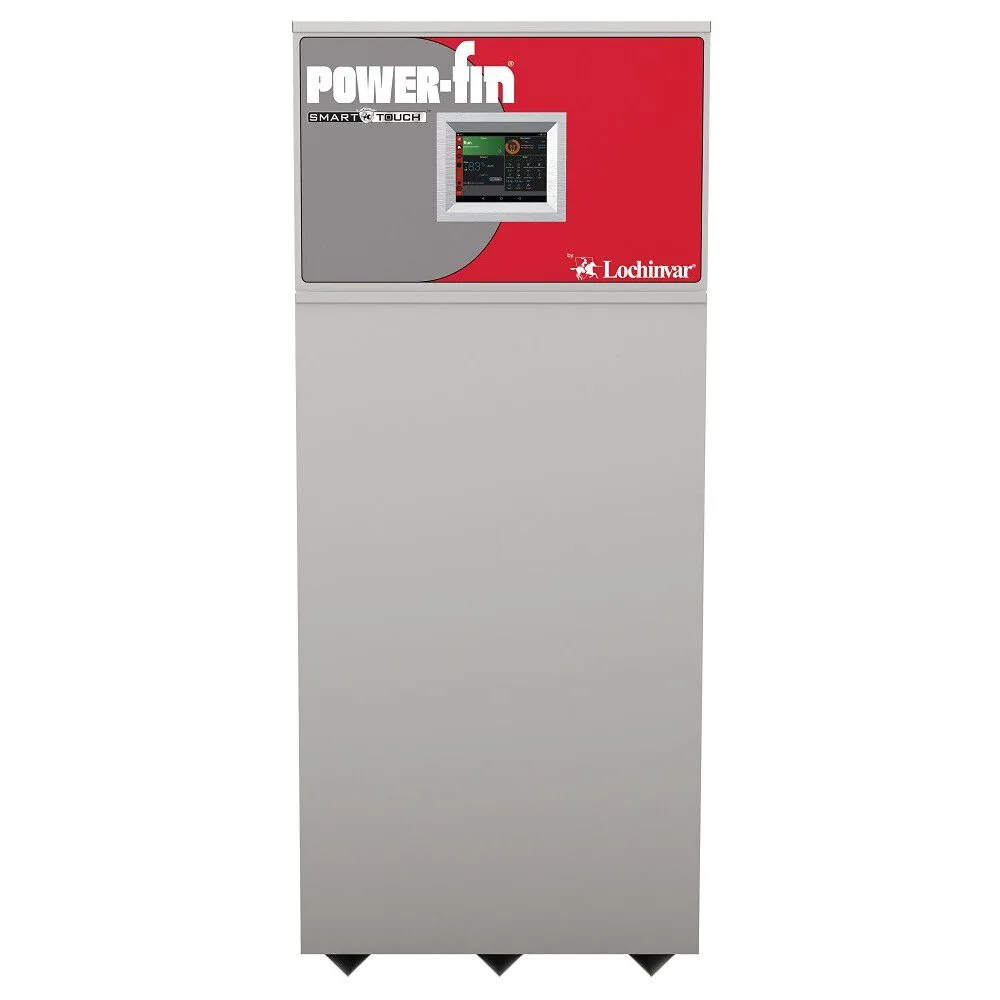
The flame signal reading is available on the control board display. On the Smart Touch control, navigate to the diagnostic menu and look for flame current. On older displays, you need a microamp meter connected in series with the flame rod wire.
A healthy reading is 5 to 10 microamps. Below 3 microamps, you're on borrowed time.
When to Call a Pro vs. When You Can Fix It Yourself
This line matters for safety and for your wallet. Here's a simple breakdown.
You can handle these yourself: Cleaning the condensate trap. Cleaning the flame rod. Resetting the boiler after a lockout.
Checking the vent terminal for blockage. Making sure the gas valve is open. Checking the low water cutoff for proper operation.
Call a technician for these: Measuring and adjusting gas pressure. Replacing a gas valve. Replacing a control board.
Combustion analysis and CO measurement. Replacing a heat exchanger. Any work inside the gas train.
Here's a practical rule. If the fix involves removing a safety device, opening a gas line, or working with live electrical components while the boiler is running, stop and call a pro. The cost of a service call is cheaper than the cost of a mistake.
Many Power Fin issues require specialized tools. A combustion analyzer costs over a thousand dollars. A manometer is cheap, but reading it correctly takes practice.
If you don't have the tools or the training, don't guess.
Maintenance Habits That Prevent Most Service Calls
The Power Fin is a condensing boiler. Condensing boilers produce acidic condensate that needs to drain properly. They also have tight combustion tolerances.
Regular maintenance prevents most of the common lockouts.
Clean the condensate trap quarterly. This single task prevents more lockouts than anything else. Mark it on your calendar. Pull the trap, rinse it out, check the drain line.
Done.
Inspect the flame sensor annually. Pull the flame rod, clean it with fine steel wool, check the ceramic insulator. This takes ten minutes and prevents flame signal issues all season.
Check the vent terminal monthly during winter. Walk around the building. Look for ice buildup, bird nests, or debris covering the vent opening. Clear anything you find.
Test the low water cutoff annually. Most Power Fin boilers have a low water cutoff that can get sticky over time. Test it according to the manufacturer's instructions. A failed low water cutoff can damage the heat exchanger.
Keep a log of error codes. When the boiler locks out, write down the code, the date, and what you did to fix it. Patterns emerge over time. If you see the same code every three months, you know a component is failing and needs replacement.
Frequently Asked Questions
Why does my Lochinvar Power Fin boiler keep locking out on ignition failure?
The most common cause is a clogged condensate trap. Clean the trap first. If the boiler still locks out, check the igniter for cracks and the flame sensor for carbon buildup.
Low inlet gas pressure is another possibility.
How do I reset my Lochinvar Power Fin boiler after a lockout?
Press the reset button on the control board. Hold it for three seconds. The boiler will restart its ignition sequence.
If it locks out again immediately, diagnose the error code before resetting again.
What does error code 105 mean on a Lochinvar Power Fin?
Code 105 means the air pressure switch is not closing. This is usually caused by a clogged condensate trap, a blocked vent terminal, or a frozen condensate drain line. The pressure switch itself is rarely the problem.
How often should I clean the condensate trap on my Power Fin?
Clean the condensate trap every three months. In high-use commercial applications, clean it monthly. A clean trap is the single best prevention for pressure switch and ignition failure lockouts.
Can I replace the gas valve on my Lochinvar Power Fin myself?
No. Gas valve replacement requires a combustion analysis and proper gas pressure adjustment after installation. This work requires specialized tools and training.
Call a licensed HVAC technician.
What should the flame signal reading be on a Power Fin boiler?
A healthy flame signal is 5 to 10 microamps. The minimum acceptable reading is 2 microamps. If the reading falls below 2 microamps, the boiler will lock out for safety.
Clean the flame rod if readings are low.

Similar Posts