Can Air Purifiers Remove Pm25
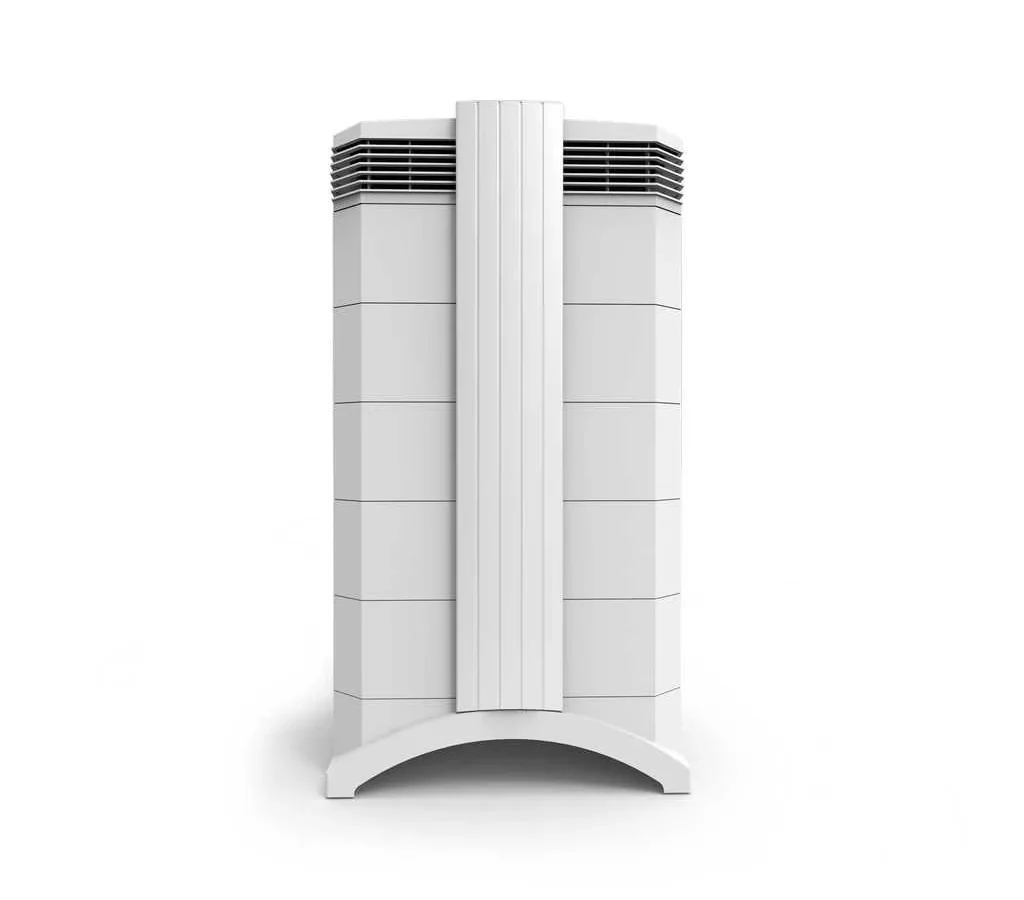
Can Air Purifiers Remove PM2.5? That's the question on a lot of minds lately. Maybe you're waking up to hazy skies during wildfire season, or you've noticed your indoor air feels stuffy and you're coughing more than usual.
You want to know if dropping a few hundred dollars on a machine will actually fix the problem or just sit in the corner looking pretty.
The honest answer is yes, air purifiers can remove PM2.5. But here's the catch: not all of them can, and even the good ones only work if you choose, place, and maintain them correctly. Per EPA guidelines, a portable air cleaner with a HEPA filter and a high enough Clean Air Delivery Rate (CADR) can reduce indoor PM2.5 levels by 85% or more in a properly sealed room.
The science is solid. The execution is where most people get tripped up. Let's walk through what actually matters.
Quick Answer
Yes, air purifiers can remove PM2.5. True HEPA filters capture 99.97% of particles at 0.3 microns. PM2.5 particles are 2.5 microns or smaller.
Most get trapped easily. The key is matching the purifier to your room size. A machine that's too small won't clean the air fast enough.
Choose one with a CADR rating at least two-thirds of your room's square footage.
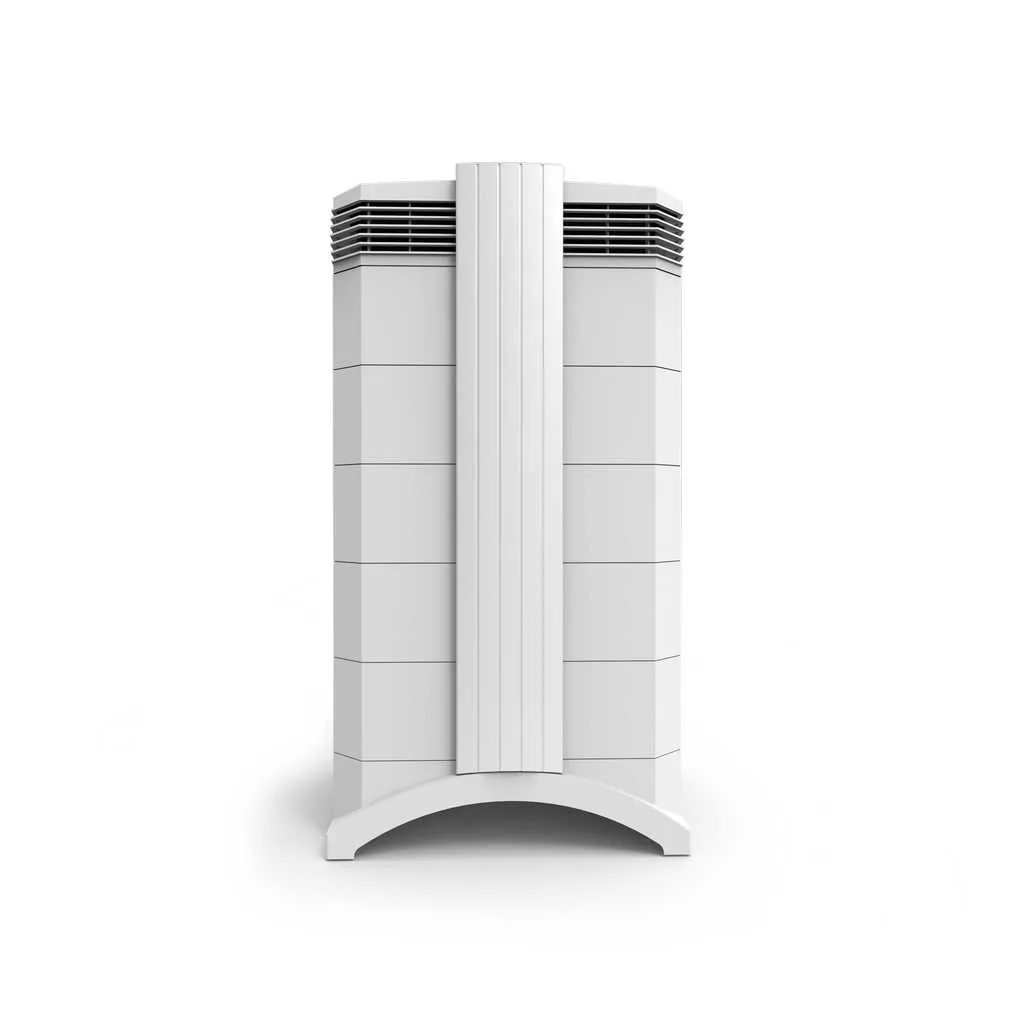
Image source: Bing (Web (fair-use with source credit))
Why This Question Matters for Your Health
PM2.5 isn't just another pollutant. These particles are tiny enough to bypass your body's natural defenses. Your nose hairs catch bigger stuff.
Your cilia sweep out medium-sized invaders. But PM2.5 slips right past both and burrows deep into your lung tissue. From there, it enters your bloodstream and travels to your heart, brain, and other organs.
The health effects stack up fast. Short-term exposure triggers coughing, wheezing, eye irritation, and aggravated asthma. Long-term exposure links to heart attacks, stroke, lung cancer, and cognitive decline.
The World Health Organization estimates that ambient air pollution causes roughly 4.2 million premature deaths globally each year, and PM2.5 is the main culprit. Children, the elderly, and people with pre-existing respiratory conditions are hit hardest.
Indoor air isn't automatically safer than outdoor air either. Cooking, candles, fireplaces, and even vacuuming can generate PM2.5 indoors. When outdoor air is bad and you close the windows, indoor pollution can actually concentrate to higher levels than what's outside.
That's where an air purifier turns from a nice-to-have into a genuine health tool. It's not about perfection. It's about reducing your cumulative exposure over months and years.
The Short Answer: Yes, But It Depends on These 4 Things
An air purifier removes PM2.5 through mechanical filtration. The fan pulls air through a dense mat of fibers, usually fiberglass or synthetic material, and particles collide with those fibers and stick. That's it.
No magic. No mysterious technology. Just really fine mesh and a decent fan.
But whether your specific setup actually works depends on four non-negotiable factors.
The filter type. A True HEPA filter is the gold standard. It captures 99.97% of particles at 0.3 microns, which is actually the hardest size to catch. Larger and smaller particles get trapped even more efficiently.
"HEPA-type" or "HEPA-like" filters don't meet that standard. They might catch 90% or 95% of larger particles but let plenty of PM2.5 slip through. If the box doesn't say "True HEPA," assume it isn't.
The CADR rating. Clean Air Delivery Rate measures how many cubic feet of air per minute the purifier cleans of smoke, dust, and pollen. For PM2.5, focus on the smoke CADR number. A good rule of thumb is to look for a smoke CADR that's at least two-thirds of your room's square footage.
A 300-square-foot room needs a smoke CADR of 200 or higher.
The room size. Putting a small desktop purifier in a large living room is like using a garden hose to fill a swimming pool. The fan simply can't cycle the room's air volume fast enough. Measure your room's square footage and ceiling height, then check the purifier's recommended room size on the box.
The seal. Air always takes the path of least resistance. If the filter frame doesn't seal tightly against the purifier body, air flows around the filter instead of through it. That unfiltered air carries PM2.5 right back into the room.
Good purifiers use foam gaskets or tight compression seals. Cheap ones often have gaps.
Get these four things right, and your purifier will remove PM2.5 effectively. Miss any one, and you're overpaying for a fan.
How PM2.5 Actually Gets Removed (The Non-Boring Science)
Stick with me for sixty seconds. This matters when you're choosing between machines.
PM2.5 particles float in the air like dust motes in a sunbeam. They're light enough to stay suspended for hours unless something moves them. The purifier's fan creates airflow that carries these particles toward the filter.
Once they reach the filter, three physical mechanisms take over.
Interception. A particle follows the airstream and brushes against a filter fiber. Surface tension and van der Waals forces make it stick. This works well for mid-sized particles, roughly 0.1 to 1 micron.
Impaction. Larger particles, think pollen and dust, have too much inertia to follow the twisting airstream around a fiber. They smash straight into it and get trapped. This is the dominant mechanism for particles above 1 micron, which includes the upper end of PM2.5.
Diffusion. The tiniest particles, below 0.1 microns, bounce around randomly due to collisions with air molecules. This Brownian motion increases the chance they'll bump into a fiber and stick. It's actually easier to catch ultrafine particles than the most penetrating size of 0.3 microns.
That 0.3 micron size matters because it's the sweet spot where all three mechanisms are at their weakest. That's why True HEPA is rated at 0.3 microns. If a filter catches 99.97% of particles at that hardest size, it catches even more of everything else.
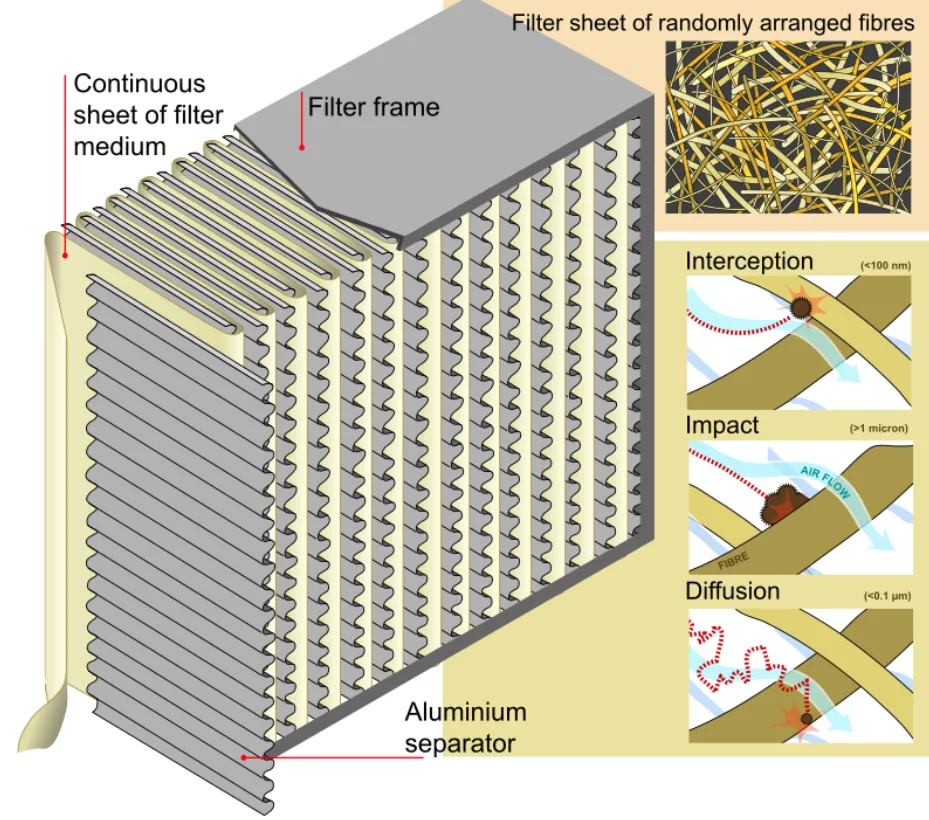
Image source: Bing (Web (fair-use with source credit))
Here's where it gets practical. PM2.5 covers particles 2.5 microns and smaller. Coarse PM2.5 near the 2.5 micron mark gets caught by impaction, easy.
Fine PM2.5 around 0.5 microns gets caught by interception. Ultrafine particles from combustion, like smoke from a wildfire or a gas stove, get caught by diffusion. A True HEPA filter handles the full spectrum.
But here's the nuance that rarely gets discussed. The filter's efficiency depends on air velocity. When the fan runs on high, air moves faster through the filter fibers.
That gives particles less time to diffuse or be intercepted. Most True HEPA filters maintain their rated efficiency at high speed, but budget models sometimes drop off. A $50 purifier claiming HEPA filtration may not perform the same as a $300 unit with the same label.
The construction quality matters.
The 3 Biggest Mistakes That Make Your Purifier Useless
You can buy the best purifier on the market and still get zero PM2.5 reduction. These three mistakes are shockingly common.
Mistake one: shoving the purifier against a wall. Air purifiers need clearance on all sides. The intake is usually in the front, back, or sides, and the outlet is on top. If you push the machine into a corner or right against a wall, you choke off the airflow.
The fan works harder, moves less air, and the room stays dirty. Leave at least 12 to 18 inches of clearance on all sides. Center the unit in the room if you can.
Mistake two: running it on low speed all the time. On low speed, the purifier might only cycle the room's air once every two or three hours. Effective PM2.5 removal requires at least four air changes per hour. That means the purifier processes the entire room's air volume every fifteen minutes.
Most units need medium or high speed to hit that rate. Run it on high when you're not in the room. Use the timer or auto mode to dial it back when you're trying to sleep.
Mistake three: ignoring the pre-filter. A pre-filter catches large particles like dust bunnies, pet hair, and lint. If you never clean or replace it, it clogs up fast. A clogged pre-filter restricts airflow to the main HEPA filter, which kills the purifier's efficiency and forces the fan to work harder.
Vacuum or wash the pre-filter every two to four weeks. Set a reminder on your phone. It takes thirty seconds.
There's a fourth mistake that gets less attention. People buy a purifier for one room but leave the door open to the rest of the house. The machine then tries to clean the whole house through a doorway, which it cannot do effectively.
Close the door to the room you're purifying. If you want whole-house coverage, you need multiple units or an in-duct system.
What to Look For in a PM2.5 Air Purifier (Specs That Actually Matter)
Walk into any store or browse online and you'll see dozens of air purifiers with flashy claims. Here's how to cut through the noise and pick one that actually removes PM2.5.
Start with the CADR number. This is your single most reliable indicator. The Association of Home Appliance Manufacturers (AHAM) certifies CADR ratings. Look for the AHAM seal on the box or in the online specifications.
Smoke CADR should be at least 200 for a 300-square-foot room. Higher is better. A smoke CADR of 350 or above handles large rooms and rapid cleanup from cooking or smoke events.
Check the filter type explicitly. The product page must say "True HEPA" or "HEPA H13" or "HEPA H14." If it says "HEPA-type," "HEPA-grade," or "HEPA-like," move on. Those terms are marketing, not standards. Also check whether the filter includes activated carbon.
Carbon doesn't remove PM2.5, but it does absorb volatile organic compounds and odors that often travel with smoke particles. A combined HEPA and carbon filter handles both the particles and the smell.
Watch out for ionizers and ozone generators. Some purifiers include an ionizer that charges particles so they stick to surfaces or each other. But ionizers produce ozone as a byproduct. Ozone is a lung irritant.
The California Air Resources Board (CARB) regulates ozone emissions from air purifiers. Check if the unit is CARB certified. If it isn't, skip it.
Ozone generators marketed as air purifiers should be avoided entirely. They do not remove PM2.5 and they actively harm your lungs.
Match the room size carefully. The manufacturer's recommended room size assumes an 8-foot ceiling and average conditions. If your ceilings are higher, size up. If you plan to run the purifier on low speed for noise reasons, size up even more.
Here's a quick reference table to help you match specs to your space.
Table: Room Size vs. Recommended Smoke CADR
| Room Size (sq ft) | Minimum Smoke CADR | Ideal Smoke CADR |
|---|---|---|
| Up to 150 | 100 | 150+ |
| 150 to 300 | 200 | 250+ |
| 300 to 500 | 300 | 350+ |
| 500 to 800 | 400 | 500+ |
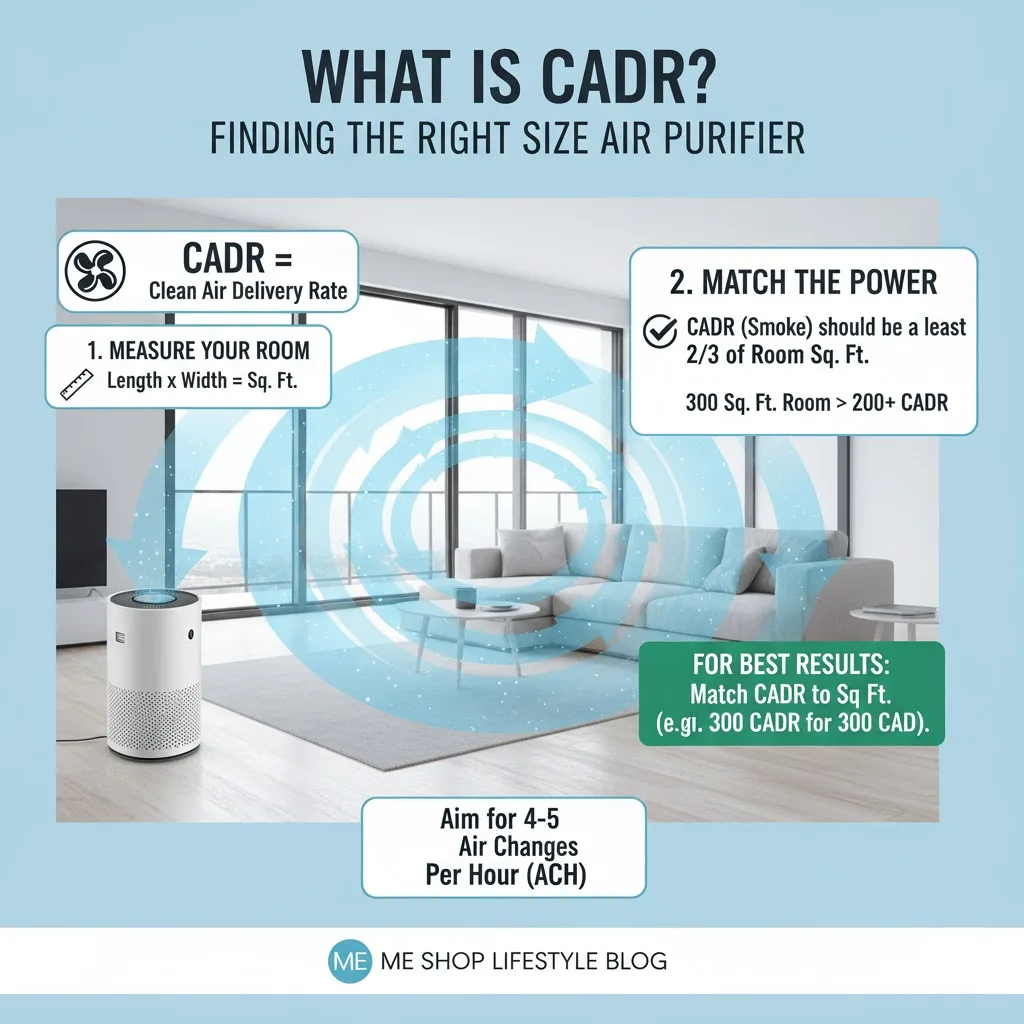
Image source: Bing (Web (fair-use with source credit))
Don't obsess over smart features. Wi-Fi, app control, voice assistant integration, and color-changing lights are nice but don't improve PM2.5 removal. A basic unit with a high CADR and True HEPA will outperform a smart unit with weak specs every time. Spend your money on filter quality and fan power, not on electronics.
Energy use matters too. Running a purifier 24/7 adds up. Check the wattage. Most units use between 30 and 100 watts on high speed.
That's roughly 25 to 85 cents per day in electricity depending on your local rates. An Energy Star certified unit saves about 40% compared to a non-certified model. Over a year, that's real money.
Real-World Use: Wildfires, Cooking, and Daily City Air
Different sources of PM2.5 put different demands on your purifier. Knowing what you're up against helps you use the machine smarter.
Wildfire smoke. This is the hardest test for an air purifier. Wildfire smoke contains a dense mix of ultrafine particles, VOCs, and heavy loads of PM2.5. During severe events, outdoor AQI can spike above 300.
Run your purifier on high 24/7 until air quality improves. Close all windows and doors. Seal gaps under doors with towels if needed.
A unit with a smoke CADR of 300 or higher in a 400-square-foot room can drop indoor PM2.5 from hazardous to moderate within two to three hours. Keep spare filters on hand. During heavy smoke, a HEPA filter may need replacement after three to four months instead of the usual twelve.
Cooking fumes. Your kitchen is probably the biggest daily source of PM2.5 in your home. Gas stoves produce nitrogen dioxide and ultrafine particles. Even electric stoves generate PM2.5 from burned oil and food particles.
Frying and broiling are the worst offenders. Run your purifier on high during cooking and for 30 to 60 minutes afterward. Position the purifier in the kitchen or just outside the kitchen door.
A range hood that vents outside is better than a purifier for capturing fumes at the source, but a purifier picks up what the hood misses.
Daily city air. If you live near a busy road or in a dense urban area, outdoor PM2.5 seeps in through windows, doors, and gaps in the building envelope. Running a purifier on low or medium continuously keeps background levels low. Monitor outdoor AQI with a local weather app.
When outdoor readings climb above 50, increase fan speed. When they drop below 30, you can dial it back or open windows for fresh air.
Maintenance That Keeps PM2.5 Removal Working
A purifier that isn't maintained stops removing PM2.5. It's that simple. Here's what to do and when.
Clean the pre-filter every two to four weeks. Vacuum it with a brush attachment or rinse it with water if the manufacturer allows. Let it dry completely before reinstalling. A clean pre-filter keeps airflow strong and protects the HEPA filter from large debris that would clog it faster.
Replace the HEPA filter according to the manufacturer's schedule. Most True HEPA filters last 6 to 12 months under normal use. Heavier use, like wildfire season or constant high-speed operation, shortens that to 3 to 6 months. Some purifiers have a filter replacement indicator light.
Don't ignore it. If the air coming out feels noticeably weaker, the filter is likely clogged.
Wipe down the exterior and vents monthly. Dust buildup on the intake or outlet grilles restricts airflow. A quick wipe with a microfiber cloth takes one minute.
Check the seal annually. Over time, foam gaskets around the filter can compress or crack. If you see dust trails around the filter frame or hear air hissing from the edges, the seal has failed. Contact the manufacturer for a replacement gasket or consider a new unit.
Store the purifier properly if you pack it away. Clean the filter first. Wrap the unit in a cloth or plastic bag to keep dust out. Don't store it in a damp basement or hot attic.
Humidity and temperature extremes can degrade the filter media and weaken seals.
Frequently Asked Questions
How long does it take for an air purifier to remove PM2.5?
Most units reduce PM2.5 by 50% within 30 to 60 minutes on high speed. A full cycle to reach 85% or more reduction takes roughly two to four hours depending on room size and outdoor infiltration. Smaller rooms clean faster.
Higher CADR units clean faster.
Can an air purifier remove PM2.5 from the whole house?
A single portable unit cleans only the room it's in. For whole-house PM2.5 removal, you need either multiple portable units or an in-duct air cleaner installed in your HVAC system. In-duct systems with MERV 13 or better filters can clean air throughout the house whenever the fan runs.
Do cheaper air purifiers remove PM2.5 as well as expensive ones?
Not reliably. Budget units under $100 often use low-quality fans and filters that don't seal properly. They may claim HEPA filtration but fail to meet the standard in real-world use.
A mid-range unit between $150 and $300 with certified True HEPA and a solid CADR rating provides reliable PM2.5 removal.
Do ionizers remove PM2.5?
Ionizers do not remove PM2.5. They charge particles so they stick to surfaces, but those particles can be dislodged later and re-enter the air. Many ionizers also produce ozone, a lung irritant.
Stick with mechanical HEPA filtration for proven PM2.5 removal.
Can an air purifier remove PM2.5 from cigarette smoke?
Yes. HEPA filters capture the solid particles in cigarette smoke, and activated carbon helps absorb some of the odor and VOCs. But the purifier must run continuously during and after smoking to keep levels low.
How do I know if my air purifier is actually working?
Use a separate PM2.5 air quality monitor. Place it on the opposite side of the room from the purifier. Check the reading before you turn the purifier on, then check it again after two hours on high.
A drop of 50% or more confirms the unit is working. Monitors from brands like Temtop or PurpleAir give real-time readings.

Similar Posts