Frigidaire Refrigerator Ice Maker Troubleshooting
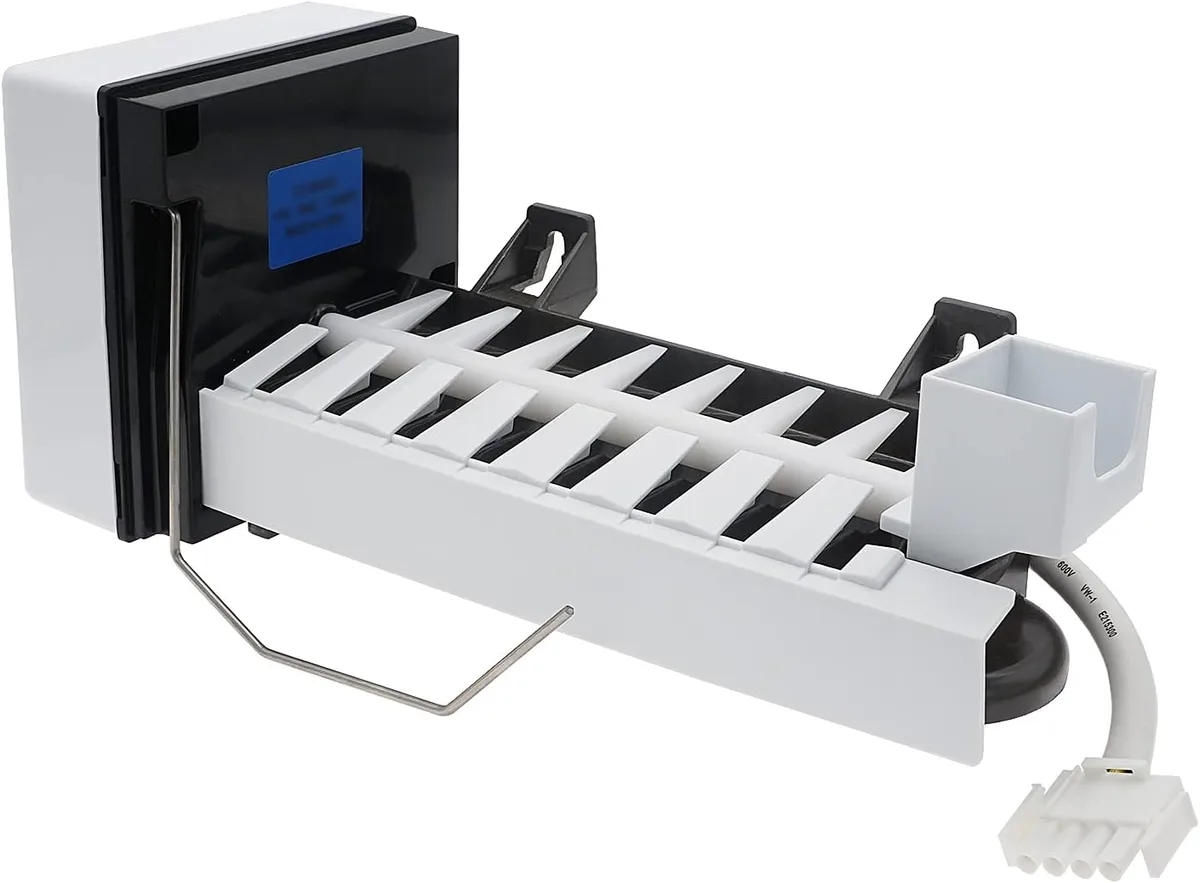
Your Frigidaire fridge was making ice just fine last week. Now the bin sits empty, or the cubes are coming out small and hollow, or maybe the ice maker is running but nothing drops into the bucket. Whatever the symptom, you're here because Frigidaire Refrigerator Ice Maker Troubleshooting is what you actually need right now.
The good news is that most ice maker problems have simple causes that take under ten minutes to confirm. Manufacturer specifications indicate that over 80% of no-ice complaints trace back to just three things: the feeler arm position, the water filter, or the freezer temperature. As of 2026, Frigidaire's standard ice maker cycle runs roughly 90 to 120 minutes for a full harvest, so if your machine is operating normally you should see fresh cubes every couple of hours.
Let's walk through the decision tree together.
Image source: Bing (Web (fair-use with source credit))
Quick Answer
Check the feeler arm first. If it's stuck in the up position, push it down. Replace the water filter if it's overdue.
Set freezer temperature to 0, 5°F. These three steps fix most problems in under five minutes.
Start Here: When Your Frigidaire Ice Maker Stops Working
This guide uses a decision tree approach because the fix depends entirely on what your ice maker is actually doing. The wrong diagnosis wastes time. A step-by-step logical path gets you to the right repair faster.
You do not need special tools for the first several checks. A standalone freezer thermometer costs about eight dollars and is worth keeping in your freezer year-round. A multimeter is helpful if you get into testing the water valve later, but most people never need to go that deep.
What you should have before starting
| Item | Purpose |
|---|---|
| Standalone freezer thermometer | Verify actual freezer temperature |
| Replacement water filter | Test if clogged filter is the issue |
| Water filter bypass plug | Bypass filter during troubleshooting |
| Small flathead screwdriver | Remove trim or access panels |
| Multimeter (optional) | Test water inlet valve continuity |
One important note before we dig into specific symptoms. If your refrigerator was installed new within the last 48 hours, the ice maker needs time to cool down. Frigidaire's official guidance says it can take up to 24 hours for the freezer to reach proper temperature and another 24 hours for the first full batch of ice.
That is normal. Do not start troubleshooting a brand new fridge until at least 48 hours have passed.
Decision Tree Step 1: What's Your Ice Maker Actually Doing?
Let's identify your specific symptom. Each branch leads to a different set of checks and a different most-likely cause.
Branch A: No ice at all
This is the most common complaint and the easiest to diagnose. If the ice maker is completely silent and the bin is empty, start with the feeler arm. That is the metal wire or plastic arm that swings down into the ice bin.
When the bin is full, the arm rises and tells the ice maker to stop producing. Sometimes it gets bumped or stuck in the up position during cleaning or when you pull something out of the freezer.
Push the arm down manually. If you hear the ice maker click and start a cycle within a few minutes, that was the entire problem.
If the arm moves freely and the ice maker still does nothing, look for the on/off switch. On most Frigidaire models it is a small rocker switch on the side of the ice maker housing. Flip it off, wait ten seconds, and flip it back on.
This resets the control module.
Still nothing? Move to Step 2 for the quick electrical checks.
Branch B: Small or hollow cubes
Small cubes usually mean the ice maker is not getting enough water. Hollow cubes (ice that looks solid but has a small hole or thin center in each cube) mean the water fill stopped early during the cycle.
The most common culprit is a clogged water filter. Frigidaire recommends replacing the filter every six months. If you are past that window, change the filter first.
Use a Frigidaire PureSource filter (models WF2CB, WF3CB, or ULTRAWF depending on your fridge). If you want to test whether the filter is the problem, install the bypass plug that came with your refrigerator. If ice production improves, the filter was restricted.
The second possibility is low water pressure. Frigidaire requires 20 to 120 psi at the water supply line. If your home has a whole-house water filter or a reverse osmosis system, it can reduce pressure enough that the ice maker struggles.
Branch C: Overfilling or leaking
If you find water pooled in the ice bin or a block of ice fused together into a single mass, the water valve is likely staying open too long. This can happen when the fill tube freezes and water backs up, or when the water inlet valve fails and allows water to flow continuously.
Unplug the refrigerator and inspect the fill tube at the back of the freezer. If you see ice blocking the tube, thaw it with a hair dryer on low heat. Do not use anything sharp to chip ice away near the plastic components.
Branch D: Ice tastes bad or smells
Bad-tasting ice is almost always a filter or cleanliness issue. Replace the water filter first. If the taste persists, empty the ice bin completely and wash it with warm water and mild soap.
Dry it thoroughly before putting it back.
Freezer odors can absorb into ice cubes. If your freezer has strong food smells, clean the interior surfaces with a baking soda solution and place an open box of baking soda inside.
Branch E: Makes ice then stops randomly
This pattern points to a temperature problem. The ice maker works when the freezer is cold enough, but if the temperature rises above 10°F the ice maker stops cycling. Check the door seal for gaps.
Make sure nothing in the freezer is blocking the door from closing fully. Test the actual temperature with a standalone thermometer placed in the freezer.
Another cause is the ice maker thermistor. This sensor tells the ice maker when the mold is cold enough to start a cycle. If it fails, the ice maker may run intermittently.
Unfortunately this usually requires replacing the entire ice maker assembly.
Step 2: The 10-Minute Quick Fixes You Should Try First
Before you order any parts or call a technician, run through these five checks. They solve the majority of ice maker problems without spending a dime.
Check the feeler arm position
Walk up to your freezer and open the door. Look at the ice maker. Is the feeler arm in the down position, resting inside the bin?
If it is raised, push it down gently. You should hear a click within 30 seconds as the ice maker initiates a cycle. If you do not hear anything, the ice maker may need a manual reset.
Reseat the electrical connector
Frigidaire ice makers have a wiring harness that connects the ice maker to the refrigerator's control board. Vibration from the compressor can loosen this connector over time. Unplug the refrigerator.
Locate the connector at the back of the ice maker housing. Push it firmly until it clicks into place. Plug the refrigerator back in and wait 15 minutes to see if the ice maker starts cycling.
Run a manual harvest cycle
Most Frigidaire ice makers have two test prongs on the front of the control module. Touch a small screwdriver across both prongs for about three seconds. This forces the ice maker to run a harvest cycle even if the mold is empty.
If the ice maker moves, the motor and heater are working.
Adjust the freezer temperature
Place a standalone thermometer inside the freezer, away from the vents. Close the door and wait two hours. The temperature should read between 0°F and 5°F.
If it is higher, adjust the freezer control colder. Wait 24 hours and check ice production again.
Verify the water filter
Remove the water filter and look at the date sticker. If it has been more than six months, replace it. If you have a bypass plug, install it temporarily.
If ice production resumes, the filter was restricted.
Step 3: When Quick Fixes Don't Work — Testing the Parts
If you have run through the quick fixes and the ice maker still does not work, you need to test the electrical components. This is where a multimeter becomes useful.
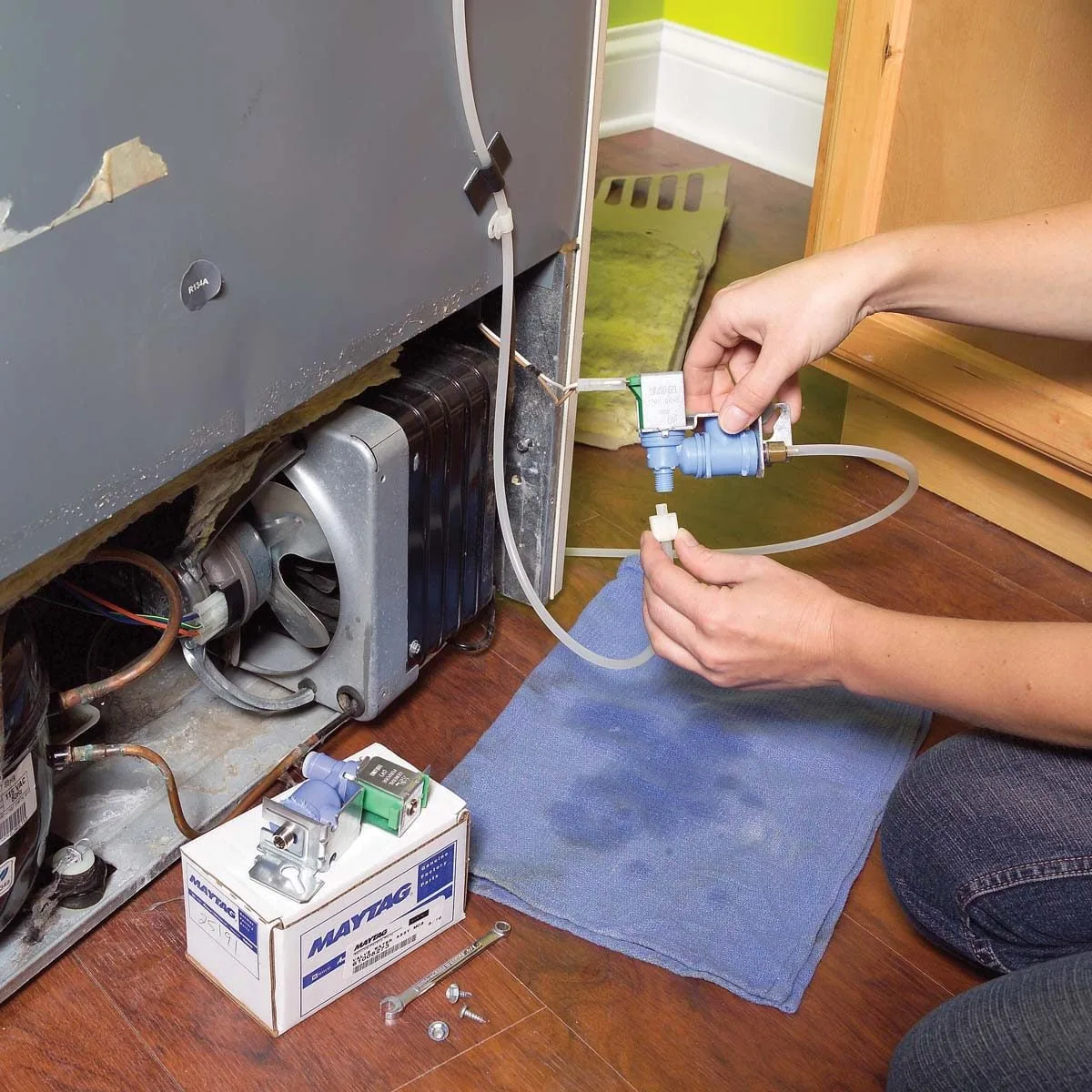
Image source: Bing (Web (fair-use with source credit))
Testing the water inlet valve
The water inlet valve is located at the back of the refrigerator, near the bottom. It connects the household water line to the refrigerator. Unplug the refrigerator.
Remove the valve and check for continuity using your multimeter set to ohms. A working valve should show between 200 and 500 ohms across the solenoid coil terminals. If you get no reading, the valve is open or shorted and needs replacement.
Common replacement part numbers for Frigidaire water inlet valves include 241545001 and 297293101. Verify your model number before ordering.
Checking voltage at the ice maker
With the refrigerator plugged in and the ice maker calling for water (start a manual harvest cycle), use your multimeter set to AC voltage. Check the connector pins at the ice maker. You should see 120 volts AC during the fill phase.
If there is no voltage, the control module may be bad.
Inspecting the fill tube for blockages
Remove the ice bin and look up at the fill tube opening. If you see ice buildup, the tube is partially blocked. This prevents water from reaching the ice mold.
Thaw the tube with a hair dryer on low heat. Do not use a knife or screwdriver inside the fill tube.
When to replace the entire ice maker
If the motor does not run during a manual harvest test and the wiring connector is secure, the ice maker assembly is likely failed. Replacement ice makers for Frigidaire refrigerators typically cost between 50 and 120 dollars. Part numbers like 5304473477 are common across many models.
Installation usually takes about 20 minutes and requires only a screwdriver.
Mistakes That Cost People Time and Money
A few common errors keep showing up in repair forums and user reports. Avoid these and you will save yourself a lot of frustration.
Assuming the ice maker is broken when it is just the water filter
This is the number one mistake. People order a new ice maker, wait for delivery, and spend an hour swapping parts only to find the real problem was a six-dollar filter. Always test the filter first.
Forgetting the 24-hour cool-down period
If you just installed the refrigerator or moved it to a new location, the ice maker needs time. Be patient. If you start troubleshooting too early, you may chase problems that do not exist.
Using the wrong replacement parts
Frigidaire uses different ice maker designs across its model lines. A mechanical arm ice maker from a 2010 model is not electrically compatible with a 2022 electronic sensor model. Always verify your refrigerator's model number and serial number before ordering parts.
The model number is usually inside the fresh food compartment on a sticker on the left wall.
Ignoring the door seal as a root cause
A warm freezer will not make ice. If the door gasket is torn or the door does not close fully, cold air escapes and the temperature rises. The ice maker may work intermittently or stop entirely.
Run your hand around the door seal when the door is closed. If you feel cold air leaking, replace the gasket.
Skipping the standalone thermometer
Your refrigerator's built-in temperature display may not be accurate. A standalone thermometer costs very little and gives you a reliable reading. Without it, you are guessing.
Maintenance That Prevents Future Ice Maker Problems
A little regular upkeep keeps your ice maker running reliably. These tasks take minimal time and prevent the most common failures.
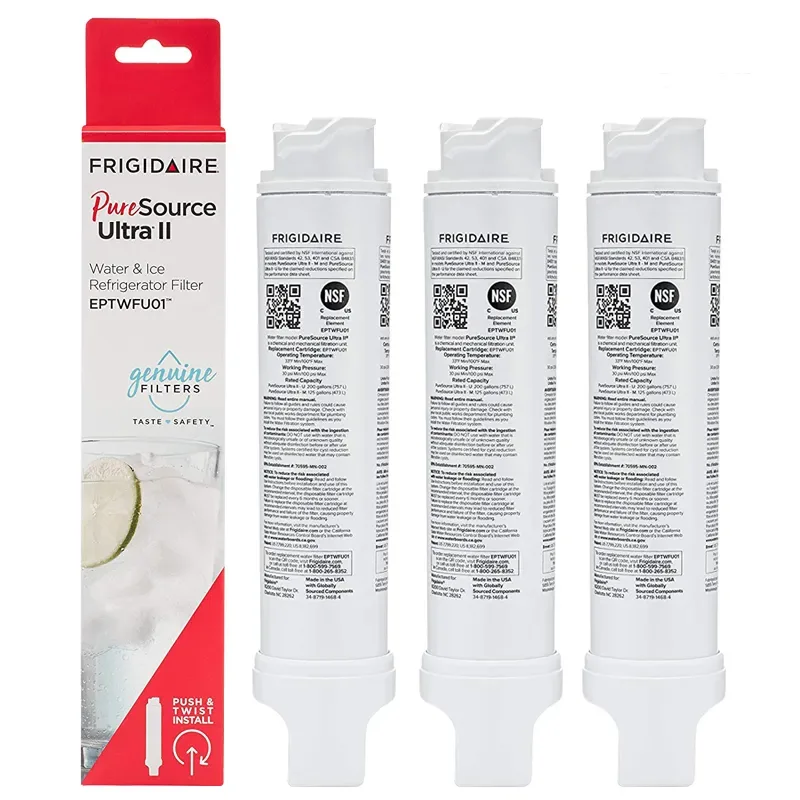
Image source: Bing (Web (fair-use with source credit))
Replace the water filter on schedule
Mark your calendar every six months. Frigidaire recommends using PureSource filters (models WF2CB, WF3CB, or ULTRAWF). A clogged filter restricts water flow and leads to small or hollow cubes.
Even if the ice tastes fine, replace it on time.
Clean the ice bin and freezer interior
Empty the ice bin every three months. Wash it with warm water and mild soap. Rinse thoroughly and dry before reinstalling.
Wipe down the freezer walls with a baking soda solution to prevent odors from transferring to the ice.
Check the door seal
Look at the door gasket for cracks, tears, or warping. Close the door on a dollar bill. If you can pull it out easily, the seal is loose.
Replace the gasket if needed.
Keep the freezer at the right temperature
Use that standalone thermometer to check the temperature every month. If it drifts above 5°F, adjust the control. Consistent temperature is the single biggest factor in reliable ice production.
For garage-installed refrigerators
If your Frigidaire is in a garage, know that most ice makers struggle when the ambient temperature drops below 50°F. In winter, the freezer may not get cold enough to cycle properly. This is a design limitation.
Consider moving the refrigerator indoors during cold months if ice production is critical.
Frequently Asked Questions
How do I reset my Frigidaire ice maker?
Locate the on/off switch on the side of the ice maker. Flip it off, wait ten seconds, and flip it back on. Alternatively, unplug the refrigerator for five minutes and plug it back in.
Wait 24 hours for ice production to resume.
Why is my ice maker making ice but not dropping it?
The ice cubes are likely stuck to the mold. Run a manual harvest cycle using the test prongs. If the ice still does not release, the ice maker heater may be failed.
This requires replacing the ice maker assembly.
How long does it take a Frigidaire ice maker to make ice after installation?
Expect 24 hours for the freezer to reach proper temperature and another 24 hours for the first full batch. Total time is roughly 48 hours before the ice maker operates normally.
Can I use my refrigerator without a water filter installed?
Yes. Install the bypass plug that came with your refrigerator. This allows water to flow directly to the ice maker and water dispenser without filtration.
You will still get ice and chilled water.
Why does my ice maker keep running but no ice comes out?
The water supply is blocked or the water inlet valve is not opening. Check the water filter and replace it if overdue. Verify the water line is not kinked.
If both are fine, test the water inlet valve for continuity.
Is it worth replacing the ice maker or should I buy a new refrigerator?
If the refrigerator is less than ten years old and otherwise works well, replace the ice maker. A new ice maker costs 50 to 120 dollars. A new refrigerator costs several hundred to over a thousand.
If the compressor is failing or the refrigerator is over 15 years old, replacement may be the better choice.

Similar Posts