Carrier Air Conditioner Error Codes
Your Carrier AC suddenly stops cooling. You walk outside to check the unit, and there it is, a blinking light on the control board, flashing in a pattern you don't recognize. Carrier Air Conditioner Error Codes are the system's way of telling you exactly what went wrong.
But without a manual handy, those blinks just look like a mystery you're not equipped to solve.
The good news is that Carrier has used a fairly consistent code system across most of its residential models since the early 2000s. As of 2026, the basic blink patterns on Performance and Comfort series units still follow the same logic they did twenty years ago. Infinity models provide actual text codes that are even easier to read.
Understanding what those flashes mean can save you a costly service call. It can also tell you exactly when you need to make one.
Quick Answer
Carrier error codes are diagnostic signals from your AC's control board. They tell you which safety switch tripped or which component failed. A 3-blink pattern means high-pressure lockout.
A 4-blink pattern means freeze protection. An Infinity code 83 means communication loss between indoor and outdoor units. Some codes are simple fixes.
Others need a licensed technician. Always check your model's manual for the exact code chart.
Understanding Carrier AC Error Codes (Without Panicking)
Why error codes exist and what they're actually telling you
Your Carrier AC has a built-in safety system. The control board monitors temperature sensors, pressure switches, and electrical currents across the unit. When something goes outside normal operating range, the board trips a safety lockout before the damage gets worse.
Think of it like a circuit breaker in your home. The breaker doesn't trip because it's broken. It trips because something downstream is drawing too much current.
Your AC's error code works the same way. The flashing light is a symptom, not the disease.
Most Carrier residential units use a series of LED blinks to communicate what happened. The board pauses between each group of flashes. Three quick blinks, a longer pause, then three more blinks means "error 3", typically a high-pressure switch trip.
The pattern repeats every few seconds until you either fix the problem or cycle power to the unit.
The one thing you should never do when you see a flashing light
You see a blinking light, you head to the breaker panel, and you kill power to the AC. You wait thirty seconds and flip it back on. The light goes away.
The unit starts running again. Problem solved, right?
Wrong. Probably.
The code cleared because you reset the control board's memory. But the underlying issue, a dirty coil, a low refrigerant charge, a failing capacitor, is still there. The unit will run for a while, then trip the same code again.
Maybe it runs a few days. Maybe a few hours. Each time it trips, it's putting more stress on the compressor.
The right move is to read the code first. Count the blinks. Write them down.
Then decide whether a power cycle is safe to try. Some codes, particularly those related to refrigerant pressure, indicate conditions that could damage the compressor if you keep resetting and running the unit.
Image source: Bing (Web (fair-use with source credit))
How to Read Your Carrier's Error Code
Where to look: thermostat display vs. blinking LED on the control board
Where you find the error code depends on which Carrier system you own. The three main tiers are Infinity, Performance, and Comfort series.
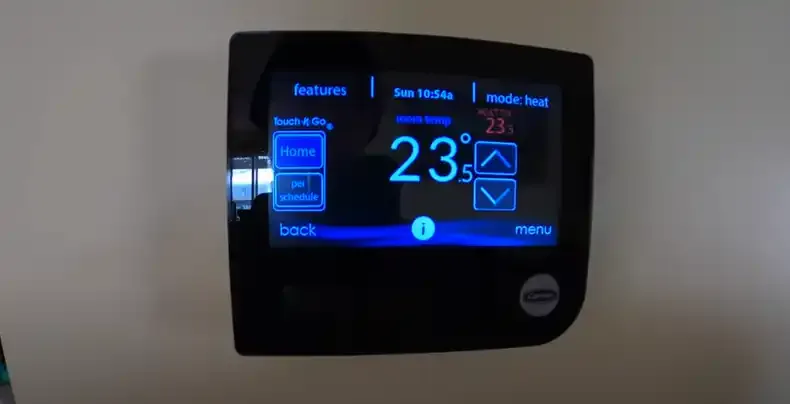
Infinity systems use a communicating thermostat. That thermostat talks directly to the indoor and outdoor control boards. When an error occurs, the thermostat screen shows a numeric code, something like "Error 129" or "Error 147." You don't need to count blinks or interpret patterns.
The code is right there in plain text.
Performance and Comfort series units use a non-communicating thermostat. Those thermostats are essentially dumb switches. They don't display diagnostic codes.
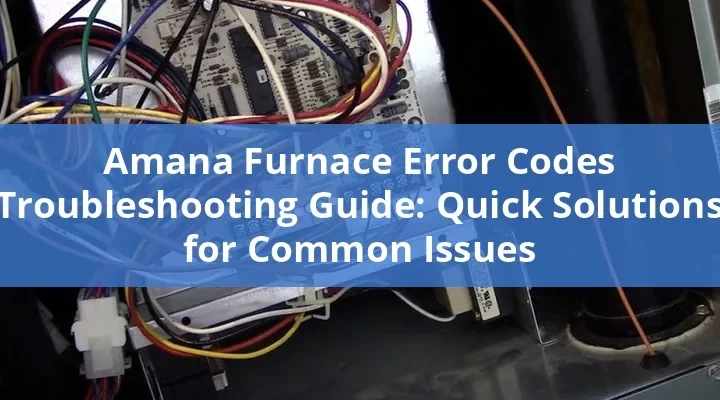
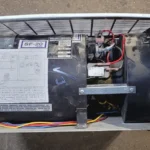
You have to look at the actual control board. On most models, that board is behind the access panel on the indoor air handler or furnace. Pop the panel off and look for a small LED.
It's usually green or red and about the size of a pencil tip.
Decoding blink patterns on non-communicating units
Once you find the LED, watch it through at least two full flash cycles. The pattern repeats continuously. You need to count the number of blinks in each group.
The LED flashes rapidly three times. Then it pauses for about three seconds. Then it flashes three times again.
The pause between groups is the key to knowing where one code ends and the next begins. That pattern means "error code 3."
Carrier uses a standard mapping for basic units:
| Blinks | Code | What It Usually Means |
|---|---|---|
| 1 | Error 1 | Control board failure or EEPROM issue |
| 2 | Error 2 | Low-pressure switch trip |
| 3 | Error 3 | High-pressure switch trip |
| 4 | Error 4 | Freeze protection (low evaporator temperature) |
| 5 | Error 5 | Condensate overflow switch trip |
| 8 | Error 8 | Communication failure between indoor and outdoor |
Older models might show different patterns. Some use a two-digit system where the LED flashes once, pauses briefly, then flashes again, meaning error code 1-1 or 1-2. The best source is always the sticker on the inside of the access panel.
Carrier usually prints the error code chart there.
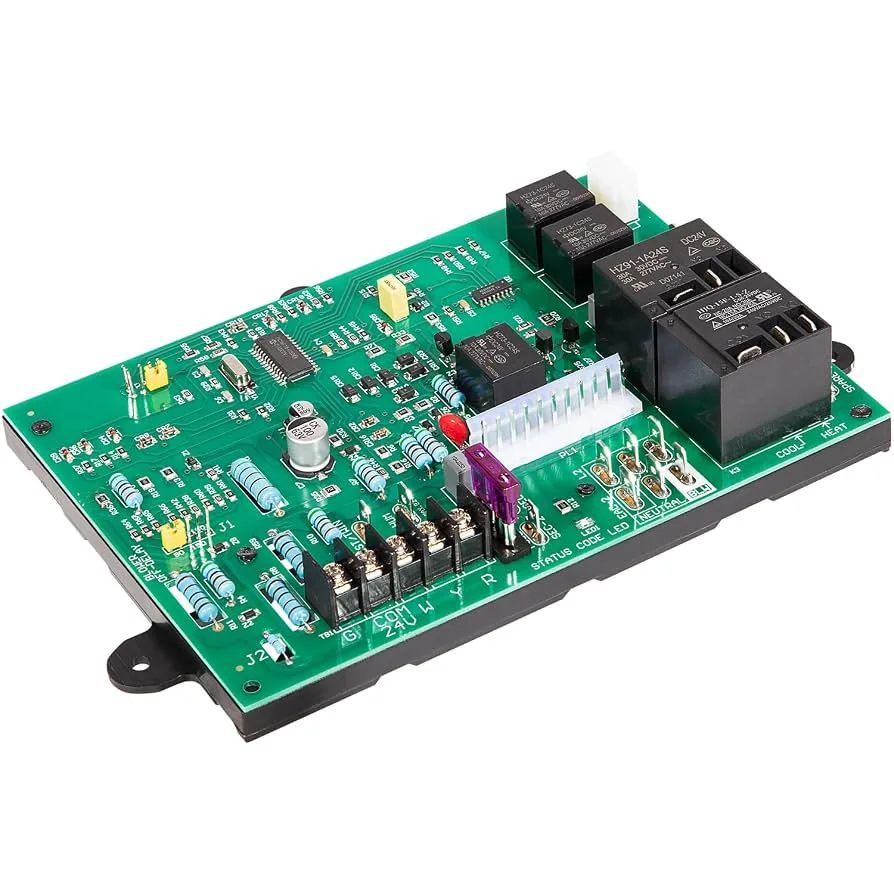
Image source: Bing (Web (fair-use with source credit))
Reading text codes on Infinity and communicating systems
If you have an Infinity thermostat, the process is simpler. The home screen might show "Service Required" or a specific error number. Touch the menu button, look for "System Status" or "Troubleshooting," and the error history should be listed.
Infinity codes are three-digit numbers. Code 129 means overcurrent or locked rotor in the compressor. Code 147 means the outdoor fan motor has failed.
Code 179 indicates a lost communication signal between the thermostat and the outdoor unit.
One important quirk with Infinity systems. The thermostat can store multiple error codes in its history. You might see a code from last month that cleared itself.
The active code is the one causing the current shutdown. If there's only one code in the history, that's your problem.
Why the same code can mean different things on different models
Carrier has manufactured dozens of models over the years. A code 3 on a Comfort series unit from 2008 might mean high-pressure lockout. A code 3 on a newer model might mean the indoor blower motor has failed.
That's why the manual or the sticker inside the panel matters so much. If you don't have the manual, search for your model number online. The model number is on a silver rating plate on the outdoor unit's side panel.
That plate will tell you the exact error code mapping for your specific unit.
The Most Common Carrier Error Codes Decoded
High-Pressure Lockout (Error 31 / 3-blink pattern)
This is the most common code homeowners see. It means the high-pressure switch on the refrigerant line detected pressure above the safe threshold. The switch opened.
The control board locked out the compressor.
What causes high pressure? Usually one of three things. A dirty condenser coil on the outdoor unit.
A failed condenser fan motor that isn't pulling air across the coil. Or, less commonly, a refrigerant overcharge from a recent service visit.
If the outdoor unit's fan is spinning and the coil looks clean, you might have a refrigerant problem you can't fix yourself. But if the coil is packed with dirt, grass clippings, or cottonwood seeds, a garden hose can often solve the issue. Spray from the inside out.
Let the unit dry. Then try a power cycle.
Freeze Protection / Low Evaporator Temp (Error 42 / 4-blink pattern)
Your AC pulls humidity out of the air as it cools. That moisture condenses on the evaporator coil inside the air handler. When airflow is restricted, from a dirty filter, a closed supply vent, or a blower motor running slow, the coil gets too cold.
Ice forms. The ice insulates the coil and makes the cooling problem worse.
The freeze protection code trips when the evaporator coil temperature drops below freezing for a set period. This is usually around 30 degrees Fahrenheit as measured by a sensor clipped to the suction line.
The fix is almost always a dirty air filter. Check the filter first. If it's clogged, replace it.
Then let the unit sit with the fan running (cooling off) for a few hours to let the ice melt. Do not try to run the AC again until the coil is completely thawed or you risk damaging the compressor.
Communication Loss Between Indoor and Outdoor Unit (Error 83 / 8-blink pattern)
On non-communicating systems, code 83 means the indoor control board lost its connection to the outdoor unit's contactor or control board. The indoor unit might still run the fan, but the compressor won't engage.
The most common cause is a loose wire in the low-voltage control circuit. Check the thermostat wiring first. A wire that's pulled out of its terminal or has corroded contacts can break the communication path.
Also check the wiring at the outdoor unit where the low-voltage wires enter the control panel.
A dead thermostat battery can also cause this. If your thermostat has batteries and they're drained, the system can lose its ability to signal the outdoor unit to start. Replace the batteries and see if the code clears.
Condensate Overflow (Error 34 or continuous beep)
Some Carrier units have a float switch in the condensate drain pan. When water rises too high because the drain line is clogged, the switch trips and shuts down the system. You might also hear a continuous beeping from the indoor unit.
The fix is straightforward. Find the condensate drain line. It's usually a PVC pipe running from the indoor air handler to a floor drain or outside.
Disconnect it and flush it with water or a wet-dry vacuum. If the line is clear, check the drain pan itself for standing water. A cracked pan needs professional replacement.
Overcurrent / Locked Rotor (Infinity Error 129)
This Infinity-specific code means the compressor is drawing too much current. The control board detected a locked rotor condition, the compressor tried to start but couldn't spin.
A locked rotor can mean a failed start capacitor, a bad contactor, or a seized compressor. The start capacitor is the cheapest fix. A seized compressor means replacement is likely needed.
If you're getting code 129, do not keep resetting the unit. Each failed start attempt sends a surge of current through the compressor windings. Repeated attempts can damage the wiring or blow the internal overload protector permanently.
Low-Pressure Switch Trip (Error 21 / 2-blink pattern)
The low-pressure switch monitors the suction side of the refrigerant circuit. When pressure drops too low, usually below 20 psi on a typical R-410A system, the switch opens.
Low pressure usually means a refrigerant leak. It can also mean the outdoor temperature is too cold for cooling operation. But if it's summer and the unit is tripping a low-pressure code, you almost certainly have a leak.
This requires a licensed technician. Running the unit with low refrigerant can destroy the compressor.
Simple Fixes You Can Try Before Calling a Pro
The power-cycle reset that clears temporary glitches
Some error codes are caused by voltage fluctuations or control board hiccups. A power cycle is the diagnostic equivalent of rebooting a computer. Turn off the breaker to both the indoor and outdoor units.
Wait at least five minutes. Then turn the breaker back on.
If the code clears and doesn't return, you might have had a transient issue. If the code comes back within an hour, the problem is real and needs further diagnosis. If the code comes back immediately, you have a hard fault.
When a dirty filter is the real culprit
A clogged air filter causes multiple problems. It restricts airflow across the evaporator coil. That can trigger freeze protection codes.
It also forces the blower motor to work harder, which can cause overheating and motor failure codes.
Change the filter every thirty days during cooling season. If you have pets or live in a dusty area, change it every three weeks. A clean filter is the single cheapest maintenance you can do.
It prevents dozens of potential error codes.
Checking your condensate drain line
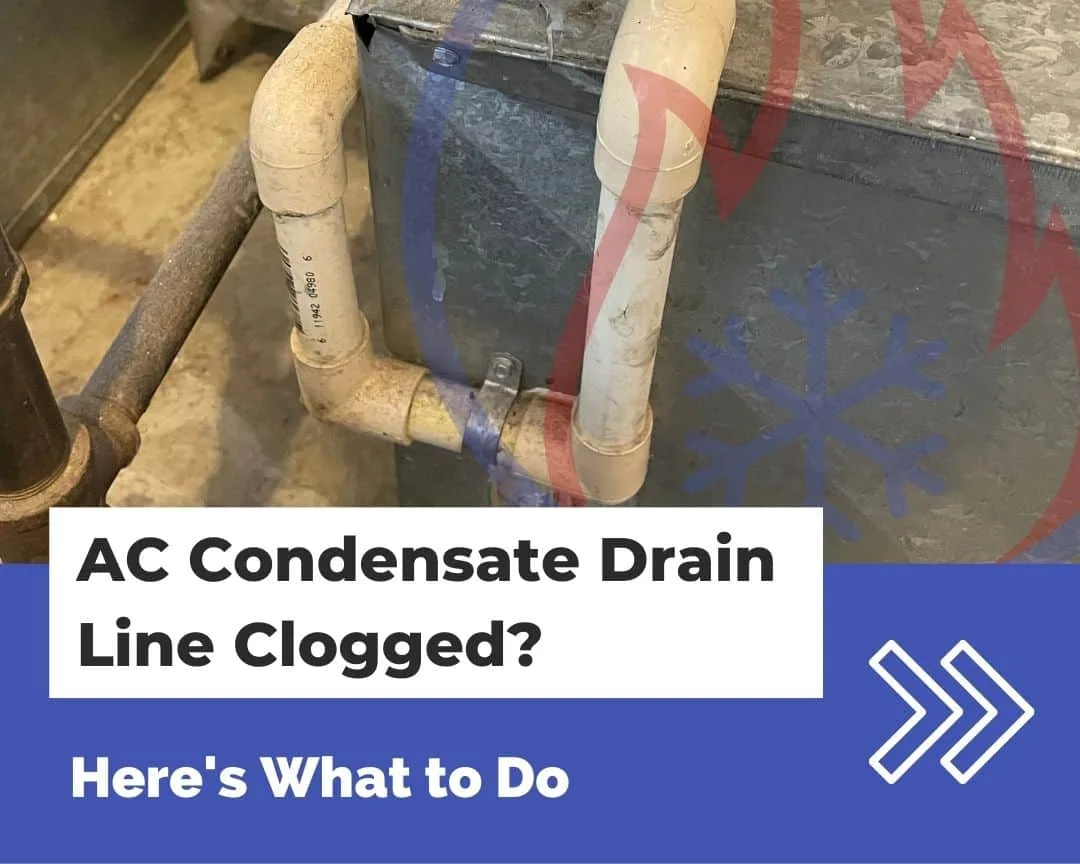
Image source: Bing (Web (fair-use with source credit))
A clogged drain line is a common cause of shutdown codes. You can check it without any tools. Locate the PVC pipe coming from your indoor unit.
Pour a cup of water into the drain pan or directly into the pipe. If water backs up and spills out, the line is blocked.
A wet-dry vacuum can clear most clogs. Seal the vacuum hose around the outdoor end of the drain line and run it for thirty seconds. The suction pulls the algae and debris out.
Then pour another cup of water to confirm the line is clear.
Testing thermostat batteries and wiring connections
Dead batteries in a communicating thermostat can cause the system to lose its connection to the outdoor unit. Replace batteries at least once a year. If the thermostat display is dim or blank, start there before diving into control board diagnostics.
Loose thermostat wires are another easy fix. Pull the thermostat off its wall plate and check the screws on the terminal block. A wire that looks like it's barely making contact can cause intermittent communication errors.
Tighten it with a small screwdriver.
Tools you actually need
You don't need a multimeter or refrigerant gauges for basic troubleshooting. A clean air filter, a wet-dry vacuum for the drain line, a garden hose for the condenser coil, and a small flathead screwdriver for thermostat terminals cover most DIY scenarios.
What you should not buy is a refrigerant charging kit from a hardware store. Adding refrigerant without finding and fixing the leak first is both illegal and damaging to the compressor. Leave that work to an EPA-certified technician.
When to Shut It Down and Call a Technician
Error codes that always need professional help
Any code related to refrigerant pressure needs a licensed technician. Low-pressure switch trips, repeated high-pressure switch trips, or codes that come back immediately after a power cycle all fall into this category. Refrigerant leaks don't fix themselves.
They get worse.
Compressor-related codes are another red flag. If your Infinity system shows error 129 or your basic unit shows a steady red LED that doesn't blink in a pattern, the control board or compressor has likely failed. Neither is a weekend repair.
Electrical codes that involve the control board itself, error 1 on most basic units, usually mean the brain of the system has gone bad. Board replacement requires matching the exact revision number and reprogramming if it's a communicating system. That's not a swap-and-go job.
Refrigerant-related codes and why DIY isn't an option
Low-pressure codes almost always mean you have a refrigerant leak. The refrigerant charge in a sealed system doesn't deplete over time. If it's low, there's a hole somewhere.
Running the unit with low refrigerant pulls in moisture and air. That contamination destroys the compressor from the inside out.
DIY refrigerant work is also illegal under EPA Section 608 regulations. Venting refrigerant into the atmosphere carries fines. The proper fix involves locating the leak, repairing it, pulling a vacuum on the system to remove moisture, and weighing in the exact charge specified on the rating plate.
That requires specialized tools and certification.
How much a service call should cost
A standard diagnostic visit from a Carrier-authorized dealer typically runs between $80 and $150 for the trip charge plus an hour of labor. That fee covers reading the codes, testing components, and telling you what's wrong. If the fix is simple, they'll quote the repair.
If it's major, you get a clear estimate before any work begins.
Be wary of companies that charge a flat "diagnostic fee" of $200 or more without offering to apply it to the repair cost. Reputable dealers will either waive the diagnostic fee if you approve the repair or charge a reasonable flat rate that includes basic troubleshooting.
Real-World Scenarios: What These Codes Look Like in Practice
The first hot day of summer panic
A homeowner in Texas turned on their AC for the first time in April. The unit ran for about twenty minutes, then stopped. The indoor fan continued blowing, but no cold air came out.
The control board showed a 3-blink pattern. High-pressure lockout. They cleaned the condenser coil, which was packed with cottonwood seeds.
After hosing it down and cycling power, the unit ran normally for the rest of the season. Total fix time: fifteen minutes. Total cost: zero dollars.
The unit that keeps restarting every ten minutes
Another homeowner noticed their AC ran for exactly ten minutes, shut off for five, then restarted. The indoor unit never stopped blowing air. The house never cooled below 78 degrees.
The control board showed a 4-blink pattern. Freeze protection. The air filter was completely clogged with dust and pet hair.
After replacing the filter, the homeowner let the fan run only for three hours to thaw the ice on the evaporator coil. Then cooling came back on. The system worked normally and the house reached 72 degrees within two hours.
No cooling but fan runs fine
A homeowner reported the outdoor unit fan was spinning but the compressor wasn't engaging. No error code appeared on the basic thermostat. Checking the indoor control board showed no LED activity at all.
The issue was a failed 24-volt transformer in the indoor unit. The transformer supplies power to the control board and thermostat. Without it, the board can't communicate with the outdoor unit or display diagnostic codes.
A simple voltage test confirmed the transformer was dead. A $35 part and thirty minutes of labor fixed it.
Frequently Asked Questions About Carrier Error Codes
Can I just reset the breaker every time the code appears?
No. Resetting clears the code but not the underlying problem. If the same code returns within a few hours, you have a real issue that needs diagnosis.
Repeated resets can damage the compressor.
Will running the unit with an active error code cause damage?
Yes, in most cases. Codes related to pressure or temperature exist to protect the compressor. Ignoring them and forcing the unit to run can lead to catastrophic failure and a full system replacement.
Why did my error code appear after a thunderstorm?
Power surges from lightning strikes can scramble control board memory or damage components. A single reset might clear a surge-related code. But if the board was physically damaged, the code will return or the unit won't start at all.
How long should I wait between reset attempts?
Wait at least five minutes with the breaker off. This gives the control board capacitors time to discharge and the system pressure to equalize. Rushing the reset can cause the code to reappear immediately.
Does clearing the error code fix the underlying problem?
Never. Clearing the code only resets the safety lockout. The condition that triggered the code is still present until you address it directly.
Think of the code as a check engine light. Clearing it doesn't fix the engine.

Similar Posts