Cocker Spaniel Skin Problems

That first scratch in the middle of the night. The head shaking that rattles the bed frame. The smell that tells you something is off before you even see the red, raw skin underneath.
If you live with a Cocker Spaniel, you know exactly what I mean. Cocker Spaniel skin problems are not just common. They are practically part of the breed description.
If you are here because your dog won't stop scratching, you are not alone. More importantly, you are not stuck with it.
Veterinary research from Cornell University's College of Veterinary Medicine shows that Cocker Spaniels are genetically predisposed to a condition called primary seborrhea. Their skin cells turn over too quickly. That greasy, flaky mess you see is not poor grooming or bad food.
It is a real medical condition that many Cocker Spaniels face. The good news is that once you understand it, you can manage it effectively. Let us break down what is going on under that beautiful, floppy-eared coat.
Image source: Bing (Web (fair-use with source credit))
Quick Answer
Cocker Spaniel skin problems usually stem from primary seborrhea, allergies, or chronic ear infections. The breed's oily coat and floppy ears create a perfect environment for yeast and bacteria. Most cases need a vet diagnosis.
Treatment combines medicated shampoos, dietary changes, and prescription medications. Home care alone rarely resolves the root cause. Early, consistent treatment prevents serious complications.
Why Cocker Spaniel Skin Issues Are Different
Cocker Spaniels have a genuinely unique set of anatomical and genetic factors. These make their skin problems distinct from other breeds.
The genetics matter
Primary seborrhea is an inherited condition. You did not cause it. You could not have prevented it.
In a Cocker Spaniel, the skin cells regenerate and die off much faster than normal. That is why you see those greasy, yellowish flakes stuck to the coat. That is why you smell that distinct musty or corn-chip odor.
Standard shampoos for normal dogs will not touch this.
The ears are a problem
Those beautiful long, pendulous ears are dark, warm, poorly ventilated tunnels. Moisture gets trapped after baths, swimming, or even a humid day. Combine that with the breed's tendency to produce excess ear wax.
You have a yeast and bacteria incubator. Clinical experience shows that many Cocker Spaniel skin cases start with an ear infection that was not addressed properly.
The lip folds trap trouble
This one gets overlooked constantly. Cocker Spaniels often have deep lip folds at the corners of their mouths. Saliva, food particles, and moisture accumulate there.
This creates a moist dermatits that many owners mistake for something else. If your dog is licking at their mouth constantly or has a smelly chin, this is often the cause.
It is not just one thing
Here is the part that frustrates most owners. Cocker Spaniels rarely have just one skin problem. They have seborrhea that weakens the skin barrier, making allergies worse.
The allergies cause scratching that opens the skin to bacterial infection. The infection spreads to the ears. The ear infection makes the whole dog miserable and itchy everywhere else.
It is a cascade, not a single issue.
The Six Most Common Skin Problems You'll See
Let's run through the usual suspects. Not every Cocker Spaniel gets all of these, but most will deal with at least two or three over their lifetime.
Primary seborrhea
This is the baseline for many Cocker Spaniels. The skin is greasy, flaky, and often has a noticeable odor. It is usually symmetrical.
Both sides of the body look similar. You will see it on the back, behind the ears, and along the belly. It is chronic and requires lifelong management.
Atopic dermatitis
These dogs are allergic to things in their environment. Pollen, dust mites, mold, and grass are common triggers. It usually starts between one and three years old.
The itching is seasonal at first but often becomes year-round. You will see them chewing their paws, rubbing their face on the carpet, and scratching their armpits and groin.
Food allergies
Food allergies are less common than environmental allergies, but Cocker Spaniels are prone to them. The most common triggers are chicken, beef, dairy, wheat, and soy. The symptoms look a lot like environmental allergies.
Itching, ear infections, and recurrent hot spots are standard. The only reliable way to diagnose it is with a strict elimination diet.
Chronic ear infections
Recurrent ear infections in Cocker Spaniels can lead to thickened ear canals, hearing loss, and in severe cases, surgery. If your dog is shaking their head, scratching at their ears, or you smell something yeasty, do not wait.
Lip fold dermatitis
That moist, red, sometimes smelly area at the corners of the mouth. It is easy to miss because your dog's fur covers it. Lift the lip and check.
If the skin is pink, damp, and irritated, that is lip fold dermatitis. It needs daily drying and sometimes medicated wipes.
Hot spots
These are the sudden, angry, weeping patches that appear out of nowhere. They are usually triggered by an underlying allergy or flea bite that the dog licks and scratches into a full-blown infection. They need prompt veterinary treatment.
They will not heal on their own.
| Problem | Key Sign | Common Trigger |
|---|---|---|
| Primary seborrhea | Greasy flakes, odor | Genetics |
| Atopic dermatitis | Paw licking, face rubbing | Pollen, dust, mold |
| Food allergies | Itching, ear infections | Chicken, beef, dairy |
| Ear infections | Head shaking, odor, discharge | Moisture, allergies |
| Lip fold dermatitis | Red, moist mouth corners | Saliva, food debris |
| Hot spots | Sudden weeping patches | Scratching, flea bite |
How to Tell the Difference Between Allergies and Infection
This is the most critical skill you can learn as a Cocker Spaniel owner. Allergies and infections look similar, but they require completely different treatments. Treating an infection as allergies makes it worse.
Treating allergies as an infection wastes time and money.
The location test
Allergies tend to affect specific areas. If your dog is licking their front paws, rubbing their face on the furniture, and scratching their armpits and groin, that is the classic allergy pattern. Infections tend to be more localized.
A hot spot is one specific angry patch. An ear infection is one or both ears.
The smell test
Take a sniff. Allergic skin usually does not have a strong odor. Infected skin often does.
A yeasty infection smells like bread or popcorn. A bacterial infection smells musty, sour, or metallic. If you can smell your dog before you see them, that is a strong sign of infection.
The discharge test
Allergies produce dry, flaky skin or just redness. Infections produce moistness, oozing, crusting, or pus. If you press on a red spot and clear fluid or pus comes out, that is infected.
If it is just dry and red, it could still be allergies.
The medication test
If your dog's itching responds well to an antihistamine or Apoquel, it is likely allergy-driven. If those medications help but do not fully resolve the problem, there is probably a secondary infection. If the dog does not respond at all, infection is the primary issue.
The cytology answer
The gold standard is a skin cytology. Your vet takes a piece of clear tape, presses it against the affected skin, and looks at it under a microscope. If they see yeast or bacteria, you need an antimicrobial treatment first.
This is a simple, inexpensive test that saves months of guessing.
Safe Home Care: What You Can Do Without a Vet
Let us talk about what you can safely do at home. These are maintenance and prevention strategies, not cures for active infections. If your dog has open sores, pus, or a really bad odor, skip to the next section.

Image source: Bing (Web (fair-use with source credit))
Daily ear checks
Make it a habit. Once a day, flip up each ear and take a look. A healthy Cocker Spaniel ear is pale pink with minimal wax.
If you see redness, dark brown wax, or discharge, you caught it early. Wipe the outer ear with a cotton ball dampened with a vet-approved ear cleaner. Never stick anything into the ear canal.
Lip fold drying
After every meal, use a dry cotton round or soft cloth to gently dry the lip folds. You are removing the moisture that feeds the yeast and bacteria. If the area is already pink, use a medicated wipe with chlorhexidine once a day until it resolves.
Medicated baths done right
This is the most effective home treatment for seborrhea and mild infections. Use a shampoo specifically formulated for dogs with skin issues. Look for active ingredients like chlorhexidine, ketoconazole, or miconazole.
Here is the process:
- Wet the coat thoroughly with lukewarm water.
- Apply the shampoo and work it into a lather directly on the skin.
- Let it sit for the time listed on the bottle. Usually 5 to 10 minutes. Contact time is critical.
- Rinse completely. Residue left behind will irritate the skin.
- Repeat weekly during a flare-up. Then every two to four weeks for maintenance.
Omega-3 supplements
Fish oil supplements can help reduce inflammation and improve the skin barrier. Look for a product that lists EPA and DHA amounts. A common dosage is about 50 to 100 mg per kg of body weight per day.
Always check with your vet before starting any supplement.
What not to do
Do not use human shampoos. Do not use baby wipes on broken skin. Do not apply topical steroids from your medicine cabinet.
They can thin the dog's skin and cause serious side effects. Do not skip the vet when home care is not working after two weeks.
When You Absolutely Need a Veterinarian
Delaying veterinary care for Cocker Spaniel skin problems is one of the most expensive and painful mistakes you can make. It hurts your wallet and your dog.
The red flags
- Open sores, weeping wounds, or pus. These are active infections needing prescription medication.
- Head shaking so intense your dog stumbles or you hear a sloshing sound in the ear. That is a deep ear infection.
- Scratching that keeps you or your dog awake at night.
- Hair loss in patches or along the flanks. This can indicate hypothyroidism, which is common in Cocker Spaniels and requires blood work and daily medication.
- A smell so strong you notice it from across the room.
- No improvement after two weeks of consistent home care.
What a vet can do
A veterinarian can run a skin cytology to identify the exact organism causing the infection. They can do blood work to check thyroid function and rule out underlying hormonal causes. They can prescribe oral antibiotics or antifungals.
And they can refer you to a board-certified veterinary dermatologist if the case is complex.
The cost of waiting
An ear infection caught early might cost you 100 to 200 dollars for an exam, cleaning, and medication. An ear infection that has been brewing for months might need a deep ear flush under anesthesia. It could need culture and sensitivity testing.
In the worst case, it needs surgery. That same simple infection can turn into a 2,000 to 4,000 dollar problem.
The specialist option
If your dog has been through multiple rounds of antibiotics, tried three different prescription diets, and is still itchy, ask your vet about a referral. You can find a specialist through the American College of Veterinary Dermatology. These specialists have advanced diagnostic tools.
Allergy testing, immunotherapy, and advanced treatments like Cytopoint can change your dog's life.
A quick decision framework
If the skin is intact and the dog is mildly itchy, try two weeks of consistent home care. If the skin is broken, oozing, or smelly, go to the vet today. If the problem comes back within a month of finishing treatment, go back to the vet.
Ask for a deeper investigation. Recurrence is a sign that the root cause has not been found.
Medications and Treatments: A Practical Guide
Once you have identified the problem, you need to choose the right treatment. The options range from over-the-counter topicals to powerful prescription drugs. The right choice depends on what is actually happening under the microscope.
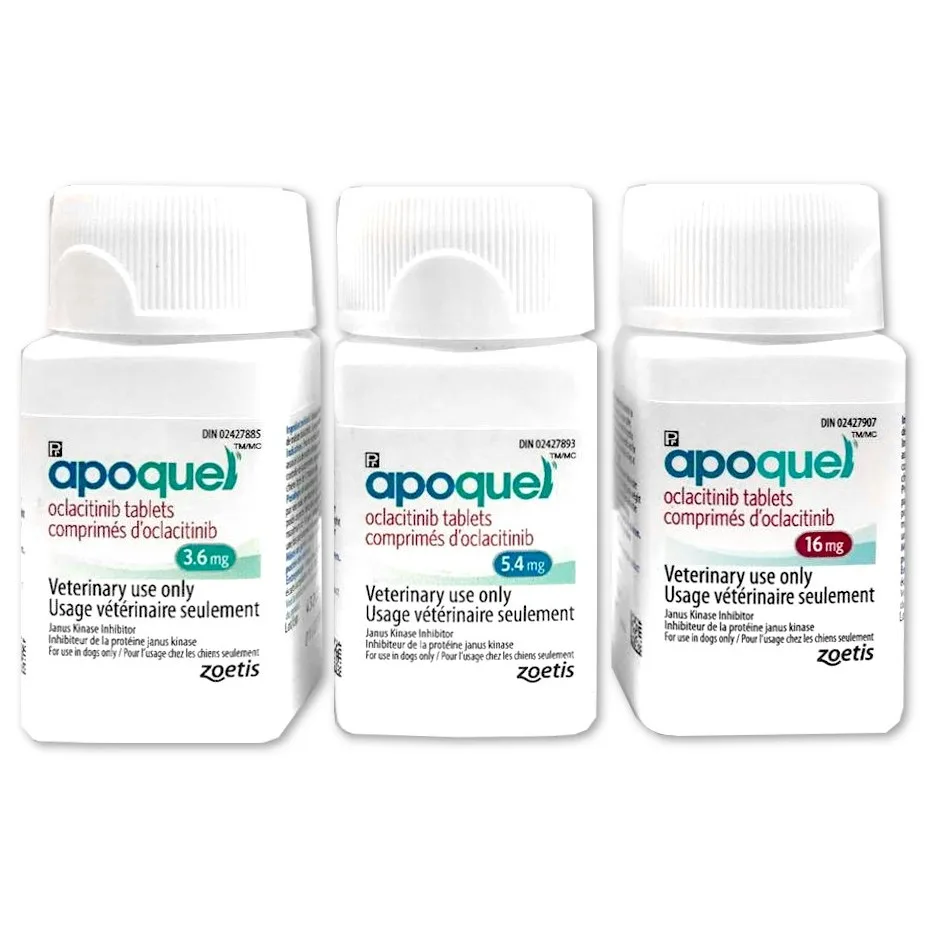
Image source: Bing (Web (fair-use with source credit))
Topical treatments for mild cases
For mild bacterial or yeast infections, medicated shampoos and sprays are the first line of defense. Chlorhexidine works well against bacteria. Ketoconazole and miconazole target yeast.
You can find these in shampoos, wipes, and leave-on sprays. They are best for localized problems like a hot spot or a lip fold infection.
Oral medications for deeper infections
When the infection is widespread or deep, topical treatments cannot reach all the affected layers. Your vet will prescribe oral antibiotics or antifungals. Common antibiotics include cephalexin and clindamycin.
For yeast, fluconazole or ketoconazole tablets are typical. These require a full course, usually two to four weeks. Stopping early leads to resistant infections.
The anti-itch options
Apoquel is an oral tablet that blocks itch signals at the cellular level. It works within hours and is safe for daily use in dogs over twelve months. Cytopoint is an injectable monoclonal antibody that targets a specific itch protein.
It lasts four to eight weeks and is especially good for dogs who struggle with pills. Both are excellent for allergy-driven itching. Neither treats the underlying infection.
Corticosteroids: use with caution
Prednisone and other steroids are effective at stopping inflammation and itching fast. But they come with significant drawbacks for Cocker Spaniels. Steroids can worsen seborrhea, thin the skin, and increase the risk of secondary infections.
They also suppress the immune system. They should be reserved for short-term flare control while you work on the root cause. Never use long-term steroids without a specialist's supervision.
Allergy immunotherapy
For dogs with confirmed environmental allergies, immunotherapy is the closest thing to a cure. It works like allergy shots in humans. Your dog receives gradually increasing doses of the specific allergens they react to.
It can be given as injections or sublingual drops. Response takes three to twelve months. It is not quick, but it has a high success rate and reduces the need for other medications.
| Treatment | Best For | Time to Effect | Duration |
|---|---|---|---|
| Medicated shampoos | Mild localized infection | 1–2 weeks | As needed |
| Oral antibiotics | Deep bacterial infection | 48–72 hours | 2–4 weeks |
| Apoquel | Allergy itching | 4–24 hours | Daily |
| Cytopoint | Allergy itching | 24 hours | 4–8 weeks |
| Immunotherapy | Environmental allergies | 3–12 months | Lifelong |
The Diet Connection: How Food Affects Skin
You will hear a lot of claims about diet curing skin problems. Some are true. Most are oversimplified.
Let us separate what works from what does not.
When food is the cause
True food allergies are less common than environmental allergies, but Cocker Spaniels are overrepresented in the statistics. The most common triggers are chicken, beef, dairy, wheat, and soy. Symptoms include itching, recurrent ear infections, and gastrointestinal issues like soft stools or gas.
The elimination diet is the only reliable test
Blood tests for food allergies are not accurate. The only way to know for sure is an elimination diet. You feed your dog a single novel protein and a single novel carbohydrate for eight to twelve weeks.
No treats. No flavored medications. No chews.
If the itching stops, you then challenge with the original food to confirm. It is strict, but it works.
What to feed during an elimination diet
Your options are a novel protein like rabbit, venison, duck, or kangaroo. Pair it with a carbohydrate like sweet potato or peas. Some owners cook homemade diets under veterinary guidance.
Others use prescription hydrolyzed protein diets. The protein molecules are broken down so small the immune system does not recognize them. Both approaches work.
Supplements that actually help
Omega-3 fatty acids from fish oil are the most evidence-supported supplement for skin health in dogs. They reduce inflammation and support the skin barrier. Choose a product that lists both EPA and DHA.
Dosage depends on your dog's weight. Ask your vet for a specific recommendation.
What does not work
Grain-free diets are not a solution for skin allergies in Cocker Spaniels. Grains are rarely the culprit. Feeding raw diets carries food safety risks and has no proven advantage over cooked diets.
Adding coconut oil to every meal will not fix a yeast infection. If your dog has a real infection, they need medication.
Building a Year-Round Skin Maintenance Plan
Consistency is the secret to keeping your Cocker Spaniel comfortable. Sporadic treatment leads to recurring problems. A structured maintenance plan prevents most flare-ups before they start.
Create a weekly routine
Pick one day each week for a full skin check. Look at the ears, the lip folds, the belly, and the armpits. Check for redness, odor, or new flakes.
If you catch a hot spot when it is still just a red patch, you can often stop it with a single medicated bath and a cone.
The bath schedule
For a Cocker Spaniel with seborrhea or allergy-prone skin, a medicated bath every two to four weeks is the sweet spot. Too frequent and you strip the natural oils. Too infrequent and the skin barrier weakens.
Adjust based on the season. Pollen season might need weekly baths. Winter might need every three weeks.
Ear maintenance
Clean the ears every week, even when they look clean. This removes excess wax and moisture before it becomes a problem. Use a veterinary-grade ear cleaner with a drying agent.
Seasonal adjustments
Spring and fall are the worst for environmental allergies. Increase bathing frequency during these months. Consider adding an air purifier in your home to reduce dust and pollen.
Wash your dog's bedding weekly in hot water. Wipe their paws with a damp cloth after walks to remove allergens.
Medication compliance
If your dog is on Apoquel, Cytopoint, or immunotherapy, stick to the schedule. Set reminders. Do not wait until the itching returns to give the next dose.
Consistent medication levels prevent the itch-scratch cycle from restarting.
What success looks like
A well-managed Cocker Spaniel with skin issues should have a soft, shiny coat with minimal odor. They should scratch occasionally but not obsessively. Their ears should be pale pink and dry.
Their lip folds should stay clean. If you see that every month, you are doing it right.
Frequently Asked Questions
Can Cocker Spaniel skin problems be cured?
Most are managed, not cured. Primary seborrhea is genetic and lifelong. Allergies can be controlled with immunotherapy but often need ongoing treatment.
Infections clear up fully with proper medication. The goal is to minimize flares and keep your dog comfortable.
How often should I bathe my Cocker Spaniel with skin issues?
Every two to four weeks for maintenance. During a flare-up, every three to seven days is safe with a gentle medicated shampoo. Ask your vet for a specific frequency.
Is coconut oil good for Cocker Spaniel skin?
Coconut oil can help mild dry skin, but it will not treat infections or seborrhea. It has some antimicrobial properties but not enough to replace medicated treatments. Use it sparingly and only on intact skin.
Why does my Cocker Spaniel smell even after a bath?
The odor is likely from yeast or bacteria in the skin or ears. A bath without medicated shampoo will not remove the organism. If the smell returns within a day or two, your dog needs a veterinary exam.
Can I use human antifungal cream on my Cocker Spaniel?
Human creams like Lotrimin are safe for very small areas of healthy skin. But they often cause irritation in dogs. They are also licked off easily.
A veterinary medicated wipe or spray is a better option.
At what age do Cocker Spaniel skin problems start?
Primary seborrhea can appear before one year of age. Allergies usually start between one and three years. Ear infections can begin as early as six months.
Early intervention leads to much better outcomes.

Similar Posts