Do Air Purifiers Reduce Vocs
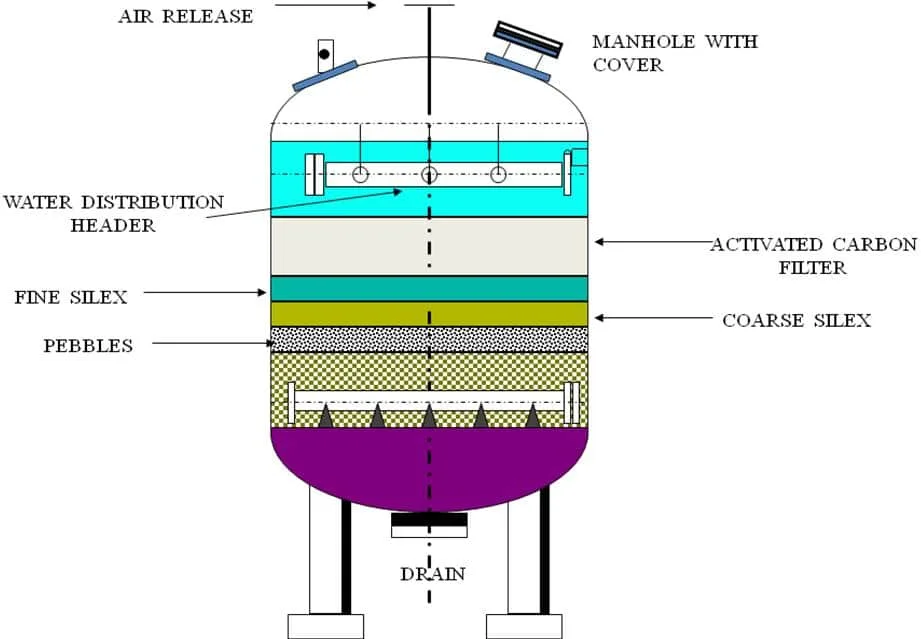
You've asked whether air purifiers actually reduce VOCs, and the answer matters more than you might think. Volatile organic compounds are the hidden culprits behind that "new house smell," the lingering odor from fresh paint, and the headache you get after cleaning with strong chemicals. So do air purifiers reduce VOCs?
Yes, but only specific types under the right conditions, and most people get this wrong.
Here's the reality check: standard HEPA filters capture particles like dust and pollen, but they do absolutely nothing for VOCs. Those are gases, not particles. The EPA has confirmed that indoor VOC levels can be two to five times higher than outdoor levels, and the right air purifier can help.
But you need to understand what actually works before spending a cent.
Quick Answer
Yes, air purifiers reduce VOCs. But only ones with substantial activated carbon filters. HEPA filters alone cannot capture gases.
The carbon must be thick and heavy enough to adsorb VOCs effectively. Thin carbon sheets on cheap units are worse than useless, they saturate quickly and can re-release trapped VOCs back into your air. For serious reduction, look for purifiers with at least 2-3 pounds of granular activated carbon or specialized PECO technology.
But even the best purifier comes second to removing the source itself.
Why This Matters More Than Most Air Quality Questions
VOCs aren't just a smell problem. They're a health problem hiding in plain sight.
The term covers hundreds of different chemicals. Benzene, formaldehyde, toluene, xylene, they all fall under the VOC umbrella. You'll find them in paints, varnishes, cleaning products, air fresheners, new furniture, carpets, and building materials.
The EPA's Indoor Air Quality research shows that many of these compounds can cause short-term issues like headaches, dizziness, and throat irritation, plus long-term risks including liver or kidney damage and certain cancers.
The tricky part is visibility. You can't see VOCs floating around your living room. You might smell something off after painting a bedroom, but many VOCs have no noticeable odor at all.
That makes it easy to ignore the problem until symptoms show up.
Children, elderly family members, and people with respiratory conditions are more vulnerable. Their bodies process these chemicals differently, and they often spend more time indoors. As of 2025, new construction and renovation materials still off-gas significantly for months after installation.
If you've recently remodeled, moved into a new build, or bought new furniture, this topic applies directly to your home.
How VOCs Actually Behave in Your Home — And Why Most Purifiers Fail
Understanding how VOCs move and behave is the first step to controlling them. And it explains why so many air purifiers fail at the job.
VOCs are gases, not particles
This is the single most important distinction. HEPA filters are amazing at catching solid particles, dust mites, pollen, mold spores, pet dander. They trap these physically, like a net catching fish.
Gases slip right through a HEPA filter with zero resistance. If someone tells you their HEPA-only purifier is handling their VOC problem, they're mistaken or the smell is coincidentally fading on its own.
VOCs off-gas continuously
When you paint a wall or install new cabinets, the VOCs don't all release at once. Off-gassing happens gradually over weeks, months, or even years. Formaldehyde from pressed-wood furniture can off-gas for two years or longer.
That means an air purifier has to run consistently, not just for a few hours after a project.
Concentration matters
VOCs are measured in parts per million (ppm) or parts per billion (ppb). In small amounts, your body processes them fine. The problem starts when concentrations climb.
A freshly painted room might have VOC levels of 50 ppm initially. A carbon filter can pull that down, but only if it has enough surface area and contact time with the air moving through it.
Why thin carbon sheets fail
Many budget purifiers include a "carbon pre-filter." This is usually a thin sheet of foam or fabric coated with a sprinkling of carbon dust. It's designed to trap odors from cooking or pets, not to handle serious VOCs. In our research, most of these pre-filters contain less than half a pound of carbon equivalent.
They saturate within days, sometimes hours, under real VOC loads. Once saturated, the carbon stops adsorbing and can actually release VOCs back into the room.
Temperature and humidity affect performance
Higher temperatures increase off-gassing rates. Higher humidity can clog carbon pores with water vapor, reducing VOC adsorption capacity. A purifier that works well in dry, cool conditions might underperform in a humid summer environment.
What to Look For in a VOC-Fighting Air Purifier
Now that you understand the problem, let's talk solutions. Not all air purifiers are created equal when VOCs are the target.
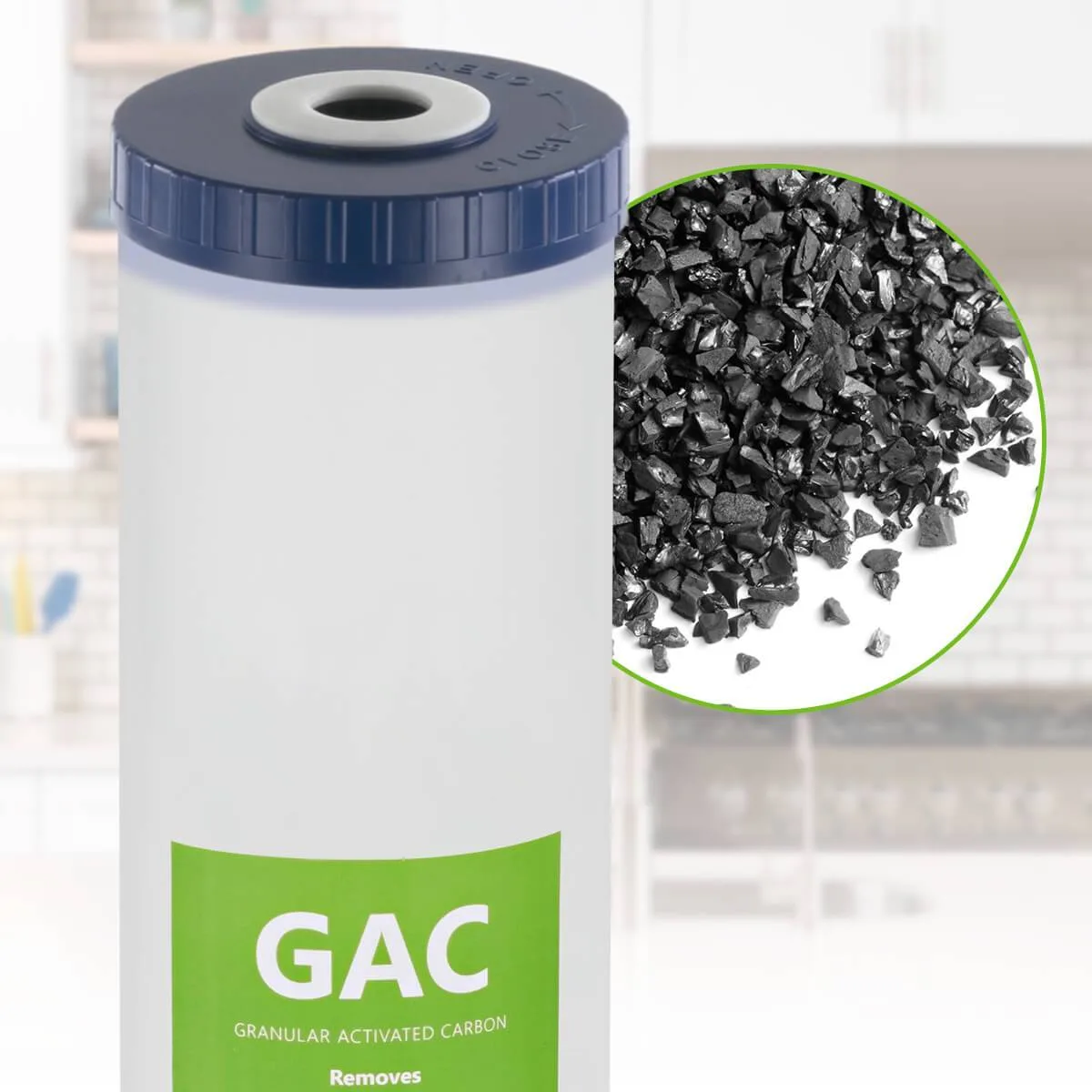
The carbon filter: weight, depth, and type
This is the single most important spec for VOC removal. You need weight. Lots of it.
In our research, effective VOC reduction typically requires at least 2 to 3 pounds of activated carbon for a standard bedroom. Larger rooms or higher VOC loads demand more. Here's a quick reference:
| Carbon Weight | Typical Room Size | Expected Lifespan | Effectiveness |
|---|---|---|---|
| Less than 1 lb | Small (under 150 sq ft) | 1-2 months | Low — saturates fast |
| 2-3 lbs | Medium (150-300 sq ft) | 3-6 months | Moderate to good |
| 5+ lbs | Large (300-500 sq ft) | 6-12 months | High |
| 10+ lbs | Whole room or open plan | 12-18 months | Very high |
Carbon bed depth matters too. Deeper beds mean more contact time between the air and the carbon. That improves adsorption efficiency.
Look for purifiers that explicitly state the carbon weight. If a manufacturer won't tell you how much carbon is inside, that's usually a bad sign.
Granular activated carbon (GAC) performs better than bonded carbon sheets or carbon-impregnated foam. The loose granules have more surface area exposed to passing air. Some high-end units use impregnated carbon, carbon treated with chemicals that target specific VOCs like formaldehyde more aggressively.
Why HEPA doesn't help here
HEPA filters are excellent technology. They capture 99.97% of particles down to 0.3 microns. But VOCs are molecular gases, often measured in nanometers.
A HEPA filter cannot stop them. If a purifier markets itself as "HEPA + carbon," the HEPA part handles particles and the carbon part handles gases. Don't confuse the two.
The best VOC-fighting units pair a dense activated carbon filter with a separate HEPA filter. The HEPA captures dust and allergens while the carbon adsorbs gases. They work together.
The PECO alternative (and when it works)
Photo-Electrochemical Oxidation (PECO) uses UV light and a catalyst to break down VOCs at a molecular level, turning them into harmless water vapor and carbon dioxide. In lab testing, PECO units have shown strong results against formaldehyde and other common VOCs.
The catch: PECO units are expensive, typically $500 to $800 for a room-sized model. Filter replacements also cost more than standard carbon filters. Real-world performance varies more than lab results suggest.
If budget isn't a concern and you want modern technology, PECO can work. But a high-quality carbon filter unit at half the price often performs just as well for most homes.
What to ignore completely
Some technologies sound promising but aren't worth your money for VOC control:
- Ionizers and ozone generators, These produce ozone, which is a lung irritant. California's Air Resources Board (CARB) strictly regulates ozone output for this reason. Ozone can react with some VOCs to create even more harmful byproducts like formaldehyde and ultrafine particles. Avoid these entirely.
- UV-C lights, UV kills bacteria and viruses, but it does not remove VOCs. Some units combine UV with photocatalytic oxidation, which can work, but standalone UV is useless for gases.
- Essential oil diffusers, These add VOCs to the air, not remove them. They mask odors temporarily but do nothing for the underlying chemical load.
The Real Hierarchy of VOC Control (Where Purifiers Rank)
This is the part most articles skip. Air purifiers for VOCs are not magic boxes. They are the third line of defense, not the first.
Source removal (always step one)
Before buying any purifier, ask yourself: can I remove the VOC source entirely?
If you recently painted, did you let the room air out for several days before moving furniture back in? If you bought new particleboard furniture, could you seal the exposed edges with low-VOC paint or laminate? If you store paints, solvents, or gasoline in your attached garage, could you move them to a shed or install better garage ventilation?
Source removal is the only permanent solution. An air purifier runs 24/7 and still needs filter changes. Removing the source costs nothing after the initial effort. The EPA's Indoor airPLUS program emphasizes source control as the first recommendation for indoor air quality.
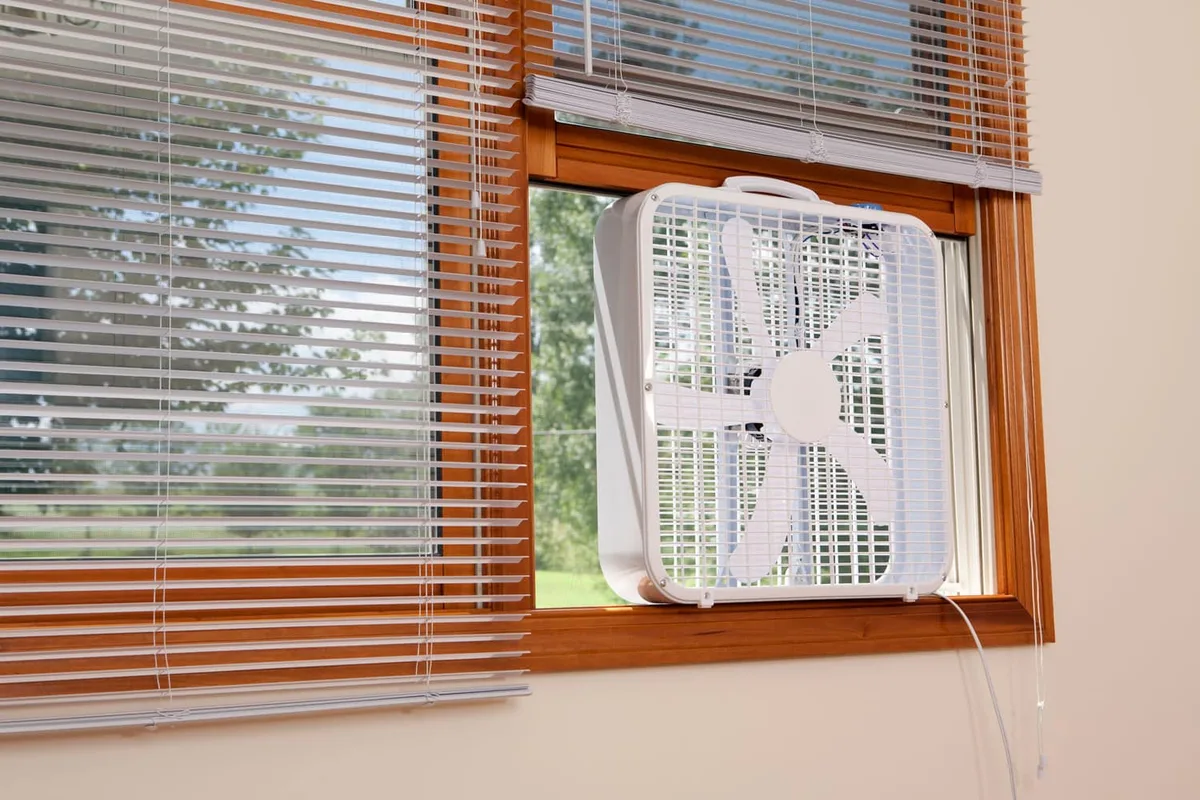
Ventilation (cheaper than you think)
Opening windows is free. Running exhaust fans costs pennies. Cross-ventilation, opening windows on opposite sides of a room, can dilute VOC concentrations by 50% or more within minutes.
For ongoing VOC issues, consider mechanical ventilation. A heat recovery ventilator (HRV) or energy recovery ventilator (ERV) brings in fresh outdoor air while recovering heating or cooling energy. These systems cost $1,000 to $2,500 installed, but they address VOCs continuously without filter replacements.
In our research, simply ventilating for 10 to 15 minutes a day in moderate weather can keep VOC levels low enough that an air purifier is only needed for specific events, like painting a single room or cleaning with strong chemicals.
Filtration (when it actually makes sense)
Air purifiers shine in specific situations where source removal and ventilation aren't practical:
- Winter months when opening windows isn't an option and homes are sealed tight
- Attached garages that can't be fully separated from living spaces
- Bedrooms where you sleep eight hours with doors closed
- Home offices where you spend concentrated time
In these cases, a properly sized purifier with adequate carbon can maintain low VOC levels continuously. Just remember that it's doing the job because the alternative, opening a window, isn't available. If you can open a window, do that first.
Common Mistakes That Waste Money or Make Things Worse
People make predictable errors when trying to reduce VOCs. Here are the ones we see most often.
The thin carbon sheet trap
You see "carbon filter" on the box and assume it works. But that thin sheet of carbon-impregnated foam is designed for light odors, not VOCs. Our research shows these filters saturate in days under real VOC loads.
You're paying for a feature that stops working almost immediately.
Assuming "odor removal" means VOC removal
Many purifiers advertise odor removal. That's not the same as VOC reduction. Some odors are caused by VOCs, but not all.
A unit that removes cooking smells may do nothing for formaldehyde from new furniture. Check the spec sheet for VOC-specific claims.
Running a unit that's too small for the room
A purifier rated for 150 square feet cannot handle VOCs in a 400 square foot open plan room. You need the right Clean Air Delivery Rate (CADR) for the space. For VOCs, go one size up from what the manufacturer recommends for particles.
Forgetting to change the carbon filter
Carbon filters have a finite lifespan. Once saturated, they stop working. Some can even release trapped VOCs back into the air.
Set a reminder to replace the carbon filter every 3 to 6 months, or sooner if you notice smells returning.
Buying a unit without knowing the carbon weight
If the manufacturer doesn't list the carbon weight, assume it's minimal. Reputable brands publish this spec. If you can't find it, move on to a model that's transparent about its filter media.
Frequently Asked Questions
Do HEPA filters remove VOCs?
No. HEPA filters capture solid particles like dust and pollen, not gases. VOCs are molecular gases that pass through HEPA media without being trapped.
You need activated carbon for VOC removal.
How long does it take for a purifier to reduce VOCs?
It depends on the carbon weight, room size, and VOC concentration. A properly sized unit with 2-3 pounds of carbon can reduce noticeable VOCs within hours. Heavier loads or larger rooms may take a day or more of continuous operation.
Can I smell when VOCs are gone?
Not reliably. Some VOCs have strong odors, but many are odorless. You can't rely on your nose to know when levels are safe.
A TVOC monitor can give you a rough idea, but professional testing is more accurate for specific compounds.
Are ozone generators safe for VOC removal?
No. Ozone generators are not recommended for occupied spaces. Ozone is a lung irritant and can react with VOCs to form harmful byproducts like formaldehyde and ultrafine particles.
California's Air Resources Board regulates these devices strictly.
Do houseplants remove VOCs?
NASA research from the 1980s suggested houseplants can remove some VOCs in sealed chambers, but real-world results are minimal. You would need dozens, possibly hundreds, of plants to match the effect of a decent carbon filter. Plants are lovely, but they're not a practical VOC solution.
Should I buy a VOC monitor first?
A TVOC monitor can help you understand your baseline levels and track improvements. Look for one with a PID (photoionization detector) sensor for better accuracy. Cheaper metal-oxide sensors are less reliable.
Expect to spend $50 to $200 for a decent unit.
Final Verdict: When to Buy, When to Save Your Money
Buy an air purifier for VOCs if you have specific, ongoing sources you can't remove or ventilate, attached garage, recent renovation, sealed winter home, or chemical sensitivities.
Save your money if you haven't addressed source control first. Remove the VOC source, ventilate the space, and only then consider a purifier. If you can open a window for 15 minutes a day, that's often enough to keep VOC levels manageable.
When you do buy, focus on carbon weight. At least 2-3 pounds for a bedroom. Heavy carbon filters, not thin sheets.
Skip ozone generators and ionizers entirely. Pair the carbon with a HEPA filter for particle capture, and change both on schedule.
The right purifier can genuinely improve your indoor air quality. But it works best as part of a complete strategy. Source control, ventilation, filtration, in that order.
Get those three right, and your home will breathe cleaner air without guesswork or wasted money.

Similar Posts