How To Fix Rib Flare
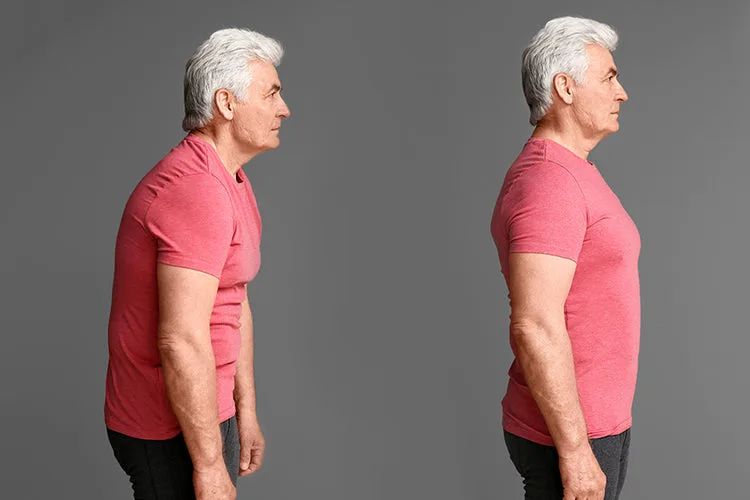
If you've ever looked in the mirror and noticed your lower ribs sticking out, even when you're standing up straight, you're not alone. That's rib flare, and it's one of the most misunderstood posture issues people try to fix on their own. How to fix rib flare isn't about crunching harder or sucking in your stomach.
It's about retraining your breathing mechanics and getting your ribcage aligned with your pelvis.
Research published in the Journal of Orthopaedic & Sports Physical Therapy confirms that rib flare is often linked to poor diaphragm function and a stiff thoracic spine, not weak abs. As of 2026, the clinical consensus is clear: address the breathing pattern first, or everything else you try will just compensate. Let's walk through what actually works and why most home remedies make things worse.
Image source: Bing (Web (fair-use with source credit))
Quick Answer
Fix rib flare by retraining your exhale. Lie on your back with knees bent. Place one hand on your chest and one on your lower ribs.
Breathe in through your nose. Breathe out slowly through pursed lips. Feel your lower ribs sink toward the floor.
Do this for five minutes daily. Add pelvic positioning after you master the breath.
Why Accuracy Matters and Why Most Advice Gets It Wrong
Rib flare sits in a tricky spot. It looks like a posture problem, but it's really a breathing and alignment problem. That's why the internet is full of advice that sounds logical but backfires.
The most common piece of bad advice is "just pull your ribs down and hold them there." That forces your ribcage into a position it doesn't want to be in. You end up overworking your rectus abdominis while your deep core stays asleep. That creates tension without stability.
Another popular mistake is piling on core exercises. Planks, crunches, leg raises. If your ribs are already flared, those exercises train your body to brace in that flared position.
You're not fixing the pattern. You're reinforcing it.
Here's what the research actually shows. Rib flare is often a compensation for limited thoracic spine extension. Your mid-back gets stiff from sitting, so your ribs lift to create room for breathing.
Your body finds a way, even if it's not the right way.
The stakes matter here. If you train or lift with a flared ribcage, you're loading your spine in a compromised position. That can lead to lower back pain, rib discomfort, and shoulder issues down the road.
Getting the correction right from the start isn't just about looks. It's about keeping your body healthy for the long haul.
What Rib Flare Actually Is: The Breathing and Posture Connection
Your ribcage isn't a solid cage. It's a flexible structure designed to move with every breath. When you inhale, your ribs lift and rotate outward.
When you exhale, they drop and rotate inward. That's normal.
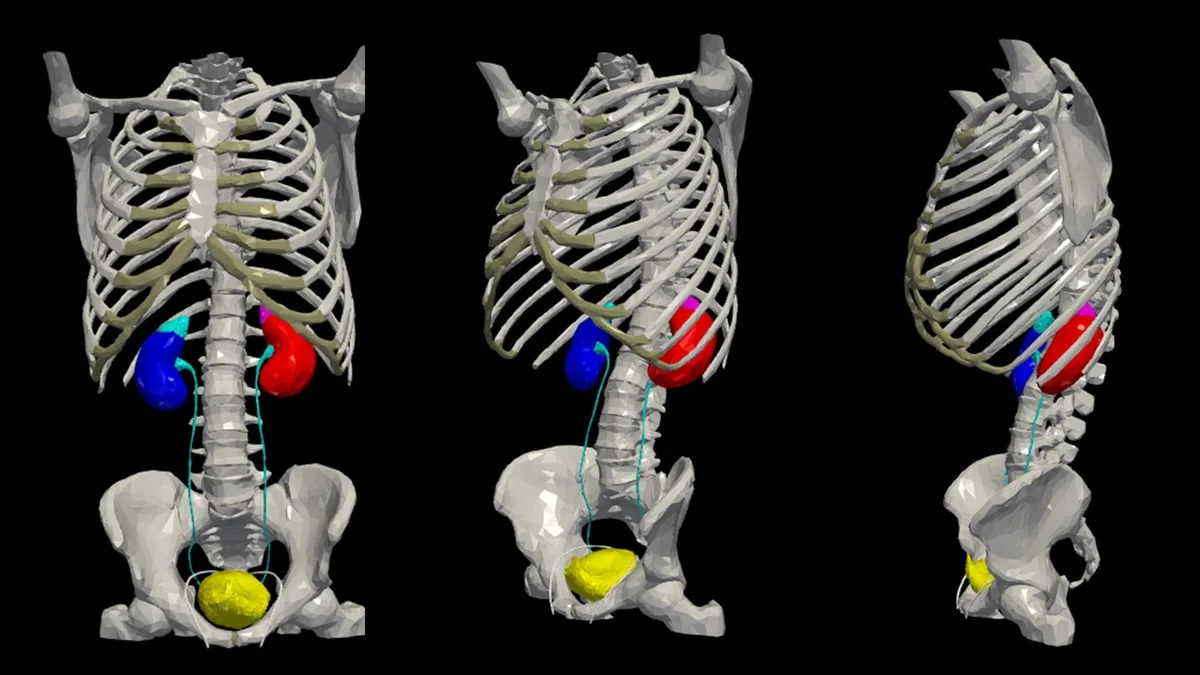
Image source: Bing (Web (fair-use with source credit))
Rib flare is when your ribs stay in that lifted outward position even at rest. Instead of dropping back down on the exhale, they stay locked up. Your diaphragm, the primary breathing muscle, works less efficiently.
Your accessory muscles in your neck and chest start picking up the slack.
This isn't just a ribcage problem. It's connected to your pelvis. When your ribs flare, your pelvis often tilts forward to compensate.
That's the classic open scissor posture. Ribs up, pelvis tipped, lower back arched. Your core can't generate proper intra-abdominal pressure in that position.
Every movement you make becomes less stable.
The thoracic spine plays a big role here too. Your mid-back needs to be able to extend and rotate freely for your ribs to move correctly. If it's stiff, your ribcage takes on extra movement it wasn't designed for.
Over time, that creates the flare.
A quick way to understand it. Think of your ribcage and pelvis as the two ends of a cylinder. For your core to work properly, those two ends need to be parallel and stacked.
Rib flare means the top of the cylinder is open and tilted back. You can't pressurize an open cylinder.
The First Step: Assess Your Own Rib Flare
Before you start fixing anything, you need to know what you're working with. These two tests take about a minute each. Do them in front of a mirror or record yourself on your phone.
Test 1: The Side View Check
Stand sideways to a mirror in your natural posture. Don't try to stand up straight or suck in your stomach. Just stand how you normally stand.
Look at the space between your lower ribs and your pelvis in front. If you can see daylight or a clear gap, you likely have some degree of rib flare.
Now place your fingertips on your lower ribs. Take a normal breath in and out. Feel if your ribs drop on the exhale.
If they stay lifted and only move when you force them, that confirms the pattern.
Test 2: The Supine Rib Check
Lie on your back with your knees bent and feet flat on the floor. Place your hands on your lower ribs, palms facing down. Breathe normally.
What do you feel?
Ideally, your ribs should feel like they're resting on the floor. If your lower ribs are lifting off the ground as you breathe in and staying up, that's a clear sign of rib flare. Your ribcage is expanding upward instead of outward and downward.
This test is useful because it removes gravity from the equation. You get a clearer picture of what your breathing pattern is actually doing.
The Safe Correction Process: A Step-by-Step Sequence
This sequence is based on the clinical approach used in physical therapy for rib flare. It moves from easiest to hardest. Each step builds on the one before it.
Do not skip ahead.

Image source: Web (Bing) / jobs.side.co (Web image (fair-use with source credit))
Step 1: Reset Your Breathing
Start on your back with knees bent and feet flat. Place one hand on your chest and one on your lower ribs. Inhale through your nose.
Let your breath expand your lower ribs outward to the sides. Do not let your chest rise upward. Exhale slowly through pursed lips.
Feel your lower ribs sink toward the floor.
Do this for three to five minutes daily. The goal is to feel your ribs closing like a zipper from the bottom up on every exhale. Your chest should stay still.
Only your ribs and belly should move.
Step 2: Position Your Pelvis First
Your pelvis is the foundation. If it's tilted forward, your ribs will naturally want to flare. Find a neutral pelvis by rocking it forward and backward a few times while lying on your back.
Settle into the middle position. Your lower back should have a small natural curve. It should not be pressed flat or arched.
Breathe normally in this position. Notice how much easier it is to feel your ribs close on the exhale when your pelvis is neutral.
Step 3: Close the Ribs With Exhalation
Now combine both steps. Inhale into your lower ribs. Exhale fully and feel your ribs drop down toward your pelvis.
On the very end of your exhale, gently engage your deep core by drawing your lower belly inward. Do not suck in. Just a light activation.
Hold that end-of-exhale position for two seconds. Then inhale and repeat. Five to eight reps per session.
Step 4: Strengthen the Deep Core
Once you can close your ribs on your back, take it to a supported position. Get on all fours with your hands under shoulders and knees under hips. Keep your spine neutral.
Inhale. As you exhale, draw your belly up and in while keeping your ribs closed.
Your back should not round. Your hips should not tuck. Just a subtle core engagement while your ribs stay down.
Progress to holding that position for longer exhales over time.
Common Mistakes That Make Rib Flare Worse
Even with good intentions, people trip up on a few specific things. These mistakes stall progress and sometimes set you back weeks.
Forcing the Ribs Down With Your Abs
This is the biggest one. If you forcefully contract your upper abs to pull your ribs down, you're using the wrong muscles. Your ribcage drops as a result of proper exhale mechanics, not from crunching.
Forced pulling creates tension in your upper body and makes your breathing shallow.
Skipping the Pelvis Step
Your pelvis and ribs are connected by your core. If your pelvis is tilted, your ribs will compensate. Many people spend weeks trying to fix rib flare without ever checking their pelvic position.
It's like trying to close a door when the frame is crooked.
Rushing Through the Breathing Drill
Breathing retraining takes time. Your nervous system has been using a flared pattern for years. Five minutes of focused work daily for four to six weeks is normal before you see lasting change.
Rushing through it in thirty seconds before a workout doesn't count.
Doing Core Work in a Flared Position
Planks, crunches, and leg raises are great exercises. But if you do them with your ribs flared, you train your body to brace in that flared position. Fix the resting position first, then add load.
Your body learns alignment through repetition, not effort.
When Professional Help Is Necessary
Rib flare usually responds well to consistent breathing and positioning work. But not always. Some cases need a trained eye.
See a physical therapist if you have pain in your ribs, lower back, or shoulders that doesn't improve. Also seek help if your rib flare is accompanied by sharp pain during breathing. That could signal costochondritis, an inflammation of the cartilage connecting your ribs to your breastbone.
People with scoliosis or a history of rib fractures should not self-treat without guidance. Your ribcage structure may need a different approach. A pelvic floor physiotherapist is the right choice for postpartum women.
Diastasis recti and rib flare often appear together, and the treatment needs to address both.
If you try the steps in this guide consistently for six weeks and see no change, book an appointment. Sometimes an external assessment catches what you can't feel yourself.
Frequently Asked Questions
How long does it take to fix rib flare?
Most people see noticeable improvement in four to eight weeks with daily practice. The first change is usually better breathing. The visual change in rib position takes longer.
Consistency matters more than intensity.
Can you fix rib flare by just standing up straighter?
No. Forcing your posture without fixing your breathing pattern creates tension. Your ribs will stay flared because your diaphragm and ribcage mechanics haven't changed.
The correction has to come from the inside out.
Is rib flare the same as pectus carinatum?
No. Pectus carinatum is a structural deformity of the breastbone. Rib flare is a positional issue caused by breathing and alignment patterns.
Pectus requires medical evaluation. Rib flare usually responds to corrective exercise.
Can rib flare cause back pain?
Yes. A flared ribcage often comes with an anterior pelvic tilt, which increases the curve in your lower back. That loads your lumbar spine unevenly.
Many people with chronic lower back tightness improve once they correct their rib flare.
Should I stop doing core exercises if I have rib flare?
Not entirely. But you should modify them. Focus on exercises that keep your ribs down and your pelvis neutral.
Dead bugs, bird dogs, and side planks are better choices than crunches or sit-ups in the early stages.
Can rib flare be fixed in children?
Often yes, because their bodies are still developing. But it's important to rule out structural issues first. If you notice rib flare in a child, especially with breathing difficulties or pain, see a pediatric physical therapist.
The Bottom Line: What Real Progress Looks Like
Real progress with rib flare is subtle at first. You'll notice your breathing feels easier. Your lower back will feel less tight at the end of the day.
Your ribs will start to close on their own without you thinking about it.
The visual change comes last. Don't judge your progress by the mirror. Judge it by how your body feels and moves.
If your breathing has improved and your pelvis is more neutral, you're on the right track.
Stick with the daily breathing drill. Keep your pelvis neutral. Be patient.
Rib flare took time to develop, and it takes time to unwind. But it does unwind.

Similar Posts