Dryer Booster Fan Not Working
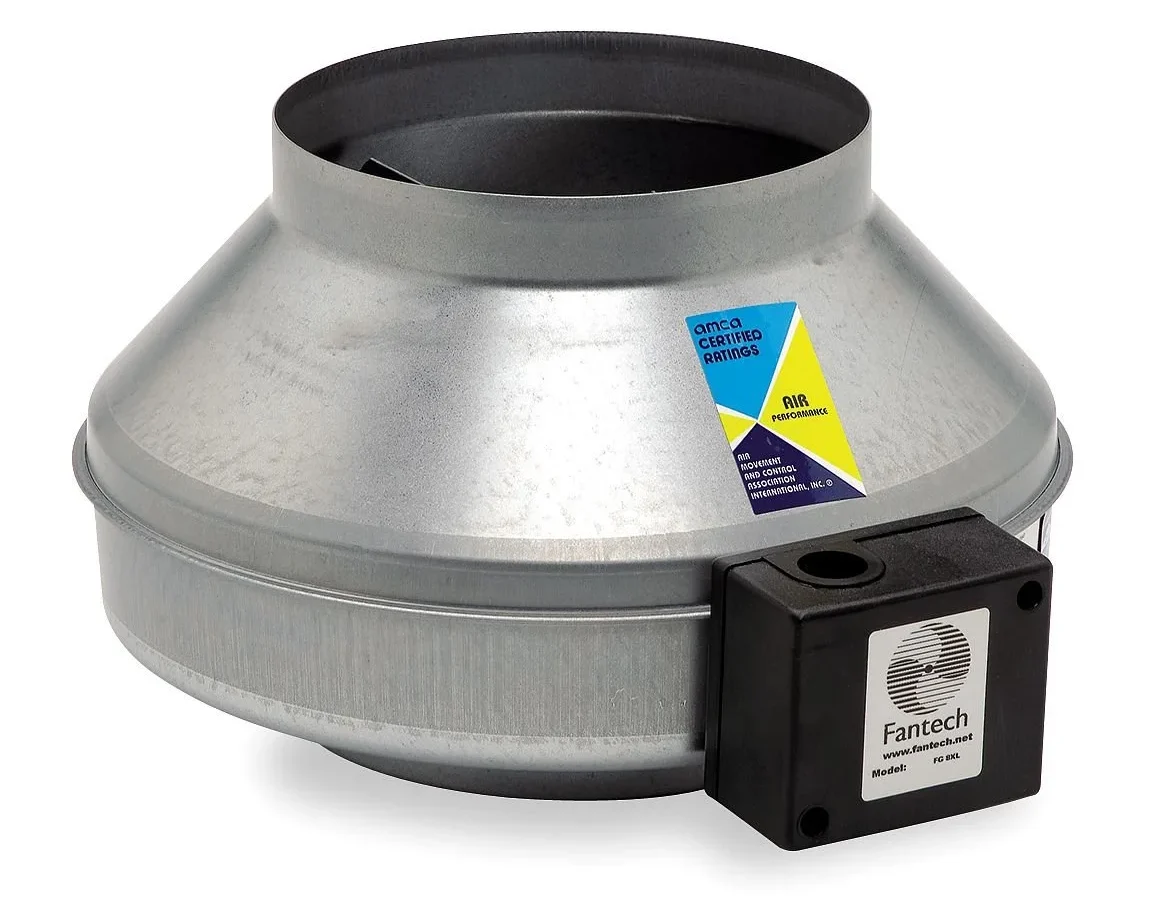
Your dryer booster fan is supposed to make long vent runs possible. When it stops working, your dryer suddenly takes twice as long to dry a load, your laundry room feels like a sauna, and you start worrying about lint buildup and fire risk. If your Dryer Booster Fan Not Working is the problem you're staring at right now, you need a clear path through the symptoms, not a generic list of every possible cause.
According to Underwriters Laboratories testing standards (UL 2158), a dryer booster fan must maintain at least 100 CFM of airflow through the vent system to keep lint from settling and to prevent moisture from condensing inside the ductwork. When the fan fails, that minimum airflow drops fast. The good news is that most booster fan failures boil down to just three common causes, and you can diagnose which one you're dealing with in about five minutes without any special tools.
Let's walk through it.
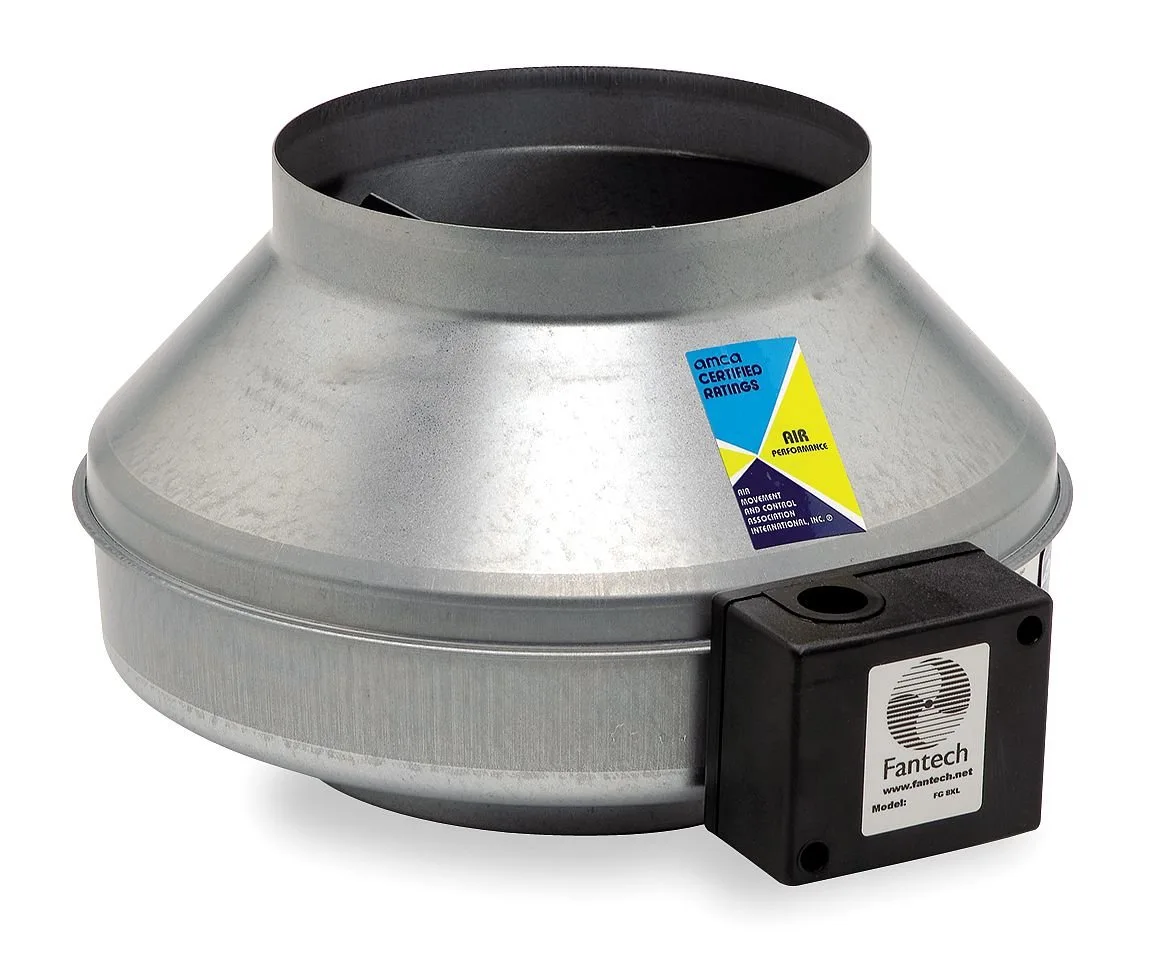
Image source: Bing (Web (fair-use with source credit))
Quick Answer
A dryer booster fan stops working for one of three reasons. A dead capacitor stops the motor from starting. A seized bearing locks the blade in place.
Or a blocked duct creates so much back pressure that the fan's thermal overload switch trips. Listen to what the fan does when you turn the dryer on. No sound at all means a power or motor issue.
A hum with no spin means a bad capacitor. A fan that runs briefly then stops means a restriction or thermal problem. Test each path and you'll find the fix.
Problem / Pain Point
Your dryer pushes hot, moist, lint-laden air through that duct every time you run it. Without the booster fan helping it along, that air slows down. Lint starts falling out of the airstream and collecting inside the duct.
Moisture condenses on the duct walls. Within a few weeks you can develop a significant lint blockage that kills your dryer's performance and creates a genuine fire hazard.
The National Fire Protection Association (NFPA 211) reports that failure to clean dryer vent systems is a leading factor in clothes dryer fires in residential buildings. A malfunctioning booster fan accelerates that buildup.
Beyond the safety angle, there's the frustration. You are now running a 45-minute dry cycle for an hour and a half. Clothes come out damp.
The dryer itself gets hotter than normal because it is working harder against the back pressure. That extra heat can shorten the life of your dryer's heating element and thermal fuse. Letting the booster fan problem sit costs you time and money.
Core Explanation / How It Works
A dryer booster fan is a small centrifugal fan installed inline with your dryer's exhaust duct. It kicks on when the dryer starts pushing air through the duct. It adds extra air movement to overcome the resistance of a long or twisty vent path.
The motor spins a fan blade that creates suction on the intake side and pressure on the exhaust side, pulling the moist air from the dryer and pushing it all the way to the outside vent hood.
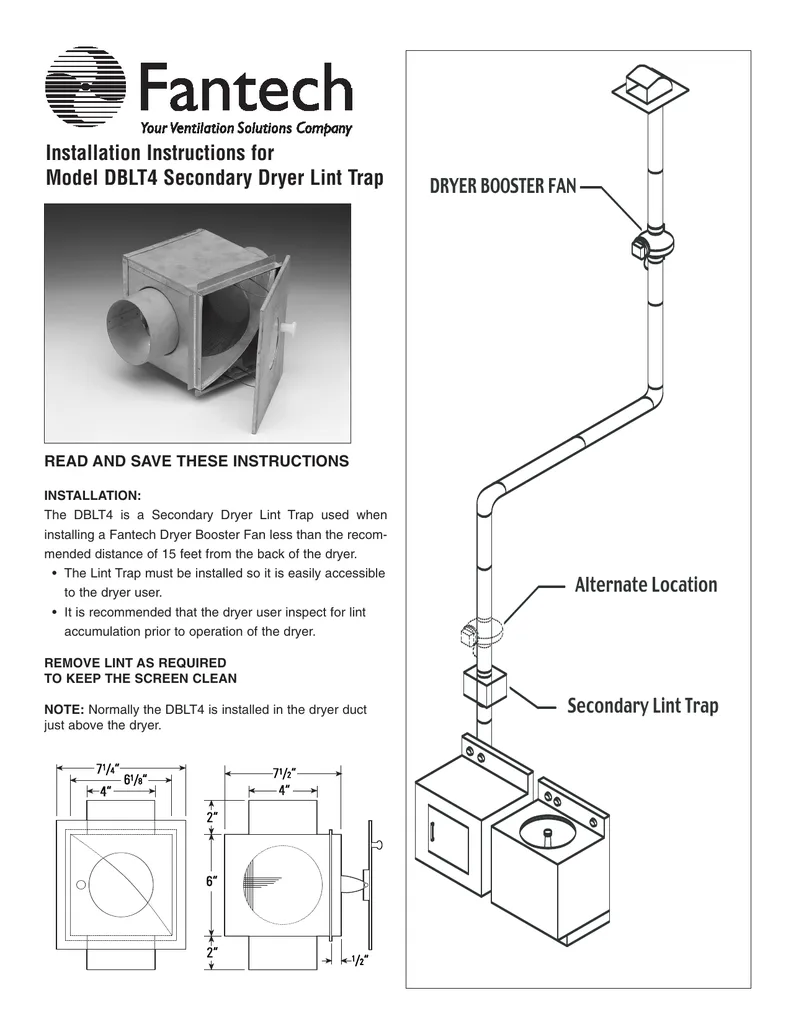
Image source: Bing (Web (fair-use with source credit))
The motor inside these fans is typically a permanent split capacitor (PSC) motor. That means it has two main electrical parts that matter for troubleshooting. The start capacitor gives the motor an extra jolt of power to get spinning from a dead stop.
A run capacitor helps keep the motor running smoothly and efficiently. Both are small cylindrical components mounted on the outside of the motor housing, usually held in place by a metal clip or bracket.
Here is the key thing to understand. These fans are designed to run whenever the dryer is on. In a typical household that means they cycle on and off multiple times per day, every day, year-round.
That duty cycle gradually wears out the capacitors. Heat from the motor and from the hot dryer exhaust accelerates the aging process. The National Electrical Manufacturers Association (NEMA) rates standard motor capacitors for an expected lifespan of about 10,000 to 20,000 hours of operation.
In a home that runs the dryer an hour per day, that is roughly 10 to 15 years. But lint contamination, vibration, and voltage fluctuations can shorten that considerably.
The fan also has a thermal overload switch built into the motor windings. If the motor gets too hot, either from running against a blocked duct or from a failing bearing that creates extra friction, that switch opens and cuts power to the motor. Once the motor cools down, the switch resets and the fan tries to run again.
That cycle of run, overheat, stop, cool, run is a classic sign of a restriction in the ductwork.
Step-by-Step Decision Tree
This is where we get practical. You need to follow the right path based on what your fan is actually doing. Grab a flashlight and put your ear near the fan housing while someone else starts the dryer.
Then pick the scenario that matches.
No Sound at All
If the fan makes absolutely no noise, no hum, no click, nothing, start with the most basic check. Is the fan getting power? Find the junction box or the plug where the fan connects to your home's electrical system.
Use a non-contact voltage tester to confirm there is power at that point. If you do not have a tester, plug a known-working lamp or small appliance into the same outlet to verify the circuit is live.
If power is present, the next suspect is the motor's internal thermal fuse. This is a small one-time fuse buried inside the motor winding insulation. When it blows, the motor is dead.
No sound at all. Unfortunately, this is not a user-serviceable part on most booster fans. A blown thermal fuse usually means the motor has overheated severely.
This often happens because the fan ran for an extended period with a blocked duct. Replacement motor or entire fan assembly is the fix here.
Check the fan's backdraft damper while you are at it. Some booster fans have a gravity-operated flap that opens when the fan runs and closes when it stops. If that flap is physically stuck in the closed position by lint buildup or debris, the fan cannot move air even if the motor runs.
Hums but Blade Won't Spin
This is the most common failure mode for residential booster fans. You hear a distinct humming or buzzing sound coming from the fan, but the blade either does not move at all or just shudders slightly. The hum tells you the motor windings are getting power and the motor wants to run.
But it cannot get started because the start capacitor has failed.
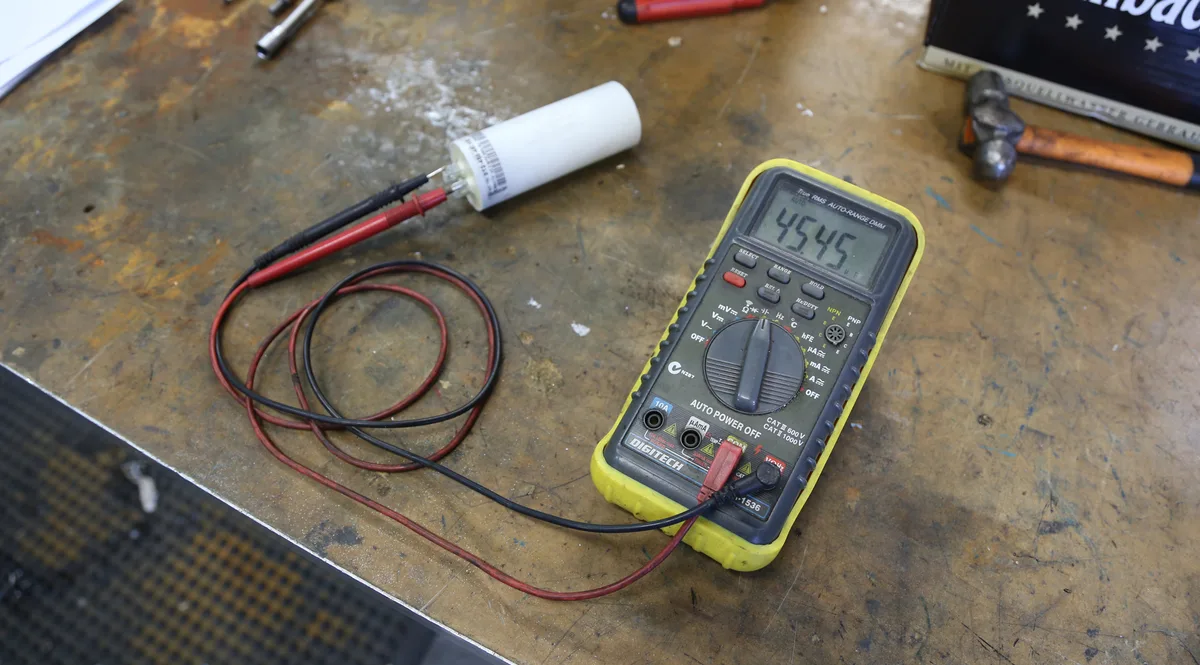
Image source: Bing (Web (fair-use with source credit))
The start capacitor stores electrical charge and releases it in a burst to give the motor that initial push. When the capacitor dries out or shorts internally, it cannot deliver that burst. The motor just sits there humming and drawing high current.
This will eventually trip the thermal overload or blow a fuse if left humming too long.
Here is a quick test. Turn off the power to the fan at the breaker. Wait for the blade to stop completely.
Then try spinning the blade by hand. It should spin freely with just a slight resistance from the motor's internal magnets. If it spins freely and smoothly, the bearings are fine and the fan is mechanically healthy.
If it is stiff or grainy, you have a bearing problem. If it spins freely, your problem is almost certainly the capacitor.
Capacitors are cheap. They typically cost $8 to $15 from an HVAC supply house or online parts retailer. You need to match the microfarad (µF) and voltage ratings printed on the side of the old capacitor.
Common values for booster fans range from 5 µF to 50 µF, usually at 250V or 370V AC. Before you touch the capacitor, discharge it safely by holding an insulated screwdriver across both terminals. This is important.
Capacitors can hold a charge long after power is disconnected. The shock is unpleasant and potentially dangerous.
Spins but No Airflow
If you can hear the fan running and spinning at a normal speed, but the dryer is still venting poorly, the problem is not the fan. The ductwork between the dryer and the outside is blocked. The fan is spinning, but it cannot push air through a clogged pipe.
Check the outside vent hood first. Is the flap opening when the fan runs? If it is stuck closed by lint, bird nesting material, or ice in cold weather, the fan is just pressurizing the duct without any relief.
Clean the vent hood and make sure the flap moves freely.
Next, check the lint trap inside the fan housing itself. Many booster fans have a removable access panel or a cleanout port where lint can accumulate over time. Remove that cover and inspect the fan blades.
Lint wrapped around the center hub of the blade will unbalance it, causing vibration and reducing airflow. Scrape it off carefully.
If the fan and vent hood are clean but airflow is still weak, you have a blockage somewhere in the underground or wall cavity portion of the duct. This requires a professional duct cleaning service or a DIY approach with a dryer vent cleaning kit that uses flexible rods and a brush head.
Runs for a While Then Stops
This pattern is a sure sign of a motor thermal overload cycling on and off. The fan runs for a few minutes, then goes silent. After it cools down for 10 to 20 minutes, it starts again.
The cycle repeats.
The thermal overload is doing its job. It is protecting the motor from damage. The question is why the motor is overheating.
The most common cause is a partially blocked duct that creates too much back pressure for the fan to push against. The motor works harder, draws more current, and heats up faster. When it reaches the thermal cutoff temperature, the switch opens and the fan stops.
Check the entire duct run for restrictions. A crushed flexible hose behind the dryer is a classic culprit. Someone pushed the dryer back too far and pinched the hose.
Straighten or replace it. Also check for lint buildup at any 90-degree turns in the duct. Each turn adds equivalent friction to several feet of straight duct.
When lint starts accumulating at those turns, the resistance climbs quickly.
If the duct is clear and the fan still thermal-cycles, the motor bearings may be starting to fail. A bearing that is getting rough but has not fully seized yet will create extra friction and heat. You may hear a subtle grinding or rubbing sound when the fan runs.
Bearing failure means the motor is near the end of its life.
Mistakes to Avoid / Common Errors
Let us save you some wasted time and money. These are the mistakes we see homeowners make over and over when their booster fan acts up.
The biggest one is replacing the entire fan assembly when a $10 capacitor would have fixed it. That hum-but-no-spin symptom is so specific to a bad capacitor that it is almost a guaranteed diagnosis. Yet plenty of people throw the whole fan in the trash because they do not know capacitors exist or how to test one.
If your fan hums and the blade spins free by hand, try a capacitor before you buy a new fan.
Another common error is cleaning the fan blades thoroughly but never checking the capacitor. You spend 20 minutes scraping lint off the blade, put it back together, and it still hums instead of spinning. You then assume the motor is dead and buy a replacement.
Clean blades are good maintenance, but they do not fix a failed start component. Follow the decision tree in order.
A third mistake is assuming the fan is bad when the duct is actually blocked. We have seen people replace two booster fans in sequence. Each time the new fan had the exact same problem because the original duct had a long buildup of packed lint that no fan could push through.
The thermal cycling symptom is your clue. If the duct is blocked, even a brand new fan will overheat and trip its overload.
Do not work inside the fan housing without discharging the capacitor first. We mentioned this earlier but it bears repeating. A charged capacitor can deliver a painful shock even with the power off.
Use an insulated screwdriver to bridge both terminals for a few seconds. Better yet, use a 20,000-ohm 5-watt resistor with insulated leads to discharge it gradually. That is the professional method and it is safer than shorting the terminals.
Do not run the dryer indefinitely with a failed booster fan hoping it will fix itself. Running without the fan puts more strain on the dryer, increases lint buildup in the duct, and raises the temperature inside the vent system. The fire risk is real.
Maintenance / Long-Term Optimization
A little regular maintenance will keep your booster fan running for years. Plan to inspect and clean the fan assembly once per year. The best time is at the same time you clean your dryer vent system.
Start by disconnecting power to the fan at the breaker. Remove the access panel on the fan housing. Inspect the fan blades for lint buildup.
Use a soft brush or a vacuum with a crevice tool to clean both sides of each blade. Pay attention to the center hub where lint tends to wrap tight.
While you have the panel off, spin the blade by hand. It should move freely with no grinding or scraping sounds. If you feel roughness, the bearings are wearing.
Some booster fans have sealed bearings that cannot be lubricated. Others have oil ports or removable bearing caps. Check your manufacturer's manual.
If the bearings are serviceable, apply two drops of non-detergent electric motor oil to each bearing. Do not over-oil. Excess oil attracts lint.
Inspect the capacitor while you are in there. Look for any signs of bulging, cracking, or leaking fluid at the base. A capacitor that looks swollen is failing even if the fan is still running.
Replace it now rather than waiting for it to fail completely in the middle of a laundry day.
Check the backdraft damper flap. Make sure it opens easily and closes fully. A flap that sticks open allows cold outside air to flow backward through the fan and into your laundry room.
A flap that sticks closed prevents air from exhausting.
Clean the outside vent hood. Remove the cover if possible and wash the screen or louvers with a brush and soapy water. Make sure the spring mechanism or gravity hinge works properly.
In cold climates, check for ice buildup that can freeze the flap shut.
Keep an eye on the fan's noise level. If you notice a new vibration or a change in pitch, investigate early. Small problems turn into big ones quickly.
Frequently Asked Questions
Can I run my dryer without the booster fan working?
You can, but you should not do it for long. Running without the fan reduces airflow through the duct. Lint will collect faster and the dryer will work harder.
A few cycles is probably fine. Weeks of running without it creates a fire hazard and will shorten your dryer's life.
Will a higher-CFM fan fix a blocked duct?
No. A more powerful fan will push harder against the blockage, but it will also overheat faster. The motor will trip its thermal overload repeatedly.
A blocked duct needs to be cleaned. Replacing the fan with a more powerful model treats the symptom, not the cause.
How do I know if my capacitor is bad without a multimeter?
Listen for the hum. If the fan makes a clear humming sound but the blade does not spin, and the blade spins freely when you turn it by hand with the power off, the capacitor is almost certainly bad. That is the most reliable symptom-based diagnosis.
Is it safe to oil the motor bearings on a booster fan?
Only if your specific fan model has serviceable bearings. Many booster fans use sealed bearings that are lubricated for life. Adding oil to a sealed bearing has no effect and can attract lint.
Check the manufacturer's manual. If the manual does not mention lubrication, leave the bearings alone.

Similar Posts