Ge Washer Not Spinning
Your GE washer fills with water. It drains. But when it's time to spin, the drum just sits there.
Maybe you hear a hum. Maybe you hear nothing at all. Either way, that wet laundry isn't going to dry itself.
A GE washer not spinning is one of the most common service calls in the appliance world. According to aggregate service data from GE-authorized repair networks, roughly 70 percent of no-spin complaints trace back to just three causes: a failed lid switch, a blocked drain system, or an unbalanced load. The other 30 percent involves mechanical parts like belts or actuators.
The trick is knowing which one you're dealing with.
Quick Answer
A GE washer that won't spin usually has one of four causes. The lid switch or door lock has failed. The drain pump is blocked or dead.
The load is unbalanced. Or a mechanical part like the drive belt or shift actuator has broken. Start by checking the easiest fix.
Open the lid and redistribute the clothes evenly. If that doesn't work, run a drain/spin cycle with the machine empty. If it still won't spin, you are looking at a part replacement.
Test the lid switch first with a multimeter. It fails more than any other component on GE washers as of 2026.
The Problem: Identify Your Specific "No Spin" Symptom
Before you pull out any tools, take thirty seconds to notice exactly what your washer is doing. The symptom tells you which branch of the decision tree to follow.
Symptom A: The washer fills and drains, but the drum never moves. The machine goes through the whole cycle. Water comes in. Water goes out.
But when spin phase should kick in, everything stops. You might hear a soft click or nothing at all. This points directly to a safety interlock issue.
The lid switch or door lock is not telling the control board that the door is securely closed. No closed-door signal means no spin.
Symptom B: The washer fills, drains, and you hear a humming sound, but the drum won't turn. That hum is the motor trying to do its job. It wants to spin. Something mechanical is stopping it.
On a front-load GE, the drive belt has likely snapped or slipped off the pulley. On a top-load GE with an agitator, the shift actuator has probably failed. This part moves the transmission between agitate mode and spin mode.
When it breaks, the motor spins inside the machine but the drum stays locked.
Symptom C: The washer fills, you hear water sloshing, then the machine stops and shows an error code. GE machines from roughly 2015 onward are smart enough to diagnose themselves. An error code like F28 (shift actuator failure), F21 (drain pump issue), or F0E7 (control board communication error) tells you exactly where to look. If you don't have the manual, enter diagnostic mode on most GE washers by turning the dial through a specific sequence.
Symptom D: The washer starts spinning but bangs violently and stops mid-cycle. This is the easiest fix. The load is unbalanced. Modern GE washers have vibration sensors.
When the drum starts wobbling too much during spin, the machine cuts power to protect the suspension system. Redistribute the clothes evenly. Add a couple of towels to balance the load.
Try again.
Symptom E: The washer fills and drains, but the spin cycle never starts and the door is locked. This feels like the machine is stuck. The door lock engages. Water drains.
Then nothing. The control board is waiting for a signal that never comes. On front-load GE models, the door lock assembly has a built-in switch that tells the board the door is latched.
If that switch fails internally, the board never gets the green light.
Quick Safety Check Before You Touch Anything
Appliances hold electrical charge even after you unplug them. Capacitors inside the control board can store enough voltage to give you a real sting. Service bulletins from GE explicitly warn about residual voltage in the motor start capacitor.
Here is the short safety checklist before you do anything:
- Unplug the washer from the wall outlet. Do not just turn off the circuit breaker.
- Wait five full minutes before touching any internal component.
- Keep the area dry. No standing water near the outlet.
- Use a multimeter with insulated probes if you are testing live voltage.
- Never bypass the lid switch as a permanent fix. You can jumper it for a thirty-second test. Running the machine with a bypassed switch is dangerous. The drum spins with the lid open.
If you are not comfortable working around live electrical components, stop at the unplugged checks. Test the lid switch with the machine unplugged. Check the drain pump for debris.
Inspect the drive belt visually. Those steps are completely safe.
Core Fixes: The Most Common Causes
This is where you start. These three causes account for the vast majority of no-spin problems on GE washers. Check them in this order.
You will fix most machines without ever touching a motor or control board.
The Lid Switch / Door Lock
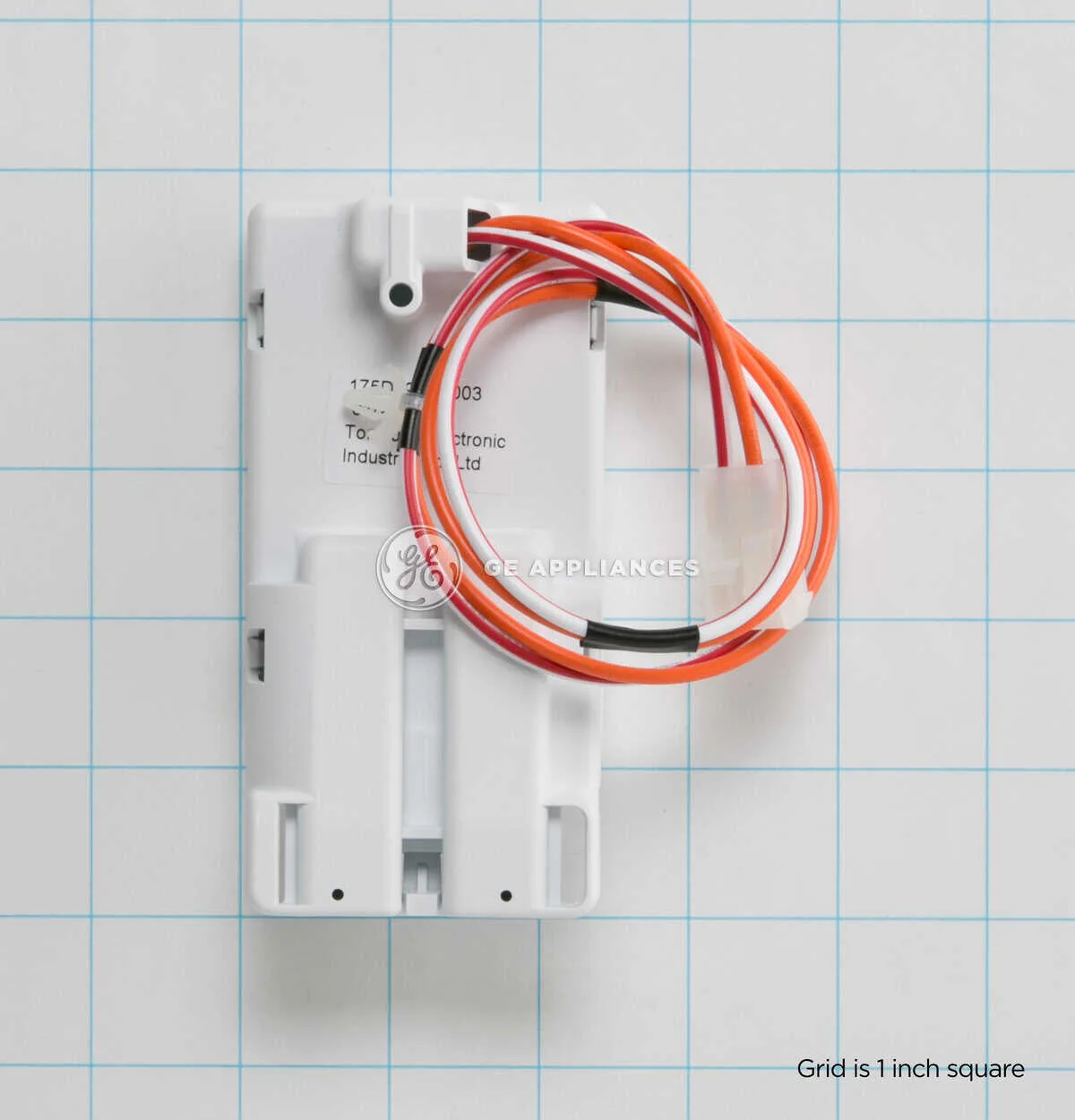
Image source: Bing (Web (fair-use with source credit))
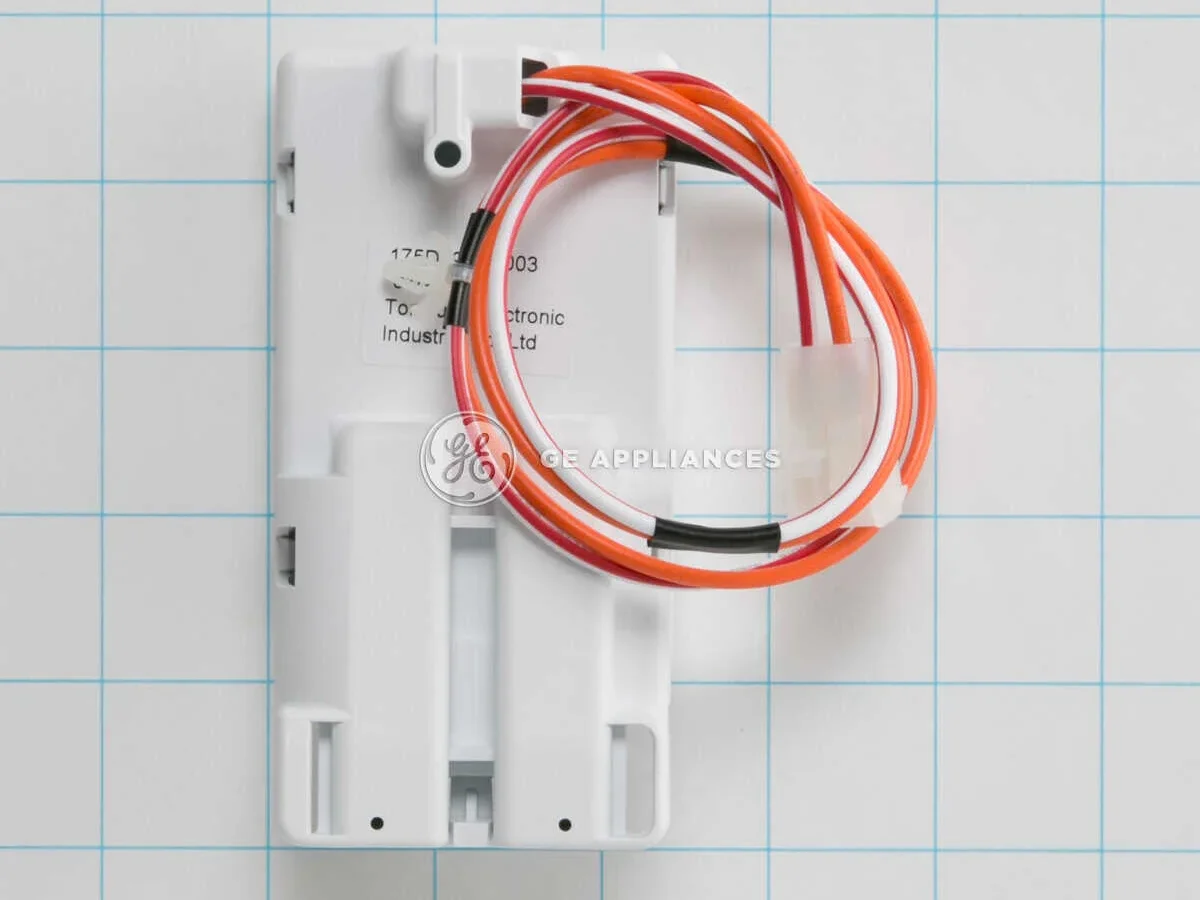
Why it fails. The lid switch on a GE top-load washer is a plastic mechanical switch with metal contacts inside. Every time you close the lid, a plastic lever pushes the switch closed. Over hundreds of cycles, the contacts wear out or the plastic lever cracks.
The machine stops sending power to the spin circuit. The washer thinks the lid is open even when it is firmly shut.
How to test it. You need a multimeter set to continuity mode or resistance mode. Unplug the washer. Locate the switch assembly under the top panel.
On most GE top-loaders, remove two or three screws at the back of the top panel. Slide the panel forward and lift it. The switch is mounted near the lid hinge.
- Disconnect the wire harness from the switch.
- Set your multimeter to continuity or ohms.
- With the switch in its resting position (lid open), the meter should read infinite resistance or no continuity.
- Press the switch actuator manually with your finger. The meter should read near zero ohms or beep for continuity.
- If it does not click or the meter shows no change, the switch is dead.
What if it tests fine? On some GE models, the switch works mechanically but the wiring harness connector corrodes. Look at the metal terminals inside the connector. If you see green or white crust, that is corrosion.
Clean it with contact cleaner or replace the harness.
Replacement cost and time. A genuine GE lid switch runs between $15 and $30 depending on the model. Aftermarket switches cost $8 to $15. The replacement takes about fifteen minutes.
The Drain Pump
Your washer will not spin if water is still sitting in the drum. The spin cycle needs to accelerate the drum to high RPM. That is impossible with a tub full of water.
The control board knows this. It checks for an empty tub before it engages the spin sequence.
How to check. Open the door or lid. Look at the bottom of the drum. Do you see standing water?
If the water level is above the bottom of the drum, the machine thinks it is still in the wash or rinse phase. It will not advance to spin.
Why the water is still there. The drain pump is supposed to push water out through the drain hose. Either the pump is clogged, the pump is dead, or the drain hose is blocked.
- Unplug the washer.
- Locate the drain pump filter or cleanout. On most GE front-loaders, it is behind a small access door at the bottom front. On top-loaders, you usually access the pump from underneath.
- Open the filter or remove the pump hose. Catch water in a shallow pan.
- Look for debris. Coins, socks, hair ties, and small clothing items are common. A single sock can jam the pump impeller.
- Clear any blockage. Spin the pump impeller manually. It should rotate freely.
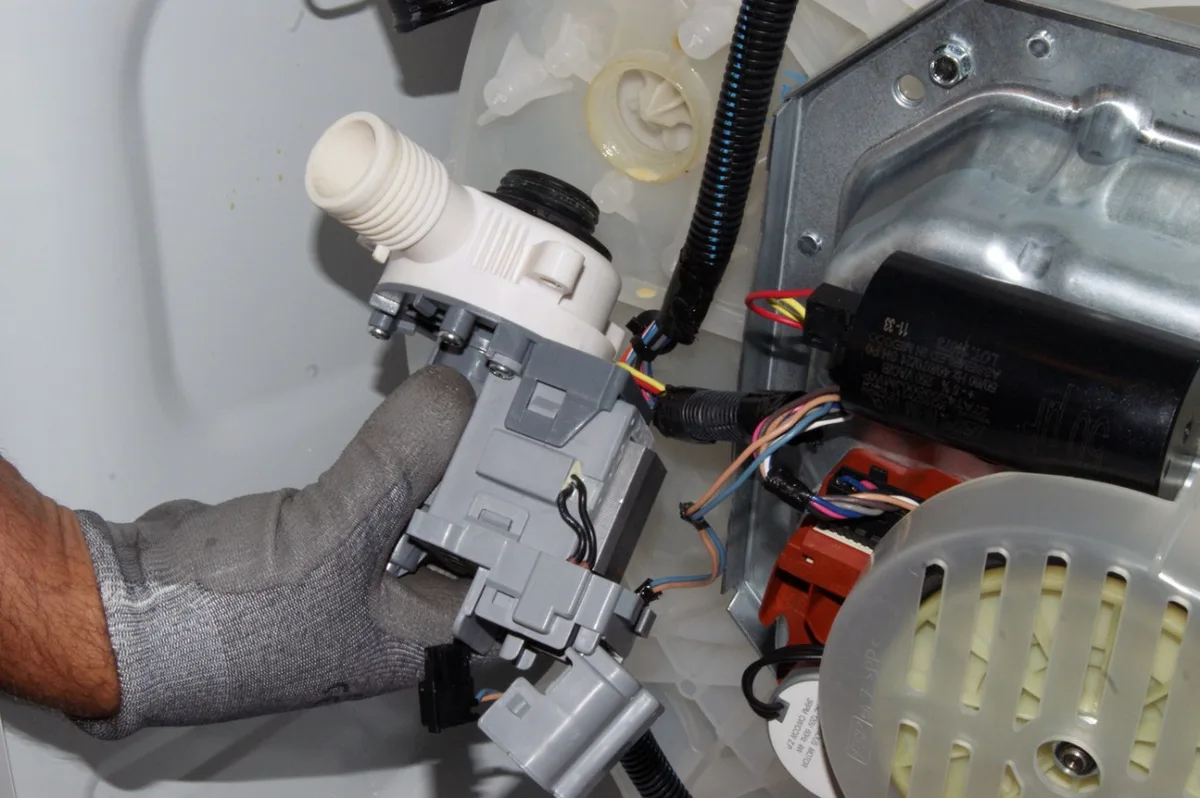
Image source: Bing (Web (fair-use with source credit))
What if the pump is clear but still not draining? The pump motor itself may have failed. Test it with a multimeter. Set the meter to AC voltage.
Plug the washer back in. Select a drain-only or drain/spin cycle. At the pump terminals, you should read approximately 120 volts AC while the pump should be running.
If you have voltage but the pump does not run, the pump motor is bad.
Quick workaround. Sometimes the drain hose is kinked or pinched behind the washer. Pull the machine out and inspect the full length of the hose. A simple kink is a zero-cost fix.
Replacement cost and time. A GE drain pump assembly costs $40 to $70. A new pump takes about thirty minutes to install.
When It's Not Simple: Troubleshooting Tougher Causes
If the lid switch and drain pump both check out, you are moving into the mechanical territory. These parts fail less often, but when they do, they stop the spin cycle completely.
Drive Belt (Front-Load Models)
Image source: Bing (Web (fair-use with source credit))
Front-load GE washers use a belt to connect the motor pulley to the drum pulley. The belt is rubber with a reinforced core. Over time, the rubber dries out and cracks.
The belt snaps. When the belt breaks, the motor runs freely but the drum does not turn.
How to check. Unplug the washer. Remove the back panel. Look at the belt.
If it is broken, you will see two ends hanging loose. If it is still intact, check the tension. A properly tensioned belt deflects about half an inch when you press down in the middle.
If the belt is loose enough to wobble, it may slip under the load of wet clothes.
Replacement cost and time. A GE drive belt costs $15 to $25. Replacement takes about twenty minutes. Route the new belt around the motor pulley and the drum pulley.
Then adjust the motor tension. Some GE models have a spring-loaded tensioner. Others require you to loosen the motor mounting bolts and pull the motor back to tighten the belt.
Watch out for. On some GE front-loaders, the belt can wear a groove into the drum pulley over time. If the pulley surface is smooth and shiny instead of textured, the belt will slip. Replace the pulley along with the belt.
Shift Actuator (Top-Load Models)
The shift actuator is a small plastic and metal part mounted on the bottom of the transmission on GE top-load washers. Its job is to shift the transmission between agitate mode and spin mode. When you select a wash cycle, the actuator moves the transmission into agitate.
When the wash is done, it shifts back to spin. If the actuator fails, the transmission stays locked in agitate mode. The motor runs.
The agitator moves back and forth. But the drum never turns.
How to check. You need to access the bottom of the washer. Unplug the machine. Tilt it back or remove the front panel depending on the model.
Locate the shift actuator. It is a small black or white box with a wire harness attached.
- Manually move the actuator lever or gear. It should move smoothly in both directions.
- If it is stuck, the actuator is seized.
- If it moves freely but the washer still will not spin, the internal position sensor inside the actuator has failed.
Replacement cost and time. GE shift actuators cost $35 to $60. The replacement takes forty-five minutes to an hour. It is a straightforward swap.
Unplug the connector. Remove the mounting screws. Install the new actuator.
Error code F28. If your GE washer displays error code F28, that is the shift actuator. The control board detected a mismatch between the expected position and the actual position. Replace the actuator.
Nine times out of ten, that clears the code and restores spin function.
Motor, Rotor, or Control Board
These are the expensive parts. They fail, but they are rare. If you have checked everything else and the washer still will not spin, the problem could be the drive motor, the rotor position sensor, or the main control board.
Motor failure. On direct-drive GE washers, the motor is a large assembly attached directly to the back of the tub. The motor can fail in two ways. The windings can burn out.
Or the bearings can seize. A seized motor hums loudly but does not turn. A motor with burned windings is silent.
Testing the motor requires a multimeter and a wiring diagram.
Rotor position sensor. Some GE models use a sensor that tells the control board the position of the rotor. If this sensor fails, the control board loses track of the motor position and will not apply power. Testing this sensor requires the wiring diagram for your specific model.
Control board failure. The main control board is the brain of the washer. It can fail from a power surge, a shorted component, or simply age. Before replacing the board, check for obvious signs of damage.
Burn marks, bulging capacitors, or a burnt smell are clear indicators. A new control board for a GE washer runs $120 to $250. Be absolutely sure the board is the problem before spending that money.
Diagnostic mode. Enter diagnostic mode on your GE washer. The specific sequence varies by model. The general pattern is: unplug the washer, hold the start button, plug it in, release the start button when the display lights up.
The machine will run through a series of tests. If the diagnostic mode shows no error codes for the motor or board, those parts are likely fine.
Suspension Rods or Tub Balance
On front-load GE washers, the drum is suspended by rods and springs. Over time, the rods wear out or the springs lose tension. When that happens, the drum drops lower in the cabinet.
The drum can rub against the outer tub during spin. Or the vibration sensor detects excessive movement and cancels the spin cycle.
How to check. Look at the gap between the drum and the front door seal. On a properly suspended washer, the drum is centered and sits evenly. If the drum is sagging on one side, the suspension rods on that side are worn.
Press down on the drum and release. It should bounce back to center. If it stays low or wobbles, replace the suspension rods.
Replacement cost and time. A suspension rod kit for a GE front-loader costs $25 to $50. Replace all four rods at the same time. The job takes about an hour.
The Decision Guide
By now you have checked the most common causes and probably the trickier ones too. Here is a simple decision guide that tells you exactly what to do next.
If the lid switch failed: Replace it. Fifteen minutes. Twenty dollars.
This is the single most common fix for a GE washer that will not spin.
If the drain pump is clogged or dead: Clear the blockage or replace the pump. Thirty minutes. Fifty dollars.
Check the drain hose for kinks first.
If the load was unbalanced: Redistribute the clothes. Add a few towels if the load is small. Run a spin-only cycle.
If the drive belt is broken or loose: Replace the belt. Twenty minutes. Twenty dollars.
Check the pulley for wear.
If the shift actuator failed: Replace it. Forty-five minutes. Fifty dollars.
Look for error code F28 on the display.
If the motor, rotor sensor, or control board failed: This is the expensive zone. Test the motor and sensor with a multimeter using your model's wiring diagram. Check the control board for burn marks.
If you are not confident diagnosing these, call a technician.
If the suspension rods are worn: Replace all four rods. One hour. Forty dollars.
If nothing above worked: You have an intermittent problem or a wiring issue. A loose wire connection inside the harness can cause the spin cycle to fail on some cycles and work on others. Check every connector between the control board and the motor.
Look for corroded pins or wires that have pulled out of their crimps.
Expert Tips & Pro Advice
After working through thousands of GE washer repairs, here are the things that the official manuals leave out.
Enter diagnostic mode correctly. The exact sequence changes by model year. The most common on GE washers made after 2012 is: unplug the washer, press and hold the start button, plug it back in while holding start, continue holding until the display lights up. Then release start.
The washer will run through a self-test.
Check the wire harness connector at the lid switch. Even if the switch tests good, the connector pins can corrode. Pull the connector off. Look at the metal terminals.
If they look green or white, clean them with a tiny wire brush.
The shift actuator has a reset procedure. On some GE models, you can reset the shift actuator by manually turning the actuator lever to the spin position while the washer is unplugged. Then plug it back in. This forces the control board to recalibrate the actuator position.
It works about one time in ten.
Don't trust the error code blindly. Error codes are a starting point. Code F21 means drain pump issue. But sometimes the problem is not the pump itself.
It is a sock stuck in the pump housing. Clear the sock. Reset the code.
The machine works fine.
Front-load GE washers have a filter that needs cleaning. The drain pump filter catches coins, lint, and small objects. If you never clean it, it eventually restricts water flow. Clean the filter every three months.
The motor rotor position sensor can fail intermittently when hot. If your washer works for one load but stops spinning on the second load, the rotor sensor may be overheating. Let the machine cool down for an hour. If it spins again after cooling, the sensor is failing.
Maintenance That Prevents Spin Problems Long-Term
A GE washer that is properly maintained will give you ten to fifteen years of reliable service. Most spin problems start small and grow over time.
Clean the drain pump filter every three months. This is the single most important maintenance step. Set a reminder on your phone. Open the filter.
Rinse it under hot water. Check for debris.
Level the washer correctly. An unlevel washer causes vibration during spin. The vibration sensor kills the spin cycle. Use a bubble level on top of the washer.
Adjust the feet until the bubble is centered. Tighten the lock nuts.
Don't overload the washer. GE washers have a specified capacity in pounds. Overloading strains the motor, belt, suspension, and bearings. A loosely packed load should fill the drum about three-quarters full.
Use the right detergent amount. Too much detergent creates excess suds. Excess suds can trick the machine into thinking the water is not draining properly. Use HE detergent only.
Use the minimum amount recommended on the bottle.
Run a monthly cleaning cycle. GE recommends running a cleaning cycle with a washer cleaner tablet or a cup of white vinegar once a month. This removes built-up detergent residue from the drum and drain system.
Check the drain hose position. The drain hose should have a high loop that goes up to about waist height and then down into the standpipe. If the hose hangs low, water can siphon back into the machine. Secure the hose with a zip tie at the correct height.
Listen for changes. A whining noise during drain. A thumping sound during spin. A grinding noise from the pump area.
Address them when you first hear them. Small repairs cost far less than waiting until the part fails completely.
Frequently Asked Questions
Why does my GE washer fill with water but not spin?
The most common cause is a failed lid switch or door lock. The machine will not spin if it does not detect the lid is closed. Check the switch with a multimeter.
Replace it if it shows no continuity when pressed. A blocked drain pump is the second most common cause.
Is it safe to bypass the lid switch to test the spin cycle?
Yes, but only for a thirty-second diagnostic test. Unplug the washer. Use a jumper wire to connect the two terminals on the switch harness.
Plug the machine in. Run a spin cycle. Remove the jumper immediately after the test.
Never run the washer with the lid switch bypassed permanently.
What does error code F28 mean on a GE washer?
Error code F28 indicates a shift actuator failure. The shift actuator moves the transmission between agitate and spin mode. When it fails, the machine stays in agitate and the drum never spins.
Replace the shift actuator. This is common on GE top-load washers made after 2010.
Can a clogged drain hose cause the spin cycle to stop?
Yes. If the drain hose is blocked or kinked, water cannot leave the drum. The control board senses that water is still present and will not start the spin cycle.
Check the full length of the drain hose for kinks. Remove any blockages. Make sure the hose has a high loop.
How much does it cost to repair a GE washer that won't spin?
A DIY repair for the most common causes costs between $10 and $70 for parts. A lid switch is about $20. A drain pump is $50.
A drive belt is $20. A shift actuator is $50. A service technician will charge $150 to $250 for the visit plus parts.
When should I call a professional instead of fixing it myself?
Call a professional if you have tested the lid switch, drain pump, and belt and the machine still will not spin. That points to the control board, motor, or wiring harness. Also call a pro if you see burn marks on any component or smell burning electronics.

Similar Posts