Gm 36 V6 Problems
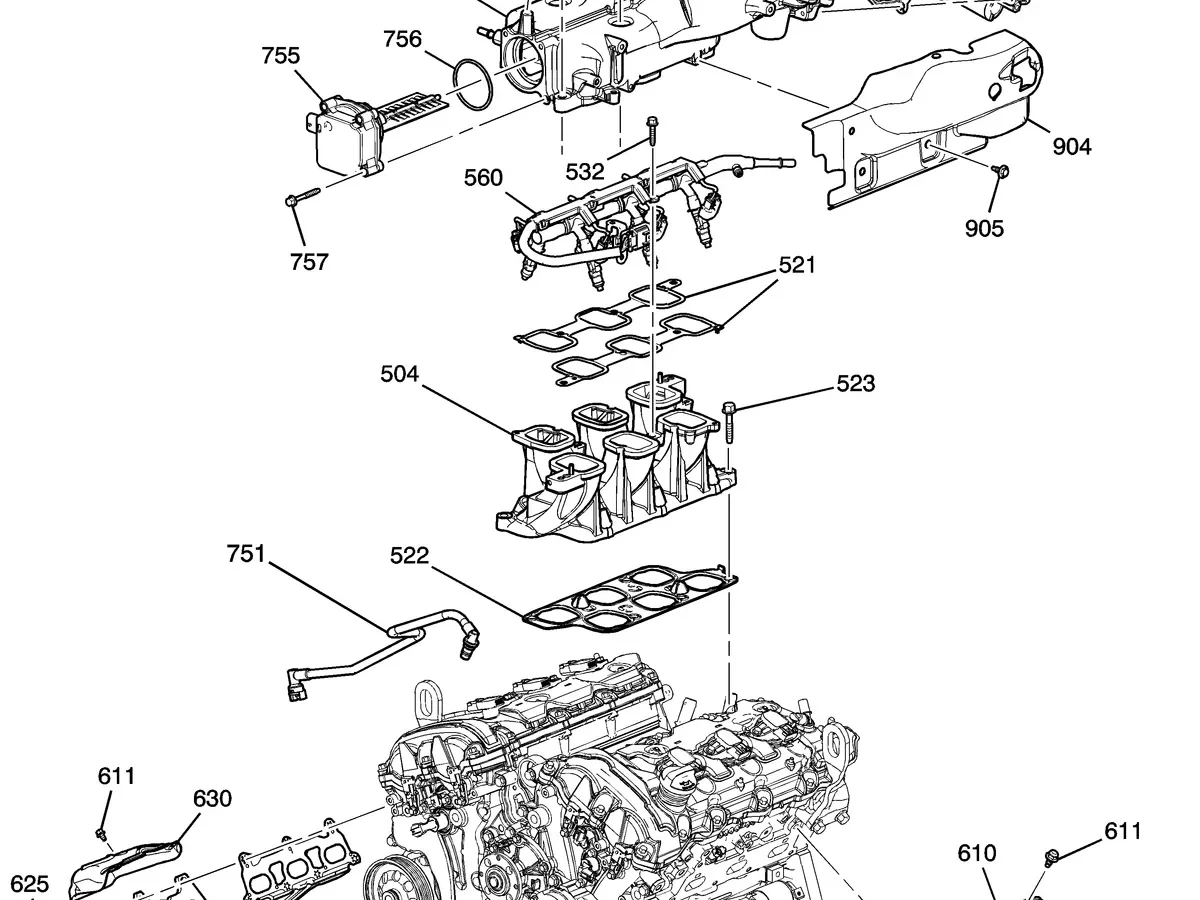
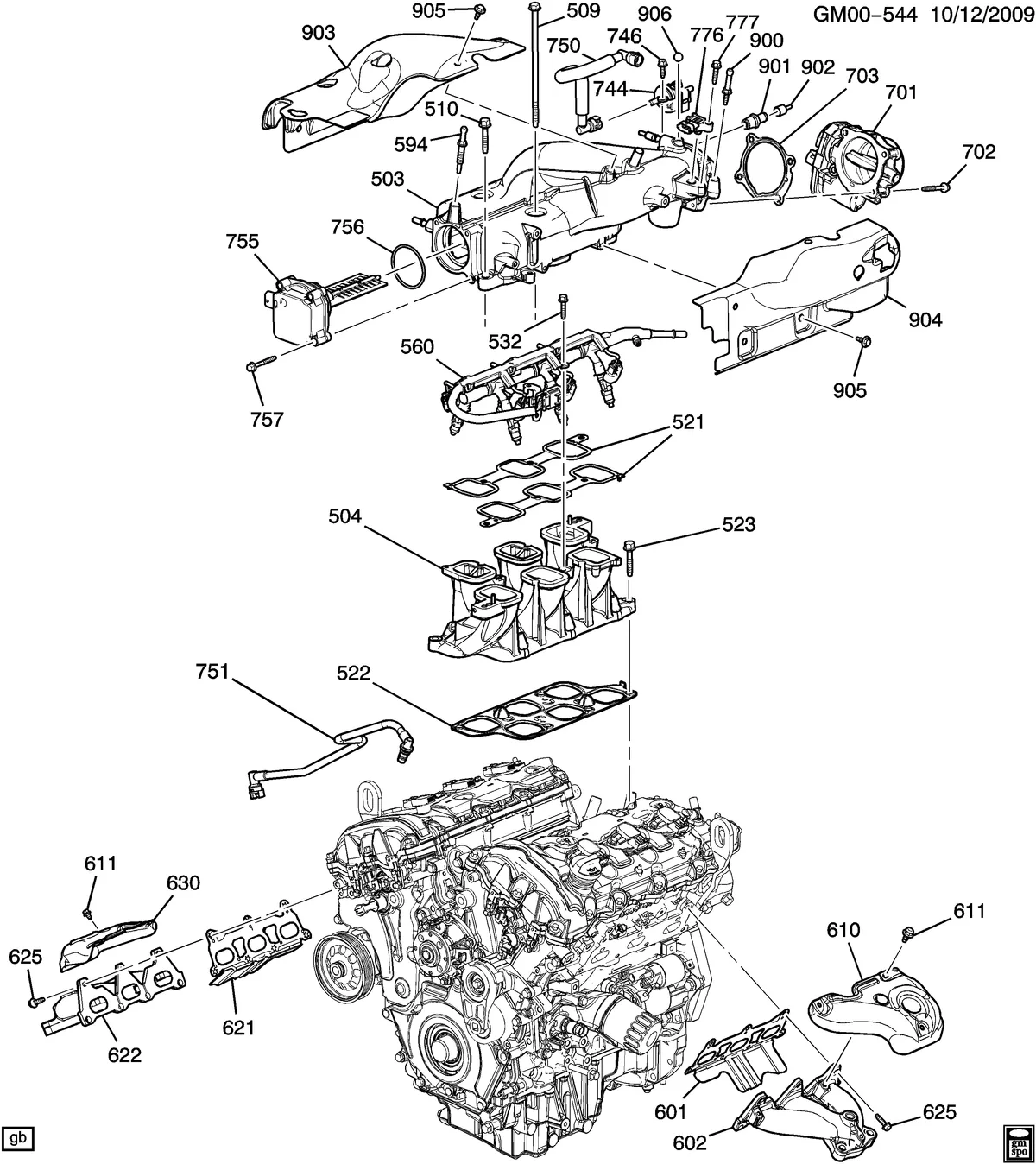
Image source: Bing (Web (fair-use with source credit))
You have seen this engine in millions of cars. The Chevrolet Traverse, the GMC Acadia, the Buick Enclave, the Cadillac CTS. It is everywhere.
And if you own one, or you are thinking about buying one, you need to know the truth. The GM 3.6 V6 problems are real, they are well documented, and they can hit your wallet hard.
This is the same engine that puts out 265 to 335 horsepower depending on the tune. General Motors has been building it since 2004, and it has gone through three generations. But the core issues never fully went away.
As of 2026, the data is clear. Some failures are minor. Others will turn your engine into a paperweight.
Here is what you need to know.
Quick Answer
The timing chain is the biggest problem. It stretches, the guides wear out, and the tensioners lose pressure. This usually happens between 80,000 and 120,000 miles.
Listen for a rattling noise from the front of the engine during cold starts. Check for diagnostic codes P0016 through P0019. The high-pressure fuel pump also fails often.
That causes long cranks and hard starts. Oil consumption and carbon buildup on the intake valves are common too. Catch these early and you can save thousands.
The Core Problem: Understanding the 3.6 V6's Weak Spots
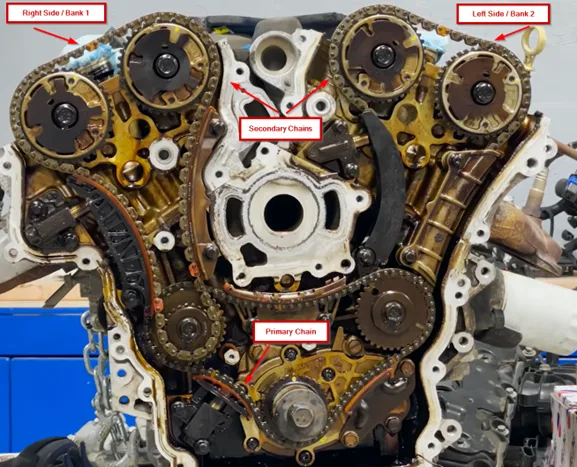
Image source: Bing (Web (fair-use with source credit))
Let me be clear. This is not a bad engine. When it runs right, it is smooth and powerful.
But it has design flaws that show up like clockwork. You need to know what they are.
Timing Chain Failure
This is the expensive one. The timing chain stretches over time. The chain guides are plastic, and they wear down.
The hydraulic tensioners lose their grip. When that happens, the chain gets slack and slaps against the timing cover.
You will hear it. It sounds like a rattle or a diesel clatter from the front of the engine, especially when the engine is cold. If you ignore it, the chain can skip a tooth.
That throws off the camshaft and crankshaft timing. In the worst case, the pistons hit the valves. That means a full engine rebuild or replacement.
The diagnostic codes for timing issues are P0016, P0017, P0018, and P0019. If you see any of those, do not clear the code and hope it goes away. It will not.
High-Pressure Fuel Pump Failure
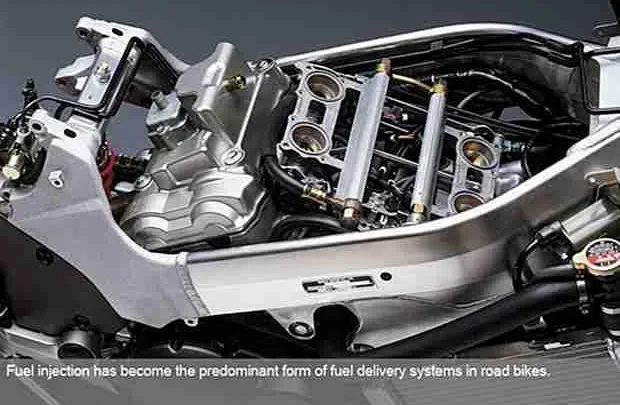
The 3.6 V6 uses direct injection. Fuel sprays directly into the combustion chamber at high pressure. The high-pressure fuel pump sits on top of the engine and runs off a lobe on the camshaft.
These pumps fail.
When the pump starts going bad, you get long cranks before the engine starts. The engine might stumble during acceleration. You might smell raw fuel in the engine oil.
That last one is dangerous. Fuel thins the oil, and poor lubrication speeds up timing chain wear.
General Motors has issued technical service bulletins for HPFP diagnosis. The pump part alone costs between 400 and 800 dollars. Labor adds more.
Oil Consumption and Carbon Buildup
Direct injection engines do not spray fuel over the intake valves. Older engines with port injection got a cleaning every time the engine ran. The 3.6 V6 does not.
So oil vapor and combustion byproducts bake onto the valves. That is carbon buildup.
Symptoms include rough idle, hesitation, loss of power, and misfire codes like P0300. You might also notice the oil level dropping. Some owners burn a quart every 1,000 to 2,000 miles.
General Motors considers that normal on some years. In my experience, it is excessive and leads to bigger problems.
Cleaning the carbon requires walnut blasting. That is crushed walnut shells blasted under pressure to scrub the valves clean. Expect to pay between 400 and 800 dollars.
Coolant Crossover Pipe and Water Pump Leaks
The plastic coolant crossover pipe and the thermostat housing crack over time. They sit right at the front of the engine. When they fail, coolant leaks out fast.
If you miss the puddle under the car or ignore the temperature gauge, you risk overheating. Overheating an aluminum engine like this often warps the cylinder heads.
The water pump also fails. Some versions run off the timing chain. Others use the accessory belt.
Either way, look for coolant dripping from the weep hole on the pump. If you see it, replace the pump now.
VVT Solenoid and Lifter Collapse
The variable valve timing solenoids get clogged with sludge. That causes rough idle, poor acceleration, and a check engine light. The solenoids are easy to replace and cost around 50 to 100 dollars each.
The newer 3.6 engines, especially from 2016 onward, use Active Fuel Management or Dynamic Fuel Management. These systems shut off cylinders to save fuel. The lifters that handle this are known to collapse.
A collapsed lifter makes a ticking noise. It causes a misfire. And it sends metal debris through the oil, which destroys bearings and can kill the engine.
Risk Factors: Which Mileage and Model Years Are Most Vulnerable
Not every 3.6 V6 is the same. The three generations have different weak points.
Gen I: The LLT (2004 to 2007)
This was the first version. It went into the Cadillac CTS, the GMC Acadia, and other early models. The LLT has timing chain issues and is the least powerful of the three.
Most of these engines are high mileage now. If you find one with over 150,000 miles and no evidence of a timing chain job, walk away.
Gen II: The LFX (2008 to 2016)
This is the most common version. It ended up in almost every GM car and SUV during those years. The LFX fixed some early problems, but the timing chain issue never went away.
This generation also has the most reports of high-pressure fuel pump failure. If you are looking at a used 2010 to 2014 Traverse, Acadia, or Enclave, the timing chain repair history is the most important question you can ask.
Gen III: The LGX and LGY (2016 to Present)
The latest version has more power and better fuel economy. It also added cylinder deactivation on many models. The timing chain parts are improved, but lifter failure is now a bigger concern.
These engines are still young. Most are under 100,000 miles. But the reports of lifter collapse are consistent.
If you own one, an extended warranty is worth considering.
| Generation | Years | Common Failure Points | Typical Failure Mileage |
|---|---|---|---|
| LLT Gen I | 2004-2007 | Timing chain, coolant crossover pipe | 90,000 to 120,000 miles |
| LFX Gen II | 2008-2016 | Timing chain, HPFP, carbon buildup | 80,000 to 110,000 miles |
| LGX Gen III | 2016-present | Lifters (AFM/DFM), carbon buildup | 60,000 to 90,000 miles |
Mileage Thresholds
Timing chain issues rarely appear before 70,000 miles. Most owners hear the rattle between 80,000 and 120,000 miles. If you buy a 3.6 V6 with 50,000 miles, you have time before the big problems show up.
If you buy one with 90,000 miles and no timing chain replacement, you are taking a risk.
Oil consumption starts earlier. Some owners notice it at 40,000 miles. That is usually carbon buildup, not internal engine wear.
How to Diagnose and Act on the Most Urgent Problems
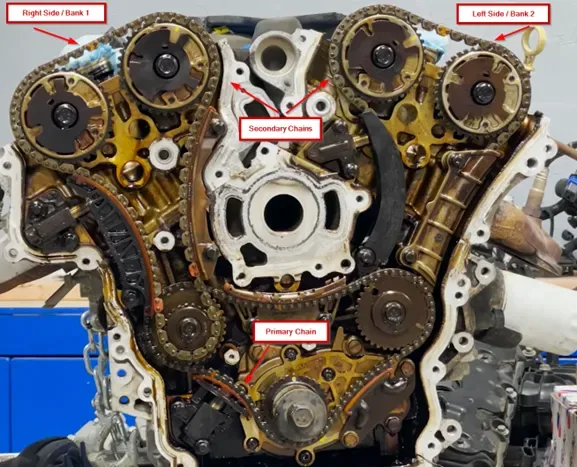
Image source: Bing (Web (fair-use with source credit))
You do not need to be a mechanic to catch these issues early. You just need to know what to listen for and what to look at.
Listen for the Cold Start Rattle
Start the engine after it has sat overnight. Open the hood. Listen to the front of the engine.
If you hear a short rattle that lasts two to three seconds and then quiets down, that is the timing chain tensioners taking up slack. A short rattle is not ideal, but it is not critical yet. If the rattle lasts more than five seconds or stays present when the engine is warm, you have a problem.
Get it checked immediately.
Check the Oil Level and Smell
Pull the dipstick. If the oil level is low, the engine is consuming oil. If the oil smells like gasoline, the high-pressure fuel pump is leaking fuel into the crankcase.
Both of these are serious. Low oil speeds up timing chain wear. Fuel in the oil thins the lubricant and damages bearings.
Scan for Codes Even If the Light Is Off
The check engine light does not always come on with timing chain issues. Sometimes the engine runs rough without triggering the light. Use an OBD2 scanner that reads manufacturer-specific codes.
Look for P0016, P0017, P0018, or P0019. If you see any of those, stop driving the car until you confirm the timing chain condition.
Check for Coolant Leaks
Look at the front of the engine near the thermostat housing and the coolant crossover pipe. If you see pink or orange residue, you have a slow leak. Check the coolant reservoir level.
If it is low, top it off and monitor it. A sudden drop means the plastic pipe is cracking.
Check the Drive Belt
With the engine off, try to move the accessory drive belt side to side. Excessive play means a failing tensioner. That tensioner is connected to the same chain system in some configurations.
Slack here can point to bigger problems inside.
If You Find a Problem
Do not assume a cheap fix will work. Replacing a VVT solenoid or cleaning the carbon might buy you time. But if the timing chain is the root cause, nothing short of replacing the chain, guides, tensioners, and sprockets will fix it permanently.
That job requires special tools to lock the camshafts and crankshaft. The bolts are torque-to-yield, meaning you cannot reuse them. This is not a driveway repair for most people.
Common Mistakes That Cost Thousands
I have seen the same mistakes over and over. They are easy to avoid.
Ignoring the Rattle
The number one mistake is ignoring the timing chain rattle because the car still drives fine. You might get 5,000 more miles out of it. You might get 500.
There is no way to know. Once the chain stretches enough to skip a tooth, the engine goes from running fine to destroyed in seconds. Do not wait.
Using the Wrong Oil
The 3.6 V6 requires dexos1 certified full synthetic oil. If you use conventional oil or a non-certified blend, you get sludge buildup. That sludge clogs the VVT solenoids and the timing chain tensioners.
GM recommends up to 7,500 miles between oil changes. I recommend 5,000 miles maximum for this engine.
Skipping the Coolant Crossover Pipe Replacement
When you have the timing chain replaced, the mechanic has to remove the coolant crossover pipe to access the front of the engine. That pipe is plastic. It is already old and brittle.
Reusing it is a mistake. Replace it with an aluminum aftermarket version if possible. The plastic version will crack eventually.
You do not want a coolant leak a week after paying 2,000 dollars for a timing chain job.
Treating a Lifter Tick Like a Minor Nuisance
A ticking sound from the top of the engine is often lifter collapse, especially on 2016 and newer models. Do not assume it is just noisy injectors. If a lifter has collapsed, it is no longer supporting the rocker arm.
That rocker arm can come off and damage the camshaft lobe. Repairing that requires removing the cylinder head.
Buying a Used 3.6 V6 Without Service Records
A used 3.6 V6 with no oil change history is a gamble. You do not know if the previous owner used the correct oil or changed it on time. Buying one of these engines without a thorough pre-purchase inspection by a mechanic who knows GM engines is a bet you will probably lose.
Assuming the Extended Warranty Covers Timing Chains
Some extended warranty companies classify timing chain failure as a wear item, not a mechanical breakdown. That means they deny the claim. Read your warranty contract carefully.
If the wording says timing belt or timing chain is excluded, you are paying out of pocket.
Repair Costs and What to Realistically Expect
Let me give you real numbers. These are what independent shops charge in most areas. Dealers will be higher.
| Repair | Parts Cost | Labor Cost | Total Estimate |
|---|---|---|---|
| Timing chain kit (chain, guides, tensioners, sprockets) | $300 to $600 | $1,200 to $1,900 | $1,500 to $2,500 |
| High-pressure fuel pump | $400 to $800 | $200 to $400 | $600 to $1,200 |
| Walnut blasting (carbon cleaning) | $50 to $100 (materials) | $350 to $700 | $400 to $800 |
| Water pump replacement | $100 to $250 | $400 to $600 | $500 to $850 |
| Coolant crossover pipe (plastic to aluminum upgrade) | $80 to $200 | $300 to $500 | $380 to $700 |
| VVT solenoid replacement | $50 to $100 each | $100 to $200 | $150 to $300 |
| AFM/DFM lifter replacement (one bank) | $400 to $600 | $1,000 to $1,500 | $1,400 to $2,100 |
| Full engine replacement (used) | $2,500 to $4,500 | $1,500 to $2,500 | $4,000 to $7,000 |
The timing chain job is the one that hurts most. It is also the most common. If you catch it early, you pay for the chain job and move on.
If you catch it late, you pay for a whole engine.
Maintenance That Actually Prevents the Big Failures
You cannot prevent every problem with the 3.6 V6. Some parts are just going to fail. But you can push the failures out to higher mileage and catch them before they cause catastrophic damage.
Change the Oil Every 5,000 Miles
This is the single most important thing you can do. Use dexos1 full synthetic oil. Do not stretch the interval to 7,500 miles even if the oil life monitor says it is okay.
The timing chain tensioners rely on oil pressure. Clean oil at the right level keeps them working. Sludge from old oil kills them.
Use the Correct Oil Viscosity
Most 3.6 V6 engines use 5W-30. Some later models use 0W-20. Check your owner manual and the oil cap.
Do not guess. Using the wrong viscosity changes oil pressure and affects the timing chain tensioners.
Replace the Coolant on Schedule
GM recommends replacing coolant every five years or 150,000 miles. That is too long in my opinion. Coolant becomes acidic over time.
Acidic coolant eats the plastic crossover pipe and the thermostat housing from the inside. Replace it every three years or 60,000 miles.
Listen for Changes
Pay attention to how the engine sounds. If it starts making noise it did not make before, find out why. A timing chain rattle does not fix itself.
It only gets worse.
Address Check Engine Lights Immediately
Do not put off a check engine light on this engine. A misfire code might point to carbon buildup. A cam-crank correlation code points to timing chain stretch.
Either one gets more expensive the longer you wait.
Consider a Catch Can
An oil catch can installed on the PCV line catches oil vapor before it reaches the intake valves. It does not stop all carbon buildup. But it reduces it.
For a few hundred dollars, it is worth it if you plan to keep the car past 100,000 miles.
When to Repair vs. Replace vs. Walk Away
This is the hard question. Here is a simple framework.
If You Own the Car
If the engine has under 100,000 miles and needs a timing chain, it is worth fixing. The rest of the car is still young. You get another 100,000 miles out of it if you maintain it.
If the engine has over 150,000 miles and needs a timing chain, it is a judgment call. Look at the rest of the car. Is the transmission good?
Is the body rust-free? Are you okay with the car being worth less than the repair? If the car is clean, it might still be worth fixing.
If the engine has over 200,000 miles and needs major work, it is time to let it go. The rest of the car is worn out too.
If You Are Buying Used
If the car has under 60,000 miles and a clean service history, you are in good shape. Budget for a timing chain job around 100,000 miles and you will be fine.
If the car has 80,000 to 100,000 miles and no timing chain replacement, factor the cost into your offer. A 2,000 dollar repair on a car you just bought hurts. Negotiate that into the price.
If the car has over 120,000 miles and no timing chain replacement, do not buy it unless you get a huge discount. You are buying a ticking time bomb.
When to Walk Away
Walk away if the engine has an active timing chain rattle and the seller will not negotiate. Walk away if there are no service records. Walk away if the check engine light is on and the seller says it is just a sensor.
It is never just a sensor on a 3.6 V6.
Frequently Asked Questions
How long does a GM 3.6 V6 engine last?
With proper maintenance, these engines can last 200,000 miles or more. The key is catching the timing chain issue early. Many engines fail at 100,000 miles because owners ignored the rattle.
Regular oil changes and early repairs make the difference.
Can you drive with a timing chain rattle?
You can, but you should not. The rattle means the chain is loose. Every mile you drive makes it worse.
Once the chain skips, the engine is damaged. If you hear the rattle, get it diagnosed immediately.
Does the GM 3.6 V6 have a timing belt or chain?
It has a timing chain. It is located at the front of the engine behind the timing cover. There is no maintenance interval for replacement.
It should last the life of the engine. But in practice, it often needs replacement between 80,000 and 120,000 miles.
Which model years of the GM 3.6 V6 should I avoid?
The 2008 to 2012 model years have the most timing chain complaints. The 2010 to 2014 model years have the most high-pressure fuel pump failures. The 2016 to 2018 model years have the most lifter issues with the cylinder deactivation system.
No year is perfect, but these stand out.
Is the GM 3.6 V6 reliable?
It is reliable when maintained properly and when known issues are addressed proactively. It is not reliable if you ignore symptoms and skip oil changes. The engine itself is well-built.
The weak parts are the timing chain system, the fuel pump, and the plastic cooling components.
What oil should I use in a GM 3.6 V6?
Use dexos1 certified full synthetic oil in the viscosity recommended for your model year. Most use 5W-30. Some later models use 0W-20.
Check the oil cap. Change it every 5,000 miles for best results.
My Honest Take: Should You Buy or Keep a 3.6 V6?
Here is the truth. The GM 3.6 V6 is a good engine with bad parts. The basic design is solid.
It makes good power. It runs smooth. But GM cut corners on the timing chain system, the fuel pump, and the cooling system.
That is where the problems come from.
If you already own one, keep it. Stay on top of maintenance. Listen for the rattle.
If it shows up, fix it right away. You can get 200,000 miles out of this engine if you are careful.
If you are thinking about buying one, do not let the horror stories scare you off. But go in with your eyes open. Get a pre-purchase inspection from a mechanic who knows these engines.
Check the service records. Budget for a timing chain replacement around 100,000 miles. If the price is right and the history is clean, it is a fine car.
If you want zero engine headaches, buy something with a Toyota or Honda V6 instead. Those engines have their own issues, but the timing chain problem is less common. The trade-off is less power and sometimes less interior space.
For everyone else, take care of the 3.6 V6 and it will take care of you. Ignore it and it will empty your wallet. The choice is yours.

Similar Posts