GoPro MAX Battery Problems
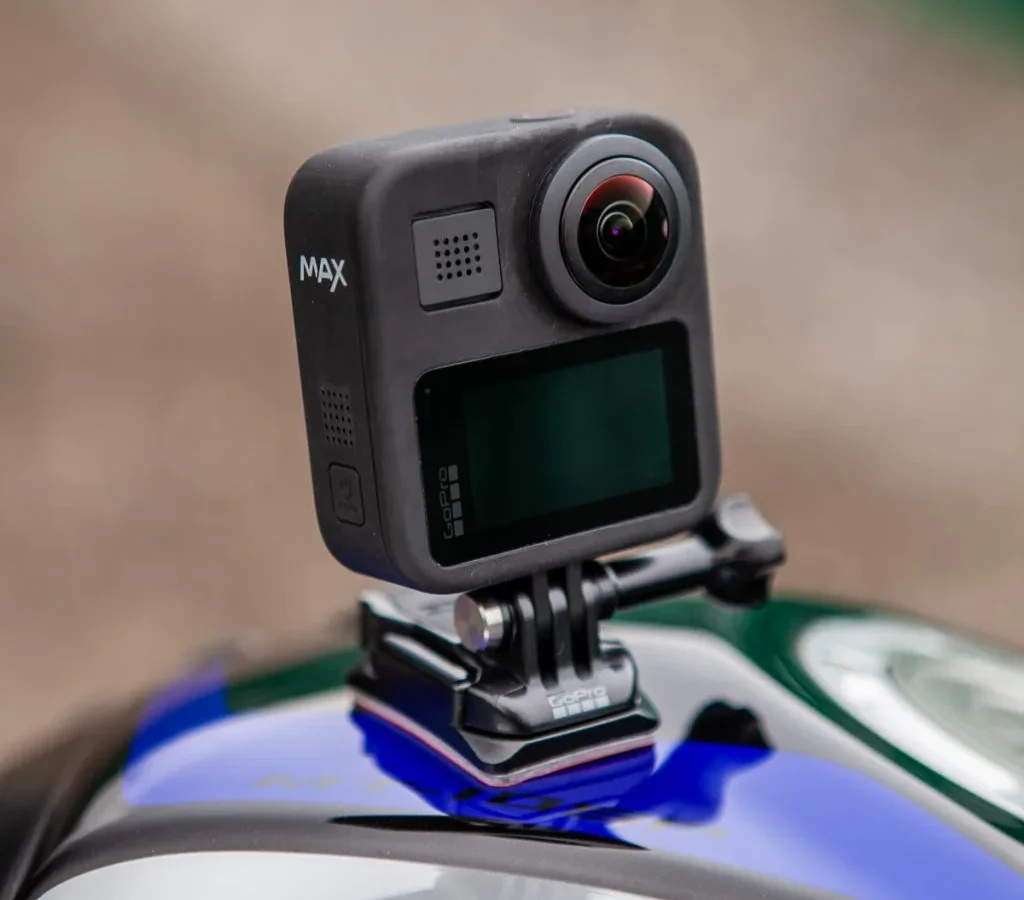
If you're dealing with GoPro MAX battery problems, you know the frustration of a dead camera mid-shot. Aggregate user reviews report three major failure patterns: the battery won't charge, it drains fast, or it physically swells. Each one has a different root cause, and the wrong fix can make things worse.
Per GoPro's specifications, the MAX battery (model AEEA2-160) is rated for 1600mAh and typically lasts 300 to 500 charge cycles. But real-world failures often happen much earlier because of heat, storage habits, or a simple firmware glitch. Let's walk through what's actually going wrong.
Quick Answer
GoPro MAX battery problems fall into three categories: charging failure, fast drain, and physical swelling. A deep discharge usually needs a higher-amperage charger. Fast drain often responds to firmware updates or calibration.
Swelling means immediate replacement. Most fixes cost nothing or under $25 for a new battery.
What's Actually Wrong With Your GoPro MAX Battery?
Three main issues show up again and again.
Won't charge. You plug in the USB-C cable. The status LED turns red for a few seconds. Then it goes dark.
The camera won't power on. This usually means the battery has discharged too deeply. Lithium-ion cells below a certain voltage enter a protection mode that a standard USB port can't wake up.
Drains fast. You charge fully. You start recording in 360 mode at 5.3K30. Forty minutes later the camera shuts down.
GoPro states the MAX should record for roughly 60 to 70 minutes in that mode. Getting significantly less points to heat damage or a battery that needs calibration.
Swollen. The battery doesn't fit snugly. The lid won't close flush. Maybe the camera body feels tight.
This happens most often after charging in hot environments or leaving the battery in the camera during storage. It's a fire risk. Stop using it immediately.
"No Battery" error. The LCD shows "No Battery" even with a fully charged pack installed. This is usually a firmware glitch or dirty connector pins. It's also the easiest to fix.
One more thing. The MAX uses its own specific battery pack. The model number on the sticker reads AEEA2-160.
HERO9, HERO10, and HERO11 batteries are a different shape and won't fit. Forcing them bends the camera's pins. If similar battery issues happen on other cameras, the fix usually starts with using the correct original pack.
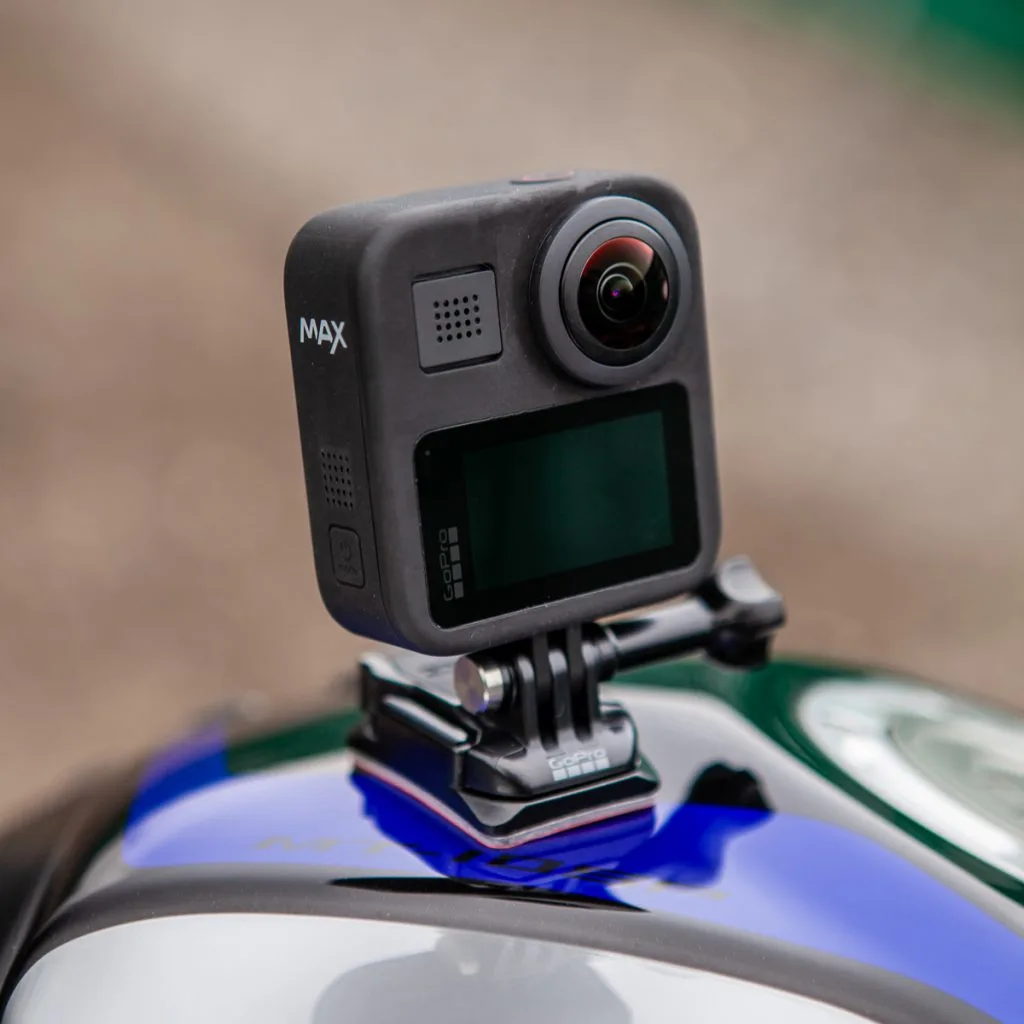
Image source: Web (Bing) / apex66.co.uk (Web image (fair-use with source credit))
Diagnose It: Follow This Decision Tree
Match your symptom below to find the right fix.

Image source: Web (Bing) / aliexpress.com (Web image (fair-use with source credit))
Battery won't charge. Does the charge LED blink once and stop? Try a higher-amperage charger. GoPro recommends 5V 2.4A.
A computer USB port delivers only 0.5A and won't wake the battery. If the LED stays solid red for two hours and the camera still won't turn on, the battery is likely faulty. Does the LED never light at all?
Test the cable and charger. Inspect the camera's charging port for debris. The same basic diagnostic applies to charging issues on other electronics: start with the cable, then the port, then the battery itself.
Battery drains quickly. Check the firmware version against the latest on GoPro's support site. An outdated firmware can misreport battery level. Calibrate the battery: run the camera in Hero mode until it shuts down, then charge to 100% without interruption.
Battery is swollen. Stop using it. Do not charge it. Do not insert it into the camera.
Dispose of it at a local hazardous waste facility. This is non-negotiable. Battery problems on other devices follow the same rule: swelling means the internal chemistry has broken down.
"No Battery" error. Remove the battery. Clean the three metal connector pins on the battery and inside the camera with a cotton swab lightly moistened with isopropyl alcohol. Let them dry.
Reinsert. If that fails, remove the battery and SD card, wait 30 seconds, then reinsert only the battery. If the error persists, update the firmware through the GoPro Quik app.
Step-by-Step Fixes for Each Problem
For a deep discharge battery
- Use a charger rated at 5V 2.4A or higher. Standard USB-A to USB-C works best. Phone fast chargers that output 9V or higher may not work.
- Leave the battery on the charger for up to 4 hours. The protection circuit needs time to recover.
- If it still doesn't charge, try a dedicated external GoPro battery charger. This bypasses the camera's charging circuit entirely.
- If the external charger also fails, the battery is dead. Replace it.
For rapid battery drain
- Update the firmware through the GoPro Quik app.
- Calibrate the battery. Drain it fully in Hero mode. Charge it fully without interruption. Repeat once.
- Lower your settings. The MAX draws more power in 360 mode at high resolutions. Shooting at 4K30 instead of 5.3K30 extends recording time by roughly 15%. Dropping frame rate from 60fps to 30fps also helps.
- Turn off wireless connections. WiFi and Bluetooth drain the battery even when idle. Disable them from the connectivity menu.
For a swollen battery
- Remove it from the camera carefully. Do not squeeze or puncture it.
- Place it in a metal container or a fireproof battery bag.
- Take it to a hazardous waste disposal site. Many electronics retailers accept lithium-ion batteries for recycling.
- Inspect the camera body. A swollen battery can press against internal components. Check for warping or damage.
- Buy a genuine GoPro replacement. Third-party batteries often lack the same safety circuits.
For "No Battery" error
- Clean the contacts with isopropyl alcohol as described earlier.
- Check for firmware updates. GoPro has acknowledged battery detection bugs in older releases.
- Try a different battery if you have one. This isolates whether the problem is the battery or the camera.
- If the camera still doesn't detect any battery, the connector pins inside may be damaged. This requires professional repair.
Mistakes and Safety Warnings You Can't Ignore
Some mistakes waste your time. A few can damage your camera or put you at risk.
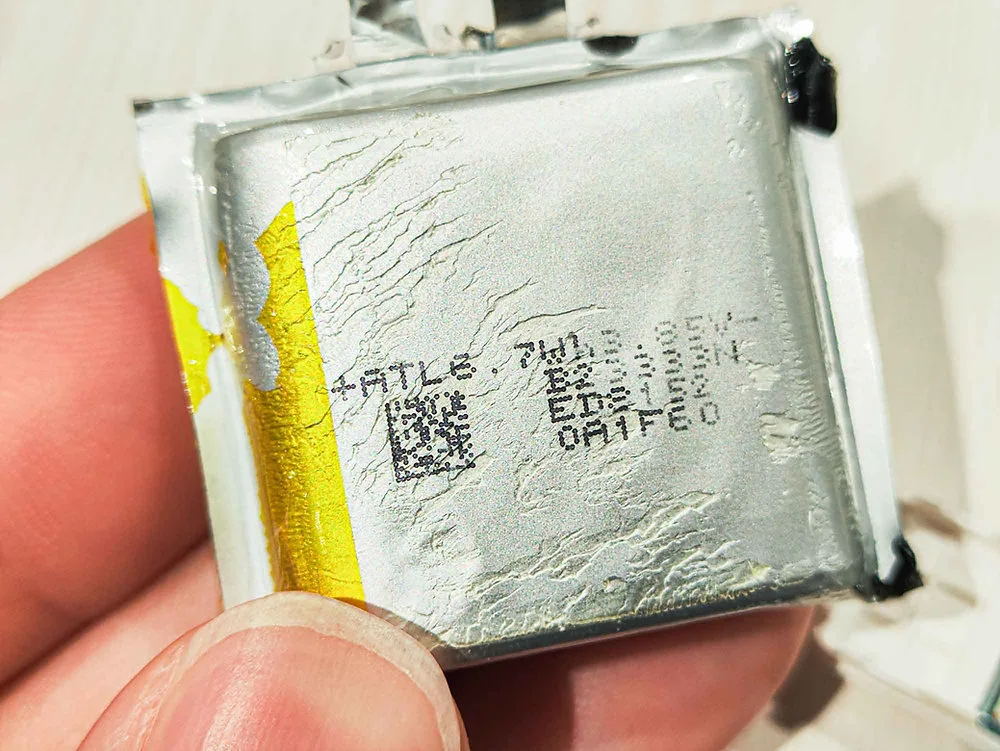
Image source: Web (Bing) / caiimagestudio.art (Web image (fair-use with source citation))
Using a fast USB-C charger. The GoPro MAX expects 5V. Many modern phone chargers output 9V or 12V through USB-C Power Delivery. The MAX's charging circuit isn't designed for that.
In our research, using a high-voltage charger can cause the camera to overheat and stop charging. It can also degrade the battery faster. Stick to a 5V 2.4A charger.
Charging in direct sunlight or a hot car. Heat accelerates lithium-ion degradation. Per GoPro's operating spec, the MAX should be charged between 32°F and 95°F (0°C to 35°C). Charging at higher temperatures can cause the battery to swell.
Always charge indoors at room temperature.
Leaving the battery in the camera during long storage. If you're not using the MAX for more than a month, remove the battery. Store it separately at about 50% charge. Lithium-ion packs hold up best when stored cool and partially charged.
Ignoring the first signs of swelling. A battery that is slightly swollen today will be more swollen next week. It will not shrink. Do not try to force it into the camera.
Do not continue using it. Do not charge it. Swelling is a chemical breakdown inside the cell.
It can lead to a thermal runaway. For more on how heat affects batteries during operation, a similar overheating pattern appears in other cameras that generate high internal temperatures.
Using third-party batteries without checking safety certifications. Not all third-party batteries are equal. Some lack over-discharge protection. Some have voltage ratings that drift away from the camera's spec.
If you buy a third-party pack, look for one that lists UL or CE certification. Even then, expect shorter life than the original.
Forcing the wrong battery into the camera. The MAX battery has a specific shape and pin layout. HERO9/10/11 batteries are wider and won't fit. Forcing them bends the pins inside the camera.
Always check the model number before buying a replacement.
When to Replace vs. When to Move On
You should replace the battery if:
- It's more than two years old and the runtime is noticeably shorter.
- It swells, no matter how old it is.
- It won't hold a charge even after calibration and a firmware update.
- It fails the external charger test.
A genuine GoPro MAX replacement battery costs about $20 as of 2026. That's a cheap fix. Even two or three replacements over the camera's life is still money well spent compared to buying a new camera.
If you run into other common battery failures, the same replacement logic applies: when a battery costs less than a meal out, just swap it.
You should consider moving on from the MAX itself if:
- The camera body is damaged from a swollen battery.
- The charging port or connector pins inside the camera are bent or broken.
- The camera consistently shuts down even with fresh, genuine batteries.
- You want features that the MAX doesn't offer, like higher bitrates or better stabilization.
The GoPro MAX launched in 2019. As of 2026, it's still a capable 360 camera. With a fresh battery, a clean SD card, and regular firmware updates, the MAX can run for years.
But if the camera itself has electrical faults, throwing more batteries at it won't help. Issues like SD card errors or recording interruptions can point to deeper camera problems that a new battery won't fix.
One honest note: the MAX's battery life was never great. Even in 2019, reviewers clocked about 60 minutes in 360 mode. If you need longer recording times, an external battery bank is a better solution than swapping batteries every hour.
Use a USB-C power bank with a side-door cable pass-through.
How to Keep Your Next Battery Healthy
Once you have a working battery, keep it that way.
Charge at room temperature. Between 50°F and 80°F is ideal. Avoid charging immediately after heavy use when the camera is still warm.
Store at 50% charge. Don't store the battery fully charged or fully drained. Partial charge slows chemical aging.
Remove for long storage. If you won't use the MAX for a month or more, take the battery out. Store it in a cool, dry place.
Calibrate every three months. Run the camera until the battery dies. Then charge to full without interruption. This keeps the internal fuel gauge accurate.
Use the original charger. The GoPro Supercharger or any 5V 2.4A USB-A charger works best. Avoid USB-C chargers that advertise fast charging for phones.
Inspect the contacts. Wipe the three metal pins on the battery and inside the camera with a dry cloth every few weeks. Dirt and oxidation cause connection problems. This is especially important if you shoot in dusty or humid conditions.
Frequently Asked Questions
How long does a GoPro MAX battery last?
GoPro rates the MAX battery at 1600mAh. Real-world recording time is about 60 to 70 minutes in 360 mode at 5.3K30. Hero mode extends that to roughly 85 to 90 minutes.
Cold weather can cut these numbers by 20 to 30 percent.
Why won't my GoPro MAX battery charge?
The most common cause is a deep discharge. The battery's protection circuit shuts down when voltage drops too low. A standard USB port can't wake it up.
Use a 5V 2.4A charger and leave it plugged in for up to 4 hours. If that fails, try an external battery charger.
Can I use a third-party battery in my GoPro MAX?
Yes, but with caution. Many third-party batteries lack over-discharge protection and voltage regulation. Look for UL or CE certification.
Even then, expect shorter runtime and fewer charge cycles than the genuine GoPro battery.
Is a swollen GoPro MAX battery dangerous?
Yes. A swollen battery is a fire risk. Do not charge it, use it, or try to puncture it.
Remove it carefully. Dispose of it at a hazardous waste facility. Replace it immediately with a genuine GoPro battery.
How do I calibrate my GoPro MAX battery?
Run the camera in Hero mode until it shuts down from low battery. Then charge it to 100% without interruption. Do not use the camera while charging.
Repeat this process once every three months to keep the battery gauge accurate.
Does cold weather affect the GoPro MAX battery?
Yes. Lithium-ion batteries lose capacity in cold temperatures. At 32°F or below, the MAX may show a lower charge level and shut down sooner than expected.
Keep the battery warm before use. Store spare batteries in an inside pocket.

Similar Posts