Hyundai Santa Cruz Transmission Problems
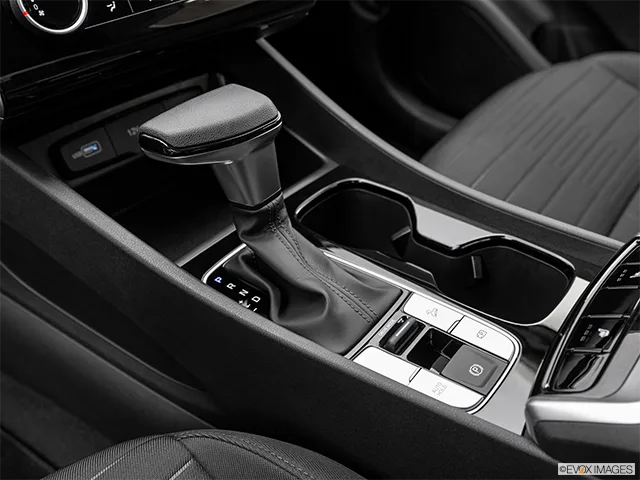
If you drive a Hyundai Santa Cruz and your transmission feels off, hesitating, shuddering, or jerking at low speeds, you're not imagining it. Hyundai Santa Cruz transmission problems are a real concern for a growing number of owners, and the issue almost always traces back to the 8-speed dual-clutch transmission (8DCT) that comes standard with the turbocharged engine.
Understanding what's actually happening inside that gearbox is the difference between a simple software update and a $4,000 repair bill. As of 2026, NHTSA has logged dozens of transmission-related complaints for the 2022 through 2024 model years, and several Technical Service Bulletins (TSBs) have been issued to address specific symptoms. Let's break down what's going on, what's normal, and what's not.
Quick Answer
The Hyundai Santa Cruz transmission problems center on the 8-speed wet dual-clutch transmission. Common symptoms include hesitation from a stop, low-speed shudder, jerky shifts, and occasional overheating warnings. Some issues are normal DCT behavior.
Others indicate real mechanical problems. Check for open recalls first. Visit a dealer for a TCU software update.
Document every symptom. Your powertrain warranty covers most genuine defects for 10 years or 100,000 miles.
Image source: Bing (Web (fair-use with source credit))
Why This Matters – And Why You Shouldn't Ignore It
A shuddering transmission isn't just annoying. It can be dangerous. Imagine pulling into traffic and the car hesitates for a full second before responding.
Or you're merging onto a highway and the gearbox lurches unexpectedly. Those aren't minor quirks. They're safety concerns.
Many dealerships will tell you the behavior is "normal for a dual-clutch transmission." Sometimes they're right. DCTs do behave differently than traditional automatics. But there's a line between characteristic behavior and a genuine defect.
Crossing that line can cost you thousands if you're out of warranty.
The Santa Cruz's 8DCT is a wet-clutch design. The clutch packs are bathed in oil to manage heat and wear. That's different from the dry-clutch DCTs found in smaller Hyundai models.
Wet clutches are generally more durable. But they introduce their own failure points, especially in the mechatronics unit that controls hydraulic pressure for gear shifts.
Our research shows the most common complaints fall into clear categories. Hesitation from a stop. Shudder during light acceleration.
Rough 1-2 shifts when cold. Intermittent overheating warnings during towing or stop-and-go traffic. Each has a different root cause.
Each needs a different solution.
The 8DCT: What Makes It Different (and Sometimes Problematic)
The Santa Cruz's 8DCT is not a traditional automatic transmission. It doesn't have a torque converter. It doesn't shift with planetary gearsets and hydraulic clutches like the transmission in a Ford Maverick or a Toyota Tacoma.
A dual-clutch transmission uses two separate clutch packs. One handles odd-numbered gears (1, 3, 5, 7). The other handles even gears (2, 4, 6, 8).
While you're driving in third gear, the transmission already has fourth gear pre-selected and waiting. When it's time to shift, one clutch opens while the other closes almost instantly. The result is a shift that happens faster than any human could manage with a manual gearbox.
That's the theory. In practice, the 8DCT in the Santa Cruz has a split personality. At highway speeds, it's smooth and responsive.
But at low speeds, especially in stop-and-go traffic or during parking lot maneuvers, the transmission can feel confused. It hesitates. It shudders.
It sometimes makes you wonder if something is broken.
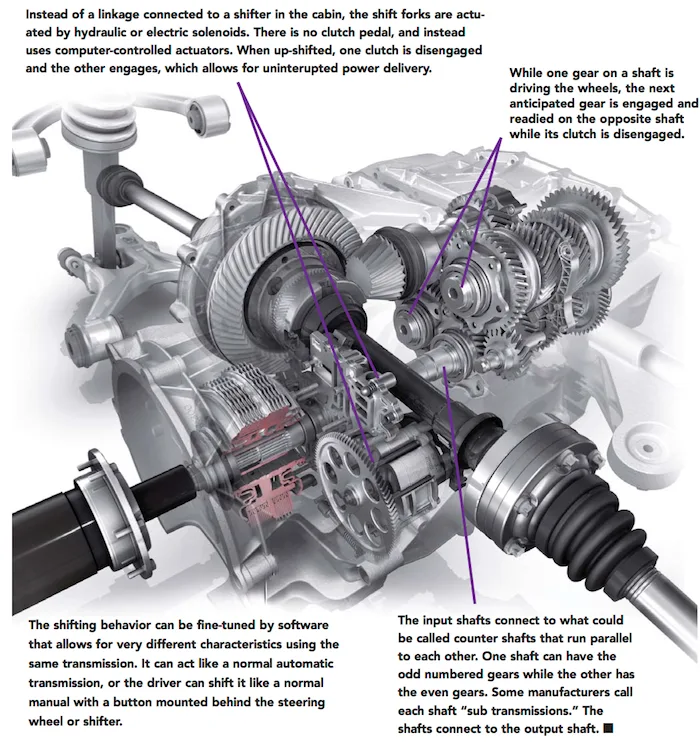
Image source: Bing (Web (fair-use with source credit))
This low-speed awkwardness is a known characteristic of DCTs. Unlike a torque converter automatic, which uses fluid coupling to smooth out engagement, a DCT relies on clutch slip to creep forward. The clutch packs are either engaged or disengaged.
There's no hydraulic cushion. So at parking-lot speeds, the transmission is essentially doing a controlled slip that generates heat and wear.
The wet-clutch design helps manage that heat better than a dry clutch would. But it doesn't eliminate the fundamental behavior. The mechatronics unit has to make split-second decisions about clutch pressure, engine torque, and shift timing.
When the software gets it wrong, you feel it.
Manufacturer specifications indicate the 8DCT holds about 7.5 to 8.0 liters of specialized low-viscosity transmission fluid. That fluid lubricates the clutch packs. It cools the mechatronics unit.
It provides hydraulic pressure for gear changes. If the fluid level is low or the fluid has degraded from heat exposure, the transmission's behavior changes dramatically.
This is where the confusion starts for most owners. Is the shudder you feel a software glitch? A mechatronics failure?
Low fluid? Early clutch wear? The answer depends on when it happens, under what conditions, and how long it's been happening.
The Most Common Problems Owners Report
Aggregate user reviews and NHTSA complaint data reveal a clear pattern. The problems aren't random. They cluster around specific driving conditions and specific symptoms.
Hesitation When Pulling Away from a Stop
This is the number one complaint. You're at a stoplight. It turns green.
You press the gas. Nothing happens for a split second. Then the car lurches forward.
It feels like the transmission is waking up from a nap.
The DCT defaults to neutral at a complete stop to reduce heat buildup in the clutch packs. When you hit the gas, the transmission has to re-engage the clutch, select first gear, and apply the right amount of pressure. If the TCU software is calibrated conservatively, that re-engagement takes longer than it should.
This symptom is most common in the 2022 model year. It usually improves with software updates. If your Santa Cruz still hesitates after a TCU reflash, the issue may be mechanical.
Low-Speed Shudder or Judder
A shudder feels like the car is vibrating through the steering wheel and floorboard at very low speeds. It typically happens under 15 mph during light acceleration. It's not a violent shake.
It's more like driving over a rumble strip. The sensation usually disappears once you get past 20 mph.
This shudder is almost always related to the clutch packs. When the clutch surfaces become glazed from heat or wear, they lose their ability to engage smoothly. Instead of a gradual grab, they chatter against each other.
The wet-clutch design helps delay this problem. It doesn't prevent it forever.
A TCU learning reset can sometimes reduce the shudder. The transmission learns your driving habits over time. If it has learned bad patterns, resetting the adaptive values can help.
But if the shudder persists after a reset, you're looking at clutch replacement.
Rough 1-2 Shifts When Cold
Many owners report that their Santa Cruz shifts hard from first to second gear during the first few minutes of driving on a cold morning. Once the transmission warms up, the rough shift disappears entirely.
This is a fluid viscosity issue. The low-viscosity DCT fluid becomes thicker in cold temperatures. The mechatronics unit has to push harder to move the hydraulic valves.
Until the fluid warms up and thins out, shift quality suffers.
Manufacturer TSBs address this with updated transmission fluid formulations and revised software. If your dealer hasn't applied these updates, ask specifically about the current TSB for cold-start harsh shifts.
Overheating Warnings During Towing or Stop-and-Go
The Santa Cruz is rated to tow up to 5,000 pounds with the turbocharged engine and 8DCT. In practice, towing near that limit in hilly terrain or stop-and-go traffic can push the transmission oil temperature past its threshold.
Owners report seeing a "Transmission Overheated" warning on the dashboard. Sometimes this is followed by a power reduction or a shift to limp-home mode. Letting the vehicle idle for 10 to 15 minutes usually clears the warning.
But it's a sign that the transmission is working harder than the cooling system can manage.
The 8DCT does not have a dedicated transmission cooler in the Santa Cruz. It relies on the engine cooling system and an integrated heat exchanger. For frequent towing, an aftermarket auxiliary cooler is worth considering.
Delayed Engagement from Reverse to Drive
Shifting from Reverse to Drive and feeling a 2 to 3 second delay before the transmission engages is another common complaint. This is often accompanied by a thud or clunk when the gear finally catches.
This symptom usually points to the mechatronics unit losing hydraulic pressure during the shift. The valves inside the unit can stick or wear, especially if the transmission fluid hasn't been changed on schedule. Hyundai recommends DCT fluid replacement every 60,000 miles under severe service conditions.
Many owners don't realize the Santa Cruz falls under severe service if you do any towing, frequent short trips, or driving in extreme temperatures.
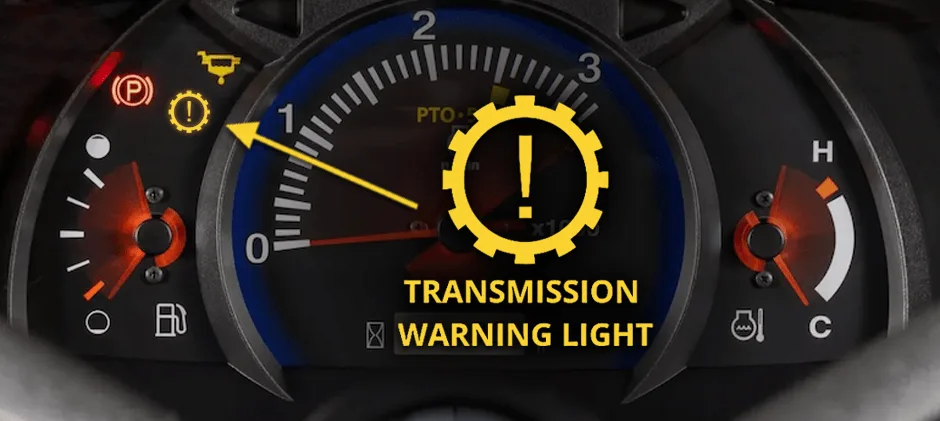
Image source: Bing (Web (fair-use with source credit))
When It's Normal vs. When It's a Real Problem
This is the hardest question for Santa Cruz owners. How do you know if you have a problem or if you're just experiencing normal DCT behavior? The line can feel blurry.
But it's actually pretty clear once you know what to look for.
Normal DCT Behavior
Some low-speed awkwardness is built into the design. If your Santa Cruz exhibits any of these, it's likely operating as intended:
A slight pause when pulling away from a stop, under one second, is normal. The transmission is engaging the clutch from neutral. Anything longer than one second consistently, or any lurching after the pause, is not normal.
A faint clunk when shifting from Park to Drive or Reverse is also normal. There's no torque converter to absorb the shock of gear engagement. You're feeling the clutch packs connect.
A loud bang or a delay of more than two seconds before the gear engages points to a problem.
Slightly firmer shifts when the transmission is cold are expected. The fluid is thicker. The hydraulics move slower.
Once the transmission reaches operating temperature, usually after 5 to 10 minutes of driving, shifts should smooth out. If they don't, or if they get worse, you have an issue.
Signs of a Real Problem
Certain symptoms should never be dismissed as normal DCT behavior. If you experience any of these, document it and schedule a dealer visit.
A shudder that persists at any speed, after the transmission is warm, and during gentle acceleration is not normal. It indicates clutch pack glazing or mechatronics wear. This will only get worse over time.
Any grinding noise during gear changes is a serious concern. The 8DCT should shift quietly. Grinding means metal-on-metal contact inside the clutch packs or gear teeth.
An overheating warning that appears during normal driving, not towing, not on a steep grade, not in extreme heat, is a red flag. The transmission cooling system should handle routine driving conditions.
Complete loss of power during a shift, even for a split second, is a safety hazard. It means the transmission is disengaging one gear but failing to engage the next. This can happen with a failing mechatronics unit.
How to Tell the Difference Over Time
Here's a practical rule. Normal DCT behavior stays the same. It doesn't get better.
It doesn't get worse. If your Santa Cruz has always hesitated slightly from a stop and it still hesitates the same way after 20,000 miles, that's characteristic. But if the hesitation was barely noticeable at 10,000 miles and is now pronounced at 25,000 miles, something has changed.
A change always points to wear or failure.
Keep a simple log. Note the date, mileage, outside temperature, driving conditions, and exactly what the transmission did wrong. A pattern in that log is your strongest evidence when you talk to the dealer.
What to Do If You're Experiencing Symptoms
If your Santa Cruz is showing any of the symptoms we covered, don't panic. Most transmission issues in this vehicle are fixable. Many are covered under warranty.
But you need to approach the problem methodically.
Step 1: Check for Open Recalls
Before anything else, look up your vehicle's VIN on the NHTSA website. Hyundai has issued several recalls related to the 8DCT, including one for TCU software that could cause a loss of motive power. If your vehicle has an open recall, the repair is free, and it might resolve your symptoms entirely.
Step 2: Research Applicable TSBs
Technical Service Bulletins aren't recalls. They're known issues that the manufacturer has acknowledged but hasn't issued a safety campaign for. Search for TSBs related to the Santa Cruz 8DCT.
The most relevant ones cover transmission shudder, harsh shifts, and hesitation. Print the TSB and bring it with you to the dealer.
Step 3: Document Your Symptoms
Before you call the dealer, write down exactly what's happening. When does it happen? At what speed?
Cold or warm transmission? Is the check engine light on? Have you been towing?
How many miles are on the vehicle? Take a video if possible. A short recording of the shudder or hesitation is worth a thousand words in a service bay.
Step 4: Schedule a Dealership Visit
Call your local Hyundai dealer and ask for a transmission diagnosis. When you arrive, hand them your notes and the relevant TSB number. Ask them to check the TCU software version and compare it to the latest update.
Many 8DCT problems are resolved with a simple reflash.
If the dealer tells you the behavior is normal, ask them to put that in writing. You're not being difficult. You're protecting yourself.
If the problem worsens later, written documentation from the dealer stating there was no issue can be important for warranty claims.
Step 5: Understand Your Warranty Coverage
This is where knowing your rights matters. The Hyundai Santa Cruz comes with a 10-year/100,000-mile powertrain warranty for the original owner. The transmission is a covered component.
If a genuine defect is found, the repair or replacement should be free.
There are catches. The warranty covers defects in materials or workmanship. It does not cover wear and tear.
If the dealer determines your clutch packs are worn from normal use, the repair might not be covered. That's a gray area. Having documented symptoms and a TSB reference helps your case.
If you bought the vehicle used, the powertrain warranty drops to 5 years/60,000 miles. Check your warranty status before you pay for any repairs. You can verify coverage on Hyundai's owner portal.
Step 6: If the Dealer Won't Help
Sometimes a dealer will push back or refuse to acknowledge a problem. If that happens, escalate. Contact Hyundai Customer Care directly.
Open a case. Ask for a regional technical specialist to review your vehicle. In some cases, a buyback or goodwill repair is possible for persistent issues on vehicles still under the basic warranty.
Another option is to visit a different dealer. Not all service departments are created equal. Some are more experienced with DCT diagnosis than others.
Look for a dealer with high service ratings and ask whether their technicians have experience with 8DCT repairs.
Frequently Asked Questions
Is there a recall on the Hyundai Santa Cruz transmission?
Hyundai has issued recall campaigns for TCU software updates on certain Santa Cruz models. These address potential loss of motive power. Check your VIN on the NHTSA website to see if your vehicle has any open recalls.
Recalls are repaired free of charge.
How much does it cost to replace a Santa Cruz transmission?
A full 8DCT replacement typically costs between $5,000 and $7,000 including parts and labor. A mechatronics unit replacement is less expensive, usually $2,500 to $4,000. These costs are covered under the powertrain warranty for eligible owners.
Can I drive my Santa Cruz with a transmission shudder?
Driving with a shudder is not recommended. The shudder indicates clutch wear or mechatronics issues that will worsen over time. Continued driving can cause additional damage and increase repair costs.
Have the vehicle diagnosed as soon as possible.
Does the Santa Cruz have a traditional automatic transmission?
Only the base non-turbo engine pairs with a traditional 8-speed automatic transmission. All turbocharged Santa Cruz models use the 8-speed wet dual-clutch transmission. The DCT behaves differently and requires different maintenance and driving habits.
How often should I change the DCT fluid in my Santa Cruz?
Hyundai recommends DCT fluid replacement every 60,000 miles under severe service conditions. Severe service includes towing, frequent short trips, extreme temperatures, and stop-and-go traffic. Most Santa Cruz owners fall under severe service.
Do not skip this maintenance.
Does towing void the Santa Cruz transmission warranty?
No. Towing within the rated 5,000-pound capacity does not void your warranty. However, transmission damage caused by exceeding that limit or by improper towing equipment may not be covered.
Follow the owner's manual towing guidelines to protect your coverage.
The Bottom Line: Is the Santa Cruz Transmission a Dealbreaker?
Here's the honest answer. The Santa Cruz is a capable and unique vehicle. There's nothing else quite like it on the market.
But the 8DCT is its weakest link for a specific group of buyers.
If you do mostly highway driving with minimal stop-and-go traffic, the transmission will likely be fine. If you keep up with the fluid changes and apply software updates as they become available, the 8DCT can be reliable for the long term.
If you spend most of your time in city traffic, tow frequently, or live in extreme climates, the transmission will be a source of frustration. The shudder, hesitation, and occasional overheating are not defects you can ignore. They're characteristics you have to manage.
For those buyers, we recommend test driving the base non-turbo Santa Cruz with the traditional automatic. Or consider a Ford Maverick with its conventional 8-speed automatic. The Maverick trades some performance for a transmission design that handles low-speed driving more smoothly.
Either way, knowledge is your best tool. Know what your transmission is doing. Document it.
Use your warranty. And don't let a dealer tell you a real problem is normal.

Similar Posts