Coleman Mobile Home Furnace Troubleshooting
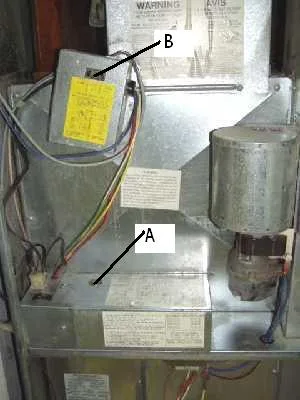
Your Coleman mobile home furnace is blowing cold air, cycling on and off every few minutes, or just sitting there silent while you shiver. Coleman Mobile Home Furnace Troubleshooting doesn't have to mean calling a technician every time, but it does mean knowing which problems are safe to fix yourself and which ones require a pro. Mobile home furnaces use sealed combustion systems that operate differently from standard residential units, so generic furnace advice often doesn't apply.
Per HUD's Manufactured Home Construction and Safety Standards (24 CFR Part 3280), mobile home furnaces must meet specific requirements around combustion air, venting, and clearances. As of 2026, most Coleman mobile home models still use the same basic ignition and safety switch design they've used for decades. That means the troubleshooting steps stay consistent across most units.
Let's walk through what's actually going on inside that metal box and how to figure out what needs fixing.
Quick Answer
Start with the air filter. A dirty filter causes most Coleman furnace problems. Check the thermostat batteries next.
Then look for blinking LED lights on the control board. Count the flashes and match them to the error code chart below. Reset the furnace by turning power off for 30 seconds.
If the problem returns immediately, do not keep resetting it. Call a licensed HVAC technician for repeated safety switch trips or gas odors.
Image source: Bing (Web (fair-use with source credit))
Why This Topic Needs Careful Attention
Furnace troubleshooting looks simple on YouTube, but the reality is more complicated. A Coleman mobile home furnace uses a sealed combustion chamber that draws outside air directly into the burner. That design keeps combustion gases from mixing with indoor air.
But it also means the system is sensitive to vent blockages, pressure changes, and component wear in ways a standard furnace isn't.
The risks of getting it wrong include:
- Carbon monoxide entering your living space through a cracked heat exchanger
- Gas buildup from repeated ignition failures
- Electrical shorts that can start fires
- Voiding your warranty or home insurance by performing unauthorized repairs
Manufacturer specifications indicate that the average mobile home furnace lasts 15 to 20 years with proper maintenance. Many units start showing symptoms around year 12 or 13. Knowing whether your furnace is simply dirty, has a failed part, or is nearing the end of its service life helps you decide whether to repair or replace.
When DIY troubleshooting is appropriate:
- Changing the air filter (every 1 to 3 months during heating season)
- Cleaning the flame sensor
- Resetting a tripped safety switch once to see if it holds
- Clearing visible debris from intake and exhaust vents
- Checking thermostat settings and batteries
When you must call a professional:
- Gas smell anywhere near the furnace
- Repeated safety switch trips (more than once after reset)
- Yellow or flickering burner flames (should be blue)
- Soot buildup around the burner compartment
- Any suspected heat exchanger crack
- Electrical burning smells
- Error codes that don't match the manual's troubleshooting guide
If you touch the wrong component without understanding the safety interlocks, you can disable a critical safeguard without knowing it. That's why this guide focuses on what you can do safely and points you to a pro when the problem goes deeper.
The Core Systems Inside Your Coleman Furnace
Understanding how your furnace works is the fastest path to fixing it. Coleman mobile home furnaces use a straightforward sequence of events to produce heat. When the thermostat calls for heat, the furnace goes through a startup sequence that either completes successfully or stops at a specific failure point.
That failure point tells you exactly which component to check.
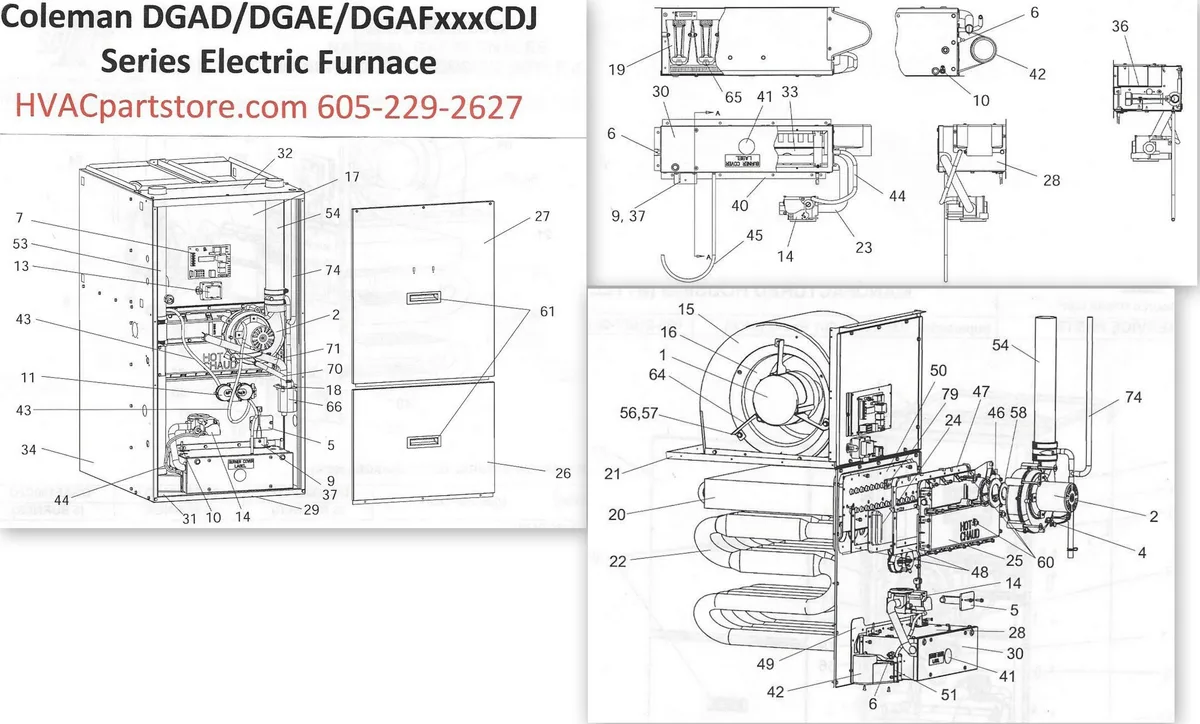
Image source: Bing (Web (fair-use with source credit))
The ignition sequence works like this:
- Thermostat sends a signal to the control board asking for heat
- Control board checks the safety switches, limit switch and rollout switch must be closed
- Draft inducer fan starts to purge residual gas from the combustion chamber
- Pressure switch closes when it detects proper airflow from the draft inducer
- Hot surface igniter glows to reach ignition temperature
- Gas valve opens for a timed period, usually 4 to 7 seconds
- Flame sensor detects the flame and signals the control board to keep the gas valve open
- Circulator blower comes on after the heat exchanger warms up (30 to 60 seconds delay)
If any step in this sequence fails, the furnace stops and flashes an error code. That code is your best diagnostic tool.
The safety components you need to know:
| Component | What It Does | What Failure Looks Like |
|---|---|---|
| Limit switch | Monitors temperature inside the furnace. Opens if it gets too hot. | Furnace runs then stops. Blower continues running to cool the unit. |
| Rollout switch | Detects flames or heat escaping the combustion chamber. | Furnace completely stops. Must be manually reset. |
| Pressure switch | Confirms the draft inducer is moving enough air. | Furnace won't start. Draft inducer runs but no ignition. |
| Flame sensor | Confirms the burner is lit. Shuts gas valve if no flame detected. | Igniter glows, gas opens briefly, but no flame stays lit. |
| Hot surface igniter | Glows red hot to light the gas. | Furnace clicks but never heats. Igniter visible through observation port. |
Most Coleman mobile home furnaces made after 1990 use a circuit board with a diagnostic LED. The board is usually located behind a small rectangular access panel near the bottom of the furnace. When the furnace has a problem, the LED blinks a specific number of times, pauses, and repeats.
Count the blinks and compare them to the chart in your owner's manual or the panel cover.
Common error codes on Coleman furnaces:
- 1 blink, Limit switch open or failed
- 2 blinks, Pressure switch stuck open or failed
- 3 blinks, Pressure switch stuck closed or failed
- 4 blinks, Flame sensor failure or no flame detected
- 5 blinks, Rollout switch open or tripped
- 6 blinks, Internal control board failure
These codes vary slightly by model year and series. The DGAT and DGAA series from the early 2000s use this exact pattern. Older Coleman Evcon units may use a different flash sequence, so check your specific model's manual if the codes don't match.
The Most Common Problems (And What They Tell You)
Real-world service calls show a clear pattern in Coleman mobile home furnace failures. Most problems fall into one of five categories, and each category points to a specific root cause.
Problem 1: Furnace won't start at all
The thermostat calls for heat, but nothing happens. No blower, no igniter glow, no sound.
This usually means the furnace isn't getting power, or a safety switch is preventing startup. Check the breaker first. Then check the furnace disconnect switch, which is often a simple light switch mounted on or near the furnace.
If both are on, the limit switch or rollout switch may be open. Locate the reset button on the rollout switch. It's typically a small red or black button in the center of the switch.
Press it firmly until it clicks. If the furnace starts, you've found the problem. If it trips again immediately, do not keep resetting it.
Problem 2: Blower runs but no heat
The draft inducer fan starts, you hear it spinning, but the igniter never glows and the burner never lights.
This is almost always a pressure switch issue. The draft inducer must reach a specific RPM to create enough negative pressure to close the pressure switch. If the switch doesn't close, the control board never allows the igniter to come on.
Check the small rubber tubing connecting the pressure switch to the draft inducer housing. Spiders and debris often block these tubes. Remove the tube and blow through it gently to clear any obstruction.
Problem 3: Short cycling
The furnace starts, runs for a few minutes, then shuts off. It restarts a few minutes later and repeats the cycle.
Short cycling points to airflow restriction or a failing limit switch. A dirty air filter is the most common cause, but blocked return air grilles or closed supply registers can do the same thing. Check every register in the home and make sure furniture isn't blocking the return air grille.
If airflow is clear but the problem persists, the limit switch itself may be failing and need replacement.
Problem 4: Furnace lights but goes out after a few seconds
You see the burner light, it burns for 2 to 10 seconds, then goes out. The igniter may or may not try again.
This is a dirty flame sensor almost every time. The flame sensor sits in the burner flame and sends a small electrical signal back to the control board. When the sensor gets coated with carbon or soot, that signal weakens.
The control board interprets the weak signal as no flame and shuts the gas valve. Cleaning the flame sensor with fine steel wool or a scouring pad fixes this in 90 percent of cases.
Problem 5: Furnace blows cold air
The blower runs constantly or for long periods, but the air coming out of the registers is cool or lukewarm.
This happens when the limit switch keeps opening, which forces the control board to turn off the gas while keeping the blower running to cool the heat exchanger. The blower continues running because the limit switch has told the board the furnace is overheating. The fix is the same as short cycling, check airflow first, then check the limit switch.
Step-by-Step Troubleshooting You Can Do Safely
Before you touch anything inside the furnace, turn off the power at the breaker and the furnace disconnect switch. If you smell gas at any point during troubleshooting, stop immediately, leave the home, and call your gas utility from outside. Do not operate any electrical switches or create sparks.
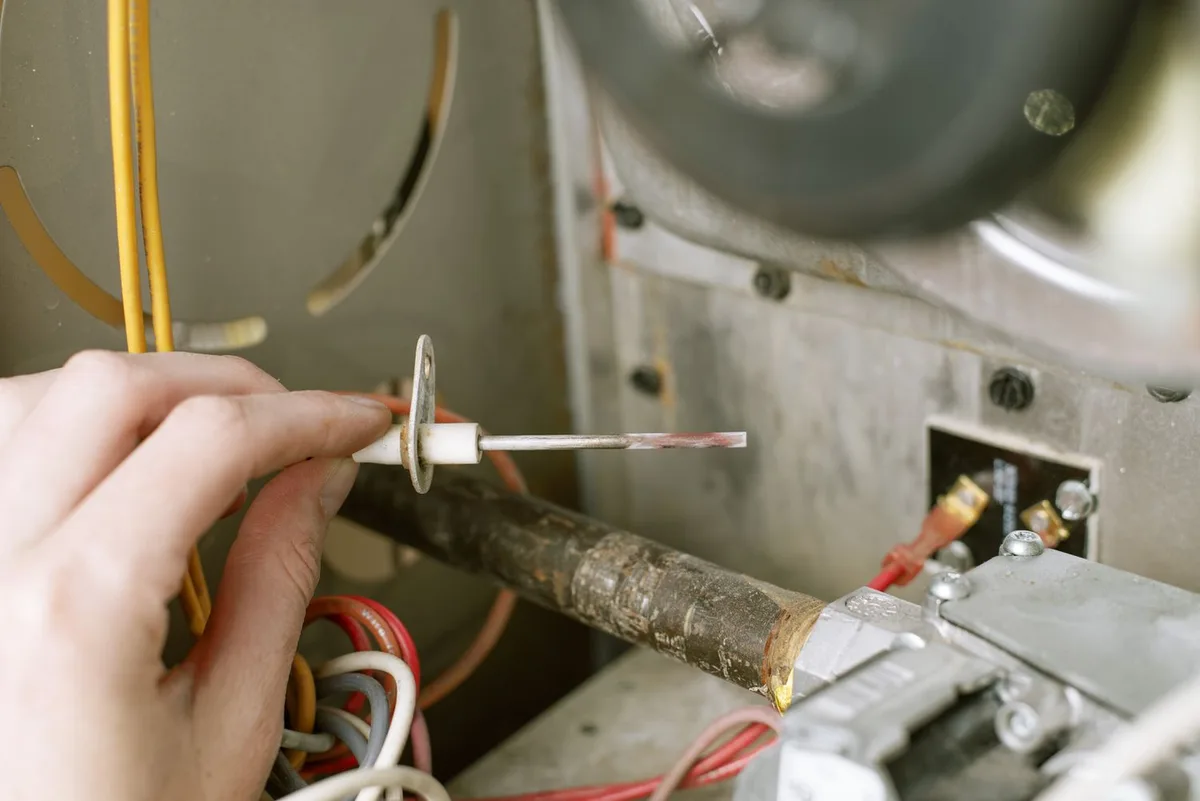
Image source: Bing (Web (fair-use with source credit))
Step 1: Check the air filter
This is the number one cause of Coleman furnace problems. Remove the filter and hold it up to light. If you can't see light through it, replace it.
Mobile home furnaces typically use 1-inch disposable filters. Use a filter with a MERV rating between 5 and 8. Higher MERV ratings restrict airflow in mobile home systems more than in standard furnaces.
A MERV 11 filter on a 20-year-old Coleman can actually cause the limit switch to trip.
Step 2: Clear the intake and exhaust vents
Mobile home furnaces have two PVC pipes or metal vents going outside. One brings in combustion air, the other exhausts flue gases. Check both for spider webs, bird nests, ice buildup, or debris.
Leaves and grass clippings from mowing frequently block these vents. Clear any obstruction with a brush or gloved hand.
Step 3: Reset the furnace
Turn the power off at the breaker for 30 seconds. Turn it back on. Set the thermostat to call for heat, at least 5 degrees above room temperature.
Watch the furnace through the observation port on the burner access panel. You should see the sequence start, draft inducer, igniter glow, burner flame. If the furnace starts and runs normally, you had a temporary lockout that needed clearing.
Step 4: Read the error code
If the furnace doesn't start, open the control board access panel. Count the blinks of the diagnostic LED. Write down the number and compare it to the chart on the panel cover or your owner's manual.
If you don't have the manual, most Coleman error codes are available on the manufacturer's support site. Do not clear the code yet, the code tells you where to look next.
Step 5: Clean the flame sensor
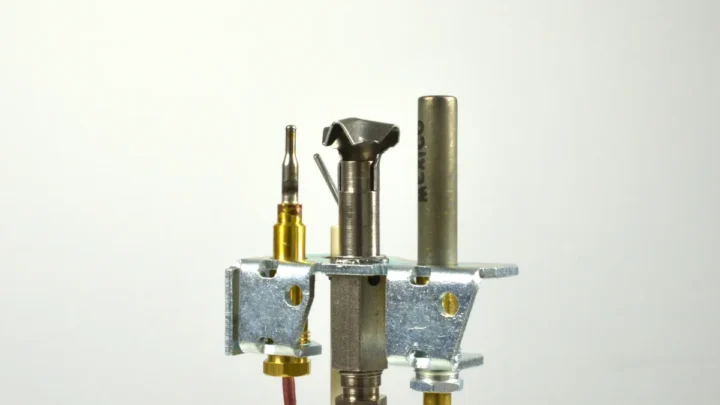
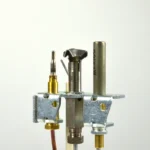
A dirty flame sensor causes more service calls than any other single part. The sensor is a small metal rod, usually 2 to 4 inches long, mounted near the burner. Remove the single screw holding it in place.
Pull it out carefully. Use fine steel wool or a green scouring pad to polish the metal rod until it shines. Wipe it clean with a dry cloth.
Reinstall it and test the furnace. This fix alone resolves roughly 70 percent of no-heat calls on Coleman mobile home furnaces.
Step 6: Inspect the pressure switch tubing
Follow the small rubber hose from the pressure switch to the draft inducer housing. Look for cracks, kinks, or blockages. Remove the hose from both ends and blow through it gently.
Reconnect it and test the furnace. If the furnace starts now, a blocked tube was preventing the pressure switch from closing.
Step 7: Check the rollout switch
The rollout switch is a small rectangular component with a reset button in the center. If the button is popped out, press it in firmly until it clicks. If the furnace runs after resetting but trips again within a few cycles, you have a serious combustion problem that requires a professional.
Do not keep resetting a rollout switch that keeps tripping.
What the multimeter can tell you:
If you own a multimeter and know how to use it safely, you can test continuity on safety switches. A closed switch should show near-zero resistance. An open switch shows infinite resistance.
Test the limit switch and rollout switch this way. If either shows open when the furnace is cool and not running, the switch is bad and needs replacement. Always use the correct replacement part from Coleman, generic switches may have different temperature ratings.
When Not to Touch: Red Flags That Mean Call a Pro
Some furnace problems are not DIY projects. Attempting to fix them yourself can put your family at risk or cause further damage to the system. Here are the situations where you stop troubleshooting and call a licensed HVAC technician.
Signs of a cracked heat exchanger
The heat exchanger is the metal chamber where combustion happens. Over time, it can develop cracks from thermal stress. When it cracks, carbon monoxide can leak into your living space.
Signs include soot around the burner compartment, a sharp chemical smell when the furnace runs, or a visible crack if you can see the heat exchanger surface. Some utility companies offer free carbon monoxide testing if you suspect a leak.
Gas smell around the furnace
Natural gas and propane both have a distinct rotten egg odor added for safety. If you smell it near the furnace, do not flip any switches. Do not use your phone inside the home.
Leave immediately and call your gas company from a safe distance. They will send someone to check for leaks and shut off the gas if needed.
Repeatedly tripped rollout switch
The rollout switch trips when flames or heat escape the combustion chamber. This is a serious safety issue. It usually means the heat exchanger is clogged, the flue is blocked, or the burner is misaligned.
These are not issues you can diagnose or fix without specialized tools and training. If your rollout switch trips more than once after resetting, call a pro.
Electrical issues or burning smells
A burning plastic or electrical smell from the furnace area means a component is overheating or shorting. The blower motor, control board, or wiring could be failing. Turn the furnace off at the breaker and have a technician inspect it before using it again.
What a professional inspection should include
When you call an HVAC technician, ask them to perform a full combustion analysis. This includes measuring carbon monoxide levels in the flue gas, checking gas pressure at the manifold, inspecting the heat exchanger for cracks, testing all safety switches, and verifying proper airflow. A good technician will also clean the burners and check the condensate drain if your unit has one.
This inspection typically costs between $100 and $200 and can prevent a dangerous failure later.
Maintenance That Prevents Most Breakdowns
Regular maintenance keeps your Coleman furnace running reliably through the heating season. Most breakdowns happen because of neglect, not because the furnace is old or poorly made. A few simple habits can extend the life of your furnace by years.
Filter type and replacement schedule
Use a 1-inch disposable filter with a MERV rating of 5 to 8. Check it monthly during heating season. Replace it when it looks dirty, which is usually every 1 to 3 months.
Do not use electrostatic or washable filters in mobile home furnaces. They restrict airflow too much for the smaller duct systems in manufactured homes.
Cleaning burners and orifices
Dust and spider webs can clog burner ports over time. This causes uneven flames and incomplete combustion. If you're comfortable working around the burner assembly, you can clean the burners with a soft brush and compressed air.
Do this with the power and gas off. Focus on the burner ports where the flame comes out. Avoid bending or damaging the metal surfaces.
Seasonal startup and shutdown checklist
At the start of heating season, check the filter, inspect the vents for blockages, and run the furnace for a few minutes to confirm it lights properly. At the end of the season, clean the flame sensor, check the condensate drain (if applicable), and turn off the gas valve if you won't use the furnace for several months.
What to do if you have a propane system
Propane systems require extra attention. The gas pressure at the furnace must be checked annually by a professional. Propane also burns slightly differently than natural gas, so the burner orifices may need adjustment or replacement if the furnace was converted.
Watch for signs of incomplete combustion, like yellow flames or soot buildup. These indicate the furnace needs servicing.
Frequently Asked Questions
How do I reset my Coleman mobile home furnace?
Turn the power off at the breaker for 30 seconds. Turn it back on. Set the thermostat 5 degrees above room temperature.
The furnace should restart automatically. If it doesn't, check the error code on the diagnostic LED.
Why does my furnace keep tripping the limit switch?
The limit switch trips when the furnace gets too hot. The most common cause is a dirty air filter. Other causes include blocked return air grilles, closed supply registers, or a failing blower motor.
Replace the filter first and see if the problem stops.
Can I replace my Coleman furnace myself?
Replacing a mobile home furnace requires knowledge of gas piping, electrical wiring, and venting codes. Most areas require a permit and inspection by a licensed contractor. DIY installation can lead to safety hazards and void your home insurance.
Hire a professional.
How long should a Coleman mobile home furnace last?
With regular maintenance, Coleman mobile home furnaces typically last 15 to 20 years. Units in mild climates or with good maintenance can last longer. If your furnace is over 15 years old and needs major repairs, replacement is usually more cost effective.
What does 3 blinks mean on a Coleman furnace?
Three blinks indicates the pressure switch is stuck closed or has failed. This usually means the draft inducer fan isn't creating enough airflow, the pressure switch tubing is blocked, or the switch itself is defective. Check the tubing first for blockages.

Similar Posts