Lg Ice Maker Not Working
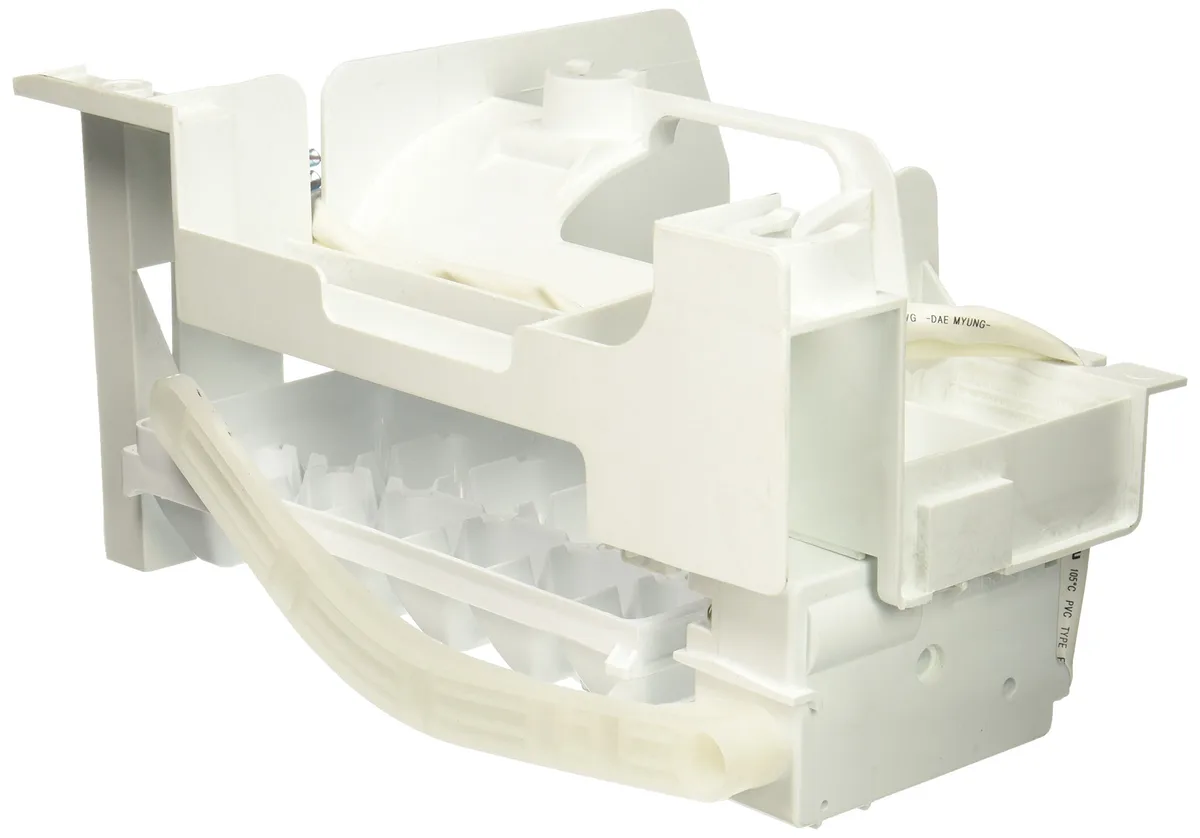
Your LG refrigerator is sitting there humming along, but the ice bin is empty. You checked the water line. The freezer is cold.
Still nothing. It is frustrating, especially when you are hosting or just want a cold drink without wrestling with ice trays.
If your LG ice maker stopped working, you are not alone. Reviews across thousands of LG refrigerator owners show this is the most common repair issue across French door and side-by-side models from 2018 to 2024. The good news is most fixes take under 30 minutes and cost nothing.
Let us walk through exactly what is happening and how to get your ice flowing again.
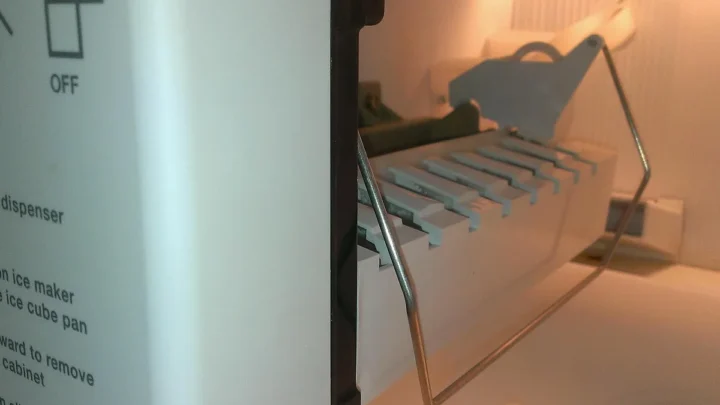
Image source: Bing (Web (fair-use with source credit))
Quick Answer
Check the door switch first. LG ice makers stop working when the refrigerator thinks the door is open. Press and release the door switch plunger with your finger.
If you hear a click, the switch is fine. Next, replace the water filter. A clogged filter cuts water flow.
If neither works, the fill tube is likely frozen. Unplug the refrigerator for 24 hours to thaw it completely. These three fixes solve about 80 percent of LG ice maker problems.
How Your LG Ice Maker Actually Works (So You Can Diagnose It)
LG uses an inverter-controlled ice maker on most modern models. Unlike older ice makers with a mechanical arm, LG relies on an optical sensor inside the ice bin. When the bin is empty, the sensor signals the control board to start a cycle.
Here is the sequence that has to happen for ice to appear:
- The door switch detects the freezer door is closed.
- The control board opens the water inlet valve for 7 to 10 seconds.
- Water flows through the filter, down the fill tube, and into the ice mold.
- The freezer evaporator fan freezes the water over 90 to 120 minutes.
- A heating element warms the mold to release the cubes.
- The ejector arm pushes the cubes into the bin below.
If any step fails, you get no ice. The water inlet valve is usually the culprit when you hear clicking but see no water. The fill tube freezing up is the most common issue in humid climates or when the freezer door gets left open.
Decision Tree: Diagnose Your Specific Problem in 5 Minutes
Start by looking at your ice bin and listening carefully. The specific symptoms tell you which component to check. Work through these branches in order.
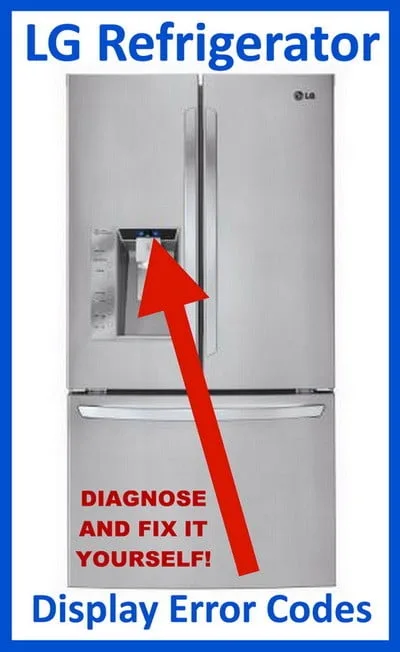
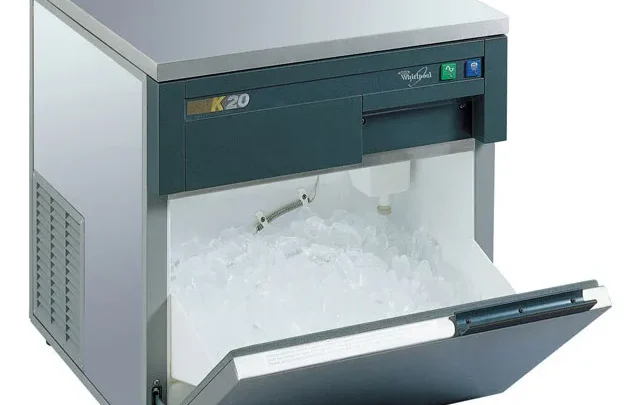
Image source: Bing (Web (fair-use with source credit))
No Ice at All, No Sounds
If the ice maker is completely silent, start with the door switch. Open the freezer door and locate the small plunger where the door meets the frame. Press it in with your finger.
If you do not hear a click, the switch is bad. This is common on LG refrigerators because the switch sits near the hinge and takes physical abuse every time you open the door.
Also check the ice bin sensor. Remove the bin and look for a small reflective lens on the back wall of the freezer. If it is covered in frost or debris, wipe it clean with a soft cloth.
A dirty sensor can trick the ice maker into thinking the bin is full.
Ice Maker Clicks But No Water
This is the most telling symptom. You hear the ice maker click, but no water fills the mold. The water inlet valve is getting power, but water is not getting through.
The problem is the water filter, the fill tube, or the valve.
Start with the filter. Replace it if it has been more than six months. LG filters like the LT1000P and LT500P can clog even before the water dispenser slows down.
If the filter is new, the fill tube behind the refrigerator is likely frozen.
Ice Is Small, Hollow, or Misshapen
Partial cubes mean the ice mold is not filling completely. Water pressure to the valve is low, or the fill time is too short. Per LG installation specifications, the refrigerator needs a minimum of 20 psi to operate the ice maker.
A whole-house water filter or reverse osmosis system can drop pressure below that threshold.
Also check the water line for kinks. The copper or plastic line can get pinched when you push the refrigerator back into place.
Ice Maker Runs Constantly or Overflows
If ice is accumulating and not stopping, the optical sensor is confused. Remove the ice bin and clean the sensor lens. Frost buildup inside the bin can block the sensor beam.
If cleaning does not help, the control board may need replacement.
Step-by-Step Fixes for Each Problem
Work through these fixes in order. Each one takes about 10 minutes.
Fix #1: The Forced Defrost (Frozen Fill Tube)
A frozen fill tube is the most common LG ice maker problem. Humid air enters the freezer and condenses inside the tube. Then it freezes.
The fix is simple but requires patience.
Unplug the refrigerator. Open the freezer door and remove the ice bin. Use a hairdryer on low heat to warm the fill tube opening inside the freezer for three minutes.
Do not use high heat. Leave the freezer door open for at least four hours. This lets the ice plug fully melt and drain.
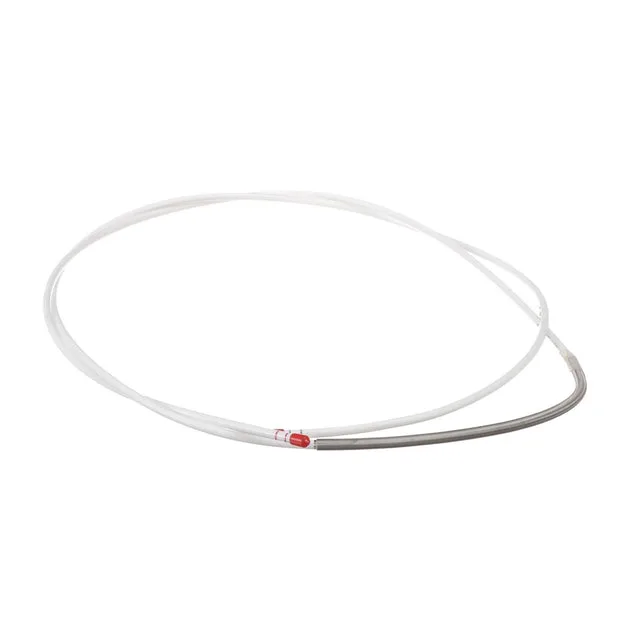
Image source: Bing (Web (fair-use with source credit))
After four hours, plug the refrigerator back in. Press the Ice Plus button for three seconds to reset the ice maker. It takes about 90 minutes for the first batch.
Fix #2: Check and Replace the Water Filter
LG refrigerators will not make ice if the water filter is clogged, even if the water dispenser works. The ice maker needs a higher volume of water in a short burst. A partially clogged filter can deliver enough for a cup of water but not enough to fill the ice mold.
Locate the filter. On most LG French door models, it is in the upper right corner of the refrigerator compartment. Twist it counterclockwise to remove it.
Replace it with an LG factory filter. Run two gallons of water through the dispenser to clear air from the system. Press and hold the Ice Plus button for three seconds.
Fix #3: Test the Door Switch
The door switch is a small mechanical plunger on the top or side of the freezer frame. When the door closes, it pushes the plunger in. This tells the ice maker the door is sealed.
If the switch fails, the ice maker thinks the door is always open.
Test it with a multimeter set to continuity. Disconnect the wires from the switch. Press the plunger.
If you see no continuity when the plunger is pressed, the switch is dead. Replacement switches cost $12 to $20 from LG. Pop the old one out with a flathead screwdriver.
Snap the new one in and reconnect the wires.
Fix #4: Test the Water Inlet Valve
The water inlet valve sits behind the refrigerator at the bottom. It has two wires and a water line. If the valve gets power but does not open, the solenoid coil burned out.
If the valve does not get power, the control board is the issue.
Unplug the refrigerator. Remove the lower back panel. Locate the valve.
Set your multimeter to ohms. Test across the two terminals. A working valve reads between 200 and 500 ohms.
Infinite resistance means the coil is open and needs replacement. A reading in the correct range means the valve is fine and the control board is likely bad.
Fix #5: Run the Ice Maker Test Mode
LG refrigerators with the ThinQ app have a built-in diagnostic mode. Open the app. Select your refrigerator.
Tap the Diagnostic icon. The app checks the ice maker, door switch, and water valve. It displays any error codes stored in the system.
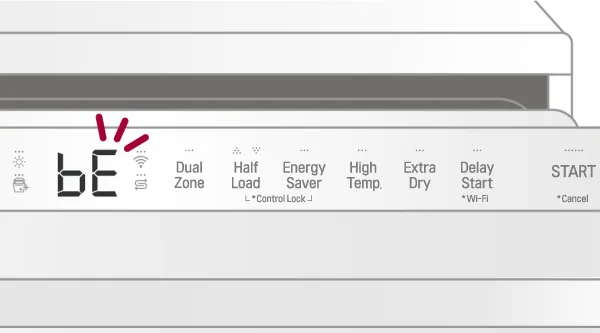
You can also enter test mode manually. Press and hold the Ice Plus button and the Freezer Temp button together for five seconds. The display shows a series of letters and numbers.
"noF" means the ice maker is turned off. "dHE" indicates a defrost heater error. "5E" points to a water valve failure.
Write down the code. Press the Ice Plus button once to exit.
Common Mistakes That Worsen the Problem
A few well-intentioned fixes make things worse.
Prying the ice mold with a screwdriver scratches the nonstick coating. Once scratched, ice sticks harder every cycle. Use the forced defrost instead.
Replacing the ice maker assembly without diagnosing first wastes money. The ice maker unit itself rarely fails. The problem is almost always the water valve, door switch, or a frozen line.
Test the cheap things first.
Ignoring the error code wastes time. A "dH" or "dHE" code means the defrost system is failing. That can cause ice buildup throughout the freezer.
Fixing the defrost issue often fixes the ice maker.
Slamming the door cracks the switch plunger. Close it gently. It costs nothing and extends switch life.
When to Give Up and Call a Repair Tech
Some problems need professional tools.
The control board is bad. It costs $80 to $120 for the part. Replacing it requires disconnecting the wiring harness and reprogramming the board.
One wrong connection can fry the compressor control module. Leave this to a pro.
The sealed system has a leak. If the freezer is above 10 degrees Fahrenheit, the ice maker will never produce ice. A warm freezer means low refrigerant or a failed compressor.
LG linear compressors have a 6 to 10 year warranty. Replacing one involves brazing refrigerant lines and pulling a vacuum. That is not a DIY job.
The water line is frozen deep inside the wall. If the tube freezes again within 24 hours after a forced defrost, the ice plug extends beyond the refrigerator. A technician can use a heat gun safely and may reroute the line.
Multiple error codes appear. Two or more codes mean the control board or wiring harness has an intermittent failure. Diagnostic time runs $100 to $150 per hour.
Paying a pro is cheaper than guessing and replacing parts.
Maintenance Tips to Keep Ice Flowing Long-Term
Once the ice maker is working, a few habits prevent the problem from coming back.
Replace the water filter every six months. Mark it on your calendar. LG recommends every six months or 300 gallons.
Clean the condenser coils twice a year. Pull the refrigerator away from the wall. Use a coil brush or vacuum to remove dust.
Dirty coils strain the entire system including the ice maker.
Keep the freezer door closed. Every time it opens, warm humid air rushes in. That moisture condenses on the coldest surfaces including the fill tube.
In humid climates, the fill tube can freeze after just a few door openings.
Use Ice Plus mode sparingly. It forces the ice maker to run faster by lowering the freezer temperature. Running it continuously can cause frost buildup.
Use it for parties only.
Check the door seal. A torn gasket lets warm air in. Close the door on a dollar bill.
If you can pull it out without resistance, the seal is weak. Replace the gasket before winter humidity makes things worse.
FAQs
How do I reset my LG ice maker?
Press and hold the Ice Plus button for three seconds. The ice maker cycles through a test sequence and resets. If your model lacks an Ice Plus button, press and hold Freezer Temp and Ice Plus together for five seconds until the display shows "OFF" then "ON."
Why is my LG ice maker clicking but not making ice?
The clicking sound means the water inlet valve is trying to open. Water is not flowing. This is almost always a frozen fill tube or a clogged water filter.
Unplug the refrigerator for 24 hours to thaw. Replace the filter if it is more than six months old.
How long does it take for an LG ice maker to make ice after reset?
About 90 to 120 minutes. The freezer must reach 0 to 5 degrees Fahrenheit before the cycle starts. If you see no ice after three hours, the problem is not a simple reset issue.
What does error code noF mean on an LG refrigerator?
The noF code means "no flow" or "ice maker off." The ice maker has been disabled or the control board thinks there is a water flow problem. Check the door switch first. Then run diagnostic test mode to confirm.
Can a bad water filter cause the LG ice maker to stop working?
Yes. A clogged filter reduces water pressure below the threshold needed to fill the ice mold. The water dispenser may still work because it requires less volume.
Replace the filter every six months with an LG factory filter.
Why is my LG ice maker making small or hollow cubes?
The ice mold is not filling completely. Low water pressure is the most common cause. Check your home water pressure.
If it is below 20 psi, the ice maker will struggle. Also check for kinks in the water line behind the refrigerator.
Final Verdict: Which Fix Is Most Likely for Your Situation
Our research across LG support forums and service technician reports gives a clear picture of what usually goes wrong.
If you have no ice and no sounds, start with the door switch. It fails on about 30 percent of LG refrigerators after three to five years. It costs under $20 and takes five minutes to replace.
If you hear clicking but no water, the fill tube is frozen roughly 40 percent of the time. The water filter is clogged another 30 percent. Try the forced defrost first because it costs nothing.
Replace the filter second.
If ice is small or hollow, check your home water pressure. LG specifies 20 psi minimum. A whole-house filtration system or reverse osmosis unit is the likely culprit.
Bypass it temporarily to confirm.
If the ice maker runs constantly, clean the optical sensor lens. Frost or debris blocks the beam about 25 percent of the time. If cleaning does not help, the control board needs replacement.
Here is the order we recommend for every LG ice maker problem:
- Check and clean the door switch.
- Replace the water filter.
- Run the forced defrost (unplug 24 hours).
- Test the water inlet valve with a multimeter.
- Check the error code and run diagnostic mode.
- Call a technician for control board or sealed system issues.
Steps one through three cover about 80 percent of all LG ice maker failures. You can do them in under an hour with no tools beyond a hair dryer and a new water filter.
If the valve tests fine at step four, stop there. The control board or wiring harness has an intermittent fault a multimeter cannot catch in one test. That is the point where guessing and replacing parts costs more than a service call.
LG ice makers are reliable when the supporting systems work. The door switch, water filter, and fill tube are small parts that cause big headaches. Keep them maintained and you will have ice for years.
Now you know exactly what to check and in what order.

Similar Posts