Maytag Ice Maker Not Working
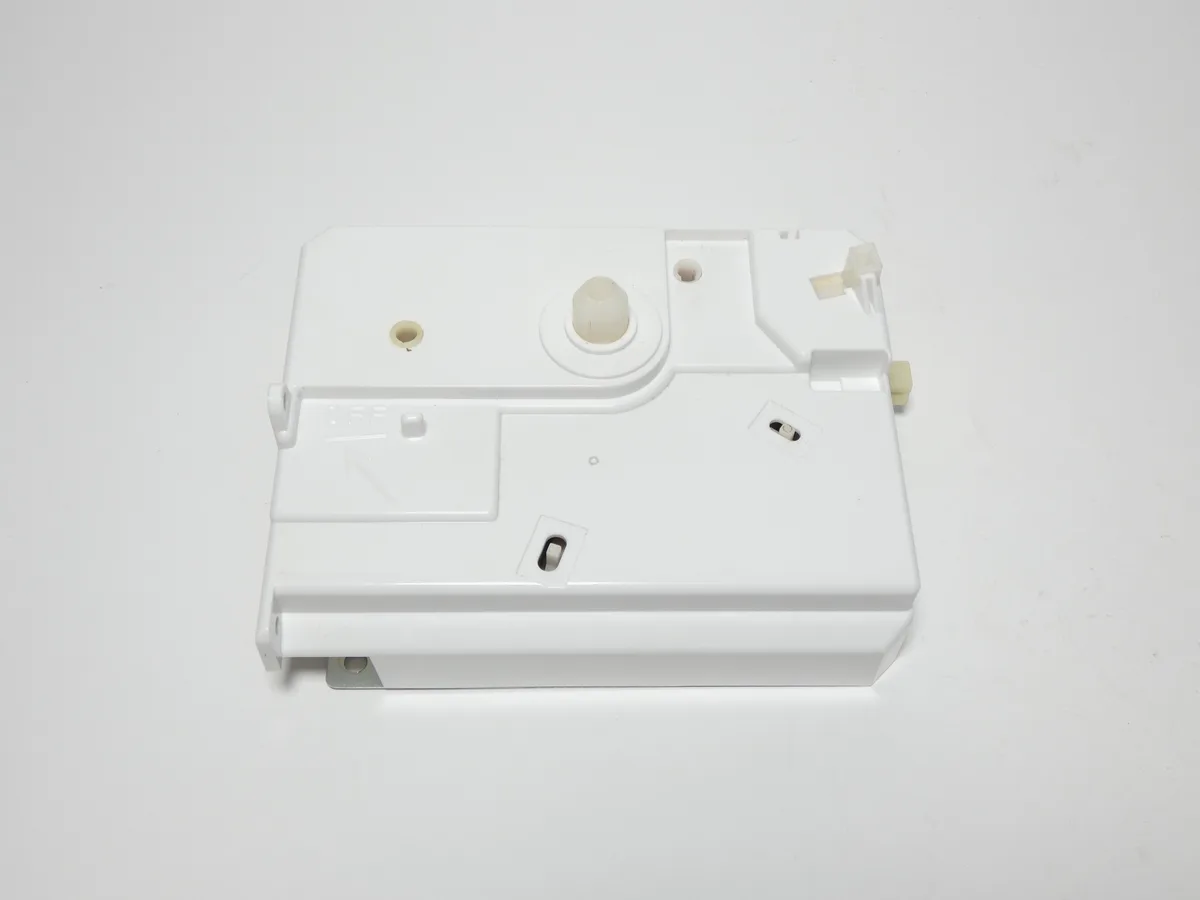
Your Maytag ice maker stopped working, and you're standing there with an empty glass wondering what went wrong. It's frustrating, especially when you've already checked the obvious things and nothing seems to make a difference. The good news is that most ice maker problems fall into just a few categories, and you can usually fix them yourself without calling a technician.
Manufacturer specifications indicate that a properly functioning Maytag ice maker should complete a full cycle every 90 to 180 minutes, producing 3 to 5 pounds of ice per day depending on the model. As of 2026, the most common failure points haven't changed much: water supply issues, temperature problems, or a stuck control arm. Let's walk through what's actually going on inside that freezer door.
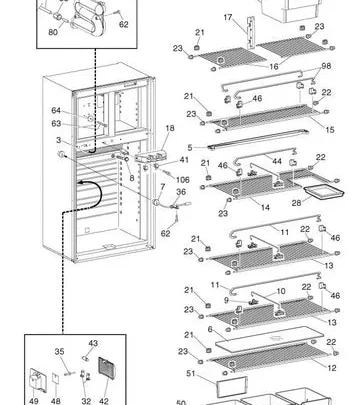
Image source: Bing (Web (fair-use with source credit))
Quick Answer
Your Maytag ice maker needs three things to work. It needs power to the unit. It needs water flowing to the fill tube.
It needs a freezer temperature at or below 0°F. If any of those three are missing, you get no ice. Start by checking the control arm position and the freezer temperature before touching any parts.
The Ice Maker Cycle: How It Actually Works
Understanding the cycle saves you from guessing. Every Maytag ice maker follows the same sequence whether you have a side-by-side, French door, or bottom freezer model. Knowing this sequence is how you figure out which stage is failing.
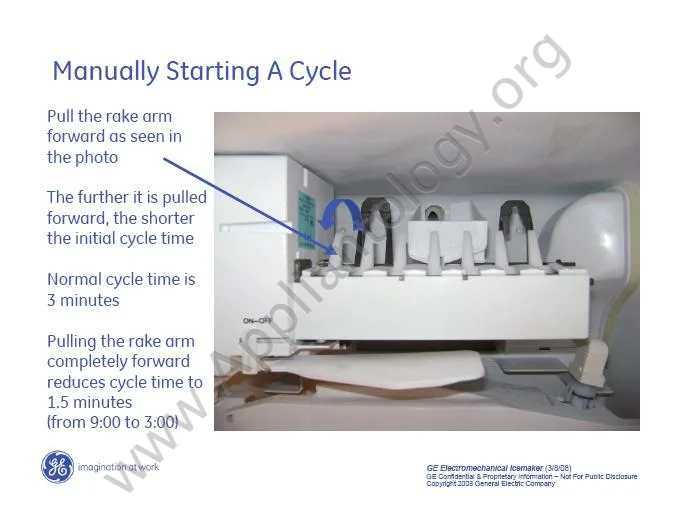
Image source: Bing (Web (fair-use with source credit))
The Fill Stage
The cycle starts when the thermostat inside the ice maker calls for water. The control board sends voltage to the water inlet valve at the back of the refrigerator. That valve opens for roughly 7 to 10 seconds, allowing water to flow through the fill tube and into the ice mold.
The mold holds about 1 to 2 ounces of water per cube.
If the valve doesn't open, or if it opens but no water comes through, the mold stays empty. That's your first diagnosis point.
The Freeze Stage
Once the mold is filled, the ice maker waits. The freezer temperature needs to be at or below 0°F for the water to freeze solid. A typical freeze cycle takes about 90 minutes.
During this time, the thermostat monitors the temperature of the ice mold itself, not the air around it.
When the ice is frozen enough, the thermostat completes a circuit and signals the harvest cycle to start. If the freezer is too warm, the ice never gets cold enough to trigger that signal.
The Harvest Stage
This is where the actual ice dropping happens. The heater beneath the mold warms up slightly, just enough to loosen the cubes from the mold surface. Then the ejector arm rotates, pushing the cubes out of the mold and into the ice bin below.
If the bin is full, the control arm gets pushed up by the ice. That tells the ice maker to pause until there's room. A frozen fill tube or a stuck ejector arm can also stop this stage cold.
Decision Tree: What's Your Symptom?
Your specific symptom tells you exactly where to start looking. Follow the branch that matches what your ice maker is actually doing.
No Ice At All
This is the most common complaint. If your ice maker hasn't produced a single cube in days, start here.
Check the control arm first. On most Maytag models, the arm hangs down when the bin is empty and lifts up when the bin is full. If the arm is stuck in the up position, the ice maker thinks the bin is full and won't run.
Gently push it down and listen for a click. If the arm feels loose or disconnected, it may need replacement.
Next, confirm the ice maker has power. Open the freezer door and look for a small red or black button on the side of the ice maker module. Press and hold it for 3 seconds.
You should hear a click and a whirring sound as the ejector arm rotates. No sound at all means no power reaching the module.
If the arm moves but no water enters the mold, the water inlet valve is the likely culprit. You'll test that in the diagnosis section.
Some Ice But Not Enough
Your ice maker runs but produces small batches or takes much longer than expected. The two most common causes are temperature and water flow.
Check the freezer temperature with a separate thermometer, not the digital display on the front of the fridge. The display can be wrong by several degrees. Place a freezer-safe thermometer in the freezer and leave it for 4 hours.
Anything above 5°F will slow ice production dramatically. Target is 0°F.
A clogged water filter is another hidden cause. Maytag recommends replacing the filter every 6 months. If yours is older than that, swap it out.
After replacing the filter, run 2 to 3 gallons of water through the dispenser to clear air from the line before expecting ice.
Ice But Won't Dispense
The ice maker is making ice just fine, but nothing comes out when you press the dispenser paddle. This is a separate problem from the ice maker itself.
Look in the ice bin for a large clump of frozen cubes. This happens when the bin gets low and the cubes sit too long. Break the clump apart with a wooden spoon, never anything sharp.
Clear any ice blocking the chute between the bin and the dispenser.
The dispenser motor can also fail, but that's rare. If the auger inside the bin doesn't turn when you press the paddle, you're likely looking at a motor replacement.
Leaking Water
Water pooling in the freezer or on the floor beneath the refrigerator door usually traces back to the fill tube. If the tube freezes, water backs up and overflows the mold instead of filling it properly.
Check for a thin layer of ice directly below the fill tube inside the freezer. You can clear a frozen fill tube with a hairdryer on low heat, keeping it well away from plastic parts. A leaking water inlet valve that drips continuously will also cause pooling, and that valve needs replacement.
Step-by-Step Diagnosis Process
Now that you've identified your symptom, let's run the actual tests. You need a multimeter for the electrical checks, but the first two steps require zero tools.
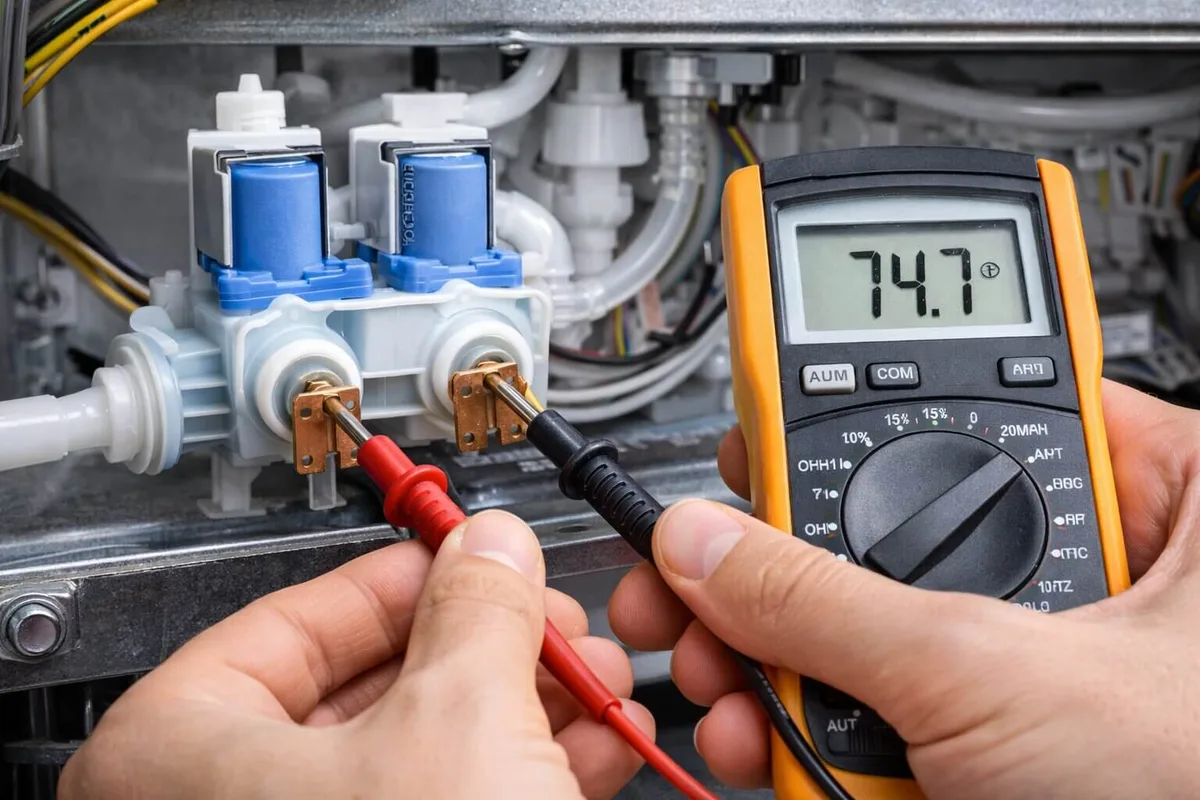
Image source: Bing (Web (fair-use with source credit))
Forced Cycle Test
This test tells you if the ice maker module itself is working. Locate the test button on the front or side of the ice maker. Press and hold it for 3 to 5 seconds.
The ice maker should begin a complete cycle: heater warm up, ejector arm rotation, and a pause for fill.
If you hear the motor run and the arm rotates but no water enters the mold, your water inlet valve is not opening. If nothing happens at all, the module may be dead or not receiving power.
Water Inlet Valve Continuity Check
Unplug the refrigerator. Locate the water inlet valve at the back, bottom left or right depending on your model. It has two wires connected to it.
Remove them and set your multimeter to measure resistance (ohms). Touch the probes to the two terminals on the valve.
A working valve coil should read between 200 and 500 ohms. A reading of zero means the coil is shorted. A reading of infinity means the coil is open.
Either way, the valve needs replacement. Aggregate reviews report that valve failure is the leading cause of no ice production in Maytag refrigerators over three years old.
Freezer Temperature Verification
Use a standalone thermometer. Place it in the freezer near the ice maker, not near the door. Close the door and wait 2 hours.
If the reading is above 5°F, adjust the freezer control to a colder setting and wait another 2 hours before rechecking.
Fill Tube Inspection
Remove the ice bin and shine a flashlight directly at the fill tube opening. If you see ice blocking the opening, that's your problem. A frozen fill tube happens when the freezer is too cold, the defrost heater fails, or the tube itself is damaged and allows moisture to collect.
Clearing it with a hairdryer on low works. Do not pour hot water down the tube, and never use a metal object to chip the ice away.
Common Mistakes That Waste Your Time
People throw parts at ice makers without diagnosing the real problem. Here are the mistakes we see most often.
Replacing the ice maker module first. This is the number one error. The module itself fails less often than people think. The water inlet valve fails three times as frequently.
Test the valve before you spend $60 on a module you don't need.
Ignoring the water filter. A clogged filter reduces water pressure enough that the inlet valve can't fill the mold completely. The ice maker runs, produces tiny cubes, or runs slowly. Change the filter first.
It's the cheapest fix with the highest success rate.
Assuming the digital temperature display is accurate. The sensor that feeds the front display is not the same sensor the ice maker uses. A 5°F difference between the display and the actual freezer temperature is common. Always use a separate thermometer.
Forcing the control arm. If the arm feels stiff or stuck, do not force it. The plastic arm and internal switch can break easily. Gently push it down.
If it doesn't move freely, inspect for ice blocking its path or a broken pivot point.
Overlooking the power supply. A tripped breaker, a loose plug, or a failed control board can kill power to the ice maker while the rest of the refrigerator runs fine. Check that the ice maker is actually plugged into the refrigerator harness and that the harness is seated properly.
When to Call a Technician
Some problems go beyond what a DIY fix can handle. Knowing when to stop saves you time and prevents damage.
Sealed system failure. If the freezer won't stay cold no matter how you adjust the controls, you may have a refrigerant leak. This requires specialized equipment and certification to repair. The cost often exceeds half the price of a new refrigerator.
Main control board failure. If the ice maker has power, the water valve tests fine, and the freezer temperature is correct but the ice maker still doesn't cycle, the main control board may be at fault. Board replacement runs $150 to $300 with labor.
Defrost system problems. A failed defrost heater, thermostat, or timer causes ice buildup on the evaporator coils. This blocks airflow and raises freezer temperature. Symptoms include ice forming on the back wall of the freezer and warm air coming from the vents.
This repair involves disassembling the freezer panel.
Harness or wiring damage. Rodents occasionally chew through refrigerator wiring. If you see frayed wires or evidence of pests, call a technician. Attempting to splice refrigerator wiring without proper connectors can create fire hazards.
Prevention and Maintenance
A little regular attention keeps your ice maker running for years. These habits take almost no time.
Replace the water filter every 6 months. Set a reminder on your phone. Mark the date on the filter housing. A fresh filter maintains proper water pressure and prevents off-tastes in your ice.
Keep the freezer temperature steady. Avoid leaving the door open for long periods. Check the temperature with a standalone thermometer twice a year. Adjust the controls as the seasons change if your refrigerator is in a garage or basement.
Clean the ice bin every 3 months. Empty the bin completely. Wash it with warm soapy water. Dry it thoroughly before reinstalling.
This prevents mold and keeps your ice tasting fresh.
Use the ice regularly. Stagnant ice clumps together and stresses the auger motor in dispenser models. If you go on vacation, empty the bin before you leave.
Frequently Asked Questions
Does my Maytag ice maker have a reset button?
Most Maytag ice makers have a test button, not a reset button. Pressing and holding the test button for 3 to 5 seconds forces a manual cycle. This helps you confirm power and motor function.
It does not clear error codes or recalibrate the module.
How long does it take to make ice after replacing the filter?
After changing the filter, expect 24 to 48 hours for normal ice production to resume. The first few batches may be small or hollow. Air trapped in the water line clears out over time.
Run 2 to 3 gallons through the dispenser to speed up the process.
Will unplugging the fridge reset the ice maker?
Yes, unplugging the refrigerator for 5 minutes resets the main control board. This clears minor software glitches that can interrupt ice maker operation. It also resets the defrost timer.
Try this before replacing any parts.
Why is my ice maker clicking but no water comes out?
A clicking sound means the water inlet valve is receiving voltage but failing to open. This is almost always a valve failure. Test the valve coil with a multimeter.
If the resistance is outside the 200 to 500 ohm range, replace the valve.
What temperature should my freezer be for ice production?
The freezer should be at 0°F (-18°C). Temperatures above 5°F significantly slow ice production. Use a standalone thermometer to verify.
The digital display on the refrigerator front panel can be inaccurate by several degrees.
Can a bad water filter stop my ice maker from working?
Yes. A clogged water filter restricts water flow enough that the ice maker mold never fills completely. This results in small cubes, slow production, or no ice at all.
Replace the filter every 6 months or when you notice reduced flow from the water dispenser.

Similar Posts