Potato Flake Sourdough Starter Troubleshooting

Your potato flake starter was bubbling like crazy on day three. Now it's day six and it's sitting there like a bowl of cold mashed potatoes. You've fed it twice and nothing changed.
Before you dump it and start over, let's talk about what's actually going on.
Potato flake sourdough starter troubleshooting isn't the same as troubleshooting a regular flour starter. The starch structure in potato flakes breaks down faster, which means fermentation happens on a compressed timeline. Starters built with instant potato flakes typically reach peak activity 2 to 4 hours sooner than a 100% flour starter kept at the same temperature.
That changes everything about when and how you feed it. Let's walk through what normal looks like and how to fix what isn't.
Quick Answer
A sluggish potato flake starter usually needs a warmer environment, filtered water, or a thicker feeding ratio. Hooch on top means it's hungry. A vinegary smell means it's over-fermented.
No bubbles after 48 hours means the yeast died or the water has chlorine. Fix the temperature first. Fix the water second.
Fix the ratio third.
Why Your Potato Flake Starter Acts Different Than a Flour Starter
Potato flakes are pre-cooked and dehydrated. That processing breaks the starch molecules into shorter chains. Yeast and bacteria can access those sugars much faster than the complex starches in raw wheat flour.
It's like handing the microorganisms a plate of cut fruit instead of a whole apple. They eat quicker, they multiply faster, and they run out of food sooner.
The typical potato flake starter follows a faster cycle. You'll see bubbles within 12 to 24 hours on day one. By day three or four, you might get a full double in volume.
That speed convinces many bakers the starter is ready. But a fast rise doesn't mean the microbial balance is stable. The lactic acid bacteria still need time to establish.
The yeast still need multiple feed cycles to reach full strength.
This is where the trouble starts. Because the starter rises quickly, people feed it less often. They think it's fine.
Meanwhile, the microorganisms are consuming all available food and starting to starve. The result is a starter that smells like vinegar or nail polish remover, has a layer of dark liquid on top, or suddenly stops rising altogether.
Another difference is water absorption. Potato flakes soak up liquid differently than flour. A feeding ratio that works for a white flour starter will produce a soupy, separated mess in a potato flake starter.
The flakes need more time to hydrate fully. Many troubleshooting issues trace back to the starter being too wet or too dry at the wrong stage of fermentation.
Temperature matters more with potato flake starters. The faster starch breakdown means heat accelerates fermentation even more dramatically than with flour starters. A jar sitting on a warm counter near the stove can ferment out in 6 hours.
The same jar in a cool corner can take 20 hours. That variability confuses bakers who follow a fixed 12-hour feeding schedule.

Is It Alive or Dead? The Quick Check
Before you change anything, you need to know what you're working with. A dead starter smells flat and lifeless. A struggling starter smells sour or chemical but still shows some activity.
The difference matters because you revive a struggling starter. You toss a dead one and start fresh.
The Sniff Test
Smell the starter right after stirring it. A healthy potato flake starter has a mild, slightly tangy aroma. Think yogurt or fresh sourdough bread.
A starter that's too acidic smells like vinegar or nail polish remover. That's acetic acid buildup from the bacteria fermenting past their food supply. A starter with a rotten egg smell needs to be thrown out.
That's contamination, not hunger.
The Look Test
Look at the surface and the sides of the jar. A healthy starter has small bubbles throughout the mixture. You should see bubbles on the surface and tiny holes in the texture when you stir it.
A wet layer of dark liquid on top is hooch. It means the starter has consumed all available food and the yeast are producing alcohol. A thick, dry crust on top means the surface is drying out.
That happens when the lid isn't sealed tight enough or the starter sits too long between feedings.
The Poke Test
Take a clean spoon and poke the center of the starter. A healthy starter that's at peak activity feels aerated and spongy. It resists slightly then gives way.
A sluggish starter feels dense and smooth. It doesn't have the air pockets that indicate active fermentation. A dead starter feels like wet paste.
There's no spring, no bubbles, no life.
The Float Test
Drop a small spoonful of starter into a cup of room temperature water. If it floats, it's active enough to bake with. If it sinks, it needs more time or more feedings.
This test works best with a starter that's been fed within the last 4 to 8 hours. A starter that sinks but has bubbles probably just needs a warmer environment for a few hours.
Problem 1: No Bubbles, No Rise (Sluggish Starter)
This is the most common complaint. You fed your starter yesterday. You came back today.
Nothing happened. The surface is smooth. There are no bubbles.
The volume hasn't changed.
Is the Temperature Right?
Temperature is the first variable to check. Potato flake starters need warmth to activate. The sweet spot is 70 to 80 degrees Fahrenheit.
Below 65 degrees, fermentation slows dramatically. Above 85 degrees, fermentation speeds up but can produce off flavors.
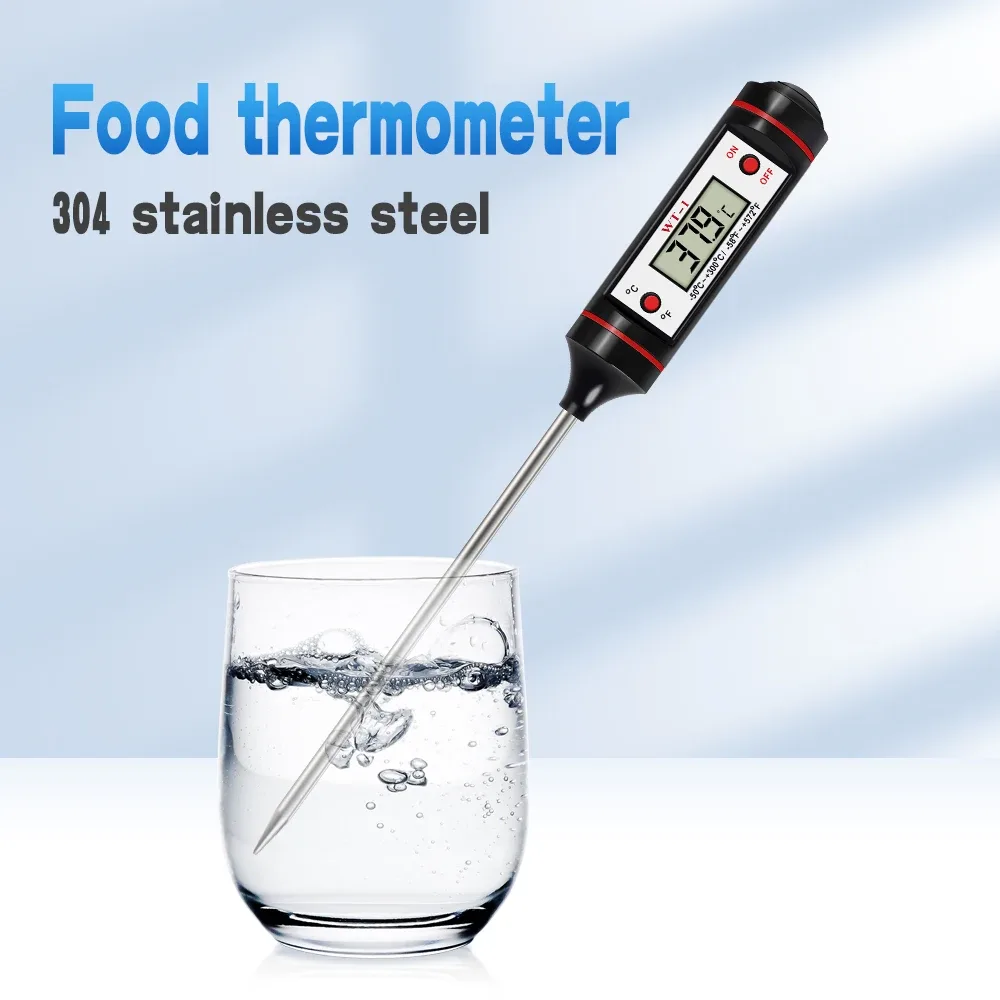
Check your kitchen temperature with a thermometer. If it's below 68 degrees, your starter is simply cold. Move it to a warmer spot.
The top of the refrigerator works. A cabinet near the stove works. You can also place the jar in a bowl of warm water for 20 minutes before feeding.
Is the Water Quality Right?
Tap water in many municipalities contains chlorine or chloramine. These chemicals kill yeast and bacteria. If your starter was active and suddenly stopped, suspect the water.
Switch to filtered water, bottled spring water, or let tap water sit out uncovered for 24 hours to allow chlorine to evaporate. Note that chloramine does not evaporate. If your water utility uses chloramine, you need filtered water.
Is the Feeding Ratio Right?
A potato flake starter that's too wet won't rise properly. The flakes need enough structure to trap the gas bubbles produced by fermentation. If your starter looks like soup, add more potato flakes at the next feeding.
Aim for a thick pancake batter consistency. If your starter looks like stiff dough, add a little more water. The correct ratio by weight is roughly equal parts starter, potato flakes, and water.
But the texture matters more than the math. Adjust until it's thick but spoonable.
Is the Starter Overfed?
It sounds backwards, but feeding too often can slow things down. Each feeding dilutes the yeast and bacteria population. If you're feeding every 12 hours but the starter isn't fully fermenting in that window, you're never letting the population build.
Stretch the feeding interval to 24 hours. Give the microorganisms time to multiply.
Problem 2: Hooch, Separation, or Vinegary Smell (Overly Hungry Starter)
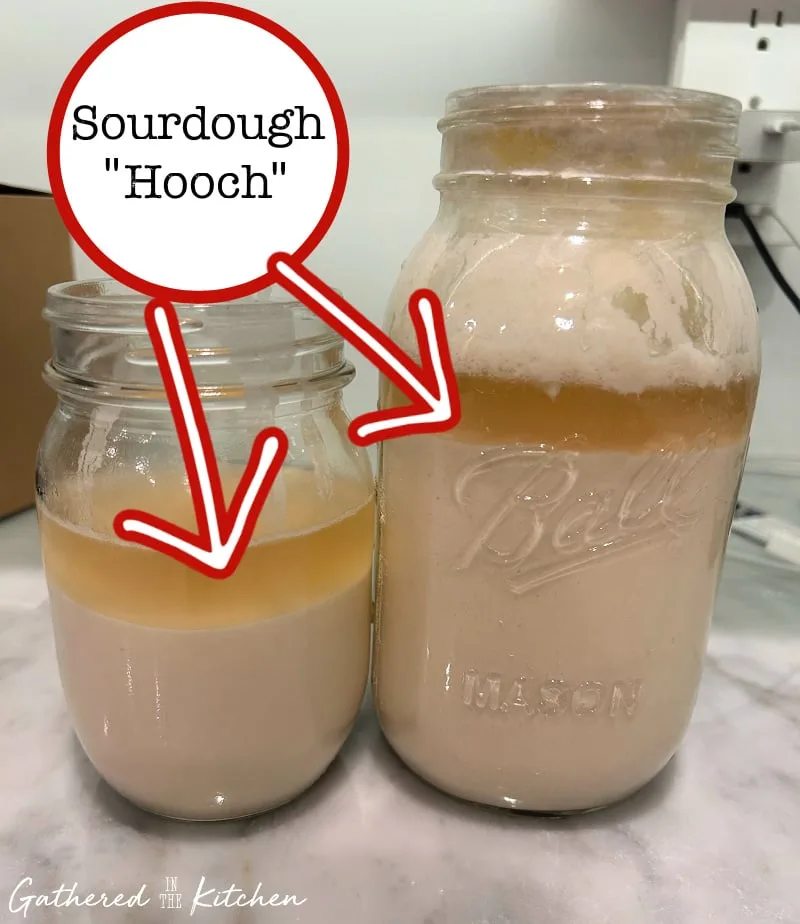
Hooch is the dark liquid that forms on top of an unfed starter. It's a sign that the yeast have consumed all available food and are now producing alcohol as a byproduct. The bacteria, meanwhile, have shifted to producing acetic acid.
That's the vinegary smell.
What the Liquid Layer Is Telling You
A small amount of hooch after 24 hours is normal. A thick layer after 12 hours means your starter is hungry. The microorganisms are eating through their food supply faster than you're providing it.
This happens with potato flake starters because the fermentation cycle runs shorter.
The color of the hooch tells you something. Clear or light yellow hooch means mild hunger. Dark brown or reddish hooch means the starter has been unfed for several days and the acidity is rising.
Pour off the dark hooch before feeding. Mix in the light hooch for flavor.
Fixing the Feeding Schedule
If you see hooch regularly within 12 to 16 hours, feed your starter more often or feed it more food. Increase the feeding ratio. Instead of 1:1:1 starter to flakes to water, try 1:2:2 or even 1:3:3.
That gives the microorganisms a larger food supply that takes longer to consume.
You can also switch to twice-daily feedings for a few days. Feed every 12 hours until the starter stabilizes. Then gradually stretch back to 24 hours if you prefer that schedule.
Rescuing an Overly Acidic Starter
A starter that smells strongly of vinegar needs help. The acidity has built up to unhealthy levels. The yeast are stressed and the bacteria have taken over.
Start by discarding all but a small amount of starter. Keep about 25 grams. Feed it with fresh potato flakes and water at a 1:3:3 ratio.
Use warm water around 80 degrees. Let it ferment in a warm spot. Repeat this process every 12 hours for two to three feedings.
The acidity should drop significantly. The smell will soften from vinegar toward a milder sourness.
If the starter still smells chemical after three feedings, the microbial balance may be too far off. In that case, restart with fresh potato flakes and a small amount of whole wheat flour. The whole wheat flour brings additional nutrients and different bacteria strains that can help rebalance the culture.
Problem 3: Thick Crust, Gluey Texture, or Mold (Surface Problems)
Potato flake starters develop a surface crust faster than flour starters. The starch gelatinization that happens during the flake processing makes the top layer dry out and harden. A crust that forms within hours of feeding indicates the container isn't sealed properly.
Check your lid or cover. A loose lid allows air to circulate and moisture to escape. Switch to a tight-fitting lid or use plastic wrap pressed directly against the surface of the starter.
Some bakers use a reusable silicone lid that creates a seal without being airtight.
A gluey or gummy texture means the starter has too much water relative to the flakes. The starch particles have fully hydrated and turned into a sticky paste. Fix this by adding more potato flakes at the next feeding.
Stir in enough flakes to reach a thick, spoonable consistency. Let it sit for 10 minutes to fully hydrate before judging the texture.
Mold is a different situation. Fuzzy patches in green, gray, black, or orange mean the starter is contaminated. Do not try to scoop out the mold and save the rest.
The mold spores have spread through the entire jar. Discard the starter, wash the jar with hot soapy water, and start fresh. To prevent mold going forward, use clean utensils for every feeding and keep the rim of the jar wiped clean.
The Feeding Fix: Adjusting Ratios for Potato Flake Starters
The right feeding ratio solves most problems before they start. Potato flake starters need a different balance than flour starters because the flakes absorb water differently and ferment faster.
Starting Ratio
Begin with equal parts by weight: 1 part starter, 1 part potato flakes, 1 part water. Stir well and let it sit for 10 minutes. Check the consistency.
It should be thick but pourable, similar to pancake batter. If it's too thin, add a tablespoon of flakes. If it's too thick, add a teaspoon of water.
Adjusting for Activity Level
A starter that's very active and hungry needs a higher ratio. Move to 1:2:2 or 1:3:3. That provides more food per feeding and extends the time between feedings.
A starter that's sluggish benefits from a lower ratio. Try 1:1:1 and feed twice a day to build population density.
Switching Between Potato Flake and Flour Feedings
Many bakers use potato flakes for the initial build and switch to flour for maintenance. That's fine. The starter adapts to whatever food you provide.
If you switch, do it gradually. Mix half potato flakes and half flour for one feeding. Then move to full flour.
The starter will adjust within two to three feedings.
If you switch back to potato flakes after using flour, expect a few days of erratic behavior. The starch structure is different. The fermentation speed will shift.
Give it time to stabilize before judging the health of the starter.
Quick Troubleshooting Decision Guide
Use this table to match your symptom to the fix.
| Symptom | Likely Cause | Quick Fix |
|---|---|---|
| No bubbles, no rise | Cold environment or bad water | Move to warm spot, use filtered water |
| Dark liquid on top | Hunger | Increase feeding ratio or frequency |
| Vinegar smell | Over-fermentation | Discard most, feed 1:3:3 every 12 hours |
| Thick crust on surface | Lid not sealed | Tighten lid or use plastic wrap on surface |
| Gluey, gummy texture | Too much water | Add more potato flakes at next feeding |
| Green or black mold | Contamination | Discard, clean jar, start fresh |
| Rises but never doubles | Weak yeast population | Feed twice a day for 3 to 4 days |
| Sinks in float test | Not at peak activity | Wait 2 to 4 hours, test again |
Frequently Asked Questions
How long does it take for a potato flake starter to mature?
Most potato flake starters are ready to bake with by day 5 to 7. You'll know it's mature when it doubles in volume within 4 to 8 hours of feeding, has a pleasant sour aroma, and passes the float test consistently.
Can I feed my starter only potato flakes forever?
Yes. A potato flake starter can survive on potato flakes indefinitely. The flakes provide enough starch and nutrients for the yeast and bacteria.
Just make sure you're using plain potato flakes without added salt, butter, or flavorings.
Why does my potato flake starter smell different than my flour starter?
Potato flake starters tend to have a milder, creamier sourness compared to flour starters. The different starch composition produces a different balance of lactic and acetic acids. Some bakers prefer this flavor for soft sandwich breads and rolls.
Can I use generic store-brand potato flakes?
Yes. Generic brands work fine as long as the only ingredient is dehydrated potatoes. Avoid flakes with added salt, preservatives, or flavorings.
Check the ingredient list before buying.
My starter bubbles but doesn't double in volume. What's wrong?
This usually means the yeast population is still building. Continue feeding once a day. The volume increase will improve as the yeast multiply.
Make sure your feeding ratio provides enough food and your water is free of chlorine.
Should I keep my potato flake starter in the refrigerator?
Only after it's mature and stable. A refrigerated starter needs feeding once a week instead of once a day. When you're ready to bake, take it out, feed it, and let it return to room temperature over 24 hours before using it.

Similar Posts