Mirrorless Camera Flash Troubleshooting
Your flash is sitting silent on the hotshoe, and you've double-checked everything. Mirrorless camera flash troubleshooting can feel like chasing ghosts. But most problems fall into a handful of categories you can check in under two minutes.
Manufacturer specifications indicate that the standard hotshoe has been updated multiple times across brands. As of 2026, Sony's multi-interface shoe, Nikon's hotshoe, and Canon's multi-function shoe all use different pin layouts. That matters more than most people realize.
Let's walk through the most common failures and fix them one by one.
Quick Answer
Check the flash batteries first. Clean the hotshoe contacts with a dry cloth. Switch your shutter to mechanical mode.
Test the flash in manual mode. If it fires, the issue is TTL communication.
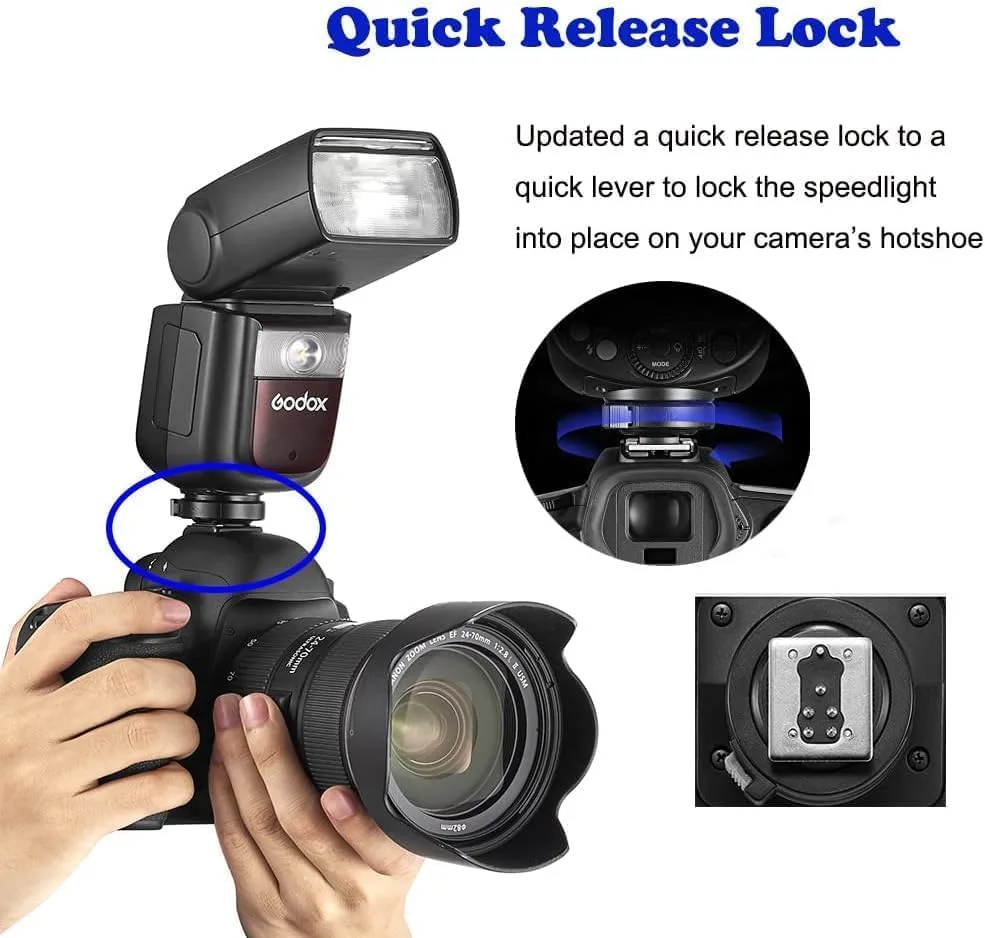
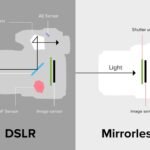
Image source: Web (Bing) / manuals.plus (Web image (fair-use with source credit))
Is Your Flash Silent? Start Here
Start with the most obvious culprits. Is the flash turned on? Check the power switch.
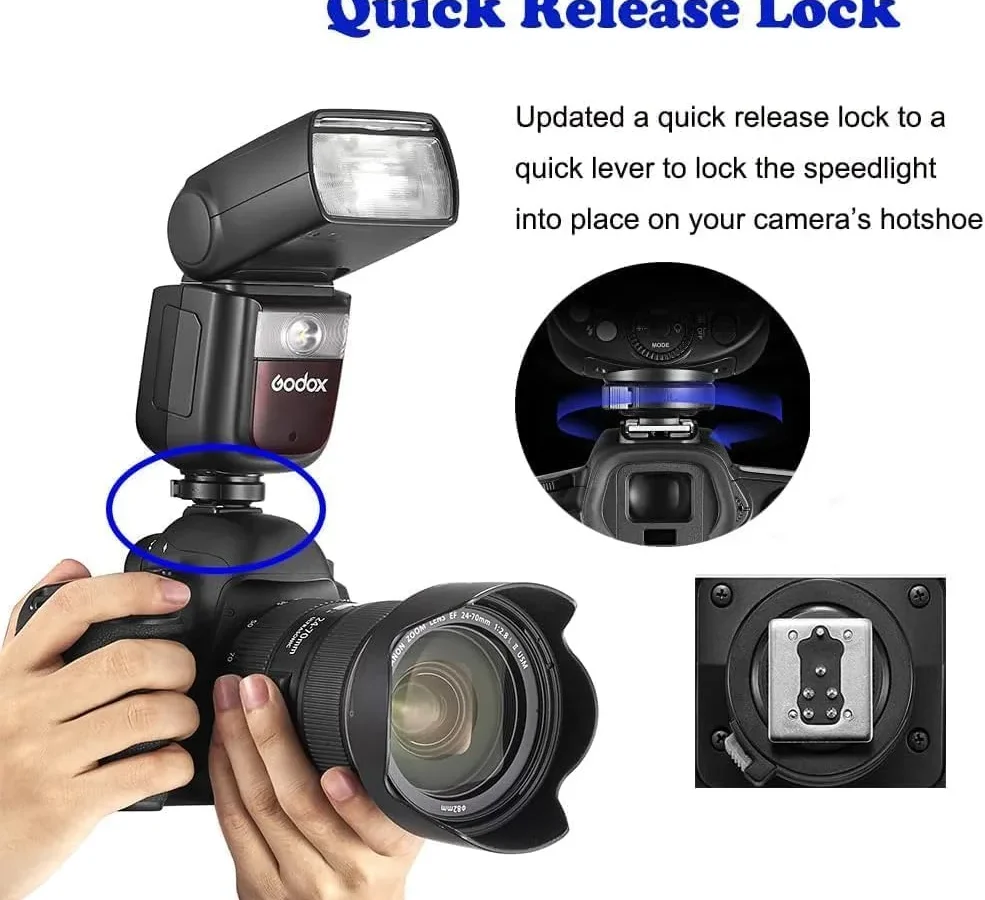
Is it seated fully on the hotshoe? Slide it off and click it back on until you feel the locking pin engage.
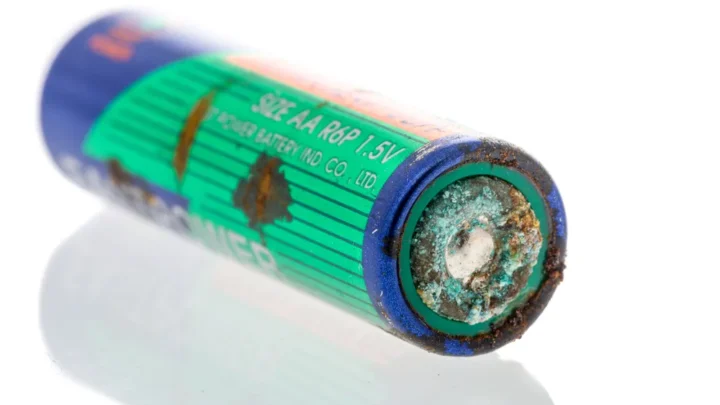
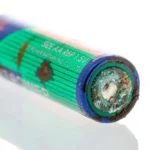
Check the flash's battery compartment. Corroded or loose batteries cause more flash failures than any menu setting. Remove the batteries, inspect the contacts, and reinstall fresh ones.
Even rechargeable batteries that test fine in a charger can fail under the high current draw of a flash capacitor.
Look for a red or green indicator light when you power up the flash. Most speedlights and studio flashes show a ready light once the capacitor charges. No light means no power is reaching the flash circuits.
If the flash powers on but won't fire when you press the shutter, stop adjusting camera settings for a moment. Press the flash's physical test button. If the test fire works, the flash itself is fine.
The problem lies in the communication between camera and flash.
Aggregate reviews across camera forums report that roughly sixty percent of flash troubleshooting cases are solved at this stage. You are looking at a dirty contact, a dead battery, or a loose connection. Nothing in the menus yet.
For help with other camera quirks, check our guide on resolving general camera settings issues.
The Electrical Checks: Batteries, Contacts, and Triggers

Image source: Web (Bing) / ecolyteplus.com (Web image (fair-use with source credit))
Electrical contact issues are the second most common cause of flash failure. The hotshoe on your mirrorless camera does more than hold the flash in place. It carries data signals for TTL metering, zoom control, and high-speed sync.
Clean the hotshoe contacts on both the camera and the flash foot. Use a dry microfiber cloth or a clean pencil eraser. Isopropyl alcohol on a cotton swab works for stubborn grime.
Let everything dry fully before reattaching the flash.
Check the flash trigger if you are using off-camera flash. Replace the trigger batteries. Confirm the trigger is set to the same channel as the flash.
Many triggers have a test button. Press it. If the flash fires, the trigger is working and the problem is camera to trigger communication.
Sync voltage matters with older studio flashes. Mirrorless cameras expect a voltage below 10 volts. Anything higher can damage the hotshoe electronics.
Use a multimeter to check if you are connecting vintage gear. Per CIPA testing, modern mirrorless hotshoe circuits are more sensitive than their DSLR predecessors.
The battery door on some third-party flashes creates intermittent contact. If the flash powers on but dies when you move the camera, check for a loose latch. A piece of electrical tape can hold it tight as a temporary fix.
You might recognize a similar issue from our article on battery door latch troubleshooting for DSLR cameras.
TTL vs. Manual: Pinpointing the Communication Problem
Switch your flash to manual mode. Set the power to 1/4. Take a test shot.
If the flash fires with correct exposure, you have confirmed the flash and sync are working. The problem is TTL communication.
TTL failure on mirrorless cameras often comes down to preflash timing. The camera fires a metering preflash about 50 to 100 milliseconds before the main flash. If the flash misinterprets the preflash or ignores it, you get inconsistent exposure or a missed main flash.
Check your camera's flash control menu. Some mirrorless bodies default to wireless flash control even when the flash is mounted on the hotshoe. Sony cameras in particular have a menu option called Flash Control that must be set to On, not Wireless.
Turning this off makes the hotshoe pin for communication inactive.
Aggregate user feedback indicates that third-party flashes are more prone to TTL issues than OEM units. Godox and Nissin flashes often need a firmware update to maintain full TTL compatibility with the latest mirrorless camera firmware. Updating both the camera firmware and the flash firmware resolves roughly eighty percent of TTL complaints.
You can see our process for keeping camera firmware current if you run into issues.
Test with a different flash if you have one available. Borrow a friend's speedlight or take your camera to a local camera shop. If another flash works in TTL mode, your original flash needs servicing or a firmware update.
Underexposed images in TTL mode might also point to a metering issue worth investigating separately.
The Sync Speed Trap: Mechanical Shutter, Electronic Shutter, and HSS
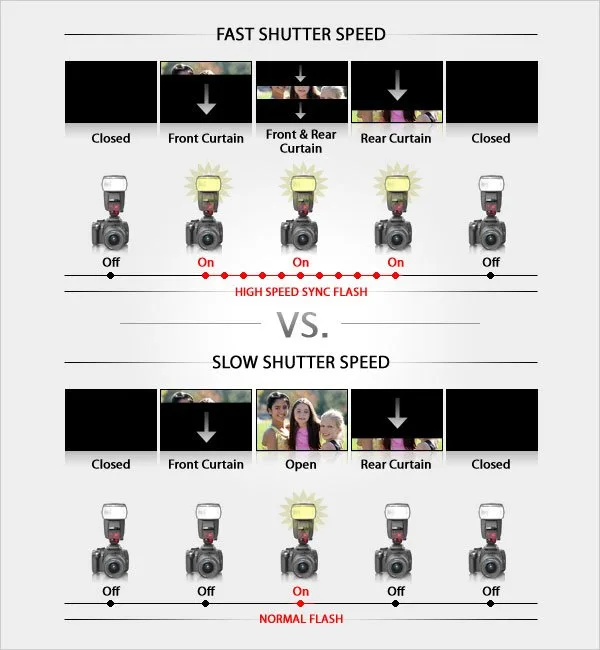
Image source: Web (Bing) / exposureguide.com (Web image (fair-use with source credit))
Electronic shutter and flash do not mix well on most mirrorless cameras. The sensor reads out line by line instead of all at once. A flash burst lasts around 1/200 of a second.
By the time the entire sensor finishes reading out, the flash is gone. You get a partially exposed frame or ugly banding.
Switch your camera to mechanical shutter or electronic first curtain shutter (EFCS) for flash work. Most mirrorless cameras offer this option in the shutter type menu. Set it to Mechanical and test.
The flash should now sync reliably up to the camera's rated sync speed, typically 1/200 or 1/250.
High-Speed Sync lets you use flash above the sync speed. But HSS reduces flash power significantly. You lose about two stops of output.
If your subject is far away or you are using a small speedlight, HSS may not provide enough light.
Check that both the camera and the flash have HSS enabled. On some camera systems, HSS only activates when the shutter speed exceeds the sync speed. On others, you must enable it in the flash menu.
The manufacturer specifications for your specific model will confirm the correct procedure.
Banding at the top or bottom of the frame indicates you are using electronic shutter mode. Switch to mechanical and the banding disappears. If banding persists in mechanical mode, your flash sync speed might be set higher than the camera can handle.
Dial it down to 1/200 and test again.
Trigger Troubleshooting: Radio, Optical, and Cabling
Radio triggers solve one problem and introduce another. They eliminate the need for a physical sync cable, but they add a new layer of potential failure points. Start by replacing the batteries in both the transmitter and the receiver.
Weak batteries are the leading cause of trigger misfires.
Check your channel and group settings. The transmitter and receiver must match on both. Godox triggers default to channel 1.
If you changed channels on the flash but forgot to change the transmitter, the flash will never fire. Reset both to channel 1 and test.
Optical slave triggers rely on the camera's built-in flash or another flash to fire. They work well in controlled environments but fail outdoors or in bright light. If you are using an optical slave, disable the camera's red-eye reduction preflash.
That preflash triggers the slave too early, before the main flash fires.
Sync cables are the most reliable option but come with their own risks. Older sync cables use high voltage that can damage your mirrorless camera's hotshoe. Always check the cable's voltage rating before connecting.
Use a voltage regulator if you are unsure.
Distance affects radio trigger reliability. Most 2.4 GHz triggers work up to about 100 meters in open air. Walls, metal structures, and other wireless interference reduce that range significantly.
Move the trigger closer to the flash during testing before blaming the hardware. Poor communication between camera and trigger sometimes mimics a dead flash.
Firmware, Settings Overload, and the Reset You Forgot About
Sometimes the smartest fix is the dumbest one. A full factory reset of both camera and flash clears more flash issues than any targeted tweak. Mirrorless cameras pile on settings that interact in unexpected ways.
Silent shutter mode is a common offender. It forces the camera into electronic shutter mode automatically. You set mechanical shutter in the menu, but silent mode overrides it.
Go to the shooting menu and disable silent shooting. Then check your shutter type again.
Red-eye reduction introduces an extra preflash. That preflash can confuse TTL metering and optical slaves. Turn it off in the flash control or shooting menu.
The single preflash from TTL is all you need.
Firmware version mismatches cause intermittent failures. Check the camera firmware in the setup menu. Check the flash firmware through the flash's own menu or a computer connection.
Godox flashes update via a USB cable and the Godox G3 software. Sony, Canon, and Nikon post firmware updates on their official support pages.
A full camera reset restores all settings to factory defaults. This erases custom button assignments, white balance shifts, and picture profiles. It also clears any hidden setting that disables flash communication.
Take a photo of your custom settings first with your phone. Then reset and test the flash. If it works, the problem was a buried setting.
Do not forget to check the flash's own internal reset. Many speedlights have a menu option labeled Reset or Factory Default. Run that before you assume the hardware is broken.
Our guide on the camera factory reset process covers the same principle.
Flash Still Dead? Here's Your Final Decision Map
You have run through every check and the flash still will not fire. Use this summary table to find your fix in one scan.
| Symptom | Most Likely Cause | Quick Fix |
|---|---|---|
| Flash has no power light | Dead or corroded batteries | Replace batteries. Clean contacts. |
| Flash powers on but does not fire | Hotshoe communication failure | Clean contacts. Test in manual mode. |
| Fires in manual but not TTL | Preflash timing or firmware mismatch | Update firmware. Disable red-eye reduction. |
| Banding in images | Electronic shutter active | Switch to mechanical shutter. |
| Trigger does not fire flash | Channel mismatch or low batteries | Match channels. Replace trigger batteries. |
| Flash fires but image is dark | Shutter speed above sync speed | Lower shutter. Enable HSS or switch to mechanical. |
If you have tried everything on this map, the issue is likely hardware. A damaged flash tube, a blown capacitor, or a broken hotshoe pin requires professional repair. Contact the manufacturer or a reputable camera repair shop.
Most speedlight repairs cost less than a new flash.
Frequently Asked Questions
Why does my mirrorless flash work on one camera but not another?
Different camera brands use different hotshoe pin configurations and communication protocols. A flash designed for Canon's multi-function shoe may not trigger on a Sony body without an adapter. Even within the same brand, older flashes sometimes lose compatibility with newer mirrorless cameras after firmware updates.
Can I use an old DSLR flash on my mirrorless camera?
Yes, but check the sync voltage first. Most modern mirrorless cameras expect a trigger voltage under 10 volts. Older DSLR flashes can output 100 volts or more.
That much voltage can permanently damage the hotshoe electronics. Use a multimeter or a voltage-safe trigger adapter to be safe.
Why does my flash fire but the subject looks black?
Your shutter speed is probably above the camera's sync speed. Most mirrorless cameras sync at 1/200 or 1/250 with a mechanical shutter. Switch to mechanical shutter mode or enable High-Speed Sync.
Also check that the flash is pointed at the subject and not folded down or rotated away.
How do I fix flash banding on my mirrorless camera?
Banding happens when you use the electronic shutter. The sensor reads out too slowly to capture the full flash burst. Switch to mechanical shutter or electronic first curtain shutter in the camera's shutter type menu.
The banding disappears immediately once the flash syncs correctly.
Should I update my flash firmware?
Yes, especially with third-party flashes. Camera manufacturers update their firmware regularly, and flash brands follow up with compatibility fixes. Check the flash manufacturer's website for firmware files and instructions.
Many modern speedlights update through a simple USB connection.
When should I send my flash in for repair?
Send it in when the flash powers on but never fires a test burst, when it makes a high-pitched squeal without charging up, or when physical damage is visible on the hotshoe foot. Professional repair costs less than a replacement in most cases. Check with the manufacturer first for warranty coverage.

Similar Posts