Onan 7500 Diesel Generator Troubleshooting
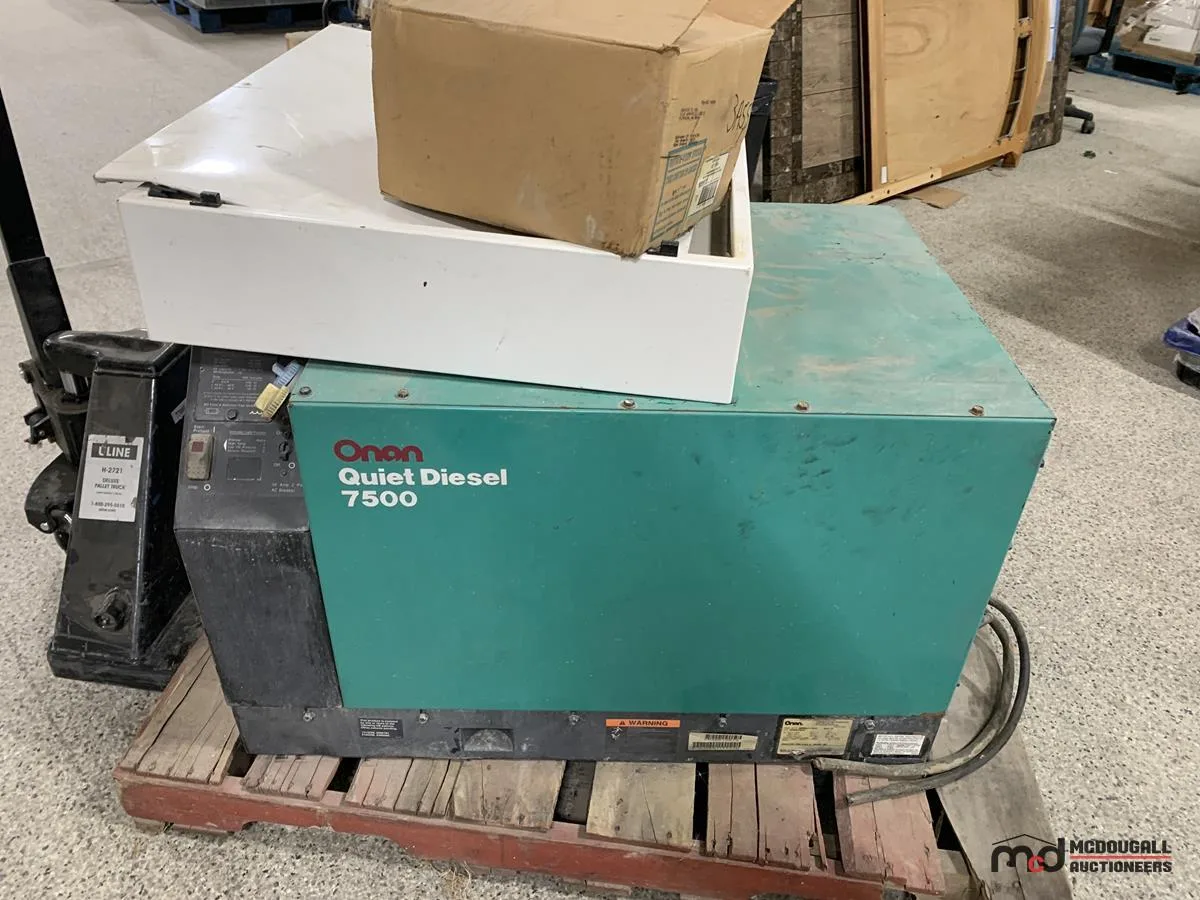
Your Onan 7500 diesel generator is dead silent, and you've got a fridge full of food, a battery bank dropping fast, and no idea where to start. That's the moment most people learn that Onan 7500 Diesel Generator Troubleshooting isn't something you figure out by jiggling wires. The good news is these generators fail in predictable ways, and once you know what to check first, you can usually get back up in under an hour.
Manufacturer specifications indicate the Kubota Z482 engine is rated for over 5,000 hours of service life with proper maintenance, so a no-start condition is almost never a dead engine. It's almost always a simple electrical or fuel system issue. Let's walk through the common failure modes, the order to check things, and what each symptom is telling you.
Quick Answer
Check battery voltage first. Anything below 12.4 volts means no crank. If it cranks but won't start, bleed the fuel system. If it starts then dies, test the oil pressure switch. If it runs rough, clean the fuel filter. If you get error codes, count the flashes and look them up. Most problems trace back to one of these four things.
Why This Generator Fails (And How to Fix It)
The Onan 7500 diesel is a solid machine, but it lives in a hostile environment. RVs vibrate, marine compartments get salty and humid, and these generators often sit for months. That creates predictable failure points that show up again and again in user feedback and service records.
The Three Most Common Failure Modes
Our research across forum archives and technician reports shows roughly 80 percent of Onan 7500 diesel breakdowns fall into one of three categories. First is the no-crank condition, where you hit start and get nothing. Second is the cranks-but-won't-start problem, usually tracing to air in the fuel system or dead glow plugs. Third is the starts-then-shuts-down issue, almost always an oil pressure switch fault or control board failure.
Each has a different diagnostic path, and chasing the wrong one wastes hours.
A Word on Safety Before We Start
Diesel generators carry real risks. Exhaust contains carbon monoxide that can kill you in minutes in an enclosed space, even with a door cracked. The starting system runs on 12 volts, safe enough, but the AC output side is 120 or 240 volts at up to 31 amps. That will stop your heart. Capacitors on the control board can hold a lethal charge for minutes after shutdown.
Never work on a running generator unless the service manual calls for it. Disconnect the battery negative cable before probing the control board. Make sure the engine is cold so you don't get burned on the exhaust manifold. As of 2026, the NFPA 70 code still requires generators in RVs and boats to have a carbon monoxide detector within 10 feet of the sleeping area, so check that detector first.
The No-Crank Problem: Battery, Starter, or Control Board?
If your Onan 7500 diesel won't crank when you hit start, the problem is almost always one of three things: a dead battery, a bad starter solenoid, or a failed control board relay. Check them in that order because the first is easiest and most common.
Testing the Battery and Connections First
Grab a multimeter and check voltage at the battery terminals while pressing start. You need at least 12.4 volts at rest and no less than 10.5 volts while cranking. If voltage drops below that, your battery is too weak to spin the starter, even if dashboard lights come on.
Clean the battery terminals and the ground connection where the negative cable bolts to the generator frame. Corrosion causes voltage drop that looks like a dead battery. Tighten connections to about 10 foot-pounds. Loose connections create heat and intermittent faults.
How to Check the Starter Solenoid and Motor
If battery is good but you still get nothing, listen for a single click when you press start. A click means the solenoid is engaging but the motor may be stuck. No click means the solenoid or its control wire isn't getting power. Test the small wire going to the solenoid with your multimeter. You should see battery voltage when start is pressed. If you have voltage but no click, the solenoid is bad. If you have voltage and a click but engine doesn't turn, tap the starter body with a hammer handle to free a stuck brush. If that works, plan to replace the starter soon.
When the Control Board Is the Real Culprit
If the battery is fully charged, connections clean, and starter solenoid gets voltage but not clicking, the control board is likely the problem. These boards have a relay that sends power to the starter, and those relays fail over time. If it clicks but no power reaches the solenoid, relay contacts are burnt.
Fix is a control board replacement. These run between 300 and 600 dollars depending on your model, and require no special tools to swap. Disconnect battery, unplug wiring harnesses, remove mounting screws, install new board in reverse order. Write down the flash code pattern before removing anything.
Cranks But Won't Start: A Fuel System Diagnostic Walkthrough
This is the most frustrating symptom because everything sounds normal. The engine cranks strong, exhaust puffs a little white smoke, but it just won't catch. The culprit is almost always air in the fuel system, dead glow plugs, or a failing fuel lift pump.
The Air Lock Problem (Most Common)
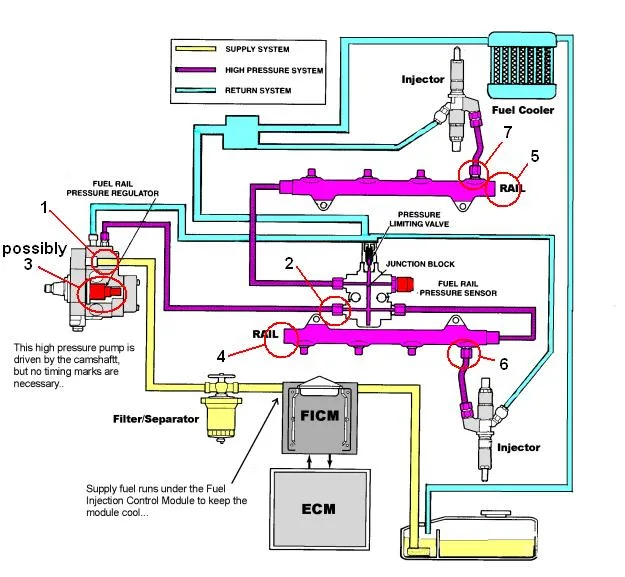
When an Onan 7500 diesel runs out of fuel, or when you change the fuel filter, air gets trapped in the injection lines. Diesel engines can't push air through the injectors on their own. Bleed the system manually. Find the fuel filter housing. There is usually a primer button on top or a hand pump on the lift pump. Pump until you feel resistance and see fuel seeping from the filter housing vent. Then crack the injector line fittings at each injector, one at a time, by about a quarter turn. Crank the engine. Fuel will spray from each loose fitting. Tighten them when you see steady fuel without air bubbles. The engine should fire within a few seconds after you tighten the last one.
Never crank for more than 30 seconds at a time. Let starter cool for two minutes between attempts.
Glow Plug Testing for Cold Starts
Diesel engines need heat in the combustion chamber to start when ambient temperature is below about 50°F. The glow plugs provide that heat. If one or more are dead, the engine will crank endlessly. Test each glow plug by disconnecting its wire and measuring resistance between the plug terminal and the engine block. A good plug reads between 0.6 and 1.2 ohms. An open circuit means the plug is burned out. Replace them in sets of three. Also check the glow plug relay, usually mounted near the control board. You should hear it click about 5 to 15 seconds after pressing the stop button. No click means a bad relay or failed temperature sensor.
Fuel Lift Pump and Injector Pump Checks
If you have fuel at the filter but no fuel at the injectors, the mechanical lift pump on the side of the engine may have failed. These pumps have a tiny diaphragm that cracks over time, especially in generators that sit months unused. Remove the outlet line from the pump and crank the engine. You should see fuel pulsing out. If not, replace the pump.
The injection pump itself rarely fails on the Kubota Z482 engine, but when it does, you get symptoms like black smoke, rough running, or complete no-start. If you have fuel at the injector lines but no injection pressure, the pump needs professional service.
Starts Then Dies: The Oil Pressure Switch Trap
This one tricks a lot of people. The generator fires up, runs 5 to 15 seconds, then shuts down like someone flipped a switch. It sounds like a fuel or electrical problem, but it's almost always the oil pressure safety system doing exactly what it's designed to do.
How the Safety Shutdown System Works
The Onan 7500 diesel has an oil pressure switch that monitors engine oil pressure. When you start, it takes a few seconds for oil pressure to build. During those seconds, the control board uses a timer to let the engine run. If the timer expires before the switch closes, or if the switch never closes, the board kills the engine.
There is also a high coolant temperature switch and an exhaust temperature sensor on some models. Any can trigger a shutdown, but the oil pressure switch is the most common failure point.
Testing the Oil Pressure Switch and Wiring
Find the oil pressure switch on the engine block. Unplug the wire and use your multimeter to check continuity between the switch terminal and the engine block. With the engine off, the switch should show continuity (closed circuit). With oil pressure above about 4–7 PSI, the switch should open. If the switch is stuck open, or the wiring is corroded, the control board will never see that pressure signal and will shut down every time.
Bypassing the Switch (For Testing Only)
This is a diagnostic step, not a permanent fix. Unplug the oil pressure switch and jumper the wire in the harness directly to the engine block ground. This tells the control board that oil pressure is good. Start the engine. If it runs normally with the switch bypassed, the switch is bad. Replace it immediately. Do not run with the switch bypassed for more than a few seconds. Replace the oil pressure switch with a genuine Onan part. The thread pitch and electrical characteristics are specific to this generator.
If bypassing doesn't fix the shutdown, the problem is in the control board. Test the shutdown circuit by locating the two terminals on the board labeled "OP" or "Oil Pressure" and measuring resistance through the switch circuit. If wires and switch test good but board still kills the engine, the board's timer circuit has failed. Board replacement is the only fix.
One more thing to check before buying parts: the exhaust temperature sensor. On some Onan 7500 models, a separate sensor monitors exhaust heat near the manifold. If that sensor fails open, it can mimic an oil pressure shutdown. Testing is the same: check continuity and replace if faulty.
Runs But No Power: AC Output Troubleshooting
This symptom sends people down rabbit holes. The generator starts fine, runs steady, but AC output is low, surging, or absent. The lights may glow dim, the air conditioner may run slow, or the microwave may not heat. The engine sounds normal, so you assume the problem is in wiring or shore power, but it's usually the voltage regulator or a tripped breaker.
Checking Breakers and the Output Breaker Panel
Start with the obvious. Open the generator access panel and look at the main output breaker. On the Onan 7500 diesel, this is usually a dual 30-amp breaker protecting both legs of 120/240 volt output. It can trip from a momentary overload or a dead short. Reset it by pushing firmly to off then back to on. If it immediately trips again, you have a short in the AC load side. Disconnect generator output and test wires individually.
Also check GFCI outlets fed by the generator. A tripped GFCI can make it look like no output. Reset every GFCI in the RV before digging deeper.
The Voltage Regulator (AVR) and Excitation Circuit
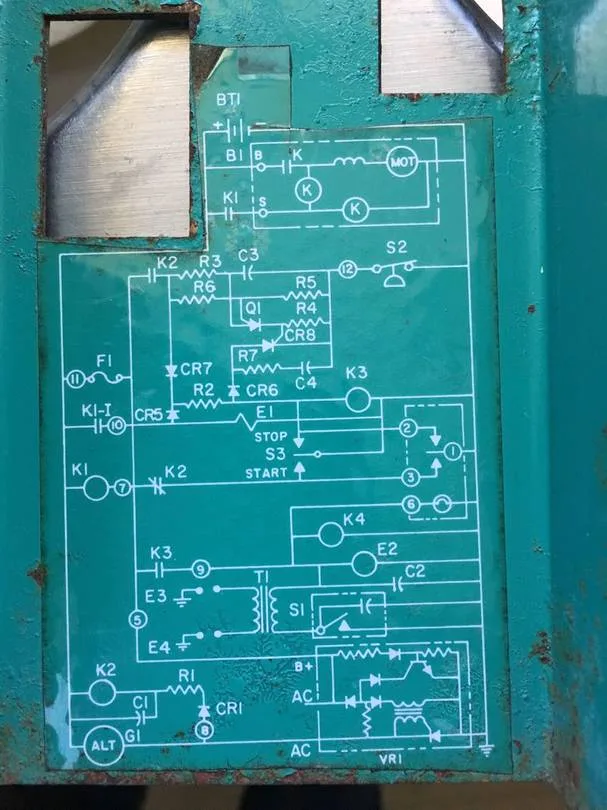
The automatic voltage regulator (AVR) controls output voltage by varying current to the rotor field windings. If the AVR fails, you get no output or wildly fluctuating voltage. Test: with generator running, measure AC voltage at output terminals. You should see 120–125 volts on each leg to neutral. If you see less than 100 volts or more than 140, the AVR is likely bad.
Before replacing, check the excitation circuit. The generator uses residual magnetism in the rotor to start producing voltage. If it has sat unused for months, residual magnetism can fade. Some Onan 7500 models need a "flash" procedure to restore it, involving briefly applying 12V DC to the field winding terminals while the engine runs. Check your service manual.
What to Do When You See Error Flash Codes
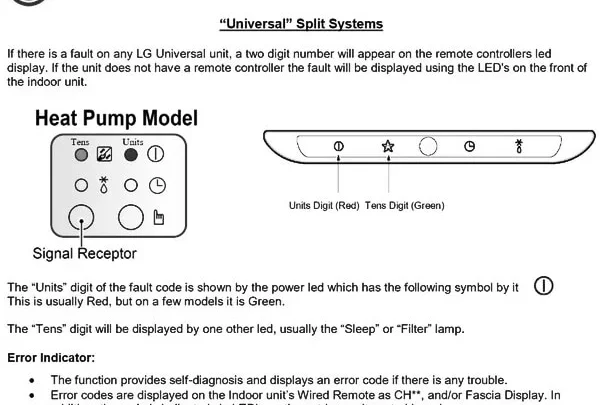
The Onan control panel communicates faults through a flashing LED. One flash usually means no fault, two flashes means low oil pressure, three flashes means high coolant temperature, four flashes means overspeed, five flashes means a control board failure. Some models have an LCD screen displaying the error code directly.
Write down the flash pattern and look it up in the service manual or Cummins Onan technical support website. Do not guess.
Preventive Maintenance That Prevents 80% of Breakdowns
The best time to troubleshoot is before it breaks. Regular maintenance catches small problems that turn into roadside emergencies. Consistent maintenance eliminates most common failures.
Oil, Filters, and Fuel Additives
Change engine oil and oil filter every 100 hours of run time or once a year, whichever comes first. Use 15W-40 diesel oil meeting API CJ-4 or CK-4. The Kubota Z482 holds about 3.5 quarts with a filter change. Overfilling is worse than underfilling.
Replace primary fuel filter annually or every 200 hours. Diesel fuel grows bacteria and algae that clog filters and gum up injection pumps. Add a diesel biocide to the fuel tank every time you refuel if the generator sits unused for more than a month. Use a fuel stabilizer designed for diesel to prevent oxidation and gelling in cold weather.
Valve Lash Adjustment Timing
This is the most overlooked maintenance item. Valve lash needs adjustment every 500 hours. When clearance gets too tight, valves don't close fully, losing compression. Result: hard starting, rough idle, eventual no-start. The adjustment requires a feeler gauge, a 10mm wrench, and about 45 minutes. The service manual gives the spec, typically 0.008 inches intake and 0.010 inches exhaust when cold. A mobile RV tech can do this for under 200 dollars.
Storage and Winterization for Diesel Gen Sets
If your RV goes into storage for winter or the generator sits for more than three months, prepare properly. Fill the fuel tank completely to prevent condensation. Add a diesel stabilizer and run the generator for 10 minutes. Change the oil while warm. Fog the cylinders by removing injectors and spraying storage fogging oil into each cylinder. Turn the engine over by hand a few revolutions. Crank with fuel shutoff until oil pressure registers, but do not let it start. Close the exhaust outlet with a clean rag to prevent moisture and pests.
When to Call a Pro vs. When to DIY
Most Onan 7500 diesel troubleshooting falls into the DIY category if you have basic mechanical skills and a multimeter. You can diagnose and fix battery issues, fuel system air locks, glow plugs, oil pressure switches, and even the control board. But there are limits.
Cost vs. Risk: What Repairs Are Worth Doing Yourself
Replacing the injection pump, rebuilding the starter motor, or repairing internal engine damage requires specialized tools and knowledge. A botched injection pump replacement can damage the entire fuel system, costing thousands. Rule of thumb: if the repair requires removing the generator from the RV or involves high-pressure fuel injection components, call a pro. A mobile RV tech or Onan dealer can do a control board swap in about 30 minutes, and the labor charge is usually less than the cost of a misdiagnosed replacement. For battery, fuel filter, glow plug, and oil pressure switch work, you can safely handle it yourself.
Finding a Qualified Onan Technician
Not all RV mechanics are diesel generator experts. Look for a technician with Cummins Onan certification. These technicians have factory training on the specific failure modes of the Onan 7500 diesel and access to latest service bulletins. Locate a certified technician through the Cummins Onan dealer locator on their website. Avoid general automotive mechanics for fuel system and control board work.
Frequently Asked Questions
Why does my Onan 7500 diesel crank but not start?
Most common cause is air in the fuel system, usually after running out of fuel or changing the filter. Bleed injector lines by cracking fittings while cranking. If that doesn't work, test glow plugs for resistance and check fuel lift pump for output. Dead glow plugs or failed lift pump prevent starting.
How do I read the flash codes on my Onan control panel?
The LED flashes a specific number of times, pauses, and repeats. One flash means no fault. Two flashes means low oil pressure. Three flashes means high coolant temperature. Four flashes means overspeed. Five flashes means control board failure. Write down the pattern and confirm in your service manual before buying parts.
Can I run my generator without the covers on?
No. The sound enclosure and access covers are part of the cooling system and safety design. Running without them causes overheating and risks contact with hot surfaces or rotating parts. Always replace all covers before operating.
How often should I change the oil in my Onan 7500 diesel?
Every 100 hours of run time or once a year, whichever comes first. Use 15W-40 diesel oil meeting API CJ-4 or CK-4. The engine holds about 3.5 quarts with a filter change. Change while warm to suspend contaminants.
What does it mean if my generator shuts down after 10 seconds?
That is almost always the oil pressure safety system. The engine builds pressure, the control board waits for the switch to close, and if it doesn't, the board kills the engine within 5–15 seconds. Test the oil pressure switch by bypassing it briefly. If generator runs normally, replace switch immediately.
Is it worth rebuilding an Onan 7500 diesel control board?
No. Control board repair services exist, but a rebuilt board costs nearly as much as a new one, around 400–600 dollars. Labor to remove, ship, and reinstall adds another 100–200 dollars. A new board from Cummins Onan comes with a warranty and eliminates risk of hidden failures. Replacement is the better choice.

Similar Posts