Vevor Gas Pressure Washer Troubleshooting
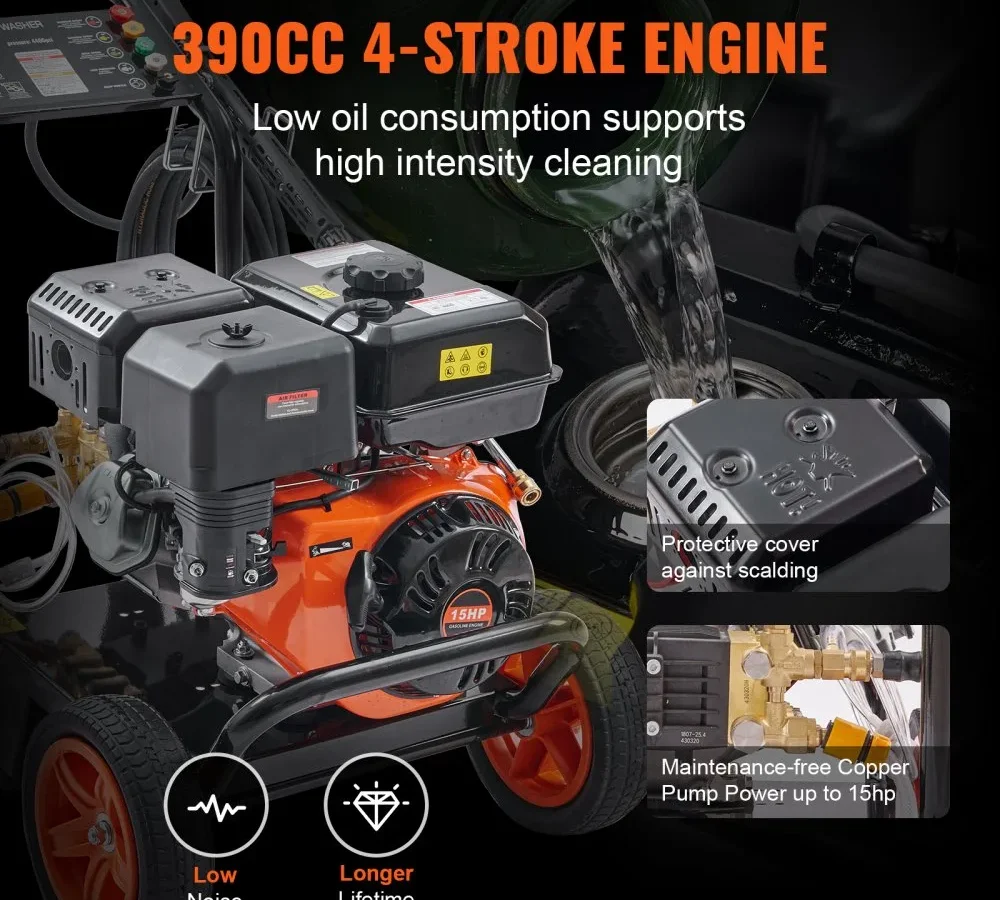
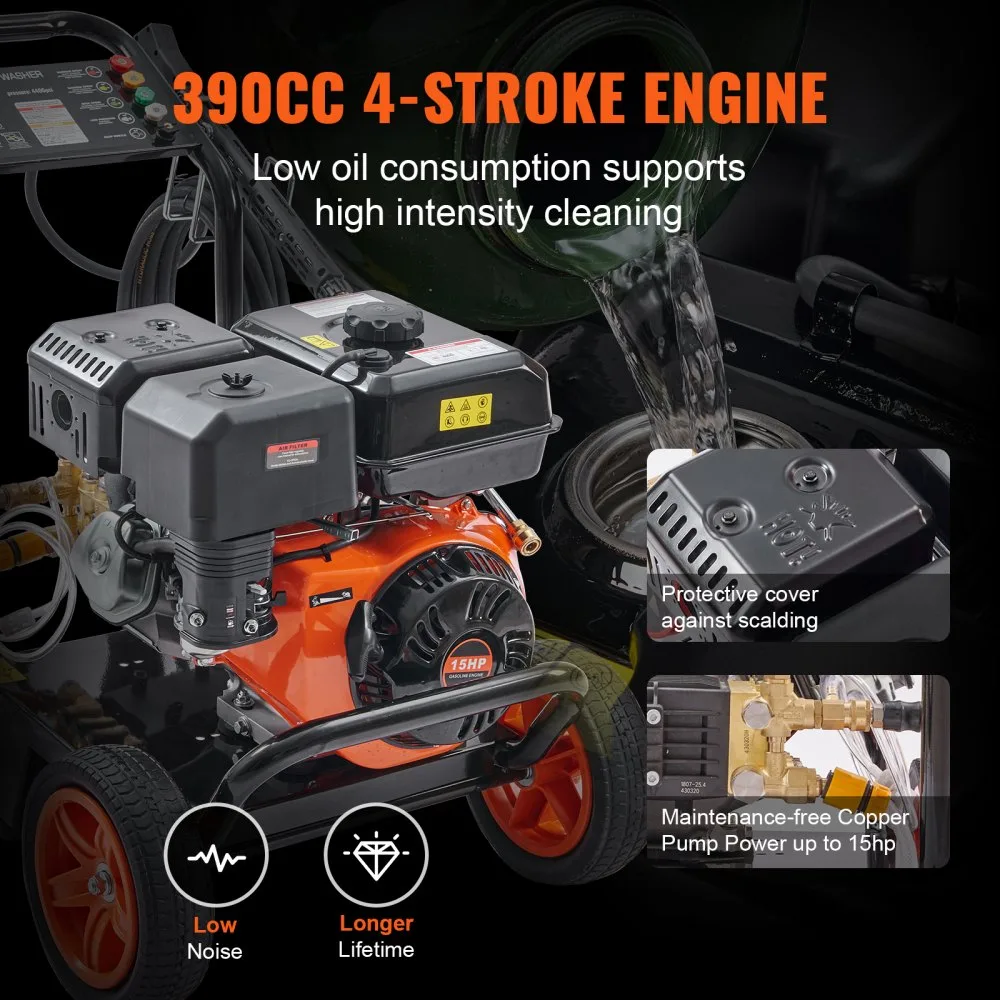
Image source: Bing (Web (fair-use with source credit))
Vevor Gas Pressure Washer Troubleshooting starts with one simple question: what's it actually doing? A machine that won't start and one that delivers weak pressure are two different problems. They lead you down two completely different repair paths.
Per manufacturer specifications, most Vevor pressure washers use a 196cc to 223cc engine paired with an axial cam or triplex pump. That combination is straightforward to diagnose once you know what to look for. As of 2026, these units remain popular for their high PSI ratings at budget prices.
Let's walk through the most common failure modes step by step.
Quick Answer
Start by identifying the exact symptom. No start means check fuel, spark, and the carburetor. Low pressure points to nozzles, water supply, or the unloader valve.
Leaks come from pump seals or the thermal relief valve. Match the symptom to the right decision branch below.
The One Question That Changes Everything: "What's It Actually Doing?"
You have three possible scenarios. The engine won't fire at all. It starts but pressure is weak or surging.
Or you've got water leaking from somewhere it shouldn't. Each one follows a different diagnostic path. Mix them up and you'll waste hours chasing the wrong part.
If the engine doesn't start, your problem lives in the fuel system, ignition, or compression. Most Vevor owners run into gummed carburetors from leaving old gas in the tank. That's the number one cause of no-start on these clone engines.
If it starts but pressure is low or surging, the issue is almost always downstream of the engine. The pump, the unloader valve, the nozzle, or the water supply. Engines that run fine but clean poorly are telling you the pump isn't building or holding pressure correctly.
If water is leaking, location tells you everything. Leaks from a small brass fitting on the pump body are usually the thermal relief valve doing its job. Leaks from the pump shaft or between pump halves mean seal failure.
Leaks at hose connections usually need tightening or a new O-ring.
Get clear on which branch you're in before you touch a single tool. That decision saves you time and keeps you from replacing parts that weren't broken.
Branch 1: Won't Start or Starts Then Dies
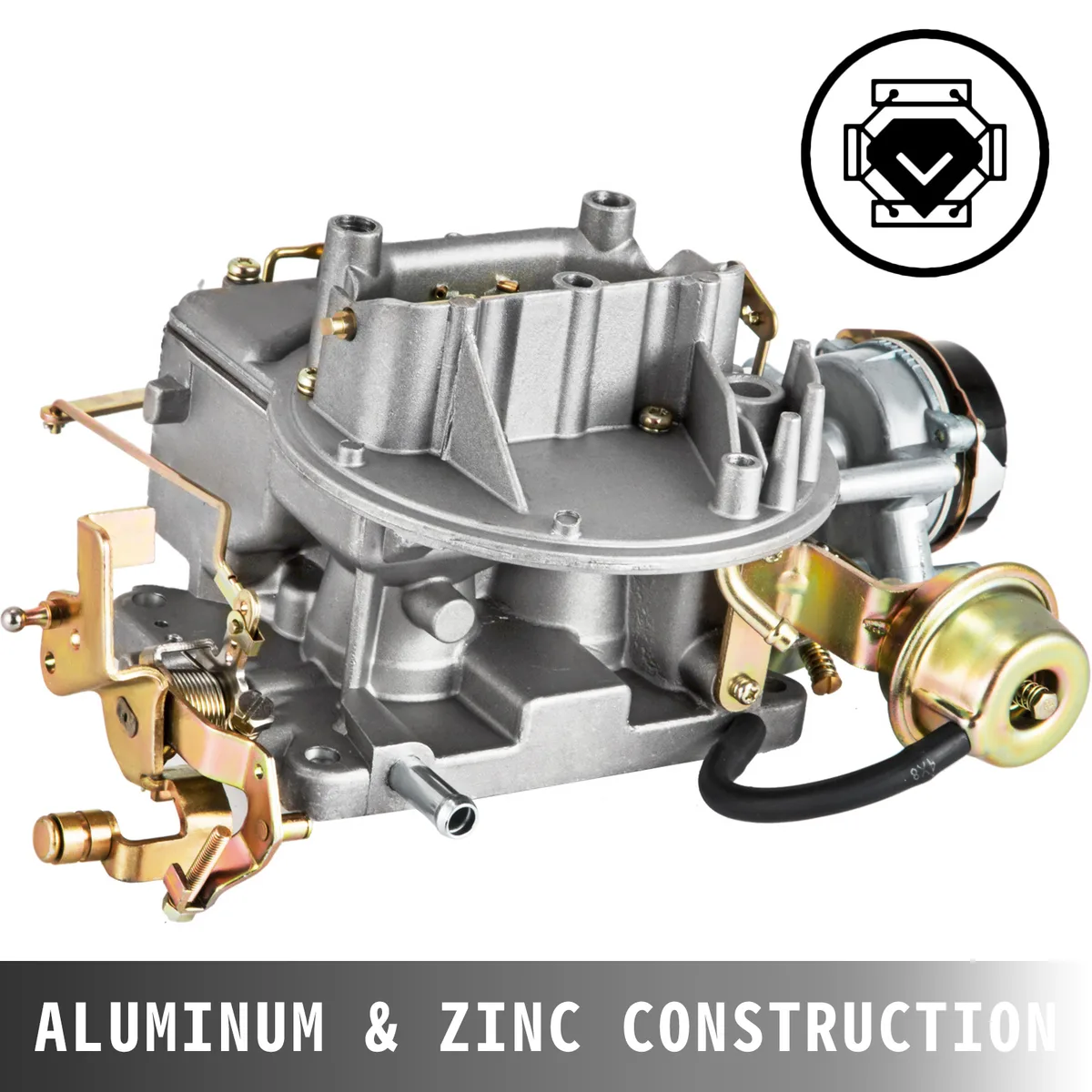
Image source: Bing (Web (fair-use with source credit))
This is the most common complaint across user reports. The engine either refuses to crank or fires briefly and stalls. Let's work through the causes in order of likelihood.
Check the fuel first. Old gasoline left in the tank for more than 30 days begins to break down. It turns gummy and varnishy. That gum plugs the tiny jets inside the carburetor.
Drain the tank and fill it with fresh 87 octane gas. If the machine has been sitting for months, add a carburetor cleaner to the first tank. Fresh fuel alone solves the problem more often than you'd think.
If fuel is fresh and it still won't start, check for spark. Pull the spark plug wire and remove the plug. Reattach the wire to the plug and hold the threads against the engine block. Pull the starter rope.
You should see a bright blue spark. No spark means a bad ignition coil or a faulty kill switch. A weak orange spark often means the spark plug is fouled or gapped wrong.
Gap should be 0.028 to 0.031 inches for most Vevor clone engines.
The carburetor is the next suspect if you have fuel and spark. On Vevor pressure washers, the carburetor sits directly on the engine. It has a small bowl held by a single bolt. Remove that bolt and drain the bowl.
If the gas that comes out looks like tea or has debris in it, the carb needs cleaning. Remove the bowl, pull the main jet, and spray carb cleaner through every passage. Compressed air helps push out any remaining grit.
Try the 30-second unloader valve test before you pull the carb. A stuck closed unloader valve can create enough back pressure to make the engine labor and die. Disconnect the high-pressure hose from the pump outlet. If the engine starts and runs fine with the hose off, your unloader valve is likely stuck.
Cycle it a few times with the engine off to free it.
Air filter and engine oil also matter. A clogged air filter chokes the engine. A dirty one starves it of air and causes a rich fuel mixture that fouls plugs. Check both before you go deeper into repairs.
Branch 2: Runs But Has Low or Surging Pressure
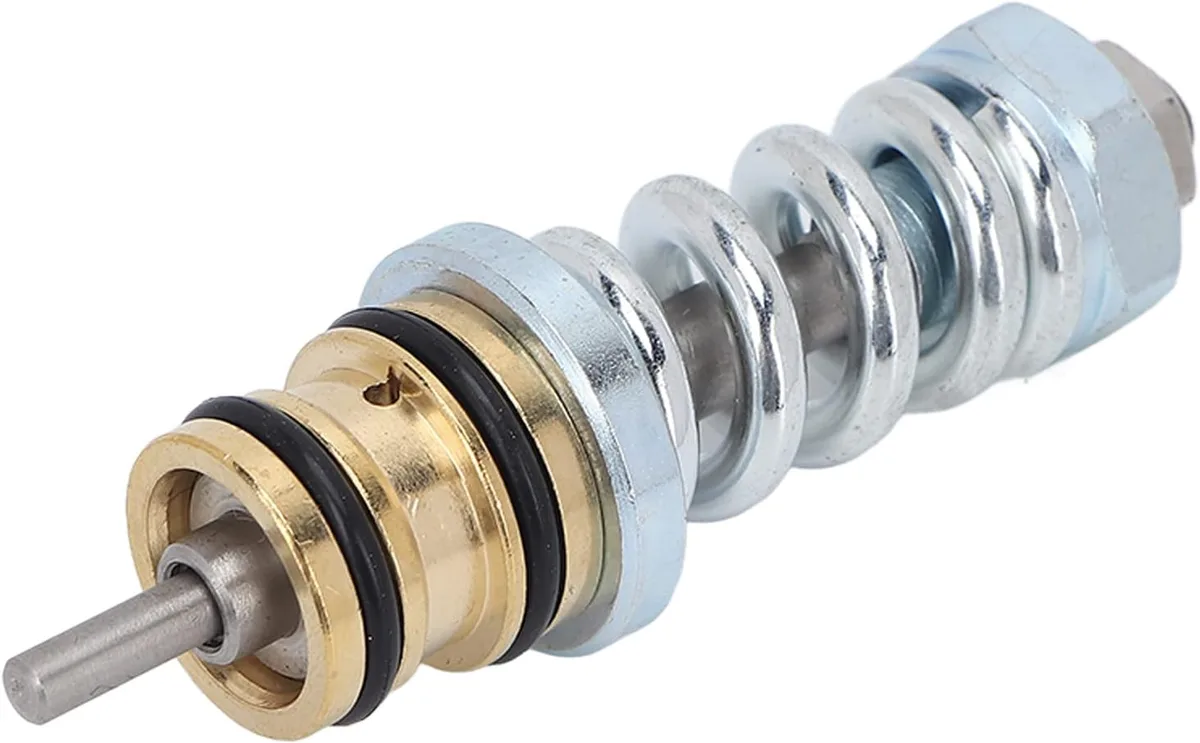
Image source: Bing (Web (fair-use with source credit))
Your engine runs smooth but the water stream feels weak. Or it pushes hard for a few seconds then drops off. This branch is all about the pump system and water path.
Start with the simplest fix: the nozzle. Remove the nozzle tip and look through it. A tiny piece of debris gets lodged in there surprisingly often. Even a grain of sand can destroy pressure.
Clean the tip with a paperclip or a specialized nozzle cleaning tool. Test spray without the tip installed. If pressure returns, the nozzle was the problem.
Check the water supply next. A pressure washer needs a full, unrestricted flow from the garden hose. Never run the pump without water supply for more than a few seconds. Running it dry even briefly can damage the pump seals.
Confirm the water is on full blast. Check for kinks in the hose. Remove the inlet screen from the pump and clean any debris.
Now inspect the pump oil. Pump oil on Vevor pressure washers should be clear and at the proper level. Milky or foamy oil means water has gotten into the pump. That usually indicates blown pump seals.
Low oil can cause the pump to run hot and lose efficiency. Use SAE 30 non-detergent oil only. Detergent oil damages the pump seals over time.
The unloader valve is the most common cause of surging pressure. This valve regulates pressure inside the pump. When it starts to fail, pressure builds then drops in a cycle. You'll feel a pulsing at the wand.
Locate the unloader valve on the pump head. It is usually a brass or aluminum component with a knob or hex cap. Try turning the adjustment screw a quarter turn clockwise to increase pressure.
If the surging stops, the valve was out of adjustment. If it continues, the internal spring or seat may be worn and the unit needs replacement.
Pump seal failure is the worst-case scenario here. Internal seals wear out over time. When they fail, water bypasses inside the pump and pressure drops. Rebuild kits are available for most Vevor triplex pumps.
But on budget axial cam pumps, replacement is often cheaper than rebuilding. If you've checked the nozzle, water supply, oil, and unloader valve and still have low pressure, the pump likely needs replacing.
Branch 3: Leaking Water (Where and When Matters)
A puddle under your pressure washer can mean different things. Not every leak is a crisis. You just need to know where to look and what the water looks like.
Water dripping from a small brass fitting on the pump body is normal. That's the thermal relief valve. It activates when the pump gets too hot, usually around 140 to 150 degrees Fahrenheit. It dumps a small amount of water to cool the pump down.
This happens more often during recirculation when the trigger isn't pulled. If the valve drips constantly even when the pump is cool, the spring inside may be weak and the valve needs replacement.
Water leaking from the shaft area where the pump connects to the engine is a seal problem. That's the crankshaft seal or the pump input seal. Water here will eventually destroy the pump bearings. You'll notice a slow drip that gets worse over time.
Pump seal kits are available for around 15 to 30 dollars. But the repair requires disassembling the pump head. If you're not comfortable with that, factor in the cost of a replacement pump.
Water coming from between the pump halves points to an O-ring failure. Triplex pumps have a large O-ring or gasket between the crankcase and the head. When that seal fails, water leaks out under pressure. You'll see a steady stream rather than a drip.
This is repairable with a rebuild kit and the patience to follow the manual.
Hose and fitting leaks are the easiest fix. Check every connection point. The high-pressure hose connection at the pump, the gun connection, and the wand connection. Tighten them by hand or with a wrench.
If that doesn't stop the leak, replace the O-ring inside the fitting. Standard O-ring packs from a hardware store often have the right size.
One rule applies to all leaks. Never operate the machine with a known leak unchecked. Water inside the pump housing or engine mounts leads to rust and corrosion. A small drip today becomes a seized pump next season.
Fix it when you see it.
Mistakes People Make (and How to Avoid Them)
Some mistakes show up over and over in troubleshooting forums. Avoid these and you'll save yourself a lot of frustration.
Running the pump dry. Even a few seconds without water can score the pump seals. Always turn the water on first. Let it flow through the pump before starting the engine.
Never pull the trigger without water running.
Using detergent oil in the pump. Pump oil must be non-detergent SAE 30. Detergent oil contains additives that foam up inside the pump. Foam reduces lubrication and leads to seal failure.
Check the bottle before you pour.
Storing with old gas in the carburetor. Ethanol-blended gas attracts moisture and leaves varnish deposits. That varnish plugs carb jets. Run the engine dry before storage.
Or add fuel stabilizer and run it through the system. Better yet, use ethanol-free gas if you can find it.
Believing higher PSI means better cleaning. Pressure helps, but flow rate matters just as much. A machine with 4000 PSI at 2.5 GPM cleans differently than one at 3000 PSI at 4.0 GPM. Adjust your expectations based on your actual cleaning task.
Skipping the pump oil check. Many owners never look at the pump oil until something breaks. Check it before each use. Top it off if needed.
Change it once a season or every 50 hours of use. That single habit extends pump life significantly.
The Quick Decision Guide (No Spark, No Fuel, No Compression)
When you're standing in front of a dead pressure washer, you need a fast diagnosis. Here's a symptom-to-part map that covers the most common failures.
| Symptom | Likely Cause | Next Step |
|---|---|---|
| No spark at plug | Bad ignition coil, kill switch, or spark plug | Test with spark tester. Replace coil if no spark |
| Spark but no start | Carburetor gummed, bad fuel, or flooded engine | Drain fuel, clean carb, check choke position |
| Starts then dies | Clogged carb jet, air filter, or unloader stuck closed | Clean carb, replace filter, test unloader |
| Low pressure | Clogged nozzle, bad unloader valve, or pump seal failure | Clean nozzle, test unloader, check pump oil |
| Surging pressure | Unloader valve sticking or water supply restriction | Adjust unloader, check hose for kinks |
| Water leaking from pump shaft | Worn pump seals | Replace pump seal kit or entire pump |
| Water leaking from brass fitting | Thermal relief valve opening normally | Let pump cool. Replace valve if dripping constantly |
The cost-to-repair versus cost-to-replace calculation matters. A new carburetor for a Vevor engine costs around 15 to 25 dollars. A new ignition coil runs 10 to 15 dollars. A complete pump replacement costs 60 to 120 dollars depending on the model.
Compare that to the price of a new pressure washer, typically 200 to 400 dollars for Vevor units. If the engine itself is dead, replacing the whole machine often makes more sense.
What parts are worth fixing on a Vevor. Carburetors, spark plugs, air filters, ignition coils, and unloader valves are cheap and easy to swap. Pump seals and O-rings are fixable with some mechanical skill. Engines with serious internal damage, such as a thrown rod or seized piston, are usually not worth rebuilding.
The frame, hose, and wand are generally solid and should be kept.
Frequently Asked Questions
Why does my Vevor pressure washer lose pressure after a few minutes?
The thermal relief valve is likely opening as the pump heats up. This is normal during recirculation. If pressure drops while actively spraying, check the unloader valve and nozzle.
The pump may also be overheating from low oil.
Should I use ethanol-free gas in my pressure washer?
Yes. Ethanol-free gas extends carburetor life and reduces gumming. It costs more but prevents many no-start issues.
If you can't find ethanol-free, add fuel stabilizer and drain the carb before storage.
How often should I change the pump oil?
Change pump oil once per season or every 50 hours of use. Check it before each use. Milky oil means water contamination and requires immediate replacement.
Use SAE 30 non-detergent oil only.
Can I replace the engine on my Vevor with a Harbor Freight Predator?
Yes, in most cases. The bolt pattern and shaft size are often compatible. Measure your engine's shaft diameter, length, and bolt spacing before ordering.
Expect some work adapting the pump coupling and throttle linkage.
Why does my pressure washer start and then immediately die?
This usually points to a carburetor issue. The pilot jet is likely clogged. Clean the carburetor bowl and jets.
Also check the air filter and confirm the choke is functioning. The unloader valve test described above can also reveal this problem.
How long should a Vevor pressure washer last?
With proper maintenance, expect 3 to 5 years of regular home use. The engine typically outlasts the pump. Replacing the pump once extends the machine's life significantly.
Storage habits matter more than usage hours for longevity.

Similar Posts