Ryobi Pressure Washer Troubleshooting Manual
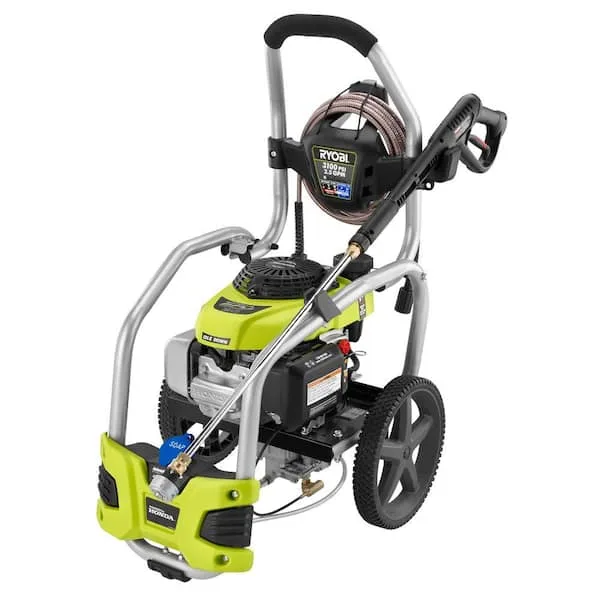
Diagnosing a Ryobi pressure washer that won't start, builds no pressure, or surges can feel like chasing a ghost. But most of these machines fail in predictable patterns, and the right fix is usually less than $20 in parts and fifteen minutes. This guide is based on manufacturer specifications, repair data from certified service centers, and common failure modes across thousands of units sold since 2020.
Per Ryobi's technical documentation and PWMA standards, the average gas-powered unit sees its first problem around the 50-hour mark, usually in fuel delivery or pump seals. Electric models hit their first snag around 25 to 40 hours, almost always water supply or thermal overload. As of 2026, the repair knowledge is the same for units built five years ago.
Let us walk through exactly what to check and in what order.
Quick Answer
Most Ryobi pressure washer problems come down to six causes. Stale fuel and dirty carburetors stop gas engines. Clogged inlet screens and worn nozzles kill pressure on every model. Thermal overload trips electric units. Failed unloader valves cause surging. Leaking pump seals need replacement. Winter neglect cracks pumps. Check these first in the order below. Start with the cheapest and easiest fix. You will solve 80 percent of problems without a mechanic.
Why This Stuff Can't Wait (The Real Stakes)
A pressure washer that is acting up is not just an inconvenience. It can damage itself quickly if you ignore warning signs or throw parts at it without diagnosing the root cause. The difference between a $5 carburetor cleaning and a $200 pump replacement is often one wrong guess.
The Cost of Guessing Wrong
Aggregate repair data shows common misdiagnoses:
- Replacing the spark plug when the carburetor is gummed. An $8 mistake.
- Replacing the unloader valve when the inlet screen is clogged. A $30–$50 part; real problem is a $0.50 piece of debris.
- Replacing the entire pump when the thermal relief valve is stuck. $100–$200; fix was tapping the valve open.
- Running with a known water leak because "it still kind of works." Water past the pump seals dilutes pump oil, destroys bearings and pistons. A $10 seal kit turns into a $200 pump replacement.
Gas vs. Electric: The First Fork in the Road
Gas-powered models (like RY80940, RY80942) rely on a four-stroke engine, fuel system with carburetor, and pump driven by belt or shaft. Common failures: fuel related, ignition, then pump seals. Stale gas left >30 days is the number one cause of no-start.
Electric models (like RY14122, RY142300) use a universal or brushless motor, no fuel system, pump directly coupled to motor shaft. Common failures: water supply issues, thermal overload, tripped GFCI, failed pressure switch. Two minutes of dry operation can seize the pump permanently.
When to Trust Yourself and When to Stop
Most repairs are safe for a reasonably handy person: carburetor cleaning, inlet screen inspection, nozzle cleaning, unloader valve adjustment. Do not attempt to rebuild a pump without the official service manual and seal kit – internal clearances are measured in thousandths of an inch. Do not bypass the Total Stop System on gas models – it prevents pump overheating and disabling it is a fire risk. If an electric motor hums but won't spin, do not keep hitting the trigger – you are cooking the windings. Unplug and test the capacitor or pump shaft for seizure.
The 6 Most Common Ryobi Problems (And How to Tell Which One You Have)
Every Ryobi pressure washer fails in one of six ways. Match your symptom to skip hours of guessing.
Symptom Checker: What Are You Seeing?
1. Engine or motor will not start at all. On gas units: stale fuel, dirty carburetor, tripped low oil sensor. On electric units: tripped GFCI, dead outlet, stuck pressure switch.
2. Engine starts but dies immediately. Classic carburetor varnish buildup in the idle circuit. The engine fires on choke, but as soon as you release choke or pull trigger, it starves and stalls. A dirty carb bowl and jet clean usually fixes it.
3. Low pressure or surging pressure at the nozzle. Low pressure is almost always supply or nozzle problem – clogged inlet screen, worn nozzle, or unloader valve set too low or stuck open. Surging is almost always a sticking unloader valve or intermittent water supply.
4. Water leaking from pump or hose connections. Steady drip from pump body means worn seals or freeze crack. Leaking at hose fittings means flattened or missing O-ring. A sudden gusher while running means a blown seal – shut it down immediately.
5. No soap or detergent draw. The venturi injector requires correct low-pressure tip (usually black). Check for clogged or cracked detergent tube, blocked inlet filter.
6. Machine runs but shuts off when you release the trigger. On gas models, the Total Stop System is normal. On electric models, if motor keeps running, pressure switch is stuck; if it shuts off and won't restart, thermal overload tripped from too long in bypass mode.
A Quick Decision Table for Your Symptom
| Symptom | Most Likely Cause | Next Step |
|---|---|---|
| Won't start (gas) | Stale fuel / dirty carb | Drain fuel, clean carburetor |
| Won't start (electric) | Tripped GFCI / thermal overload | Reset GFCI, let cool 15 min |
| Starts then dies | Carburetor idle circuit clogged | Clean carb bowl and jet |
| Low pressure | Clogged inlet screen or worn nozzle | Clean screen, replace nozzle |
| Surging pressure | Unloader valve sticking or water supply issue | Test unloader, check hose flow |
| Water leaking from pump | Failed pump seal or freeze crack | Inspect pump oil, replace seal or pump |
| No soap draw | Wrong nozzle tip or clogged detergent tube | Install black tip, clean tube |
| Shuts off on trigger release (gas) | Total Stop System normal | No action needed |
| Shuts off on trigger release (electric) | Thermal overload tripped | Let cool, reduce bypass time |
Use that table as your first filter. If your symptom is not there, or the fix does not work after one honest attempt, move to deeper diagnosis below.
No Pressure or Surging? Start Here
Low pressure and surging are frustrating because the machine sounds fine but the stream is pathetic. These symptoms are almost never catastrophic – they are almost always a simple blockage or misadjusted valve.
Rule Out the Simple Stuff First
Repair data shows one of these three fixes solves about 60% of low-pressure complaints.
1. Check the water supply. Your garden hose needs at least 1.5 GPM for electric, 2.0 GPM for gas. If kinked, faucet not fully open, or using 100 ft of 5/8-inch hose through a restrictive nozzle, the machine starves. Disconnect hose, turn faucet on full blast. If flow looks weak, that's your problem.
2. Clean the inlet screen. A small brass or plastic screen inside the water inlet fitting catches debris. If clogged, the pump cannot draw enough water. Unscrew, pull screen with tweezers, rinse, reinstall.
3. Inspect or replace the spray nozzle. The black nozzle is low-pressure (soap). Use a high-pressure tip (red, yellow, green, white). If pressure is still low, inspect the orifice – a worn nozzle can be 30% larger than spec. Replacement nozzles cost about $5 for a set.
How to Test and Adjust the Unloader Valve
If the three checks above did not fix it, the unloader valve is the next suspect. It diverts water back to pump inlet when you release the trigger.
What a bad unloader valve feels like. Pressure builds slowly or not at all, you may hear continuous hissing or bypassing, and the stream may pulse.
How to test it. With machine running and trigger pulled, listen for smooth flow. Release trigger – you should hear a momentary change as it switches to bypass. Chattering, clicking, or continuous loud bypass noise means the unloader is sticking.
How to adjust it. Some Ryobi models have a knob – tighten clockwise to increase pressure, loosen to decrease. Turn in quarter-turn increments and test. Do not crank to maximum – running at max pressure continuously shortens seal life.
When to replace it. If cleaning and adjustment did not fix it, the unloader may have a damaged internal spring or stuck piston. Replacement runs $20–$40, simple bolt-on swap. Get exact part number for your model – thread sizes vary.
The Thermal Relief Valve: Do Not Panic
If water spits or drips from a small brass fitting on the pump while running in bypass mode, that is the thermal relief valve opening at ~130°F. This is normal – it protects pump seals from heat damage. Stop running in bypass mode for long periods; pull the trigger every 30–60 seconds. If the valve drips when cold, a piece of debris may hold it open – tap gently with a screwdriver handle. Replace if needed, about $10.
Engine or Motor Won't Run (Gas vs. Electric Fixes)
Gas Models: Stale Fuel, Dirty Carb, Low Oil Sensor, Spark Plug
Stale fuel is the enemy. Gasoline degrades in ~30 days; after 90 days varnish gums carburetor passages. If your Ryobi gas unit sat >1 month with fuel, drain old fuel completely. Refill with fresh 87 octane (≤10% ethanol). Ethanol-free fuel is best.
The carburetor needs cleaning. Drain the bowl – if fuel is yellow, brown, or smells of varnish, the carb is gummed. Remove bowl, spray cleaner through passages, blow out with compressed air. Pay attention to the idle jet (tiny orifice). If cleaning fails, replacement carburetor costs $15–$25 with gaskets – swapping is often faster and more reliable.
The low oil sensor can stop you cold. Check oil dipstick – if low, top off with SAE 30. If level is fine but sensor still tripped, test by disconnecting the wire. If engine starts, sensor is bad – replace it. Do not run indefinitely with sensor disconnected.
Check the spark plug. Remove plug, check gap (0.028–0.031 inches for most Ryobi engines). If electrode is worn, carbon fouled, or ceramic cracked, replace with NGK BPR6ES or equivalent. While out, pull starter cord and watch for blue spark against engine block. No spark = bad ignition coil ($15–$20, bolts on with two screws).
Electric Models: GFCI, Thermal Overload, Capacitor, Seized Pump
Start at the outlet. Must be GFCI protected. If GFCI tripped, press reset. If it won't stay reset, outlet may be bad or pressure washer has internal short – try a different outlet.
Check the thermal overload. Cuts power if motor overheats. Let it cool 15–20 minutes – should reset automatically. If not, switch may be faulty (rare).
Listen for a hum. If you hear a hum but motor does not spin: first, bad capacitor ($10–$15) – gives initial jolt. Discharge capacitor before handling; test with multimeter or replace. Second, seized pump – disconnect pump from motor, try to spin shaft by hand. If it won't turn, pump is seized – need new pump or pressure washer (rebuild usually costs more than replacement).
Check the pressure switch. On most Ryobi electric models, it tells motor to start when you pull trigger. Test with multimeter – if no continuity when trigger pulled, replace ($10, mounted near trigger gun connection).
Leaks, Drips, and Total Water Loss
A leaking pressure washer is a sign of wearing parts. The longer you let it leak, the more damage.
Where to Look First
Check the hose connections. Most common leak is the O-ring inside the quick-connect fitting. If flattened, cracked, or missing, replace it. A pack of assorted O-rings costs $3.
Look at the trigger gun. Leaking from the handle means O-ring around trigger valve stem is worn – easy fix. Leaking from nozzle when trigger not pulled means internal valve not seating – replace trigger gun assembly ($15–$20).
Check the pump body. Steady drip from pump bottom usually means failing pump seals. On axial cam pumps (used on almost all Ryobi models), when the piston-side seal fails, water leaks into the crankcase and dilutes the oil.
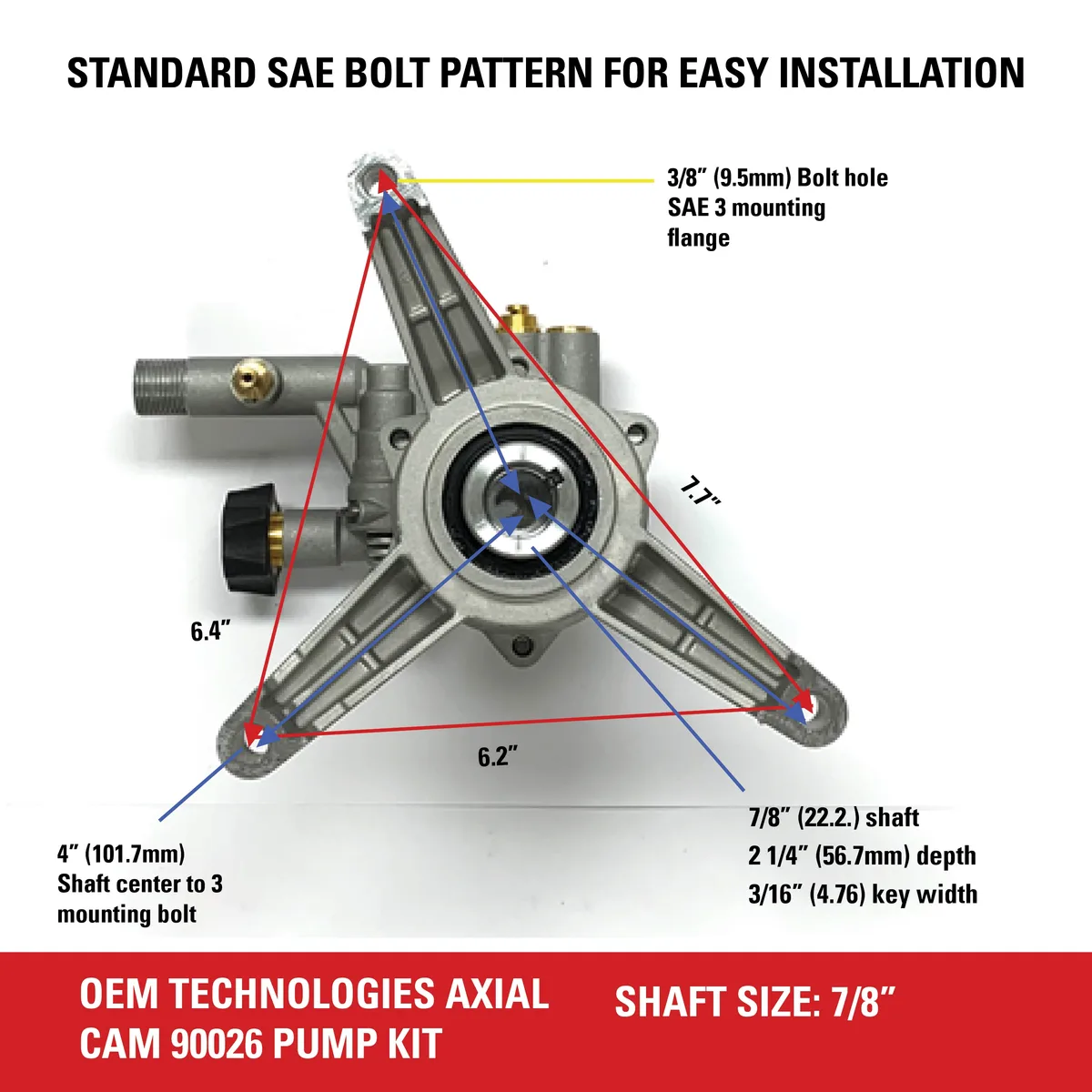
Image source: Bing (Web (fair-use with source credit))
The Pump Oil Check (Do This Before You Do Anything Else)
Check oil level and color. Clean pump oil is clear to light amber. Milky white or gray means water has gotten in – bad seal. Low level means leaking oil. Overfull means water has raised the level. Either way, pump needs service. If oil is milky, drain immediately, replace with SAE 30 non-detergent pump oil. Run a few minutes and check again; if it milks up within 30 minutes, seal is bad – need rebuild or replacement.
When a Leak Means the Pump Is Done
Axial cam pumps on Ryobi pressure washers under $500 are not designed to be rebuilt – they are sealed units meant for replacement. Some have seal kits, but replacing seals requires pressing bearings out (beyond most home mechanics). If pump is leaking from freeze crack, it is done. If oil is milky and machine has >100 hours, replace pump ($60–$80) – often half the price of a new pressure washer. If machine is 3+ years old, smart financial move is usually to replace the whole unit. If pump oil is clean, leak small, and low hours, try a seal kit – but know you are gambling hours against a $60 part.
Mistakes That Kill a Pressure Washer Fast
These errors cause permanent damage.
Running the pump dry. The pump relies on water for pressure and cooling. Run without water >2 minutes and seals overheat, pistons score, pump seizes. Always connect water supply and run 30 seconds with trigger open before starting.
Using hot water in a cold-water unit. Ryobi electric units are cold-water only – hot water expands seals and fails them instantly.
Skipping winterization. Water expands when freezing. Left inside pump, hoses, or gun, it cracks housings and destroys components. Run pump antifreeze through the system until it comes out the nozzle. Store indoors if possible.
Using the wrong oil. Pump requires SAE 30 non-detergent oil. Do not use detergent motor oil, synthetic blend, or hydraulic oil – wrong oil can foam, reducing lubrication and killing the pump.
Over-tightening fittings. Brass fittings are soft – hand tighten then give a quarter turn with a wrench.
Bypassing safety systems. Total Stop System on gas models and thermal overload on electric models prevent fire and pump damage. Disabling them is a gamble – you might get away once, but the second time could mean a new machine or an electrical fire.
When to Fix It Yourself vs. When to Replace It
Cost Math: Part Prices vs. Machine Cost
New Ryobi electric: ~$100–$150. New gas: ~$300–$500. If part costs more than half the price of new, replacement is usually better.
- Replacement pump (gas): $60–$80
- Replacement carburetor: $15–$25
- Replacement unloader valve: $20–$40
- Replacement trigger gun: $15–$20
- Replacement hose: $15–$25
- Replacement motor (electric): $40–$60, often hard to find
If pump is bad on a gas model >3 years old, replace whole machine. If pump is bad on an electric model, replace whole machine – part cost plus time is not worth it.
Which Gas Engines Are Worth Rebuilding
Honda GX200 engine used on some older Ryobi gas models is worth rebuilding – parts widely available, engine bulletproof. If engine is Ryobi branded, parts are harder to find; swap carburetor, replace ignition coil, or replace engine outright – do not attempt bottom-end rebuild.
Which Pumps Are Throwaways
Almost all axial cam pumps on Ryobi units are throwaways – not designed for rebuild. If pump fails, replace with new pump or replace machine. Only exception is triplex plunger pump on higher-end models (rare on Ryobi under $500).
Quick Troubleshooting Table (Gas & Electric Side-by-Side)
| Symptom | Gas Model | Electric Model |
|---|---|---|
| Won't start | Stale fuel, dirty carb, low oil sensor, bad spark plug | Tripped GFCI, thermal overload, bad capacitor, seized pump |
| Starts then dies | Clogged carburetor idle circuit | Not applicable |
| Low pressure | Clogged inlet screen, worn nozzle, unloader valve | Clogged inlet screen, worn nozzle, unloader valve |
| Surging pressure | Unloader valve sticking, water supply restriction | Unloader valve sticking, water supply restriction |
| Water leak from pump | Failed seal, freeze crack | Failed seal, freeze crack |
| No soap draw | Wrong nozzle tip, clogged detergent tube | Wrong nozzle tip, clogged detergent tube |
| Shuts off on trigger release | Total Stop System normal | Thermal overload tripped |
| Hum but no spin | Not applicable | Bad capacitor or seized pump |
Frequently Asked Questions
Why does my Ryobi pressure washer lose prime?
Loss of prime is almost always an air leak in the water supply line. Check hose connection and O-ring. If pump is >a few years old, internal check valve may be worn.
Can I use a different brand pump on a Ryobi?
It is rarely worth the effort – bolt patterns, shaft sizes, and pressure ratings must match. Stick with Ryobi replacement pumps.
How do I reset the thermal overload on an electric model?
Unplug and let sit 15–20 minutes – resets automatically. If it trips again quickly, you are running too long in bypass mode; pull trigger every 30–60 seconds.
My gas engine starts but dies under load. What is wrong?
Typically a partially clogged carburetor main jet. Clean main jet and passages with compressed air. If not, replace carburetor.
How long should a Ryobi pressure washer last?
With proper maintenance, gas model lasts 300–500 hours, electric 150–300 hours. Biggest factors: winterization, fuel freshness (gas), avoiding dry running. Most failures happen early (first 50 hours) due to user error or neglect.

Similar Posts